September 23, 2026 · 4 min read
When planning a journey to the United States, many international visitors and older travelers seek destinations that offer not just iconic sights, but also a genuine sense of welcome, ease of navigation, and a rich tapestry of stories. While major cities certainly have their appeal, a deeper, more personal experience often awaits in lesser-known locales that prioritize community, accessibility, and unique cultural heritage.
Forget the crowded tourist traps and discover places where history isn't just displayed, but deeply felt. These destinations offer a slower pace, incredible narratives, and a friendly atmosphere, making them ideal for those who wish to connect with America's diverse past and present beyond the well-trodden paths.
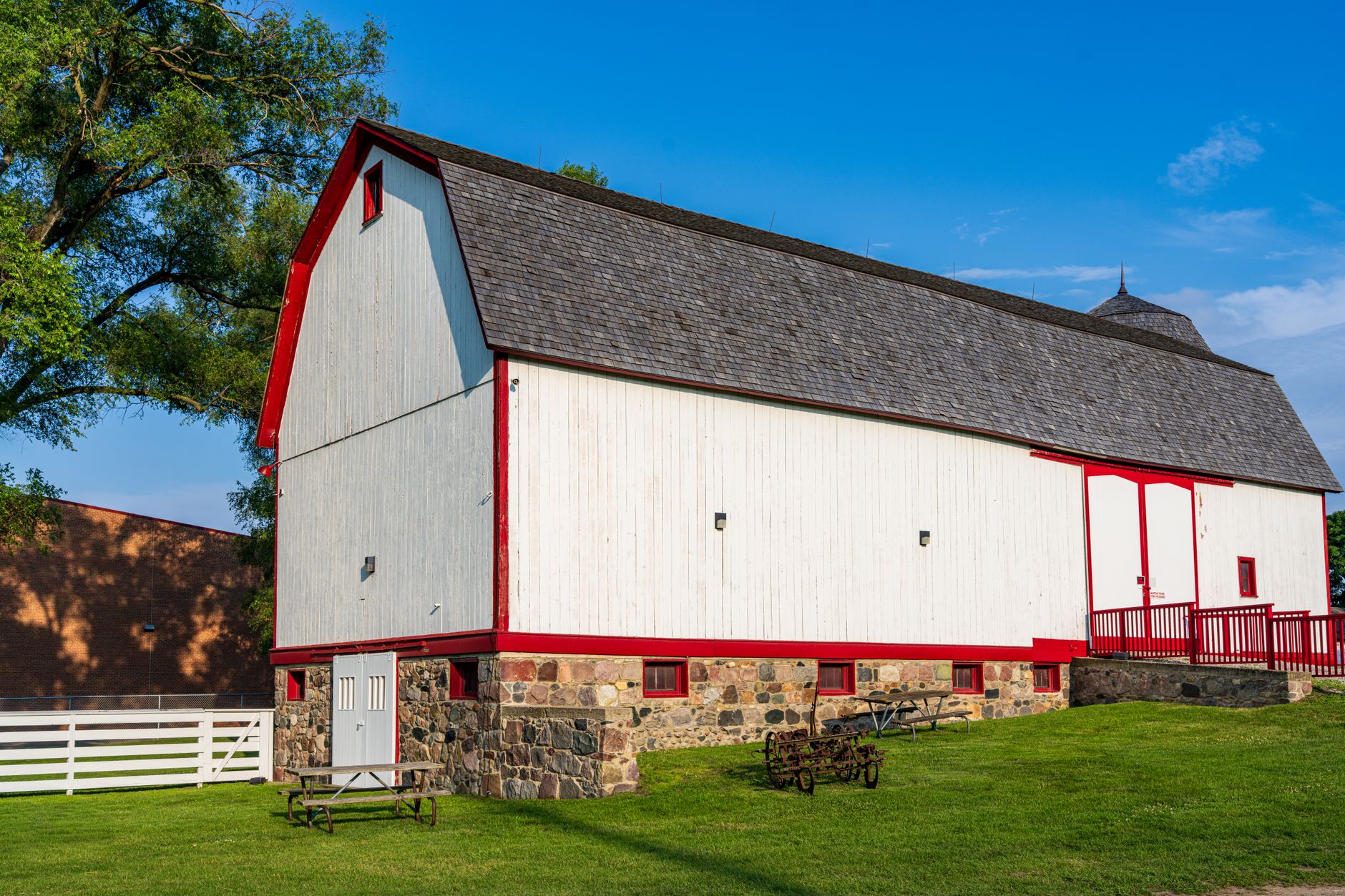
1. A Living Experiment in Iowa
Amana Colonies, Iowa, USA
Discover a place where German immigrants once lived communally for decades, a radical experiment in sustainable living.
The Amana Colonies are seven villages in Iowa where German Pietists established a self-sufficient, communal society in the mid-19th century. They shared all property and labor for nearly 80 years, thriving through agriculture, crafts, and manufacturing. Even after transitioning to a capitalist system in 1932, the community maintains its unique identity, offering visitors traditional German food, wineries, and artisan shops that preserve their heritage.

2. Where Russian Cathedrals Meet Totem Poles
Sitka, Alaska, USA
Explore an Alaskan island town where Russian history, Tlingit culture, and American expansion dramatically converged.
Sitka, nestled on Baranof Island, was the capital of Russian America before the 1867 Alaska Purchase. Here, the onion-domed St. Michael's Cathedral stands as a testament to Russian Orthodox influence, while the Sitka National Historical Park preserves battlegrounds and showcases magnificent Tlingit totem poles. This unique blend of cultures offers a profound look into the region's complex past and stunning natural beauty, all set against a backdrop of mountains and ocean.
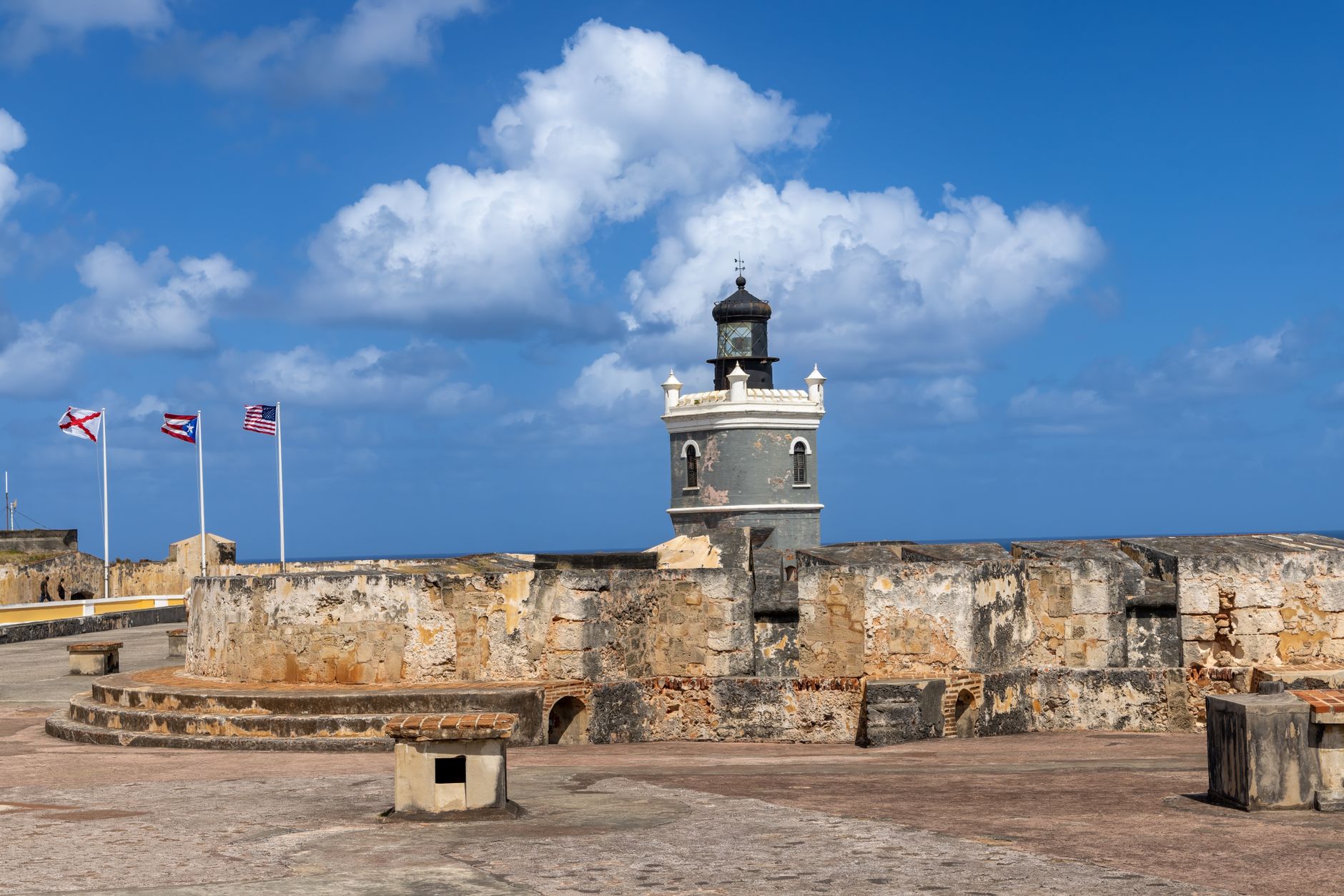
3. America's Enduring First City
St. Augustine, Florida, USA
Walk the ancient streets of the United States' oldest continuously inhabited European-established settlement, founded decades before Jamestown.
St. Augustine, Florida, was founded by Spanish explorers in 1565, making it significantly older than any English colonial city. Its star-shaped Castillo de San Marcos, built from coquina shell, has defended the city for centuries without ever falling to enemy attack. Beyond the fort, narrow cobblestone streets, historic churches, and vibrant Spanish colonial architecture tell tales of pirates, battles, and diverse cultural influences spanning over 450 years.
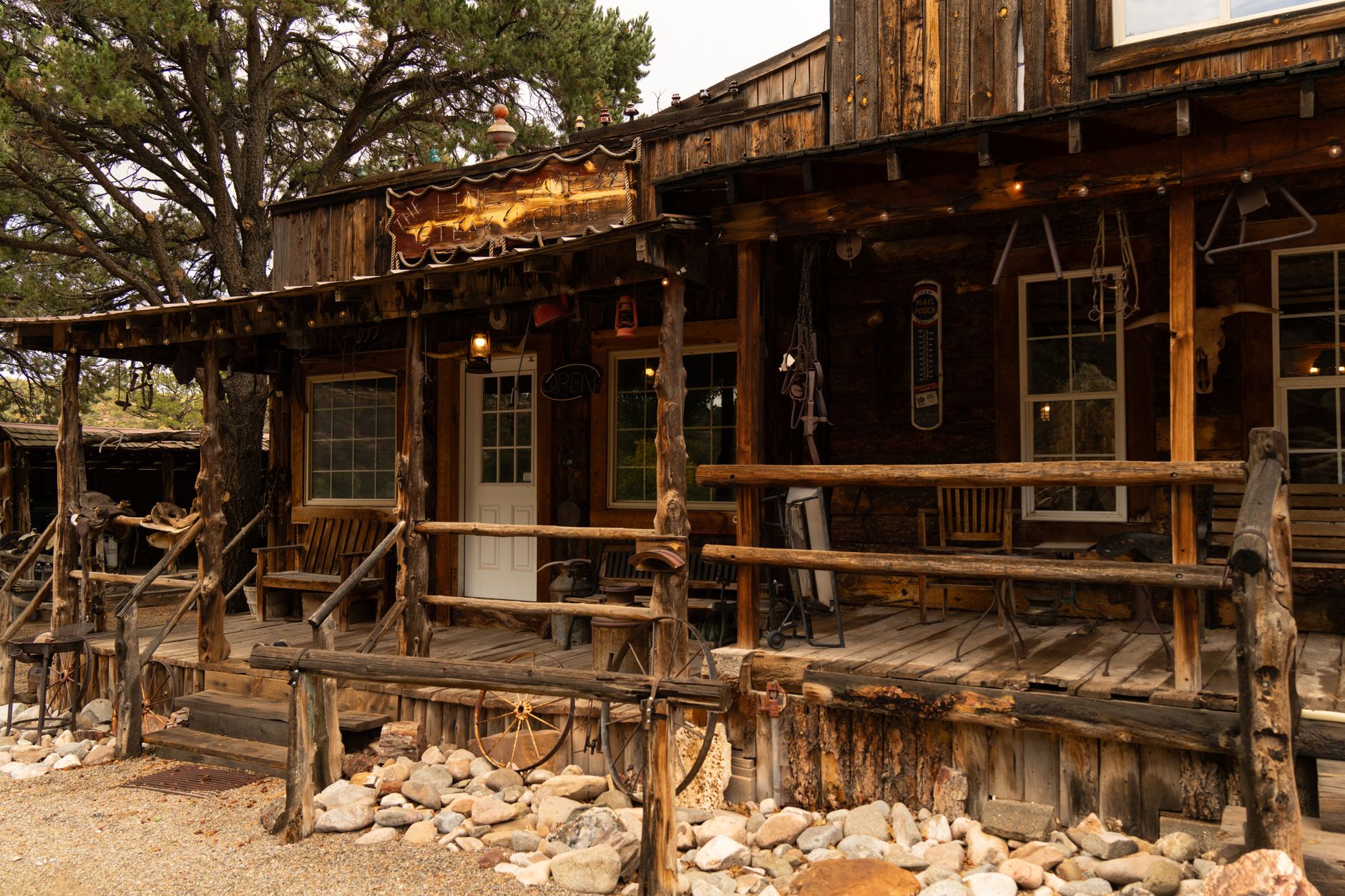
4. Desert Art & Wilderness Gateway
Silver City, New Mexico, USA
Discover a former Wild West mining town that reinvented itself as a vibrant arts community at the edge of America's first designated wilderness.
Silver City, New Mexico, began as a bustling silver mining camp in the 1870s, attracting figures like Billy the Kid. Today, its historic downtown, featuring Victorian architecture and unique adobe buildings, is home to numerous art galleries, studios, and independent shops. It serves as the primary gateway to the vast Gila National Forest and the Gila Wilderness, the world's first designated wilderness area, offering pristine natural beauty and ancient cliff dwellings.

5. German Heart of the Midwest
New Ulm, Minnesota, USA
Uncover a Minnesota town where German heritage runs deep, boasting a historic brewery that survived both Prohibition and a devastating conflict.
New Ulm was founded by German Turners in the mid-19th century, aiming to create a uniquely German-American community. Its strong identity is visible in landmarks like the Hermann Monument and the Glockenspiel. The town is home to Schell's Brewery, one of the oldest family-owned breweries in the U.S., which famously survived the U.S.-Dakota War of 1862 and Prohibition, continuing to brew traditional German-style beers.
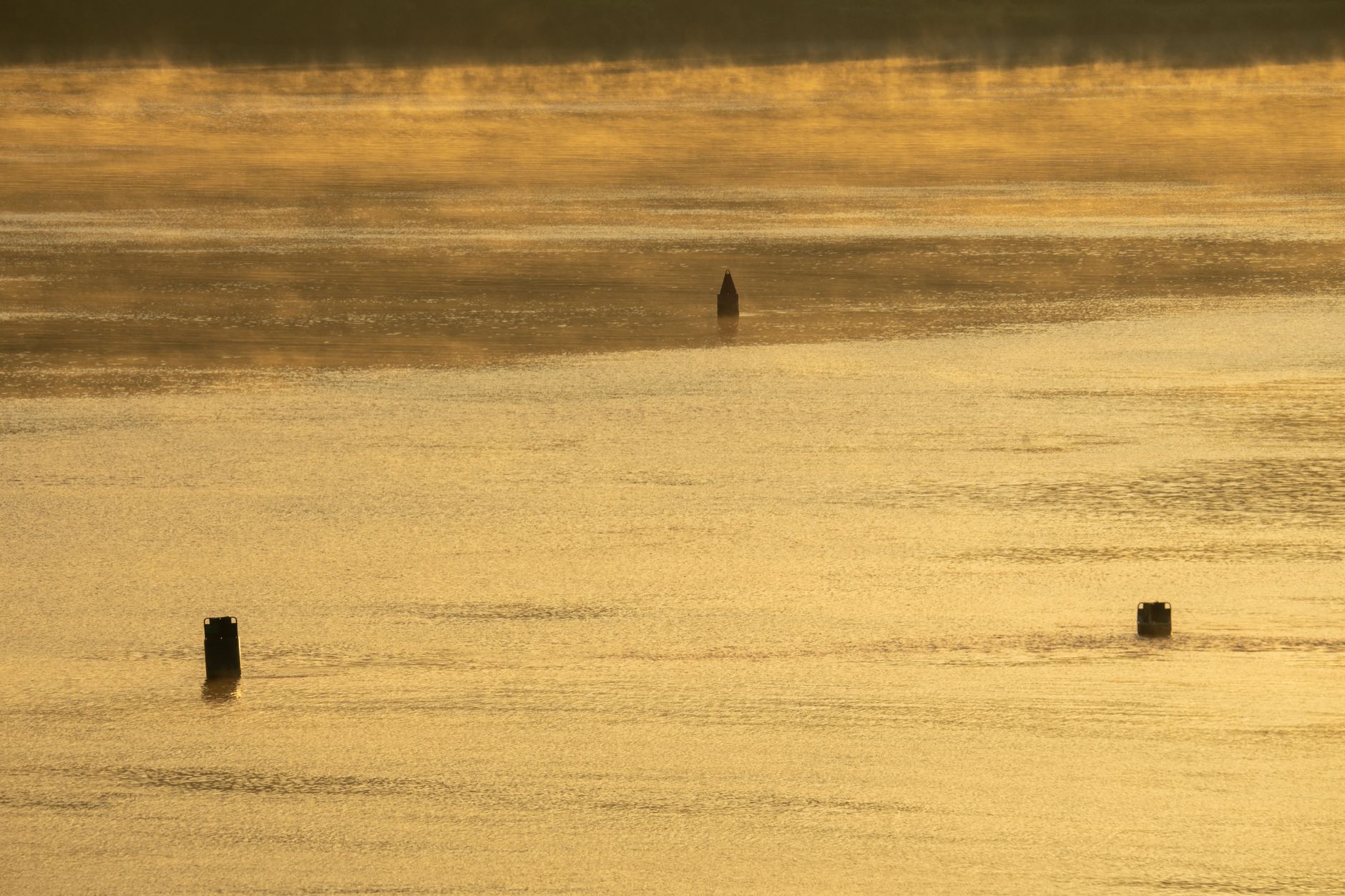
6. Where the Columbia Meets the Pacific
Astoria, Oregon, USA
Explore the oldest American settlement west of the Rocky Mountains, a historic port city rich with maritime tales and cinematic lore.
Founded in 1811 by John Jacob Astor's Pacific Fur Company, Astoria sits dramatically at the mouth of the Columbia River. Its steep hills are dotted with Victorian homes, and its bustling waterfront tells stories of fishing, logging, and maritime trade. The Astoria Column, adorned with murals depicting local history, offers panoramic views, and the town is famously recognized as the primary filming location for the cult classic movie "The Goonies."
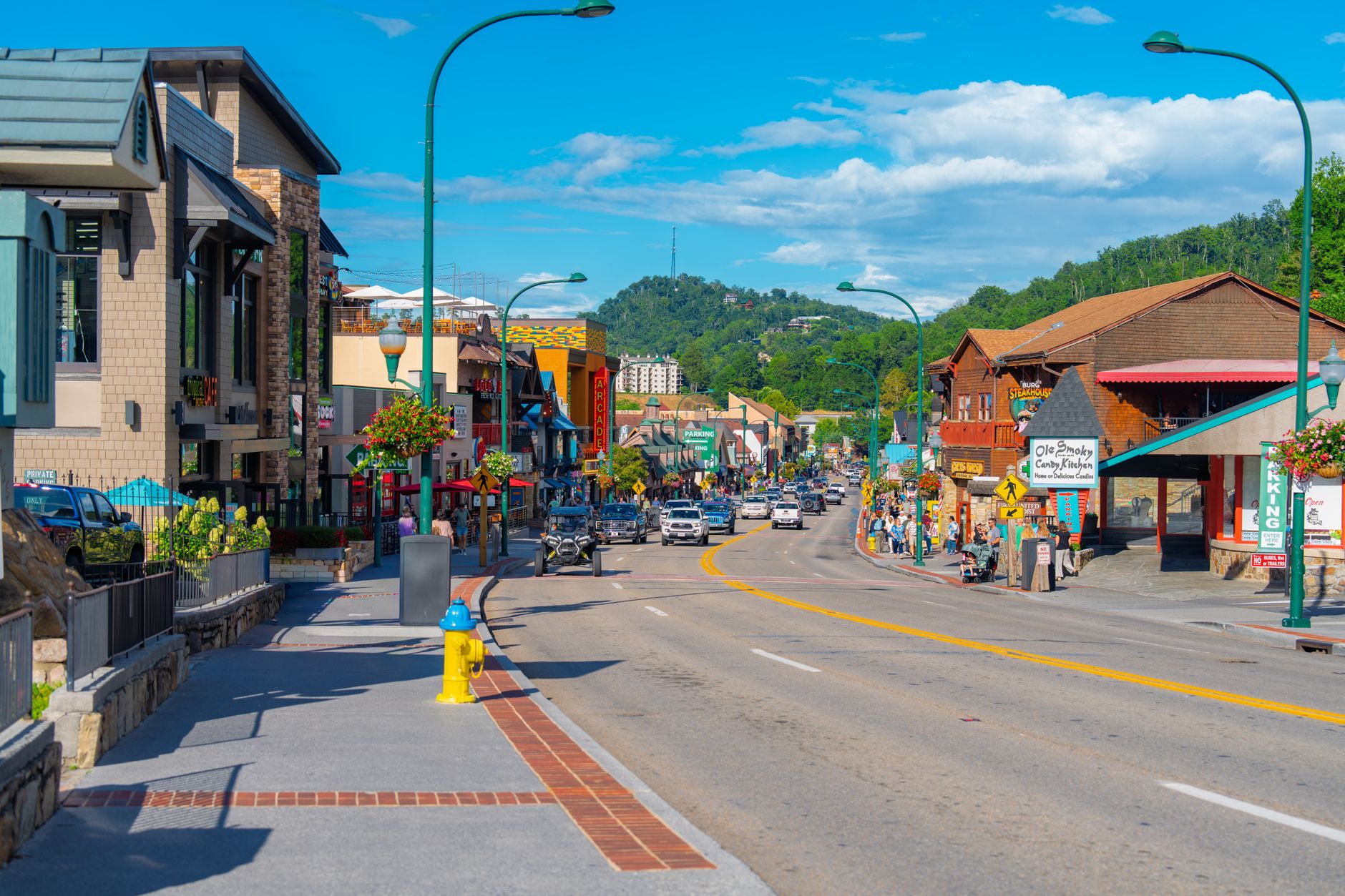
7. Grant's Town on the Galena River
Galena, Illinois, USA
Discover a remarkably preserved 19th-century Illinois town that once outshone Chicago in river trade and produced a future U.S. President.
Galena, Illinois, flourished as a lead mining and steamboat port in the 1800s, becoming Illinois' most important city before Chicago's rise. Its entire downtown is listed on the National Register of Historic Places, preserving stunning Federal and Victorian architecture. Ulysses S. Grant lived here before the Civil War, and his former home is a popular historic site. The town's hilly terrain, unique for Illinois, offers scenic views and a walkable historic district.

8. Murals, Quilts, and River Heritage
Paducah, Kentucky, USA
Uncover a Kentucky river city that earned a prestigious UNESCO designation for its vibrant crafts and stunning floodwall murals.
Paducah, Kentucky, strategically located at the confluence of the Ohio and Tennessee Rivers, boasts a rich maritime history. Its downtown district is adorned with impressive floodwall murals, depicting the city's history and culture in vivid detail. Recognized as a UNESCO Creative City for Crafts and Folk Art, Paducah is particularly famous for its National Quilt Museum, drawing artists and enthusiasts from around the world, making it a hub for textile arts.
Frequently asked questions
What makes a U.S. destination "welcoming" for international or older travelers?
Welcoming destinations often feature accessible infrastructure, a high degree of walkability, clear signage, and a culture that embraces diverse visitors. They might also offer guided tours or resources in multiple languages, and a slower pace than major metropolises for comfortable exploration.
Are these lesser-known U.S. destinations safe for solo older travelers?
Generally, yes. The smaller, community-focused nature of many underrated towns often means a lower crime rate and a more neighborly atmosphere. It's always wise to research specific local conditions and practice general travel safety precautions, just as you would anywhere else.
How can I find accessible accommodations in these unique U.S. towns?
Many smaller towns have historic buildings, so it's crucial to check directly with individual hotels or B&Bs about their specific accessibility features. Larger chain hotels, if available, typically adhere to ADA standards. Online travel sites often have filters for accessible rooms, which can help narrow your search.
How does the AllTours.ai app enhance a visit to these places?
AllTours.ai transforms your phone into a personal AI audio tour guide. Simply point your camera at a landmark, building, or landscape, and the app will instantly narrate its history, geology, and culture in your preferred language, offering deep insights into these fascinating, underrated spots.
Related guides
Photography via Pexels. AllTours.ai is an AI audio tour guide — point your camera at any landscape and hear its story.