August 27, 2026 · 4 min read
Kyoto, the ancient capital of Japan, draws millions with its iconic temples, vibrant geisha districts, and meticulously manicured gardens. Yet, beyond the well-trodden paths of Kiyomizu-dera and Fushimi Inari, lies another Kyoto—a city of quiet contemplation, profound history, and artistic craftsmanship waiting to be discovered. These are the hidden gems in Kyoto, places where time seems to slow, offering a deeper connection to the city's soul.
This list invites you to explore Kyoto's lesser-known wonders, from temples adorned with thousands of unique statues to gardens that once soothed samurai poets, and streets preserving centuries-old traditions. Each spot holds a surprising story, a piece of geology, or a cultural insight that reveals the true depth of this extraordinary city.
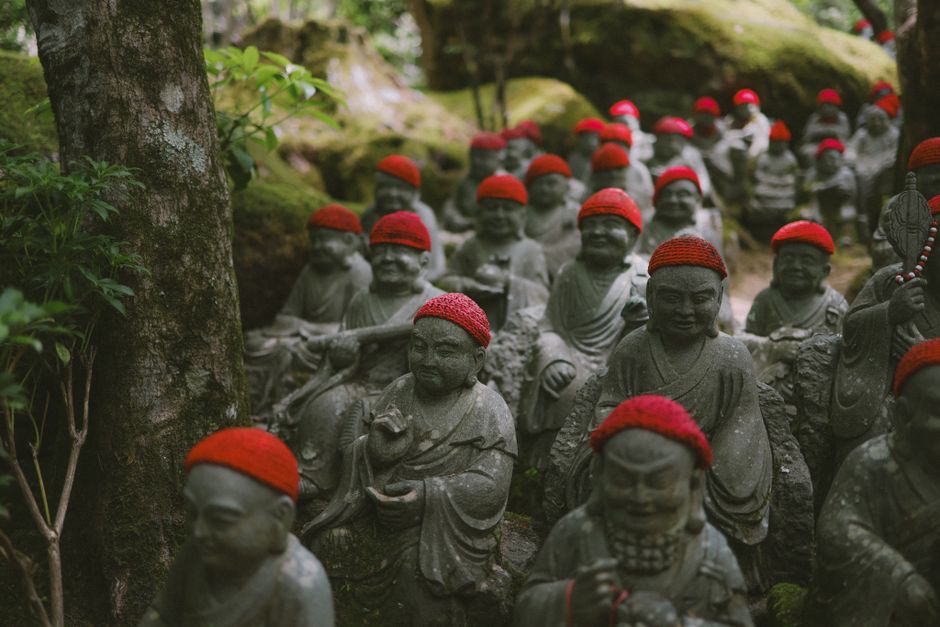
1. The Laughing Rakan Temple
Otagi Nenbutsu-ji Temple, Kyoto, Japan
This temple houses over 1,200 unique Rakan statues, each with its own distinct, often whimsical, expression, carved by amateurs under the guidance of a single monk.
Tucked away in the Arashiyama hills, Otagi Nenbutsu-ji is a truly unique experience. After its original location was destroyed, the head priest Kocho Nishimura spearheaded its reconstruction, inviting ordinary people to carve the stone Rakan (disciples of Buddha). The result is an astonishing collection of figures that capture a full spectrum of human emotions, from joyful laughter to thoughtful contemplation, making each statue a miniature work of folk art that feels deeply personal.
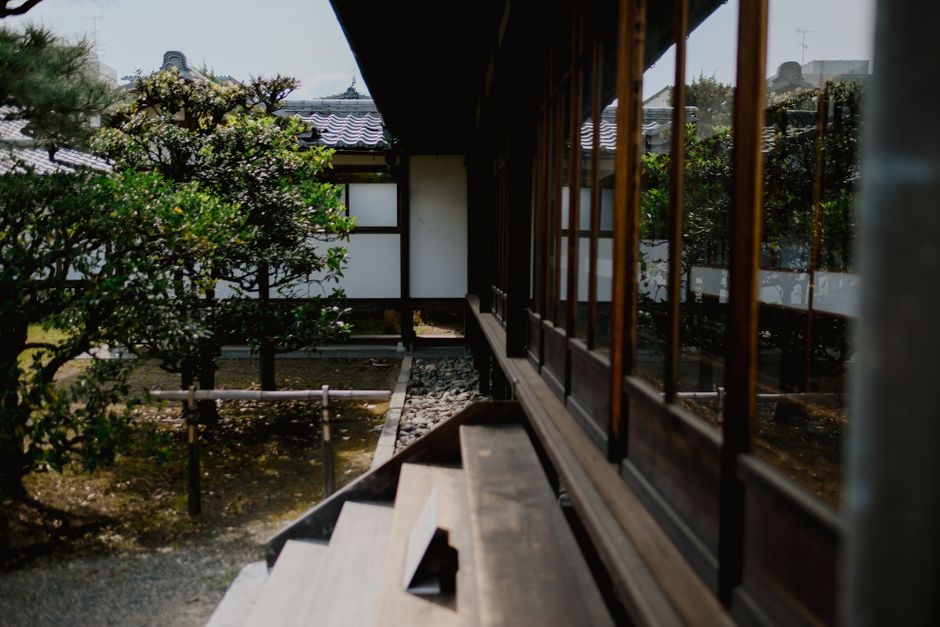
2. Windows of Enlightenment and Blood
Genko-an Temple, Kyoto, Japan
Genko-an is famous for its two windows, 'The Window of Enlightenment' and 'The Window of Confusion,' and a ceiling stained with the blood of samurai.
Established in 1694, Genko-an offers a profound sensory experience. The circular Window of Enlightenment and the square Window of Confusion frame a serene garden, inviting contemplation on life's dualities. More strikingly, parts of its ceiling were brought from Fushimi Castle, where loyal samurai committed seppuku after a siege in 1600. The dark wooden planks still bear visible bloodstains and imprints, a somber, tangible link to a pivotal moment in Japanese history.
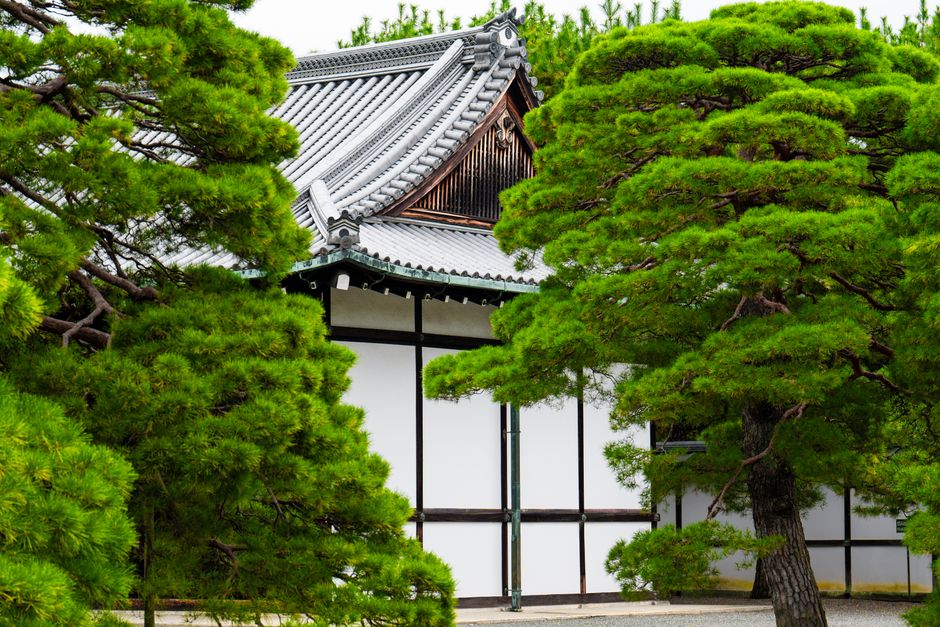
3. The Samurai Poet's Retreat
Shisendo Temple, Kyoto, Japan
This tranquil temple was once the mountain retreat of Ishikawa Jozan, a samurai warrior who retired to become a respected scholar and poet in the early Edo period.
Shisendo, meaning 'Hall of Poetic Immortals,' was built in 1636 by Jozan, a retainer of the Tokugawa clan. He designed the meticulously crafted garden, which features clipped azaleas and a 'shishi-odoshi' (deer scarer) whose rhythmic clack echoes through the quiet space. The temple's main hall houses portraits of 36 Chinese poets, and its design reflects Jozan's profound appreciation for both nature and classical literature, creating an atmosphere of deep serenity and intellectual calm far from city noise.
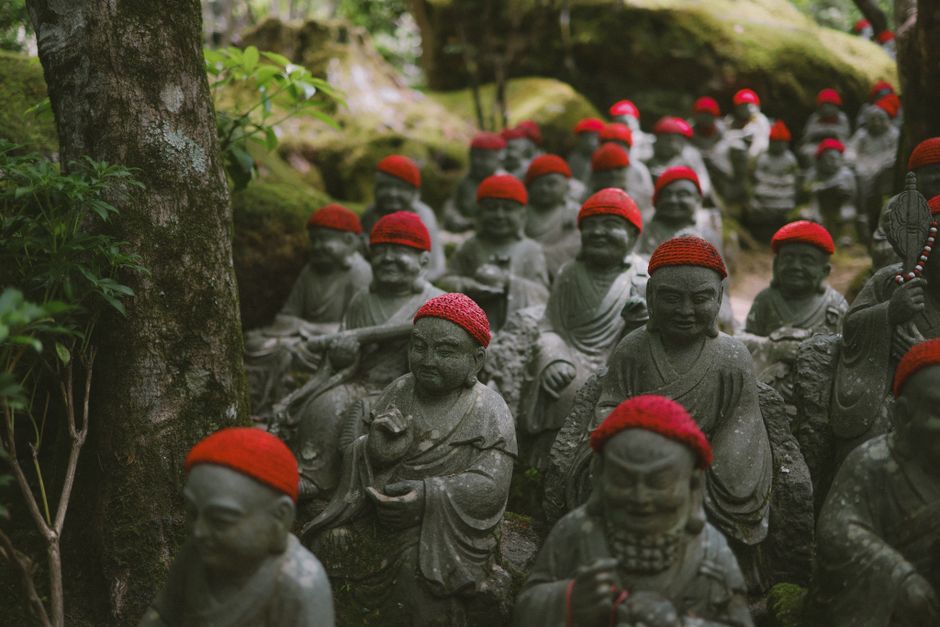
4. Thousands of Lost Souls
Adashino Nenbutsu-ji Temple, Kyoto, Japan
Thousands of stone Buddhas and pagodas stand here, erected to commemorate the souls of people who died without families or proper burials in ancient Kyoto.
Located in the secluded hills of Arashiyama, Adashino Nenbutsu-ji is a poignant and atmospheric site. In this area, since the Heian period, people would abandon the bodies of the dead, leading to a landscape filled with countless memorials. The temple gathers these scattered stones, creating a hauntingly beautiful and respectful tribute to the forgotten dead. The annual Sento Kuyo (Thousand Lantern Offering) in August sees the grounds illuminated by countless candles, a moving sight.

5. The Haiku Master's Humble Hut
Rakushisha Poet's Hut, Kyoto, Japan
This tiny, thatched-roof hut was once the temporary residence of Matsuo Basho, Japan's most famous haiku poet, inspiring some of his celebrated verses.
Nestled in a quiet rural setting near Arashiyama, Rakushisha, or 'Falling Persimmon Hut,' offers a glimpse into a simpler, contemplative life. The hut belonged to Basho's disciple, Kyorai, and Basho himself stayed here multiple times, finding inspiration in the surrounding nature, particularly during autumn when persimmons ripened. It's a testament to the power of observation and quietude, a place where the ordinary becomes profound, reflecting the essence of haiku poetry.
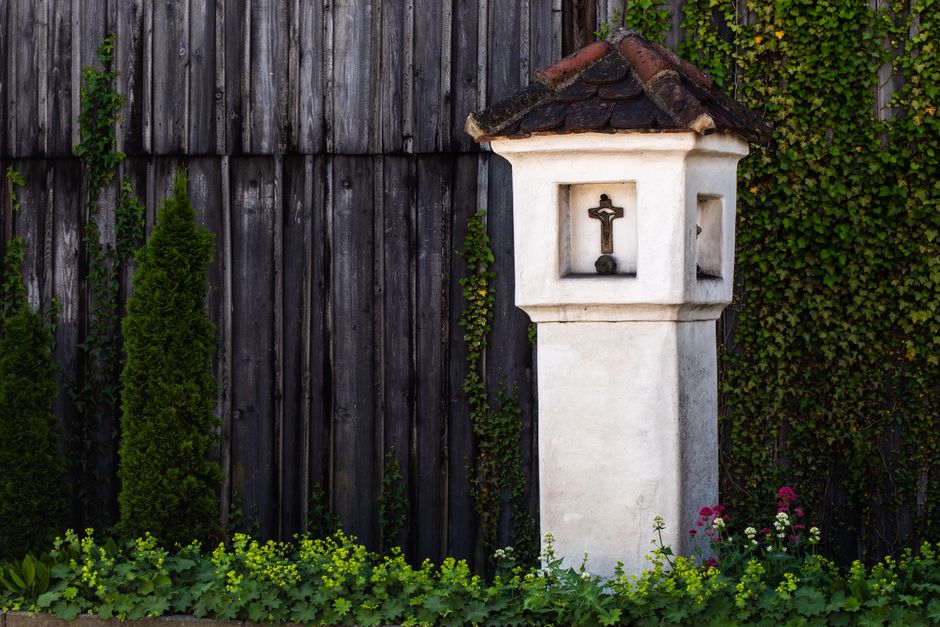
6. The Christian Daimyo's Garden
Zuiho-in Temple (Daitoku-ji Sub-temple), Kyoto, Japan
This Zen sub-temple features a dry landscape garden designed to subtly represent a cross, a tribute to its founder, a Christian daimyo who was persecuted for his faith.
Zuiho-in is one of the many sub-temples within the vast Daitoku-ji complex, but it holds a unique history. It was founded by Otomo Sorin, a Kyushu daimyo who converted to Christianity. Though Christianity was later outlawed, the temple's main dry garden, known as 'Ryugin-tei,' is subtly arranged to form the shape of a cross amidst its rocks and raked gravel. It's a quiet, defiant symbol of faith hidden in plain sight, a poignant reminder of Japan's complex religious history.
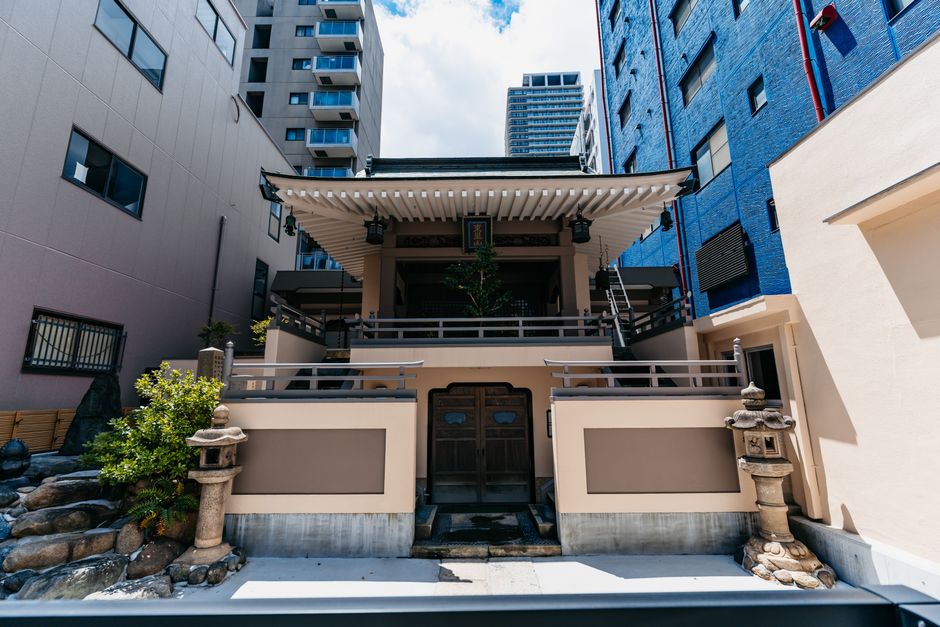
7. Empress's Secluded Sanctuary
Jakkō-in Temple, Ohara, Kyoto, Japan
This remote temple became the secluded sanctuary of Empress Kenreimon-in after the tragic defeat of her clan, the Taira, in the 12th century.
Deep in the tranquil valley of Ohara, Jakkō-in offers a powerful historical narrative. After the Battle of Dannoura, which saw the Taira clan annihilated, Empress Kenreimon-in retreated here to become a nun, spending the rest of her life in prayer for the souls of her fallen family. The temple's serene moss garden and ancient pond evoke a sense of timeless peace, yet they hold the echoes of profound grief and imperial tragedy, offering a glimpse into a bygone era of courtly sorrow.
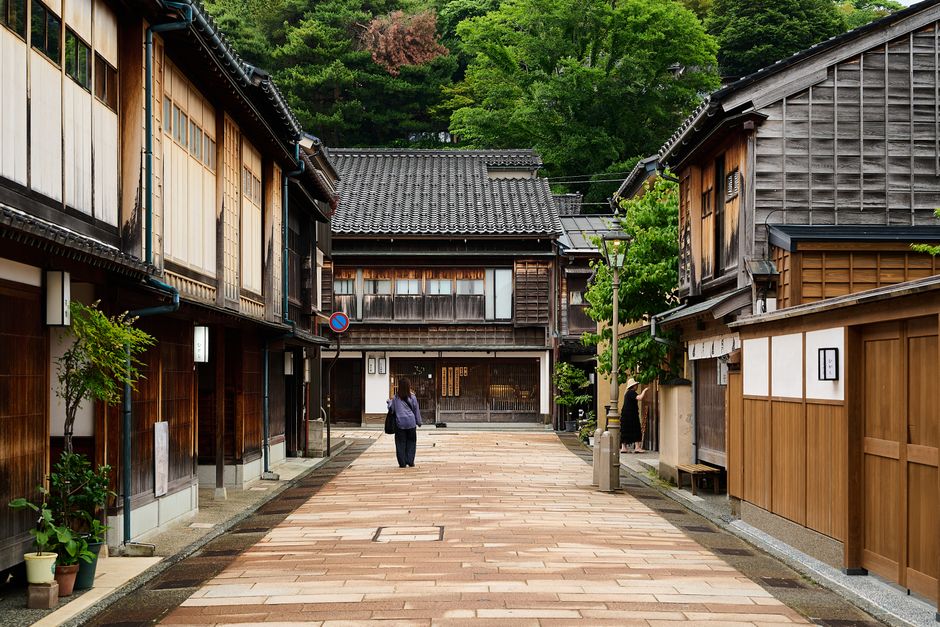
8. Timeless Thatched Roof Street
Saga-Toriimoto Preserved Street, Kyoto, Japan
This beautifully preserved street maintains the look of a traditional Edo-period village, with many of its thatched-roof homes now hosting craft shops and restaurants.
Leading up to Adashino Nenbutsu-ji, the Saga-Toriimoto Preserved Street feels like stepping back in time. Unlike the bustling tourist areas, this quiet lane offers an authentic glimpse into historical Kyoto's rural charm. Many of the traditional machiya houses, characterized by their distinctive thatched roofs, have been lovingly restored and now house quaint shops selling local crafts, tea houses, and small eateries. It's an ideal place for a leisurely stroll, away from the crowds, to appreciate traditional Japanese architecture and local artistry.
Frequently asked questions
What is the best way to get to these hidden gems in Kyoto?
Many of these hidden gems are accessible by Kyoto's excellent public transport system, combining buses and trains. For more remote locations like Ohara (Jakkō-in), a bus ride from Kyoto Station or a local train station is usually the best option. Consider purchasing a one-day bus pass if you plan on visiting multiple locations within the city.
When is the best time of year to visit Kyoto's lesser-known spots?
Spring (March-May) and autumn (October-November) offer pleasant weather and stunning scenery, making them ideal for exploring. However, these are also peak tourist seasons. For a quieter experience, consider visiting in early summer (June, avoiding rainy season peaks) or winter (December-February), when tourist numbers are lower and the serene beauty of these spots is even more pronounced.
Are there any specific etiquette tips for visiting temples and shrines in Japan?
When visiting temples and shrines, always be respectful. Remove your shoes before entering temple buildings, avoid loud conversations, and refrain from taking photos where prohibited. If you wish to make an offering or pray, observe how others do it. Always be mindful of your surroundings and try to maintain a peaceful atmosphere for fellow visitors.
How can the AllTours.ai app enhance my visit to these hidden gems?
The AllTours.ai app transforms your exploration by providing rich, contextual information about the places you visit. Simply point your phone camera at any landmark, garden, or even a specific statue within these hidden gems, and the app will narrate its history, geological significance, or cultural stories in your preferred language, bringing the silent stones and serene landscapes to life with expert insights.
Related guides
Photography via Pexels. AllTours.ai is an AI audio tour guide — point your camera at any landscape and hear its story.