August 3, 2026 · 4 min read
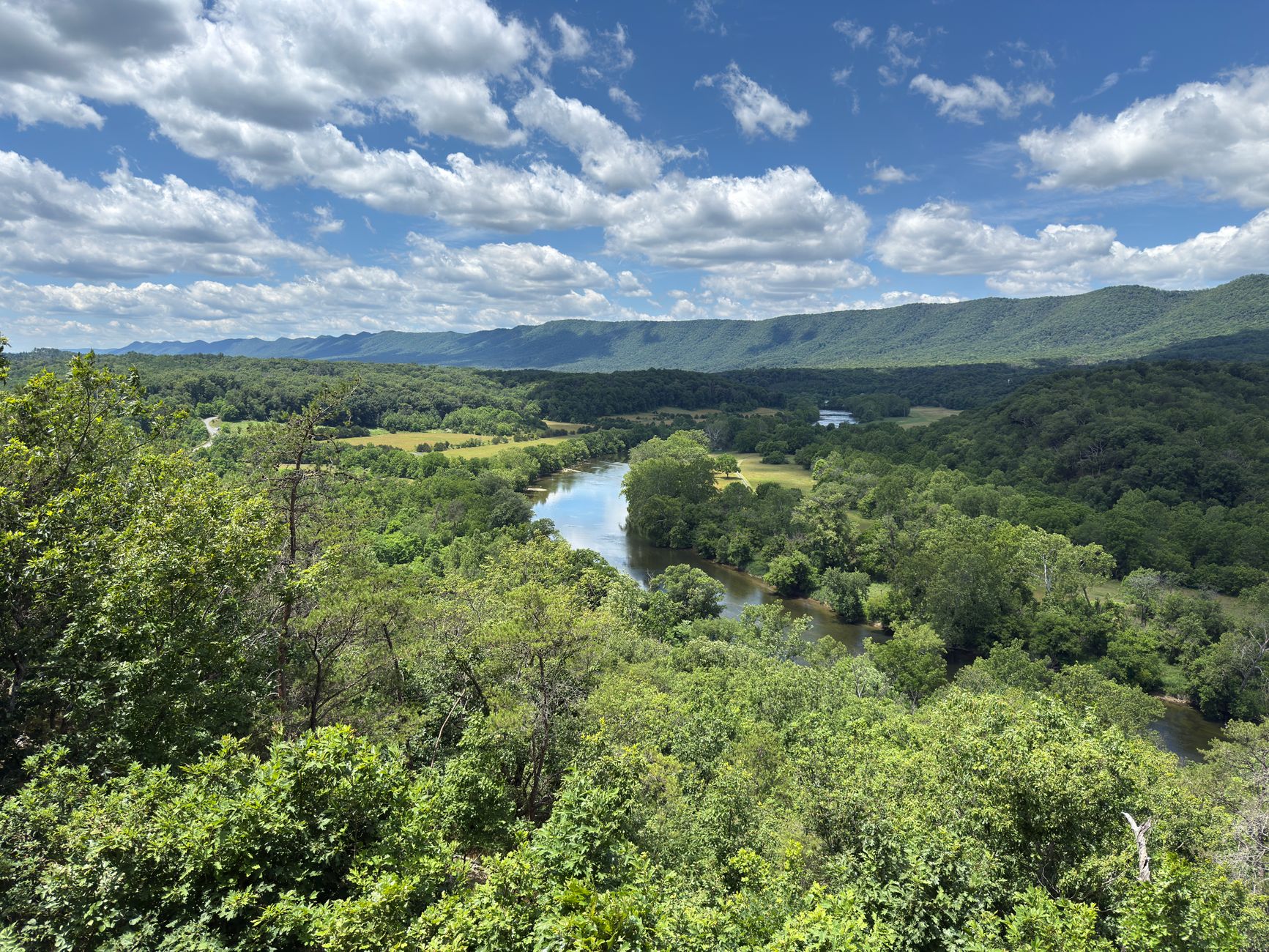
The Virginia Creeper Trail, a beloved rail-trail stretching 34 miles through southwestern Virginia, is celebrated for its scenic beauty and gentle grades. Most visitors know it for its charming towns like Abingdon and Damascus, and the iconic trestles that span its path. But what if we told you the most captivating stories lie just beyond the well-trodden viewpoints, hidden in plain sight?
Are there any must-see spots or hidden gems along the Virginia Creeper Trail that visitors often overlook? Absolutely. This guide delves into the trail's underrated corners, revealing surprising history, unique geological formations, and cultural narratives that add layers of depth to every pedal stroke or step.
1. Whitetop Station Site: Echoes of Timber Titans
Whitetop, Virginia, USA
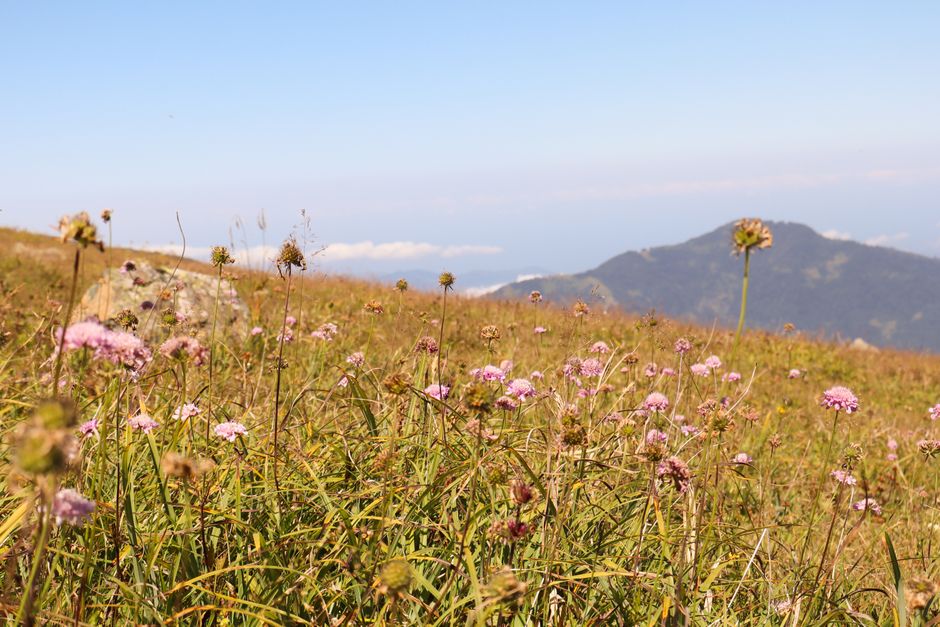
This quiet meadow, now a peaceful trail terminus, was once the roaring heart of a vast logging empire.
At the highest point of the original railway, Whitetop Station served as a critical interchange where narrow-gauge logging trains transferred their bounty to standard-gauge lines. Imagine the cacophony of steam engines, shouting workers, and the smell of fresh-cut timber that once filled this valley, fueling the region's early 20th-century economic boom before the forests were cleared and the rail lines abandoned.
2. Green Cove Station: A Time Capsule of Mountain Life
Green Cove, Virginia, USA
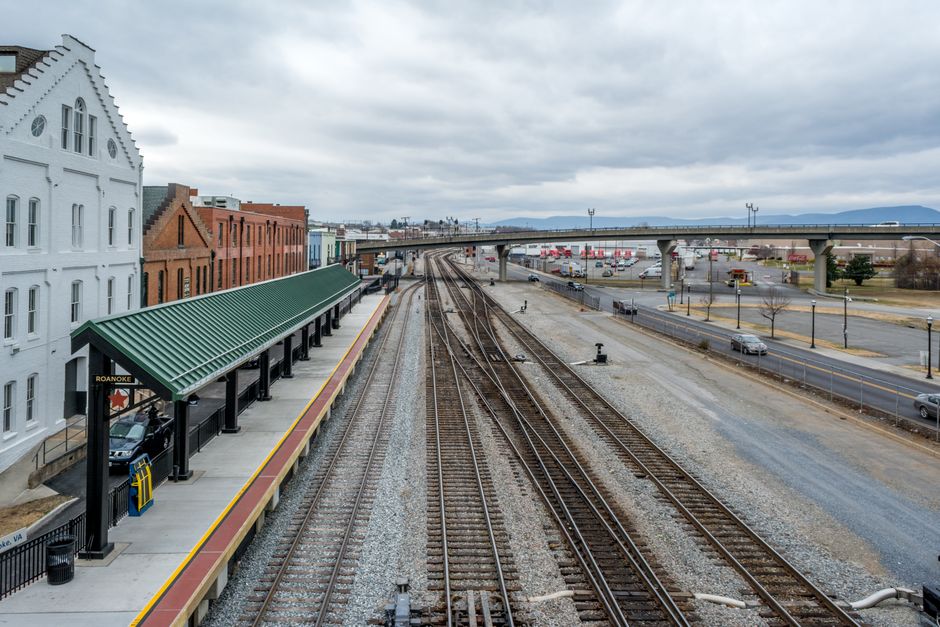
Step inside this tiny, perfectly preserved station where every timber and artifact tells a story of bygone rail travel and isolated mountain communities.
More than just a flag stop, Green Cove Station served as a vital community hub, combining a post office and general store for the scattered families in the Whitetop Laurel Valley. The station, a rare survivor of the original Virginia-Carolina Railway, offers a unique glimpse into the daily lives of Appalachian residents who relied on the "Creeper" for mail, supplies, and their connection to the outside world.
3. Trestle #33: An Engineering Marvel in the Wild
Near Damascus, Virginia, USA
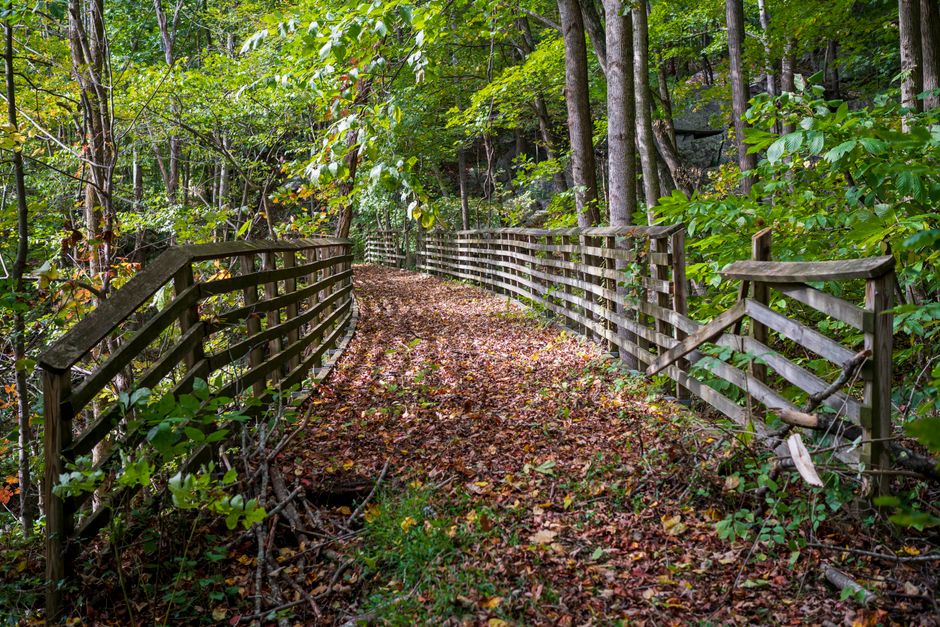
This towering wooden structure, often admired for its height, represents a monumental feat of early 20th-century engineering, defying the rugged Appalachian terrain.
Of the 47 trestles on the Virginia Creeper Trail, Trestle #33 stands out not just for its impressive height but for the sheer ingenuity required to construct it in such a remote, difficult landscape. Built primarily of local timber and stone by hand, its robust design allowed heavy steam locomotives to safely cross deep ravines, connecting mountain communities and facilitating the movement of lumber and goods that shaped the region.

4. Whitetop Laurel Creek's Hellbender Habitats
Along Whitetop Laurel Creek, Virginia, USA
Look closely at the pristine waters flowing beneath certain trail bridges; you might glimpse a creature older than the dinosaurs.
The crystal-clear, oxygen-rich waters of Whitetop Laurel Creek are a critical habitat for the Eastern Hellbender, North America's largest salamander. These elusive, ancient amphibians are a vital indicator of water quality and thrive in the healthy ecosystem sustained by the creek's cold, rocky bottom. Spotting one is rare, but knowing they reside beneath the trail adds a layer of natural wonder to your journey.
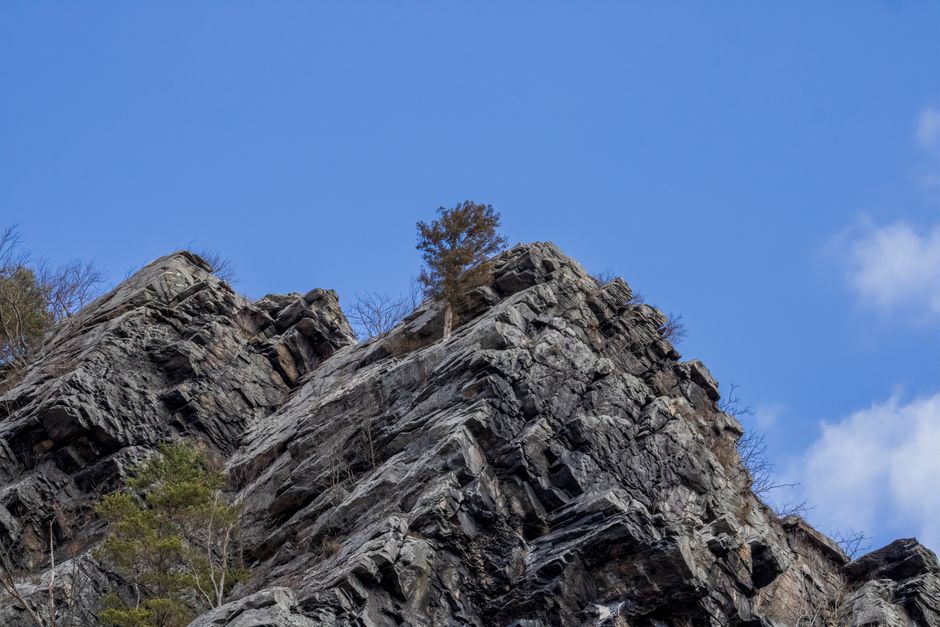
5. The "Creeper Cut" near Damascus: Blasted Through Stone
Near Damascus, Virginia, USA
This deep, narrow passage through solid rock isn't a tunnel, but a stark reminder of the raw power and sheer grit required for early railway construction.
As the Virginia-Carolina Railway snaked its way through the mountains, engineers often chose to blast deep cuts through solid rock rather than construct tunnels. This particular "Creeper Cut" showcases the arduous manual labor and early blasting techniques, like dynamite, used to carve a path for the trains. Walking through it, you can almost feel the echoes of drills and explosions that once reshaped the landscape.
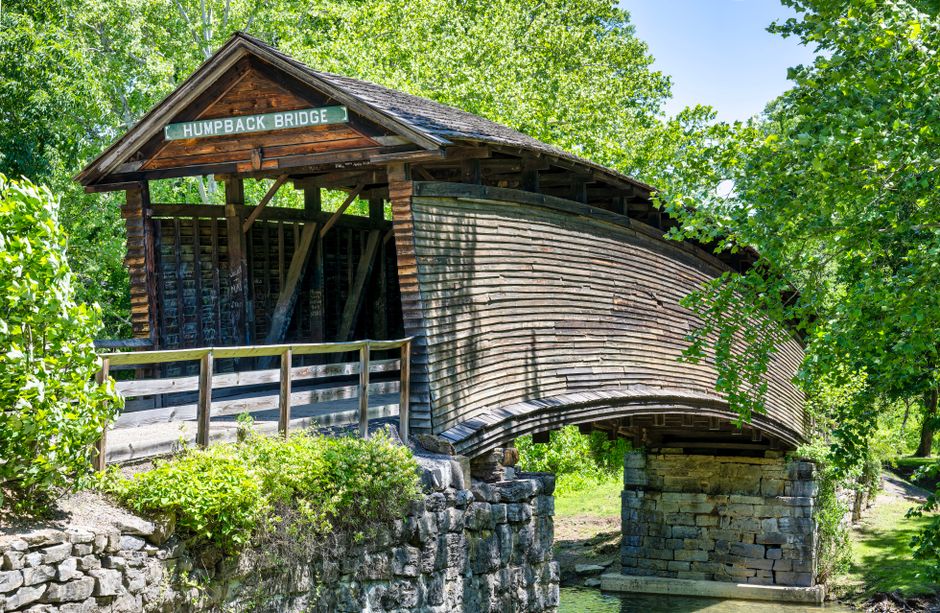
6. Konnarock Logging Town Site: A Vanished Timber Empire
Konnarock, Virginia, USA
Imagine a bustling timber town that appeared and vanished almost overnight, leaving only whispers in the pine forests.
Konnarock was once a thriving company town established by the Hassinger Lumber Company, complete with sawmills, a company store, and housing for hundreds of workers. Its boom-and-bust cycle mirrors the fate of many Appalachian logging communities: it flourished while the surrounding forests were plentiful, then slowly dissolved into history once the timber ran out, leaving behind only foundations and faded memories.
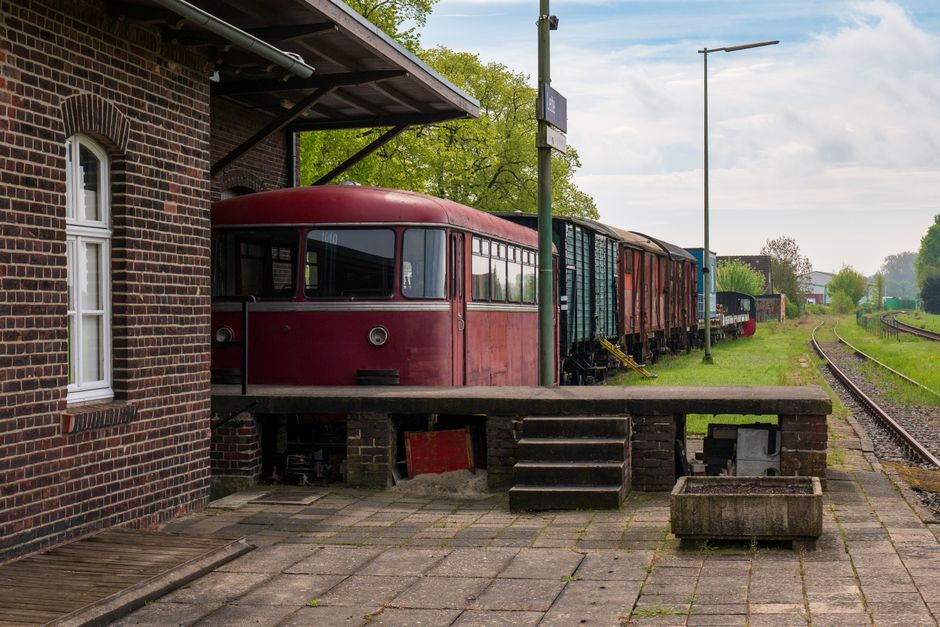
7. Abingdon Roundhouse Ghost Site: The Iron Beasts' Rest
Abingdon, Virginia, USA
Beneath a seemingly ordinary patch of ground at the trail's start lies the ghost of a massive structure that once spun iron beasts to face their next journey.
While Abingdon's historic train station remains, the exact location of its railway roundhouse — a semi-circular building where locomotives were turned around and maintained — is now largely unmarked. This hub was crucial for servicing the steam engines that powered the Creeper, a place of constant mechanical activity. Visualizing its presence helps connect the modern trail to the intricate logistical network of its railway past.
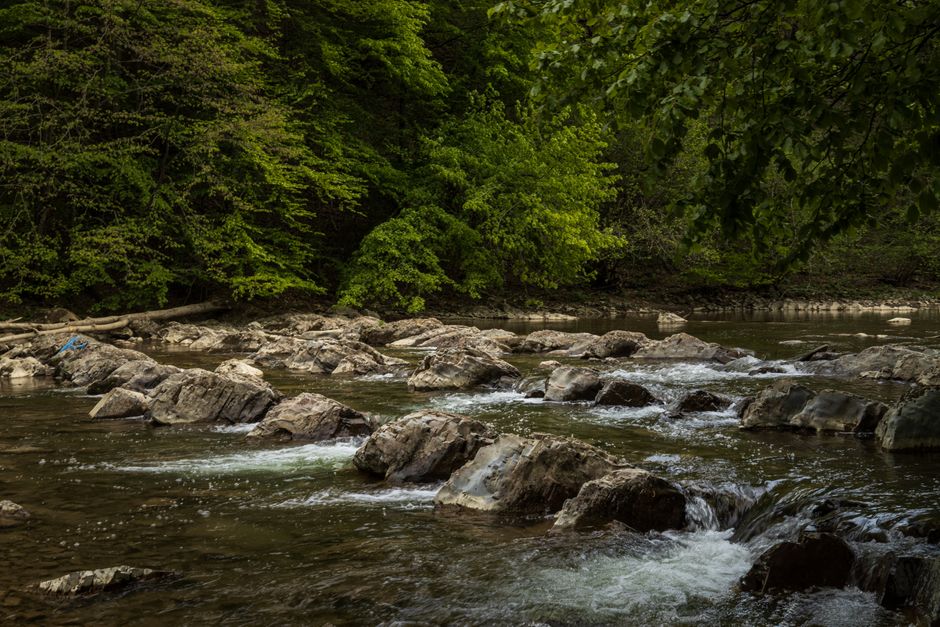
8. The Mouth of Laurel: A Confluence of History
Near Damascus, Virginia, USA
Where Whitetop Laurel Creek meets the South Fork of the Holston River, lies a forgotten crossroads of early Appalachian settlement and trade.
This confluence was historically significant long before the railway. Rivers served as the original highways in the mountains, making this spot a natural gathering place for early settlers, trappers, and traders. It was a site for mills and small homesteads, representing a vital economic and social nexus, predating the industrial boom brought by the railroad and offering a glimpse into the region's truly ancient past.
Frequently asked questions
Is the Virginia Creeper Trail suitable for all skill levels?
The Virginia Creeper Trail is renowned for its gentle downhill grade from Whitetop Station to Abingdon, making it highly accessible. While the full 34 miles can be long, many visitors opt for shuttle services to drop them at higher points, allowing for an easy, mostly downhill ride or walk suitable for families and casual adventurers.
What's the best time of year to visit the Virginia Creeper Trail?
Spring and fall are generally considered the best times. Spring brings lush greenery and blooming wildflowers, while autumn transforms the landscape into a spectacular display of fiery foliage. Summer is popular but can be warmer, and winter offers a quiet, stark beauty, though some services may be limited.
Are there places to eat or resupply along the trail?
Yes, the towns of Damascus ("Trail Town USA") and Abingdon offer numerous dining options, bike rentals, and shops. Green Cove Station, a historic stop between Damascus and Whitetop, also provides snacks, drinks, and souvenirs, making it a convenient mid-trail refreshment point.
How can I learn more about the specific history of these hidden gems while on the trail?
AllTours.ai is an AI audio tour guide app designed for exactly this purpose. Simply point your phone camera at a landmark or landscape along the Virginia Creeper Trail, and the app will narrate its rich history, geological formations, and cultural stories in your language, bringing these hidden gems to life in real-time.
Related guides
Photography via Pexels. AllTours.ai is an AI audio tour guide — point your camera at any landscape and hear its story.