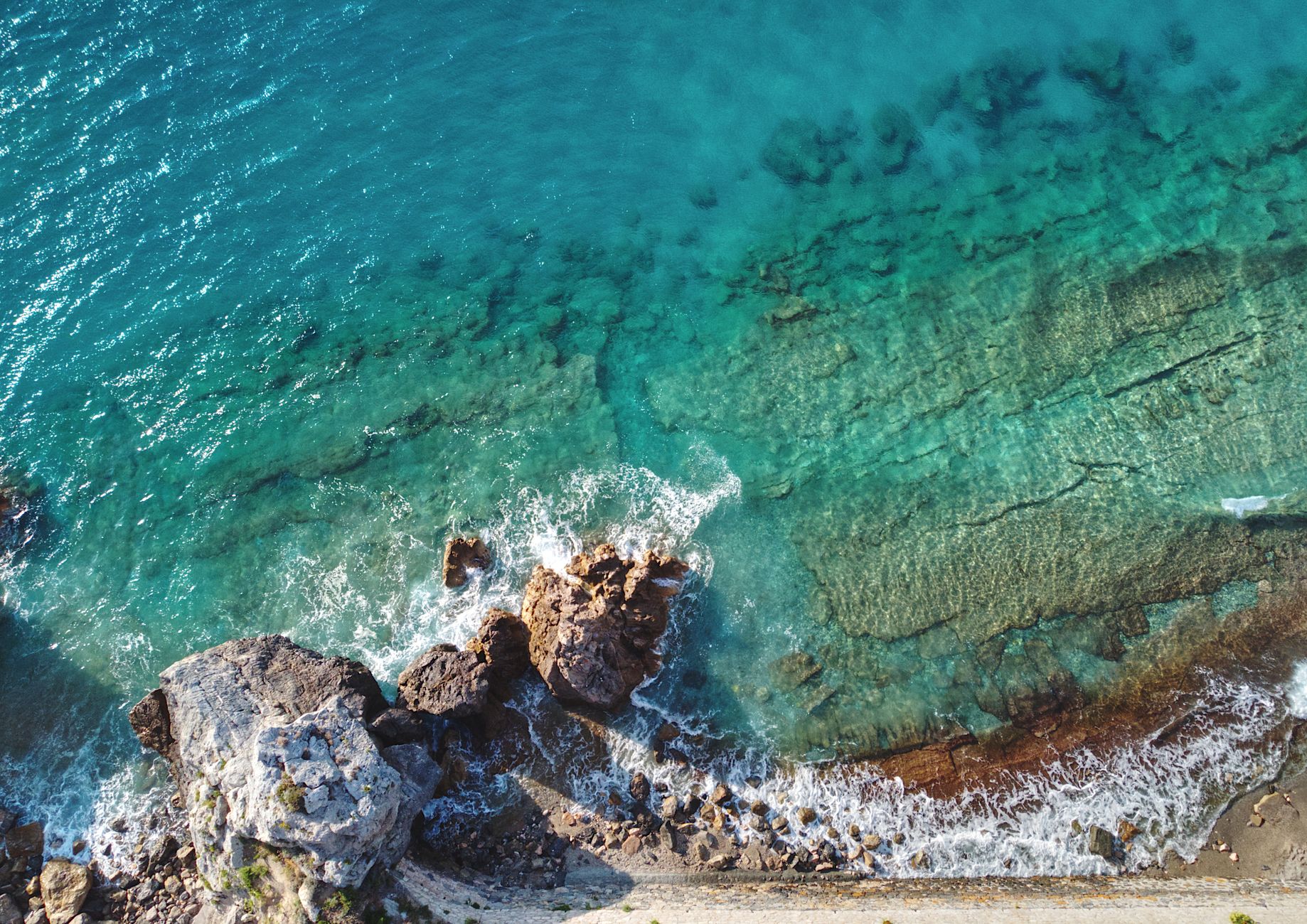
September 19, 2026 · 4 min read
The French Riviera evokes images of glittering yachts, exclusive beach clubs, and a parade of celebrities gracing red carpets. While destinations like Cannes and Saint-Tropez rightfully hold their place in the limelight, the Côte d'Azur's allure extends far beyond its most famous hotspots. For those seeking a deeper connection to this iconic region, a world of understated luxury and fascinating history awaits just off the main tourist trail.
Beyond the obvious, there are hidden corners where surprising stories of opulence, ancient traditions, and unexpected celebrity connections unfold. From ancient olive trees witnessing millennia of change to villages with extraordinary naval secrets, these lesser-known spots offer a richer, more nuanced understanding of what places on the French Riviera are known for celebrities and luxury, through layers of history and culture.
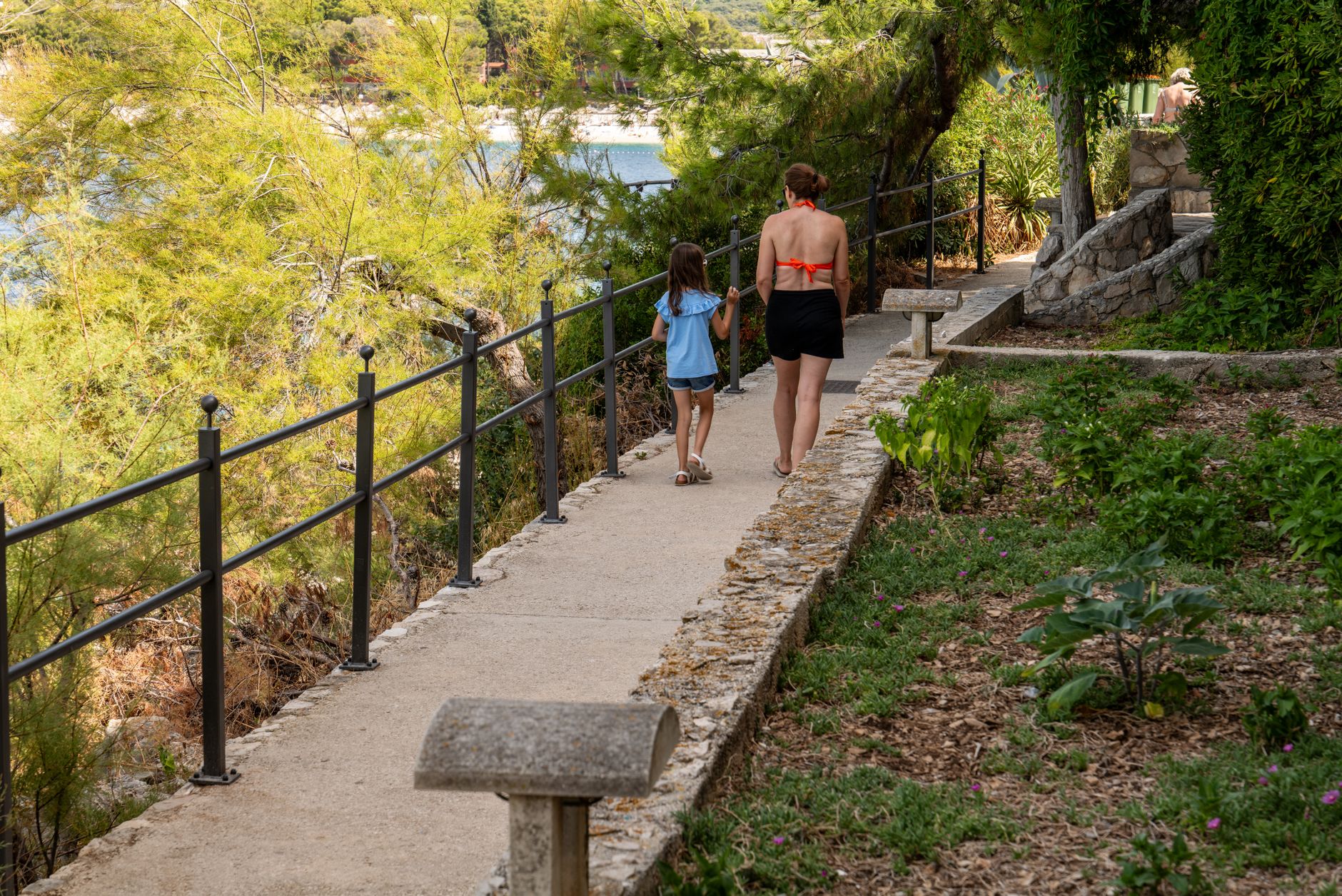
1. Cap Ferrat's Wild Past
Saint-Jean-Cap-Ferrat, France
This exclusive peninsula, now synonymous with billionaire estates, was once a rugged, inaccessible terrain primarily used for grazing goats.
Before its transformation into a playground for royalty and industrialists, Cap Ferrat was a wild, untamed promontory. It took visionary figures like King Leopold II of Belgium, who acquired vast swathes of land, to begin shaping its future. His ambitious landscaping projects laid the foundation for the opulent gardens and hidden pathways that now define its legendary beauty and privacy. The Sentier des Douaniers, a public coastal path, offers a rare glimpse into this exclusive world.
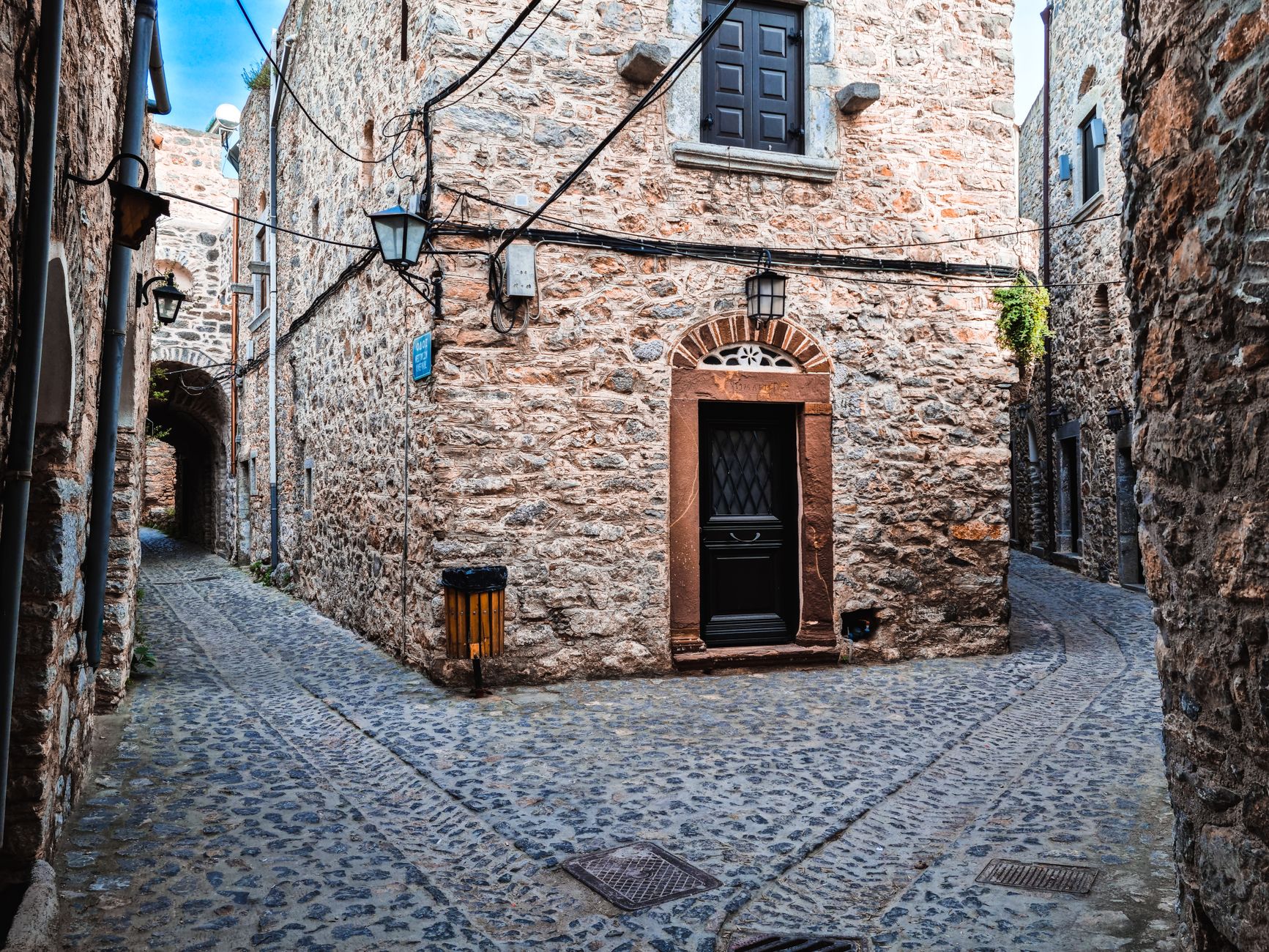
2. Èze's Pirate Perch
Èze, France
Perched dramatically on a rocky peak, this medieval village was once a strategic pirate stronghold with a unique linguistic heritage.
Èze's seemingly impossible location made it an ideal lookout point, serving historically as a fortified village against invaders and, reputedly, as a haven for pirates. Its inhabitants developed a distinct dialect, "Èzasque," a fascinating blend of Ligurian and Provençal influences, reflecting centuries of diverse cultural interactions. The village's narrow, winding alleys and ancient stone houses still whisper tales of its formidable past, high above the azure sea.

3. Grasse's Scented Transformation
Grasse, France
The world capital of perfume wasn't always so sweet; its floral heritage blossomed from an unlikely, less fragrant industry.
For centuries, Grasse was a bustling center for tanning leather, a notoriously odorous trade. The breakthrough came when perfumers began using local flowers like jasmine and and roses to scent leather gloves, a fashion trend reportedly popularized by Catherine de' Medici. This innovative practice eventually led to a complete shift, transforming Grasse into the heart of the global perfume industry, cultivating vast flower fields whose delicate essences are still extracted using traditional methods.
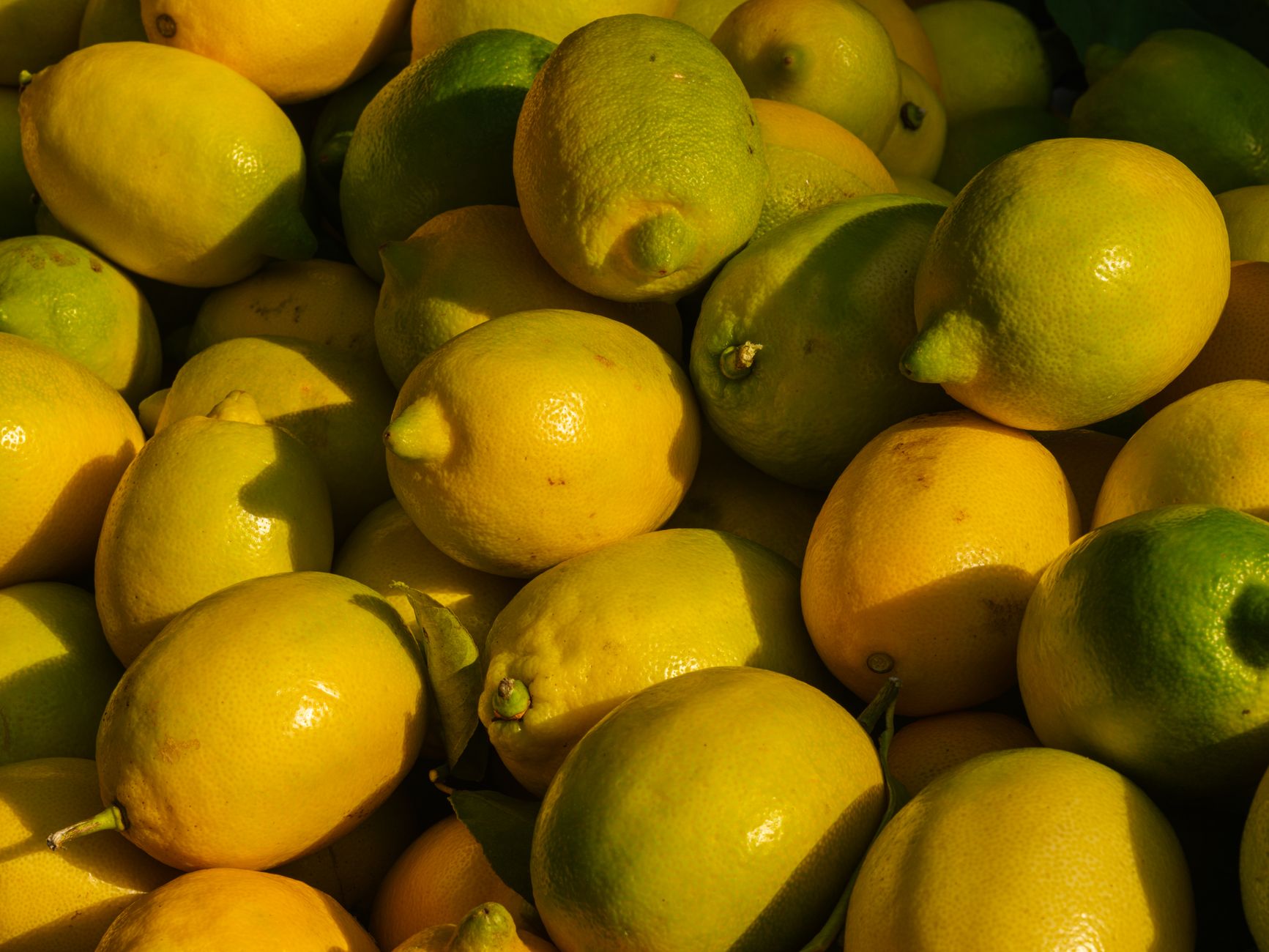
4. Menton's Empress's Oasis
Menton, France
Menton's extraordinary microclimate, famous for its lemon groves, once allowed a Russian Empress to cultivate tropical plants typically found only in much warmer latitudes.
Empress Eugénie of France, wife of Napoleon III, was among the many European aristocrats drawn to Menton's exceptionally mild climate in the 19th century. Her enthusiasm for botany led her to establish a magnificent garden where exotic species, usually requiring tropical conditions, flourished. This unique climatic advantage, shielded by mountains and warmed by the sea, not only sustains Menton's iconic citrus groves but also fosters a rich diversity of Mediterranean and subtropical flora across its public and private gardens.
5. Villefranche's Deep Secret
Villefranche-sur-Mer, France
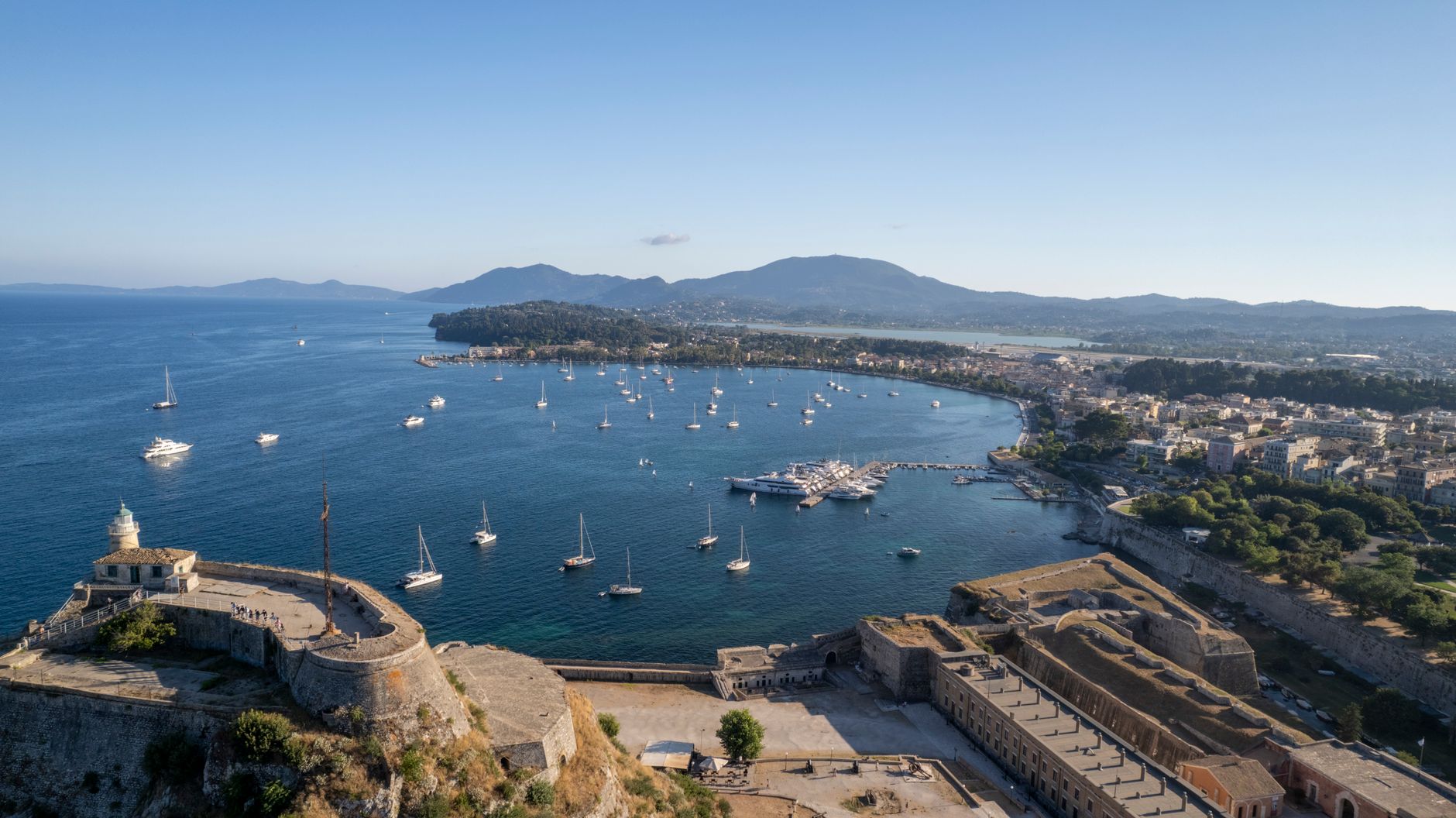
Beneath this picturesque bay, often dotted with superyachts, lies an exceptionally deep natural harbor that served as a strategic base for a powerful navy for decades.
Villefranche-sur-Mer boasts one of the deepest natural harbors in the Mediterranean, a geographic anomaly that made it a prized naval port for centuries. From the late 1940s until the mid-1960s, it served as the primary winter base for the United States Sixth Fleet, hosting aircraft carriers and battleships within view of its pastel-colored houses. This military past, now largely forgotten by tourists, underscores the bay's strategic importance long before it became a luxury yachting destination.
6. Roquebrune's Ancient Guardian
Roquebrune-Cap-Martin, France
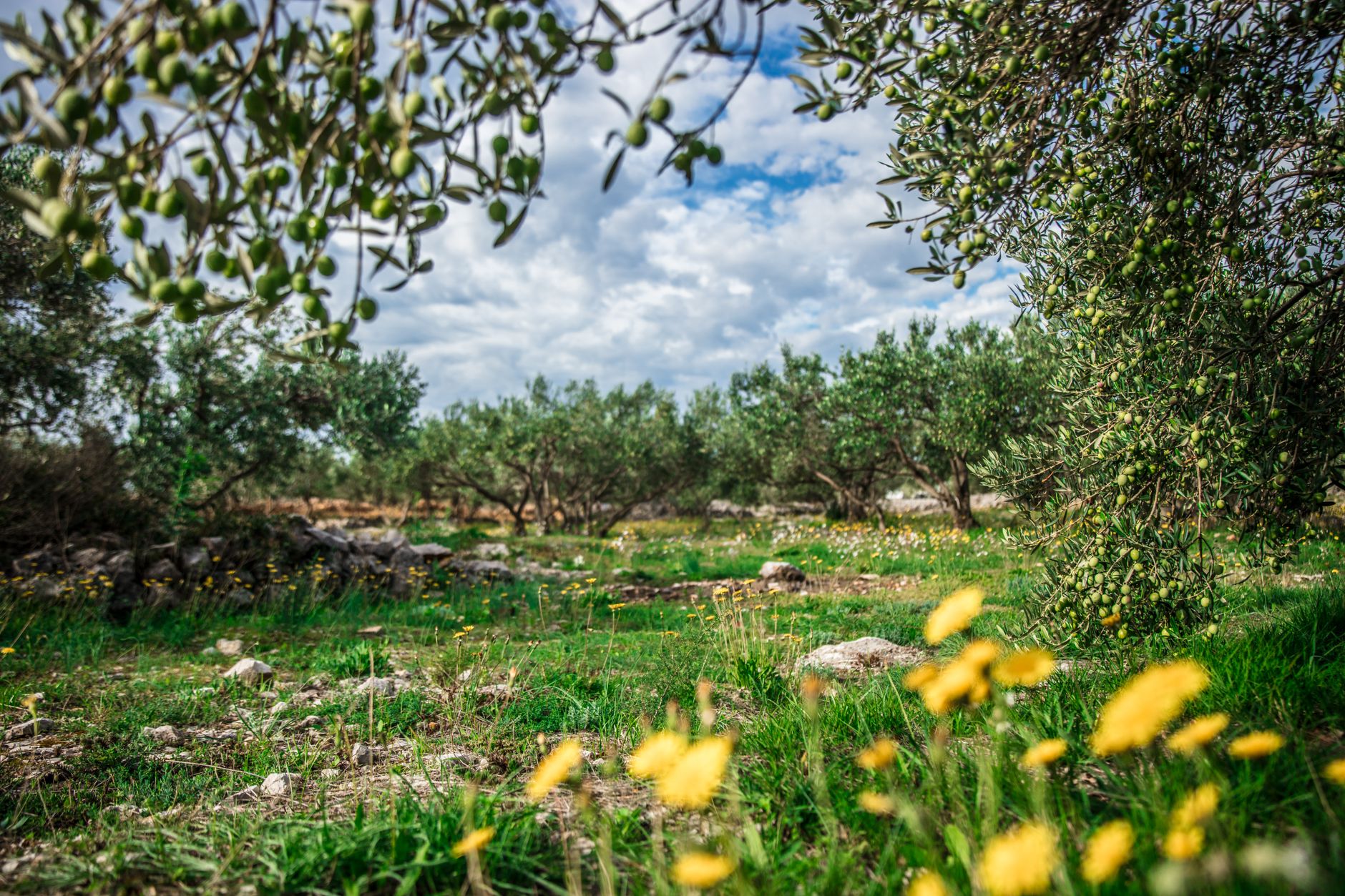
This charming village is home to one of the oldest living olive trees in the world, a silent witness to millennia of Riviera history.
Perched above the glittering coastline, Roquebrune-Cap-Martin shelters an olive tree estimated to be over 2,000 years old, possibly even predating the Roman Empire. Its gnarled trunk and sprawling branches stand as a living monument, having endured countless seasons and historical epochs. This ancient sentinel offers a tangible link to the agricultural past of the Riviera, contrasting sharply with the modern luxury that now surrounds it, a testament to enduring natural beauty.
7. Gourdon's Sky-High Serenity
Gourdon, France
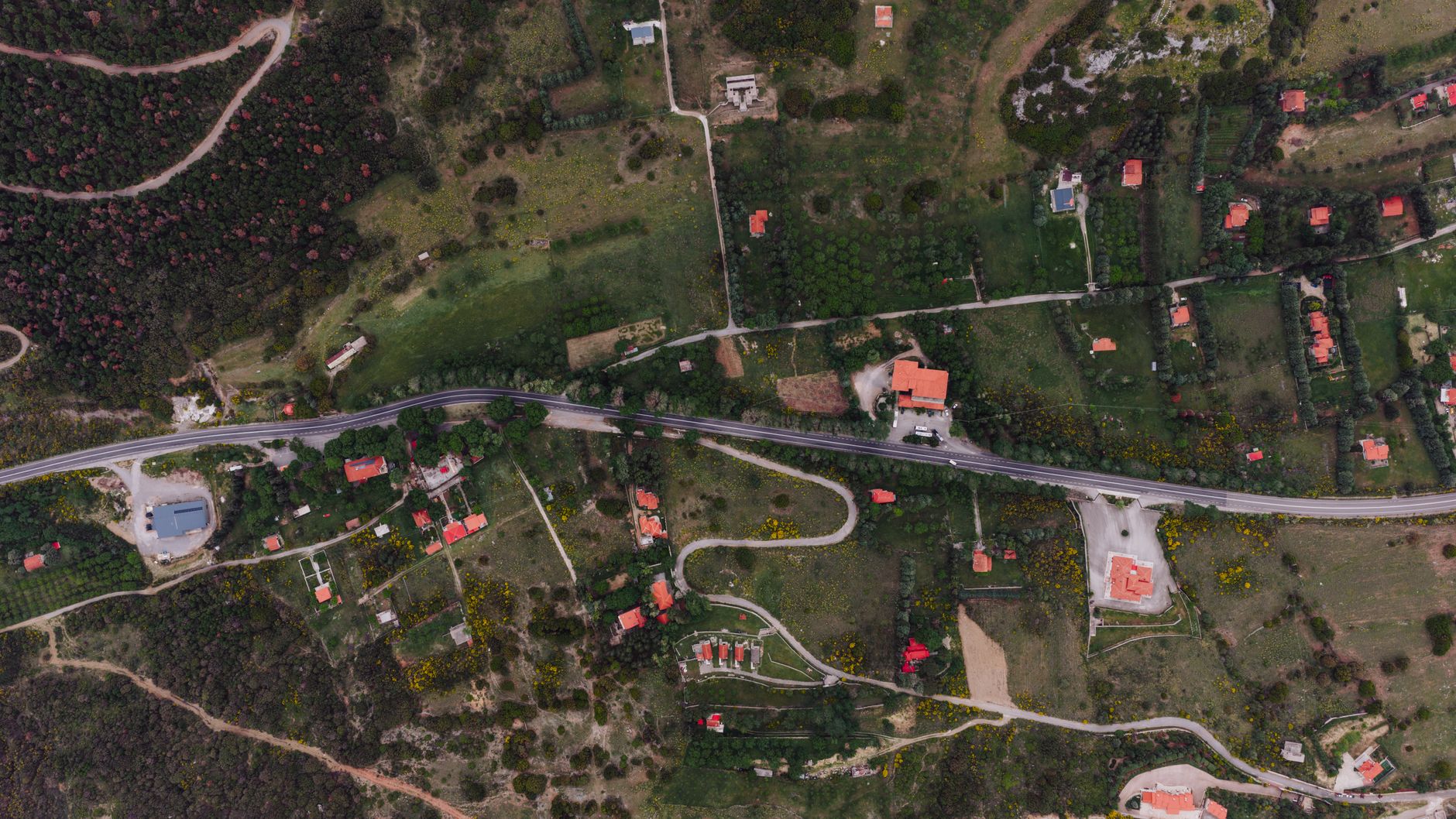
This "Eagle's Nest" village, perched dramatically on a cliff, unexpectedly conceals a formal garden designed by a student of France's most famous landscape architect.
Gourdon, often called the "Eagle's Nest" due to its breathtaking position overlooking the Loup valley, holds a surprising secret: its château features elegant French gardens. These were meticulously designed by a pupil of André Le Nôtre, the legendary landscape architect responsible for the Gardens of Versailles. The contrast between the rugged, wild mountain setting and the precise, geometric beauty of these manicured gardens provides a unique and unexpected layer of luxury and historical artistry in this remote, high-altitude retreat.
8. Cap d'Antibes' Artistic Retreat
Cap d'Antibes, France
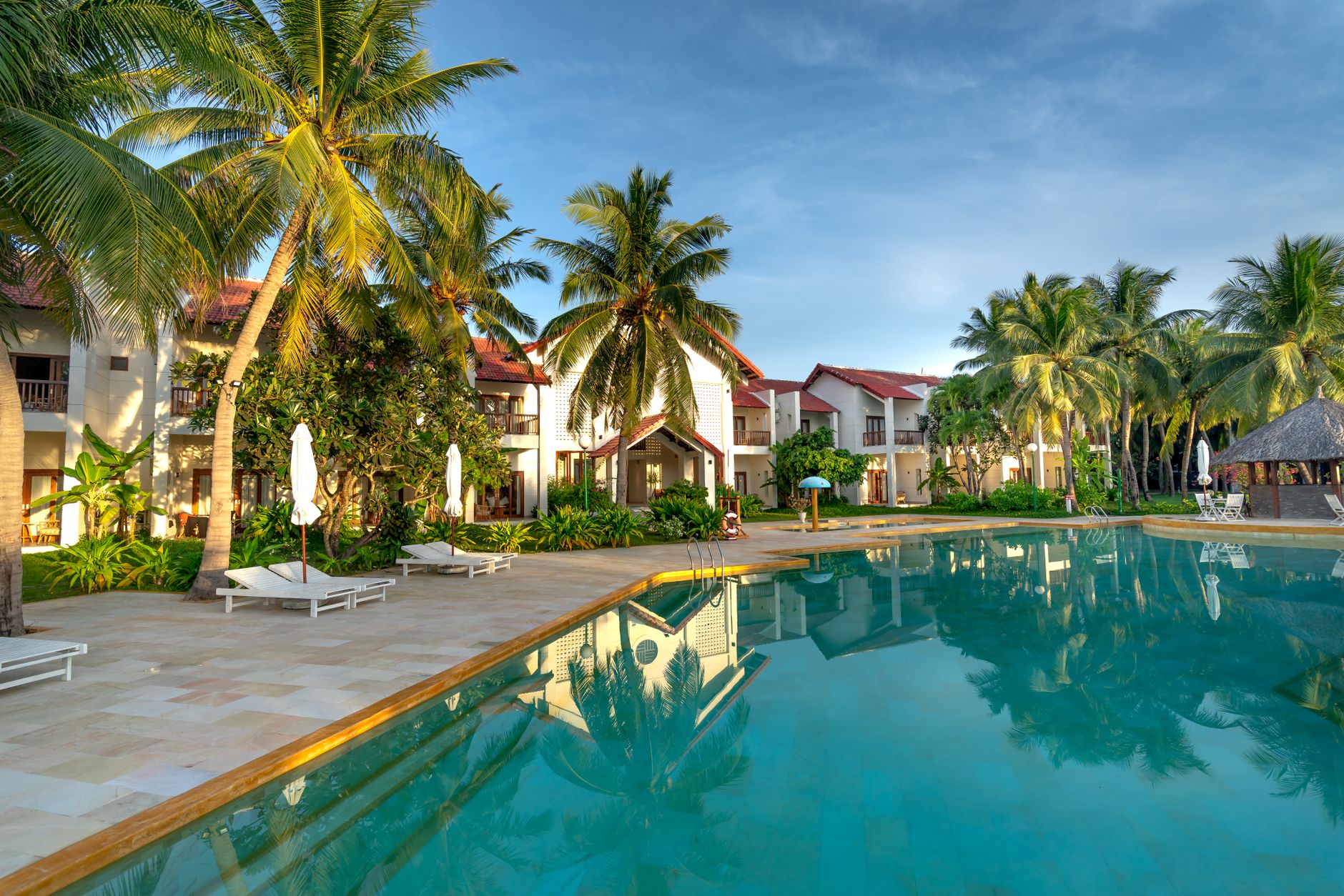
The famed Hotel du Cap-Eden-Roc, synonymous with celebrity glamour, began its life not as a luxury hotel, but as an unassuming retreat for artists and writers.
Opened in 1870 as the "Villa Soleil," this iconic establishment was initially conceived by Hippolyte de Villemessant, founder of Le Figaro newspaper, as a haven for artists and writers seeking inspiration on the Riviera. It wasn't until later that it evolved into the opulent Hotel du Cap-Eden-Roc, a preferred destination for Hollywood stars and global elite. The transformation from a quiet literary retreat to a beacon of extravagant luxury reveals an intriguing journey, where creative solitude paved the way for unparalleled glamour.
Frequently asked questions
What makes the French Riviera so attractive to celebrities?
The French Riviera offers a unique blend of stunning natural beauty, consistent sunshine, and a long-standing tradition of discreet luxury. Its exclusive resorts, private beaches, and world-class events like the Cannes Film Festival provide both glamour and privacy, making it an ideal escape for the famous.
Are there any public places where you might spot celebrities on the French Riviera?
While many celebrities prefer private settings, you might catch glimpses during major events like the Cannes Film Festival or Monaco Grand Prix. High-end restaurants and boutiques in places like Saint-Tropez, Monaco, or Cap Ferrat's public areas can also be spots, though discretion is always key.
Is the French Riviera only for the super-rich, or can anyone enjoy it?
While the French Riviera is known for luxury, it offers experiences for all budgets. Charming medieval villages, vibrant local markets, stunning coastal walks, and beautiful public beaches are accessible to everyone. Smart travel planning can help you enjoy its beauty without breaking the bank.
How can AllTours.ai help me discover these hidden gems?
AllTours.ai enhances your exploration by providing instant audio narratives. Simply point your phone camera at a landmark, landscape, or even an ancient olive tree, and the app will narrate its history, geology, and cultural significance in your language, revealing fascinating stories often missed by guidebooks.
Related guides
Photography via Pexels. AllTours.ai is an AI audio tour guide — point your camera at any landscape and hear its story.