July 30, 2026 · 4 min read
The United States is a land of iconic landmarks, from the Grand Canyon to Times Square. But beyond the well-trodden paths lies a treasure trove of places often overlooked, brimming with astonishing stories, unique geology, and profound cultural significance that most tourists never encounter.
If you're seeking to venture beyond the usual postcards and discover the authentic, the ancient, and the truly surprising, you're in the right place. We've curated a list of genuinely underrated destinations across the US, each with a vivid story hook that will spark your curiosity and redefine your idea of American exploration.
1. The Ancient City of Earthworks
Poverty Point, USA
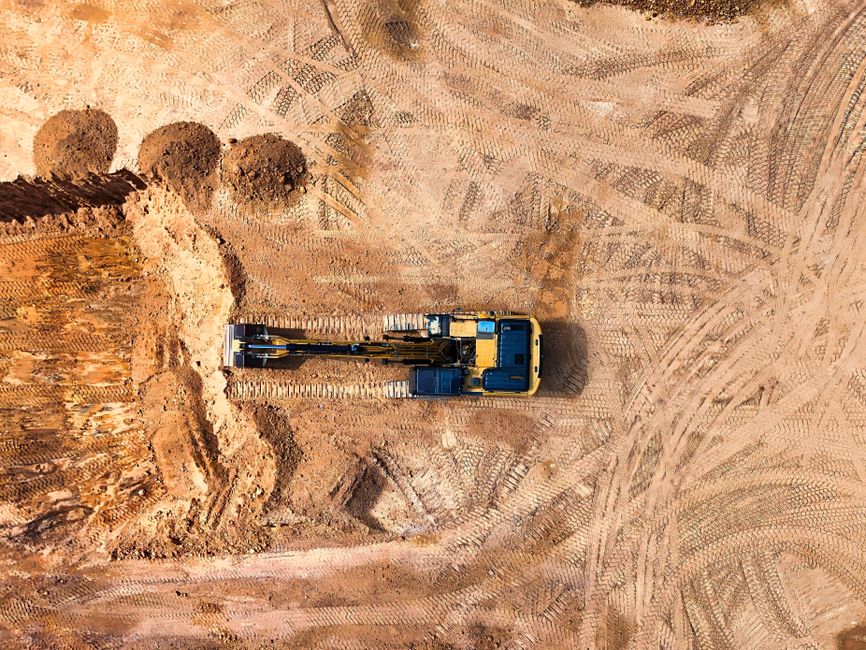
Long before European contact, a complex society in Louisiana constructed massive, geometrically precise earthworks that rivaled the scale of ancient Egyptian pyramids.
Poverty Point World Heritage Site is home to a monumental landscape built by an advanced hunter-gatherer society over 3,000 years ago. These enormous, concentric earthen ridges and mounds, some reaching over 70 feet high, were meticulously aligned to celestial events. It served as a vast trading center and ceremonial complex for thousands of people, showcasing engineering and astronomical knowledge far beyond what was once attributed to these early American cultures.
2. The Remote Island Fortress
Dry Tortugas National Park, USA
Deep in the Gulf of Mexico, a formidable 19th-century fort on a tiny island once imprisoned some of Lincoln's assassination conspirators.
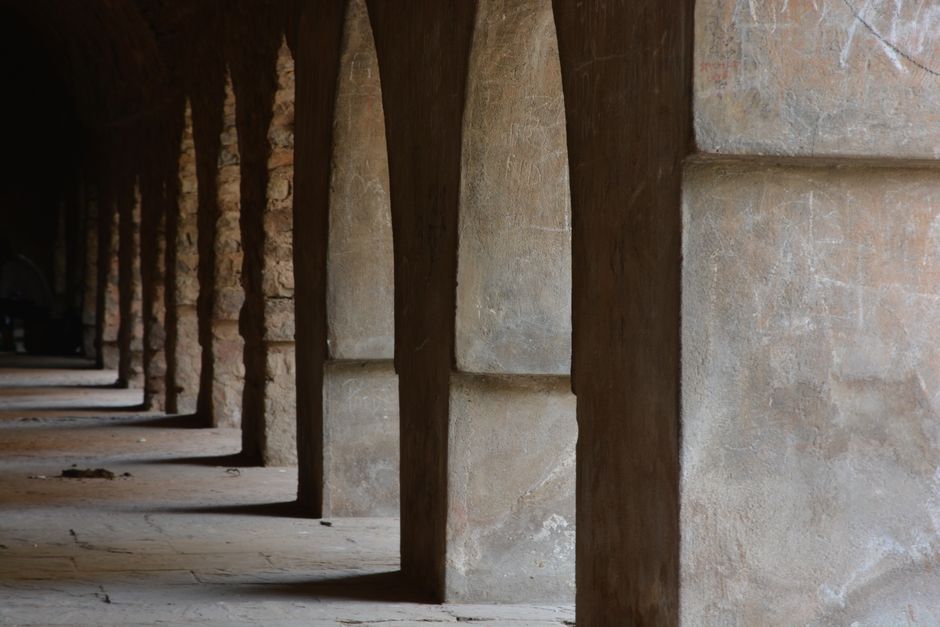
Dry Tortugas National Park, accessible primarily by ferry or seaplane from Key West, protects seven small islands and Fort Jefferson, a massive but unfinished coastal fortress. This strategic outpost guarded shipping lanes and was used as a military prison, most notably for Dr. Samuel Mudd, implicated in the Lincoln assassination. Beyond its history, the park boasts vibrant coral reefs, abundant marine life, and spectacular birdwatching, making it a unique blend of history and pristine natural beauty.
3. Where a Pre-Columbian Metropolis Flourished
Cahokia Mounds State Historic Site, USA
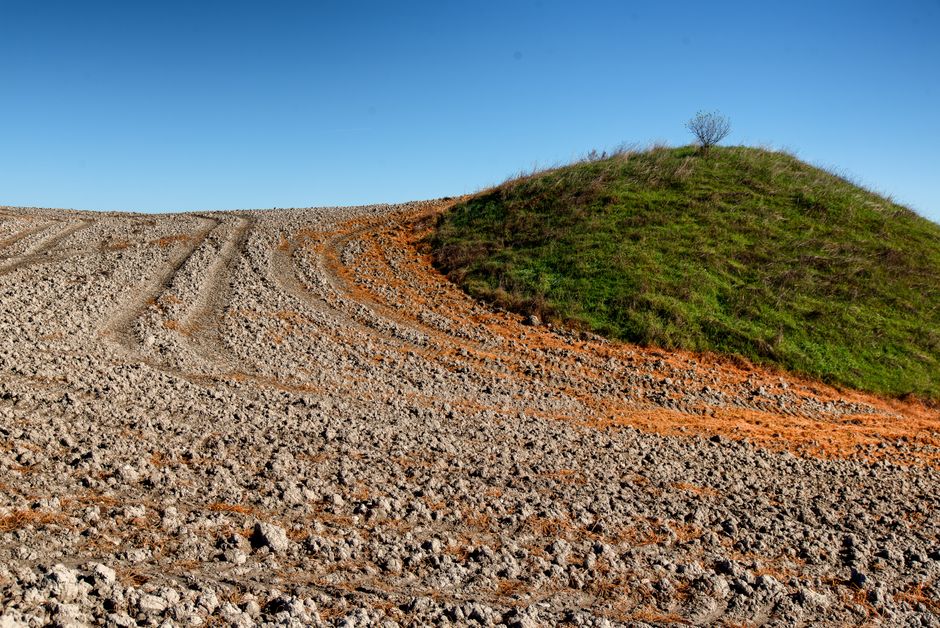
Near modern-day St. Louis, a vast Native American city once thrived, larger than London was at the same time, complete with monumental earthen pyramids.
Cahokia Mounds was the largest and most sophisticated pre-Columbian settlement north of Mexico, peaking around 1050-1200 CE with a population of up to 20,000 people. Its central feature, Monks Mound, is the largest earthen mound in North America, exceeding the Great Pyramid of Giza in base area. This UNESCO World Heritage site offers a glimpse into a complex Mississippian culture, with evidence of advanced urban planning, social structure, and astronomical observation.
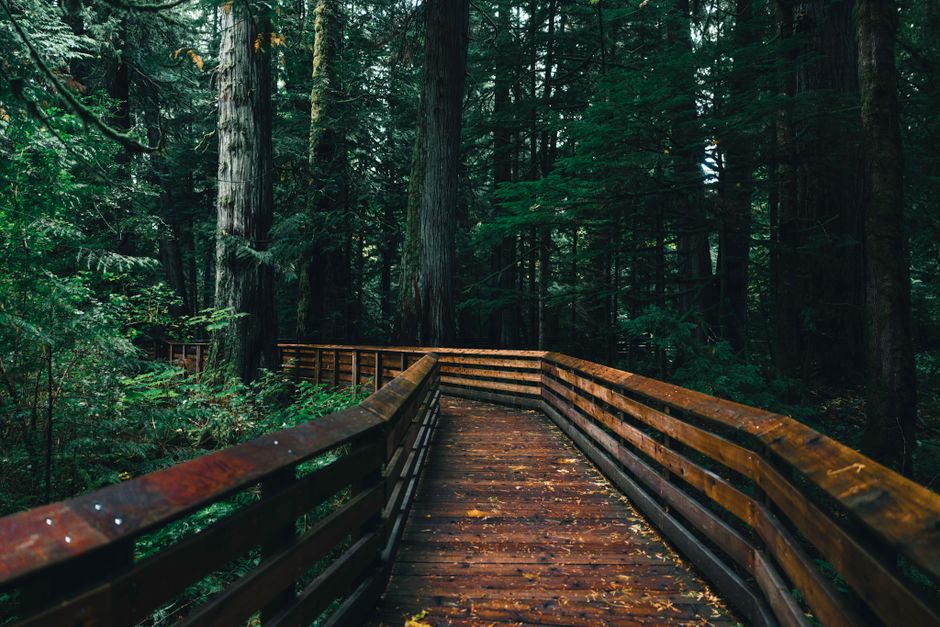
4. The Land of Living Giants
Congaree National Park, USA
This South Carolina park protects the largest intact expanse of old-growth bottomland hardwood forest in the southeastern United States, featuring some of the tallest trees east of the Mississippi.
Congaree National Park is a haven for biodiversity, famed for its towering champion trees, including loblolly pines, bald cypress, and water tupelo, many over 150 feet tall. The park's unique ecosystem is shaped by the Congaree River's floodwaters, creating a nutrient-rich environment for its ancient trees and diverse wildlife, from deer and bobcats to numerous bird species. A boardwalk trail allows visitors to immerse themselves in this primeval forest canopy.
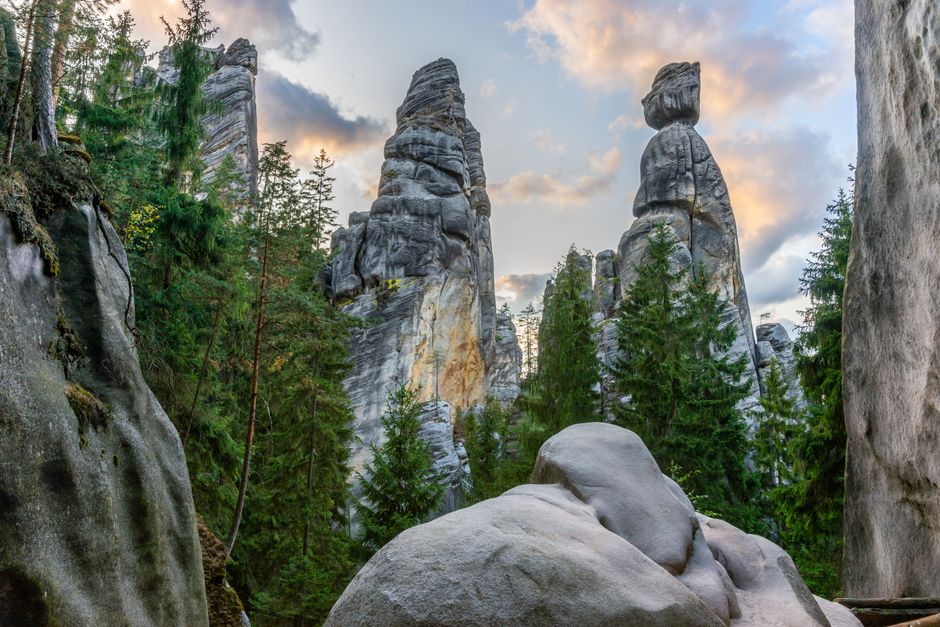
5. The Emigrant's Granite Canvas
City of Rocks National Reserve, USA
Pioneer emigrants traveling the California Trail left their 'rock writing' and axle grease graffiti on the dramatic granite spires of this remote Idaho landscape.
The City of Rocks National Reserve features a stunning collection of granite formations sculpted by millennia of erosion, resembling a 'city' of stone skyscrapers. Beyond its geological beauty, it's a living historical record, with hundreds of signatures and messages etched into the rocks by 19th-century pioneers. These 'emigrant registers' offer a poignant connection to the arduous journeys of those who passed through, making it a unique natural and historical landmark.
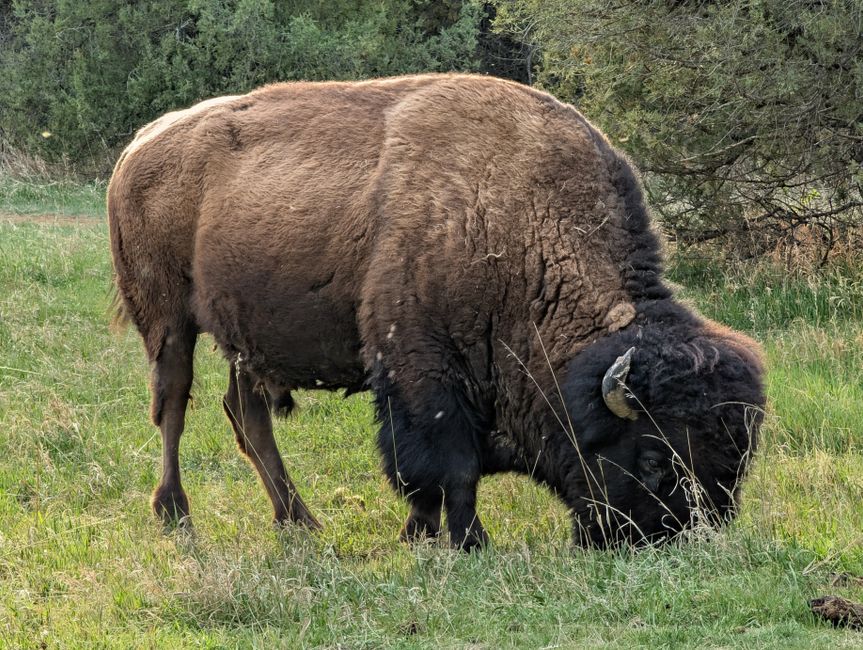
6. America's Last Remaining Tallgrass Sea
Tallgrass Prairie National Preserve, USA
Vast herds of bison once roamed a 'sea of grass' that covered much of North America; today, one of the last substantial remnants can be found in the Flint Hills of Kansas.
The Tallgrass Prairie National Preserve protects a mere fraction of the 170 million acres of tallgrass prairie that once dominated the continent. This preserve is vital for understanding and preserving the unique ecosystem that supported bison, elk, and countless other species. Visitors can explore rolling hills covered in Big Bluestem and Switchgrass reaching eight feet tall, often spotting the preserve's resident bison herd, offering a powerful glimpse into America's wild past.
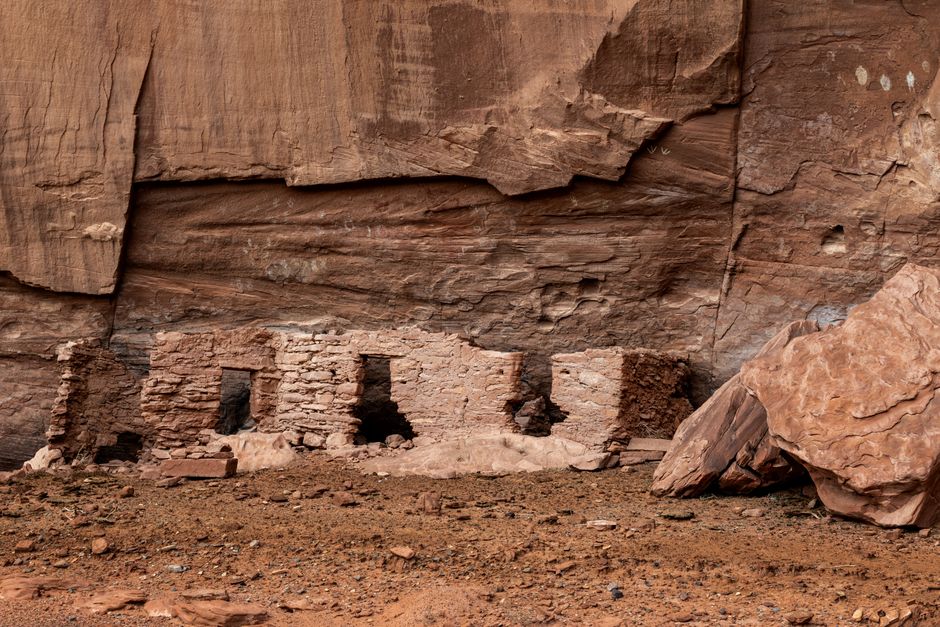
7. The Ancient Cliff Dwellings of Canyon de Chelly
Canyon de Chelly National Monument, USA
Within the dramatic red rock canyons of Arizona, ancient Puebloan cliff dwellings stand preserved, inhabited continuously for over 5,000 years by indigenous peoples.
Canyon de Chelly National Monument is entirely within the Navajo Nation and offers a unique blend of natural beauty and profound cultural heritage. Its sheer canyon walls shelter numerous archaeological sites, including the famous White House Ruin, dating back as far as 2,500 BCE. Unlike many other ancient sites, the canyons are still home to Navajo families today, continuing a tradition of inhabitation that spans millennia, making it a living monument to human resilience and cultural continuity.
Frequently asked questions
How do I find truly off-the-beaten-path destinations in the US?
To discover lesser-known spots, research local tourism boards, look for National Monuments or Preserves rather than just National Parks, and seek out places with unique historical or geological markers. Often, these sites offer profound experiences without the crowds.
What's the best time of year to visit underrated US spots to avoid crowds?
Generally, shoulder seasons (spring and fall) offer pleasant weather and significantly fewer visitors than peak summer months. Visiting during the week instead of weekends can also enhance the feeling of solitude and discovery.
Are underrated places in the US usually harder to access or less developed?
While some truly remote spots may require more planning or have fewer amenities, many underrated places are well-maintained state or national sites that simply lack the heavy marketing of more famous counterparts. Access often involves a bit more driving, but the reward is a unique experience.
How can AllTours.ai enhance my visit to these lesser-known places?
AllTours.ai uses your phone's camera to identify landmarks and landscapes, then narrates their history, geology, and cultural significance directly to you in your language. It's like having a personal expert guide reveal the hidden stories of any place you explore, making every overlooked detail come alive.
Related guides
Photography via Pexels. AllTours.ai is an AI audio tour guide — point your camera at any landscape and hear its story.