July 28, 2026 · 4 min read
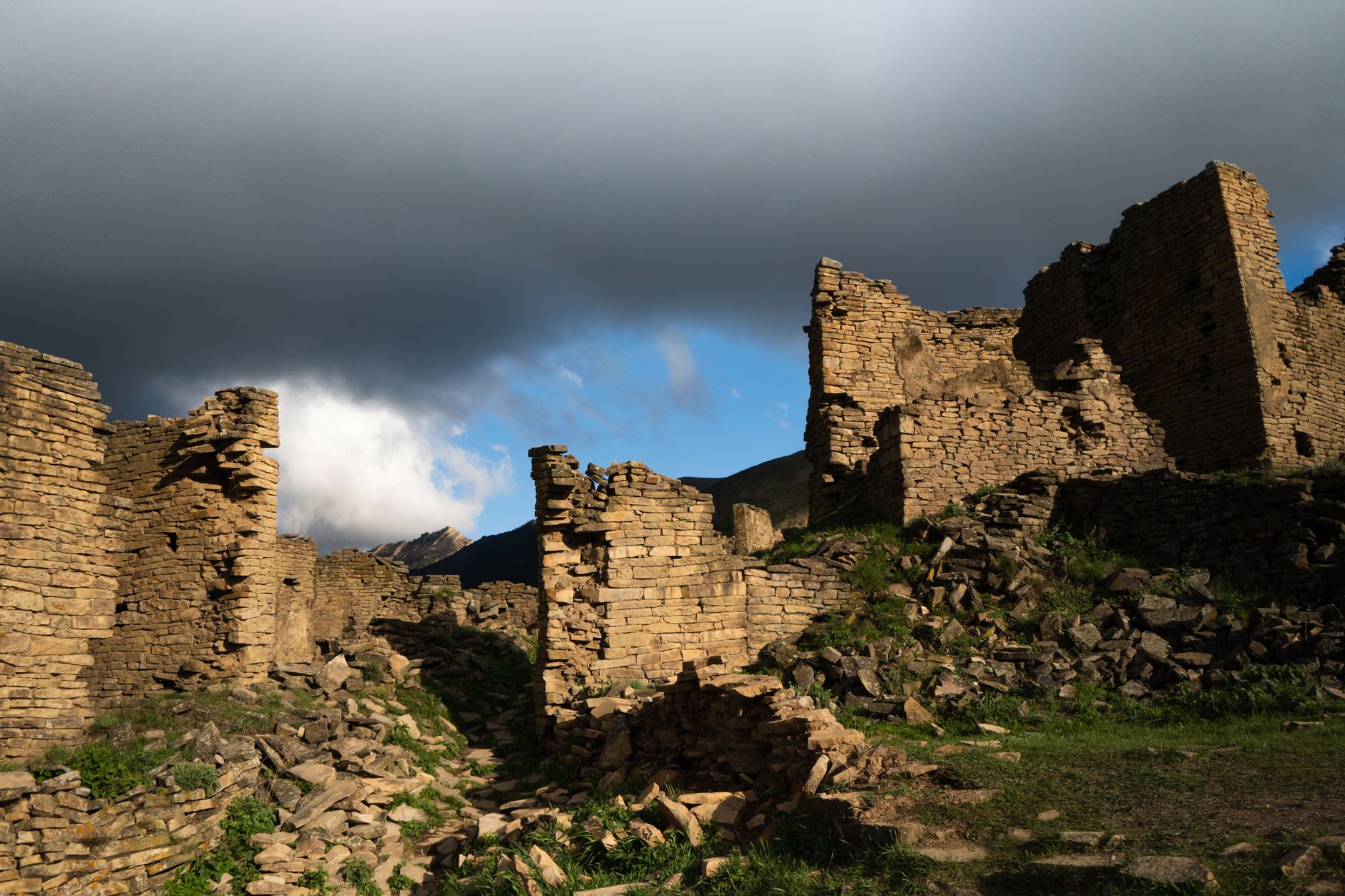
When planning a vacation, the allure of stunning landscapes and vibrant cultures often takes center stage. Yet, beneath the surface of picturesque postcards and thrilling itineraries lies a fundamental consideration that quietly shapes our choices: how does a country’s reputation for healthcare and safety influence where you choose to go on vacation?
Beyond the obvious considerations of emergency services or personal security, a destination's past and present approaches to health and safety are woven into its very fabric. From ancient healing sites to communities built on resilience, these factors tell a deeper story about a place. Let's explore some truly unique, lesser-known spots where history, geology, and culture reveal how safety and well-being have always been paramount.
1. Echoes of Ancient Healing
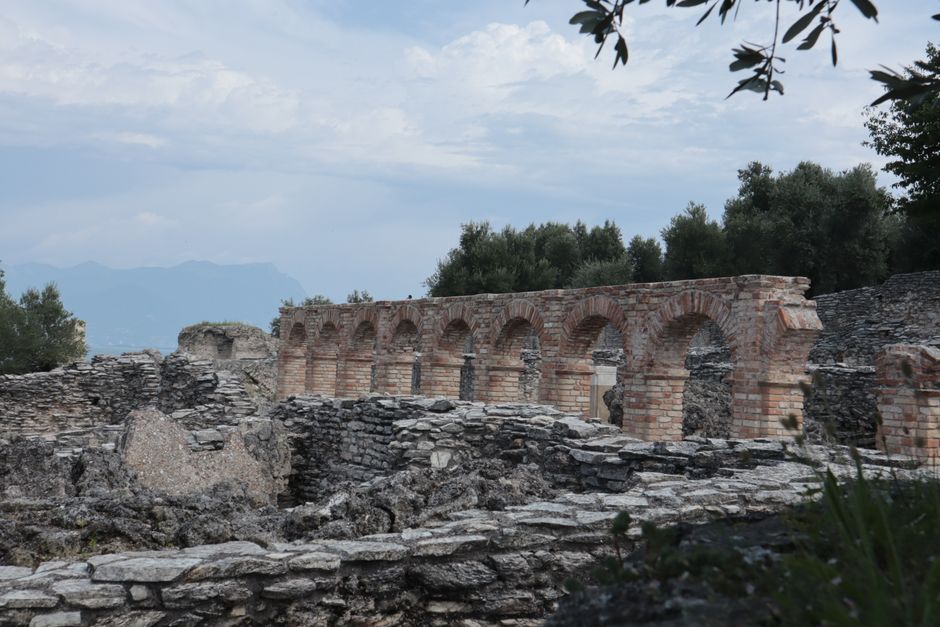
Butrint, Albania
Butrint, an ancient city, holds the ruins of a Roman hospital, revealing sophisticated medical practices from millennia ago.
Butrint, a UNESCO World Heritage site, is a remarkable archaeological park where layers of Greek, Roman, Byzantine, and Venetian civilizations are visible. Among its well-preserved ruins, including a theater and basilica, lies evidence of a Roman hospital. This discovery highlights the advanced medical considerations and public health infrastructure present in ancient societies, underscoring that healthcare has been a fundamental concern for travelers and residents alike for thousands of years.
2. Towers of Resilience
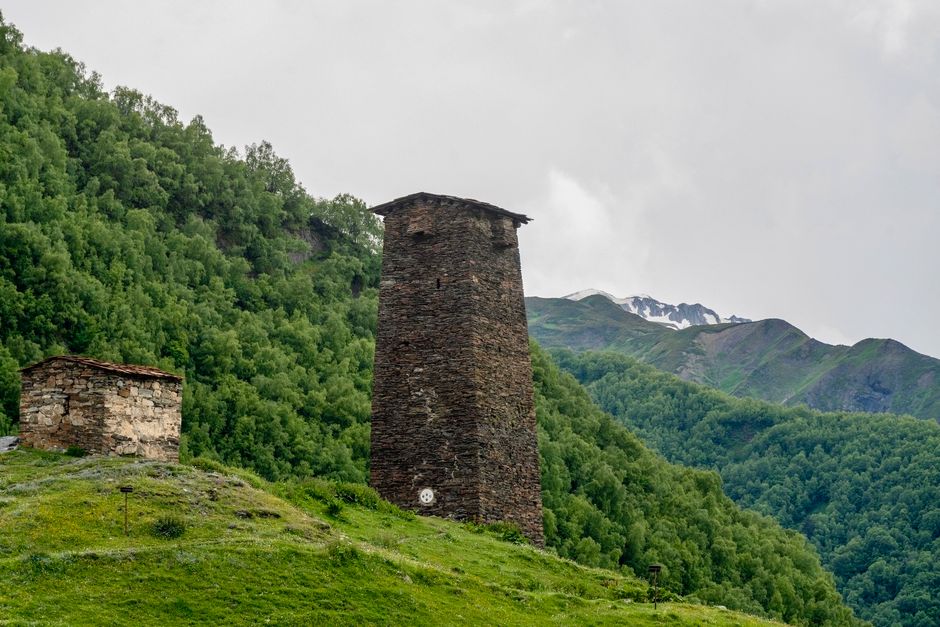
Mestia, Svaneti, Georgia
The Svaneti region is dotted with medieval defensive towers, built for protection and as symbols of community autonomy in a challenging landscape.
High in the Caucasus Mountains, Mestia is the cultural heart of Svaneti, a region famous for its unique stone tower-houses. These medieval towers, often attached to family homes, served as refuges during feuds and invasions, embodying a deep-rooted culture of self-preservation and communal defense. For centuries, these structures represented a local approach to safety and security, allowing communities to thrive in isolation long before modern national infrastructure or healthcare systems were established.
3. Painted Houses, Resilient Spirit
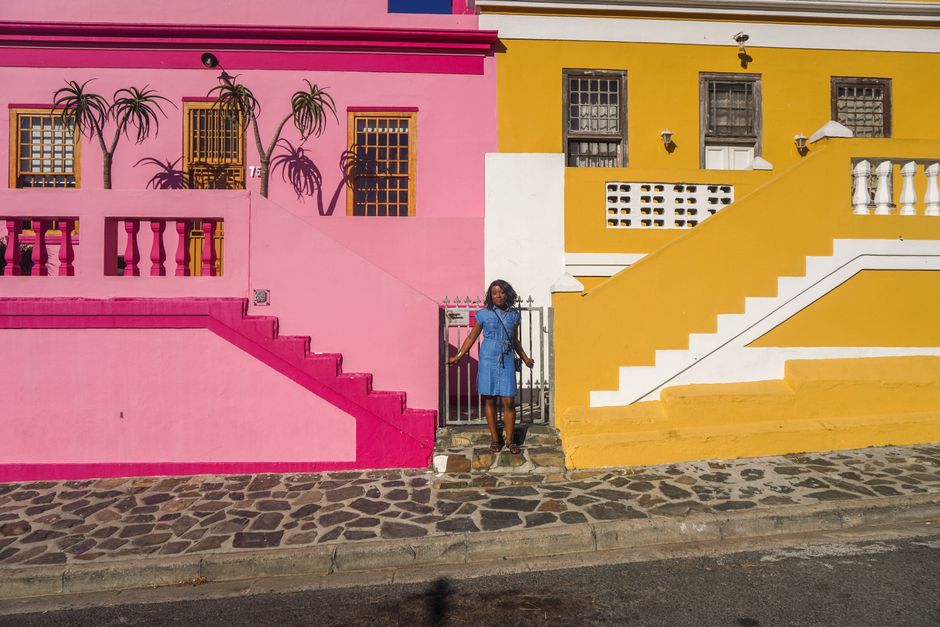
Bo-Kaap, Cape Town, South Africa
The brightly colored houses of Bo-Kaap hide a history of resilience, built by descendants of freed slaves who found community and safety in their distinct cultural identity.
Bo-Kaap’s kaleidoscopic streets are more than just a photo opportunity; they tell a vibrant story of a community forged in adversity. Originally settled by Cape Malays, many of whom were brought to South Africa as slaves, this area became a sanctuary where Islamic traditions and a unique cultural identity flourished. This communal solidarity offered a profound form of social and spiritual safety in a society marked by segregation and oppression.
4. The Blue Refuge
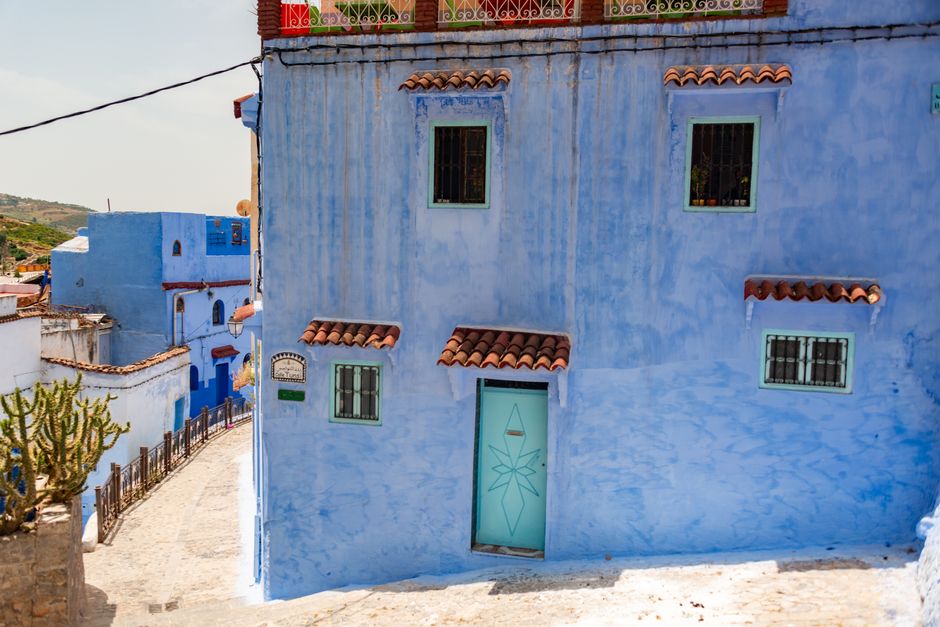
Chefchaouen, Morocco
Chefchaouen's famous blue wash was adopted by Jewish refugees fleeing persecution, symbolizing peace and creating a historical sanctuary.
Nestled in Morocco's Rif Mountains, Chefchaouen’s iconic blue buildings have a historical purpose beyond aesthetics. Legend suggests the tradition of painting houses blue was introduced by Jewish refugees in the 15th century, fleeing the Spanish Reconquista. For them, blue symbolized heaven and peace, creating a visual and spiritual haven. This tradition helped establish Chefchaouen as a safe harbor, where a community could rebuild and thrive away from persecution.
5. Travertine Terraces of Healing
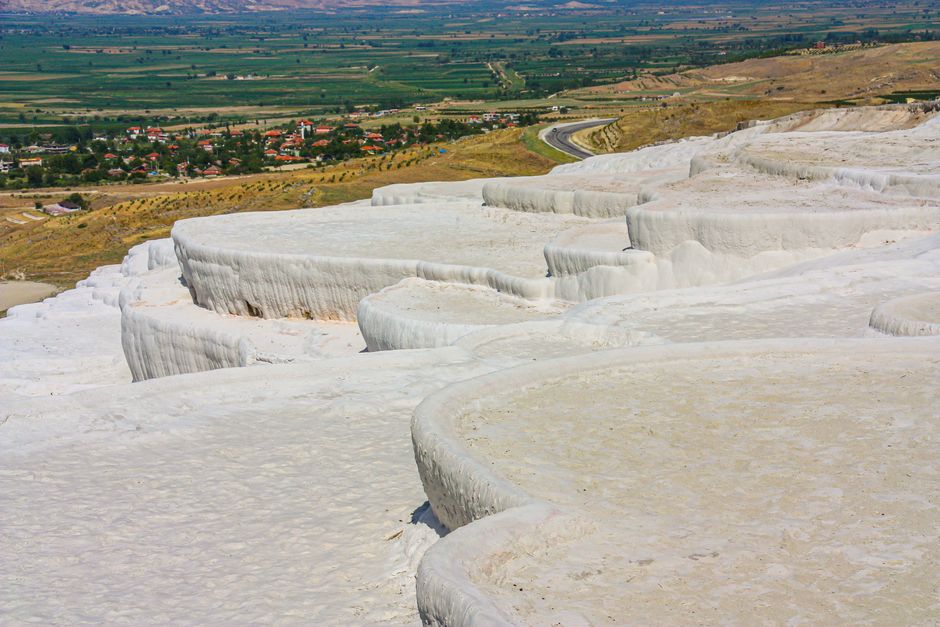
Pamukkale, Turkey
Pamukkale's white travertine terraces, formed by mineral-rich thermal waters, drew people seeking healing to the ancient city of Hierapolis for millennia.
Known as the "Cotton Castle," Pamukkale is a natural wonder where thermal springs cascade down dazzling white calcium terraces. Adjacent lies Hierapolis, an ancient Greco-Roman city built specifically around these therapeutic waters. People traveled vast distances to bathe in these pools, believing in their curative powers, making it an early destination for health tourism and a place of perceived well-being, deeply influencing travel decisions in antiquity.
6. Isolated Beauty, Strong Bonds
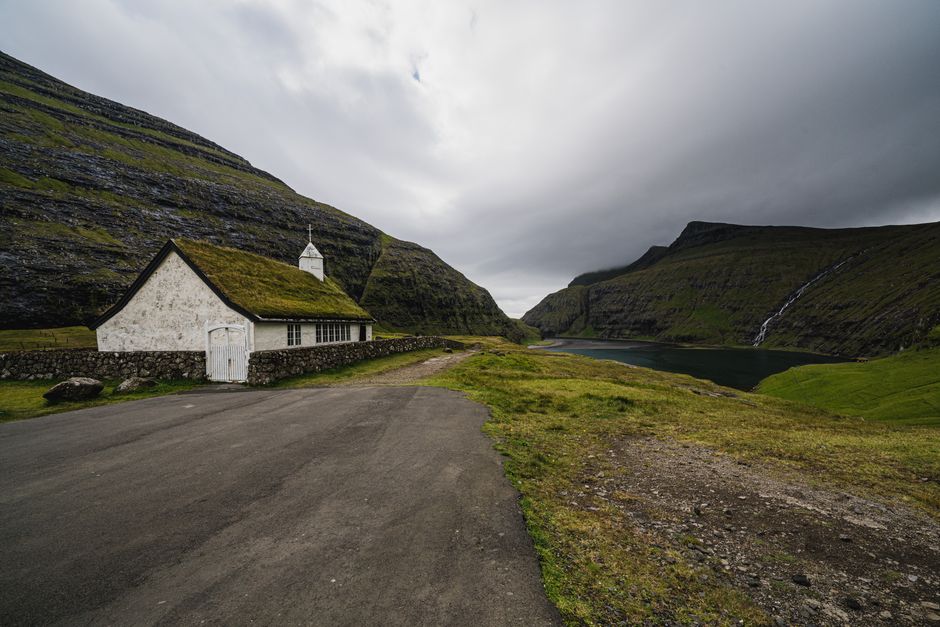
Saksun, Faroe Islands
In remote Faroese villages like Saksun, the harsh environment fostered a strong sense of community and self-reliance, historically crucial for physical safety and well-being.
Saksun, a tiny village tucked away at the end of a winding fjord, exemplifies the isolated yet resilient spirit of the Faroe Islands. Historically, these remote communities developed robust internal support systems, where neighbors relied on each other for survival, basic healthcare, and safety in an often unforgiving landscape. This deep-seated communal bond was vital, acting as a natural safety net long before modern infrastructure connected them to the wider world.
7. Stone City of Defensive Homes
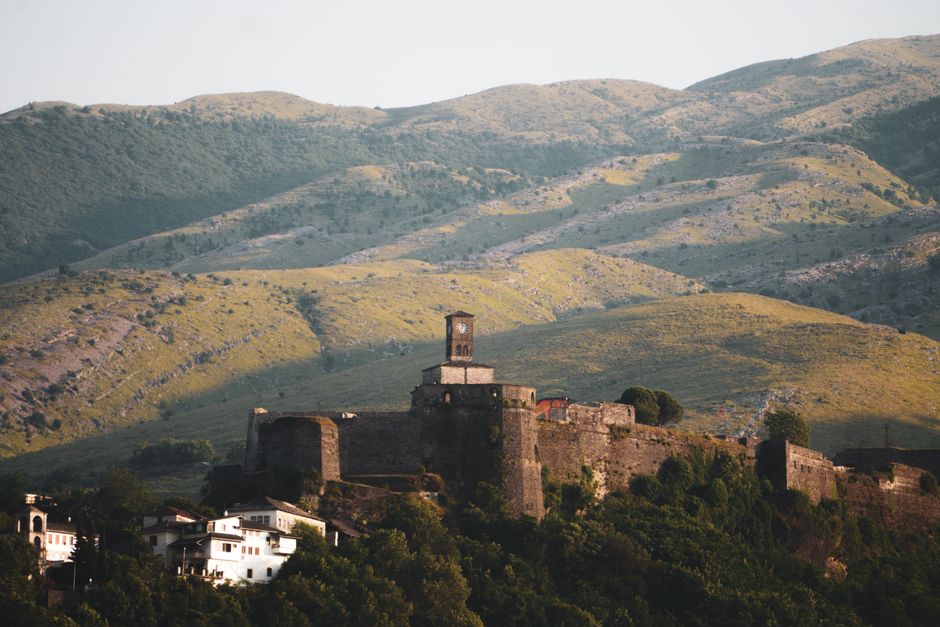
Gjirokastër, Albania
Gjirokastër, the 'Stone City,' is famed for its Ottoman-era houses, built like small fortresses to ensure family safety during turbulent times.
A UNESCO World Heritage site, Gjirokastër's distinctive stone architecture isn't just picturesque; it’s deeply functional. Its multi-story houses, often referred to as 'tower-houses,' were designed with significant defensive considerations. Featuring thick walls, small windows, and internal courtyards, these homes reflect a historical imperative for security within the family unit and community, demonstrating how safety concerns shaped the very structure of urban living.
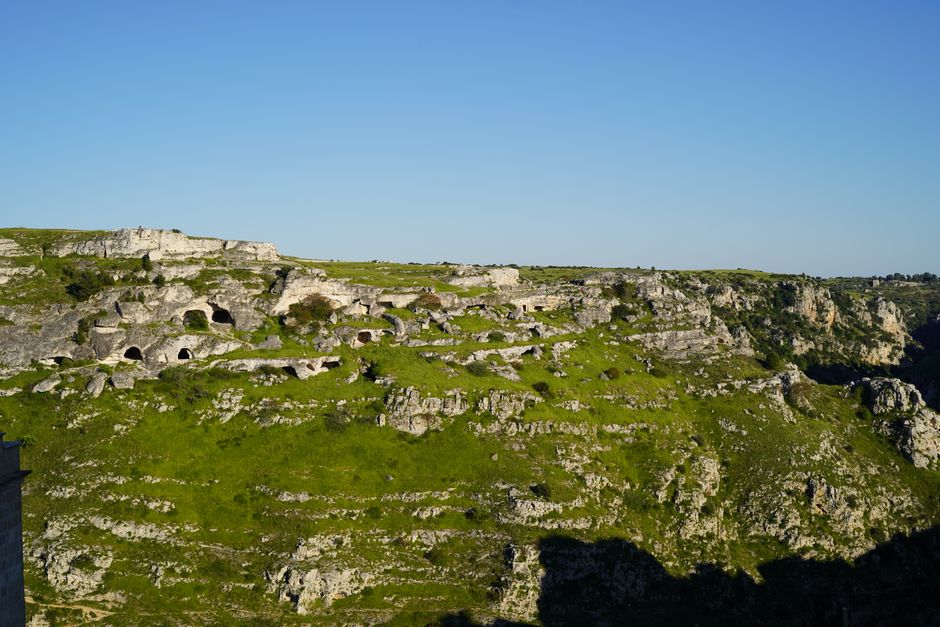
8. Cave Dwellings, Modern Revival
Matera, Italy
Matera's Sassi, ancient cave dwellings, transformed from a symbol of poverty and public health concern to a UNESCO site showcasing human resilience and adaptation.
The Sassi di Matera are a network of ancient cave dwellings inhabited for millennia, making them one of the oldest continuously inhabited settlements in the world. Once considered a place of extreme poverty and poor sanitation, leading to its evacuation in the mid-20th century, Matera has undergone a remarkable transformation. It now stands as a testament to human endurance, with its caves repurposed, demonstrating how a community can overcome historical health challenges and reclaim its unique heritage.
Frequently asked questions
How important is a country's healthcare reputation when choosing a travel destination?
A country's healthcare reputation is highly important as it directly impacts a traveler's peace of mind. Knowing that quality medical care is accessible in an emergency can significantly influence the decision to visit a destination, especially for those with pre-existing conditions or families.
What are some practical steps to ensure safety when traveling to lesser-known places?
Practical steps include thorough research on local customs and potential risks, purchasing comprehensive travel insurance, sharing your itinerary with a trusted person, and considering local guides. Learning basic phrases in the local language can also enhance safety and cultural immersion.
Are there reliable resources to check a country's healthcare and safety ratings before traveling?
Yes, several reliable resources exist. Government travel advisories (e.g., U.S. State Department, UK Foreign Office) provide up-to-date safety information. Organizations like the World Health Organization (WHO) offer health data, and reputable travel insurance providers often have country-specific safety and health guides.
How can AllTours.ai enhance my exploration of these places?
AllTours.ai brings these fascinating stories to life as you explore. Simply point your phone camera at any landmark or landscape, and the app instantly narrates its history, geology, and culture in your preferred language, offering a deeper, more immersive understanding of your surroundings.
Related guides
Photography via Pexels. AllTours.ai is an AI audio tour guide — point your camera at any landscape and hear its story.