September 23, 2026 · 4 min read
History isn't just in textbooks; it's etched into the very landscapes we inhabit. From crumbling empires to burgeoning innovations, the story of a nation's rise, fall, or transformation is often whispered by its lesser-known corners. These aren't always grand monuments or bustling metropolises, but rather the quiet places where economic tides turned, industries vanished, or communities adapted to profound change.
Understanding a country's trajectory means looking beyond headlines and tourist trails. It requires a keen eye for the subtle clues left behind by shifting resources, environmental impacts, and evolving social priorities. What follows is a journey to uncover these hidden narratives, revealing how the story of a nation's status is written in its forgotten corners.
1. Echoes of Soviet Glory
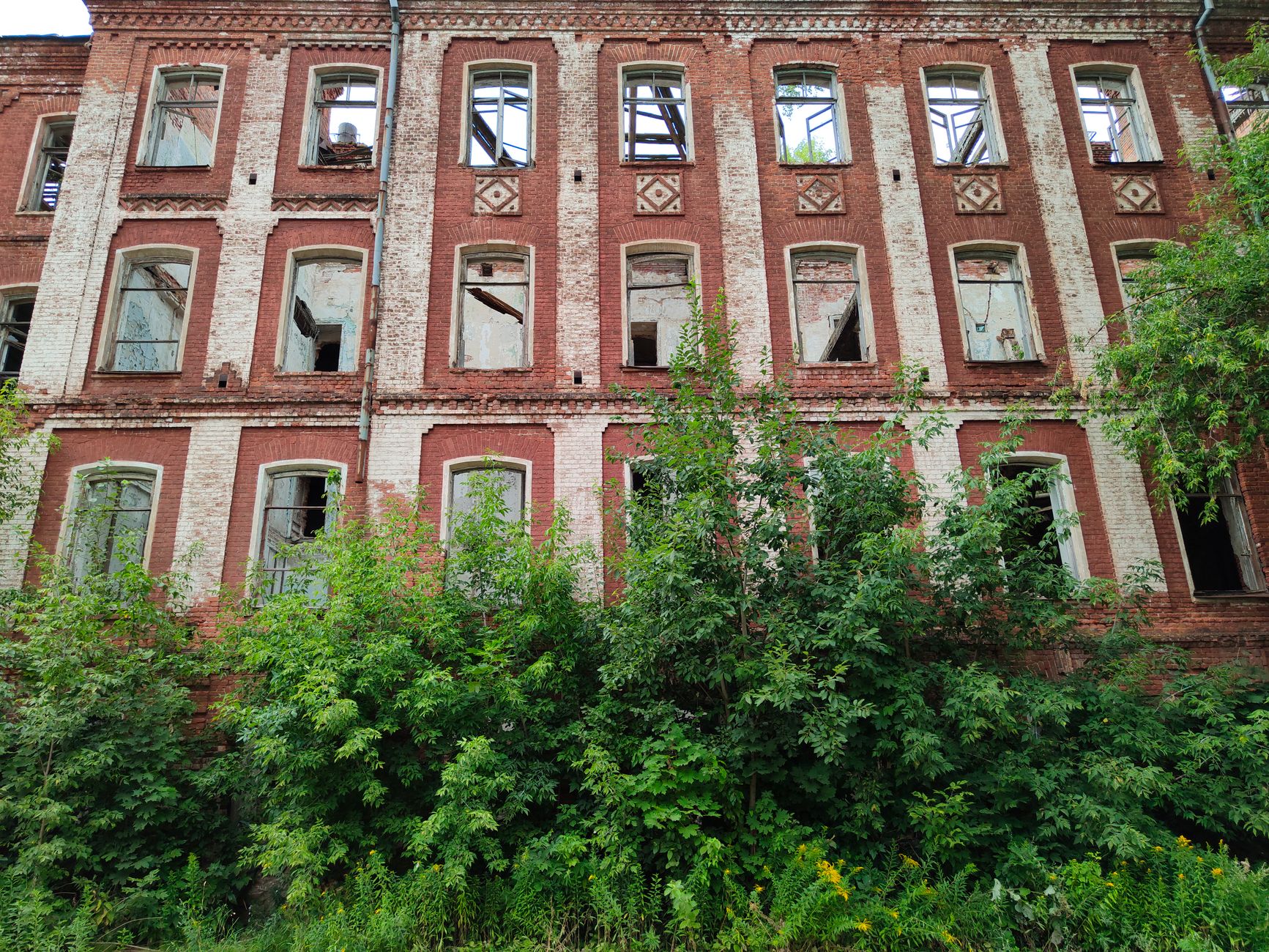
Tskaltubo, Georgia
Once a lavish spa town for the Soviet elite, its grand sanatoriums now stand as haunting reminders of a bygone era, with some repurposed by internally displaced people.
Tskaltubo flourished as a premier health resort, drawing visitors from across the USSR for its unique radon-carbonated mineral waters. After the Soviet collapse, the opulent sanatoriums, built in neoclassical and Stalinist Empire styles, were abandoned. Today, many are crumbling, yet some have found new life housing IDPs from conflicts, creating a poignant tableau of past grandeur and present resilience.
2. The Village Swallowed by Green
Houtouwan Village, Shengsi Islands, China
Once a thriving fishing community, this village on Shengsi Islands was slowly reclaimed by lush green ivy as its residents moved to the mainland for better economic prospects.
Perched on the remote Shengshan Island, Houtouwan was a bustling fishing hub in the 1980s. As fishing resources dwindled and economic opportunities on the mainland grew, residents gradually departed, leaving their homes to the mercy of nature. Today, the village is a stunning spectacle where every house, wall, and path is draped in a thick, vibrant carpet of climbing plants, a silent testament to urban migration and rural abandonment.
3. Submerged for Progress
St. Lawrence River, Ontario, Canada
Beneath the waters of the St. Lawrence River lie the "Lost Villages" of Ontario, deliberately submerged in the 1950s to create a shipping channel, symbolizing a nation's choice between progress and heritage.
In the mid-20th century, the ambitious St. Lawrence Seaway and Power Project necessitated the flooding of ten entire communities along the riverbank. Over 6,500 people were relocated, their homes, schools, and churches dismantled or left to be swallowed by the rising waters. This monumental engineering feat, while boosting trade and power generation, left a profound legacy of loss, a visible scar of economic development on the landscape and memory.
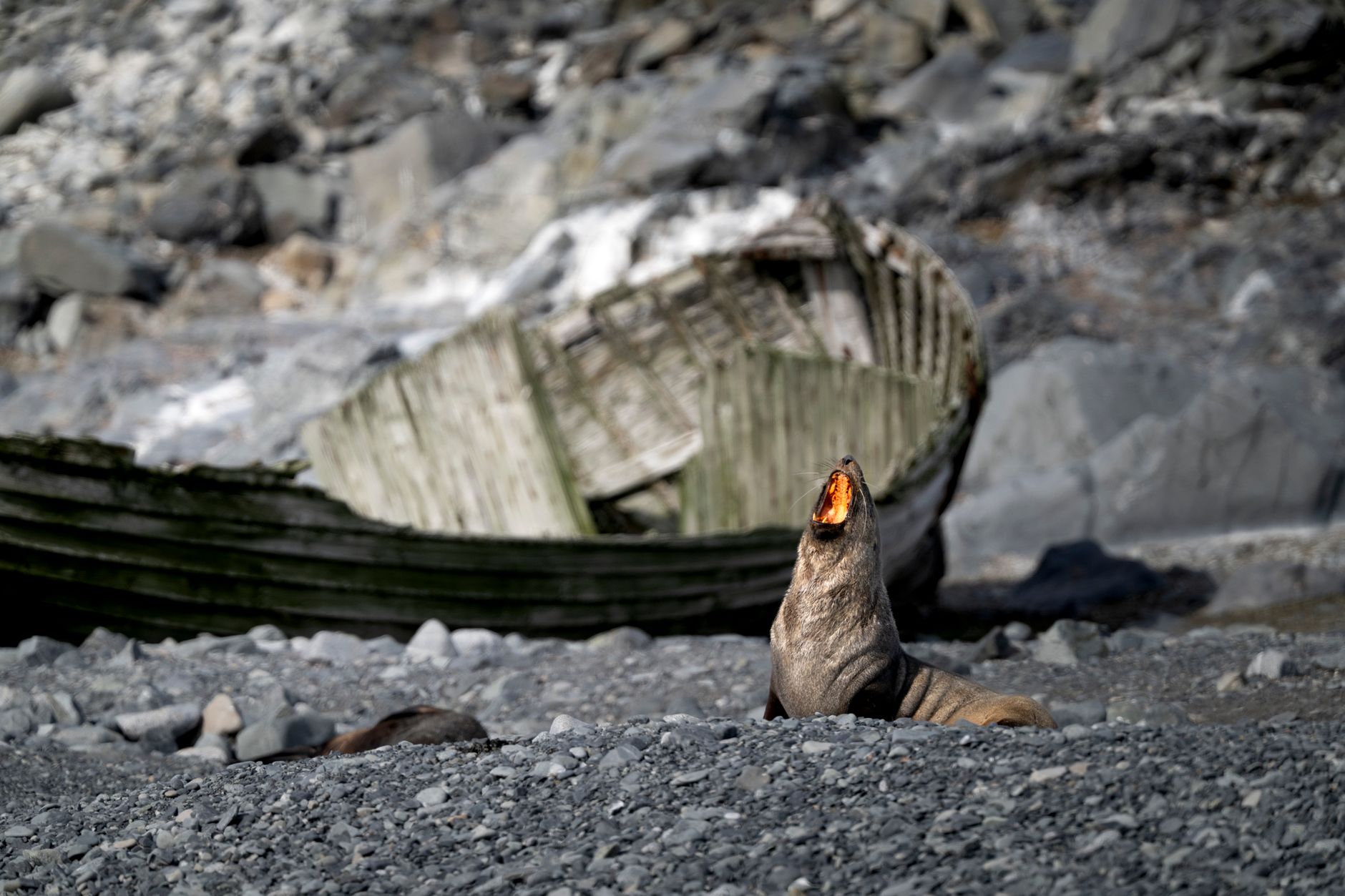
4. Whaling's Ghostly Legacy
Grytviken, South Georgia Island
This eerily silent former whaling station in the remote South Atlantic stands as a stark monument to a brutal industrial past and the subsequent collapse of a resource-driven economy.
Established in 1904 by Norwegian whalers, Grytviken was the first land-based whaling station in Antarctica and operated for over 60 years. Its success led to the near-extermination of whale populations, ultimately making the industry unsustainable. Today, rusted machinery, decaying ships, and the graves of whalers remain, a preserved relic of human exploitation and a powerful reminder of how quickly a booming industry can vanish when resources are depleted.
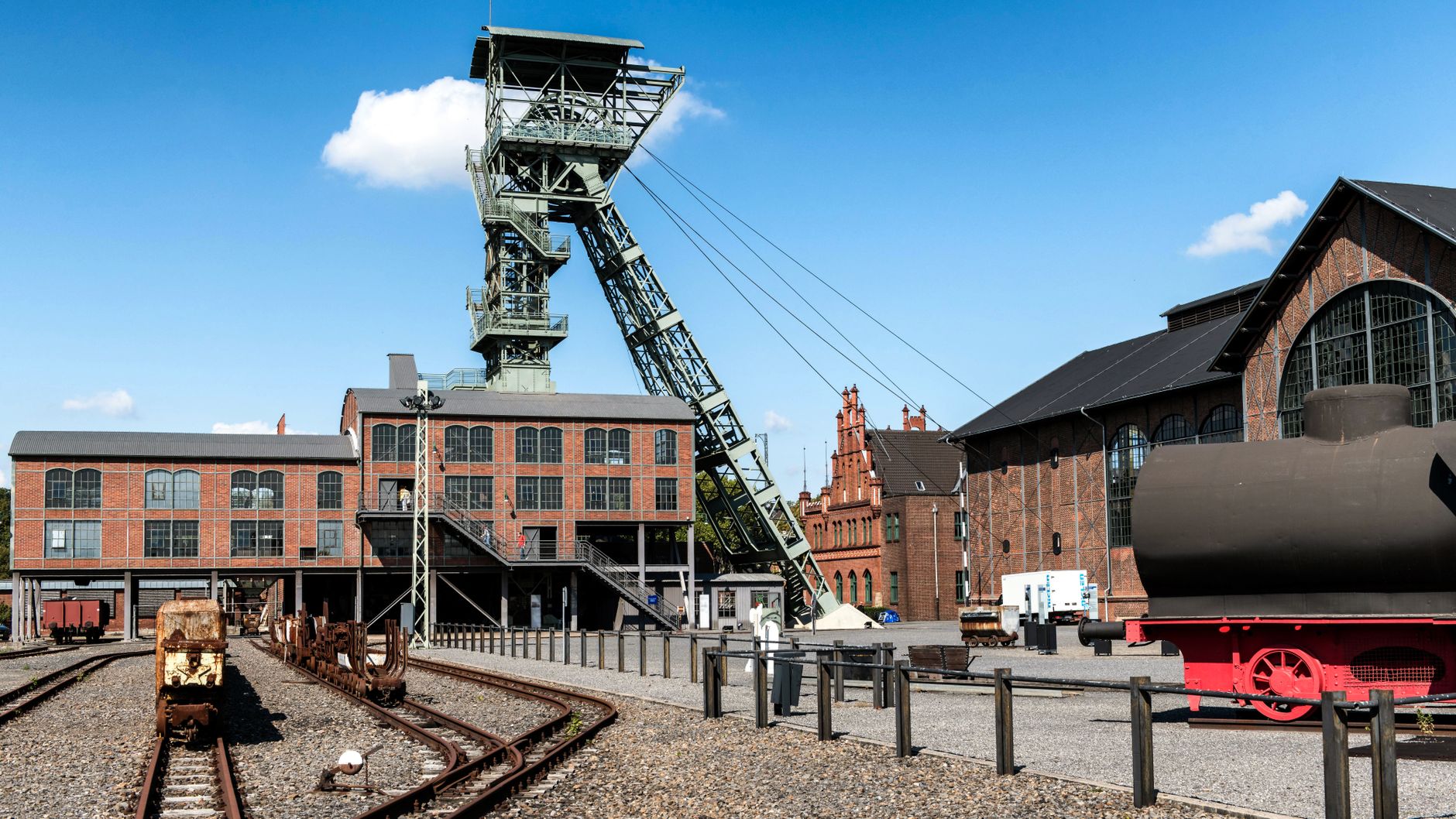
5. From Furnace to Forest
Duisburg, North Rhine-Westphalia, Germany
Once a colossal ironworks, Landschaftspark Duisburg-Nord now creatively repurposes its industrial behemoths into parks and cultural spaces, showcasing a monumental shift from heavy industry to post-industrial innovation.
This extraordinary park transformed a former coal and steel production plant, which closed in 1985, into a public space. Instead of demolition, its towering blast furnaces, gasometers, and railway lines were preserved and integrated into a new landscape. Visitors can now climb former ore bunkers, dive in a disused gasometer, or explore overgrown industrial ruins, illustrating a successful transition from the gritty reality of a manufacturing powerhouse to a vibrant green lung and cultural hub.
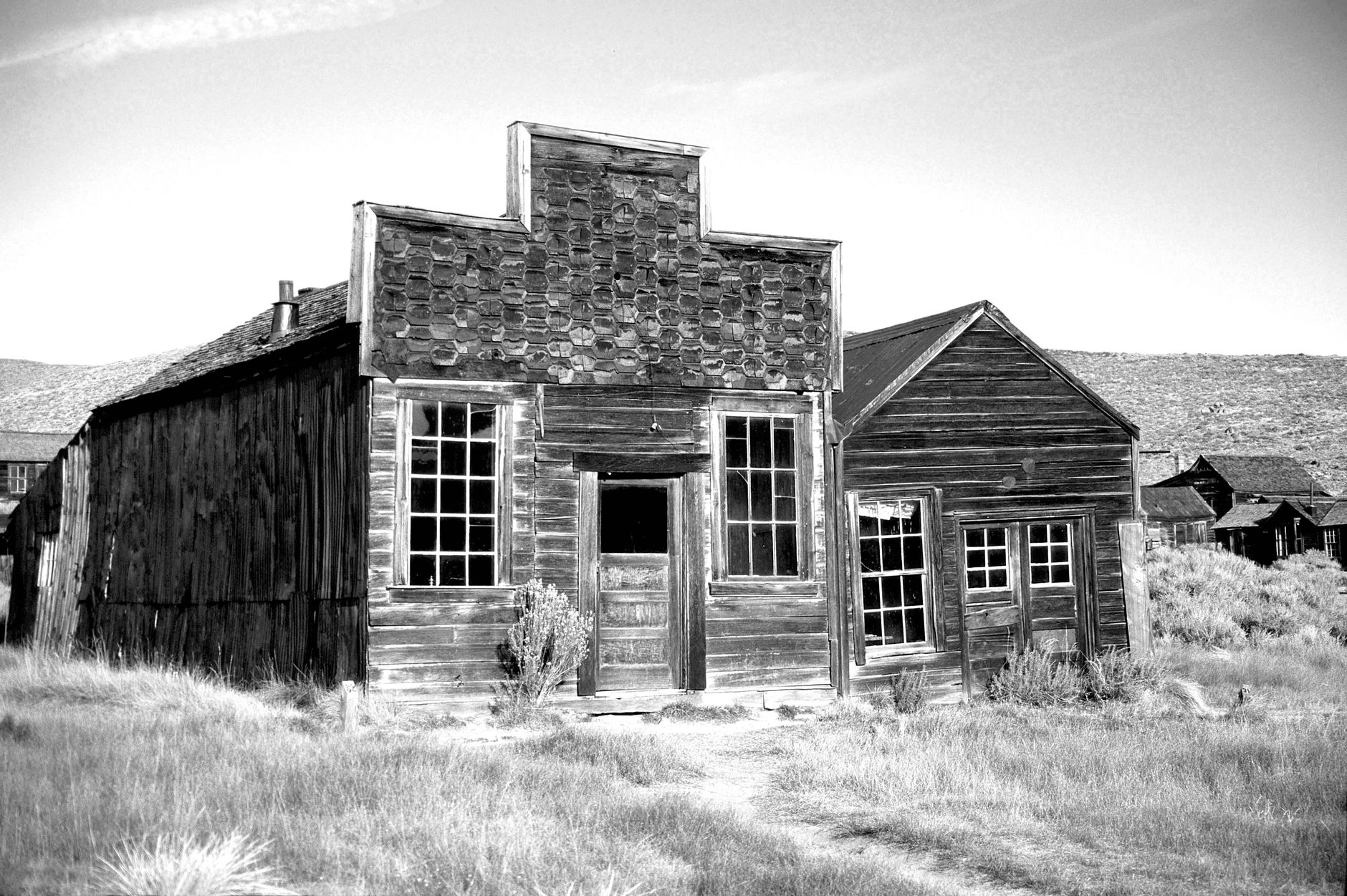
6. The Desert's Saltpeter Ghosts
Atacama Desert, Chile
Dotted across Chile's Atacama Desert are the ghostly remains of nitrate mining towns like Humberstone and Santa Laura, abandoned when synthetic nitrates made their industry obsolete, leaving behind a stark picture of boom-and-bust economies.
In the late 19th and early 20th centuries, these towns boomed, extracting vital saltpeter (sodium nitrate) used as fertilizer and explosives, attracting thousands of workers from around the world. However, with the invention of synthetic nitrates in the 1930s, the demand for natural saltpeter plummeted, leading to the rapid decline and abandonment of these vibrant communities. Today, their intact houses, theaters, and workshops stand silent, preserved by the arid desert air as a poignant testament to the fleeting nature of resource-dependent prosperity.
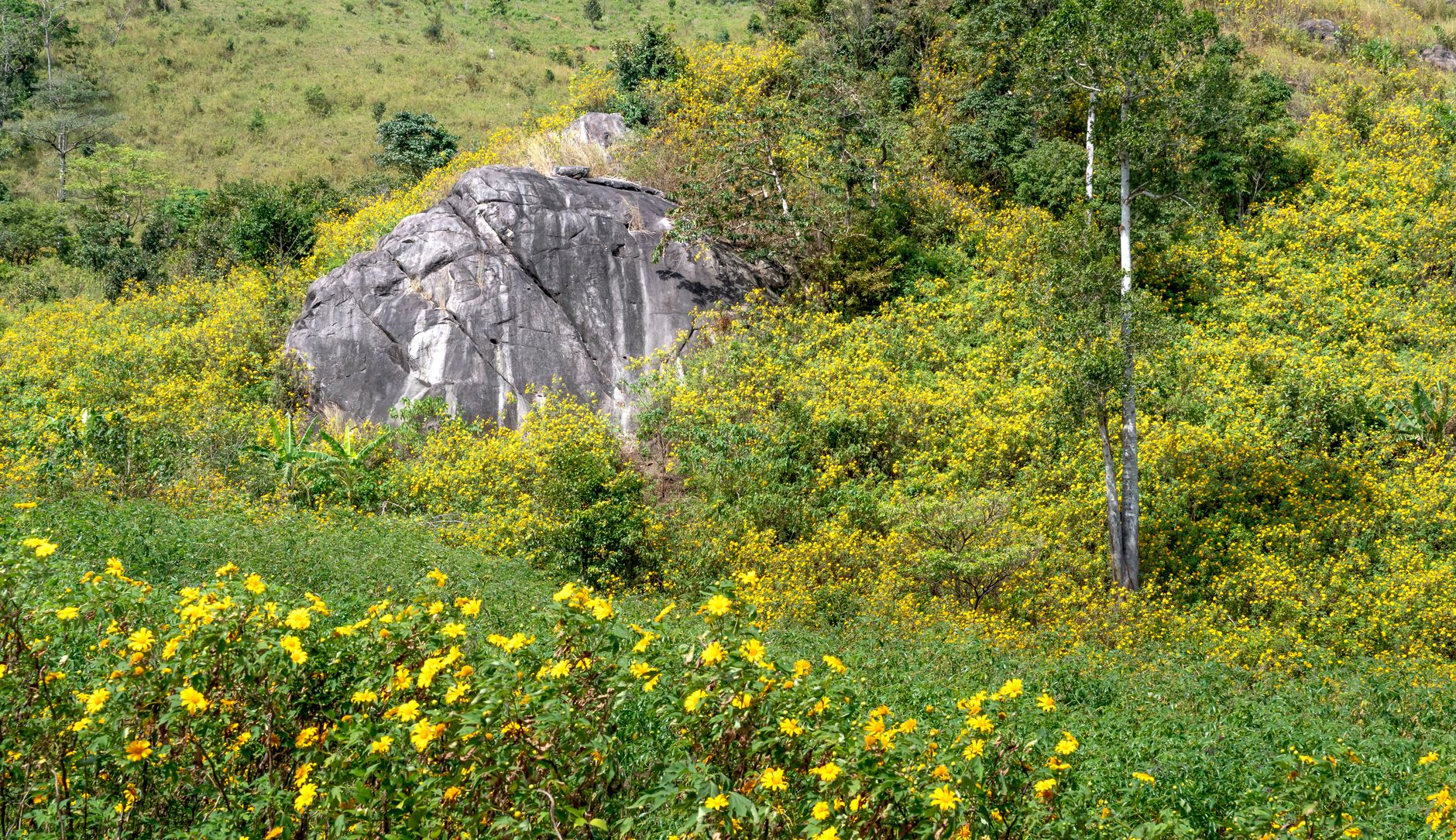
7. Ancient Mysteries, Modern Scars
Xieng Khouang Province, Laos
Thousands of ancient stone jars, scattered across the Laotian landscape, hold mysterious origins and were once part of a vibrant Iron Age culture, now overshadowed by the lasting scars of unexploded ordnance.
The Plain of Jars is an archaeological enigma, with massive stone vessels, some weighing many tons, spread across hundreds of sites. Their exact purpose remains debated, theorized to be burial urns or food storage. This ancient landscape, however, bears the heavy legacy of the Vietnam War: it was one of the most heavily bombed areas in history, and unexploded ordnance (UXO) still poses a threat, making the exploration of this historical treasure a stark reminder of recent conflict's enduring impact.
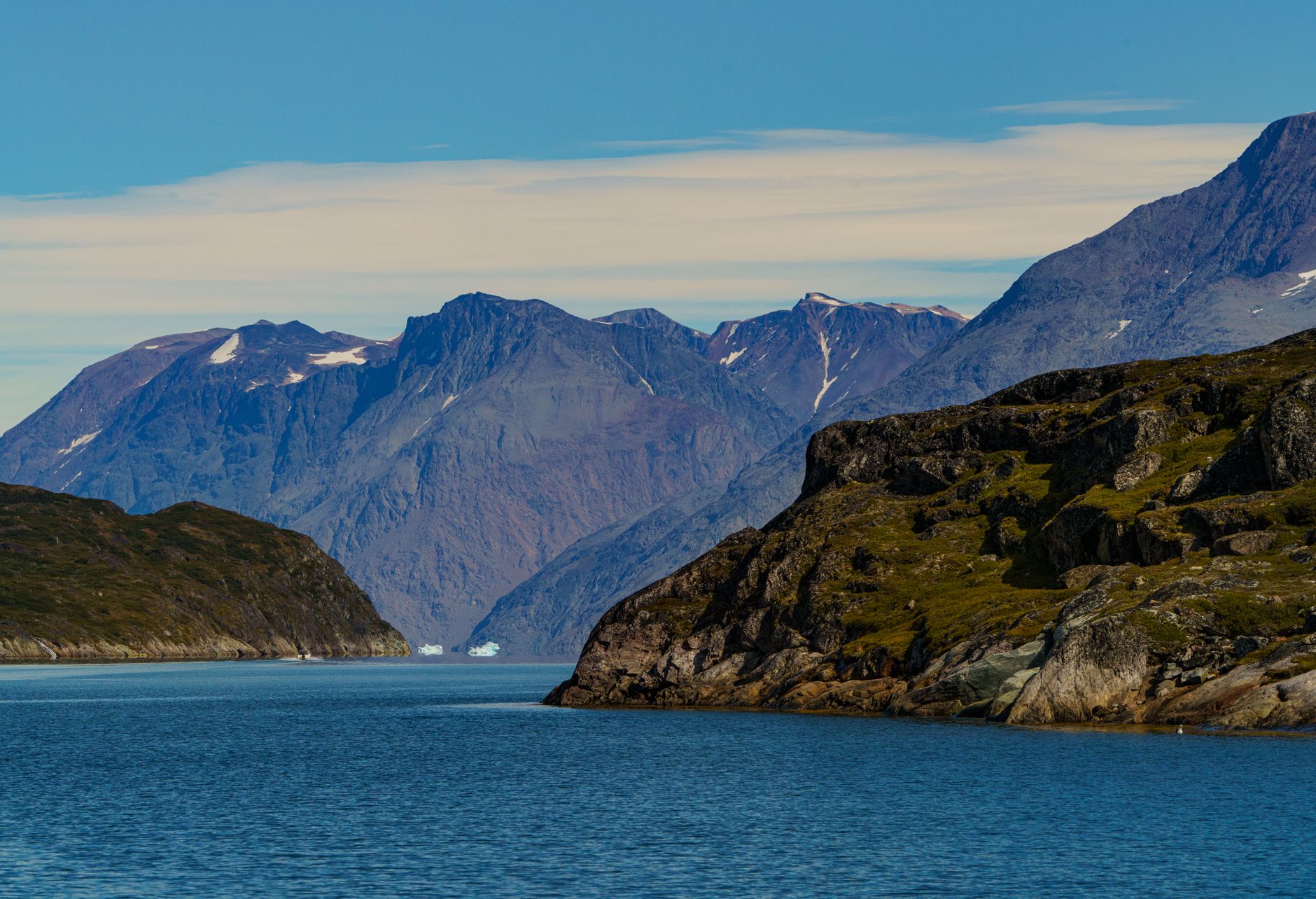
8. Ice, Identity, and A Warming World
Uummannaq, Greenland
This remote town in Greenland, with its distinctive heart-shaped mountain, is on the front lines of climate change, revealing ancient ice formations while simultaneously facing new questions about resource extraction and cultural preservation.
Situated on an island in West Greenland, Uummannaq is known for its breathtaking icebergs, a vibrant Inuit culture, and the iconic Uummannaq Mountain. As the Arctic warms at an accelerated rate, the town experiences significant environmental changes, impacting traditional hunting and fishing. Simultaneously, the melting ice uncovers potential mineral resources, prompting complex debates about economic development versus environmental protection and the future of an ancient way of life in a rapidly changing world.
Frequently asked questions
What are common signs of economic shifts in a country?
Economic shifts can manifest in various ways, from changes in industrial landscapes, like abandoned factories or repurposed sites, to demographic changes such as rural-to-urban migration leading to deserted villages. Shifts in dominant industries, resource availability, and infrastructure development or decay are also key indicators.
How do environmental changes reflect a nation's status?
Environmental changes can be powerful indicators. For instance, the impact of climate change on coastal communities or traditional livelihoods, or the depletion of natural resources, can signal significant challenges or adaptations within a nation. Conversely, successful environmental rehabilitation efforts can reflect increased national capacity and priorities.
Are there cultural indicators of a country's changing status?
Yes, cultural indicators are often subtle but profound. These can include the preservation or loss of historical sites due to modern development, the revival or decline of traditional crafts and languages, or the changing demographics of communities. These shifts reflect how a nation balances its past with the pressures and opportunities of the present.
How can AllTours.ai help me explore these transitions?
AllTours.ai brings these fascinating stories to life. Simply point your phone camera at a landmark, a historical ruin, or even a unique geological formation, and the app will narrate its history, geology, and cultural significance in your language, revealing the hidden narratives of a place's evolution and transition.
Related guides
Photography via Pexels. AllTours.ai is an AI audio tour guide — point your camera at any landscape and hear its story.