
September 1, 2026 · 4 min read
Planning an international vacation can feel overwhelming, but it doesn't have to be. The key to a truly stress-free trip often lies in sidestepping the predictable crowds and discovering places that offer rich stories without the hustle.
Imagine exploring ancient sites where history still breathes, or natural wonders with surprising geological tales, all without feeling rushed. We've curated a list of extraordinary, often overlooked destinations, each with a unique narrative waiting to be uncovered.
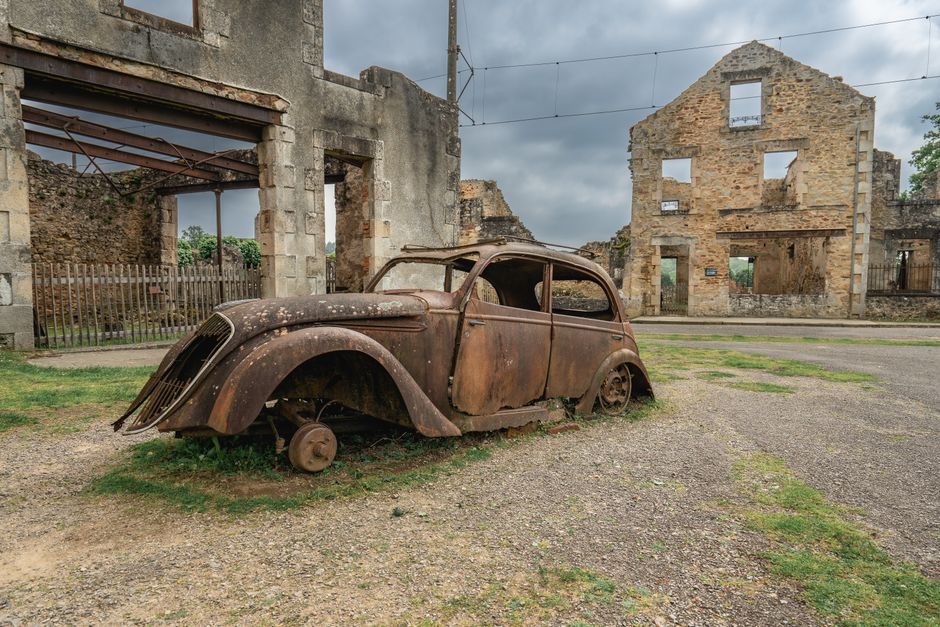
1. The Silent Village of Oradour-sur-Glane
Oradour-sur-Glane, France
A French village stands frozen in time, exactly as it was after a horrific wartime tragedy, preserved as a memorial.
On June 10, 1944, the entire population of Oradour-sur-Glane was massacred by German Waffen-SS, and the village was then deliberately destroyed. Rather than rebuild, French President Charles de Gaulle declared the original village a permanent memorial and museum. Its rusted cars, sewing machines, and burnt-out buildings remain a stark, silent testament to a single day of brutality, offering a profoundly moving, unvarnished history lesson.
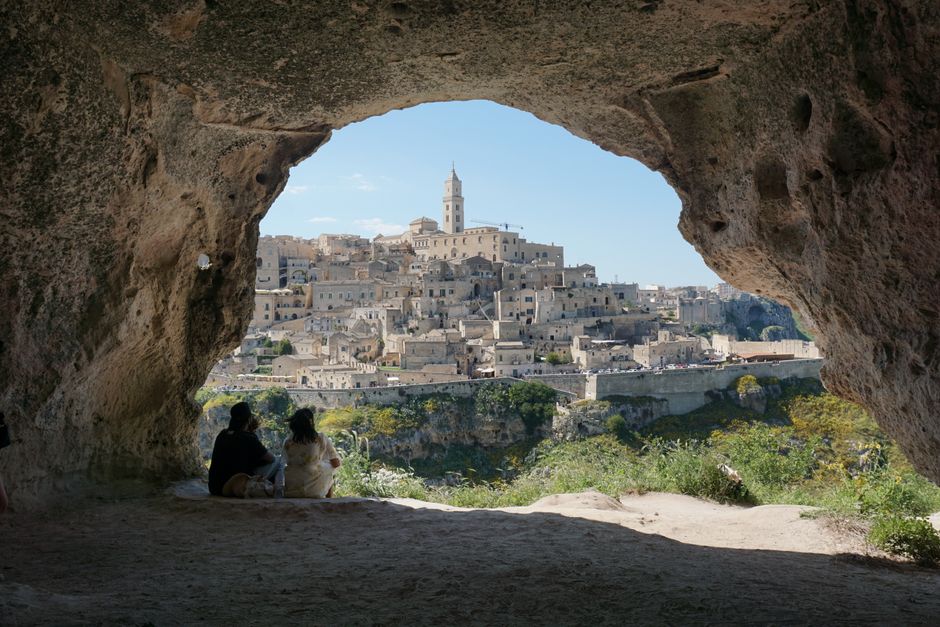
2. Matera's Ancient Cave City
Matera, Italy
This Italian city features ancient cave dwellings carved into rock, continuously inhabited for millennia, once considered a place of shame, now a cultural marvel.
Matera's "Sassi" are a complex of cave dwellings, churches, and monasteries carved into the limestone ravines. In the mid-20th century, these homes were notorious for extreme poverty and disease, leading to their evacuation. Today, the Sassi are a UNESCO World Heritage site, beautifully restored and bustling with hotels, restaurants, and museums, showcasing an incredible journey from ancient destitution to modern cultural pride, still retaining its raw, ancient charm.
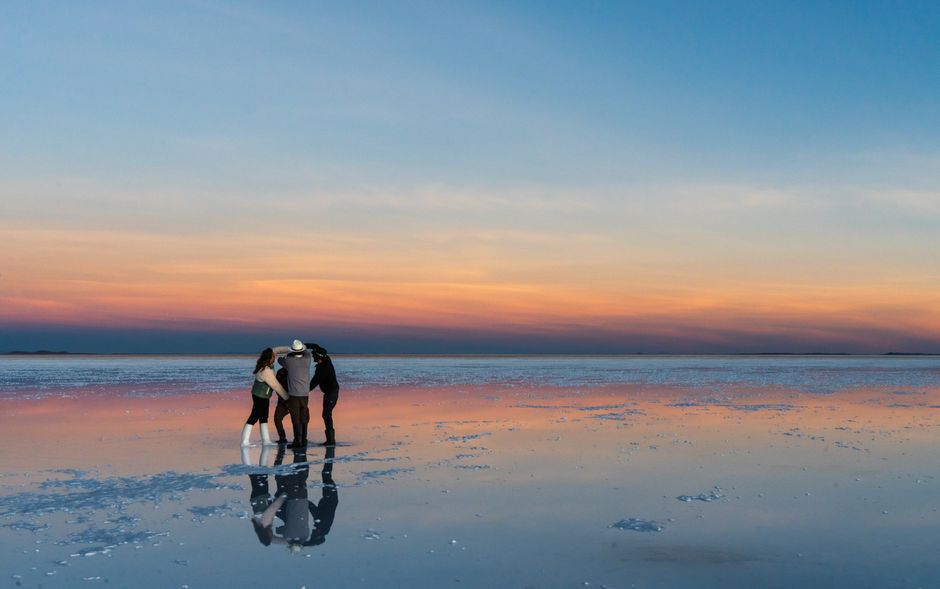
3. Bolivia's Celestial Salt Mirror
Salar de Uyuni, Bolivia
The world's largest salt flat in Bolivia transforms into a colossal mirror after rainfall, reflecting the sky so perfectly the horizon disappears.
Covering over 10,000 square kilometers, Salar de Uyuni is the remnant of prehistoric lakes. Beyond its stunning reflective qualities during the wet season, the salt flat contains an estimated 10 billion tons of salt, making it a significant source of lithium. The surreal landscape also features "Incahuasi Island," a rocky outcrop covered in giant cacti, a testament to its unique desert ecosystem, offering a visual experience unlike anywhere else on Earth.
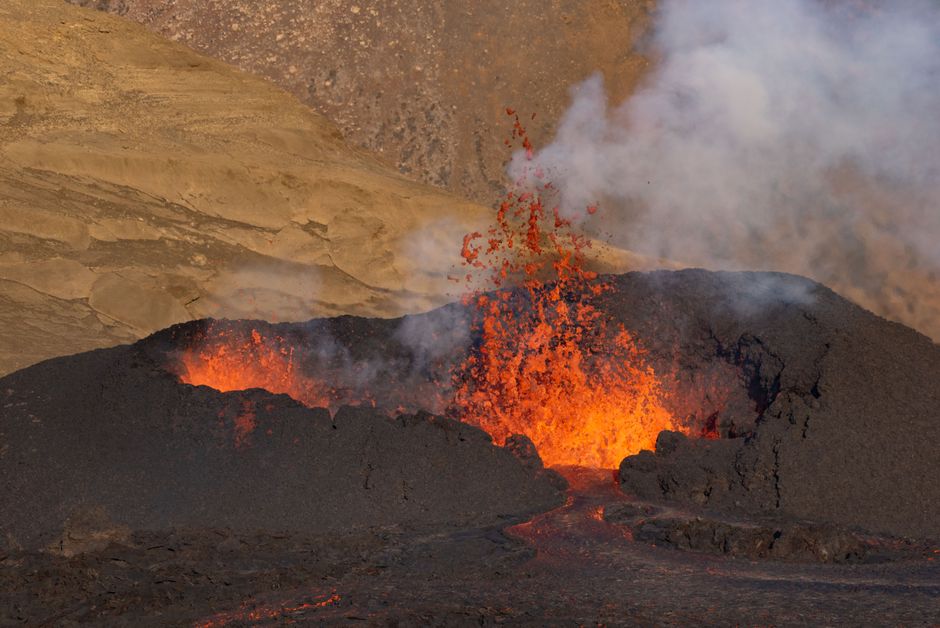
4. Turkmenistan's Burning Door to Hell
Darvaza Gas Crater, Turkmenistan
A fiery crater in the Karakum Desert has been burning continuously for over five decades, accidentally ignited by Soviet geologists.
Known as the "Door to Hell," this natural gas field collapsed into a cavern during a Soviet drilling operation in 1971. To prevent the spread of methane gas, scientists decided to burn it off, expecting it to last a few weeks. Fifty years later, the crater still burns, a mesmerizing and somewhat terrifying spectacle in the middle of the desert. It serves as a stark reminder of human intervention in nature, creating a unique, enduring geological phenomenon.
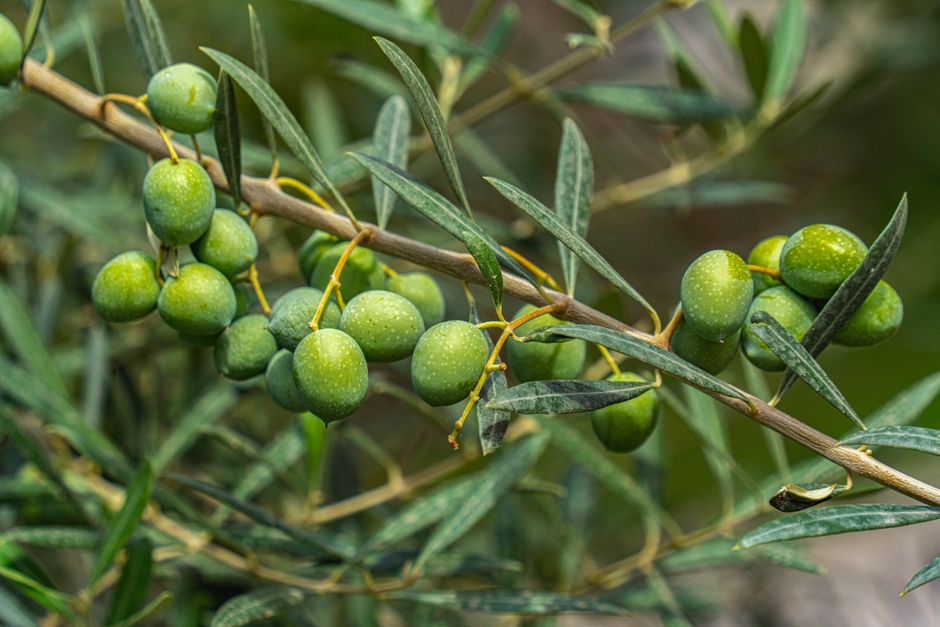
5. Japan's Mediterranean Olive Island
Shodoshima Island, Japan
This Japanese island, famed for its olives, offers a surprising Mediterranean landscape and a unique art festival, defying typical Japanese imagery.
Shodoshima, located in the Seto Inland Sea, was the first place in Japan to successfully cultivate olives, earning it the nickname "Olive Island." Its mild climate, terraced fields, and sandy beaches evoke a distinct Mediterranean atmosphere, a stark contrast to many other Japanese landscapes. The island also hosts part of the Setouchi Triennale art festival, integrating contemporary art installations into its tranquil natural and cultural settings, showcasing a unique blend of traditions.
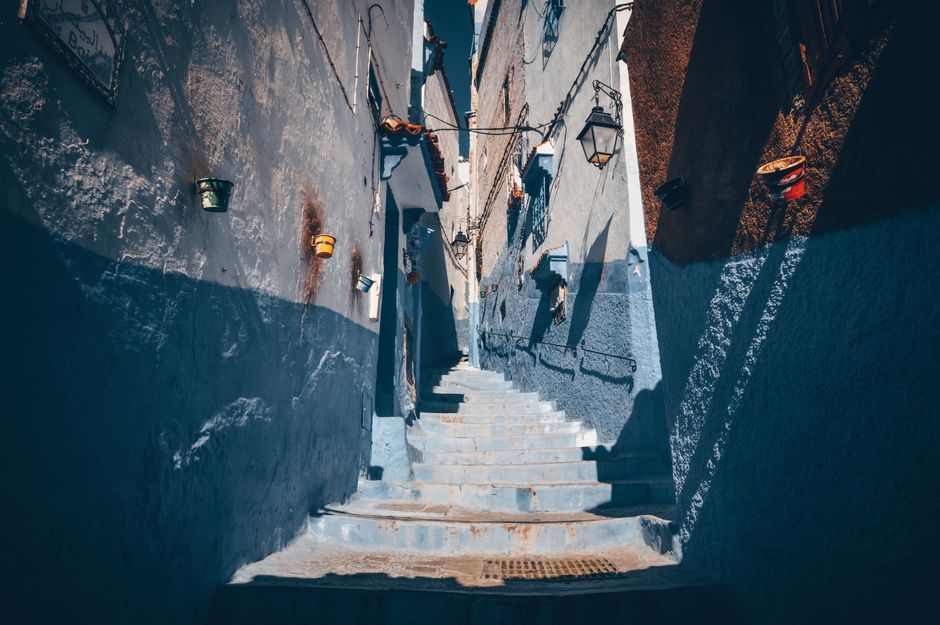
6. Chefchaouen, The Blue City of Morocco
Chefchaouen, Morocco
Nestled in Morocco's Rif Mountains, this town's entire old city is painted in varying shades of blue, a tradition rooted in ancient spiritual beliefs.
Chefchaouen's striking blue-washed buildings are not merely an aesthetic choice; various theories attribute the tradition to Jewish refugees who settled there in the 1930s, seeing blue as a symbol of heaven and the sky, or simply as a repellent for mosquitoes. Wandering through its labyrinthine alleys reveals a calming, almost dreamlike atmosphere, distinct from the bustling souks of other Moroccan cities. The blue hues create a photogenic and serene environment, inviting quiet exploration.
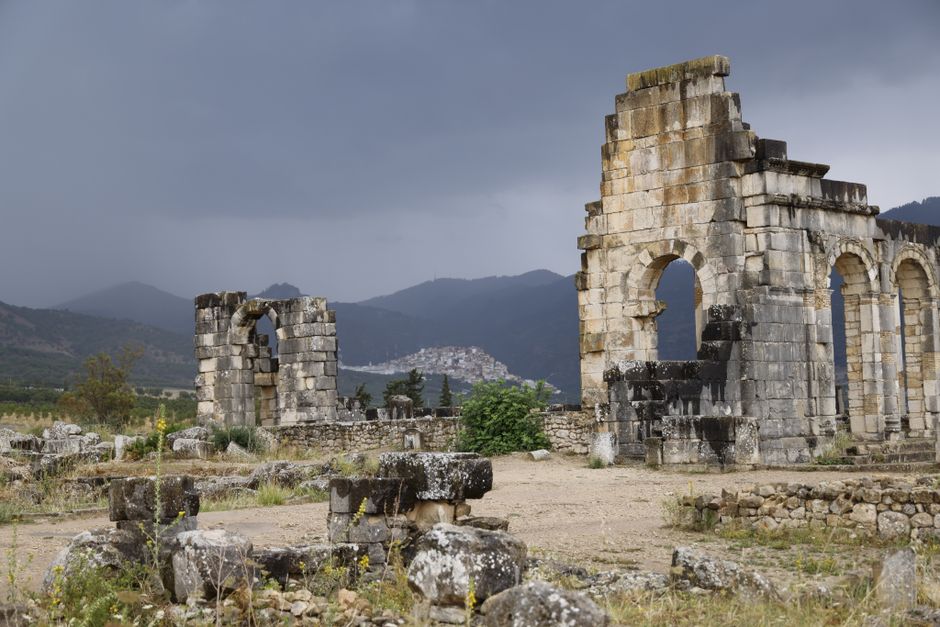
7. The Roman Frontier of Volubilis
Volubilis, Morocco
Far from Rome, remarkably preserved Roman ruins in rural Morocco reveal a forgotten frontier of the empire, complete with intricate mosaics and grand arches.
Volubilis was a thriving Roman city and the administrative center of the province of Mauretania Tingitana. Its remains include stunning mosaics still in situ, a triumphal arch, and a basilica, offering a vivid glimpse into daily Roman life on the fringes of their vast empire. Unlike many European Roman sites, Volubilis is less crowded, allowing for a more intimate and reflective exploration of its history, demonstrating the true reach and impact of Roman civilization across diverse landscapes.
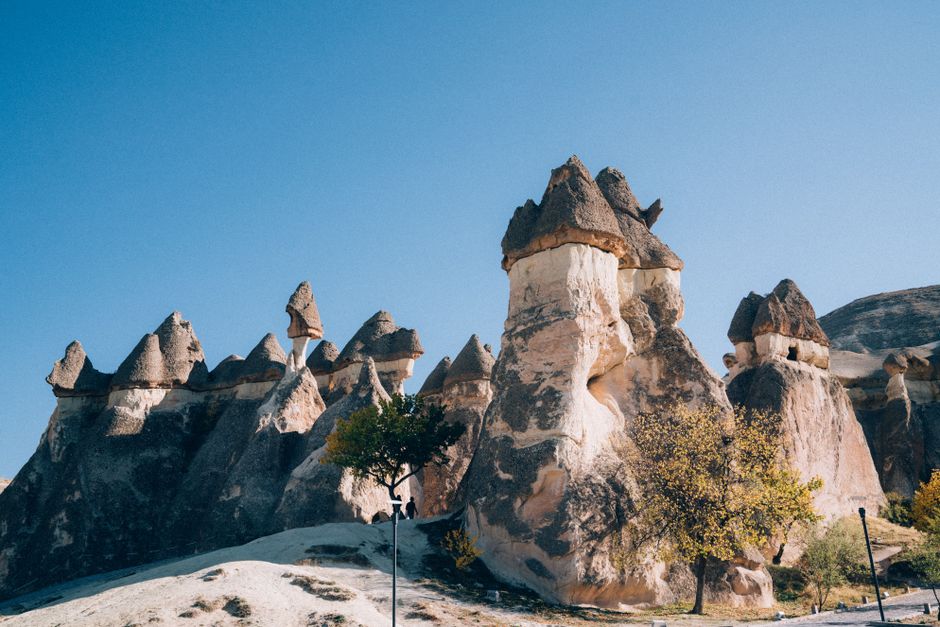
8. Cappadocia's Fairy Chimney Landscapes
Cappadocia, Turkey
In Turkey, a landscape of towering, cone-shaped rock formations, known as "fairy chimneys," hides ancient cave dwellings and churches carved directly into the soft volcanic tuff.
Cappadocia's unique geology resulted from ancient volcanic eruptions, forming soft rock layers that eroded into these distinctive pillars. Early Christians carved extensive underground cities, homes, and churches into these formations, creating a vast troglodyte network. Hot air balloons often drift over this surreal landscape at dawn, offering a breathtaking perspective on a region where human ingenuity adapted to and shaped an extraordinary natural environment for millennia.
Frequently asked questions
What's the best way to find unique places abroad that aren't crowded?
Researching beyond mainstream travel guides is key. Look for UNESCO World Heritage sites that are lesser-known, or explore regions adjacent to popular destinations. Local tourism boards and specialized travel blogs often highlight hidden gems, and focusing on off-season travel can also help reduce crowds.
How can I ensure my international trip stays within budget without sacrificing experiences?
Prioritize your spending. Choose accommodations outside city centers, utilize local markets for food, and rely on public transport. Look for free walking tours or cultural events, and consider destinations with a lower cost of living. Booking flights and accommodation in advance can also secure better rates.
What are some practical tips for dealing with language barriers in non-English speaking countries?
Learning a few basic phrases in the local language (hello, thank you, please) goes a long way. Translation apps can be incredibly helpful for more complex interactions, and many travelers find success with gestures or pointing. Don't be afraid to ask for help; locals often appreciate the effort.
How does the AllTours.ai app enhance my travel experience in these unique locations?
AllTours.ai uses your phone's camera to identify landmarks and landscapes you're looking at. It then provides instant audio narration about their history, geology, and culture in your preferred language. This means you can effortlessly discover the rich stories behind even the most obscure sites, turning every view into a guided tour without needing a pre-planned route or a physical guide.
Related guides
Photography via Pexels. AllTours.ai is an AI audio tour guide — point your camera at any landscape and hear its story.