September 16, 2026 · 4 min read
Portsmouth's naval legacy, epitomised by its Historic Dockyard and iconic ships, often overshadows its quieter corners and the rich tapestry of history available just across the Solent in Southampton. While both cities are maritime powerhouses, their historical offerings diverge in fascinating ways beyond the usual tourist trails.
Forget the well-trodden paths; this guide unearths the surprising stories of lesser-known attractions in Portsmouth and Southampton. We'll compare their unique historical narratives, from fortifications built for phantom wars to hidden medieval trade routes, revealing a deeper, more curious side to these celebrated English port cities.

1. The Fort Built for a Phantom War
Fort Nelson, Fareham, England
This colossal Victorian fort, a testament to 19th-century paranoia, was built to defend against a French invasion that never materialised.
Perched atop Portsdown Hill, Fort Nelson is one of the 'Palmerston Follies,' a ring of forts constructed in the 1860s. Its massive earthworks and casemates were designed to withstand heavy bombardment, but its guns never fired in anger. Today, it houses the Royal Armouries' national collection of artillery, from ancient cannons to modern field guns, offering a unique glimpse into military engineering and the anxieties of an empire.

2. A Roman Fort's Norman Overcoat
Portchester Castle, Portchester, England
Witness a rare architectural fusion where a formidable Norman castle rises within the remarkably preserved walls of a 3rd-century Roman fort.
Portchester stands unique as the only Roman fort in Northern Europe with its walls still largely intact. The Normans, recognising its strategic value, built their own imposing castle keep within the Roman enclosure, creating a layered history spanning nearly two millennia. It served as a royal residence, a prison for French prisoners of war, and a bustling port, each era leaving its distinct mark on its stone.

3. The Royal Navy's Secret Powder Keg
Priddy's Hard (Explosion! Museum), Gosport, England
This secluded peninsula once held the Royal Navy's most volatile secrets: a vast, secure armaments depot vital to Britain's naval power.
For over 200 years, Priddy's Hard was a highly restricted site, responsible for manufacturing, testing, and storing gunpowder and munitions for the fleet. Its historic magazine buildings, designed with blast walls and lightning conductors, whisper tales of meticulous precision and dangerous work. Now home to the Explosion! Museum, visitors can explore the intricate network of tunnels and discover the hidden lives of those who powered the Royal Navy.
4. Henry VIII's Final Coastal Watch
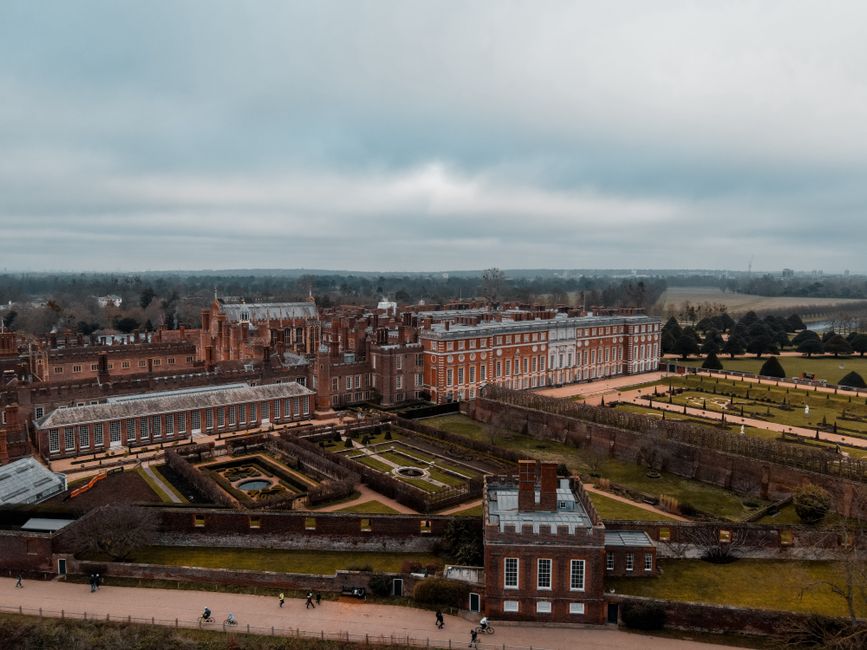
Southsea Castle, Southsea, Portsmouth, England
Built by Henry VIII in a frantic effort to defend England's shores, this small artillery fort witnessed the sinking of the Mary Rose just offshore.
Constructed in 1544, Southsea Castle was part of Henry VIII's network of coastal defences designed to protect against French and Spanish invasion. From its ramparts, Henry himself reputedly watched as his flagship, the Mary Rose, capsized in the Solent during the Battle of the Solent. Despite its small size, its strategic position and enduring structure offer a tangible link to a pivotal moment in English naval history and royal anxiety.
5. Southampton's Living Time Capsule
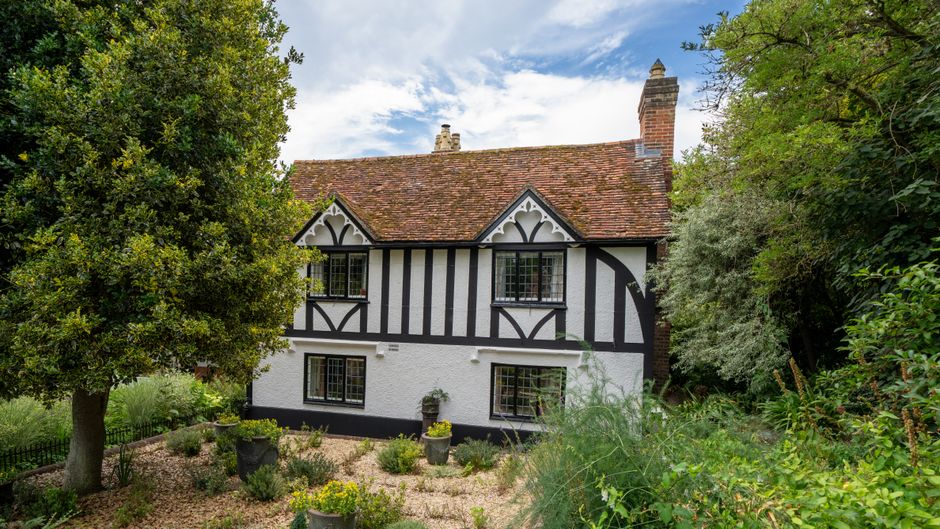
Tudor House and Garden, Southampton, England
Step inside Southampton's oldest museum, a building that has transformed from a grand merchant's home to a Victorian slum, reflecting centuries of urban life.
Built in the late 15th century, Tudor House has survived wars, fires, and redevelopment, revealing layers of history within its timbers. Its rooms have housed wealthy merchants, been divided into impoverished tenements, and finally restored to showcase over 800 years of Southampton's social and architectural past. The accompanying garden, with its recreated Tudor knot garden and Victorian-style planting, provides a serene counterpoint to the city's bustling modern life.

6. A Ruined Abbey's Romantic Afterlife
Netley Abbey, Netley, England
These atmospheric Cistercian ruins, once a grand monastery, were scavenged for materials by Henry VIII and later became a muse for Romantic poets and artists.
Founded in 1239, Netley Abbey was a thriving Cistercian monastery until its dissolution by Henry VIII. Post-dissolution, much of its stone was plundered to build Netley Place, a nearby mansion. Over centuries, the remaining ruins gradually became overgrown, creating a picturesque, melancholic landscape that captivated figures like Horace Walpole and Jane Austen. Today, the skeletal arches and crumbling walls evoke a powerful sense of history, peace, and the enduring beauty of decay.
7. From Defence to Dignity
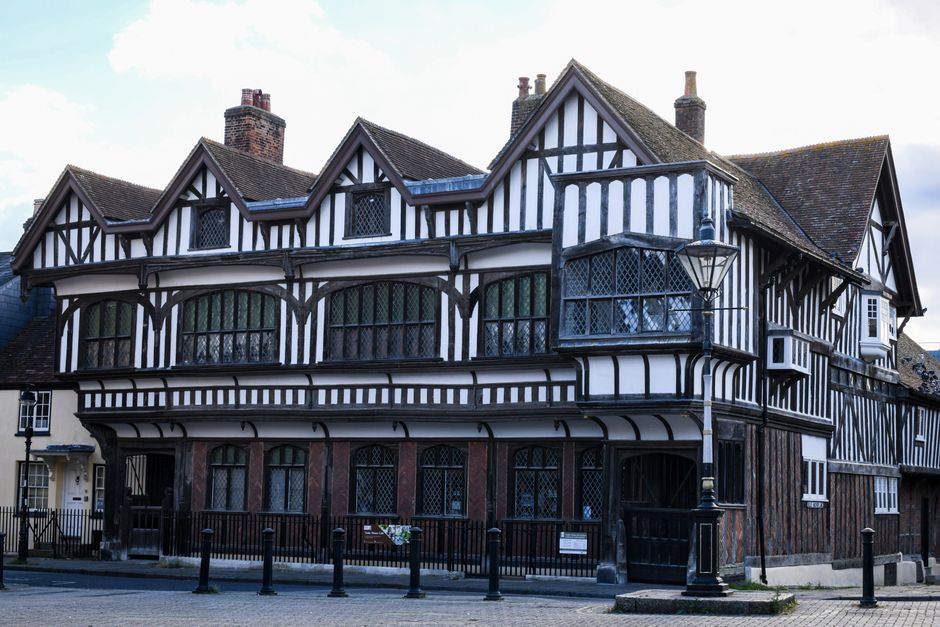
God's House Tower, Southampton, England
This formidable medieval gatehouse, once guarding Southampton's eastern approach, later provided sanctuary as an almshouse for the city's poor.
Built in the late 13th century as part of Southampton's extensive town walls, God's House Tower was a crucial defensive point, repelling French attacks in 1338. By the 17th century, its defensive role diminished, and it was converted into an almshouse, providing shelter and care for the destitute. This dual history—from military might to humanitarian refuge—offers a compelling narrative of urban adaptation and social change. Today, it hosts a contemporary arts and heritage venue.
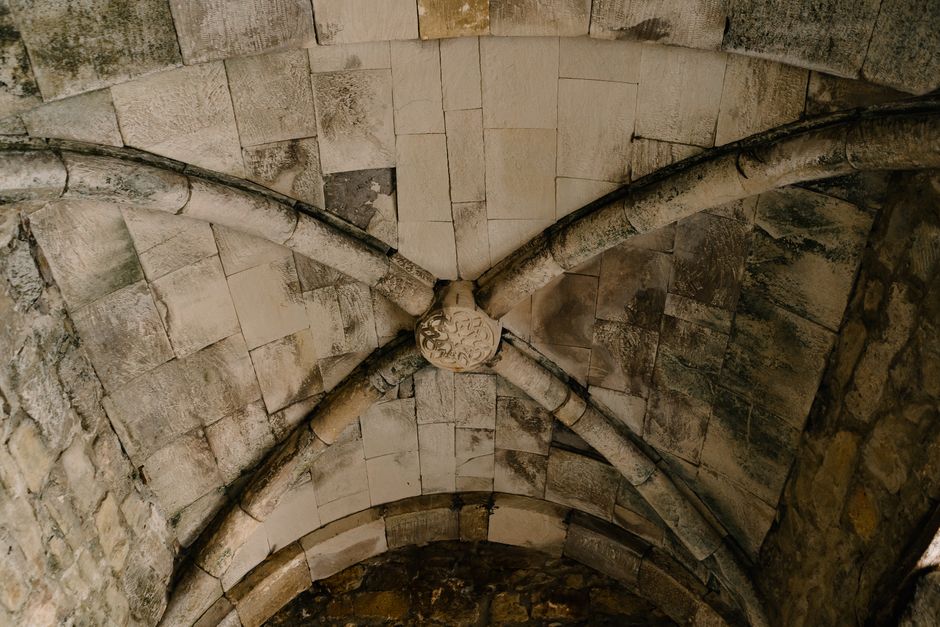
8. Hidden Passageways of Medieval Trade
The Medieval Vaults, Southampton, England
Beneath Southampton's bustling streets lie over 30 medieval vaulted cellars, remnants of a thriving wine trade and clandestine storage.
These hidden underground chambers, some dating back to the 13th century, were primarily used by wealthy merchants for storing wine, wool, and other valuable goods that passed through Southampton's busy port. Many were connected to ground-level shops or houses, forming an intricate network beneath the Old Town. While not always publicly accessible, glimpses into these cool, cavernous spaces reveal a forgotten commercial world and the ingenuity of medieval urban planning.
Frequently asked questions
What's the main difference between Portsmouth and Southampton for history buffs?
Portsmouth's historical focus heavily leans into its Royal Navy heritage, with an emphasis on naval power, shipbuilding, and coastal defence. Southampton, while a significant port, offers a broader historical tapestry, including a strong medieval mercantile past, extensive town walls, and connections to passenger shipping history like the Titanic.
Are there truly lesser-known historical sites in Portsmouth and Southampton beyond the main attractions?
Absolutely. While both cities have famous landmarks, they also boast numerous underrated spots. Portsmouth's surrounds feature Victorian forts built for phantom wars and secret naval armaments depots, while Southampton hides medieval vaults, ancient almshouses, and beautifully preserved Tudor buildings revealing centuries of urban life.
Which city is better for a family trip focused on history?
Both cities offer engaging historical experiences for families. Portsmouth's Historic Dockyard is world-class, but places like Fort Nelson with its artillery collection can be very interactive. Southampton's Tudor House and Garden provides a hands-on look at daily life, and its medieval walls offer imaginative walks. The 'better' choice depends on whether your family prefers naval history and fortifications or medieval urban life and trade.
How can AllTours.ai help me discover these hidden historical gems?
AllTours.ai acts as your personal AI audio guide. Simply point your phone camera at any landmark, landscape, or even a subtle historical detail in Portsmouth or Southampton, and the app will instantly narrate its unique history, geology, and culture in your language, revealing the fascinating stories behind these lesser-known sites.
Related guides
Photography via Pexels. AllTours.ai is an AI audio tour guide — point your camera at any landscape and hear its story.