July 19, 2026 · 4 min read
Mastering a dish without a recipe isn't about blind luck; it's about intuition, experience, and understanding the subtle cues of ingredients. It’s knowing when a pinch more salt will elevate, when a touch of acid will brighten, or when a hint of sweetness will round out the flavors. This culinary wisdom isn't found in a cookbook, but in a deep, sensory engagement with the components.
Think of travel as your ultimate seasoning school. Each new destination offers a unique blend of history, geology, and culture that, when explored with an open mind, hones that same intuitive understanding. Away from the well-trodden paths, you discover places where balance isn't just an idea, but a lived reality – a perfect 'seasoning' of natural forces and human ingenuity.
1. The Earth's Salt Cellar
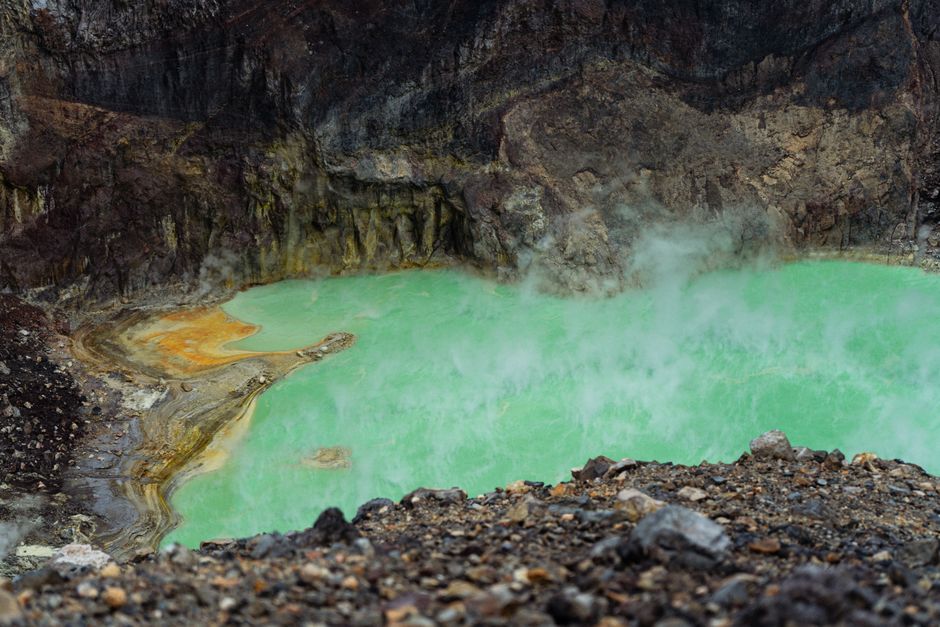
Danakil Depression, Ethiopia
One of the lowest, hottest places on Earth, where salt is still harvested by hand from a landscape painted by minerals and extreme geology.
The Danakil Depression is a stark, otherworldly expanse where volcanic activity, tectonic shifts, and searing temperatures create a vibrant palette of greens, yellows, and oranges. Here, traditional Afar salt caravans endure, chipping away at vast salt flats formed by ancient sea evaporations. It’s a place where life persists in an environment so extreme, it perfectly illustrates the delicate balance required for survival.
2. The Dragon's Blood Elixir
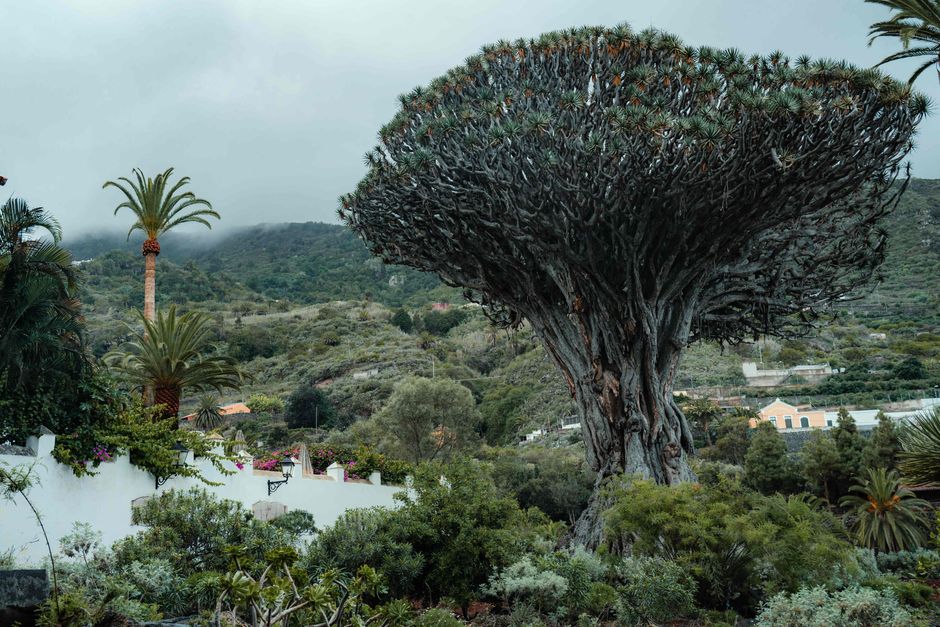
Socotra Island, Yemen
This isolated island's signature trees bleed crimson sap, a testament to ancient adaptation and a unique microclimate found nowhere else on Earth.
Socotra, often called the 'Galapagos of the Indian Ocean,' hosts an extraordinary array of endemic species, most famously the Dragon's Blood Tree. Its umbrella-shaped canopy and red resin are perfectly evolved to capture moisture from fog and thrive in the island's arid conditions. The island's deep isolation has fostered a biological harmony, a self-sustaining ecosystem that is a masterclass in natural balance.
3. Echoes in the Dark
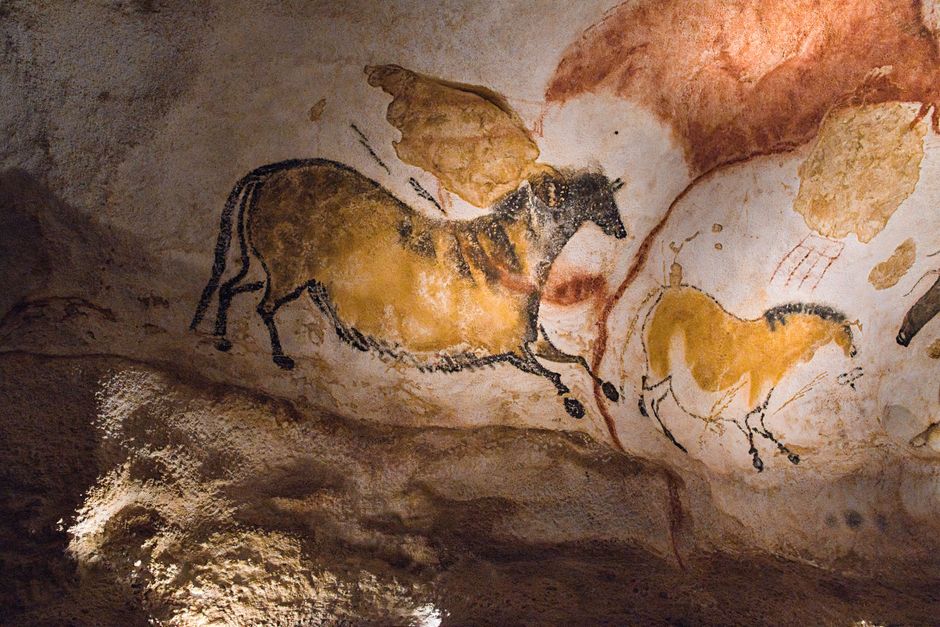
Grotte de Niaux, France
Deep within the Pyrenees, ancient artists used charcoal and iron oxide to depict animals with astounding accuracy, reflecting a profound understanding of their world.
The Grotte de Niaux holds some of the most pristine Paleolithic cave art, with figures of bison, horses, and ibex rendered with remarkable skill. Unlike many other caves, the art here is primarily monochrome, relying on expert shading and perspective to convey life. The artists' deliberate choice of medium and placement, deep in the earth, created a powerful, resonant experience – a perfectly composed message across millennia.
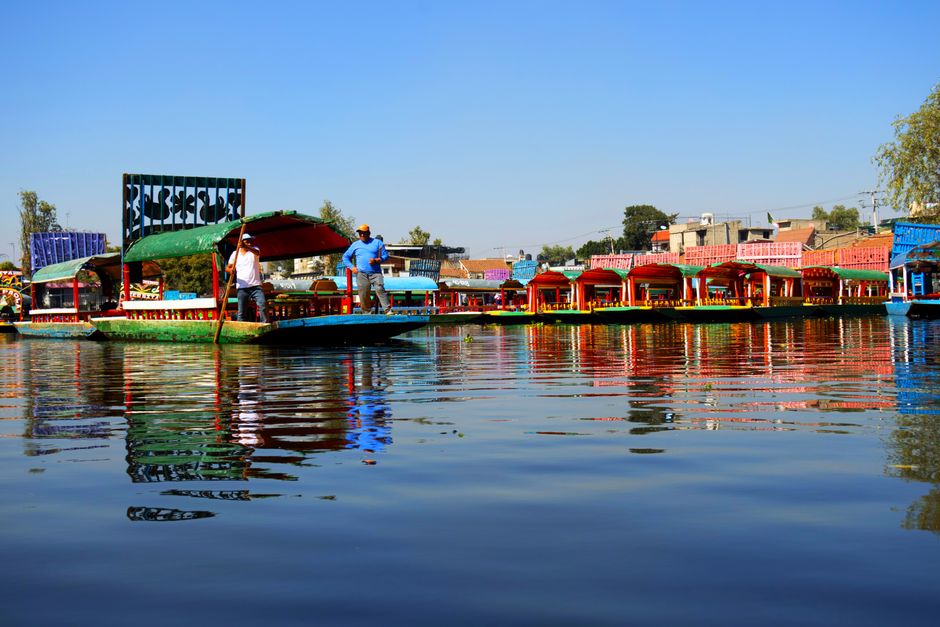
4. The Floating Pantry
Xochimilco, Mexico City, Mexico
Centuries-old 'floating gardens' in Mexico City use a sustainable farming technique passed down from the Aztecs, creating fertile land from marsh.
Long before modern agriculture, the Aztecs engineered the chinampas of Xochimilco – artificial islands built by layering mud, vegetation, and decaying organic matter in shallow lakebeds. These remarkably fertile plots, irrigated by surrounding canals, yielded multiple harvests a year, sustaining a vast empire. It's an ingenious system, a perfect balance of water management and soil enrichment, demonstrating a deep understanding of natural resources.
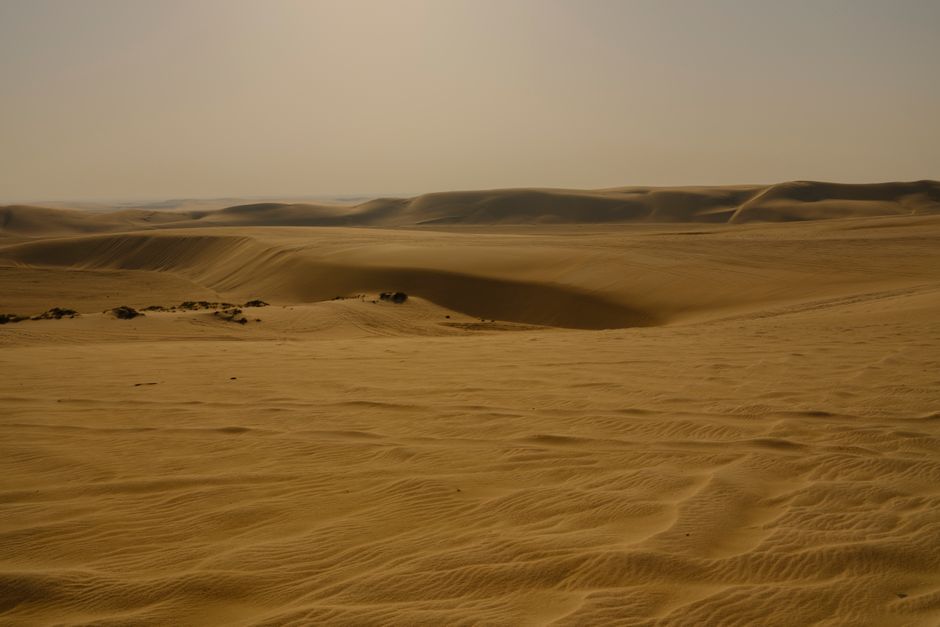
5. The Desert's Whisper
Singing Sands, Qatar
Certain sand dunes in Qatar emit a low, resonant hum as the wind passes over them, a natural symphony born from specific grain size and humidity.
In the vast quiet of the Qatari desert, some dunes possess a rare acoustic property: they 'sing.' As the wind glides over their slopes, or if a person slides down them, the sand grains vibrate, producing a deep, sustained hum that can be felt as much as heard. This phenomenon is a perfect blend of specific sand composition, dryness, and shape, creating a harmonious natural sound that seems almost magical.
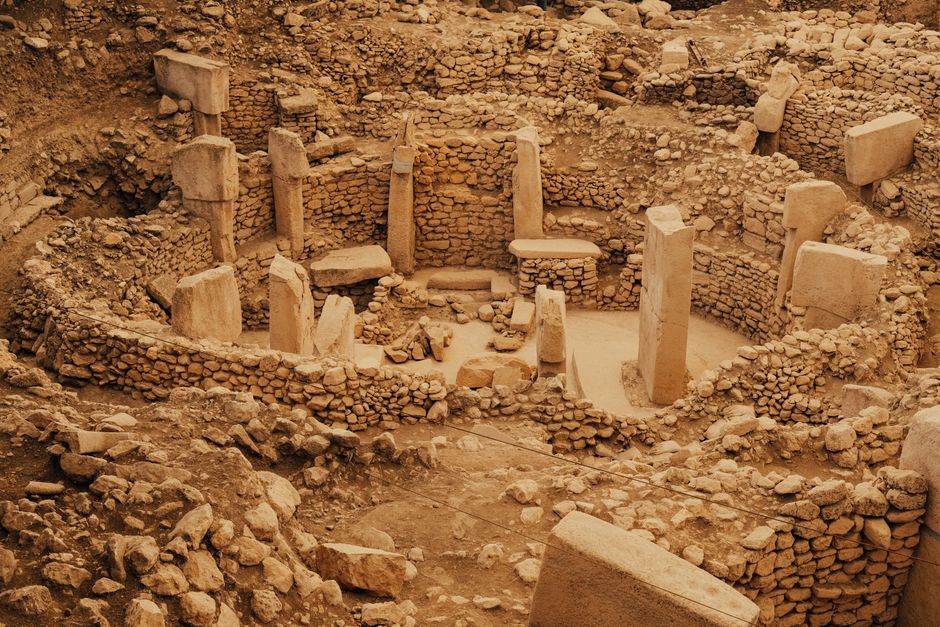
6. The First Altar
Göbekli Tepe, Turkey
Older than Stonehenge and the Pyramids, this ancient site in Turkey reshaped our understanding of human civilization, hinting at complex spiritual practices before agriculture.
Göbekli Tepe is a monumental archaeological site dating back 11,000 years, predating settled farming communities. Its massive, intricately carved stone pillars, arranged in circular enclosures, suggest sophisticated ritualistic practices by hunter-gatherers. The site reveals layers of construction and intentional burial, presenting a profound and complex picture of early human belief and organization, a perfectly layered story of our distant past.
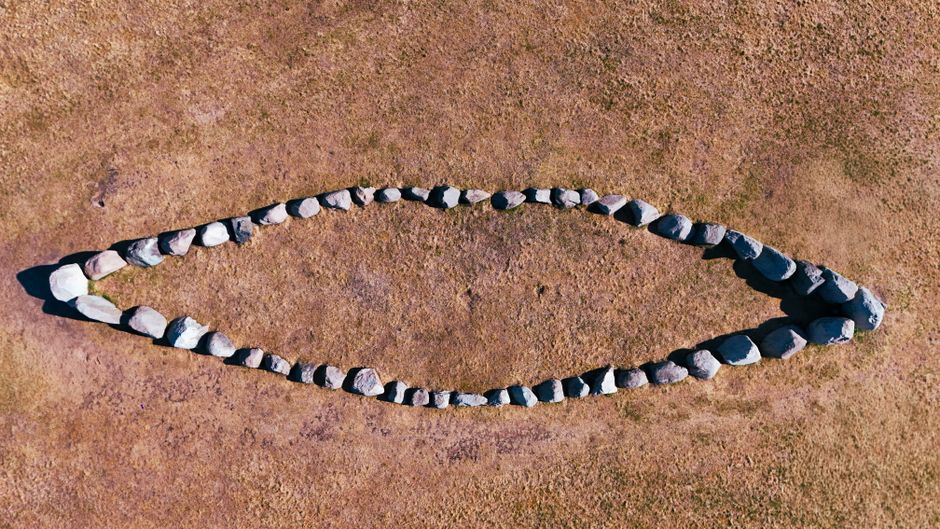
7. Circles of Silence
Stone Circles of Senegambia, Senegal/Gambia
Thousands of mysterious, perfectly circular stone pillars dot the landscape of Senegal and Gambia, their purpose still debated by archaeologists.
Scattered across a 100km wide strip of land between Senegal and Gambia lie over 1,000 stone circles, some comprising up to 60 megaliths. These ancient, precisely arranged sandstone pillars, weighing up to 10 tons each, mark burial sites dating from the 3rd century BC to the 16th century AD. Their sheer scale, precision, and enduring mystery make them a powerful example of human endeavor and a silent testament to ancient cultures, a perfect blend of simplicity and grandeur.
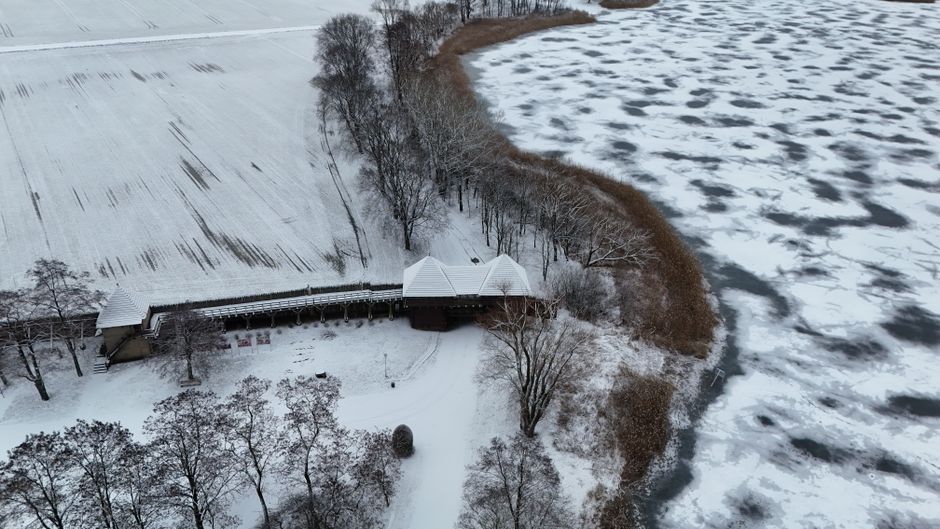
8. The Bent Woods
Crooked Forest, Poland
A grove of pine trees in western Poland grows with a bizarre 90-degree bend at their base, an unexplained botanical enigma.
Near Gryfino, Poland, a small forest of approximately 400 pine trees exhibits a peculiar growth pattern: each tree bends sharply northwards just above ground level, before curving back upright. Planted in the 1930s, the cause of this unique deformity remains a mystery, with theories ranging from snow damage to human intervention using specialized tools. It's an unexpected harmony of nature and enigma, a perfectly curious sight.
Frequently asked questions
What makes a place feel 'perfectly balanced' to a traveler?
It's often a blend of natural beauty, profound history, and vibrant culture that harmonize. The interplay of these elements creates a memorable and enriching experience, much like a well-seasoned dish where no single flavor overwhelms.
How can I appreciate the subtle details of these unique locations?
Take time to observe. Notice the geological formations, the patterns of human activity, or the specific flora and fauna. Researching their history or ecological significance beforehand can also deepen your understanding and appreciation.
Are these lesser-known places difficult to access for travelers?
Some can be more challenging to reach than major tourist hubs, requiring local guides or specific permits. However, their remoteness often preserves their unique character and offers a more authentic, immersive experience away from crowds.
How does AllTours.ai help me explore places like these?
AllTours.ai transforms your phone into an AI audio guide. Simply point your camera at any landscape or landmark, and the app instantly narrates its history, geology, and culture in your preferred language, offering a deeper understanding of your surroundings.
Related guides
Photography via Pexels. AllTours.ai is an AI audio tour guide — point your camera at any landscape and hear its story.