July 16, 2026 · 4 min read
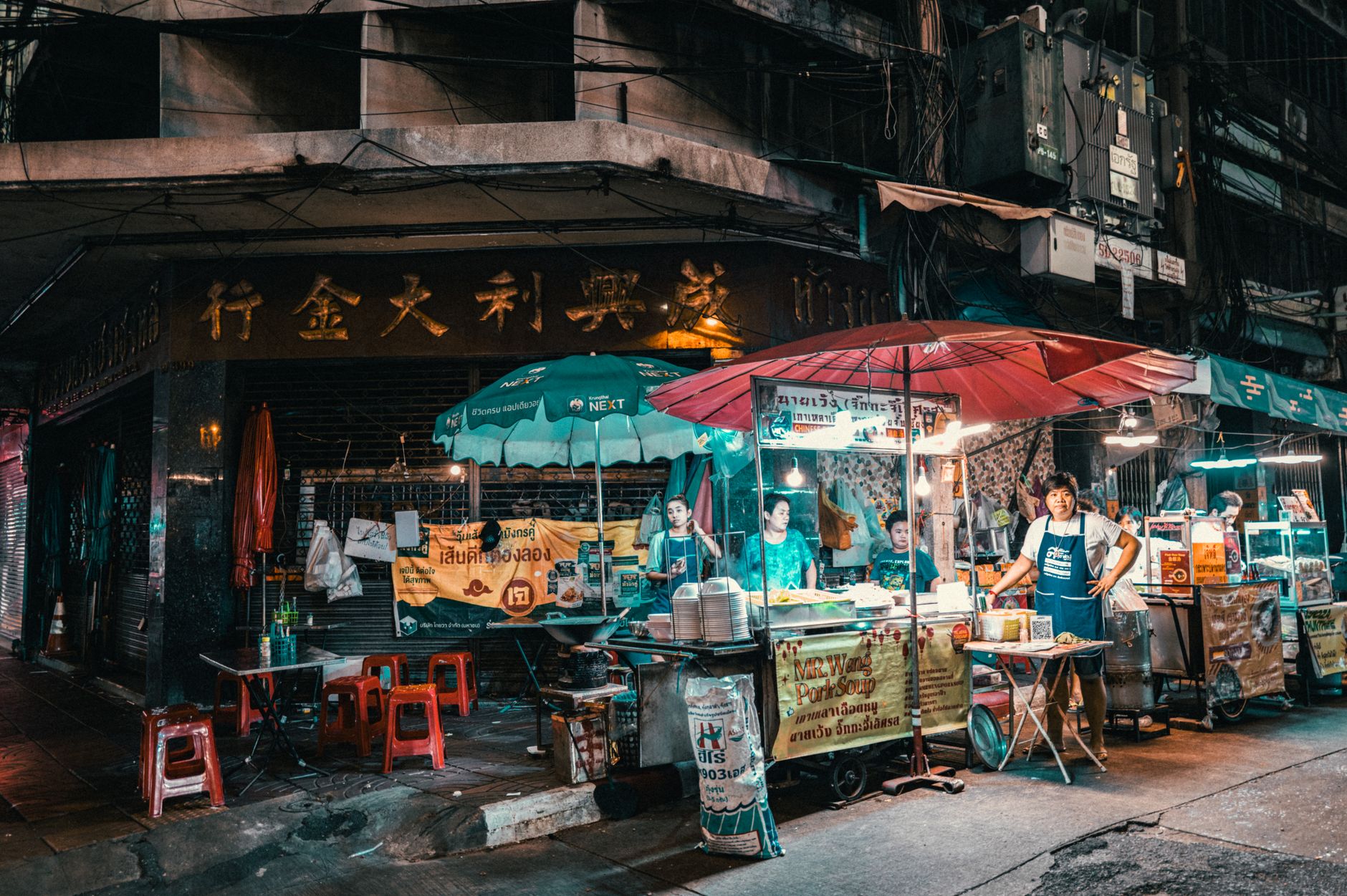
Every traveler asks: What city or state do you think has the best food? The answer rarely lies in Michelin-starred restaurants or well-trodden tourist districts. True culinary magic often hides in plain sight, in bustling local markets, unassuming street stalls, and family-run taverns that have perfected a dish over generations. These are the places where food isn't just sustenance, but a living narrative of a community's history, ingenuity, and spirit.
Forget the predictable lists. We’re taking you on a journey to uncover lesser-known gastronomic wonders, each with a fascinating story woven into its very ingredients. From ancient survival foods to ingenious wartime creations and cultural fusions born of migration, prepare to have your palate—and your perception—expanded.
1. The Spleen Sandwich of Palermo
Palermo, Sicily, Italy
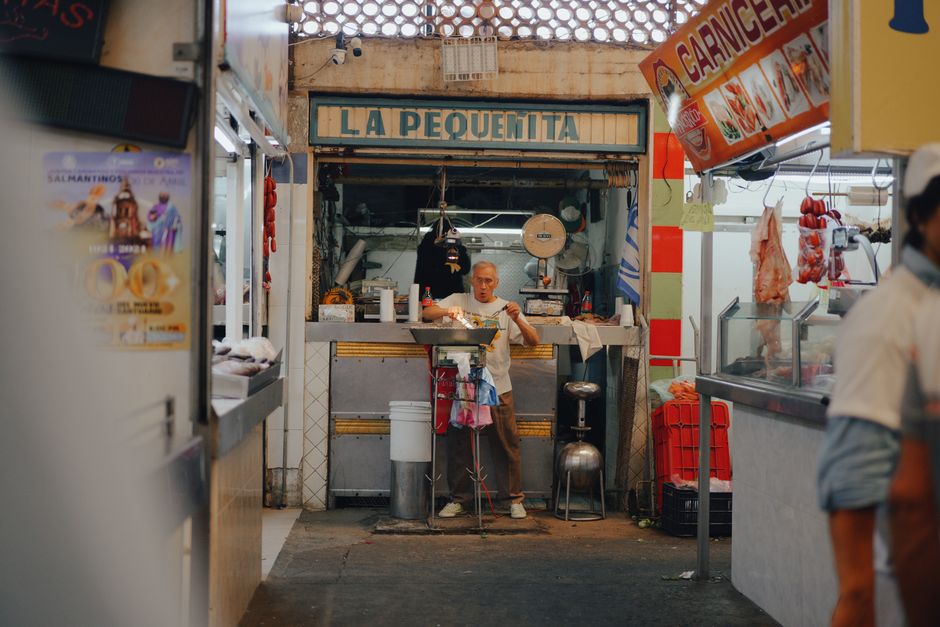
Beneath the vibrant chaos of Palermo's markets lies a sandwich born from ancient necessity and Jewish culinary tradition.
Pane con la milza, or 'spleen sandwich,' is a visceral street food that dates back to medieval times when Jewish butchers, forbidden from selling whole animals, sold offal. The dish involves thinly sliced veal spleen and lung, boiled and then fried in lard, piled into a soft sesame bun, often topped with caciocavallo cheese. It's a bold taste of Sicilian history, a testament to resourcefulness, and a true test of a traveler's adventurous spirit, best savored from a 'stigghiolaro' street vendor.
2. Lyon's Silk Weaver's Brain
Lyon, Auvergne-Rhône-Alpes, France
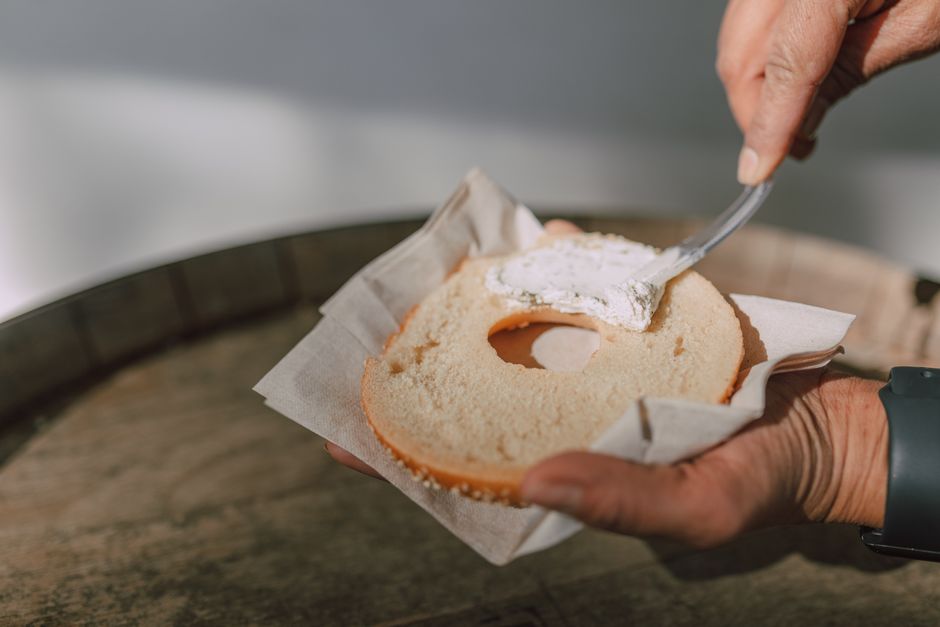
This fresh cheese dish, ironically named 'silk weaver's brain,' tells a story of social class and culinary wit in France's gastronomic capital.
Cervelle de Canut is a creamy, fresh cheese spread, typically made from 'fromage blanc' mixed with herbs, garlic, shallots, and white wine or vinegar. Its provocative name, translating to 'silk weaver's brain,' was a playful jab at the impoverished but intellectually vibrant 'canuts' (silk weavers) of Lyon, who couldn't afford expensive meat. It embodies the rustic, hearty cuisine of the traditional Lyonnaise 'bouchons,' reflecting the city's working-class culinary roots and ingenious use of simple ingredients.
3. New Orleans' Hangover Helper
New Orleans, Louisiana, USA
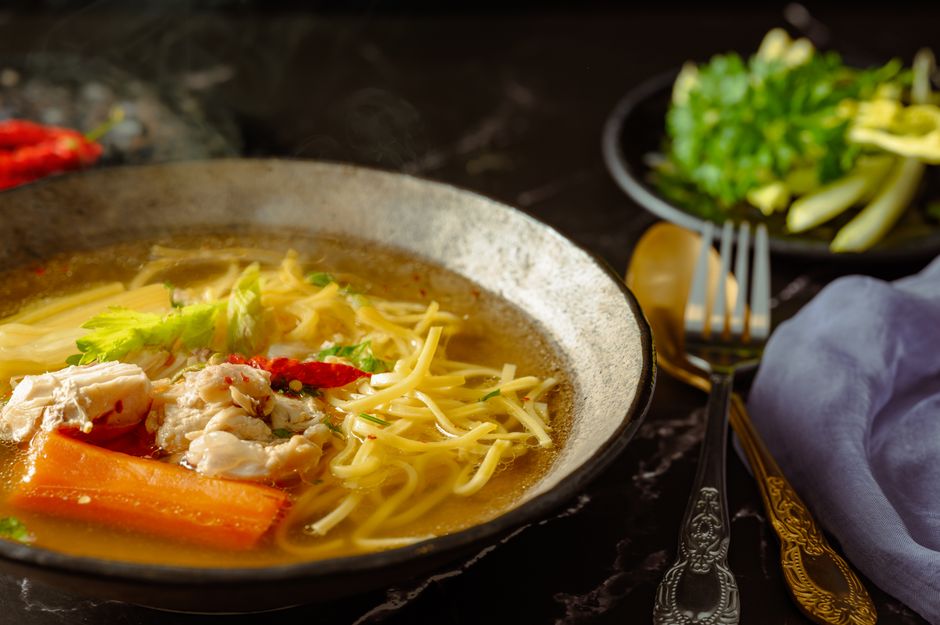
This unique Chinese-Creole noodle soup, often called 'Old Sober,' is a culinary mystery beloved in dive bars and street corners.
Ya-Ka-Mein is a deeply comforting beef noodle soup, often found in New Orleans' lesser-known eateries and corner stores rather than its famous restaurants. Its origins are debated, but it's believed to be a fusion of Chinese immigrant cuisine and local Creole flavors, possibly popularized during the Korean War. Characterized by spaghetti noodles, beef broth, a hard-boiled egg, green onions, and sometimes shrimp, it’s fondly nicknamed 'Old Sober' for its reputed hangover-curing properties, a true local secret reflecting the city's diverse cultural tapestry.
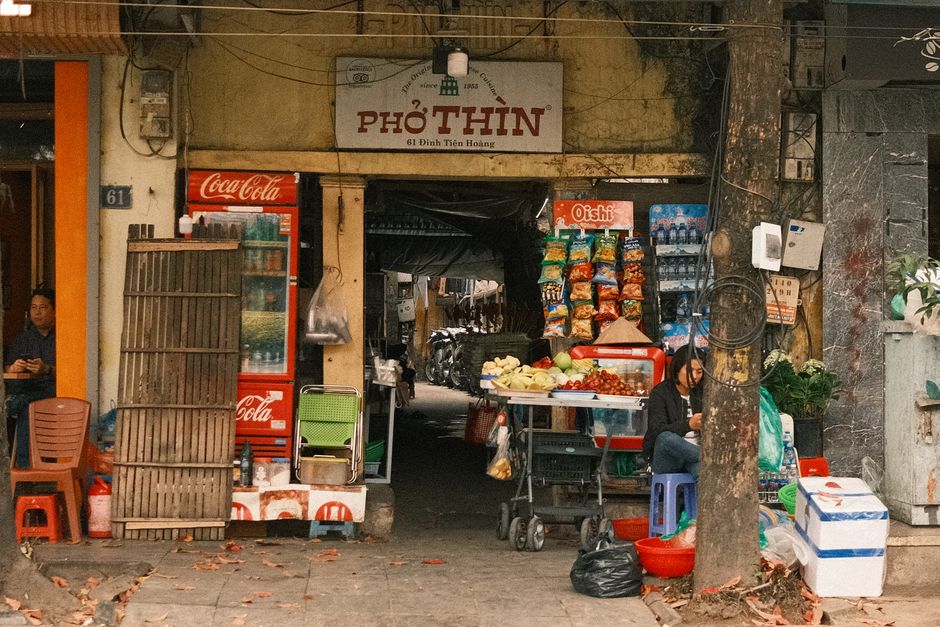
4. Hanoi's Wartime Rolls
Hanoi, Vietnam
Born from resourcefulness during times of scarcity, these fresh pho rolls offer a delicious twist on Vietnam's iconic noodle soup.
Phở Cuốn, or 'pho rolls,' emerged in Hanoi during the 1970s and 80s when the scarcity of rice noodles and broth made traditional pho difficult to prepare. Locals ingeniously wrapped un-cut, fresh pho noodles with grilled beef, herbs, and lettuce, serving them with a savory dipping sauce. This dish captures the resilience and creativity of Vietnamese cuisine, offering a lighter, fresh alternative to the soupy classic, and is a beloved staple found in specific, bustling street food districts like Ngũ Xã.
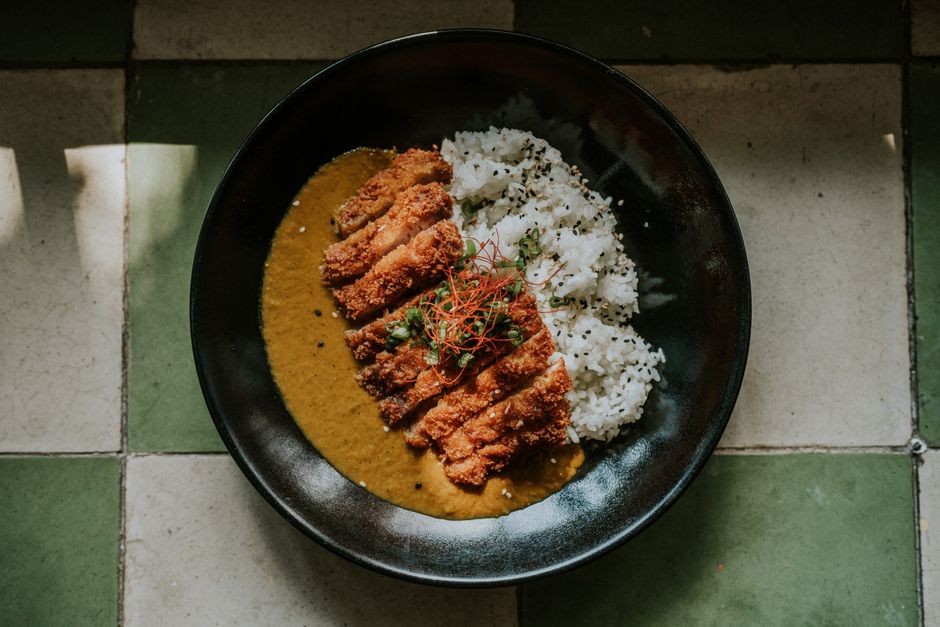
5. Chiang Mai's Burmese Curry
Chiang Mai, Northern Thailand
This rich, slow-cooked pork belly curry reveals the deep historical and cultural ties between Northern Thailand and Myanmar.
Gaeng Hung Lay is a savory, slightly sweet, and tangy Burmese-style pork belly curry that stands apart from the coconut-milk-heavy curries of central and southern Thailand. Its complex flavor profile, using ginger, garlic, turmeric, and dried chilies, reflects the historical migrations and trade routes between the Lanna Kingdom (Northern Thailand) and Myanmar. Typically found in local markets and traditional restaurants in Chiang Mai, it’s a warming, aromatic dish that offers a taste of cross-border culinary heritage.
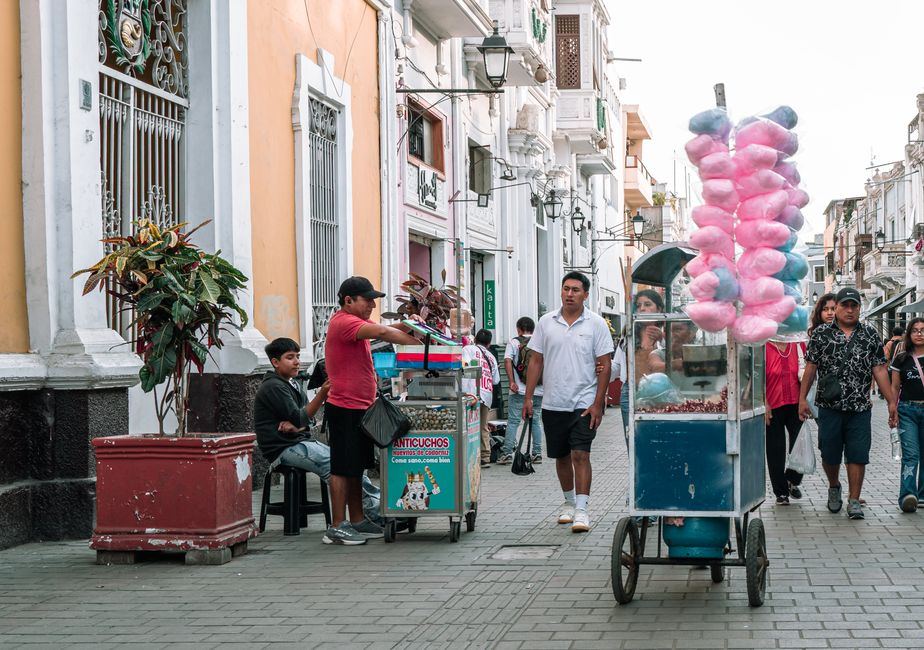
6. Lima's Incan Skewers
Lima, Peru
These grilled beef heart skewers are not just street food; they are a culinary legacy with roots stretching back to the Inca Empire.
Anticuchos de Corazón are a beloved Peruvian street food, featuring marinated and grilled beef heart skewers. While the Spanish introduced the concept of skewering and grilling meat, the use of offal in this manner dates back to pre-Columbian Incan traditions, where every part of an animal was utilized. The rich marinade, often including aji panca chili and vinegar, tenderizes the meat, creating a surprisingly flavorful and tender bite. Found on nearly every street corner and at festivals, anticuchos are a vibrant, enduring symbol of Peruvian culinary heritage.
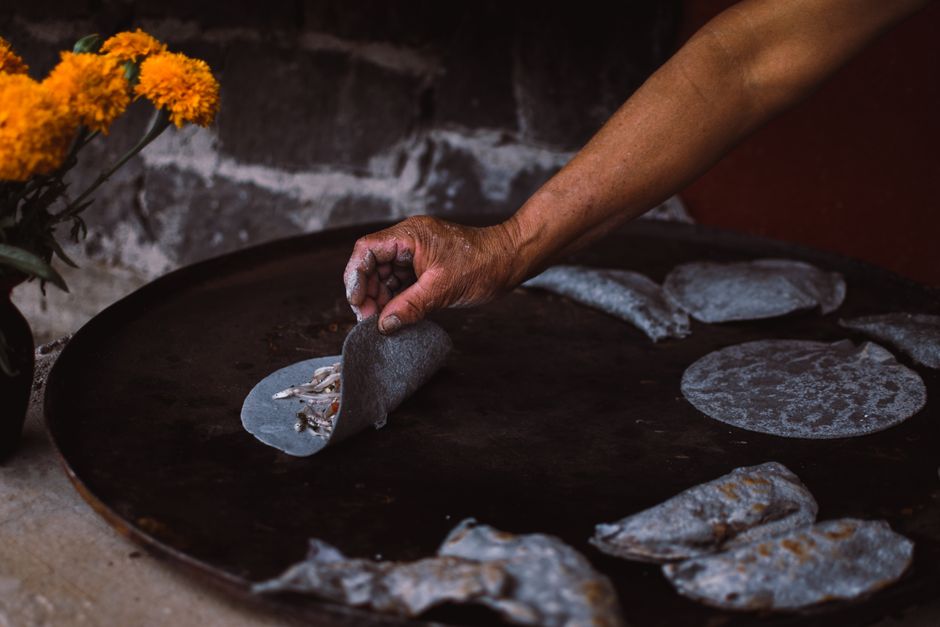
7. Mexico City's Pre-Hispanic Cakes
Mexico City, Mexico
These thick, oval corn tortillas predate the Spanish conquest, offering a direct taste of ancient Mesoamerican culinary traditions.
Tlacoyos are a fascinating pre-Hispanic dish, distinct from modern tacos or sopes. These thick, oval-shaped corn tortillas are typically filled with beans, cheese, or chicharrón (pork cracklings) before being cooked on a comal. They are often topped with nopales (cactus paddles), onions, cilantro, and salsa. Found in bustling markets like Mercado de San Juan or local street stalls, tlacoyos represent an enduring link to indigenous Mexican culinary practices, offering a savory, textural experience that connects eaters directly to Mexico's deep historical roots.
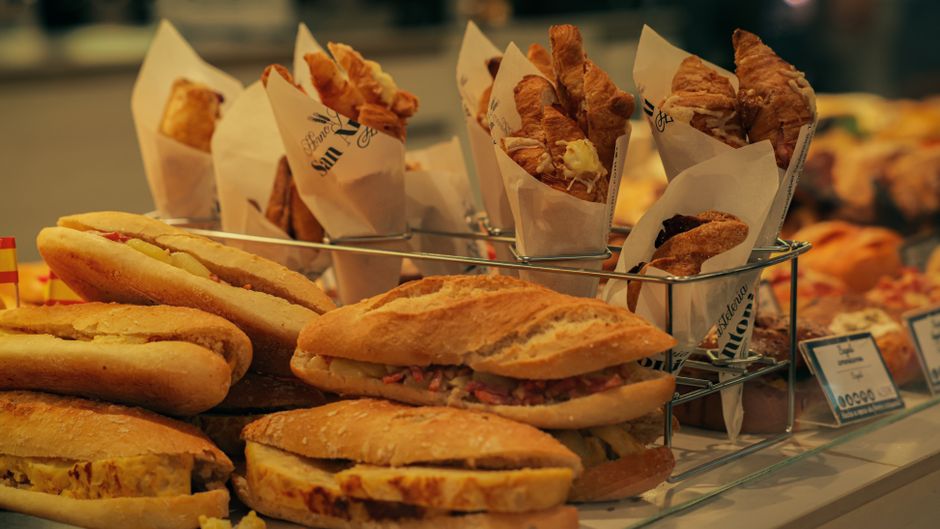
8. Lisbon's Working-Class Pork
Lisbon, Portugal
This deceptively simple pork sandwich embodies the soul of Portuguese comfort food, perfected in Lisbon's traditional taverns.
The Bifana is a humble yet iconic Portuguese sandwich, consisting of thinly sliced pork marinated for hours in white wine, garlic, and spices, then quickly fried and served on a crusty bread roll. It's a staple of 'tascas' (traditional eateries) and local bars across Lisbon, a quick, affordable, and incredibly satisfying bite. The beauty lies in its simplicity and the depth of flavor from the marinade, reflecting Portugal's long history of pork preparation and its enduring popularity among the working class.
Frequently asked questions
What are some lesser-known food cities in the USA?
Beyond the usual suspects, cities like Richmond, Virginia, boast a thriving culinary scene with Southern comfort food and innovative restaurants. Portland, Maine, offers incredible seafood and craft breweries, while Kansas City, Missouri, is a barbecue mecca with unique regional styles often overlooked by coastal travelers.
How can I find truly authentic local food when traveling?
To find authentic local food, venture away from major tourist attractions. Look for bustling markets, small family-run eateries (tascas, trattorias, warungs), and street food stalls crowded with locals. Don't be afraid to ask residents for their favorite hidden gems, or seek out food tours led by locals for insider tips.
Are street food vendors safe to eat from?
Generally, yes, street food can be very safe and delicious. Look for stalls with high customer turnover, indicating fresh ingredients. Observe hygiene practices, and choose vendors where food is cooked fresh in front of you and served hot. If a stall looks popular with locals, it’s usually a good sign.
How can AllTours.ai enhance my food travel experience?
AllTours.ai deepens your food travel by narrating the history, geology, and culture behind the places you visit. Point your phone camera at a historic market, a unique landmark, or even the landscape surrounding a particular food region, and the app will tell you the stories that shaped its culinary traditions, giving you context beyond just the taste.
Related guides
Photography via Pexels. AllTours.ai is an AI audio tour guide — point your camera at any landscape and hear its story.