July 18, 2026 · 4 min read
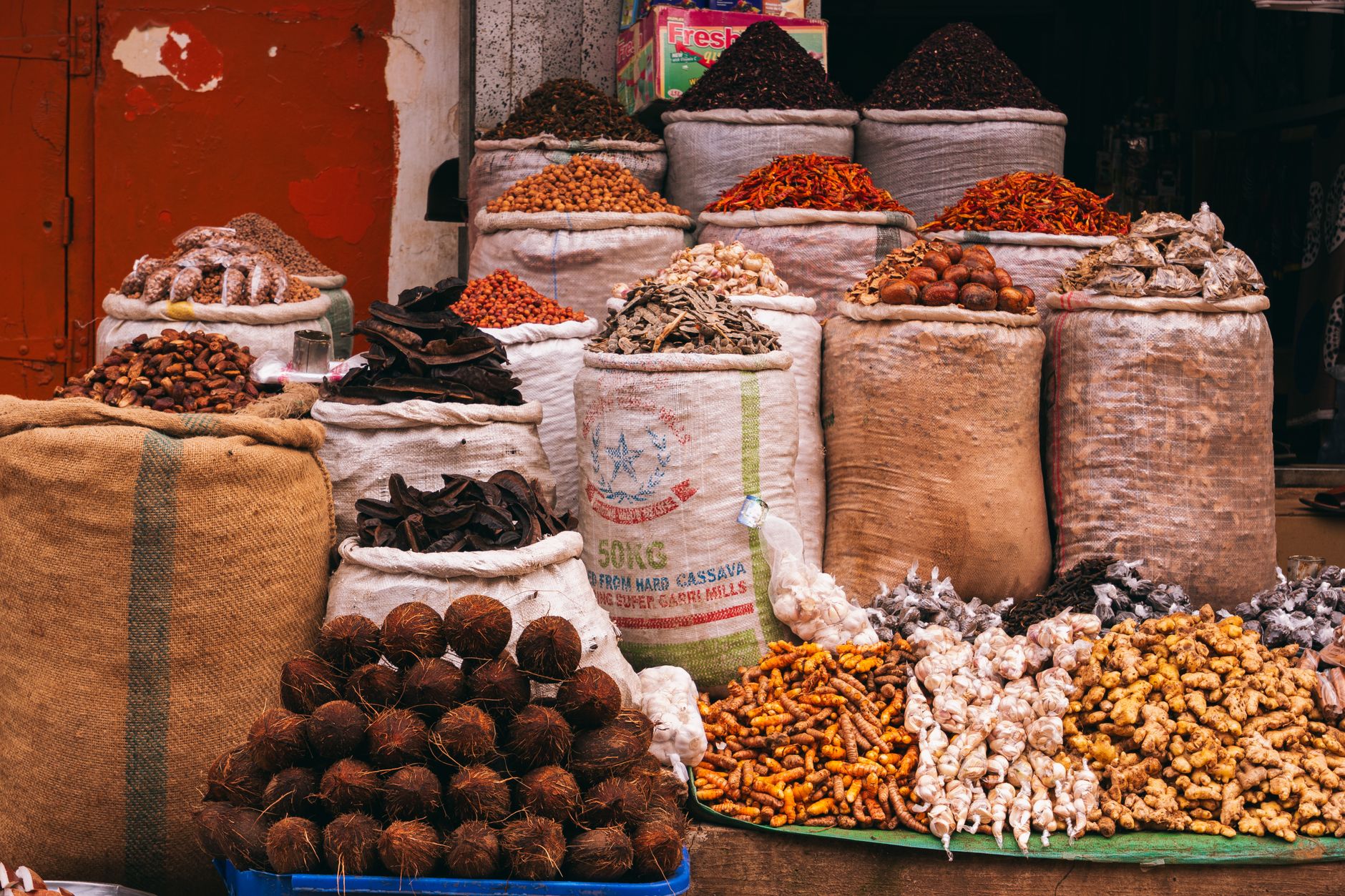
Travel often revolves around tasting. We seek out iconic dishes, bustling markets, and the flavors that define a destination. But beyond the well-trodden culinary paths lie countless unsung heroes – local ingredients deeply woven into the fabric of a place, yet rarely spotlighted on the global stage.
These aren't just foods; they're capsules of history, geology, and culture, waiting to be discovered. If you've ever asked, 'What is one local ingredient you think more people should try in their cooking?', this guide is for you. We're venturing past the usual suspects to unearth the stories behind some truly remarkable, often overlooked, culinary treasures from around the world.
1. Mastic: The Crystalline Tears of Chios
Chios, Greece
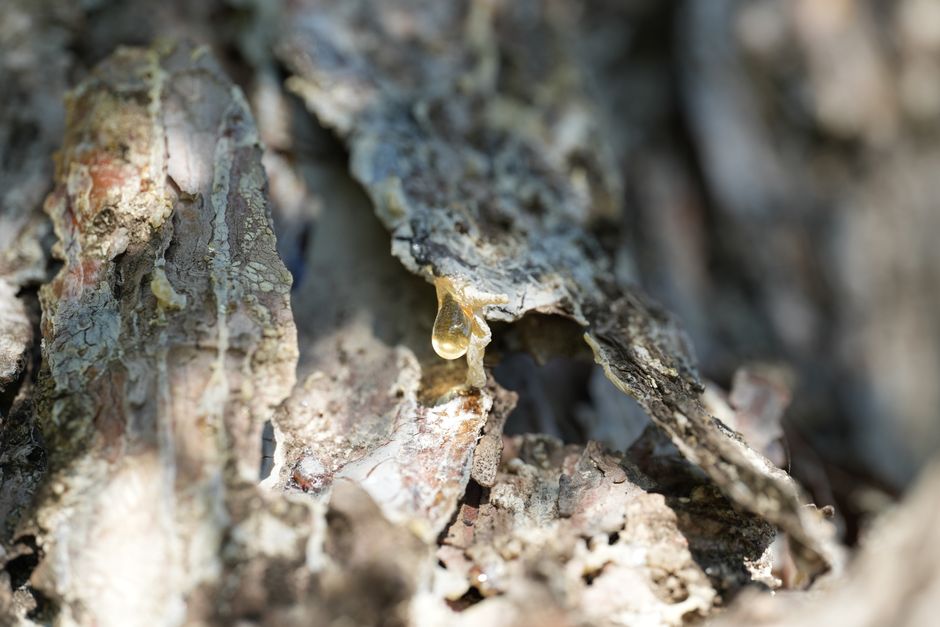
This fragrant resin, unique to a single Greek island, was once more valuable than gold.
Mastic is the crystallized sap from the mastic tree (Pistacia lentiscus var. chia), found almost exclusively on the southern part of Chios. For millennia, islanders have painstakingly scored the bark to collect these "tears," which solidify into translucent amber nuggets. Ancient Egyptians used it for embalming, Romans for cosmetics, and today it flavors everything from chewing gum and liqueurs to desserts and even savory dishes, prized for its distinct piney, subtly sweet aroma and purported health benefits.
2. Nopal: Mexico's Ancient Cactus Staple
Milpa Alta, Mexico City, Mexico
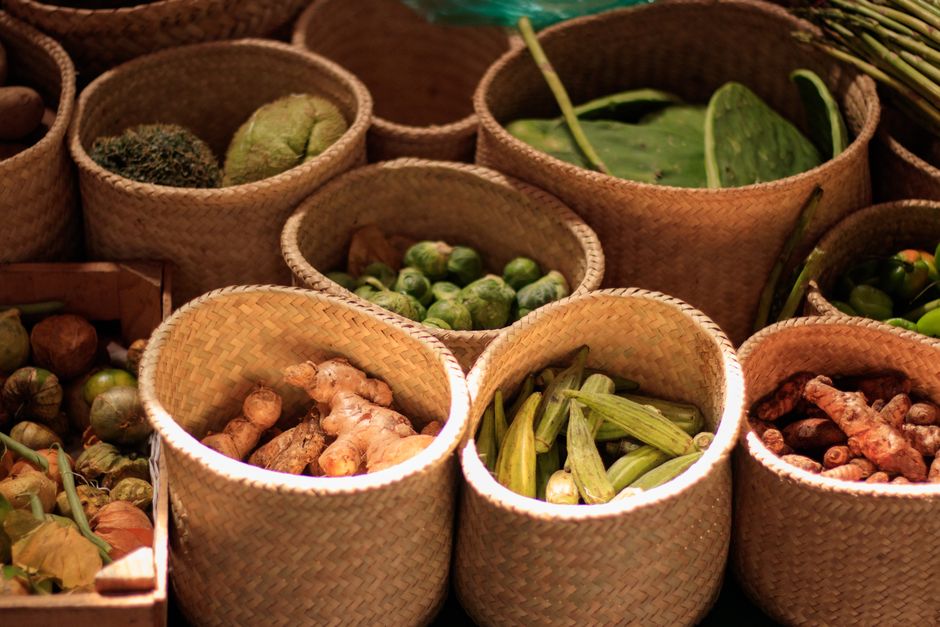
This humble cactus pad was a central food source for the Aztecs and is immortalized on Mexico's national flag.
Nopal, or prickly pear cactus pads, are a culinary cornerstone in Central Mexico, particularly in Milpa Alta, often called the "Nopal Capital." Beyond its symbolic significance, nopal offers a unique texture and subtly tart flavor when cooked, resembling a tender green bean or okra. Rich in fiber and vitamins, it’s prepared in countless ways – grilled, boiled, pickled, or added to stews, salsas, and tacos, showcasing its incredible versatility and enduring role in Mexican cuisine.
3. Lingonberries: Nordic Forest Gold
Swedish Lapland, Sweden
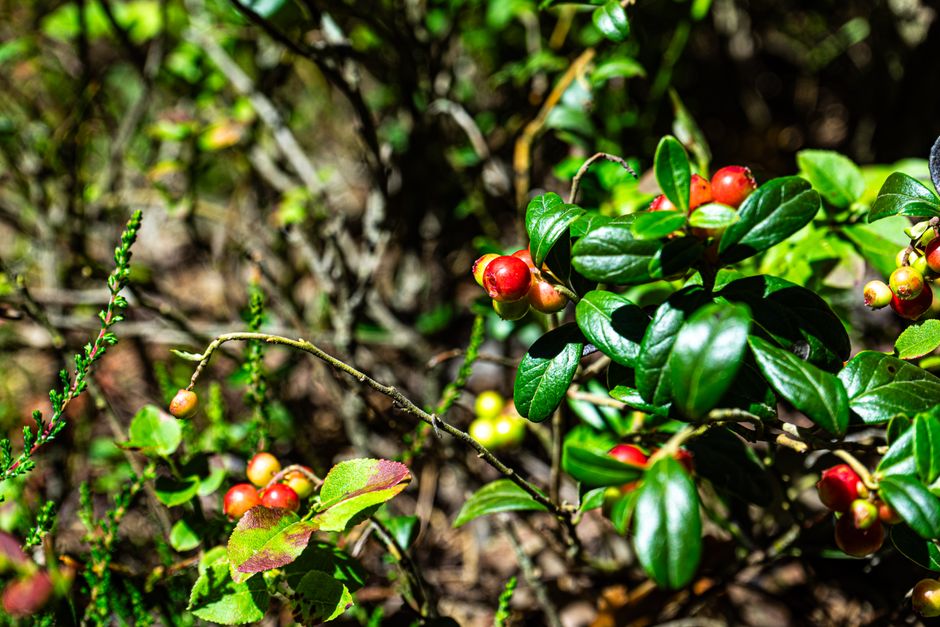
These tart red berries are so abundant in the Nordic wilderness that everyone has the legal right to forage them.
Deep within the vast, ancient forests of Swedish Lapland, lingonberries grow wild and prolifically, a testament to Sweden's "Allemansrätten" – the right of public access to nature. These small, tart berries are a quintessential part of Scandinavian cuisine, often served as a sweet-tart jam or sauce alongside rich meats like elk or meatballs. Their robust flavor and high pectin content make them excellent for preserves, offering a refreshing counterpoint to hearty northern dishes and embodying the region's connection to its wild pantry.

4. Bottarga: Sardinia's Salty Sea Treasure
Cabras, Sardinia, Italy
Known as "Sardinian caviar," this ancient delicacy of cured fish roe has roots stretching back to Phoenician times.
In the coastal town of Cabras, Sardinia, bottarga is a revered culinary art. Made from the salted, pressed, and air-dried roe sacs of grey mullet, it boasts an intense, briny flavor and a firm, waxy texture. Traditionally grated over pasta with olive oil and garlic, or thinly sliced and drizzled with lemon juice, bottarga is a testament to Sardinia's deep connection to the sea. Its rich, umami depth adds an unforgettable taste of the Mediterranean's ancient fishing traditions.
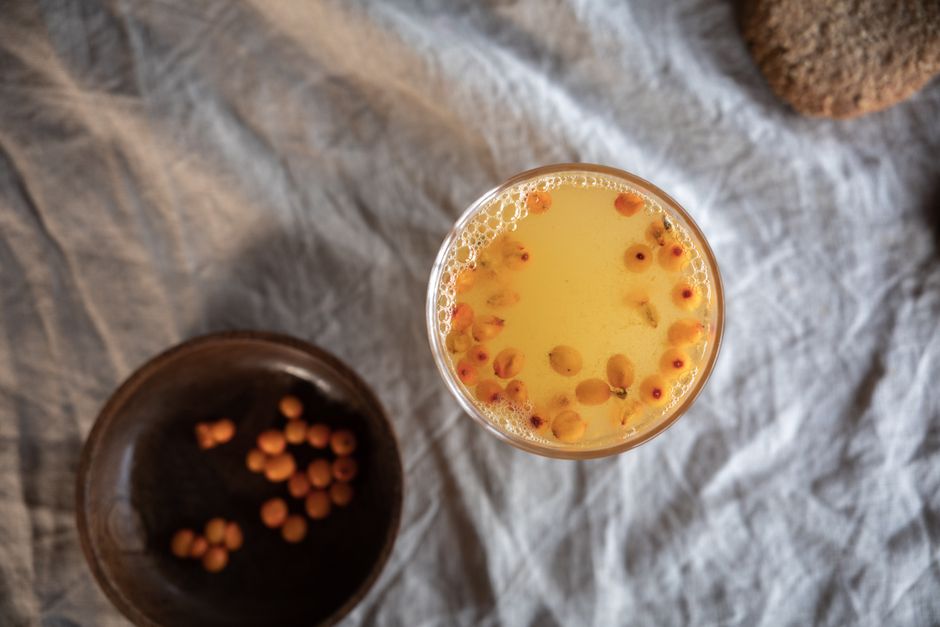
5. Sea Buckthorn: The Baltic's Golden Berry
Saaremaa Island, Estonia
Thriving in harsh coastal winds, these vibrant orange berries are an ancient superfood packed with more Vitamin C than oranges.
Along the rugged shores of Estonia's Saaremaa Island, the thorny sea buckthorn bushes are laden with bright orange berries. These resilient berries have been used for centuries in traditional medicine across Eurasia due to their extraordinary nutritional profile, including an exceptional amount of Vitamin C, antioxidants, and Omega fatty acids. With a distinctly tart, almost tropical flavor, sea buckthorn is now celebrated in modern Nordic cuisine, appearing in juices, jams, sauces, and even desserts, offering a taste of the wild Baltic coast.
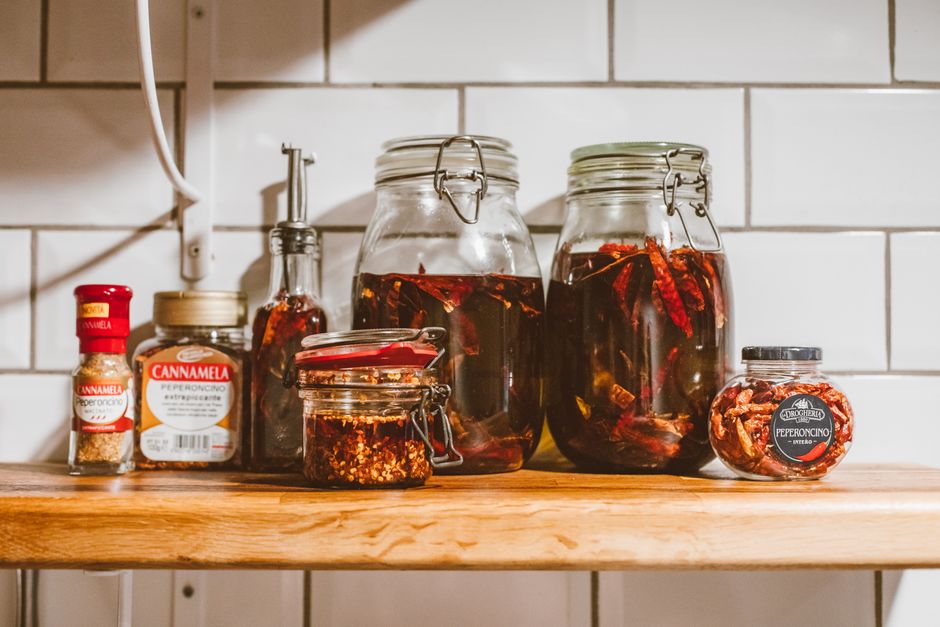
6. Akabanga: Rwanda's Fiery Secret
Kigali, Rwanda
This tiny bottle holds one of the world's most concentrated chili oils, made from local bird's eye chilies.
From the heart of Rwanda comes Akabanga, a potent chili oil produced from a single, locally grown variety of yellow bird's eye chili. Unlike many chili sauces, Akabanga is pure oil infused with intense heat and a distinct fruity aroma, with no added ingredients beyond a hint of sunflower oil. Just a single drop is enough to ignite a dish, making it a beloved condiment across Rwanda for adding a fiery kick to everything from stews to grilled meats, reflecting the country's vibrant flavors in a uniquely concentrated form.
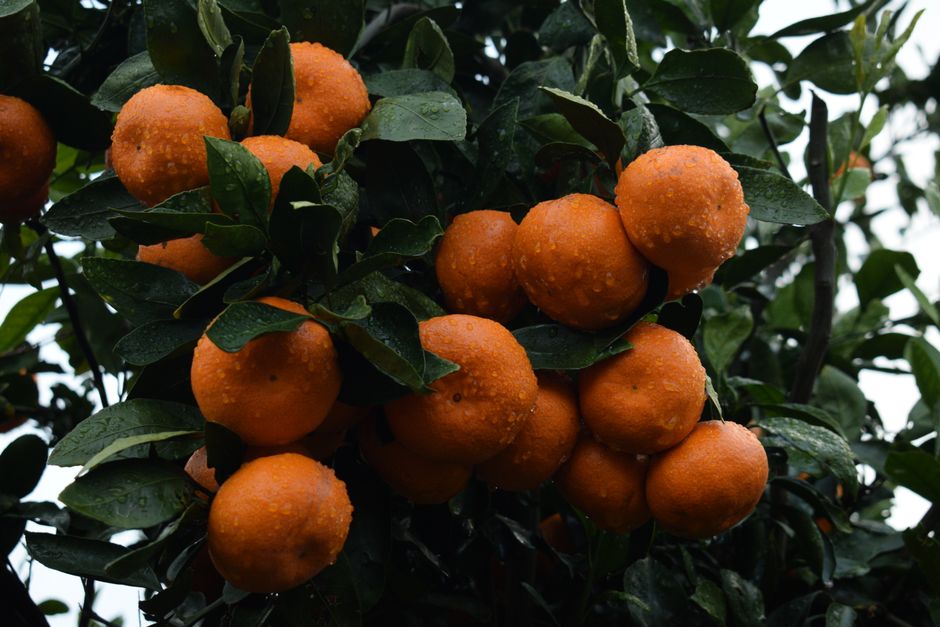
7. Yuzu: Japan's Aromatic Citrus Gem
Kito, Tokushima Prefecture, Japan
Prized for its complex aroma, this Japanese citrus was once used by samurai for its invigorating scent during winter baths.
Deep in the mountainous Kito region of Japan's Tokushima Prefecture, yuzu trees thrive, producing a unique citrus fruit that bridges the gap between lemon, mandarin, and grapefruit. Unlike its Western counterparts, yuzu is rarely eaten raw due to its tartness; instead, its highly fragrant zest and juice are revered. It’s a foundational flavor in Japanese cuisine, used in ponzu sauce, dressings, teas, and desserts, offering a sophisticated, floral acidity that elevates countless dishes and even traditional baths.
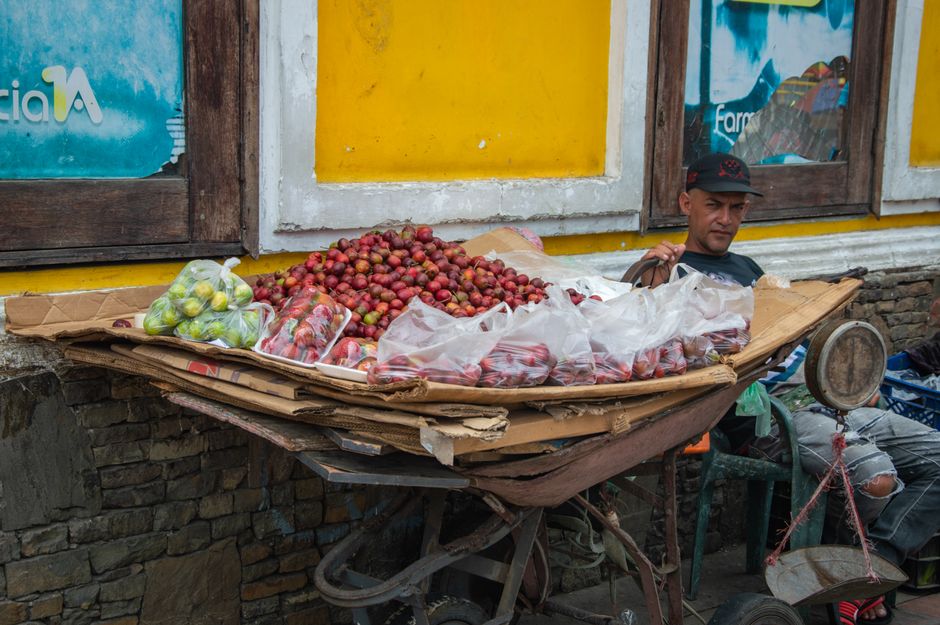
8. Cherimoya: Ecuador's "Ice Cream Fruit"
Loja Province, Ecuador
Revered by Mark Twain as "the most delicious fruit known to men," this creamy fruit hides a surprising history in the Andean highlands.
High in the fertile valleys of Ecuador's Loja Province, the cherimoya, or "custard apple," ripens. This distinctive green, heart-shaped fruit with its scaly skin conceals a creamy, white flesh that tastes like a blend of pineapple, banana, and strawberry. Indigenous to the Andes, the cherimoya has been cultivated for centuries, appreciated for its sweet, tropical flavor and smooth texture. It's often enjoyed fresh, chilled, or used in desserts and smoothies, a true taste of the South American highlands.
Frequently asked questions
What's the best way to find truly local ingredients when traveling?
Start by visiting local farmers' markets or smaller, neighborhood grocery stores rather than large supermarkets. Engage with vendors, ask about seasonal specialties, and inquire about ingredients unique to the region or specific growing conditions.
Are these lesser-known ingredients difficult to cook with?
Not necessarily! Many are quite versatile. The key is often to keep preparation simple to let their unique flavors shine. Look for local recipes or ask locals for traditional ways to incorporate them into your cooking.
How can I learn more about the history and cultural significance of specific local ingredients?
Beyond culinary guides, look for regional museums, cultural centers, or historical societies. Many small towns and regions have dedicated efforts to preserve and share the stories behind their indigenous foods and farming practices.
How can AllTours.ai help me discover unique local foods?
AllTours.ai enhances your culinary exploration by providing instant audio narratives. Point your phone camera at a local market, a unique plant, or even a dish, and the app will narrate its history, geological origins, and cultural significance, helping you understand the story behind every ingredient.
Related guides
Photography via Pexels. AllTours.ai is an AI audio tour guide — point your camera at any landscape and hear its story.