July 16, 2026 · 4 min read
When someone asks, 'How do you like to eat your fish?', most minds drift to familiar comforts: grilled salmon, crispy fish and chips, or perhaps a classic ceviche. But across the globe, hidden culinary traditions transform fish into something far more surprising, often rooted deeply in local history, geology, and resourceful ingenuity.
Forget the tourist traps and well-worn paths. We're diving into the extraordinary, exploring how remote communities and ancient cultures have crafted unique fish dishes that tell compelling stories. Prepare to have your taste buds, and your understanding of seafood, expanded.
1. The Thousand-Year-Old Carp of Lake Biwa
Shiga Prefecture, Japan
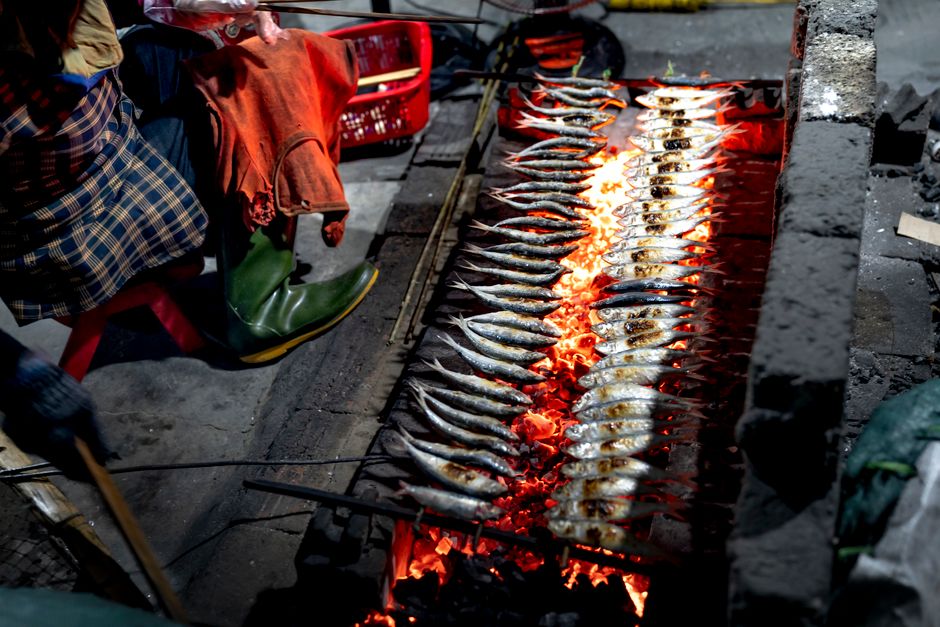
Funazushi is a fermented carp dish dating back over a thousand years, considered an ancestor of modern sushi, with a pungent, cheesy flavor that takes months to prepare.
Deep in Shiga Prefecture, near Lake Biwa, a culinary tradition endures that predates refrigeration. Female crucian carp are salted, then packed with cooked rice and left to ferment for months, sometimes years. The process transforms the fish into a rich, complex delicacy with a strong aroma and an umami-packed taste often compared to aged cheese. This ancient preservation method showcases Japan's profound connection to its freshwater bounty and culinary history.
2. Eel Stew from Portugal's Unique Lagoon
Murtosa, Aveiro District, Portugal
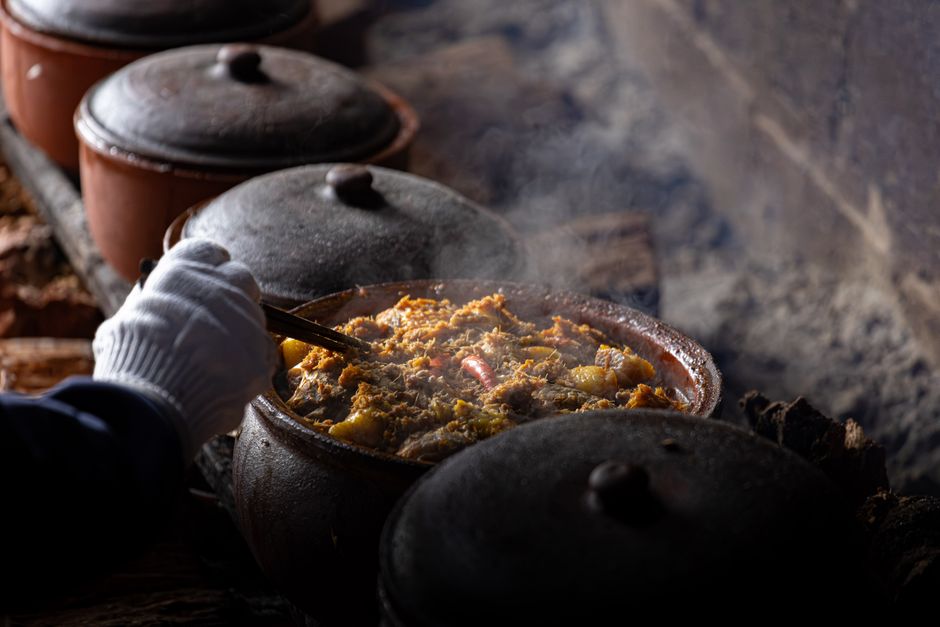
The small town of Murtosa is famous for its *caldeirada de enguias*, an eel stew made with eels caught directly from the Ria de Aveiro, a unique lagoon system where fresh and saltwater meet.
Nestled beside the Ria de Aveiro, a vast lagoon network, Murtosa has perfected the art of eel stew. Local fishermen navigate the intricate waterways to catch the eels, which possess a distinct flavor from thriving in brackish waters. The stew, often prepared in a traditional clay pot, combines the fresh eels with potatoes, tomatoes, peppers, and a medley of herbs, offering a taste that is both rustic and deeply connected to the region's hydrological identity.
3. Norway's Medieval Fermented Trout
Valdres region, Norway
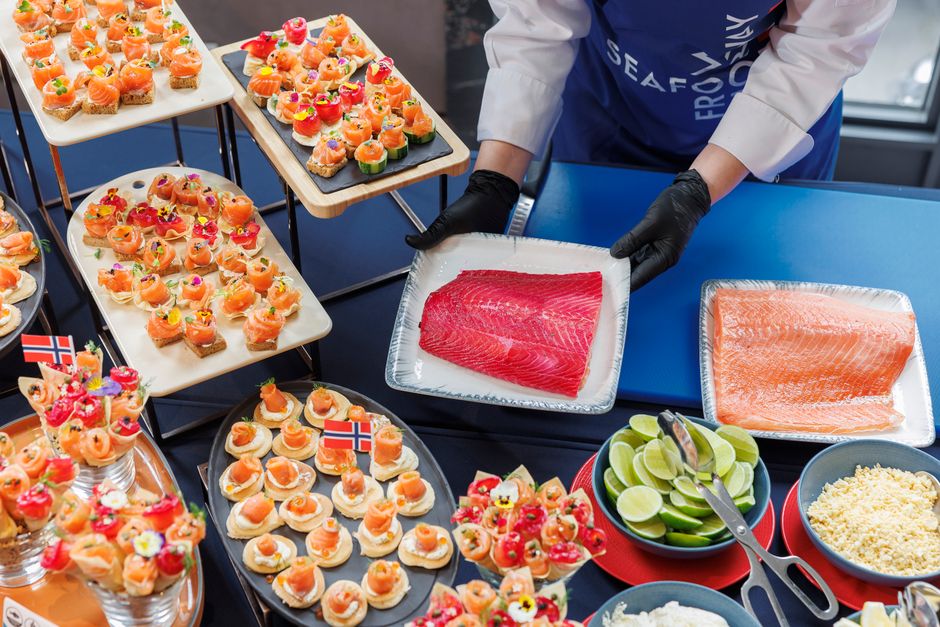
Rakfisk, a fermented trout dish from the Valdres valley, has been prepared since the Middle Ages, with some families using starter cultures passed down for generations.
In the chilly valleys of Valdres, Norway, a pungent culinary legacy thrives: rakfisk. This dish involves salting and fermenting freshwater trout for several months, a process that yields a potent, sharp flavor and soft texture. Historically a way to preserve fish through long winters, rakfisk is now a cherished delicacy, often served raw with flatbread, sour cream, and onion, representing a deep bond between the land, its rivers, and ancestral culinary wisdom.
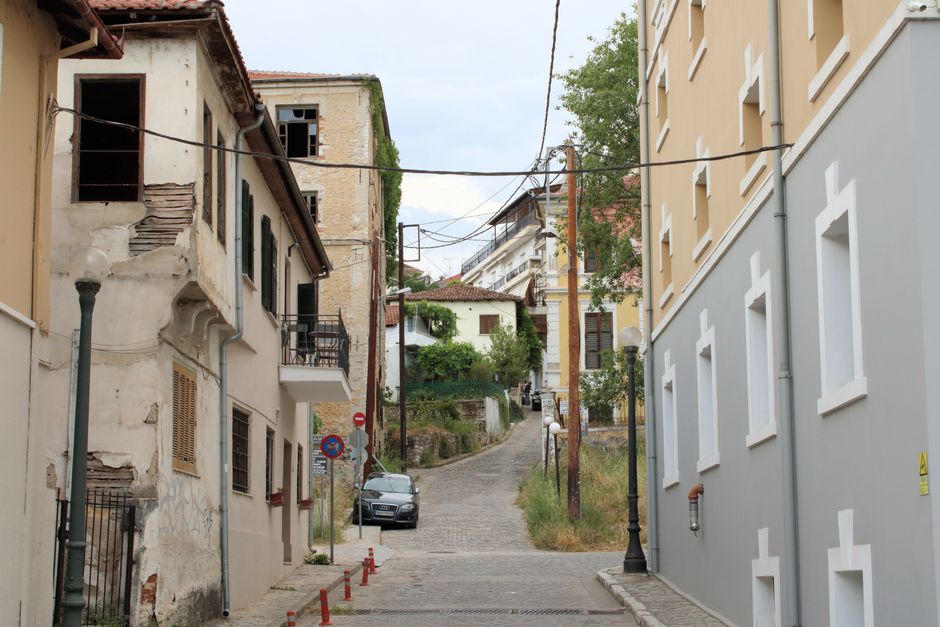
4. The Ancient Greek 'Food of the Gods' Roe
Messolonghi-Aitoliko Lagoon, Greece
This shallow lagoon is the birthplace of *avgotaraho*, or Greek bottarga, a delicacy made from cured mullet roe, once considered food for the gods in ancient Egypt.
The unique ecosystem of the Messolonghi-Aitoliko Lagoon, with its shifting salinity, is ideal for grey mullet, whose roe is transformed into *avgotaraho*. The delicate roe sacs are carefully removed, salted, and then sun-dried before being coated in natural beeswax to preserve their flavor and texture. This golden, intensely savory delicacy, with roots tracing back millennia, offers a complex, umami-rich experience, often sliced thin and enjoyed with bread and olive oil.
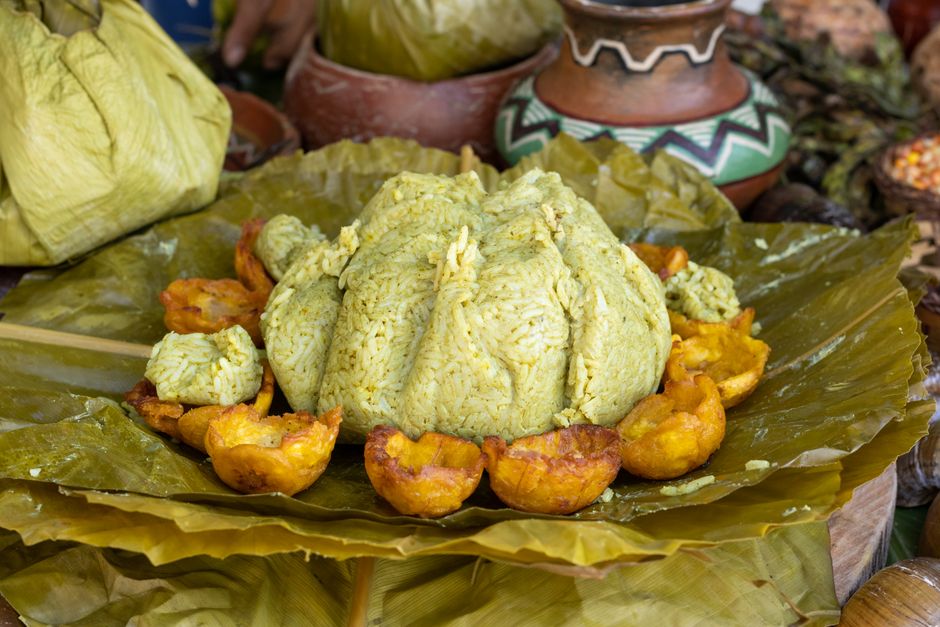
5. Amazonian Fish Steamed in Wild Leaves
Tarapoto, San Martín Region, Peruvian Amazon
*Patarashca*, a traditional Amazonian dish, involves freshwater fish like *paiche* or *tilapia* seasoned with local herbs, wrapped in *bijao* leaves, and grilled over an open fire.
Deep within the Peruvian Amazon, the indigenous Cocama people and other communities prepare *patarashca*. Freshly caught river fish are generously seasoned with regional herbs like cilantro, garlic, and *ají charapita* (a small, spicy chili), then meticulously wrapped in large, aromatic *bijao* leaves. This package is then grilled or steamed, allowing the leaves to infuse the fish with a unique, earthy fragrance and a moist, flavorful tenderness, connecting diners directly to the jungle's bounty.
6. Iceland's Infamous Survival Shark
Bjarnarhöfn Shark Museum, Snæfellsnes Peninsula, Iceland
*Hákarl*, Iceland's infamous fermented shark, is prepared by burying Greenland shark meat for months, then hanging it to dry for more, to make it edible by neutralizing its high urea content.
The Greenland shark, lacking a urinary tract, excretes waste through its skin, making its fresh meat toxic. To circumvent this, Icelanders developed *Hákarl*. The shark is first buried in a shallow grave for 6-12 weeks, undergoing fermentation, then hung in a drying shed for several more months. The resulting delicacy has a powerful ammonia scent and a chewy, fishy taste, a testament to the ingenuity required for survival in Iceland's harsh historical environment.
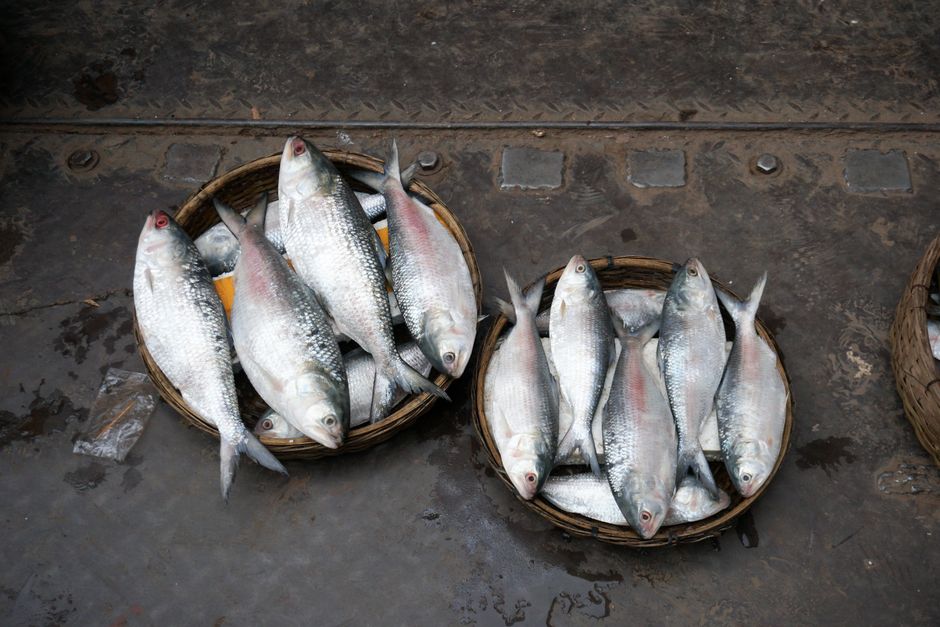
7. Bengal's Monsoon Hilsa Steamed in Mustard
Kolkata, West Bengal, India
*Ilish Paturi* features the prized Hilsa fish, a migratory species, steamed in banana leaves with a pungent mustard paste, offering a unique taste that is a cultural icon in Bengal.
During the monsoon season, the arrival of Hilsa fish in the rivers of Bengal is a cause for celebration. One of its most revered preparations is *Ilish Paturi*. Fillets of Hilsa are marinated in a vibrant mustard paste, spiked with green chilies and mustard oil, then meticulously wrapped in fresh banana leaves. Steamed until tender, the dish encapsulates the bold, aromatic flavors iconic to Bengali cuisine, reflecting the region's deep connection to its waterways and seasonal culinary rhythms.
8. Newfoundland's Salty Cod Legacy
Bonavista Peninsula, Newfoundland, Canada
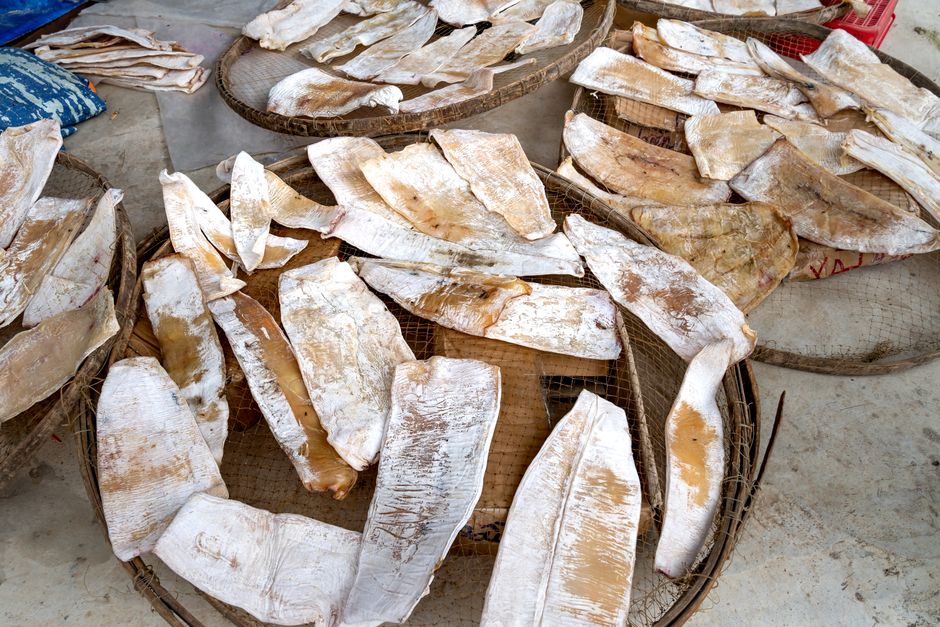
Salt cod, a historical staple of Newfoundland, was once so vital it shaped the region's economy and culture for centuries, allowing cod to be preserved without refrigeration.
For over 500 years, salt cod was the lifeblood of Newfoundland. After the cod were caught, they were split, heavily salted, and laid out on wooden 'flakes' to dry in the sun and wind. This process removed moisture, preventing spoilage and making it a durable commodity for trade and sustenance. Today, while the cod fishery has changed, salt cod remains a beloved ingredient, rehydrated and used in dishes like 'fish and brewis,' a hearty meal that embodies the island's enduring maritime heritage.
Frequently asked questions
What is the most unusual way fish is prepared globally?
Some of the most unusual preparations involve fermentation, like Iceland's *Hákarl* (fermented shark) which has a strong ammonia taste, or Japan's *Funazushi*, a thousand-year-old fermented carp with a cheesy, pungent flavor. These methods were often born out of necessity for preservation before refrigeration.
Are these unique fish dishes safe to eat?
Yes, traditional preparations like those mentioned are generally safe, having been perfected over generations. The fermentation or cooking processes are specifically designed to make the fish edible and delicious within their cultural context, though the flavors can be quite intense and unique to an unaccustomed palate.
What are "underrated" fish dishes I should try when traveling?
Beyond popular seafood, seek out regional specialties like Peru's *Patarashca* (Amazonian fish baked in leaves), Greece's *Avgotaraho* (cured mullet roe), or India's *Ilish Paturi* (Hilsa fish steamed in mustard). These dishes offer deep cultural insights and flavors you won't find anywhere else.
How can AllTours.ai help me discover these hidden culinary stories?
AllTours.ai brings the stories of places to life. Simply point your phone camera at a landmark, a historical site, or even a bustling local market, and the app will narrate its history, cultural significance, and unique traditions, including fascinating details about local foodways and ingredients.
Related guides
Photography via Pexels. AllTours.ai is an AI audio tour guide — point your camera at any landscape and hear its story.