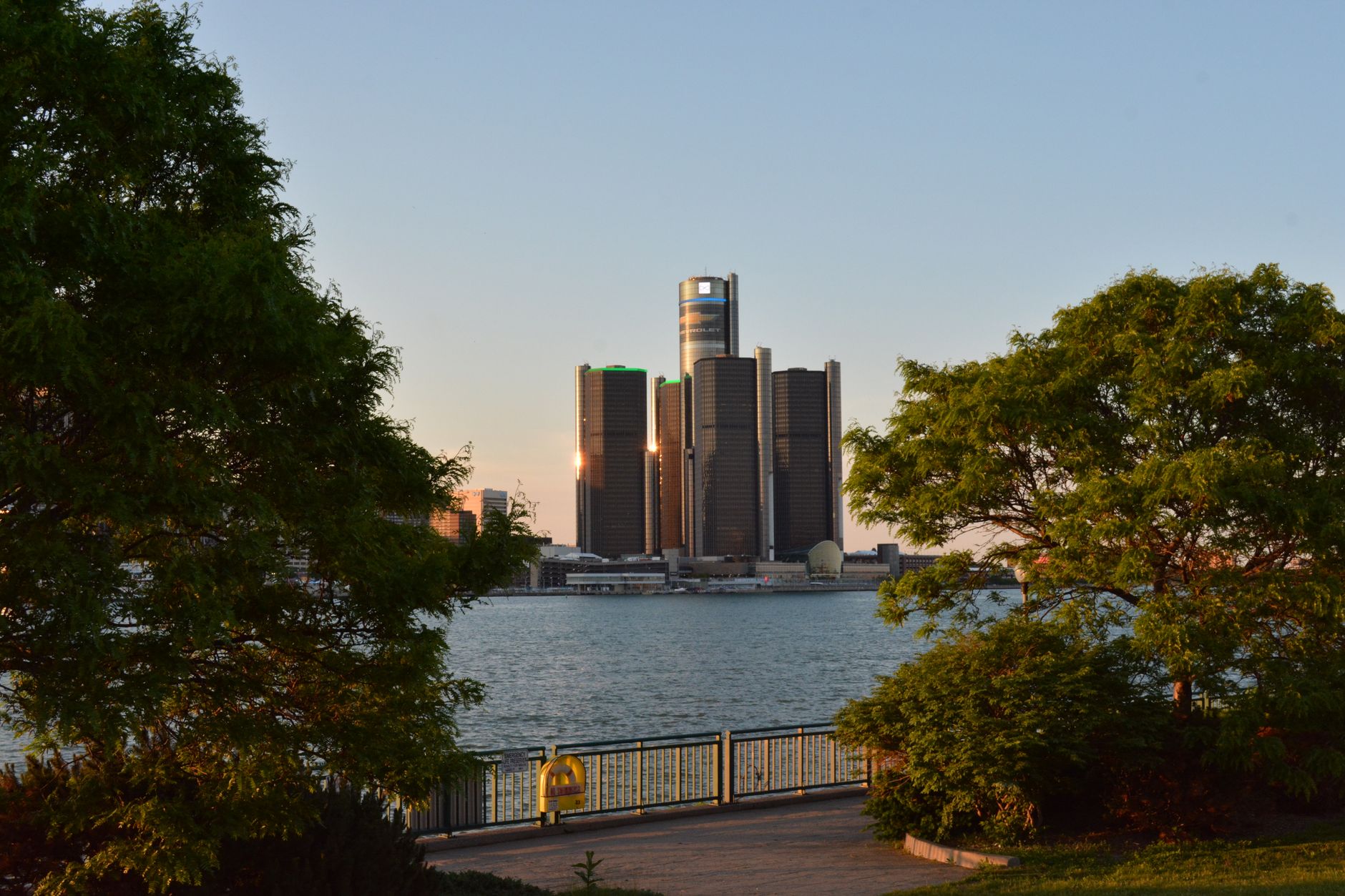
July 10, 2026 · 4 min read
Detroit is a city of relentless reinvention, often celebrated for its automotive legacy and vibrant music scene. But peel back the obvious layers, and you'll find a metropolis brimming with unexpected histories, overlooked architectural marvels, and grassroots transformations.
If you're wondering how to usually spend a sunny afternoon in Detroit, beyond the well-trodden paths, this guide is for you. We're diving into lesser-known spots, each with a specific, vivid story waiting to be discovered, perfect for a day bathed in sunlight.
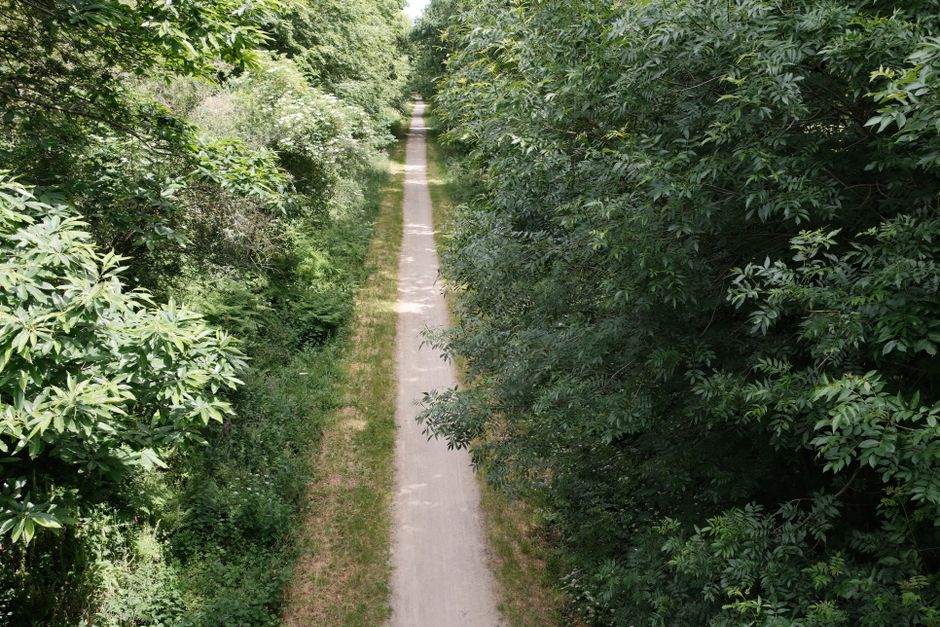
1. The Dequindre Cut: An Art-Filled Railway Past
Detroit, USA
This vibrant urban greenway traces the path of a former Grand Trunk Railroad line, now a canvas for incredible street art.
What was once a sunken freight line, connecting Detroit's industrial heart to its riverfront docks, is now a two-mile urban recreational path. The Dequindre Cut retains its gritty charm with original railway bridges overhead, but its concrete walls burst with ever-changing murals and graffiti from local and international artists. It’s a space where nature reclaims infrastructure, and history meets contemporary expression.

2. Pewabic Pottery: Detroit's Iridescent Tile Legacy
Detroit, USA
Discover the workshop where Detroit's iconic iridescent architectural tiles have been handcrafted for over a century.
Founded in 1903 by Mary Chase Perry Stratton and Horace Caulkins, Pewabic Pottery is one of the oldest continuously operating ceramic studios in the United States. Its distinctive, hand-glazed tiles, known for their unique iridescence and rich colors, adorn many of Detroit's most famous buildings, including the Guardian Building and the Cranbrook Educational Community. Visiting the studio offers a rare glimpse into the artistry and craftsmanship that shaped the city's architectural identity.
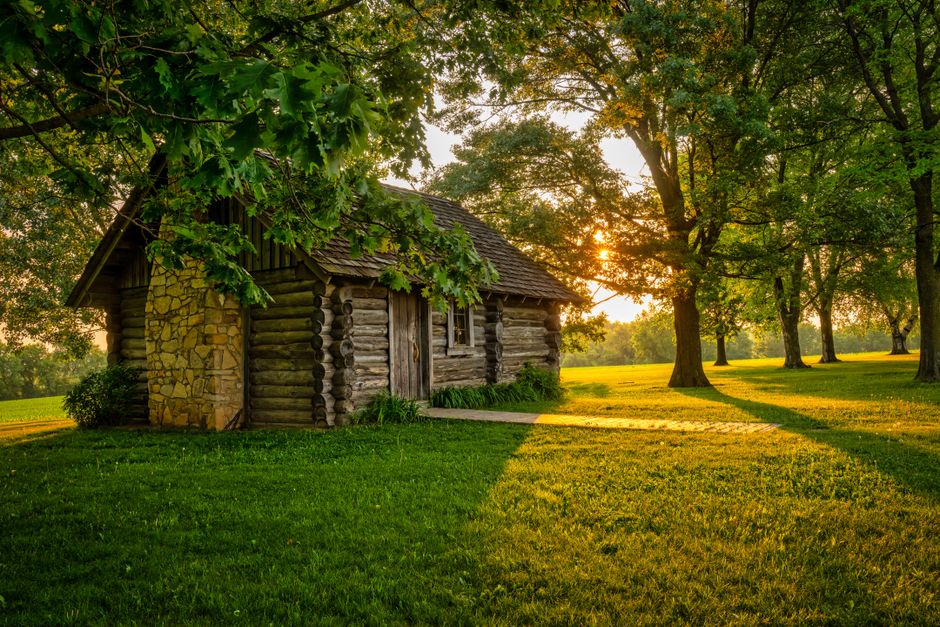
3. Palmer Park's Historic Log Cabin: A Gilded Age Retreat
Detroit, USA
Tucked away in a historic park, this surprisingly elaborate log cabin was designed by a famous architect for a Detroit senator.
The Palmer Park Log Cabin, known as the "Commissioner's Residence," stands as a unique architectural gem. Built in 1887, it was designed by Mason and Rice, the same firm responsible for significant Gilded Age mansions in Detroit. Senator Thomas W. Palmer originally commissioned it as a rustic retreat on his vast estate. Today, this surprisingly grand cabin, with its intricate woodworking and stone fireplace, offers a glimpse into a bygone era of Detroit's elite.
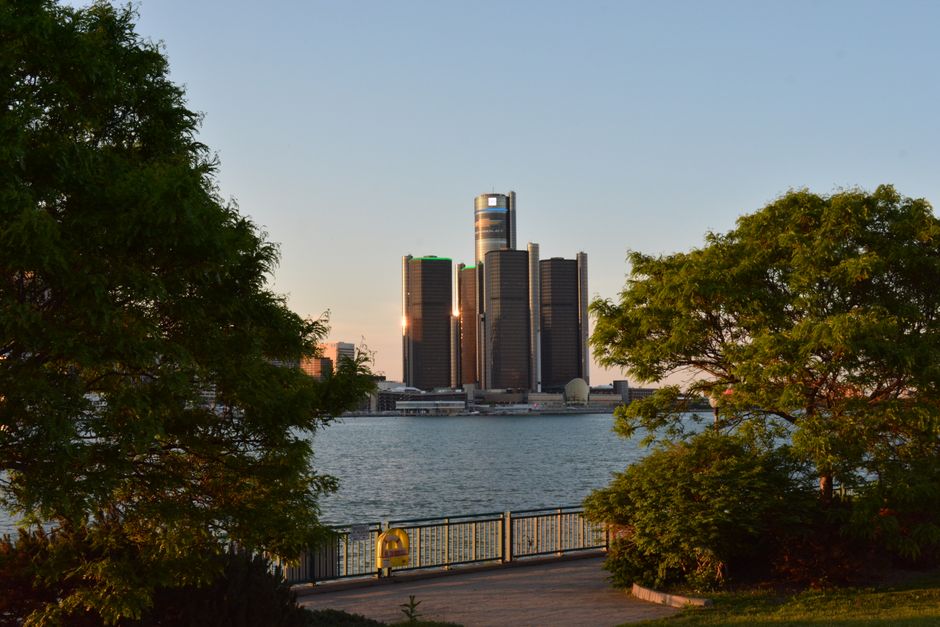
4. Mariners' Church: The Seafarers' Sanctuary
Detroit, USA
This historic church gained unexpected fame for its role in a famous folk song about a tragic Great Lakes shipwreck.
Standing near the Detroit River since 1849, Mariners' Church has long served the maritime community of the Great Lakes. Its bells toll each November 10th in memory of those lost at sea, a tradition famously immortalized in Gordon Lightfoot's song "The Wreck of the Edmund Fitzgerald." The church's Gothic Revival architecture and stained glass windows tell stories of Detroit's connection to the vast inland seas, offering a quiet, reflective spot in the bustling city.

5. Belle Isle Aquarium: America's Oldest Public Aquarium
Detroit, USA
Step inside the oldest continually operating aquarium in North America, a beautifully preserved architectural marvel by Albert Kahn.
Opened in 1904, the Belle Isle Aquarium is a stunning example of Beaux-Arts architecture designed by the legendary Albert Kahn. Its single large gallery, with a vaulted green tile ceiling, creates an atmospheric underwater glow. While smaller than modern aquariums, its historical significance and unique design, coupled with its mission to educate about freshwater ecosystems, make it a charming and often overlooked destination on Detroit's island park.
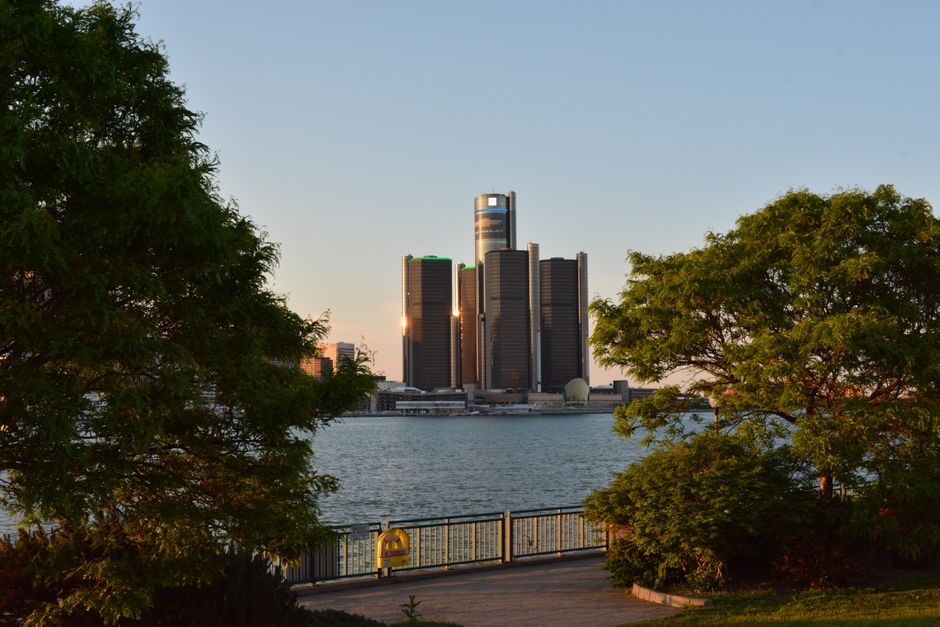
6. Lincoln Street Art Park: Industrial Canvas Reimagined
Detroit, USA
What was once an abandoned industrial site is now a vibrant, open-air gallery and community space, constantly evolving with new art.
Born from a grassroots effort to transform a blighted industrial lot, the Lincoln Street Art Park is a testament to Detroit's creative spirit. Artists and community members have collaboratively built sculptures, murals, and installations from repurposed materials, making it an ever-changing outdoor museum. It's a place where the city's manufacturing past meets its artistic present, inviting exploration and interaction on a sunny afternoon.

7. Detroit Hives: Urban Beekeeping for a Greener City
Detroit, USA
Discover how urban beekeepers are transforming vacant lots into vital pollinator habitats, one beehive at a time.
Detroit Hives is a remarkable non-profit dedicated to repurposing vacant lots into bee farms and educational apiaries across the city. Founded by Timothy Paule and Nicole Lindsey, their initiative not only promotes biodiversity and sustainable urban agriculture but also engages the community in environmental stewardship. Visiting one of their sites offers a unique perspective on how Detroiters are actively reshaping their urban landscape with a focus on ecological health.
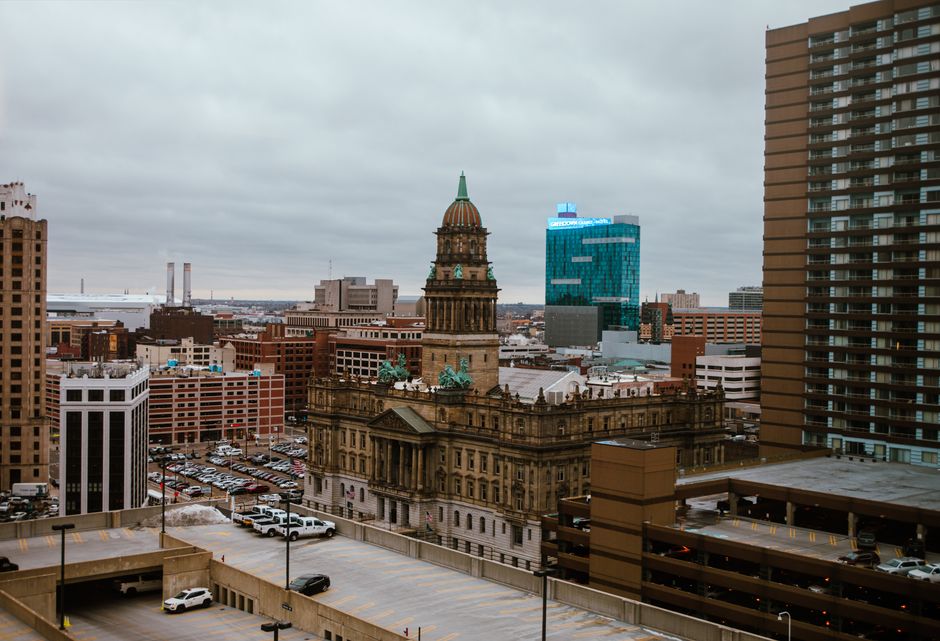
8. Historic Fort Wayne: A Fort That Never Fought
Detroit, USA
Explore a Civil War-era fort on the Detroit River that was built for battle but never fired a shot in defense, yet holds surprising historical significance.
Constructed between 1842 and 1851, Historic Fort Wayne was designed to protect Detroit from potential invasions. Despite its formidable appearance, it never saw combat during the Civil War or any other conflict. Instead, it served as a significant staging ground for troops, a refugee camp for Native Americans, and later, a crucial site during the Civil Rights Movement. Its preserved barracks, tunnels, and parade grounds offer a fascinating, often overlooked, layer of Detroit's past.
Frequently asked questions
Is Detroit safe for tourists?
Like any major city, Detroit has areas that require awareness. However, popular tourist areas, downtown, Midtown, Corktown, and the riverfront, are generally considered safe during the day and into the evening. Exercise common sense, especially in less familiar neighborhoods.
What's the best way to get around Detroit without a car?
While Detroit is car-centric, several options exist. The QLine streetcar runs along Woodward Avenue, connecting many attractions. The People Mover is an elevated rail loop in downtown. Ride-sharing services are readily available, and many central areas are walkable or bike-friendly, especially with the city's expanding greenways.
What are some unique food experiences in Detroit?
Detroit's food scene is incredibly diverse. Beyond Coney Island hot dogs, explore Middle Eastern cuisine in Dearborn, enjoy a square deep-dish pizza at Buddy's or other classic pizzerias, or visit Eastern Market for fresh produce and local vendors. The city also boasts a growing number of innovative farm-to-table restaurants.
How can AllTours.ai help me explore Detroit's hidden stories?
AllTours.ai enhances your exploration by turning your phone into an AI audio tour guide. Simply point your camera at a landmark, building, or even a natural landscape in Detroit, and the app will narrate its fascinating history, geology, and cultural significance in your preferred language, revealing stories you might otherwise miss.
Related guides
Photography via Pexels. AllTours.ai is an AI audio tour guide — point your camera at any landscape and hear its story.