September 22, 2026 · 5 min read
How does the feeling of home change when you move across the world after spending your first four decades in one city? It's a question that lingers, a subtle shift in your internal compass as familiar streets fade into memory and new horizons unfurl. The concept of 'home' often roots itself in the deeply personal, a tapestry woven from routine, community, and the specific rhythm of a place you’ve known intimately.
Yet, stepping into the truly unfamiliar—a landscape sculpted by ancient forces, a village steeped in forgotten lore, or a city built on an impossible premise—can redefine that feeling entirely. It’s in these unexpected corners of the world, far from the well-trodden path, that we often find ourselves most profoundly. These places don't just offer sights; they offer stories that resonate, sparking a new kind of belonging in the vastness of the world.
1. The Sky-High Commute of a Soviet Mining Town
Chiatura, Georgia
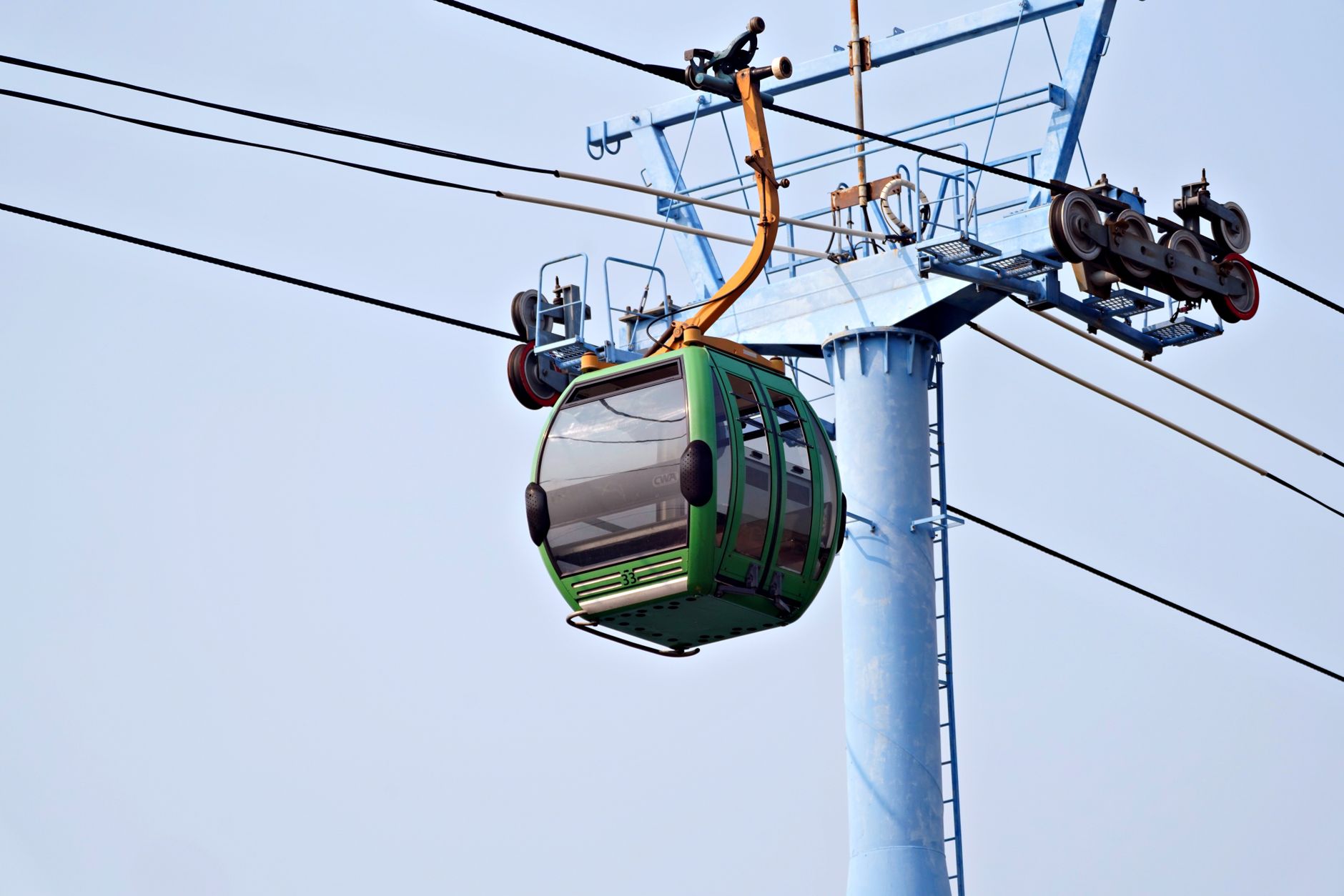
This Georgian town’s daily commute relies on a vast, decaying network of Soviet-era cable cars, some still operating since the 1950s.
Chiatura, nestled in a deep river valley, was once a thriving manganese mining hub of the Soviet Union. To connect its workers to mines and homes scattered across the steep cliffs, an extensive system of passenger and freight cable cars was built, famously dubbed "metal coffins." Many of these rusty, creaking aerial tramways still carry residents today, offering a unique, if slightly terrifying, glimpse into a past era. The town itself feels suspended in time, a powerful testament to industrial ambition and enduring community.
2. The Whispering Catacombs of Jihlava
Jihlava, Czech Republic
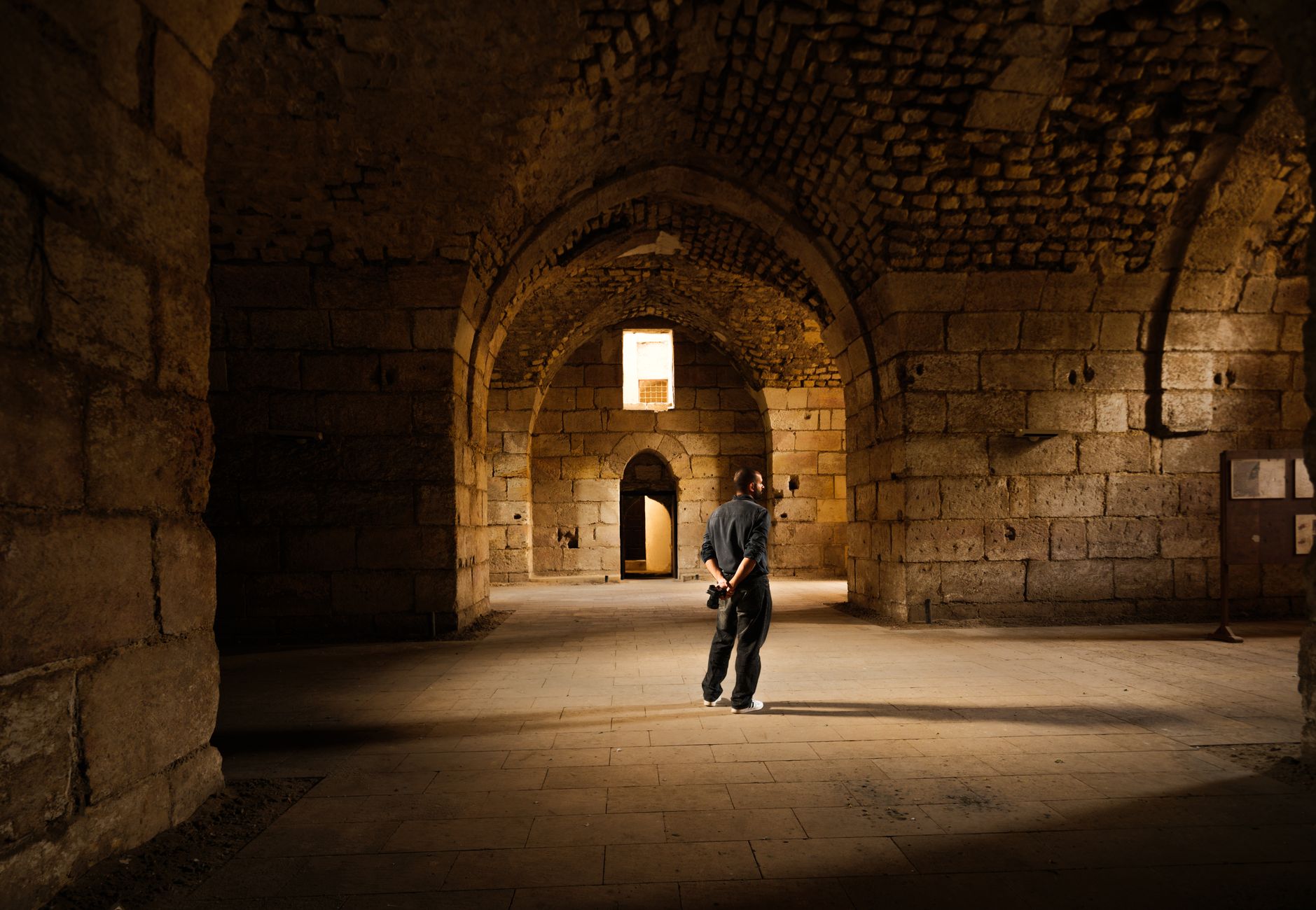
Visitors to these underground tunnels report hearing ethereal organ music and witnessing a strange, persistent green glow.
Beneath the historic city of Jihlava lies a labyrinthine network of catacombs, originally medieval cellars expanded over centuries. While fascinating in their own right, they're most famous for unexplained phenomena. Accounts describe phantom organ music echoing through the damp passages and a mysterious "glowing corridor" that emits a soft green light, with no discernable natural or artificial source. Scientists and paranormal investigators have attempted explanations, but the eerie phenomena persist, adding to the city's enigmatic allure.
3. Rennes-le-Château and the Priest's Secret
Rennes-le-Château, France
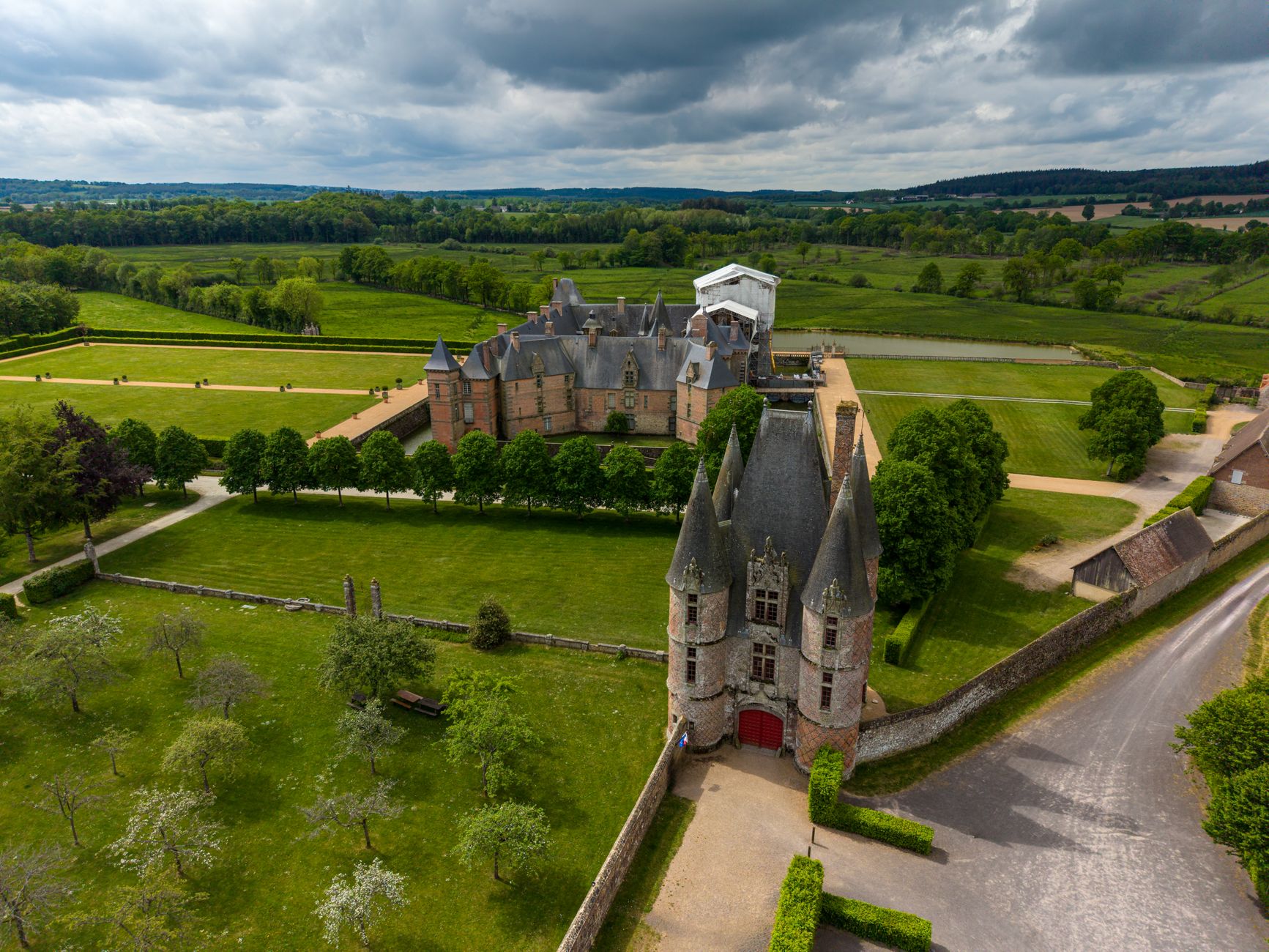
A humble 19th-century priest in this tiny village amassed inexplicable wealth, sparking centuries of theories about hidden treasure, secret societies, and ancient mysteries.
High in the Languedoc-Roussillon region, the unassuming village of Rennes-le-Château became the epicenter of one of history's most enduring puzzles. Its parish priest, Bérenger Saunière, lived in poverty until he mysteriously acquired vast sums of money in the late 1800s, which he spent lavishly on renovating his church and estate. The source of his fortune remains unknown, fueling elaborate theories involving the Knights Templar, the Holy Grail, the Priory of Sion, and even coded messages hidden within the church's decorations. The mystery continues to draw adventurers and researchers.
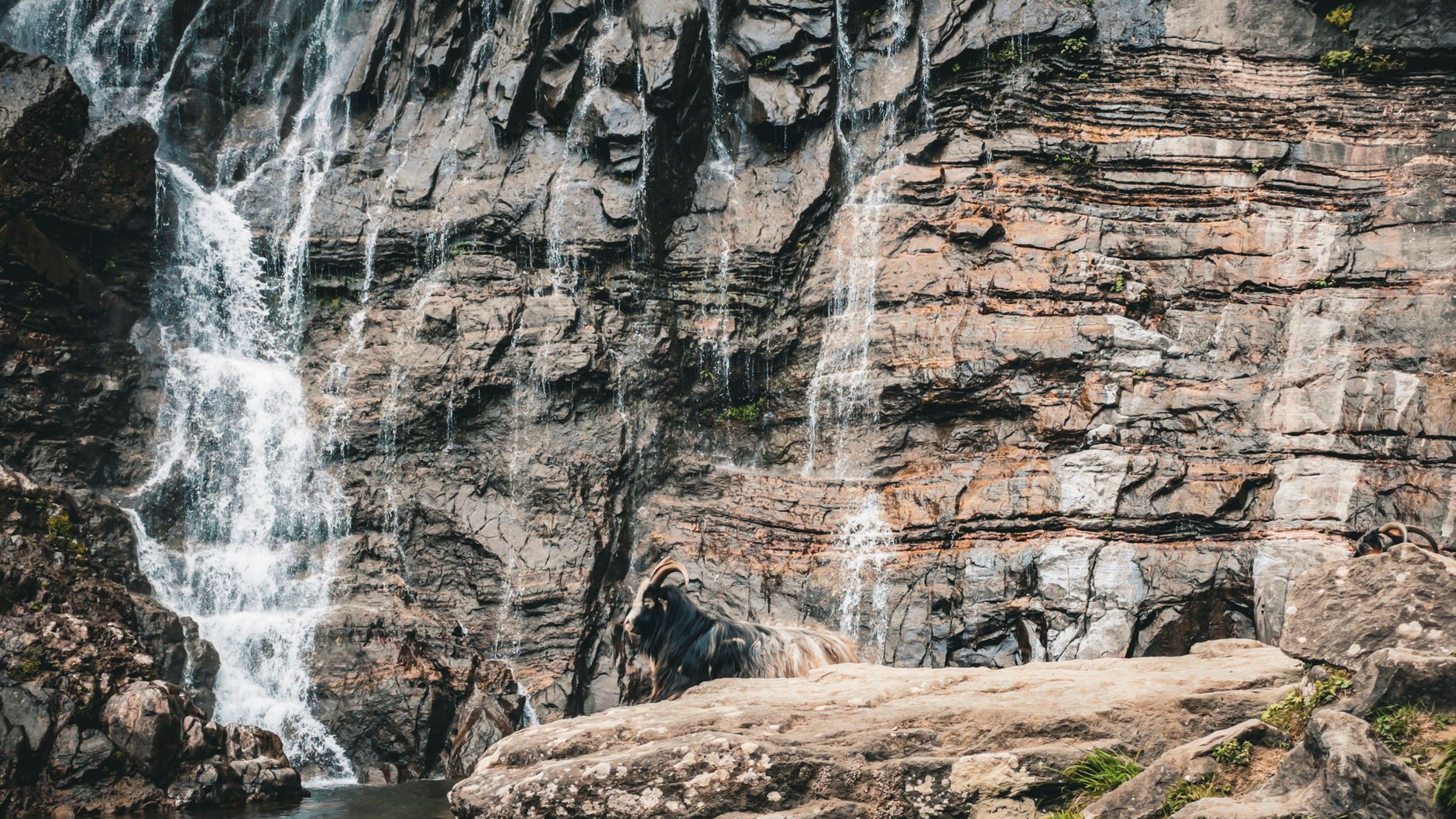
4. The Waterfall Kept Secret by Mermaids
Gocta Waterfall, Peru
This colossal waterfall, among the world's tallest, was known to local communities for centuries but remained officially 'undiscovered' until 2002 due to an ancient legend of a protective mermaid.
Nestled in the Amazonas region of Peru, Gocta Waterfall plunges over 2,500 feet in two tiers, yet it only entered the global consciousness two decades ago. Local communities had long known of its existence, but a deep-seated fear of a blonde mermaid spirit (the 'Mama Gocta') who guarded the falls and would curse anyone revealing its location, kept it a secret from outsiders. The legend ensured its pristine nature until a German explorer, hiking with local guides, convinced them to reveal its grandeur.
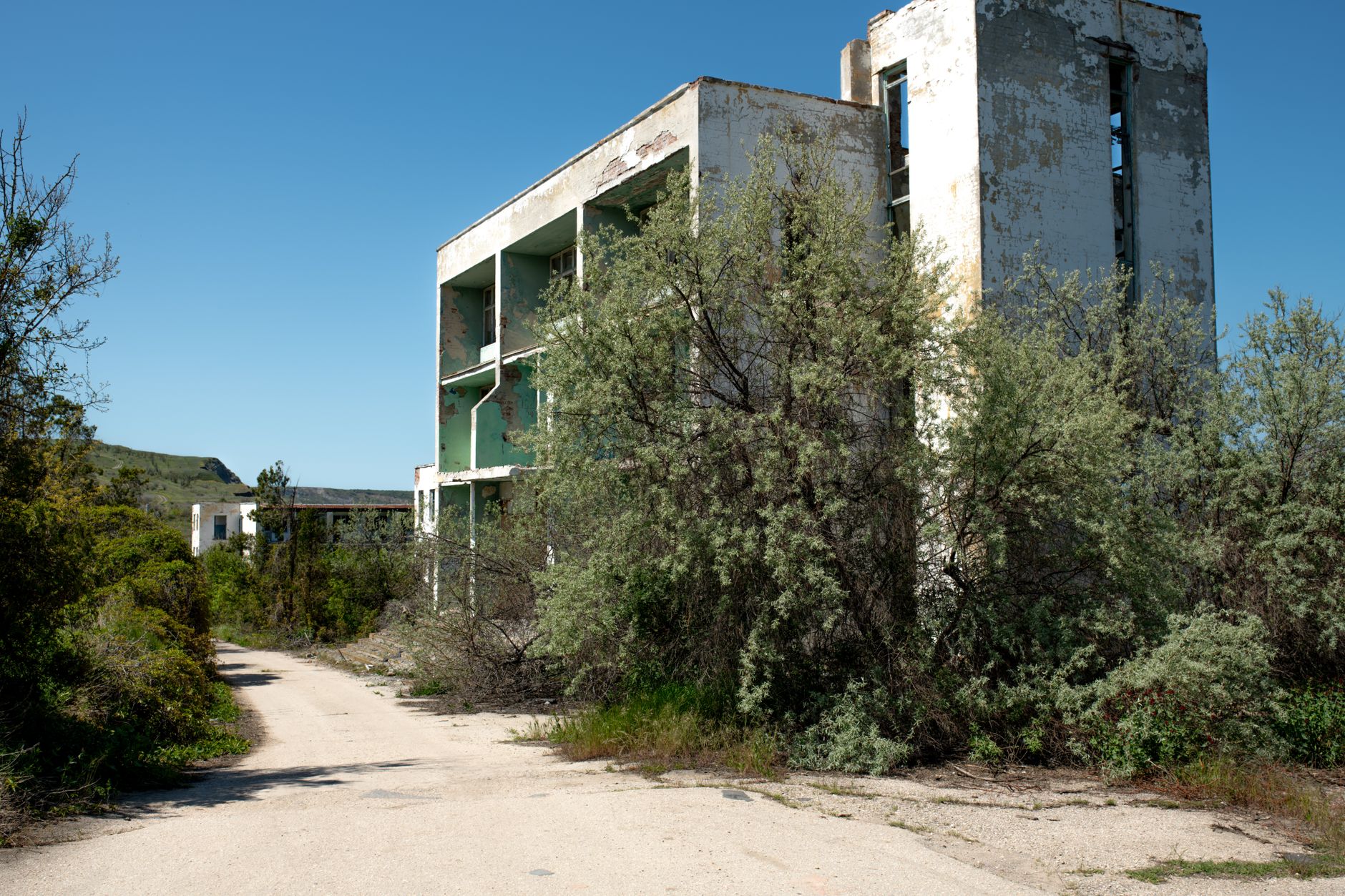
5. The Concrete Ghost of Hashima Island
Hashima Island, Japan
Once the most densely populated place on Earth, this coal-mining island became an abandoned ghost town overnight, its concrete structures now slowly reclaimed by the sea.
Just off the coast of Nagasaki lies Hashima, better known as "Battleship Island" due to its distinctive silhouette. From the late 19th century, it was a thriving underwater coal mine, reaching a peak population of over 5,000 residents on a mere 16-acre plot. Families lived in high-rise concrete apartments, complete with schools, hospitals, and shops. However, when petroleum replaced coal in the 1970s, the mine closed, and residents evacuated within weeks, leaving behind an eerie, perfectly preserved urban ruin, a stark monument to industrial boom and bust.
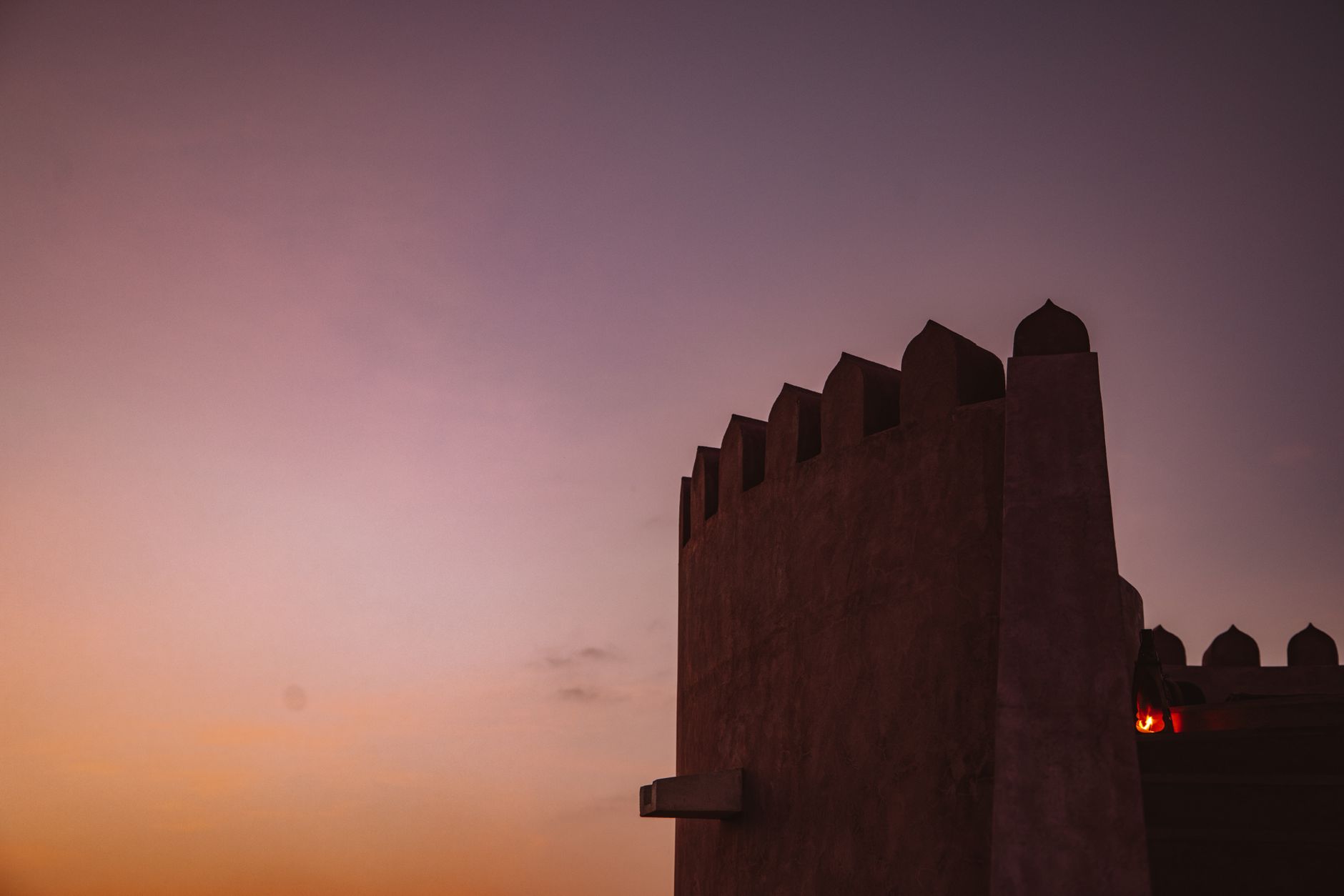
6. Derawar Fort, Sentinel of the Cholistan Desert
Derawar Fort, Pakistan
This monumental 9th-century desert fortress, with its forty imposing bastions, once guarded a vast princely state and remains a breathtaking, lesser-known marvel of South Asia.
Deep within Pakistan's Cholistan Desert stands Derawar Fort, a truly colossal structure that dominates the flat, arid landscape. Its forty massive bastions rise majestically from the desert floor, forming a perfect square. Built by a Hindu Rajput ruler in the 9th century and later rebuilt by a local Nawab, the fort was the seat of the former princely state of Bahawalpur. Today, it remains remarkably well-preserved, its sheer scale and isolation making it a profound testament to ancient power and forgotten desert empires.
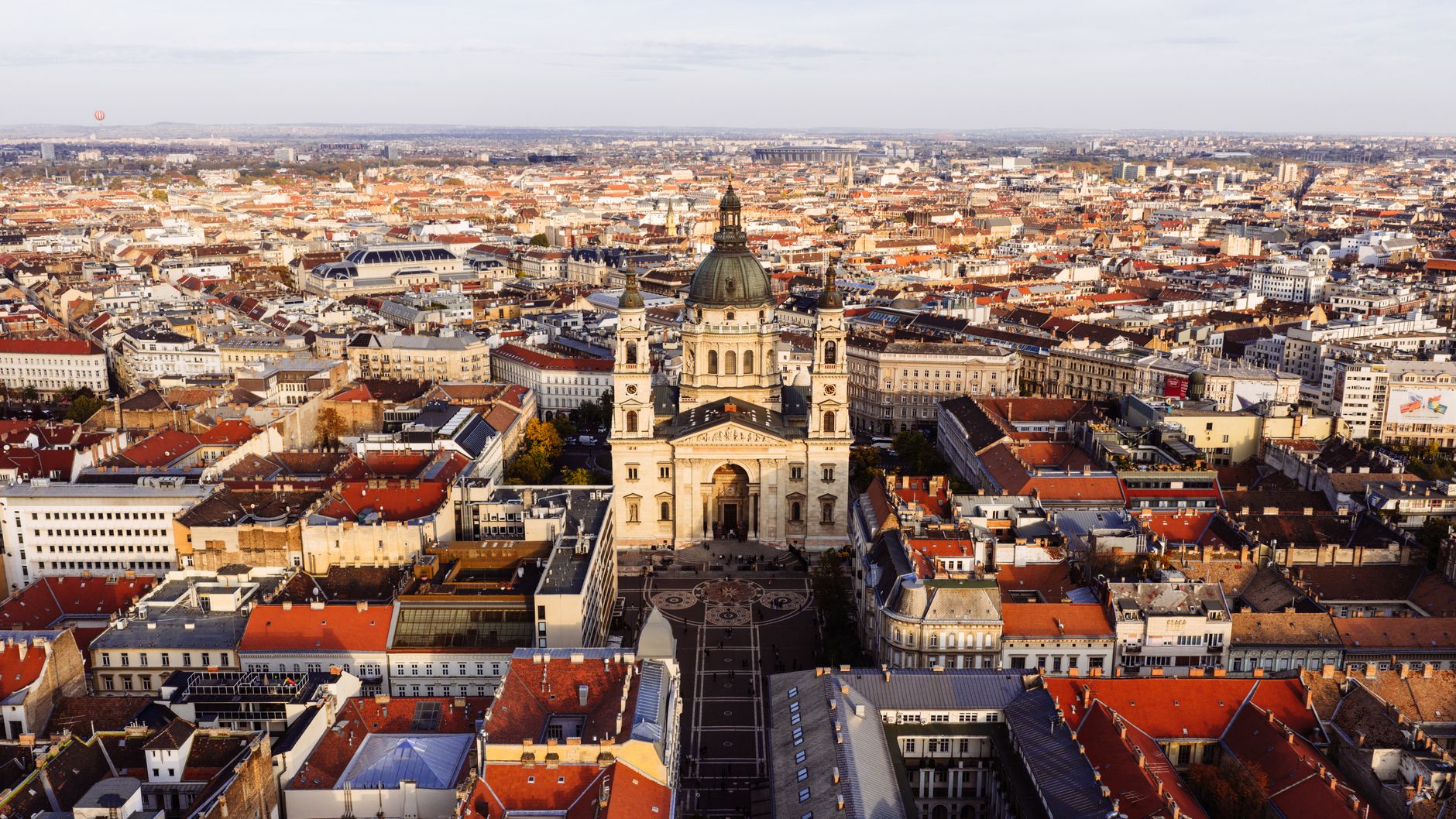
7. Sopron, The City of Loyalty
Sopron, Hungary
After World War I, this Hungarian city held a unique referendum, voting overwhelmingly to remain with Hungary rather than join Austria, earning it the title "Civitas Fidelissima" (The Most Loyal Town).
Located near the Austrian border, Sopron boasts a rich history dating back to Roman times. Following the Treaty of Trianon after World War I, much of western Hungary was ceded to Austria. However, a local plebiscite was held in Sopron and its surrounding villages in 1921, where residents voted to stay part of Hungary. This act of self-determination earned Sopron its enduring nickname, "The Most Loyal Town," a point of immense civic pride reflected in its charming medieval core and Baroque architecture.
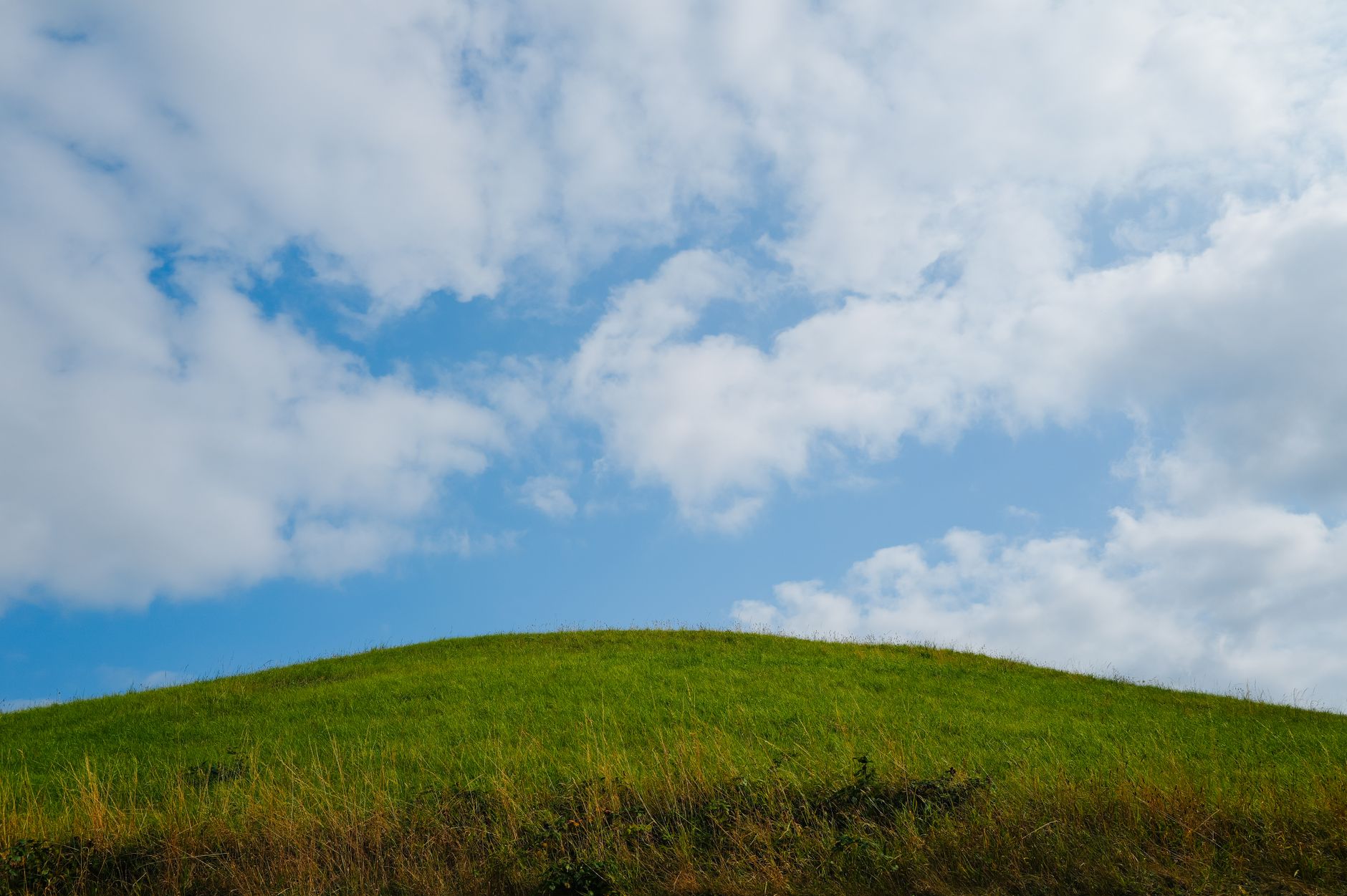
8. The Ancient Earthworks of Poverty Point
Poverty Point State Historic Site, Louisiana, USA
Thousands of years ago, hunter-gatherers constructed massive, elaborate earthen mounds here, long before the pyramids of Egypt or the great cities of Mesoamerica.
In the floodplains of northeastern Louisiana lies Poverty Point, a UNESCO World Heritage site that challenges conventional notions of early complex societies. Between 1700 and 1100 BCE, indigenous hunter-gatherers, without agriculture or pottery, built monumental earthworks, including six concentric C-shaped ridges and several large mounds. This immense feat of engineering and community organization, requiring millions of hours of labor, suggests a sophisticated and settled culture far earlier than previously believed in North America, leaving behind an awe-inspiring archaeological puzzle.
Frequently asked questions
What's the best way to embrace a new culture when you move abroad?
Immerse yourself in local life beyond tourist spots. Learn basic phrases of the language, try regional cuisine from small eateries, and seek out local festivals or community events. Engaging directly with residents and their daily routines offers the most authentic cultural exchange.
How can I stay connected to my original home while living abroad without feeling homesick?
Balance new experiences with familiar comforts. Schedule regular video calls with loved ones, but also make new friends in your new location. Cook familiar meals, but also experiment with local ingredients. Allow yourself to grieve what you left, but actively build new routines and connections.
What are some common challenges people face when redefining their sense of "home" in a new country?
Common challenges include language barriers, navigating new bureaucratic systems, feeling isolated, and experiencing culture shock. The initial excitement can give way to frustration, but persistence, an open mind, and seeking out expat communities or local integration groups can significantly ease the transition.
How does AllTours.ai help me discover the stories of these new places?
AllTours.ai transforms your phone into an AI-powered audio tour guide. Simply point your camera at any landmark, landscape, or even a street scene, and the app instantly narrates its history, geology, and culture in your preferred language. It's like having a local expert by your side, unveiling the hidden narratives of your new surroundings.
Related guides
Photography via Pexels. AllTours.ai is an AI audio tour guide — point your camera at any landscape and hear its story.