August 28, 2026 · 4 min read
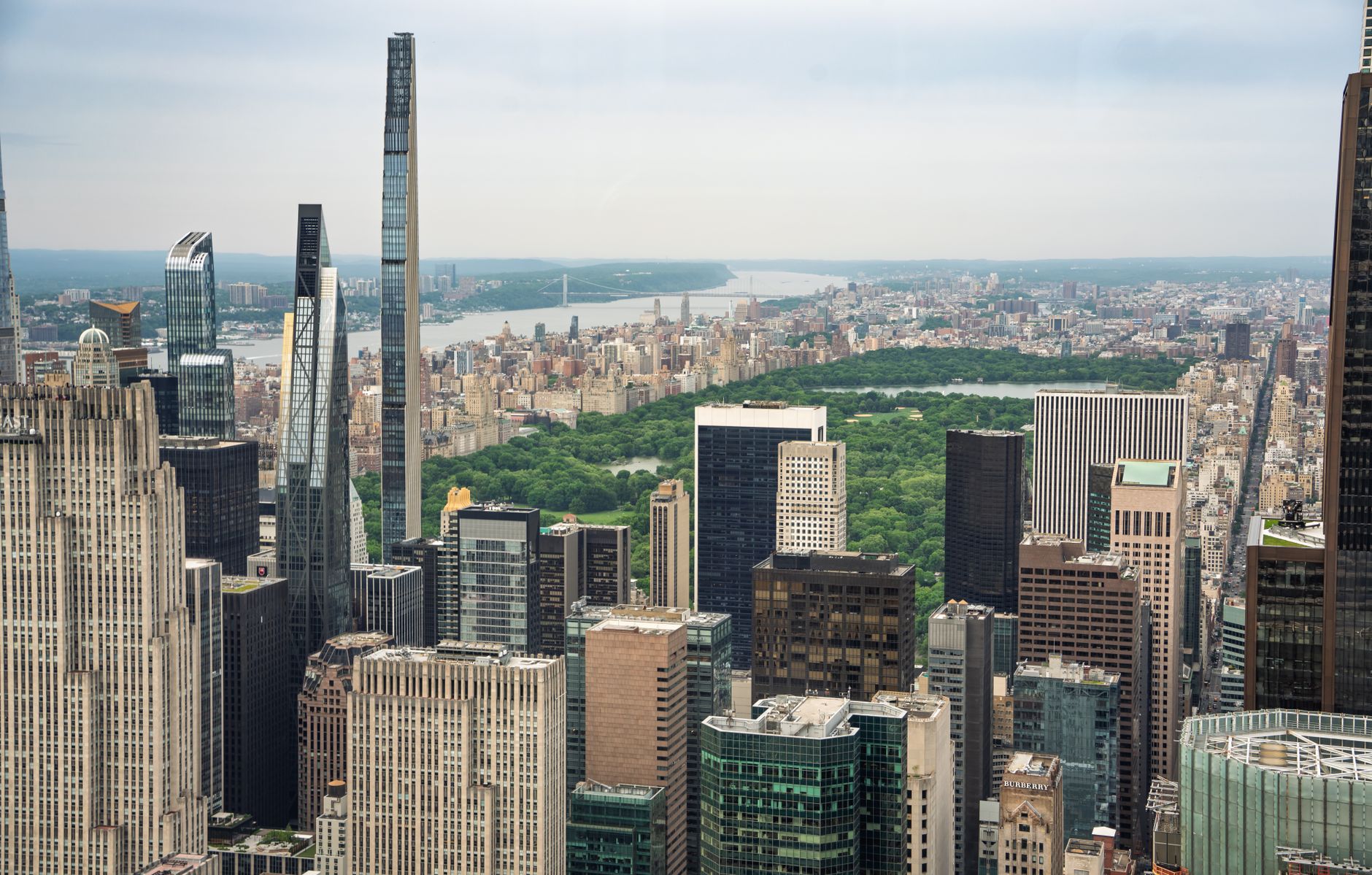
The Empire State Building, a soaring Art Deco marvel, and the Statue of Liberty, an enduring symbol of freedom, stand as two of New York City's most iconic landmarks. While they define the city's skyline, many travelers wonder about their proximity. In a straight line, these two titans are approximately 4.5 miles (7.2 kilometers) apart, but navigating between them by public transport or car typically covers more ground and takes around 30-45 minutes, depending on traffic and connections.
However, New York is far more than its famous postcard views. Between these well-trodden paths, and often right beneath them, lies a rich tapestry of history, surprising geology, and vibrant culture waiting to be discovered. This guide invites you to look beyond the usual tourist trail and uncover some of the city's truly unique, lesser-known spots, each with a captivating story of its own.

1. The Forgotten Beaux-Arts Station
City Hall, New York, USA
A stunning, abandoned subway station from 1904, still visible from a modern train.
Beneath New York's City Hall lies a magnificent, ornate subway station, the original southern terminus of the IRT line, which closed in 1945. With its vaulted Guastavino tile arches, brass chandeliers, and skylights, it was deemed too impractical for new, longer trains. Today, you can catch a glimpse of this forgotten architectural gem by simply staying on the downtown 6 train after its final stop at Brooklyn Bridge-City Hall as it loops back uptown.

2. A Sacred Ground Rediscovered
Lower Manhattan, New York, USA
The unexpected discovery of a vast, 18th-century burial ground for enslaved and free Africans in colonial New York.
In 1991, during construction of a federal office building, archaeologists unearthed the remains of over 400 men, women, and children. This site, now the African Burial Ground National Monument, represents the largest and oldest excavated cemetery in North America for people of African descent. It serves as a powerful, solemn reminder of the significant role enslaved Africans played in building early New York, a history largely overlooked until its rediscovery.
3. Green-Wood's Lofty Views
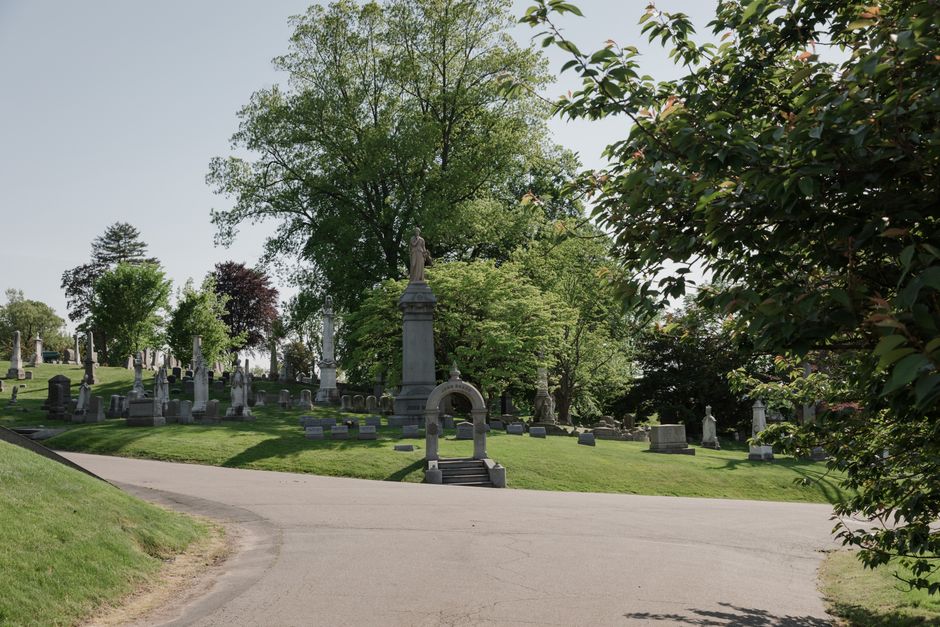
Brooklyn, New York, USA
A magnificent 19th-century cemetery that was once New York's second-biggest tourist attraction, offering sweeping city views.
Predating Central Park, Green-Wood Cemetery was designed as a rural cemetery and became a popular destination for leisure and scenic beauty. Its rolling hills, glacial ponds, and arboretum-like collection of trees offer breathtaking panoramas of the Manhattan skyline, the harbor, and even the distant Statue of Liberty. Beyond its natural beauty, the cemetery is the final resting place for artists, inventors, and Civil War generals, their stories etched into elaborate monuments.
4. The Whispering Archway
Grand Central Terminal, New York, USA
A hidden acoustic marvel where whispers travel across a crowded hall.
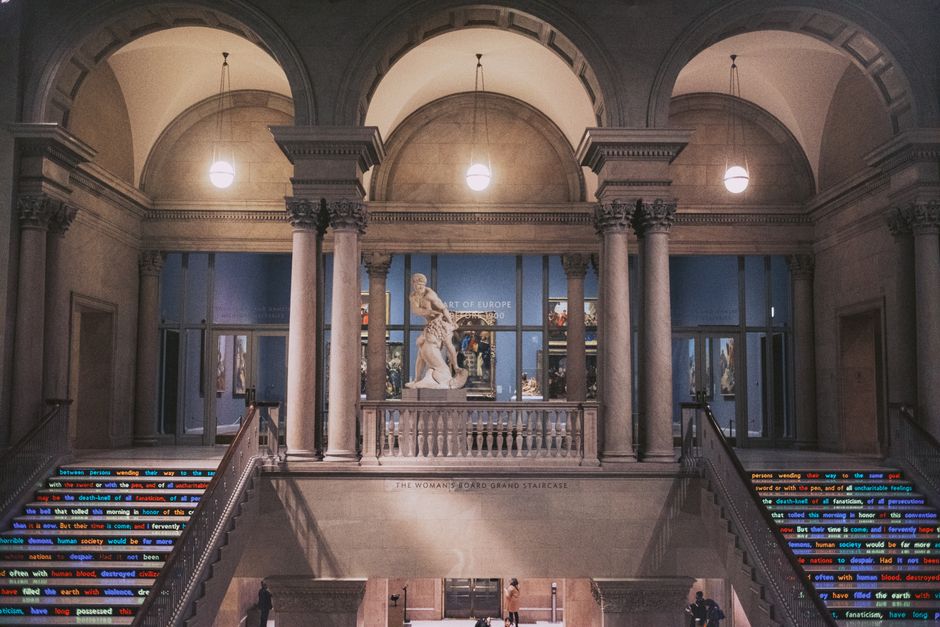
Beneath the famous Oyster Bar and Restaurant in Grand Central Terminal lies a lesser-known architectural secret: the Whispering Gallery. Thanks to its unique Guastavino tile arches and parabolic curves, if two people stand at diagonally opposite corners and whisper into the wall, they can hear each other's words perfectly, even amidst the terminal's constant bustle. It's a surprising, intimate experience in one of the city's grandest public spaces.
5. The Secret Rooftop Meadow
Financial District, New York, USA
A lush, unexpected public park floating seven stories above Manhattan's concrete jungle.
Tucked away atop 55 Water Street, the Elevated Acre is a privately owned public space (POPS) that offers a tranquil escape with stunning views. This unique urban oasis features a large lawn, a mini-amphitheater, and even a small beer garden during warmer months. It provides an unparalleled perspective on the East River, the Brooklyn Bridge, and the surrounding Financial District, far from the street-level crowds.
6. Haunting Hospital Ruins
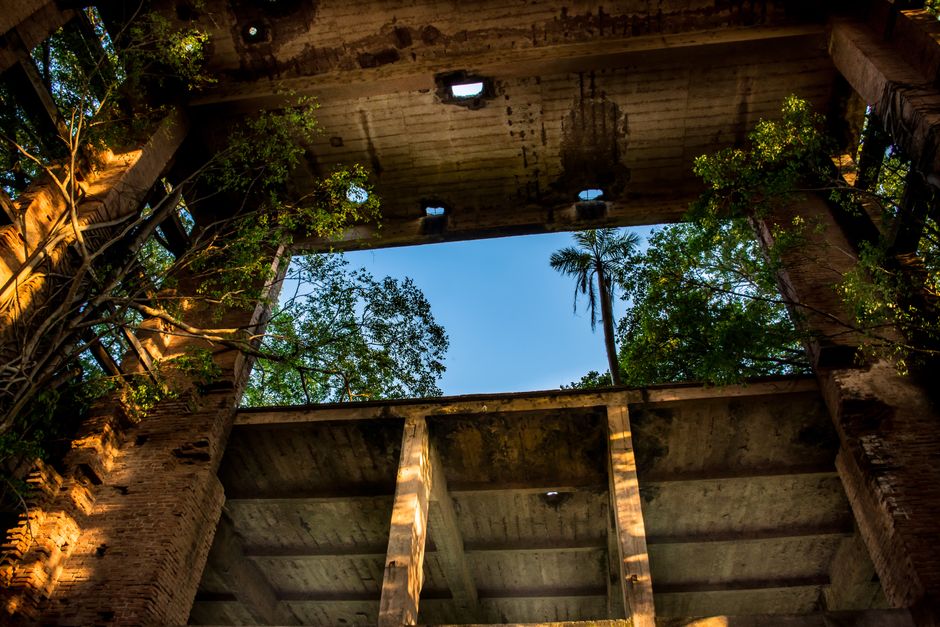
Roosevelt Island, New York, USA
The dramatic, gothic ruins of a 19th-century smallpox hospital, standing sentinel on an island in the East River.
Designed by famed architect James Renwick Jr., the Renwick Ruin was once a state-of-the-art smallpox hospital, opening in 1856. Later, it became a training facility for nurses before being abandoned in the 1950s. Today, its striking gothic shell is the only landmarked ruin in New York City, a hauntingly beautiful reminder of a challenging past, and a unique silhouette against the Manhattan skyline, especially at sunset.
7. Manhattan's English Village
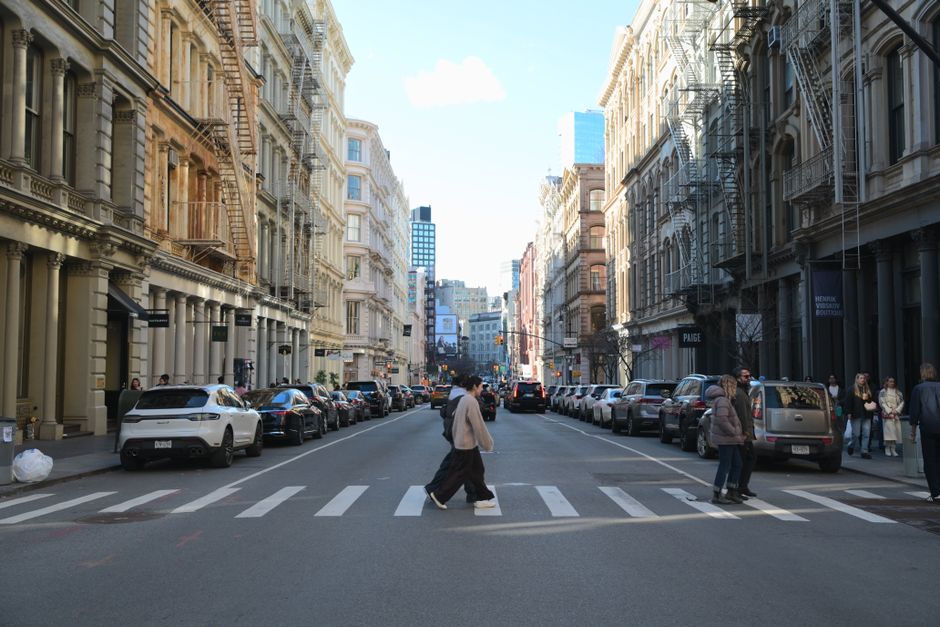
Upper West Side, New York, USA
A charming, private Tudor-style lane that transports you to a forgotten English village in the heart of Manhattan.
Built in 1921 and inspired by a popular British play of the same name, Pomander Walk is a private residential street hidden between Broadway and West End Avenue. Its quaint, half-timbered houses, cobblestone path, and manicured gardens create an unexpected, tranquil oasis. Though not publicly accessible, a peek through the gates offers a glimpse into this remarkably preserved architectural anomaly, a true slice of old-world charm in modern New York.
Frequently asked questions
How far apart are the Empire State Building and the Statue of Liberty by direct measurement?
In a straight line, the Empire State Building and the Statue of Liberty are approximately 4.5 miles (7.2 kilometers) apart. This distance is a direct measurement, not reflecting actual travel routes.
What's the best way to travel between the Empire State Building and the Statue of Liberty?
The most common way involves a combination of subway and ferry. From the Empire State Building, take the subway downtown to Battery Park (near the Statue of Liberty ferry departure point), then board a ferry to Liberty Island. The entire journey can take 45-75 minutes, depending on wait times.
Are there any interesting, lesser-known spots near both landmarks?
Absolutely. Near the Empire State Building, consider the New York Public Library's stunning Rose Main Reading Room or Bryant Park. Closer to the Statue of Liberty, explore the African Burial Ground National Monument for a powerful historical perspective, or take a short trip to Roosevelt Island to see the haunting Renwick Ruin.
How can AllTours.ai help me discover these unique places?
AllTours.ai transforms your phone into an AI-powered audio tour guide. Simply point your camera at any landmark, landscape, or even a specific building, and the app will instantly narrate its hidden history, intriguing geology, or cultural significance in your preferred language, helping you uncover stories you might otherwise miss.
Related guides
Photography via Pexels. AllTours.ai is an AI audio tour guide — point your camera at any landscape and hear its story.