September 8, 2026 · 4 min read
When headlines speak of 'retaliatory tariffs' between Canada and the United States, it's easy to dismiss them as distant economic policy. Yet, these trade disputes, whether recent or historical, ripple far beyond boardrooms, subtly affecting the price tags on everything from your morning coffee to the car you drive. They're not just abstract numbers; they touch real places, shape industries, and ultimately, influence the cost of living for average Americans.
But how exactly does a tariff imposed hundreds or thousands of miles away make your life more expensive? The answer often lies in the overlooked towns and regions whose economies are deeply intertwined with cross-border trade. By exploring these fascinating, lesser-known spots, we can uncover the tangible, human stories behind the headlines and see how economic decisions become everyday realities.
1. The Seaway's Silent Gatekeeper
Massena, New York, USA
This upstate New York town is home to a monumental cross-border engineering feat that reshaped trade and energy for an entire continent.
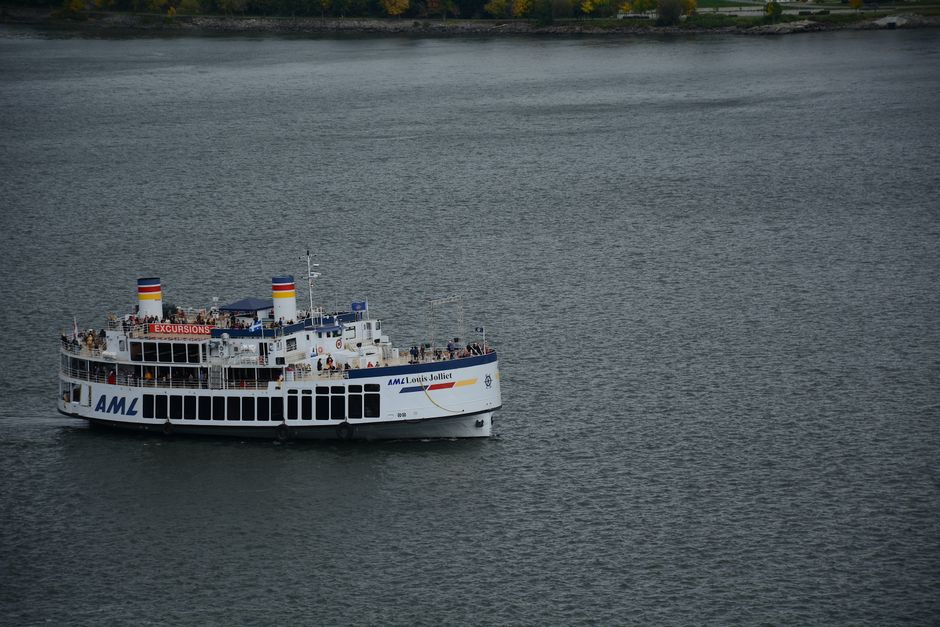
Massena sits on the St. Lawrence River, a crucial artery for North American trade. Here, the Eisenhower Lock and Snell Lock are part of the St. Lawrence Seaway, a massive system built jointly with Canada. This system allows ocean-going vessels to reach the Great Lakes, dramatically reducing shipping costs for goods like grain, iron ore, and manufactured products. Any policy affecting cross-border movement or industrial materials impacts the flow of goods through Massena, directly influencing the cost of materials and products reaching consumers inland.
2. Sardines and Shifting Shores
Eastport, Maine, USA
Once the world's sardine canning capital, this remote island city's boom-and-bust cycle vividly illustrates how global markets impact local livelihoods.
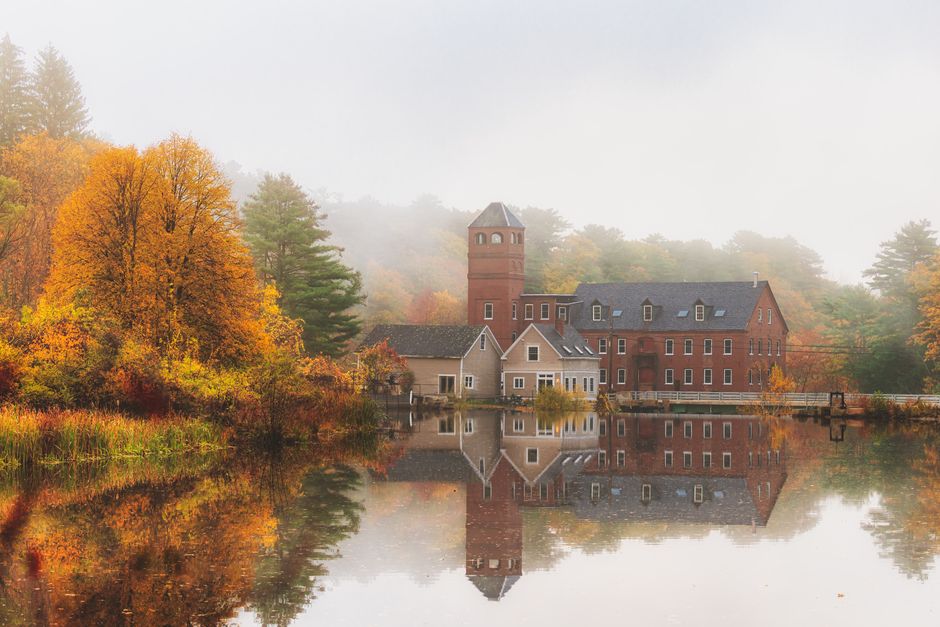
Eastport, the easternmost city in the United States, was once a thriving hub for sardine canning, processing millions of fish annually. Its fortunes were tied to the health of the fishing grounds and the demand for its canned product, often competing with imports. Changes in trade policy, fishing quotas, or even tariffs on canning materials could make or break the local industry, directly affecting the price of canned goods and the stability of the town's economy. While the last cannery closed decades ago, its legacy speaks to enduring vulnerabilities to trade shifts.
3. A Town Forged in Aluminum
Alcoa, Tennessee, USA
A town literally named after a corporation, its entire existence and prosperity are tied to the production of a single, tariff-sensitive metal.
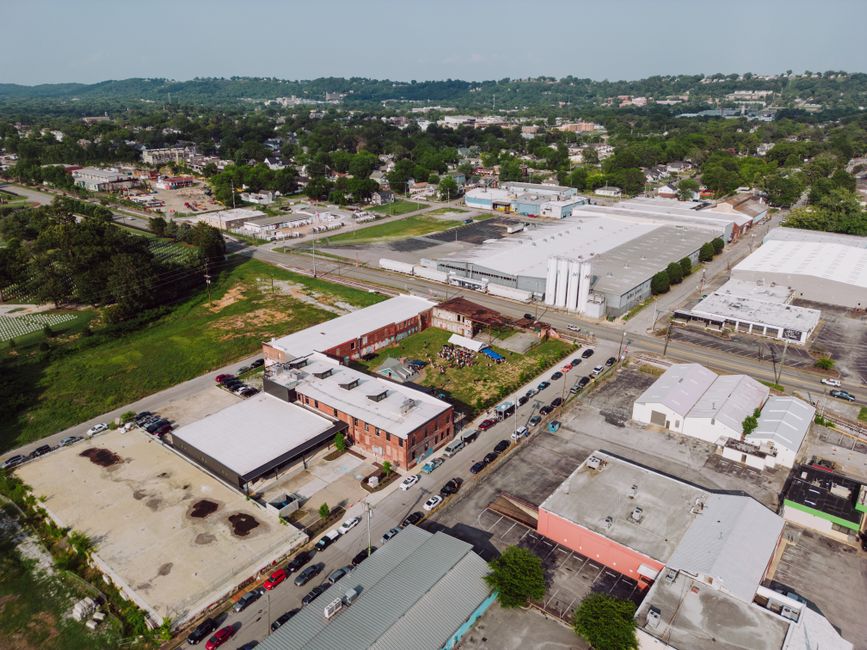
Alcoa, Tennessee, was established in 1919 by the Aluminum Company of America to house its workers and operations. The town's identity is inextricably linked to aluminum production, a raw material vital for everything from beverage cans to aircraft parts and automobiles. When tariffs are placed on aluminum imports or exports, it directly affects the cost of production for companies like Alcoa, which in turn can raise prices for countless consumer goods. The economic pulse of Alcoa has always been a barometer for the global aluminum market and related trade policies.
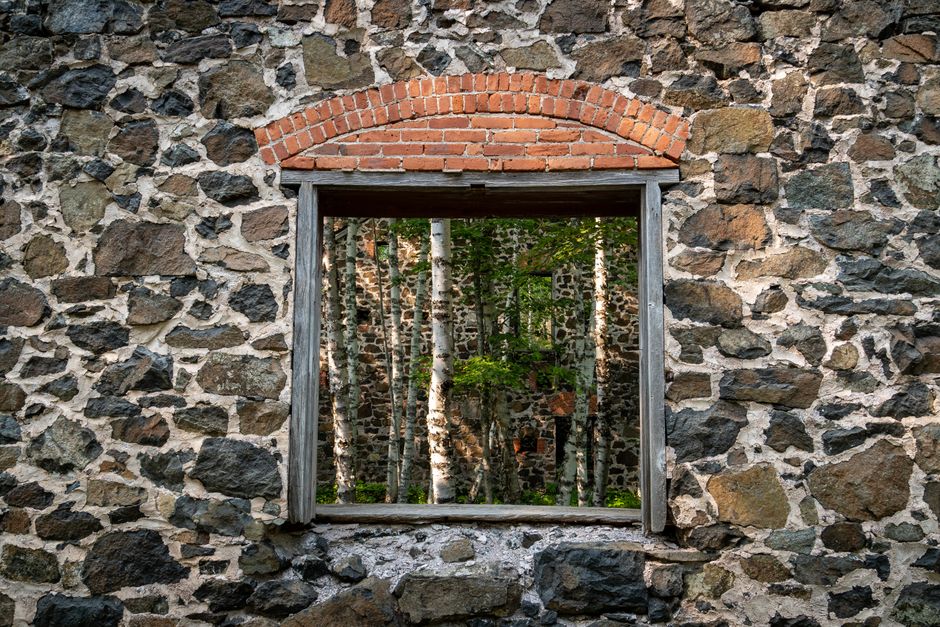
4. Copper's Deep Roots
Calumet, Michigan, USA
Beneath this small Upper Peninsula town, a century of copper mining unearthed fortunes and influenced the modern world's electrical grid, with prices tied to global demand.
Calumet, in Michigan's remote Upper Peninsula, was once at the heart of America's copper boom. The region's rich deposits fueled industrialization and electrification across the nation and beyond. Copper, like steel and aluminum, is a fundamental raw material with global market prices heavily influenced by supply, demand, and international trade agreements. Tariffs on such materials, whether on imports to the US for manufacturing or on exports, can increase production costs for industries relying on copper, leading to higher prices for everything from electronics to construction materials.
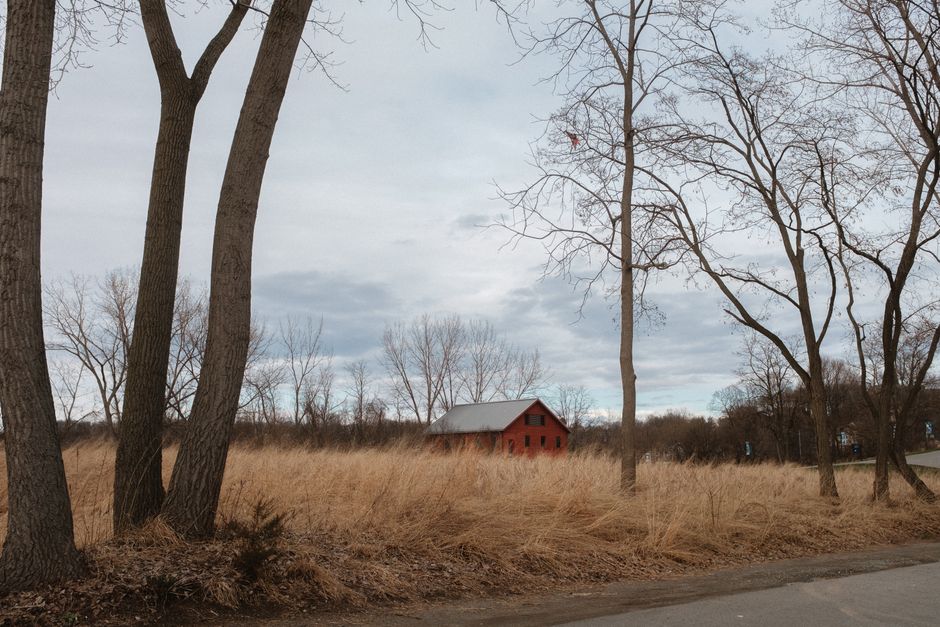
5. The Dairy Borderland
Chazy, New York, USA
Along the shores of Lake Champlain, this quiet agricultural region reveals how trade policies directly impact the flow and cost of essential food products across the US-Canada border.
Chazy, a small town in upstate New York, sits mere miles from the Canadian border within a fertile agricultural region. Dairy farming, apple orchards, and other agricultural pursuits are key to its economy. The movement of agricultural products, including milk, cheese, and produce, is a constant across this border. When Canada imposes retaliatory tariffs on US agricultural goods, or vice-versa, it can disrupt supply chains, make US products less competitive in Canadian markets, and potentially lead to surplus or higher prices for consumers on both sides of the border, including for basic groceries.
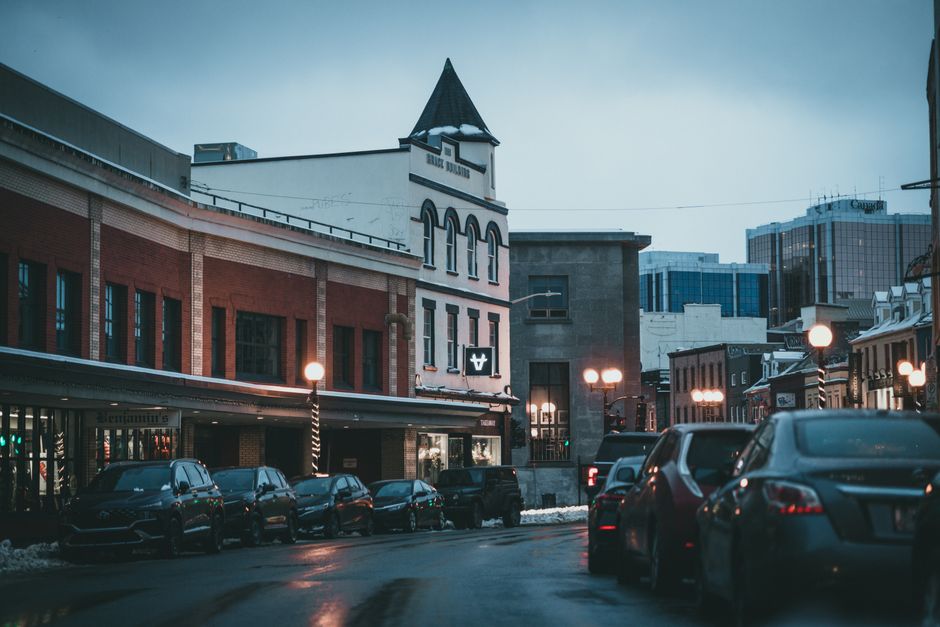
6. Maple's Sweet Economy
St. Johnsbury, Vermont, USA
This historic Vermont town, once a manufacturing powerhouse, now thrives in a seasonal industry where cross-border trade of a sweet commodity dictates market prices.
St. Johnsbury, Vermont, boasts a rich history, once home to the Fairbanks Scale Company which measured much of the world's commerce. Today, it lies within a prime maple syrup producing region, an agricultural product with significant cross-border trade. Vermont maple syrup competes with Canadian syrup, and trade policies like tariffs can directly impact market prices and the profitability for local producers. When tariffs make imported syrup more expensive, domestic prices can fluctuate, affecting both the cost for consumers and the income for local farmers, demonstrating the direct link between policy and pantry.
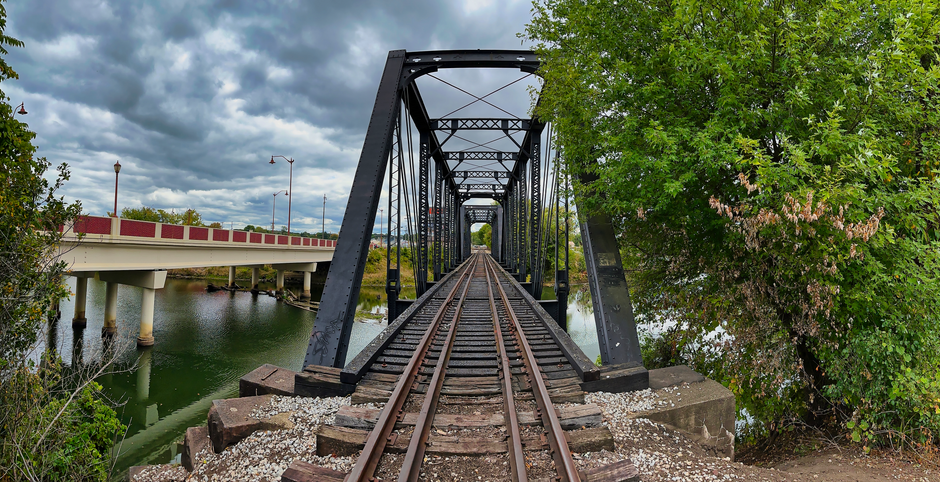
7. Railroad Hub, Automotive Vein
Fostoria, Ohio, USA
This unassuming Ohio city became a vital crossroads of industry, where railroads and manufacturing once intersected, moving goods across the continent and tying into the automotive supply chain.
Fostoria, Ohio, earned its nickname 'Iron Triangle' for its three intersecting railroads, making it a critical hub for freight movement across the Midwest. Its industrial history includes glass manufacturing and, significantly, a role in the automotive supply chain. The North American auto industry is highly integrated, with parts and finished vehicles crossing the US-Canada border multiple times during production. Tariffs on steel, aluminum, or specific automotive components directly increase manufacturing costs, which are then passed on to consumers in the form of higher vehicle prices, a ripple effect felt keenly in places like Fostoria.
Frequently asked questions
What are retaliatory tariffs?
Retaliatory tariffs are taxes imposed by one country on the goods of another country in response to tariffs or other trade barriers previously imposed by that second country. They are often used as a tool in trade disputes to encourage negotiation or change policies.
How do tariffs generally make things more expensive for consumers?
Tariffs increase the cost of imported goods. This means that either consumers pay more for those specific imported items, or domestic producers, now facing less competition from cheaper imports, may also raise their prices. Additionally, tariffs can increase the cost of raw materials for domestic manufacturers, leading to higher prices for finished goods.
Which US industries are most affected by Canadian retaliatory tariffs?
Historically, Canadian retaliatory tariffs have targeted a range of US products, often focusing on agricultural goods (like dairy, produce, or meat), steel and aluminum products, and some consumer goods. The specific industries can vary based on the nature of the original US tariffs and Canada's strategic economic responses.
How can AllTours.ai help me understand places like these?
AllTours.ai brings the stories of these places to life. Simply point your phone camera at a landmark or landscape, and our AI audio guide will narrate its history, geology, and culture in your preferred language. Discover the hidden economic narratives and surprising connections that shape the world around you, right as you explore.
Related guides
Photography via Pexels. AllTours.ai is an AI audio tour guide — point your camera at any landscape and hear its story.