September 8, 2026 · 4 min read
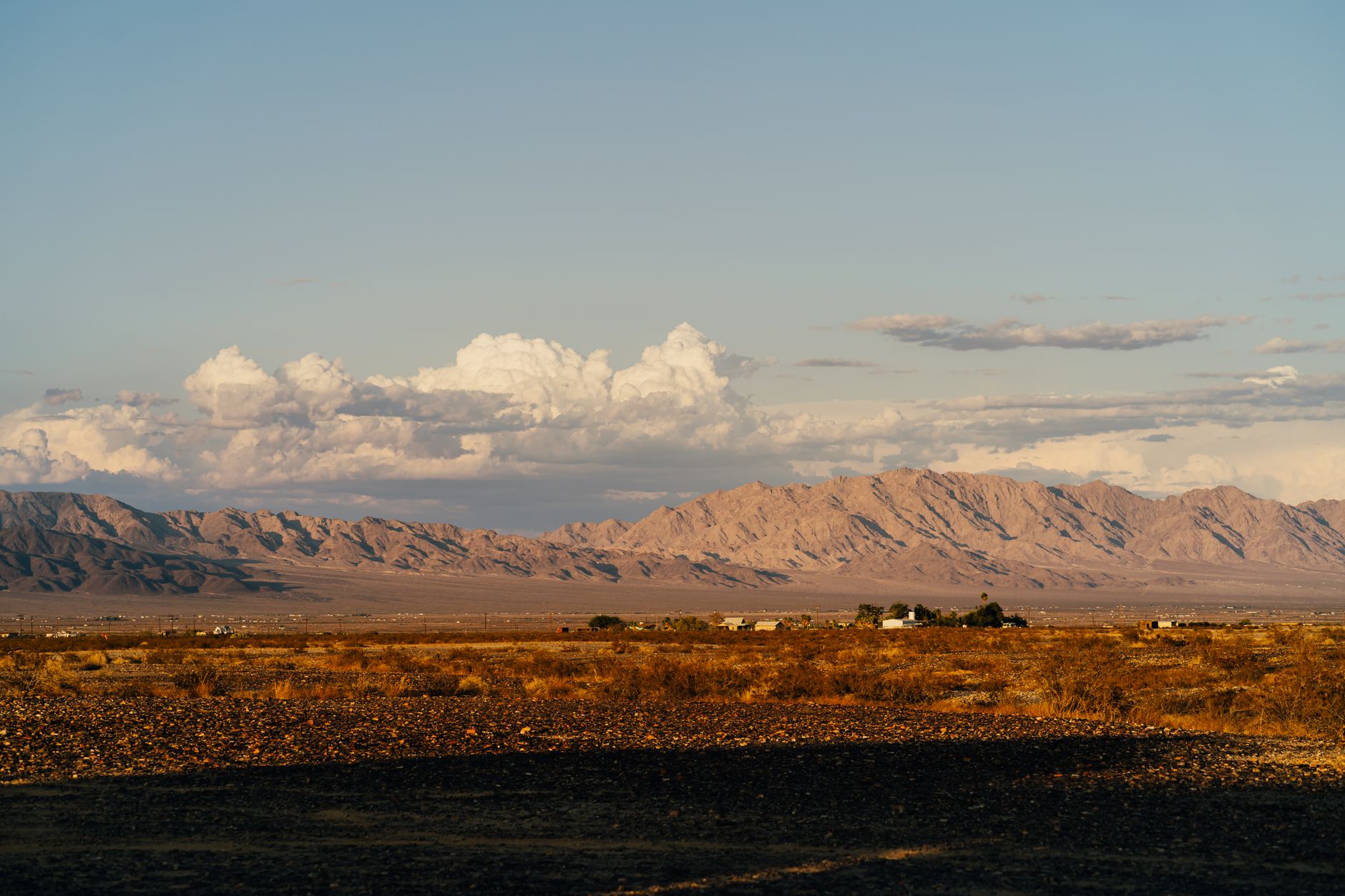
The question 'How is living in Canada compared to the USA?' often brings to mind broad strokes of culture, politics, and daily life. But for the curious traveler, this comparison truly comes alive in the land itself – the landscapes, the hidden histories, and the surprising stories etched into North America's vast expanse.
Beyond the well-trodden paths and iconic landmarks, both nations hold a trove of lesser-known wonders waiting to be discovered. These are the places that tell a deeper story, revealing the unique geological forces, human ingenuity, and unexpected narratives that define life across this continent. Prepare to look past the obvious and uncover some truly astonishing corners.
1. The Crooked Mystery of Twisting Trees
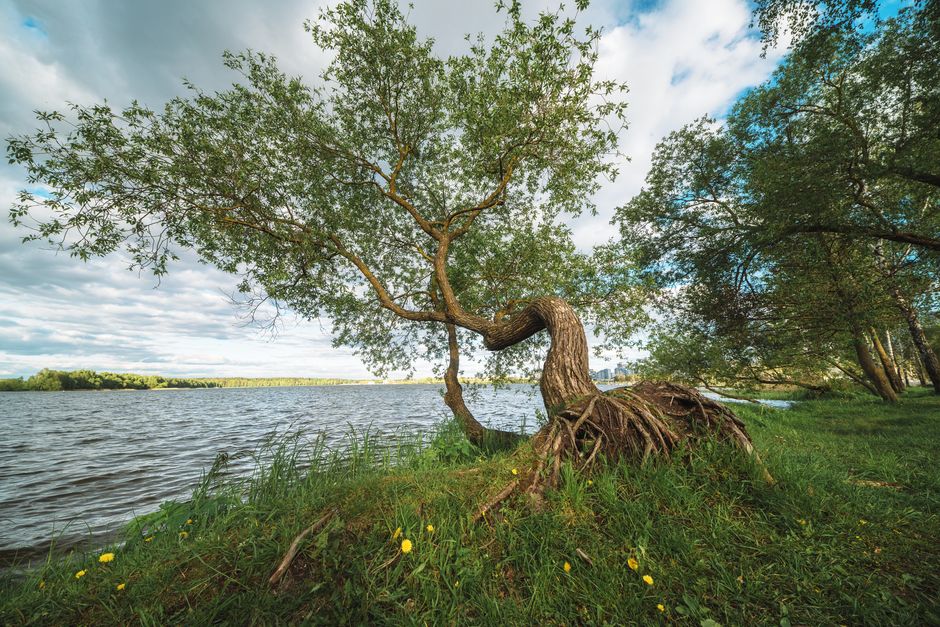
Crooked Bush, Saskatchewan, Canada
A small grove of aspen trees inexplicably twists and turns, their branches growing in bizarre, corkscrew shapes.
Northwest of Saskatoon lies a peculiar natural anomaly known as the Crooked Bush. Here, trembling aspen trees defy typical growth patterns, their trunks and branches spiraling and bending at unnatural angles. Scientists have studied the phenomenon for decades, attributing it to a rare genetic mutation rather than environmental factors. Walking through this quiet, contorted forest feels like stepping into a whimsical, slightly eerie fairytale.
2. Where the Ocean Swallows Itself
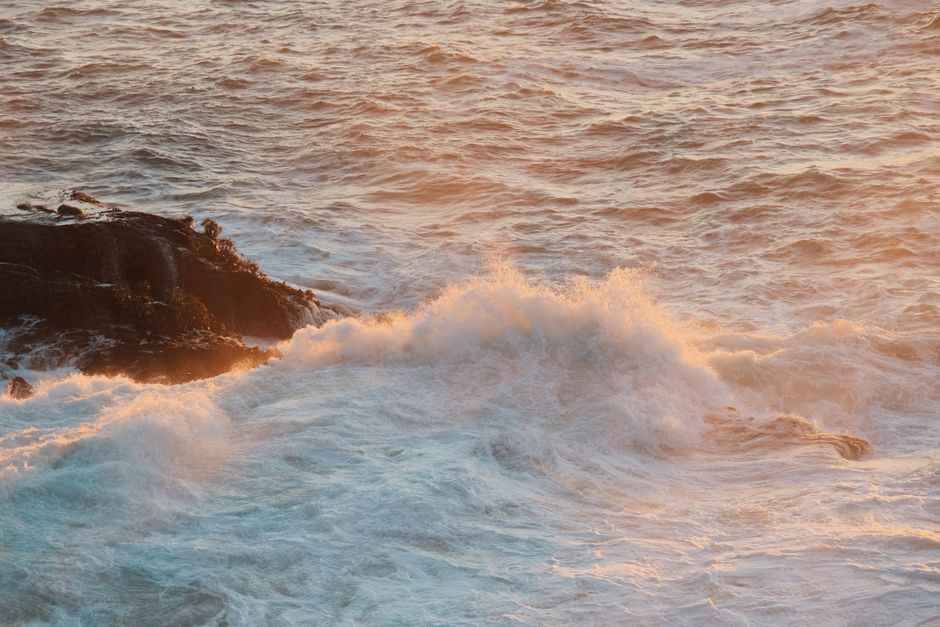
Thor's Well, Oregon, USA
On the rugged Oregon coast, a massive sinkhole appears to drain the Pacific Ocean into an abyss during high tide.
At Cape Perpetua, near Yachats, Thor's Well is a natural wonder that captivates with its dramatic display of nature's power. During high tide and stormy weather, waves crash over a partially submerged rock formation, filling a deep, gaping hole before receding dramatically, creating the illusion that the ocean is being sucked into the Earth. This basalt rock formation is actually a deep, circular hole in the rock shelf, likely a collapsed sea cave, offering a powerful, mesmerizing spectacle.
3. A Mountain's Sudden Collapse
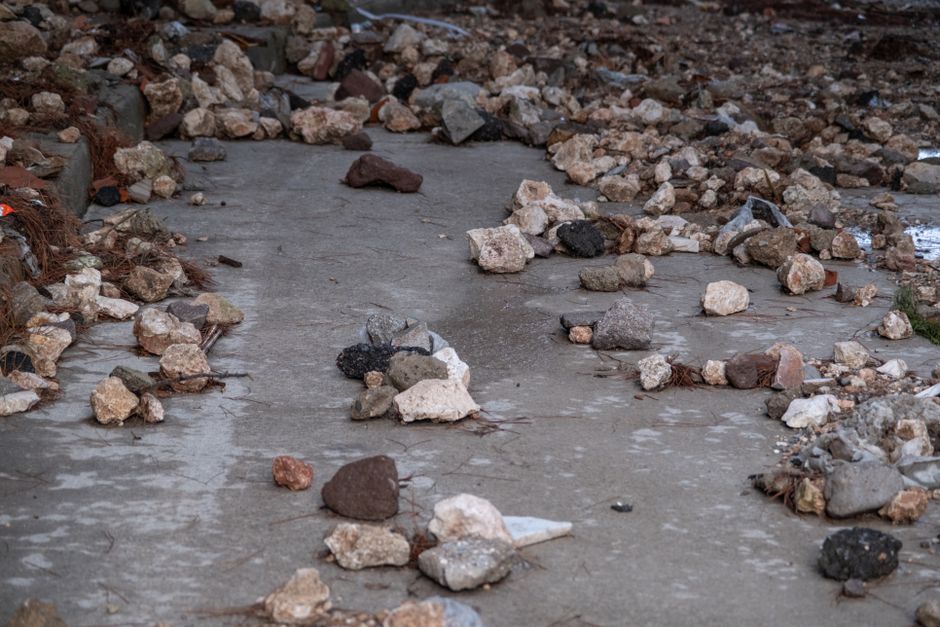
Frank Slide, Alberta, Canada
One night in 1903, a massive portion of Turtle Mountain collapsed in just 90 seconds, burying part of a mining town.
In the Crowsnest Pass, the Frank Slide stands as a stark reminder of geological power. In the pre-dawn hours of April 29, 1903, 110 million tonnes of limestone broke free from Turtle Mountain, cascading down into the valley. The slide buried a portion of the coal mining town of Frank, killing most of its residents. Today, visitors can walk through the chaotic jumble of car-sized rocks, a silent testament to the devastating event and the resilience of those who rebuilt nearby.
4. A Desert Made of Pure White Gypsum
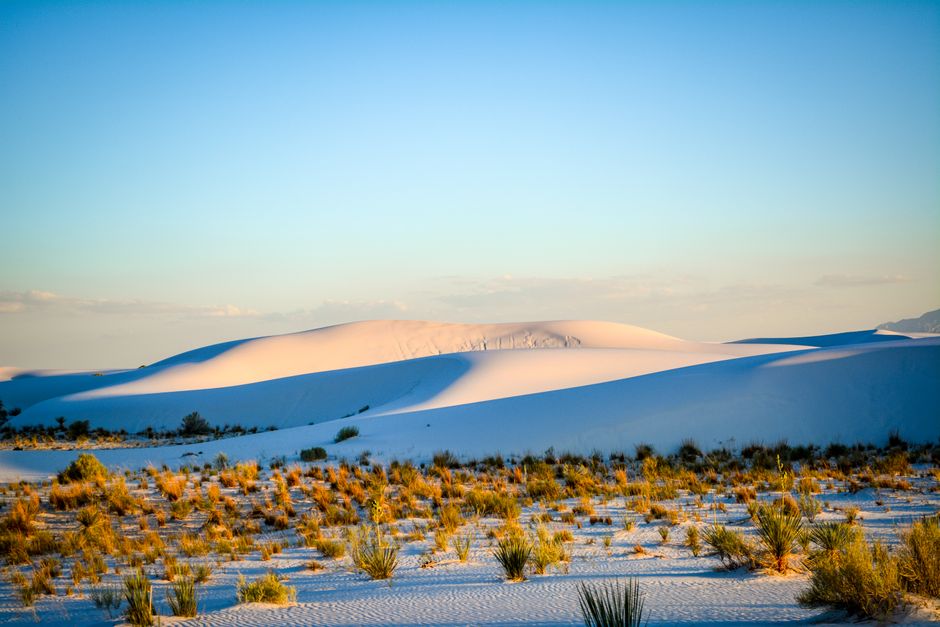
White Sands National Park, New Mexico, USA
This vast desert is composed entirely of dazzling white gypsum crystals, not quartz-based sand, making it unlike any other on Earth.
In the Tularosa Basin, White Sands National Park offers a surreal landscape of rolling dunes that stretch for miles. Unlike typical deserts, the sand here is made of gypsum, a soft mineral dissolved from nearby mountains and carried by water into the basin. When the water evaporates, it leaves behind gypsum crystals, which the wind then shapes into dunes. The result is a brilliant white expanse that gleams under the sun, creating an otherworldly environment perfect for exploring.
5. The Echoes of Wartime Internment
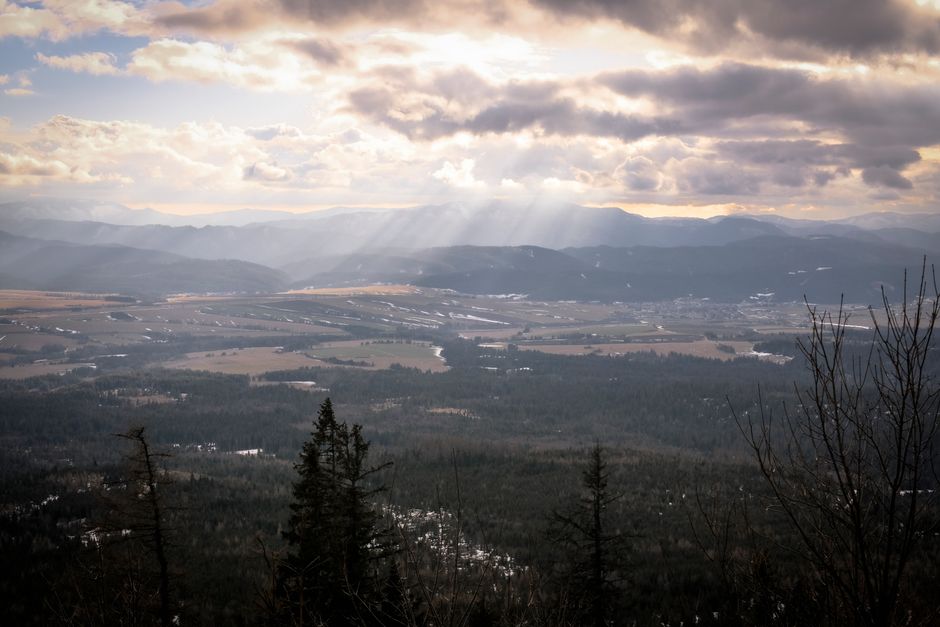
Slocan Valley, British Columbia, Canada
During World War II, this tranquil valley became home to thousands of Japanese Canadians forcibly displaced from their coastal homes.
The picturesque Slocan Valley, nestled in the Kootenay mountains, holds a poignant chapter of Canadian history. Following the attack on Pearl Harbor, over 22,000 Japanese Canadians were deemed "enemy aliens" and removed from British Columbia's coast. Many were sent to internment camps established in remote areas like Slocan, New Denver, and Greenwood. Today, remnants of these communities and interpretive sites offer a solemn reflection on a period of injustice and the enduring spirit of those who endured it.
6. Astronaut Training Ground on Earth
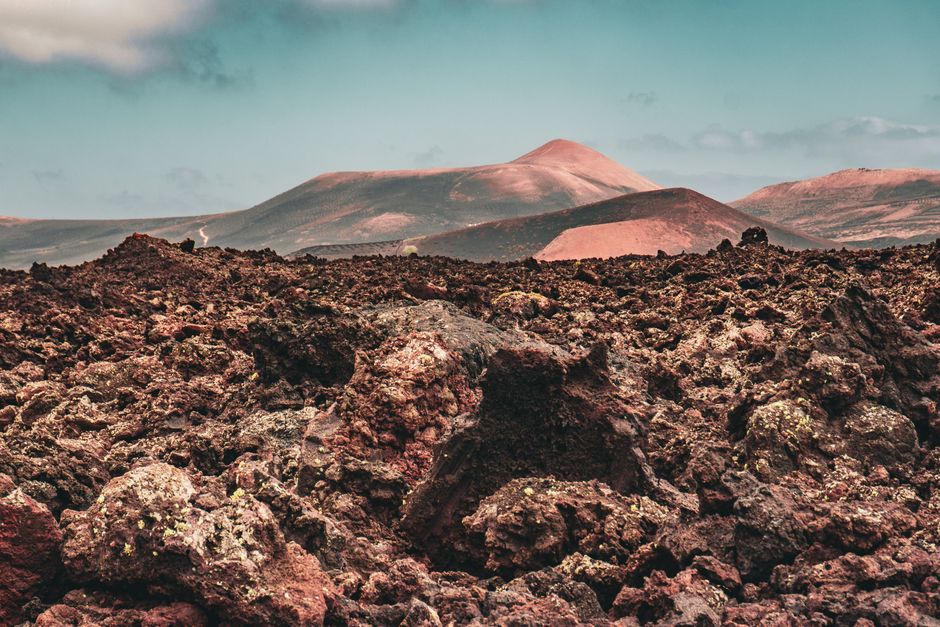
Craters of the Moon National Monument, Idaho, USA
This vast lava field, resembling the lunar surface, was used by Apollo astronauts to train for moonwalks.
In central Idaho, Craters of the Moon National Monument preserves a vast ocean of lava flows, cinder cones, and sagebrush. This stark, desolate landscape was formed by volcanic eruptions over thousands of years, creating an environment so similar to the Moon's surface that NASA brought Apollo astronauts here in the 1960s to practice their lunar missions. Exploring its volcanic caves and expansive fields provides a unique glimpse into both geological history and space exploration preparation.
7. Walking on an Ancient Rainforest Floor
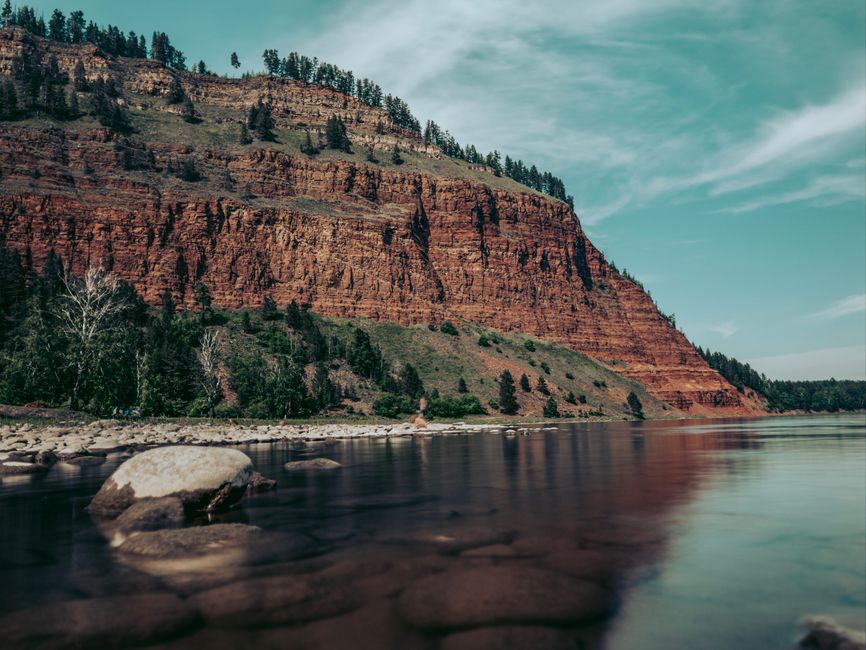
Joggins Fossil Cliffs, Nova Scotia, Canada
At low tide, the eroding cliffs reveal the world's most complete fossil record of a 300-million-year-old rainforest, complete with tree stumps and ancient creatures.
Joggins Fossil Cliffs, a UNESCO World Heritage Site on the Bay of Fundy, offers an unparalleled journey into Earth's deep past. The powerful tides continuously erode the sandstone and shale cliffs, exposing layers of Carboniferous Period fossils. Here, you can walk on the ancient forest floor, identify fossilized tree trunks still standing upright, and discover the remains of early reptiles and amphibians. It's a living laboratory where millions of years of evolution are laid bare by the relentless sea.
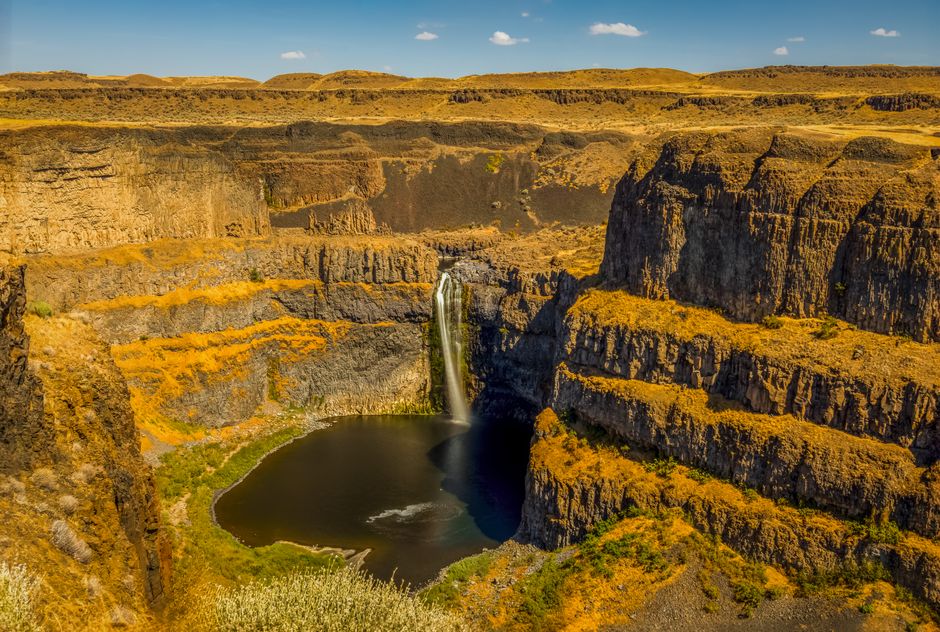
8. The Last Waterfall of the Great Floods
Palouse Falls State Park, Washington, USA
This dramatic waterfall is the only active one remaining from the colossal Ice Age floods that reshaped Eastern Washington.
Tucked away in a remote canyon in southeastern Washington, Palouse Falls is a spectacular sight, plunging over 200 feet into a churning pool. What makes it truly remarkable is its origin: it's the last remaining active waterfall formed by the cataclysmic Missoula Floods, which occurred thousands of years ago. These massive Ice Age floods carved out the unique channeled scablands of Eastern Washington, and Palouse Falls stands as a powerful testament to their immense erosive force.
Frequently asked questions
What are the main differences in the cost of living between Canada and the USA?
Generally, major Canadian cities like Vancouver or Toronto can have comparable, if not higher, housing costs than many US cities. However, healthcare costs are significantly lower in Canada due to its universal system. Groceries and consumer goods can sometimes be more expensive in Canada, while gasoline is often cheaper in the US.
How does the healthcare system in Canada compare to the USA?
Canada operates a publicly funded universal healthcare system (Medicare), where most services are covered by taxes and provided without direct cost at the point of care. The USA has a predominantly private healthcare system, often relying on employer-sponsored or individual insurance plans, with out-of-pocket costs and deductibles being common.
Are there significant weather differences between Canada and the USA?
Both countries are vast and experience diverse climates. Canada is generally colder, with longer, harsher winters, especially in its northern and interior regions. The USA, particularly its southern states, offers warmer climates year-round. However, both countries have regions with hot summers and significant seasonal variations.
How can the AllTours.ai app enhance my travel experience in these unique places?
The AllTours.ai app acts as your personal AI audio guide. Simply point your phone camera at a landmark, landscape, or even a specific fossil at Joggins, and the app will instantly narrate its history, geological formation, or cultural significance in your preferred language. It's designed to bring the hidden stories of these unique locations directly to you, making your exploration richer and more insightful.
Related guides
Photography via Pexels. AllTours.ai is an AI audio tour guide — point your camera at any landscape and hear its story.