September 13, 2026 · 4 min read
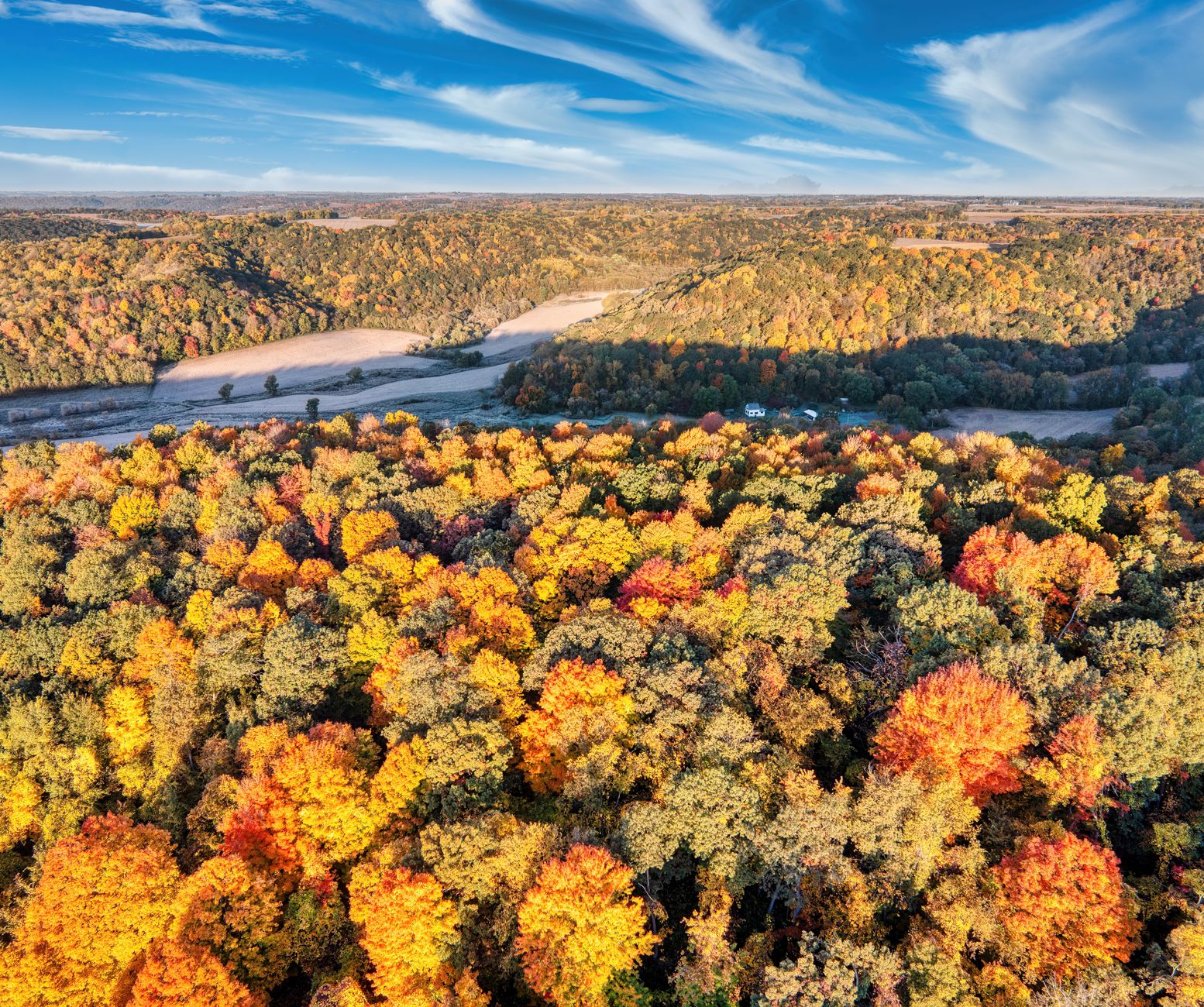
The East Coast is more than just bustling cities and well-trodden trails. Beyond the famous landmarks lie countless pockets of wilderness, historical intrigue, and natural beauty waiting to be discovered. If you're pondering how to plan your outdoor activities for this upcoming weekend, consider venturing off the beaten path.
Forget the usual tourist traps and dive into places with genuinely surprising stories. From ancient seabeds turned into towering cliffs to remote islands steeped in forgotten history, these lesser-known destinations offer rich experiences that will spark your curiosity and deepen your connection to the landscape.
1. The Jersey Devil's Domain: Pine Barrens
Southern New Jersey, USA
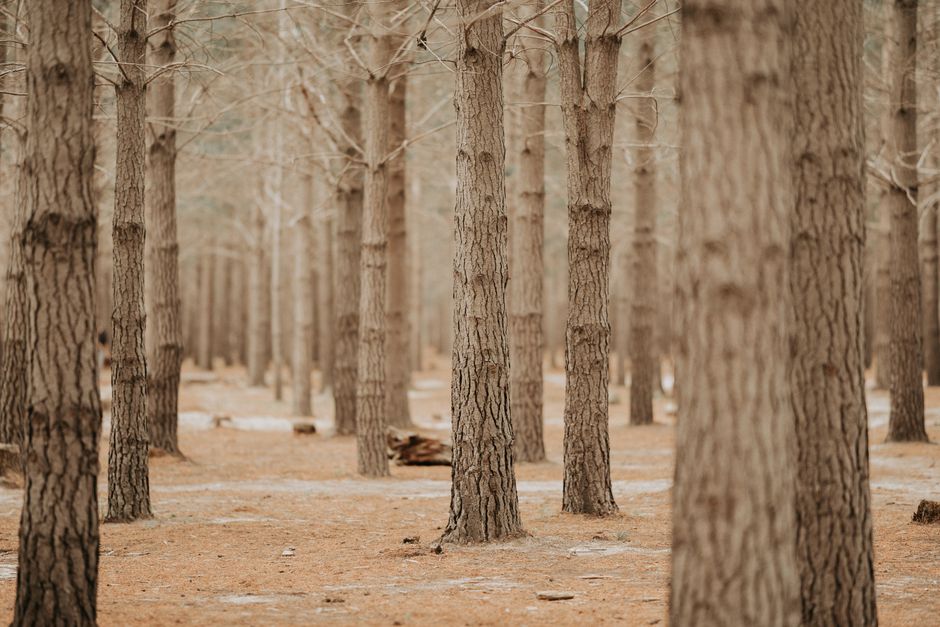
This vast, mysterious forest is the legendary home of the Jersey Devil, a creature said to have terrorized residents for centuries.
The Pinelands National Reserve, or 'Pine Barrens,' covers over a million acres of unique ecosystems, including dense forests, cranberry bogs, and rare plant life. Its sandy, acidic soil gives it a distinct character. Beyond the cryptid lore, the Pine Barrens harbored self-sufficient communities, glassworks, and iron forges in its past, leaving behind ghost towns and eerie ruins amidst its whispering pines.
2. A Swamp's Secret History: Great Dismal Swamp
Virginia/North Carolina, USA
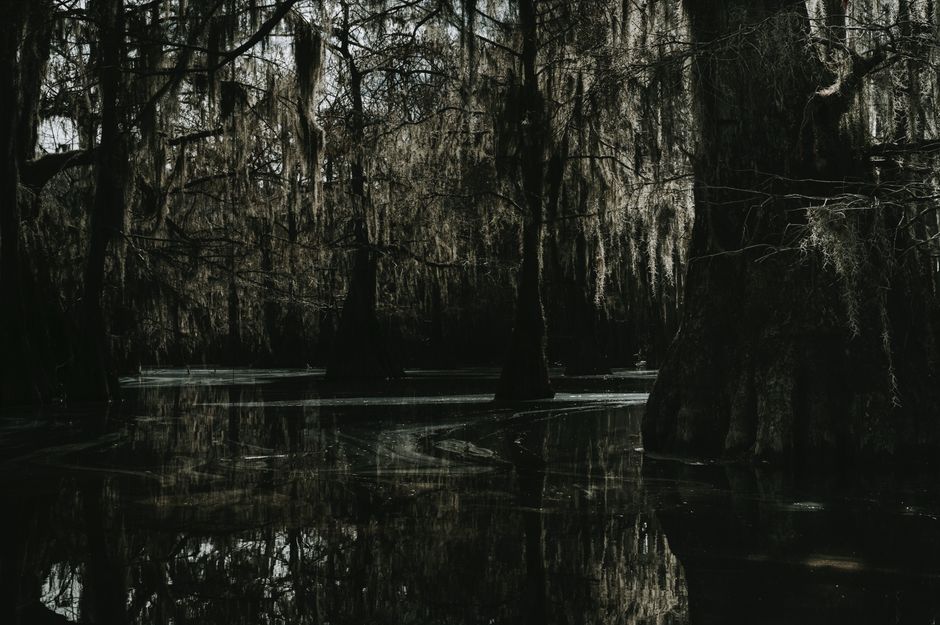
Once surveyed by George Washington, this foreboding swamp served as a refuge for runaway slaves and Indigenous communities for generations.
The Great Dismal Swamp National Wildlife Refuge is a vast, ancient wetland, its dark waters stained by peat. For centuries, it was a sanctuary for 'maroons' – communities of escaped slaves and free people of color who carved out lives within its dense, protective embrace. Evidence of their settlements, sometimes called 'Outliers,' is still being discovered, revealing a powerful story of resilience and survival in an unforgiving landscape.
3. Island of Ghosts: Fort Delaware State Park
Pea Patch Island, Delaware, USA
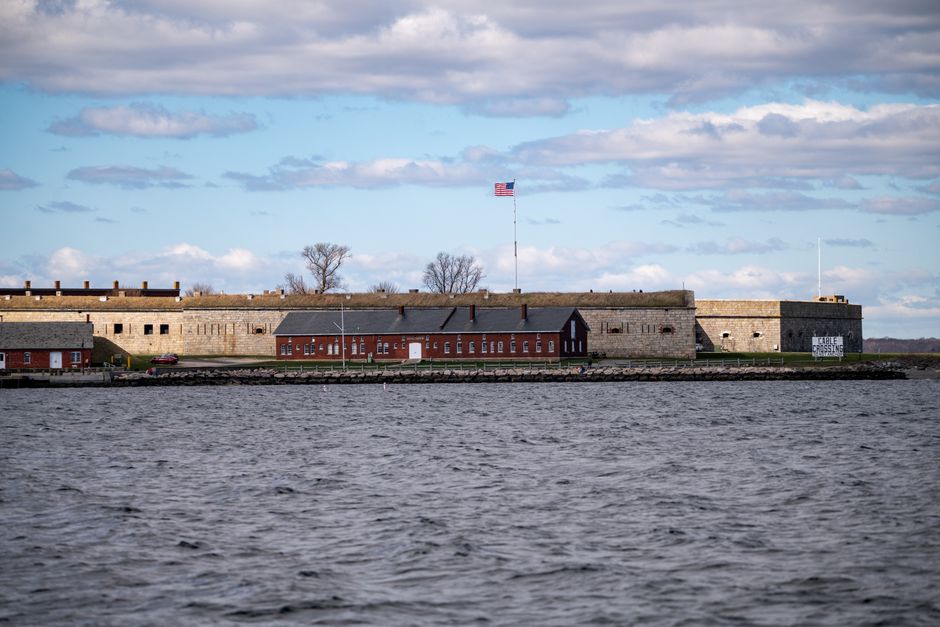
This isolated island fort, once a Civil War prison camp, is rumored to be one of the most haunted places on the East Coast.
Accessible only by ferry, Pea Patch Island hosts Fort Delaware, a formidable granite and brick fortress built to protect the Delaware River. During the Civil War, it was converted into a Union prison camp, housing thousands of Confederate soldiers. The harsh conditions led to many deaths, and visitors today often report unexplained phenomena, from disembodied voices to apparitions, particularly in the dark, cavernous casemates.
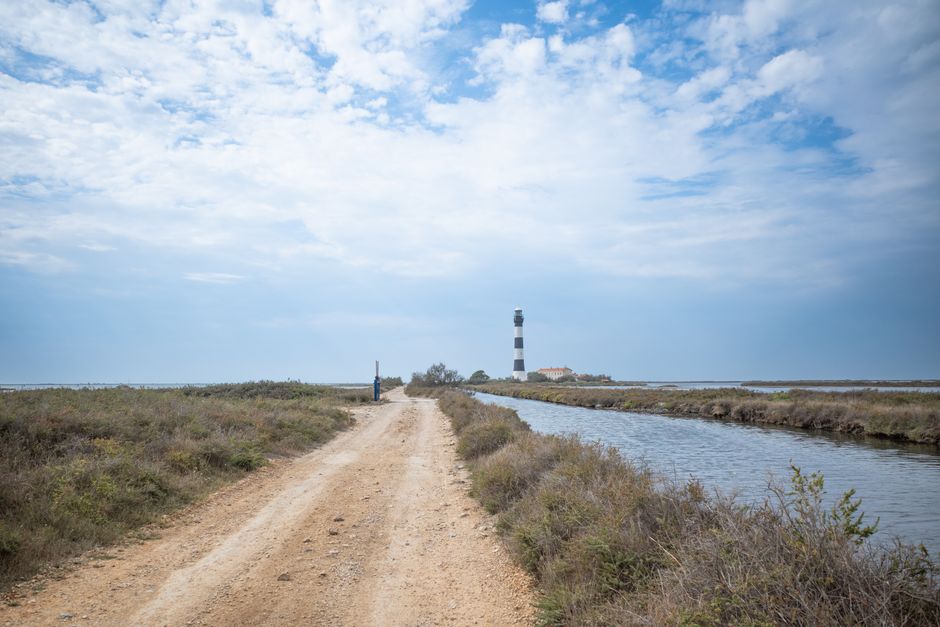
4. Wild Horses and Remote Shores: Cape Lookout National Seashore
North Carolina, USA
Accessible only by boat, this undeveloped barrier island is home to herds of wild horses and offers unparalleled solitude.
Unlike its more famous Outer Banks neighbors, Cape Lookout is truly remote, a string of barrier islands stretching for 56 miles without paved roads or bridges. Wild 'Banker ponies' roam freely, descendants of horses brought by early explorers. Visitors can climb the iconic Cape Lookout Lighthouse, hunt for shells on pristine beaches, and experience a raw, untamed coastal environment largely untouched by modern development.
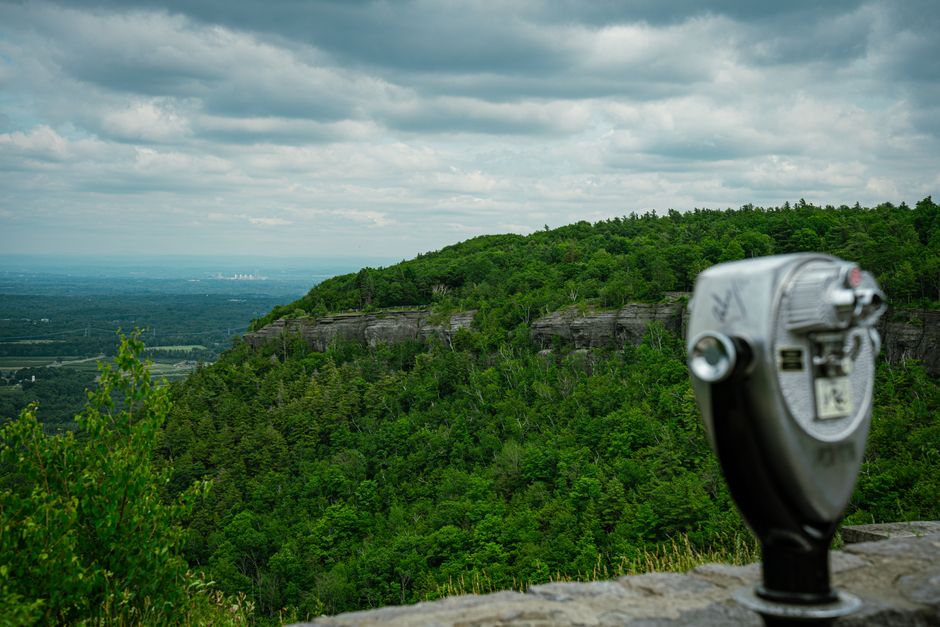
5. Ancient Ocean Floor: Thacher State Park
Voorheesville, New York, USA
The towering cliffs of this park are actually an exposed ancient seabed, revealing millions of years of marine fossil history.
John Boyd Thacher State Park features one of the richest fossil-bearing formations in the world, the Helderberg Escarpment. These dramatic cliffs, stretching for miles, were once the floor of a vast, shallow ocean over 400 million years ago. Hikers can marvel at fossilized shells, corals, and trilobites embedded directly in the rock, offering a tangible link to Earth's deep geological past.
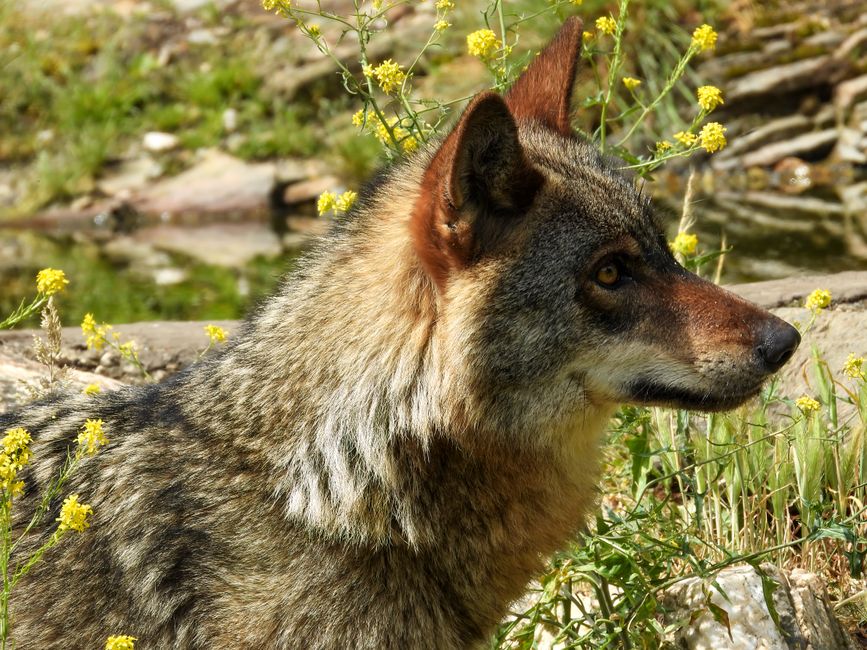
6. Red Wolf Sanctuary: Pocosin Lakes National Wildlife Refuge
Columbia, North Carolina, USA
This expansive refuge is a critical haven for the critically endangered red wolf, once thought extinct in the wild.
Pocosin Lakes National Wildlife Refuge protects a vast landscape of peatland, forests, and wetland 'pocosins' — an Algonquin word meaning 'swamp-on-a-hill.' It's one of the last places on Earth where the wild red wolf roams, thanks to a dedicated reintroduction program. Beyond the wolves, the refuge is a haven for migratory birds and black bears, offering a glimpse into a truly unique and vital East Coast ecosystem.
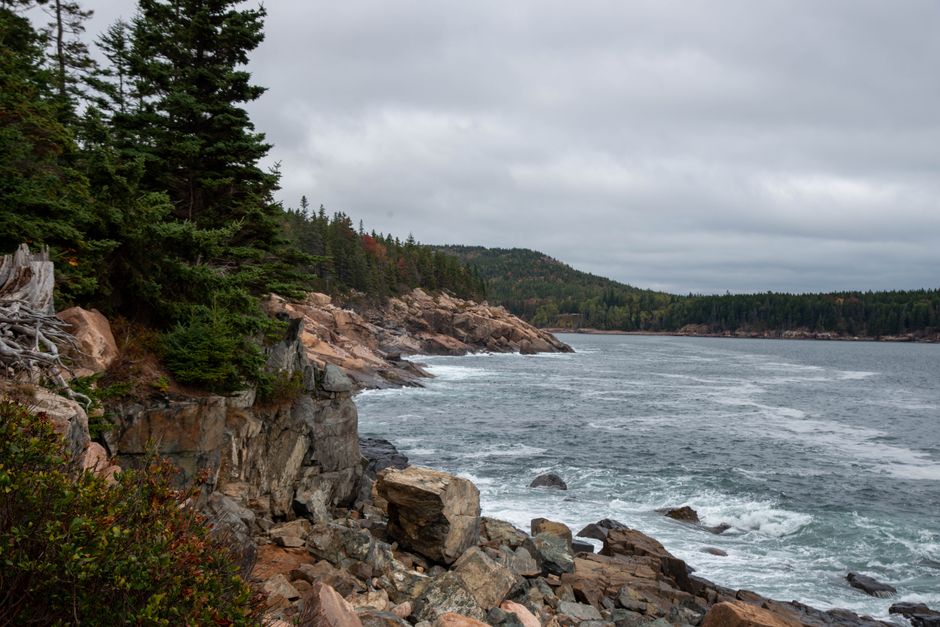
7. Artist's Retreat: Monhegan Island
Maine, USA
A remote, car-free island 10 miles off the coast, Monhegan has been an artists' colony and working fishing village for over a century.
Monhegan Island offers a step back in time. Accessible only by ferry, its rugged beauty and dramatic cliffs have drawn artists for generations, including Rockwell Kent and Edward Hopper. The small village maintains its lobster fishing heritage, while a network of trails leads visitors to stunning ocean vistas and the island's iconic lighthouse. It’s a place where the pace slows, and nature takes center stage.
Frequently asked questions
What kind of gear do I need for East Coast outdoor activities?
For most outdoor activities on the East Coast, comfortable hiking shoes are essential. Layered clothing is advisable due to changeable weather. Depending on your chosen activity, consider bringing insect repellent, a hat, sunscreen, and plenty of water. Always check the specific requirements for your destination.
Are these lesser-known East Coast spots crowded?
Generally, these lesser-known spots are significantly less crowded than major tourist destinations. While popular trails or specific features might see more visitors on peak weekends, you're much more likely to find solitude and a deeper connection to nature compared to well-known national parks or city attractions.
What should I do to prepare for a trip to a remote outdoor location?
Always research your destination thoroughly before you go. Check weather forecasts, trail conditions, and any park advisories. Inform someone of your itinerary, carry a map and compass (or a reliable GPS device), and pack essentials like a first-aid kit, extra food, and water. Cell service can be spotty in remote areas, so plan accordingly.
How can AllTours.ai enhance my exploration of these places?
AllTours.ai brings the stories of these incredible places to life. Simply point your phone camera at a landmark or landscape, and our AI will narrate its history, geology, and cultural significance in your language. It’s like having a personal expert guide revealing the hidden narratives behind every view, making your outdoor adventure even richer.
Related guides
Photography via Pexels. AllTours.ai is an AI audio tour guide — point your camera at any landscape and hear its story.