September 13, 2026 · 5 min read
The vast northern border between the United States and Canada stretches across a dozen states, each with a unique economic heartbeat. While some states boast booming tech sectors or financial powerhouses, others thrive on agriculture, natural resources, or a burgeoning tourism industry. Understanding how these diverse economies compare to the national average offers a fascinating lens through which to explore their less-traveled corners.
Beyond the well-worn tourist paths, these border states hide stories of ingenuity, natural wonder, and cultural resilience. We've curated a list of genuinely underrated spots – from Cold War relics to historic mining towns – that reveal the economic tapestry of these regions, inviting you to look closer at the landscapes that shaped their past and define their present.
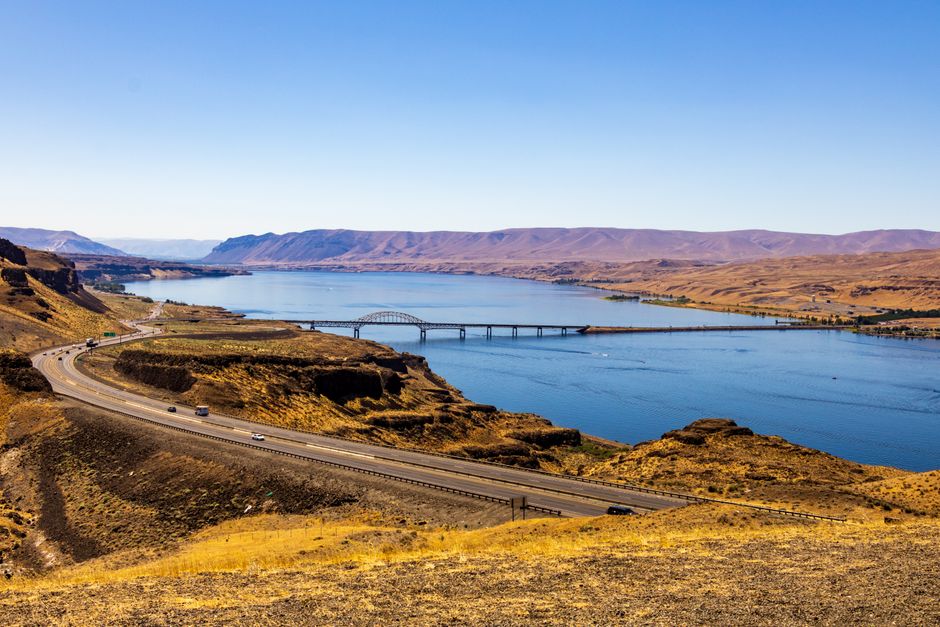
1. The Atomic Legacy's Wild River
Hanford Reach National Monument, Washington, USA
This serene stretch of river in Washington was once the secret heart of America's atomic weapons program.
The Hanford Reach National Monument protects the last free-flowing section of the Columbia River in Washington, a stark contrast to its classified past. During the Cold War, the nearby Hanford Site produced plutonium for the atomic bomb, a colossal government investment that fueled the state's industrial growth. Today, the monument is a sanctuary for wildlife and a living laboratory, reflecting a shift from heavy industry to environmental stewardship and scientific research within Washington's robust, tech-driven economy.
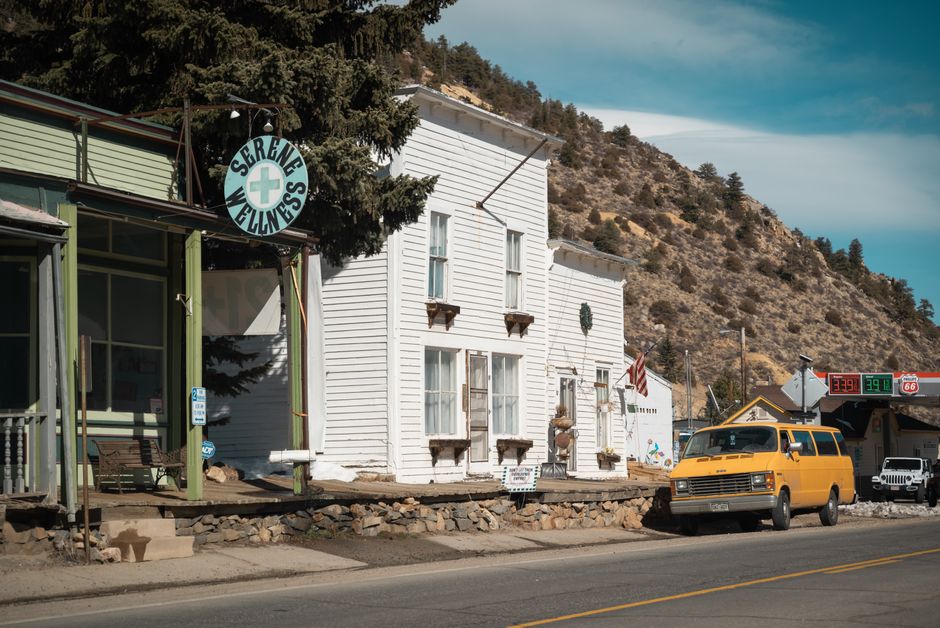
2. The Town That Wouldn't Budge
Wallace, Idaho, USA
An entire Idaho town, claiming to be the 'Center of the Universe,' successfully fought off an interstate highway.
Wallace, Idaho, is a quirky, historic mining town in the Silver Valley, where a staggering amount of silver, lead, and zinc was extracted, fueling Idaho's early economy. In the 1970s, when Interstate 90 threatened to demolish its historic downtown, the entire town got listed on the National Register of Historic Places, forcing the highway to be built on an elevated viaduct over the town. This defiance speaks to a strong local identity and a burgeoning heritage tourism sector, contributing to Idaho's growing, diversified economy beyond its agricultural roots.
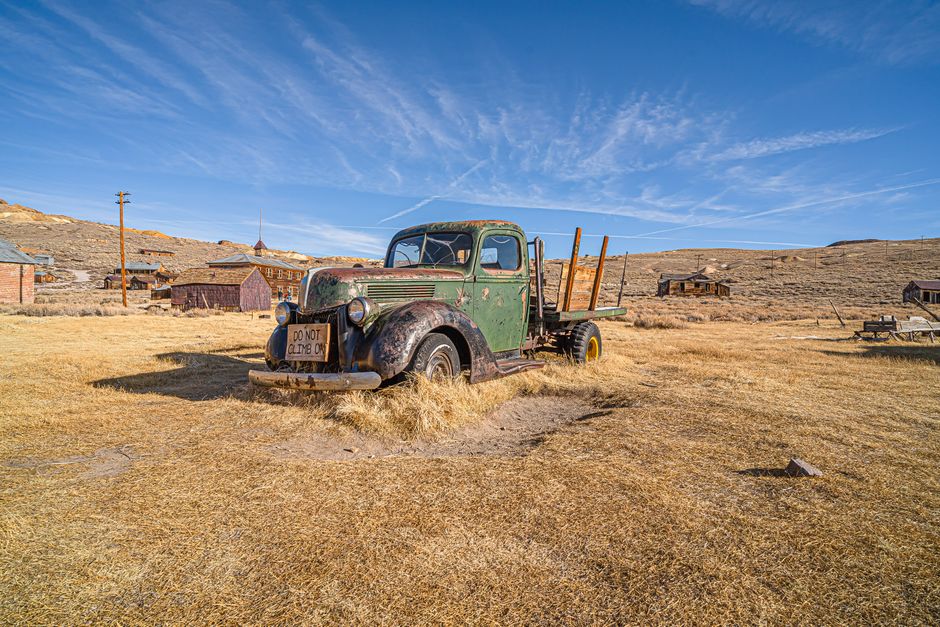
3. Montana's Gold Rush Ghost
Bannack State Park, Montana, USA
Montana's first territorial capital is now a remarkably preserved ghost town, frozen in time.
Bannack was the site of Montana's first major gold discovery in 1862 and quickly became its first territorial capital, a boom-and-bust cycle typical of frontier resource economies. Today, over 60 structures remain, many still standing in their original condition, offering an unparalleled glimpse into the rugged lives of gold seekers. The preservation of Bannack as a state park underscores the importance of heritage tourism in Montana's economy, which still balances resource extraction with a growing outdoor recreation and cultural visitor industry.
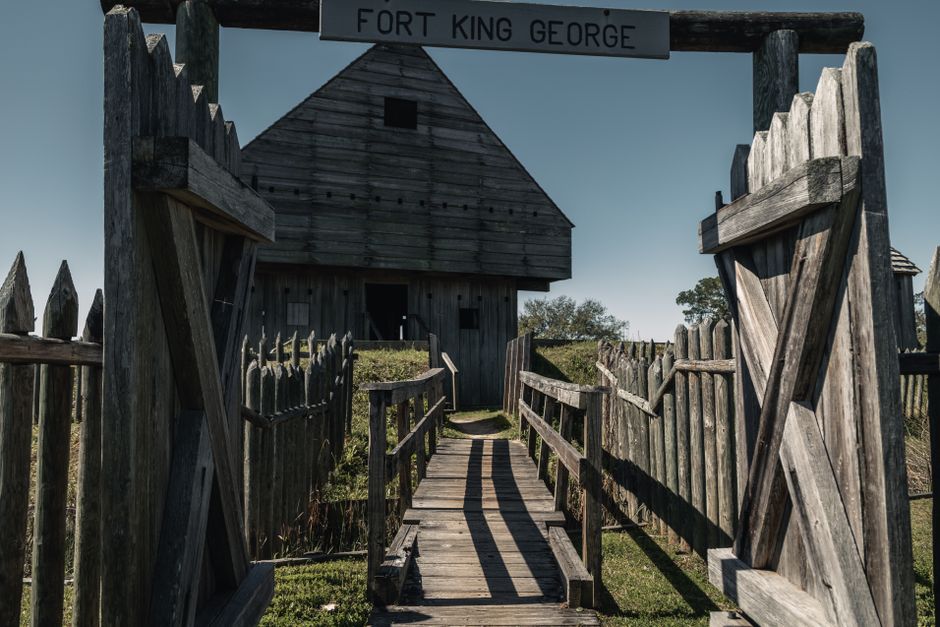
4. The Prairie's Peaceful Trading Post
Fort Union Trading Post National Historic Site, North Dakota, USA
On the remote North Dakota plains, a surprisingly peaceful fur trade empire flourished for decades.
From 1828 to 1867, Fort Union was the most important fur trade post on the Upper Missouri River, where diverse Indigenous nations and European traders conducted business in remarkable harmony. It was a sophisticated economic hub, facilitating vast networks of exchange for buffalo robes and beaver pelts, vital to early American commerce. Today, the reconstructed fort stands as a testament to North Dakota's historical resource-based economy, a precursor to its current agricultural and energy (oil) dominance, which can see its economic indicators fluctuate dramatically.
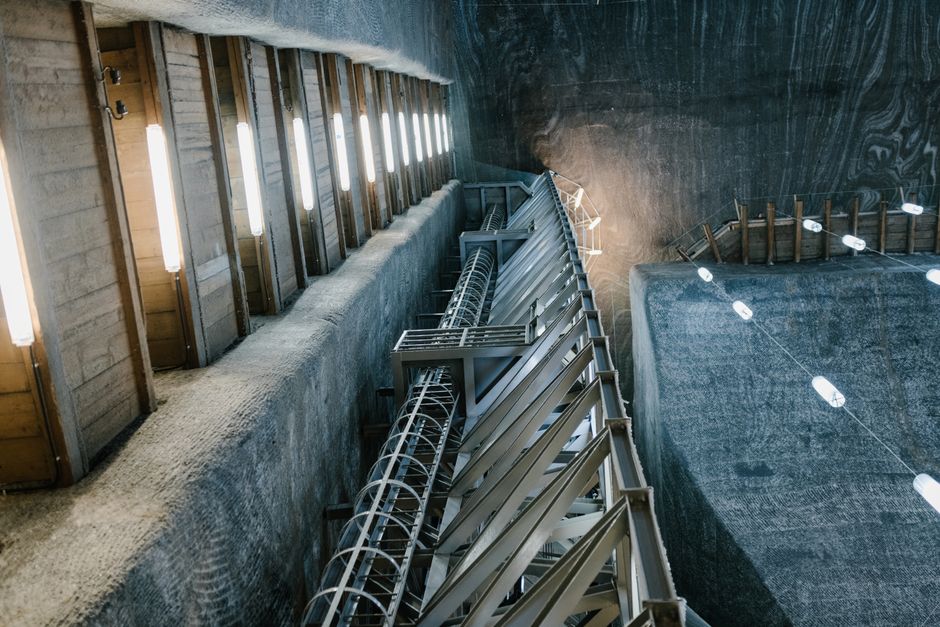
5. From Iron Mine to Physics Lab
Soudan Underground Mine State Park, Minnesota, USA
Deep beneath Minnesota's surface, the state's oldest iron mine now hosts cutting-edge particle physics experiments.
The Soudan Underground Mine was Minnesota's first iron ore mine, operating from 1882 to 1962 and playing a crucial role in building the nation's industrial might. Descending 2,341 feet, visitors can explore the massive caverns where miners toiled. Remarkably, parts of the mine now house the Soudan Underground Laboratory, where scientists conduct experiments searching for dark matter and studying neutrinos. This transformation highlights Minnesota's economic evolution from heavy industry to a diverse, strong economy that embraces scientific research and unique heritage tourism.
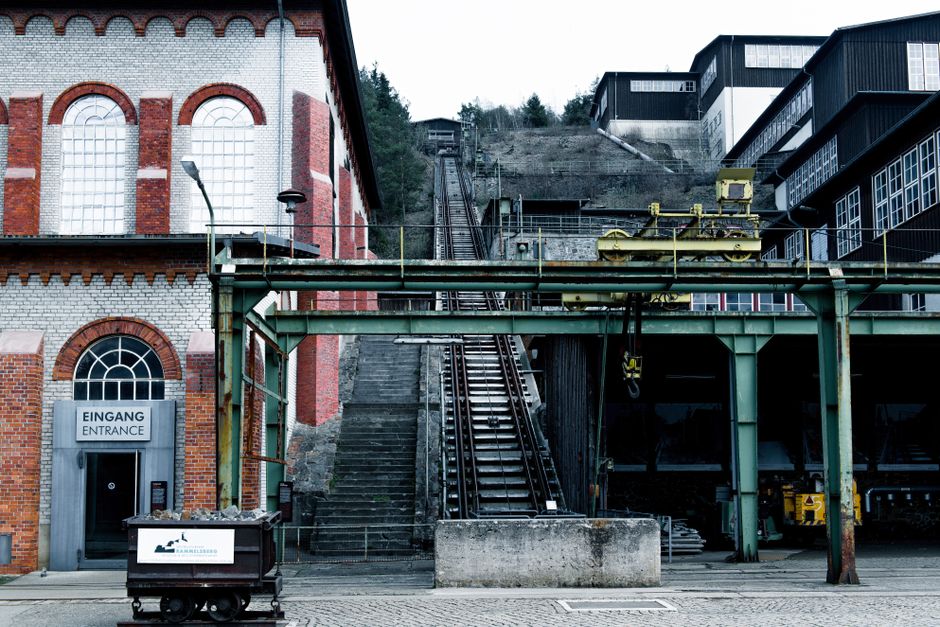
6. Copper King's Colossal Hoist
Quincy Mine Hoist Association, Hancock, Michigan, USA
Witness the world's largest steam hoist, a marvel of engineering that once powered Michigan's 'Copper King' mine.
The Quincy Mine, located in Michigan's Keweenaw Peninsula, was once one of the most productive copper mines globally, earning it the nickname 'Copper King.' Its colossal Nordberg steam hoist, still operational, is a testament to the scale of industrial ambition in the Upper Peninsula. This site illustrates Michigan's historical reliance on resource extraction and manufacturing, which laid the foundation for its economy. Today, while manufacturing remains vital, areas like the Keweenaw thrive on heritage tourism, attracting visitors drawn to its rich industrial past and natural beauty.
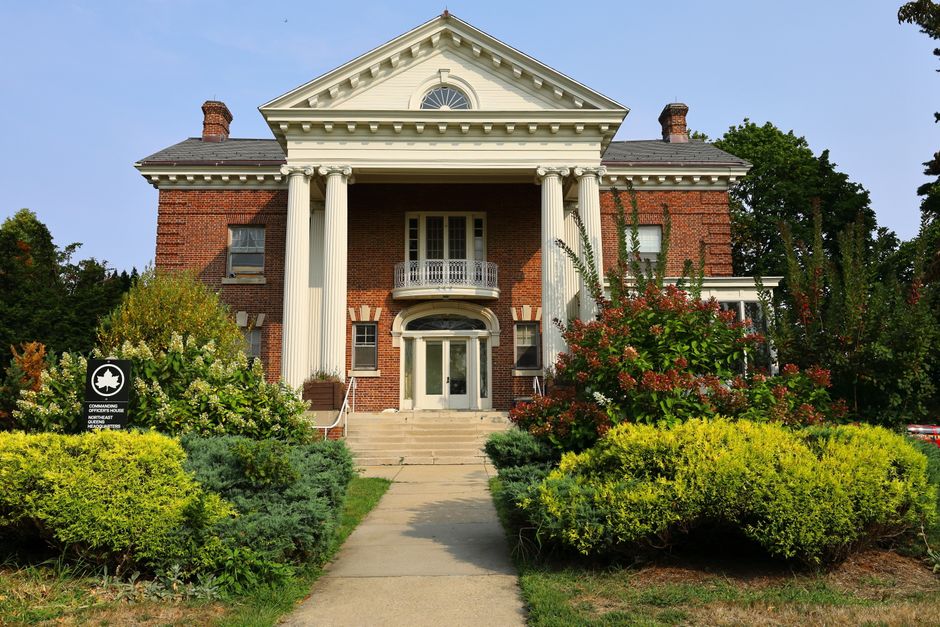
7. A Painter's Persian Palace on the Hudson
Olana State Historic Site, Hudson, New York, USA
Perched above the Hudson River is a fantastical Persian-inspired home created by a famous American landscape painter.
Olana was the astonishing home and studio of Frederic Edwin Church, a leading artist of the Hudson River School. Designed by Church himself in a unique blend of Victorian and Middle Eastern architectural styles, it's a masterpiece of landscape design, art, and architecture. This site showcases the Hudson Valley's cultural richness, a vital part of New York's incredibly diverse and above-average state economy. Olana attracts art lovers and history buffs, contributing to the state's significant cultural tourism and preservation efforts, far from the skyscrapers of Manhattan.
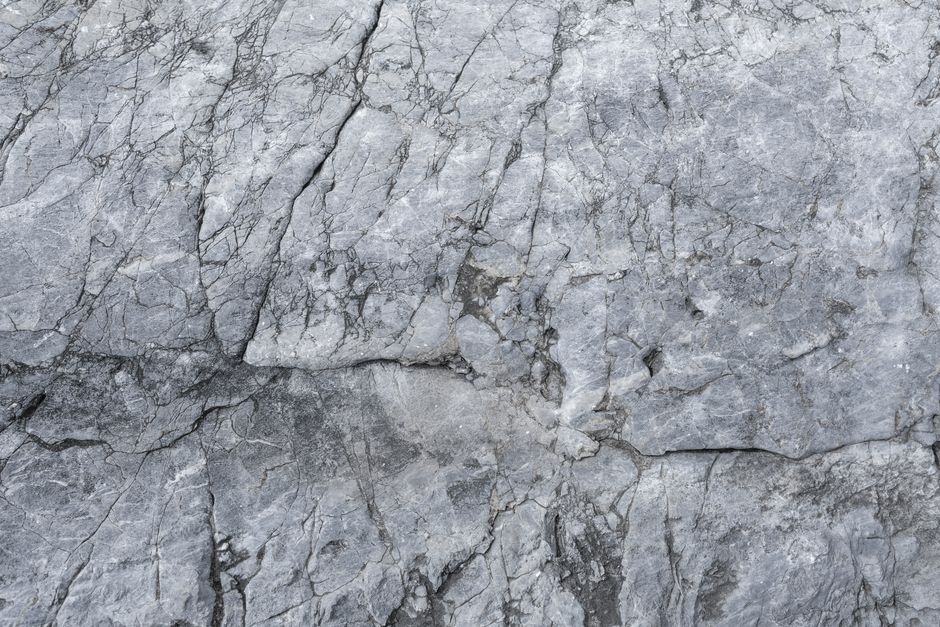
8. The Deep Quarry of Global Monuments
Rock of Ages Granite Quarry, Barre, Vermont, USA
Explore one of the world's largest deep-hole granite quarries, where stone for monuments around the globe is still extracted.
The Rock of Ages quarry in Barre, Vermont, has been continuously operating since the 1800s, producing some of the finest quality granite found anywhere. Descend into this massive open-pit quarry and witness the sheer scale of the operation, alongside skilled artisans carving intricate memorials. This site is a powerful symbol of Vermont's economy, which, while smaller than the national average, excels in specialized manufacturing, craftsmanship, and resource extraction, alongside its renowned agriculture and tourism industries. It highlights a blend of industrial heritage and artisanal pride.
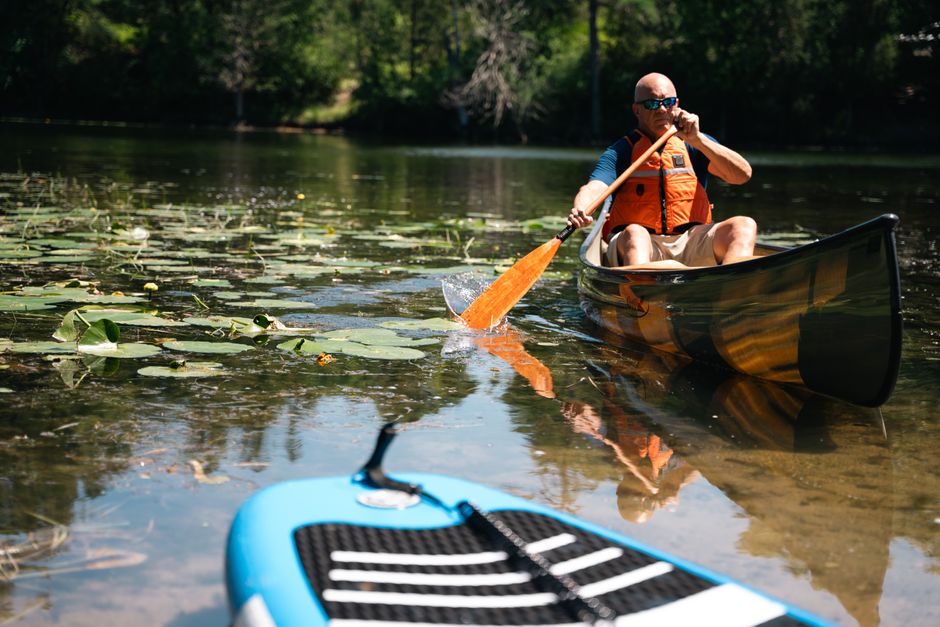
9. Maine's Untamed River Path
Allagash Wilderness Waterway, Northern Maine, USA
Paddle a 92-mile protected river corridor that preserves the raw beauty and history of Maine's logging era.
The Allagash Wilderness Waterway, a National Wild and Scenic River, offers an unparalleled experience in northern Maine's vast forests. This corridor protects a rugged landscape where loggers once drove millions of feet of timber downriver, a testament to Maine's historical reliance on its abundant natural resources. Today, while forestry remains important, the Allagash is a premier destination for ecotourism and outdoor recreation, embodying a shift towards conservation-based economies. It's a crucial part of Maine's tourism-driven economy, which typically falls below the national average but offers immense natural value.
Frequently asked questions
Which US states border Canada?
Twelve US states share a border with Canada: Alaska, Washington, Idaho, Montana, North Dakota, Minnesota, Michigan, Ohio, Pennsylvania, New York, Vermont, New Hampshire, and Maine. Ohio and Pennsylvania border Canada via Lake Erie.
What unique industries are found in US border states?
Beyond common industries, these states feature unique sectors like specialized granite quarrying in Vermont, historical copper mining in Michigan, Cold War nuclear legacy sites in Washington, and significant fur trading history in North Dakota, alongside strong agricultural and forestry operations.
Are there many hidden historical sites along the US-Canada border?
Absolutely. The border region is rich with lesser-known historical sites, from preserved gold rush ghost towns like Bannack in Montana to entire towns like Wallace, Idaho, that became National Historic Districts to save their unique past.
How can AllTours.ai help me explore these places?
AllTours.ai transforms your phone into an AI audio tour guide. Simply point your camera at a landmark, landscape, or historical site in any of these states, and the app will instantly narrate its history, geology, and culture in your preferred language, revealing the stories you might otherwise miss.
Related guides
Photography via Pexels. AllTours.ai is an AI audio tour guide — point your camera at any landscape and hear its story.