July 11, 2026 · 4 min read
The dream of travel often feels out of reach when budgets are tight. Instagram feeds show expensive resorts and grand tours, making it seem like exploration is only for the well-heeled. But the truth is, some of the most profound and memorable journeys happen far from the beaten path, in places that don't demand a fortune.
This list focuses on genuine, often overlooked locations around the world, each with a unique, compelling story. These aren't just pretty views; they are places where history, geology, and human ingenuity converge in surprising ways, proving that truly rich travel experiences are about curiosity, not cost.
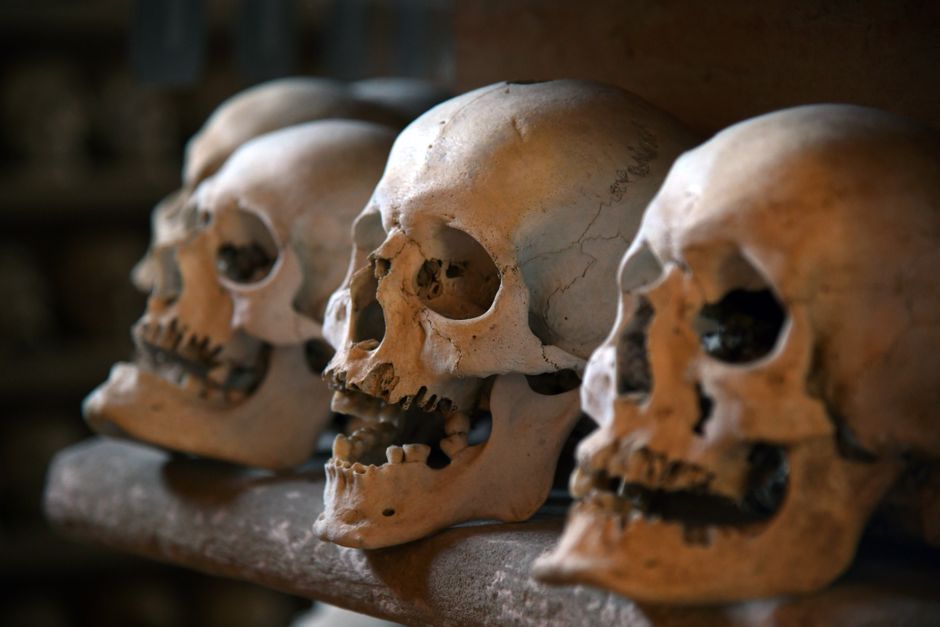
1. The Macabre Art of Human Bones
Sedlec Ossuary, Kutna Hora, Czech Republic
A small chapel decorated with the skeletons of an estimated 40,000 to 70,000 people, forming chandeliers, coats of arms, and pyramids.
Beneath a seemingly ordinary church lies a chilling masterpiece. The Sedlec Ossuary, often called the 'Bone Church,' features human bones arranged into intricate, artistic displays. Monks once buried plague victims here, leading to an overflowing graveyard. In the 1870s, a woodcarver was commissioned to artistically arrange the bones, creating a profound and unsettling meditation on mortality.
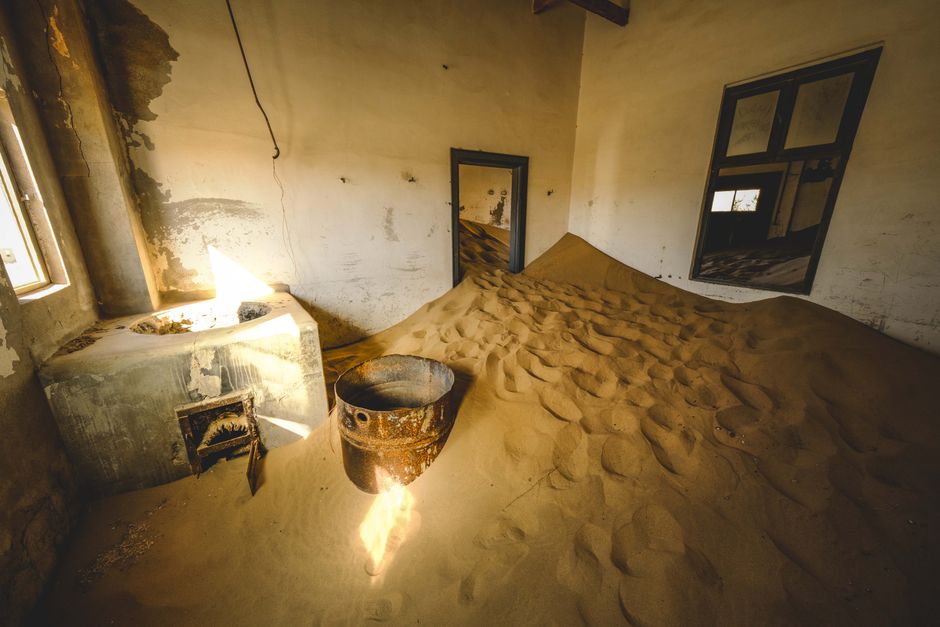
2. A Diamond Ghost Town in the Desert
Kolmanskop, Namibia
Once a thriving diamond mining town, Kolmanskop is now slowly being reclaimed by the Namib Desert, with sand dunes filling its abandoned houses.
Imagine a bustling German town in the middle of a vast African desert. Kolmanskop was exactly that, built after diamonds were discovered here in 1908. It had a hospital, ballroom, and even an ice factory. After World War I, diamond sales slumped, and richer deposits were found elsewhere. By 1956, the town was completely abandoned, leaving behind an eerie, sand-filled testament to human ambition and nature's power.
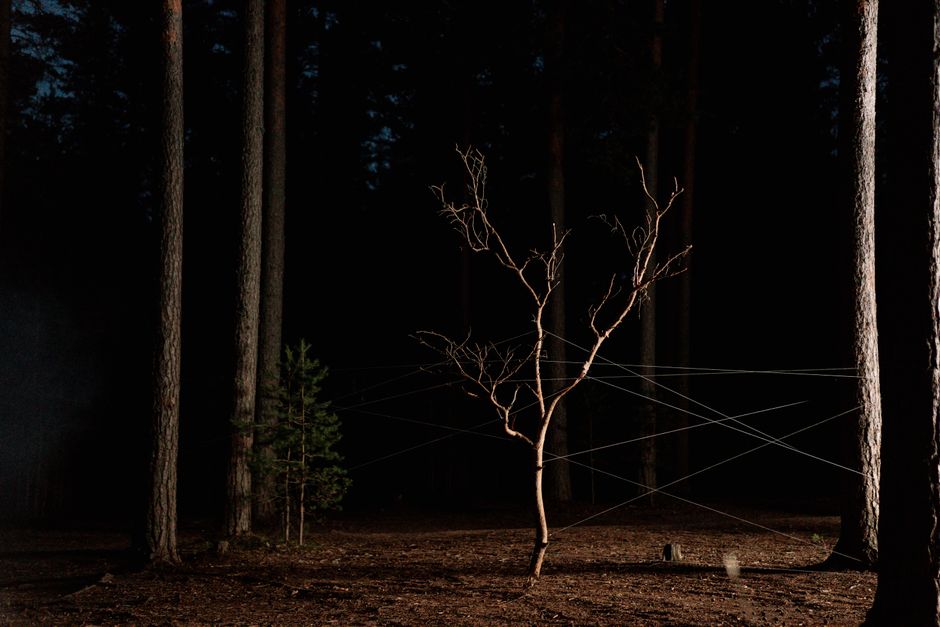
3. The Unexplained Crooked Forest
Krzywy Las, Gryfino, Poland
A unique grove of approximately 400 pine trees that grow with an inexplicable 90-degree bend near their base before curving upwards.
In western Poland, an enigmatic forest holds a peculiar secret: hundreds of pine trees with dramatically bent trunks. Planted around 1930, these trees all curve sharply northwards just above the ground. Theories range from heavy snowfall to a specific tree-growing technique used by local farmers to create curved timber for furniture or shipbuilding. The true reason remains a captivating mystery.
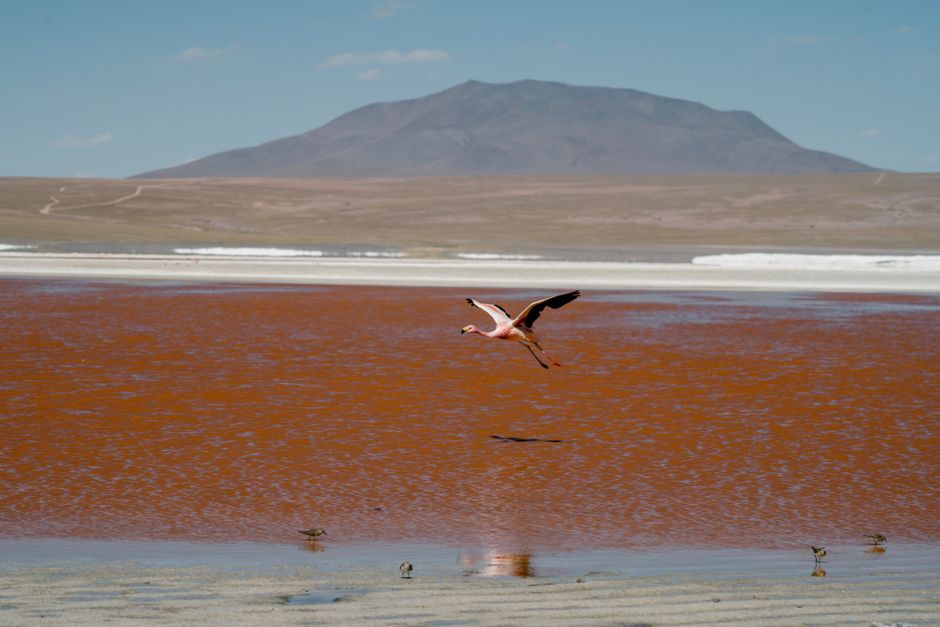
4. The Petrifying Lake
Lake Natron, Tanzania
This highly alkaline lake has waters so caustic that animals which die in it are sometimes calcified and 'petrified,' preserving them eerily.
Lake Natron is one of Earth's most unusual bodies of water, named for the mineral natron (sodium carbonate decahydrate) found in its waters. Its extreme alkalinity and high temperatures create a unique ecosystem, supporting specialized algae that give the lake its striking red hues. Birds and other animals that occasionally fall into the lake can be preserved by its minerals, appearing as ghostly, calcified statues.
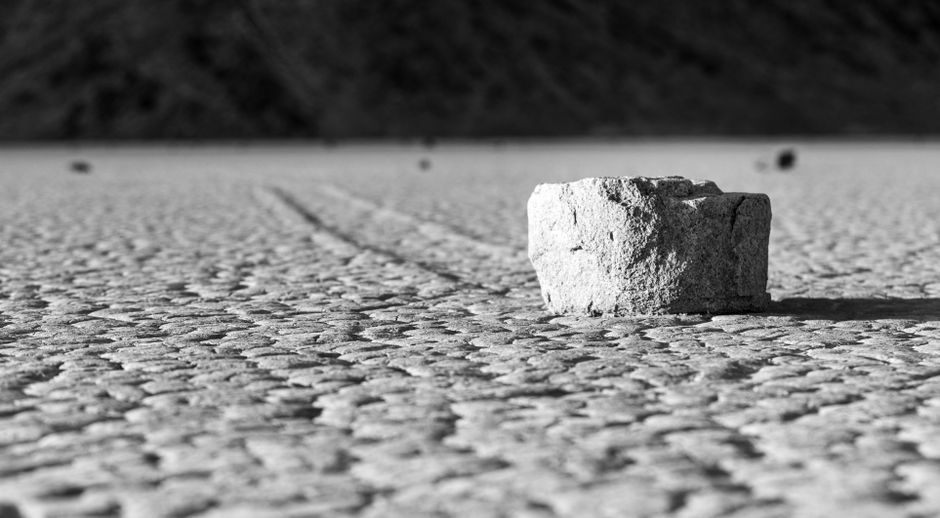
5. Rocks That Move Themselves
Racetrack Playa, Death Valley National Park, USA
Heavy rocks on a remote dry lakebed appear to move across the desert floor on their own, leaving long, mysterious trails behind them.
In one of the most desolate corners of Death Valley lies Racetrack Playa, a flat, dry lakebed famous for its 'sailing stones.' These rocks, some weighing hundreds of pounds, mysteriously slide across the playa, leaving visible tracks in the mud. For decades, their movement was unexplained, until recent studies revealed that thin sheets of ice, propelled by light winds, push the rocks during rare winter conditions.
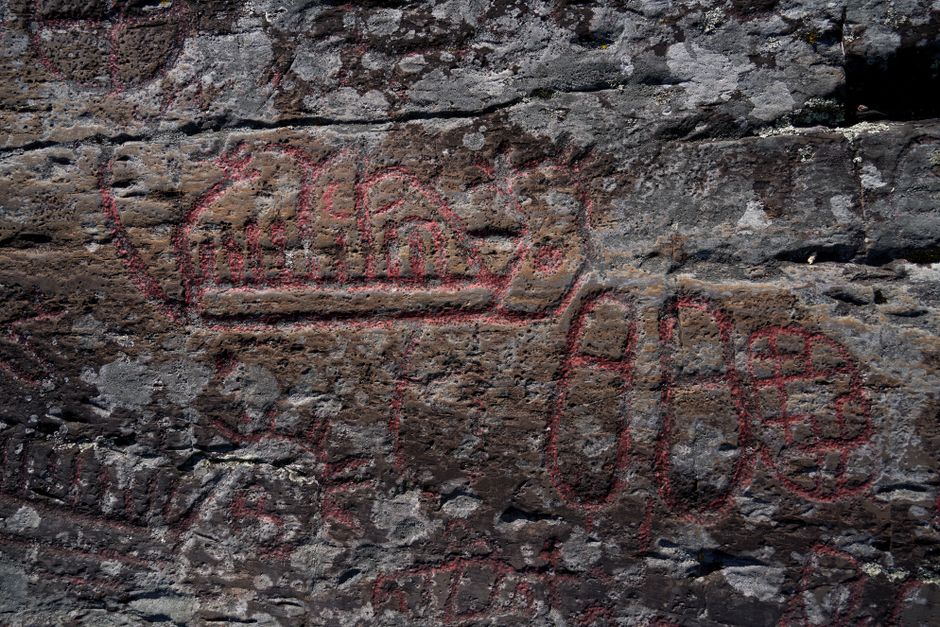
6. Ancient Art and Bubbling Mud
Gobustan Rock Art Cultural Landscape, Azerbaijan
A semi-desert region featuring thousands of prehistoric rock carvings depicting ancient life, alongside dozens of bubbling mud volcanoes.
Gobustan offers a dual spectacle of history and geology. Its vast collection of over 6,000 petroglyphs illustrates hunting scenes, ritual dances, and animal figures from as far back as 40,000 years ago. Nearby, the landscape is punctuated by hundreds of mud volcanoes, which gently erupt with cold, thick mud, creating an otherworldly atmosphere. It's a place where ancient human stories meet active geological forces.
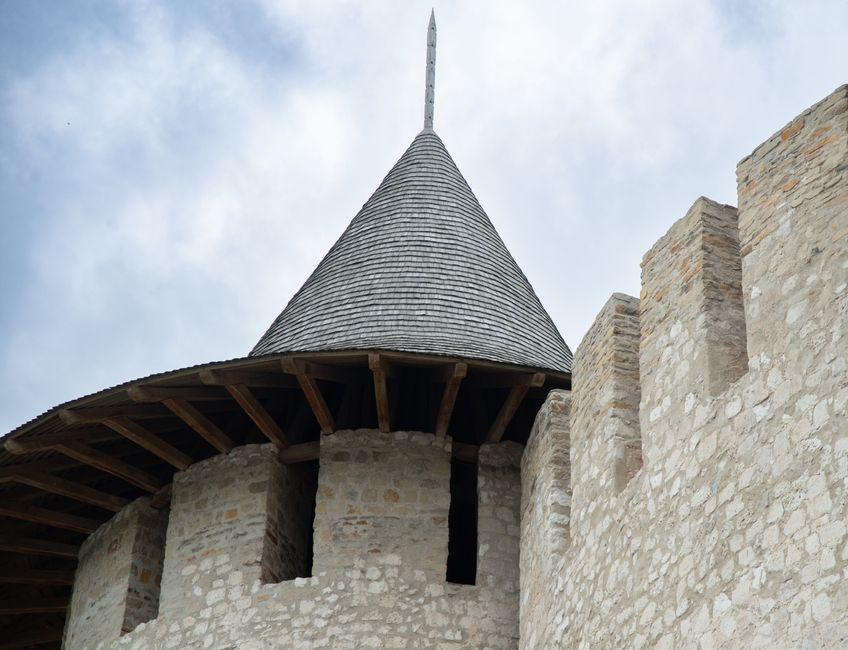
7. The Birthplace of Dracula
Sighișoara Citadel, Romania
Europe's last continuously inhabited medieval citadel, a UNESCO World Heritage site, is also the birthplace of Vlad III 'the Impaler,' the inspiration for Dracula.
Step into a living medieval fairy tale in Sighișoara. This remarkably preserved fortified town, with its colorful houses and cobblestone streets, feels frozen in time. Its iconic Clock Tower dominates the skyline, and within its ancient walls, you can find the very house where Vlad III, the historical figure behind the Dracula legend, was born in 1431. It's a place where history and legend intertwine.
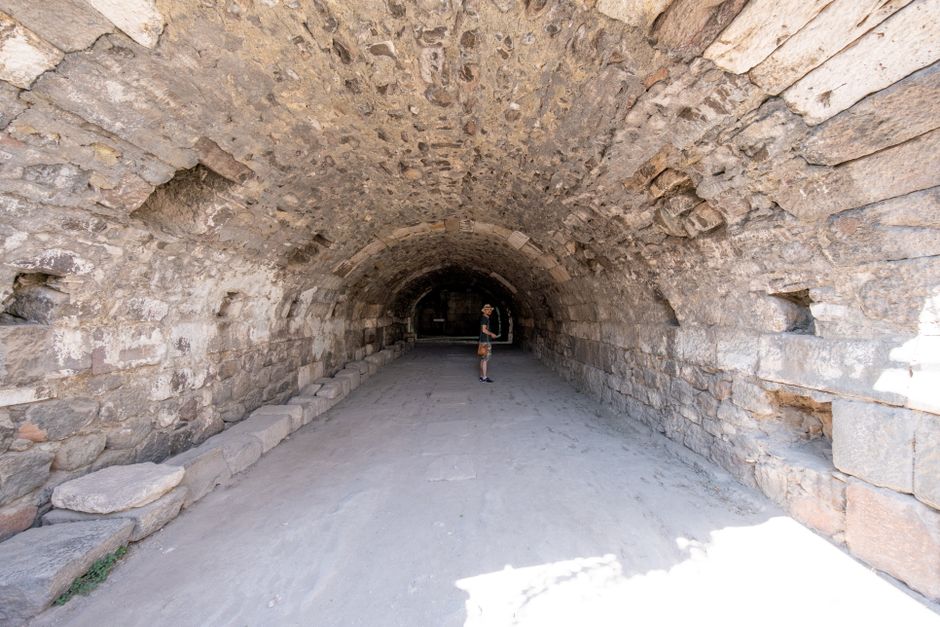
8. An Entire City Underground
Derinkuyu Underground City, Cappadocia, Turkey
An immense ancient multi-level underground city, carved into volcanic rock, deep enough to shelter thousands of people and their livestock for months.
Beneath the lunar landscapes of Cappadocia lies an astonishing feat of ancient engineering: Derinkuyu. This vast subterranean city, possibly dating back to the 8th century BCE, plunges over 60 meters deep and could house up to 20,000 people. Complete with stables, churches, schools, and ventilation shafts, it was a self-sufficient refuge from invasions, a secret world hidden beneath the earth's surface.
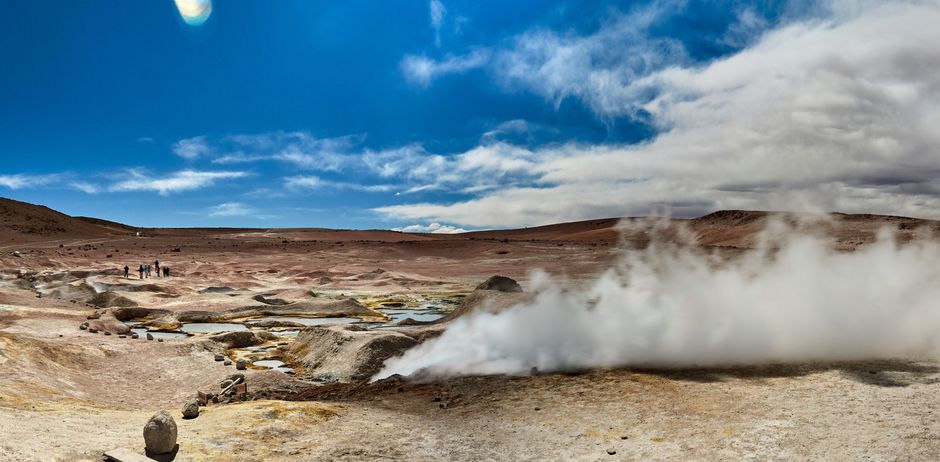
9. The Accidental Rainbow Geyser
Fly Geyser, Nevada, USA
An accidentally man-made geyser that continuously erupts, creating a vibrant, alien-like mound of minerals in brilliant colors.
Fly Geyser is a stunning, albeit unintentional, natural wonder. Formed in 1964 during an attempt to drill for geothermal energy, the well was capped but not sealed properly. Minerals, algae, and thermophilic bacteria from the continuously erupting hot water have created a growing, multi-colored mound over decades. It's a surreal, ever-changing sculpture of nature and human intervention in the Nevada desert.
Frequently asked questions
How can I travel without spending much money?
Focus on destinations with lower costs of living, consider hostels or guesthouses, cook your own meals, and utilize free activities like hiking or exploring public markets. Off-season travel also significantly reduces expenses for flights and accommodation.
What are the cheapest ways to get around a new place?
Walking is the cheapest and often the best way to experience a place intimately. Public transportation like buses and trains are budget-friendly alternatives to taxis. For longer distances, consider ride-sharing apps, long-distance buses, or even hitchhiking in safe regions.
Are there free things to do in most travel destinations?
Absolutely! Most destinations offer numerous free attractions, including parks, public beaches, free museums (check for specific days/hours), walking tours, scenic viewpoints, and vibrant local markets. Researching 'free things to do in [destination]' before you go can uncover many opportunities.
How can I learn about the history and culture of these places on a budget?
Beyond guidebooks and online research, try the AllTours.ai app. You simply point your phone camera at any landmark or landscape, and the app narrates its history, geology, and culture in your language, offering a rich, immersive experience without needing a paid human guide.
Related guides
Photography via Pexels. AllTours.ai is an AI audio tour guide — point your camera at any landscape and hear its story.