September 17, 2026 · 4 min read
The hypothetical question, "If you could only eat one food for an entire year without any negative side effects, what would it be?" sparks more than just a culinary craving. It’s a thought experiment that forces us to consider sustenance, culture, and the places that have perfected a single, vital ingredient.
Beyond the obvious staples, countless hidden gems exist, each food telling a profound story of its land, its people, and their ingenious adaptation to nature. Forget the tourist traps; we're delving into the world's most fascinating, lesser-known food cultures where a single dish can define an entire region.
1. The Ancient Salt Harvest of the Incas
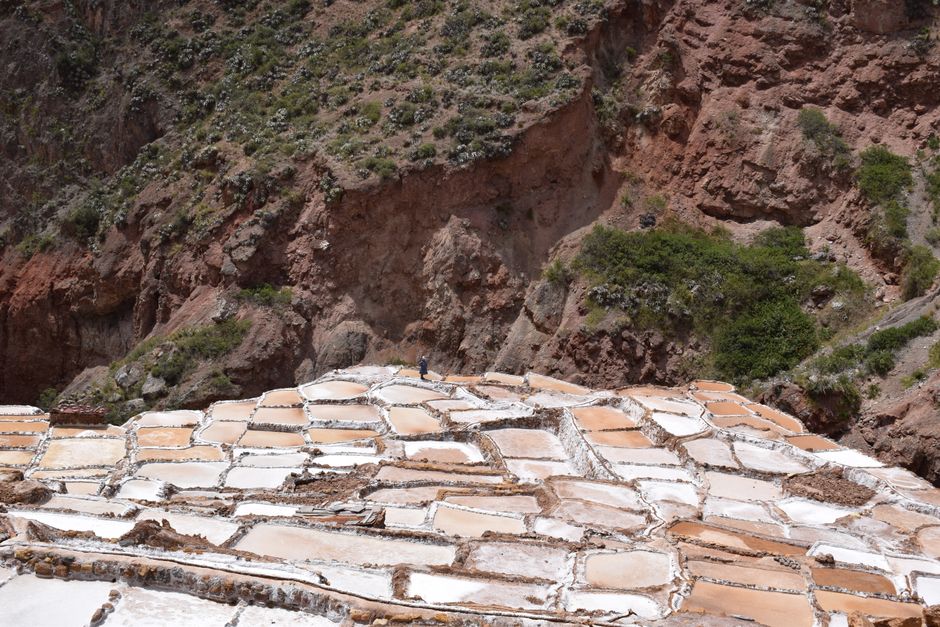
Maras Salt Mines, Peru
For over a millennium, an intricate network of terraced salt ponds in the Sacred Valley has been harvested by hand, a tradition predating the Inca Empire itself.
High in the Peruvian Andes, a saline spring flows from the Qaqawiñay mountain, feeding thousands of small, shallow ponds. Each pond is owned and managed by local families who meticulously channel the mineral-rich water, allowing it to evaporate under the Andean sun, leaving behind a crust of pink salt. This age-old method, passed down through generations, yields Maras salt – a prized mineral known for its complex flavor, deeply connected to the pre-Inca techniques and the unique geology of the valley.
2. Matera's Cave Dweller Bread
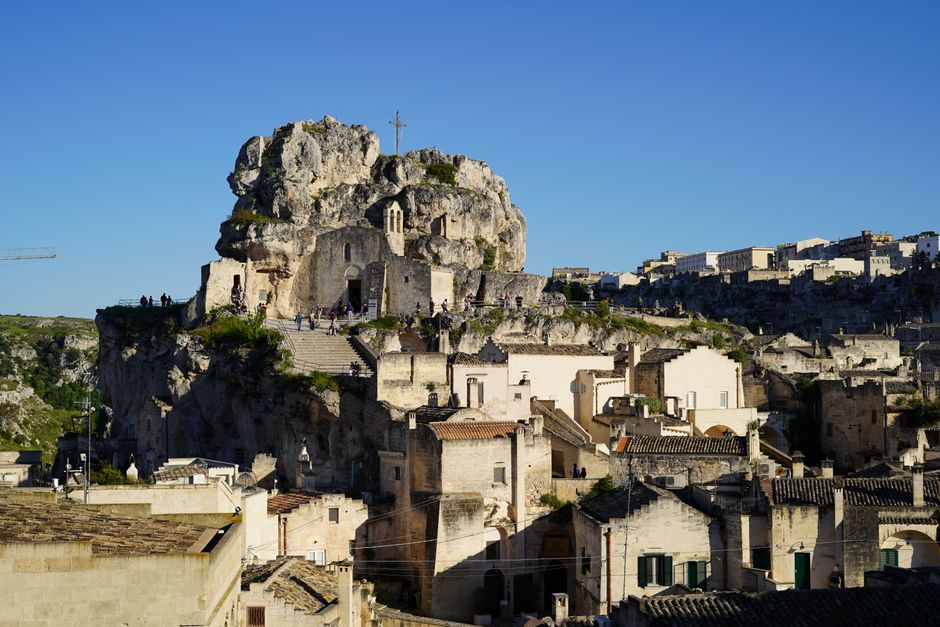
Matera, Italy
This UNESCO World Heritage site, famous for its ancient cave dwellings, bakes a distinct bread historically marked with family initials before being cooked in communal ovens.
Pane di Matera is more than just bread; it's a symbol of resilience and community. With its unique 'horn' shape, hard crust, and soft, airy interior, it was designed to last for days, sustaining families who lived in the Sassi cave dwellings. Traditionally, each family would knead their dough, mark it with a wooden stamp bearing their initials, and take it to communal wood-fired ovens. This practice not only ensured a fresh loaf but also fostered a deep sense of shared identity in a landscape carved from rock.
3. Jeju's Volcanic Tangerine
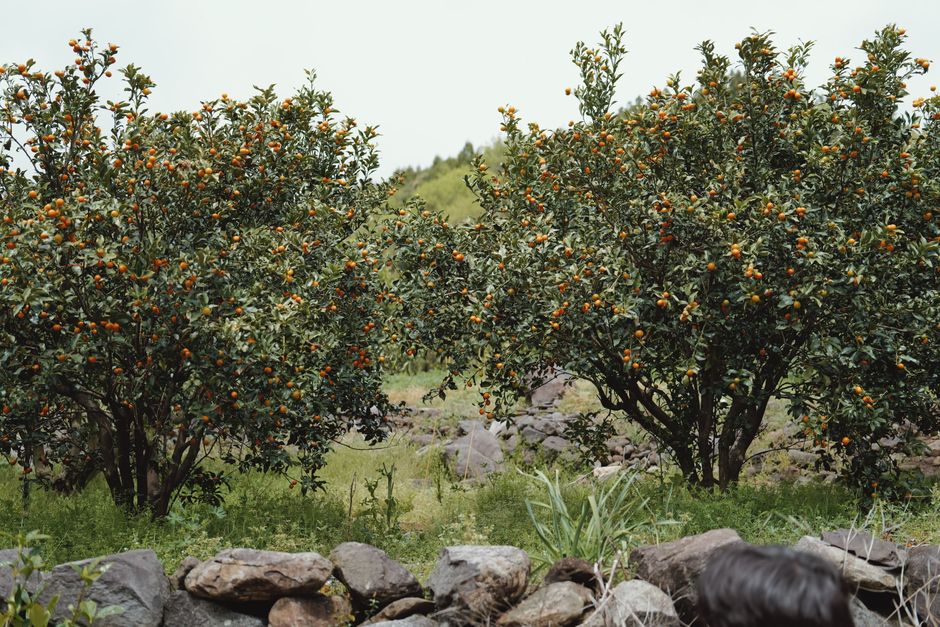
Jeju Island, South Korea
A distinctive tangerine, Hallabong, is named after the island's volcanic peak and thrives in the unique soil of this UNESCO-recognized island.
Jeju Island, formed by ancient volcanic eruptions, boasts a microclimate ideal for cultivating the Hallabong tangerine. Recognizable by its prominent 'navel' top, this fruit is celebrated for its exceptional sweetness, juiciness, and tender flesh. The island's mineral-rich volcanic soil imparts a unique flavor, making Hallabong a highly sought-after delicacy. Its story is intertwined with Jeju's geological past, embodying the island's natural bounty and agricultural innovation.
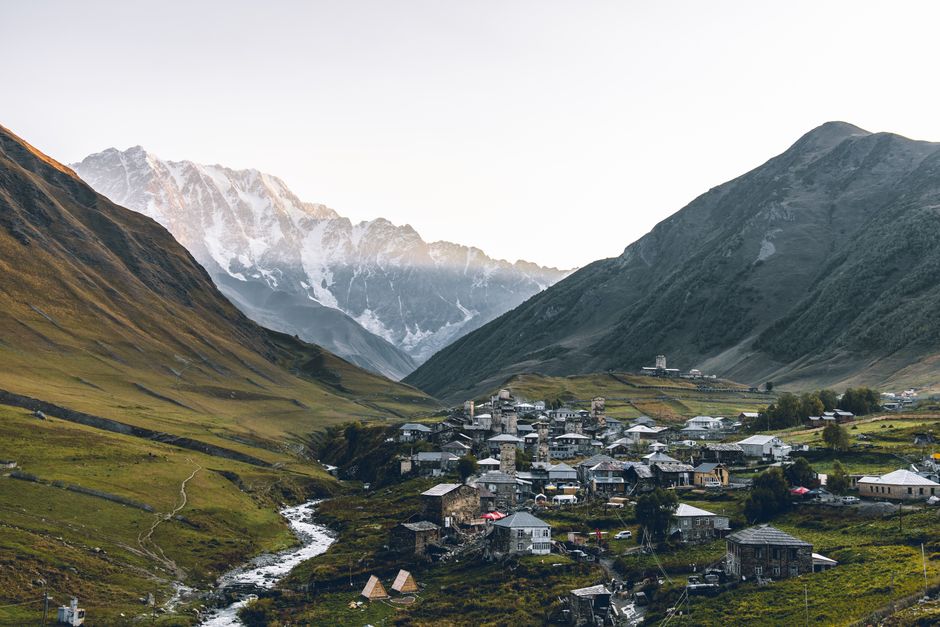
4. Svaneti's High-Altitude Honey
Svaneti, Georgia
From the remote, medieval tower-dotted villages of the Caucasus, comes honey produced by a unique bee species perfectly adapted to extreme mountain flora.
Nestled high in the Greater Caucasus mountains, Svaneti is a land of stunning natural beauty and ancient traditions. Here, local beekeepers cultivate the *Apis mellifera caucasica*, a distinct bee subspecies known for its remarkably long tongue, allowing it to reach nectar in the deep corollas of high-mountain flowers. This adaptation results in a unique, often raw and viscous honey, rich with the diverse botanicals of the pristine alpine meadows, a true taste of Svaneti's isolated ecological heritage.
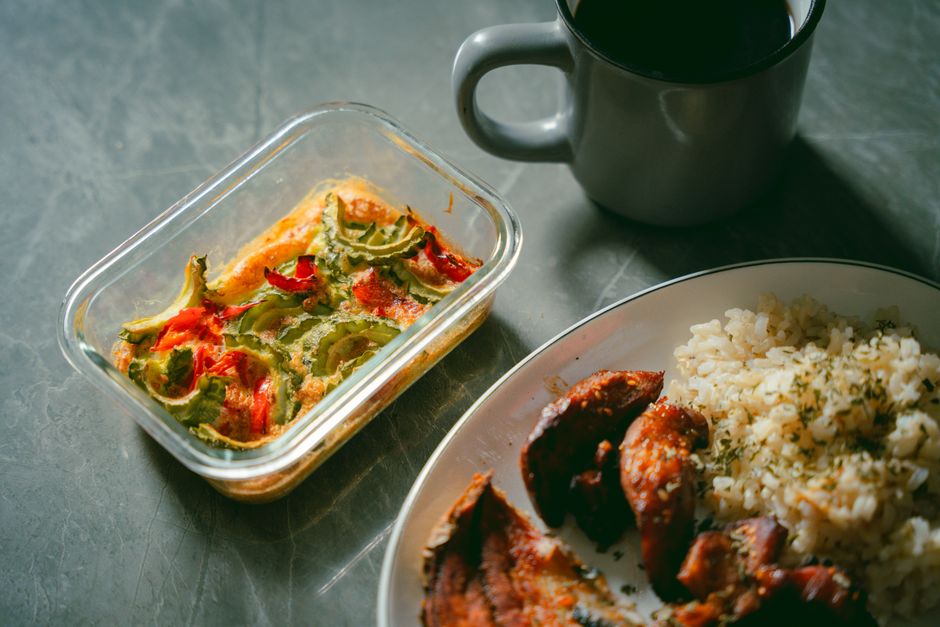
5. Okinawa's Longevity Melon
Okinawa, Japan
The bitter melon, or 'goya,' is a cornerstone of the Okinawan diet, believed to contribute to the islanders' renowned longevity and health.
Okinawa, a chain of islands known as a 'Blue Zone' for its exceptionally long-lived population, centers much of its cuisine around the humble goya. This distinctively bumpy, green bitter melon is a staple ingredient in dishes like *goya chanpuru*, a stir-fry with tofu, egg, and pork. Thriving in the subtropical climate, goya is packed with nutrients and antioxidants, embodying the island's philosophy of 'nuchi gusui' (food as medicine) and reflecting its unique culinary evolution influenced by its past as the independent Ryukyu Kingdom.
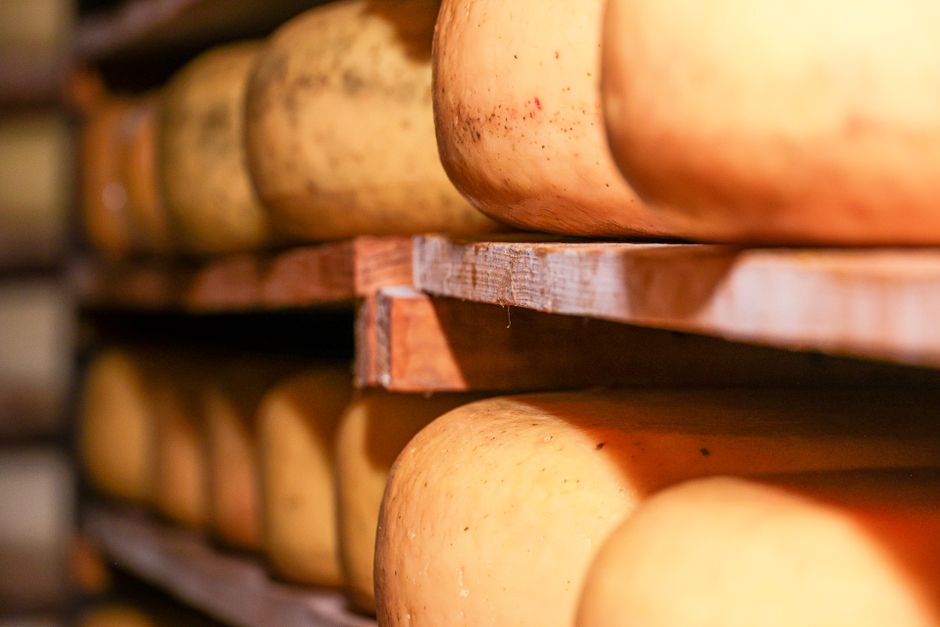
6. Sardinia's Smoked Sheep Cheese
Sardinia, Italy
Fiore Sardo, one of Italy's oldest sheep's milk cheeses, gets its distinctive flavor from being traditionally smoked over local Mediterranean shrub wood.
On the rugged island of Sardinia, where sheep vastly outnumber people, Fiore Sardo is a testament to ancient pastoral traditions. Made from raw Sardinian sheep's milk by shepherds using techniques passed down for millennia, this Pecorino variety is unique for its smoking process. Wheels of Fiore Sardo are traditionally smoked over fires fueled by myrtle and juniper wood, imparting a complex, herbaceous, and smoky aroma that connects the cheese directly to the island's wild, aromatic landscape and its deep-rooted cheesemaking heritage.
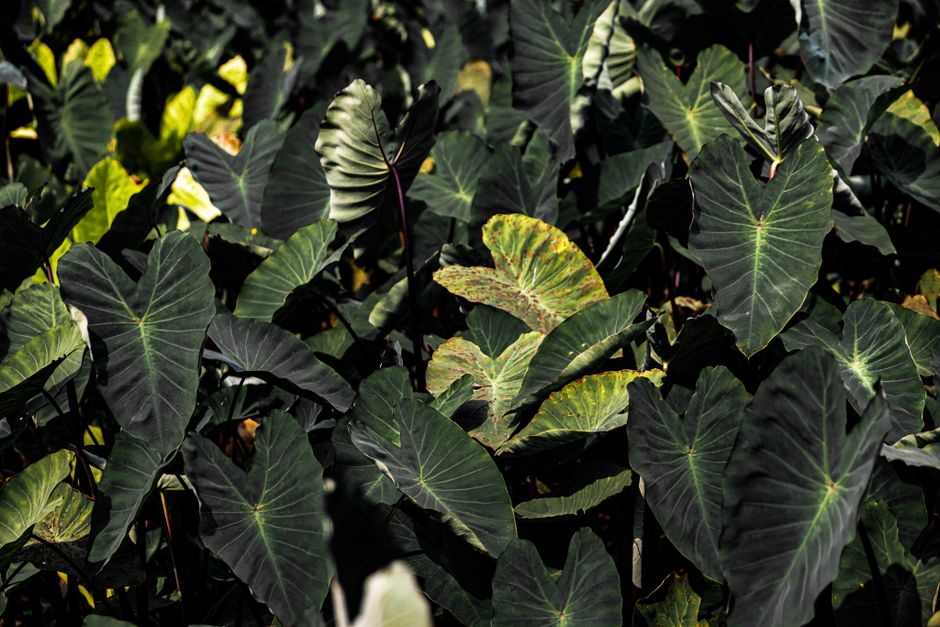
7. Yap's Sacred Taro Fields
Yap Island, Micronesia
On this remote Micronesian island, the sacred taro root is cultivated in intricate, hand-dug wetlands, sustaining its people for thousands of years and playing a central role in cultural ceremonies.
For the people of Yap, taro is far more than just a food source; it is a cultural cornerstone, deeply woven into their identity and ceremonial life. Its cultivation involves complex and sustainable agricultural practices within meticulously maintained, hand-dug wetland patches, reflecting an ingenious adaptation to the island's environment. This ancient root crop ensures food security and signifies respect for ancestral knowledge, connecting generations through a shared appreciation for the land and its bounty.
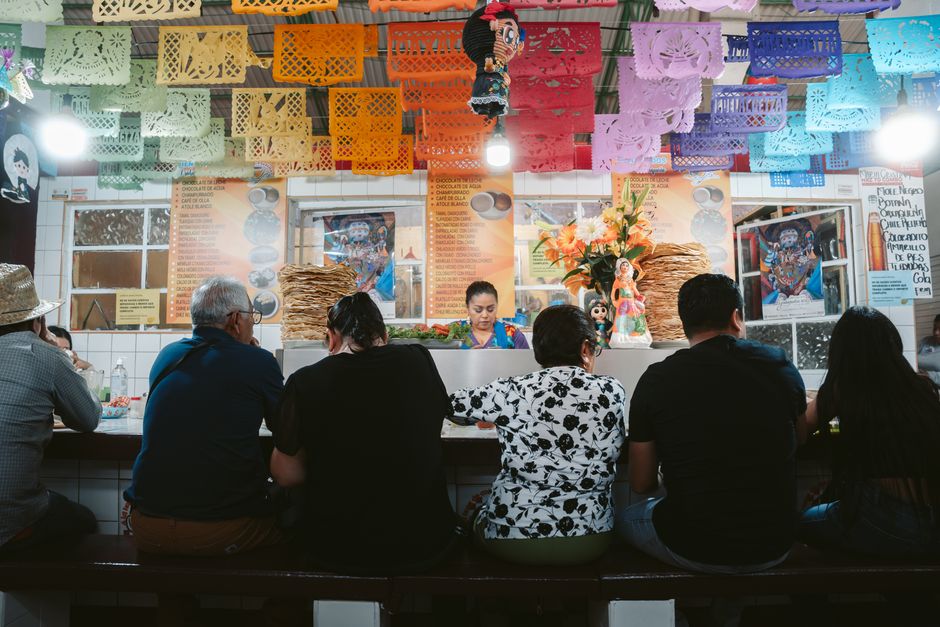
8. Oaxaca's Iconic Crispy Tlayudas
Oaxaca, Mexico
Known as 'Oaxacan pizzas,' these giant, crispy corn tortillas are traditionally cooked over open coals and topped with a vibrant array of local ingredients.
Tlayudas are a culinary icon of Oaxaca, celebrated for their unique texture and robust flavors. A large, thin corn tortilla is baked until crisp, often over a *comal* (griddle) or open coals, then generously spread with *asiento* (unrefined pork lard), black beans, quesillo (Oaxacan string cheese), and various meats or vegetables. They are a staple of street food and late-night markets, embodying the rich indigenous culinary heritage of the region and offering a substantial, satisfying meal that captures the essence of Oaxacan culture.
Frequently asked questions
What is the significance of food in travel?
Food is a profound gateway to understanding a culture, its people, and its environment. It reflects centuries of adaptation, trade, and tradition, often telling stories that history books might miss, offering an intimate glimpse into a place's soul.
How do local foods connect to a region's history?
Local foods are often direct descendants of ancient agricultural practices, trade routes, or even geological events. The ingredients themselves, along with preparation methods and rituals surrounding a dish, can reveal layers of a region's historical narrative and its interactions with the wider world.
Are there any truly untouched food cultures left?
While global influences are widespread, many remote or culturally isolated communities still maintain remarkably distinct foodways. These often depend on hyper-local ingredients and traditional knowledge passed down through generations, offering unique culinary experiences that remain largely authentic.
How can I learn more about these unique food traditions while traveling?
To truly immerse yourself, seek out local markets, small family-run eateries, and engage with locals. For an in-depth, on-the-spot guide, apps like AllTours.ai allow you to point your phone at a landmark or landscape, and it will narrate its history, geology, and cultural significance, including details about local foods and their origins.
Related guides
Photography via Pexels. AllTours.ai is an AI audio tour guide — point your camera at any landscape and hear its story.