September 12, 2026 · 4 min read
That moment when a dish delivers a flavor punch—be it searing spice, oceanic salt, or profound bitterness—can be startling. But beyond the initial shock, these intense tastes often carry centuries of history, geology, and cultural tradition. They're not just culinary challenges; they're invitations to understand a place more deeply.
This list isn't about recipes to tame your tongue, but about the fascinating, often underrated places where these potent flavors are born and celebrated. Each location tells a story of survival, ingenuity, and a deep connection to the land, inviting you to explore the world through a lens of unforgettable taste.
1. The Ghost Pepper's Ancient Roots
Nagaland, India
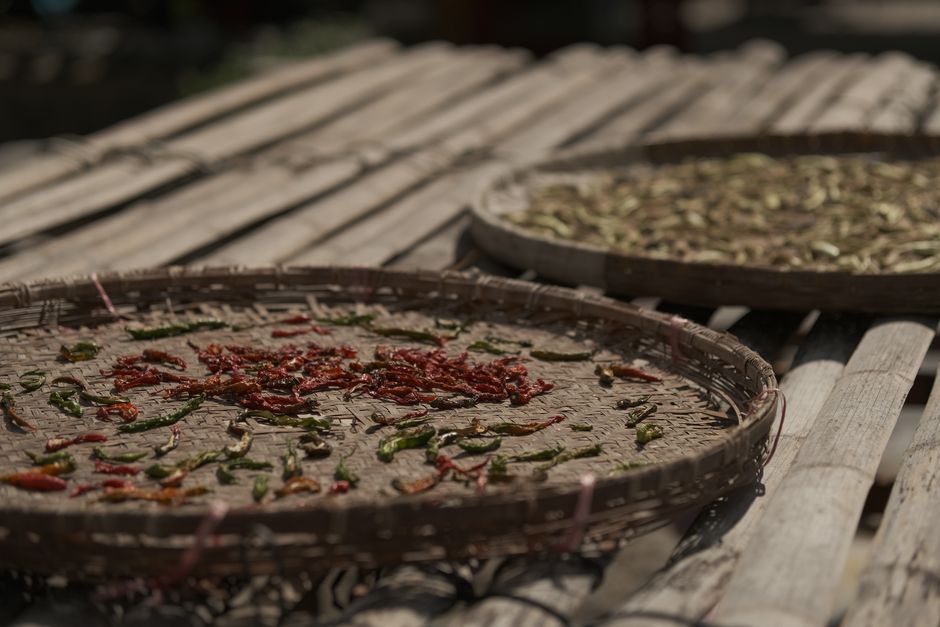
The legendary Bhut Jolokia, or Ghost Pepper, wasn't just a fiery challenge in Nagaland; it was traditionally used as a weapon and a digestive aid, not merely for culinary heat.
Long before it gained global fame as one of the world's hottest chilies, the Bhut Jolokia was an integral part of Naga culture. Indigenous tribes in this mountainous northeastern Indian state traditionally smeared it on fences to deter wild animals and even used it as a primitive tear gas. In cuisine, its extreme heat is respected and balanced, often appearing in fermented fish preparations or as a condiment to aid digestion, showcasing a nuanced relationship with its intensity.
2. Salt Terraces of the Incas
Maras, Peru
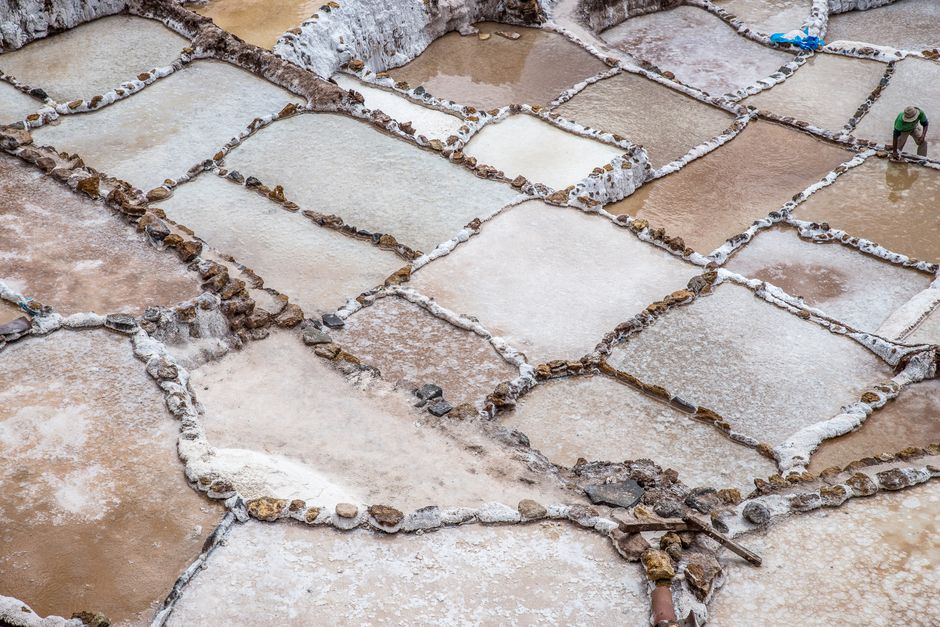
High in the Peruvian Andes, thousands of terraced salt pans, hand-harvested since Inca times, produce mineral-rich pink salt from a subterranean spring, a culinary treasure from an unlikely source.
Nestled in the Sacred Valley, the Maras Salt Pans are a mesmerizing sight: a patchwork quilt of evaporation pools clinging to a mountainside. A natural spring, laden with salt, flows down to these ancient terraces, where local families channel the water into individual ponds. As the water evaporates under the Andean sun, it leaves behind crystals of pinkish-white salt, distinct in flavor due to its mineral composition, a testament to centuries of sustainable harvesting.
3. Wind-Kissed Fish of the North Atlantic
Faroe Islands, Denmark
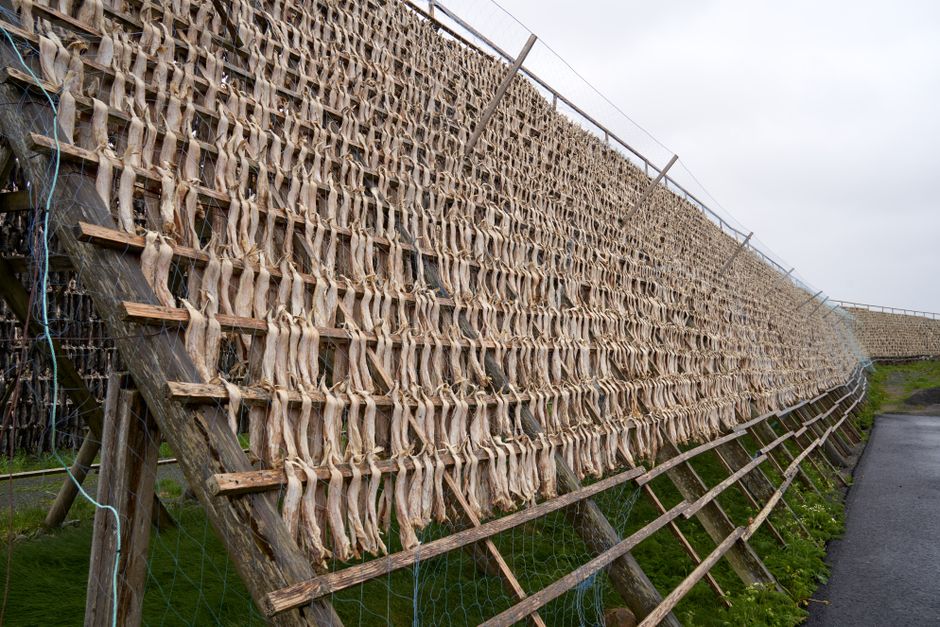
In a remote archipelago shaped by relentless winds and the sea, centuries-old techniques for drying fish on outdoor racks create intensely savory and pungent flavors that are a cornerstone of Faroese identity.
The Faroe Islands' dramatic, treeless landscape and cool, constant winds provide the perfect natural conditions for 'ræst'—a traditional fermentation and drying process for lamb and fish. Cod, haddock, and pilot whale meat are hung on outdoor hjallur (drying sheds), exposed to the elements for months. This slow maturation creates incredibly concentrated, umami-rich flavors that are an acquired taste, embodying the islands' stark beauty and resilience.
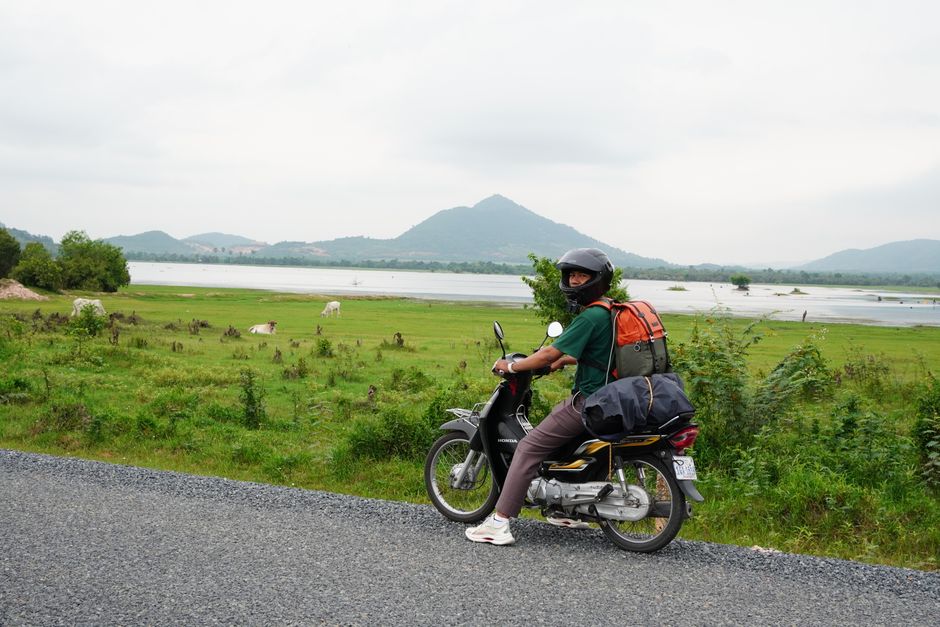
4. The Golden Spice of the Mekong
Kampot Province, Cambodia
Once a prized spice of French gourmets, the robust Kampot pepper owes its unique aroma, heat, and floral notes to the specific mineral-rich soil and climate of this Cambodian coastal region.
Kampot pepper, often hailed as the 'king of peppers,' thrives in the red laterite soils near the Elephant Mountains. This region's unique microclimate and traditional organic farming methods contribute to its complex flavor profile—ranging from intensely spicy black pepper to fruity red and delicate white varieties. Its revival after the Khmer Rouge era is a story of resilience, with farmers meticulously cultivating a spice that defines Cambodian culinary excellence.

5. Sardinia's Bitter Herbal Legacy
Sardinia, Italy
Sardinia's wild, rugged landscape infuses its traditional cuisine with a distinctive bitterness from foraged herbs and pungent cheeses, a taste reflecting its ancient, resilient culture and unique ecosystem.
Beyond its idyllic beaches, Sardinia's interior is a land of garrigue and maquis shrubland, rich with wild herbs like myrtle, juniper, and helicrysum. These botanicals not only scent the air but also influence the island's food, from roasted meats to its renowned Pecorino Sardo cheese, often with a sharp, tangy bite. This bitter edge, often balanced with honey or robust wines, is a deeply ingrained part of Sardinian gastronomic identity, connecting diners to the island's untamed heart.
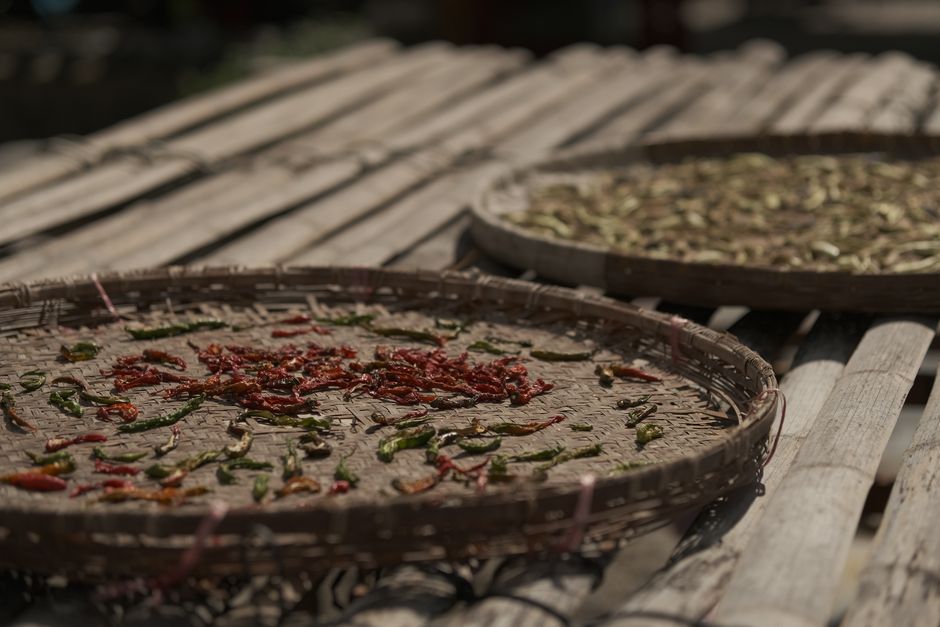
6. Oaxaca's Chili Spectrum
Oaxaca, Mexico
Beyond its famous moles, Oaxaca is a cradle of diverse, ancient chili varieties, each contributing nuanced heat and complex flavors to dishes, rather than just raw spice, telling a story of millennia of cultivation.
Oaxaca is often called 'The Land of Seven Moles,' but its true culinary depth lies in its unparalleled biodiversity of chilies. From the smoky pasilla de Oaxaca to the fruity chilhuacle negro, these indigenous peppers are not mere heat agents; they are flavor architects, providing layers of aroma, sweetness, and earthiness. Each variety tells a story of specific microclimates and ancient agricultural practices, essential to the region's vibrant, intricate cuisine.
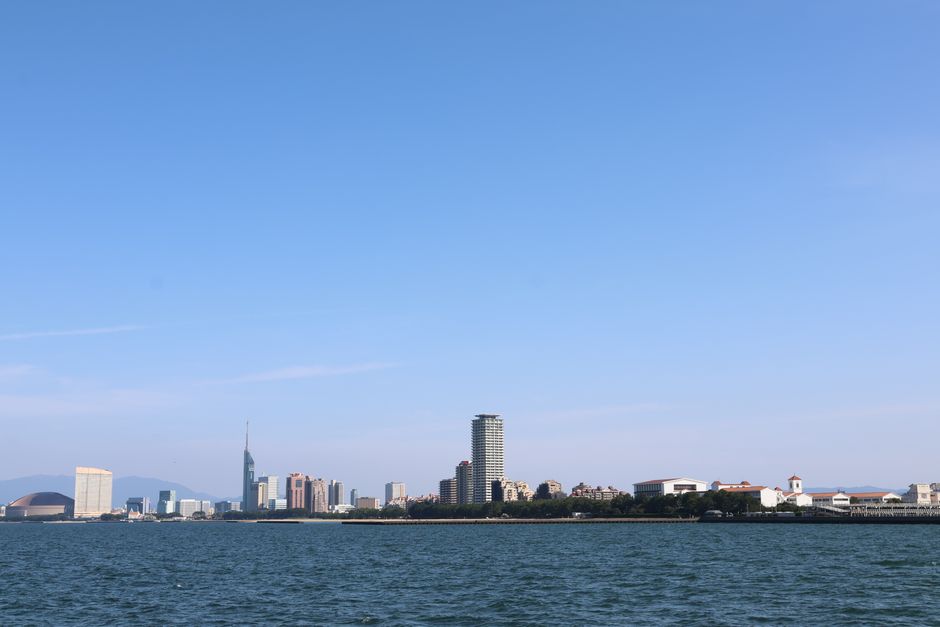
7. The Aromatic Zest of Yuzu
Kyushu, Japan
In the volcanic soils of Kyushu, the intensely aromatic yuzu citrus isn't merely a garnish; its powerful zest and sour notes are a foundational flavor, balancing rich dishes and creating unique condiments that define regional cuisine.
Yuzu, a fragrant citrus fruit resembling a small, bumpy grapefruit, is integral to the culinary identity of Kyushu. Unlike lemons or limes, yuzu offers a complex aroma with notes of mandarin, pomelo, and floral undertones, coupled with a bracing tartness. It's used in everything from ponzu sauce and yuzu kosho (a fermented chili paste) to flavoring hot broths and desserts, proving that intense sourness, when masterfully applied, can elevate and unify a dish.
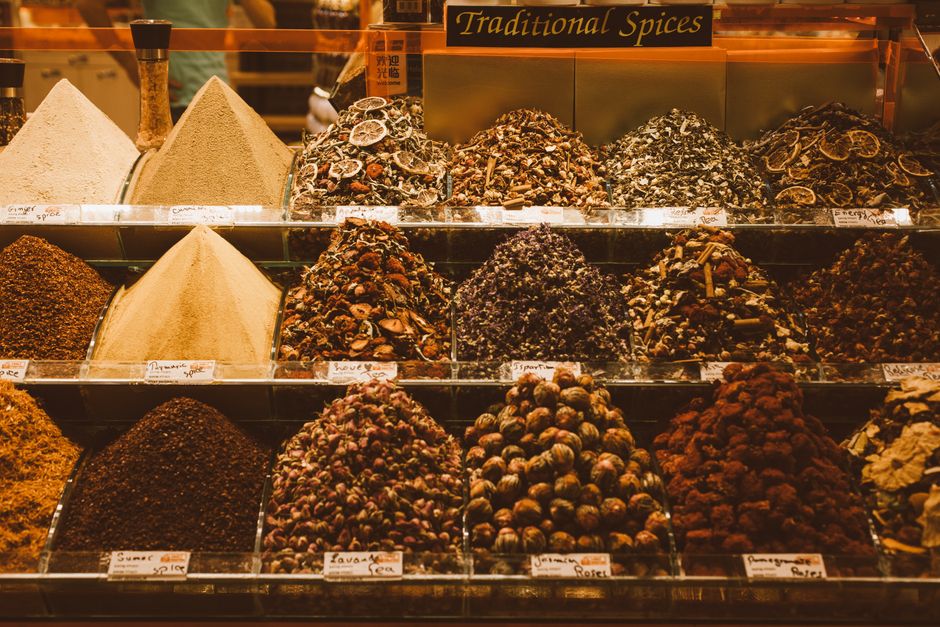
8. Ethiopia's Spice Symphony
Ethiopian Highlands, Ethiopia
The deep, complex heat of Ethiopian berbere, a spice blend with dozens of ingredients, isn't just about fire; it's a foundational flavor that tells tales of ancient trade routes and diverse culinary traditions across the Highlands.
Berbere, the iconic spice blend of Ethiopia, is far more than just chili powder. It's a meticulously crafted symphony of up to 40 different spices, including fenugreek, ginger, garlic, cardamom, and sacred basil, roasted and ground into a vibrant red powder. This intricate blend provides a nuanced heat that is savory, aromatic, and deeply satisfying, forming the heart of classic dishes like Doro Wat and Kitfo, reflecting Ethiopia's rich history as a crossroads of ancient civilizations and spice trade.
Frequently asked questions
How do locals in spicy regions traditionally cool down a dish or palate?
Many cultures use cooling counterpoints. In India, yogurt or raita are common. In Mexico, fresh lime juice and lighter, acidic ingredients can cut through heat. Southeast Asian cuisines often balance spice with coconut milk, herbs like mint, or sweet and sour elements like tamarind.
What's a common way to balance an overly salty flavor in global cuisines?
To counteract excessive saltiness, acidity is often key. A squeeze of lemon or lime, a dash of vinegar, or even a small amount of sugar can help balance the taste. In some Asian cuisines, adding a small amount of rice or starchy vegetables to absorb excess salt is a common practice.
Are there cultural norms around refusing intensely flavored food in different countries?
While it's generally polite to try a small portion, outright refusal can sometimes be seen as disrespectful, especially in cultures where food is a deep expression of hospitality. Instead, politely explain dietary restrictions or a lower tolerance for spice, often accompanied by sincere praise for the dish's aroma or presentation.
How can AllTours.ai help me understand these unique places and their flavors?
AllTours.ai transforms your phone into an AI audio guide. Simply point your camera at a landmark, a landscape, or even a traditional market, and the app narrates its history, geology, and cultural significance—including the stories behind its unique culinary traditions and ingredients—right in your language.
Related guides
Photography via Pexels. AllTours.ai is an AI audio tour guide — point your camera at any landscape and hear its story.