July 16, 2026 · 5 min read
When we think of 'homemade dishes,' our minds often drift to the comfort of our own kitchens, to recipes passed down through generations, or to the familiar flavors of childhood. But what if we broadened that definition? What if 'homemade' encompassed the ingenious, culturally rich, and often surprising dishes perfected over centuries in communities far beyond our own?
Across the globe, every region boasts its own culinary treasures, many of which remain largely unknown to the average traveler. These are the dishes that tell profound stories of resilience, history, and connection to the land. We've unearthed some of the most fascinating examples, each with a unique narrative that will spark your curiosity and perhaps even inspire your next adventure.
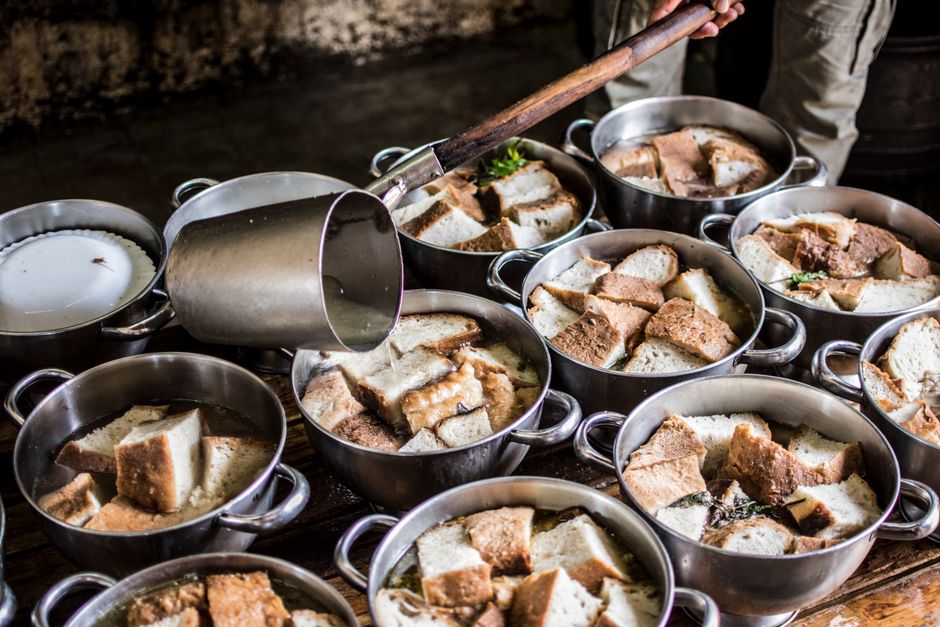
1. Portugal's Lifeline: The Wet Bread of Alentejo
Alentejo, Portugal
This 'wet bread' isn't a soup, but a hearty, resourceful meal that once sustained a specific group of Portuguese field workers through long days.
In the sun-drenched Alentejo region of Portugal, Açorda à Alentejana, often called 'wet bread,' is more than just a dish—it's a testament to ingenuity. Historically, it was a vital staple for 'ceifeiros' (harvesters) who needed a filling, economical meal in the fields. Made by soaking stale bread in a garlic and olive oil-infused broth, often with poached eggs or cod, this simple concoction transformed humble ingredients into a flavorful and energizing meal. It speaks volumes about the region's resourceful past and the enduring spirit of its people.

2. Sweden's Pungent Pride: Fermented Herring of the High Coast
Höga Kusten, Sweden
So pungent it's often eaten outdoors, this fermented fish delicacy from Sweden's High Coast is a centuries-old tradition born out of necessity.
Along Sweden's stunning High Coast, Surströmming, or fermented herring, is a culinary institution. This distinctive dish originated from a centuries-old preservation method developed during times of salt scarcity. The fermentation process gives the herring an incredibly strong, pungent aroma that can be a shock to the uninitiated. Locals typically enjoy it outdoors, wrapped in tunnbröd (thin bread) with potatoes, red onion, and sour cream, transforming its notorious smell into a complex, cherished flavor that defines northern Swedish summers.
3. Ethiopia's Ancient Grain: The Spongy Bread of Lalibela
Lalibela, Ethiopia
This unique, spongy flatbread is not just a utensil; it’s a living part of the meal, with a distinct fermentation process linked to ancient Ethiopian grains.
In Lalibela, Ethiopia, the preparation of injera is a daily ritual deeply rooted in the region's agricultural heritage. Crafted from teff, an ancient, highly nutritious grain endemic to Ethiopia, injera undergoes a several-day fermentation process. This gives it its characteristic sour taste and a uniquely spongy, bubbly texture. Serving as both plate and utensil, torn to scoop up various wots (stews), this communal dining practice reflects a profound cultural connection to the land and its ancient grains, passed down through generations.
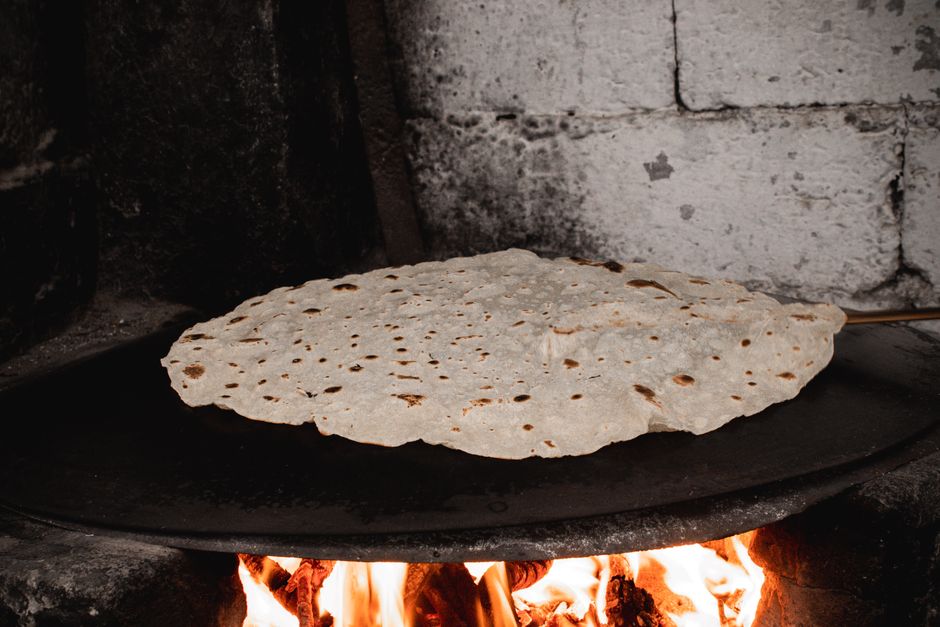
4. Sardinia's Shepherd's Staple: Music Paper Bread
Barbagia, Sardinia, Italy
This paper-thin bread, so delicate it's called 'music paper,' was ingeniously designed for Sardinian shepherds to last for months on their long treks.
In the rugged Barbagia region of Sardinia, Pane Carasau, or 'music paper bread,' is a testament to ingenious survival. This incredibly thin, crispy bread was traditionally baked by women for their shepherd husbands, who would spend months away from home tending flocks. Its unique double-baking process, known as 'carasare' (to toast), removes all moisture, allowing it to be stored for extended periods without spoiling. It's often eaten plain, moistened with water, or drizzled with olive oil, embodying the resilience of Sardinia's pastoral communities.
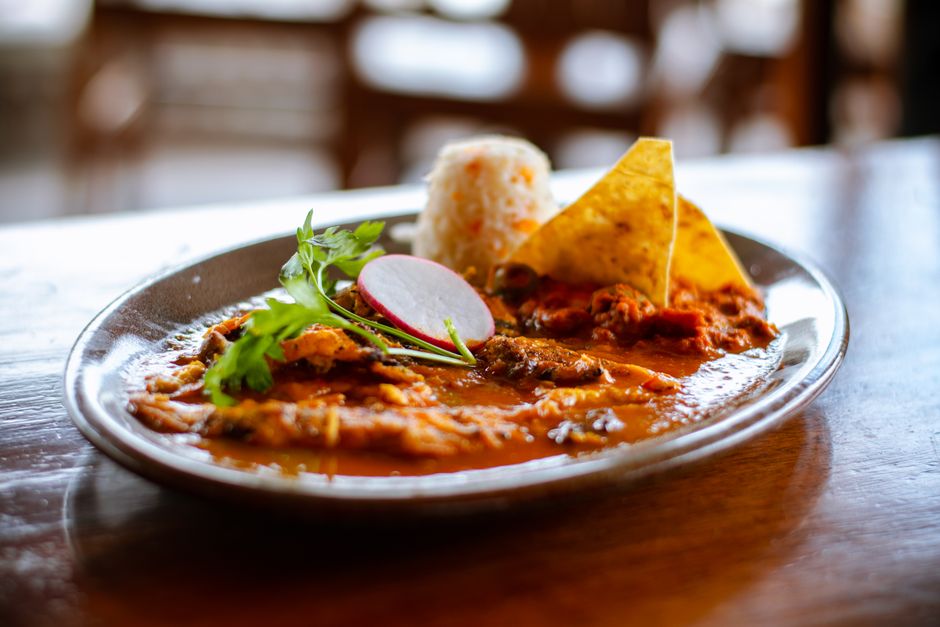
5. Oaxaca's Vibrant Secret: Yellow Mole of the Sierra Norte
Sierra Norte de Oaxaca, Mexico
Unlike its more famous dark cousins, this vibrant yellow mole from a specific Mexican region tells a unique story of local ingredients and ancient Mesoamerican culinary techniques.
While Oaxaca is celebrated for its seven moles, the Mole Amarillo from the Sierra Norte region offers a distinct culinary narrative. This particular mole, vibrant yellow from its blend of chilhuacle amarillo peppers, tomatillos, and a specific mix of spices, often includes masa harina (corn dough) as a thickener, a technique dating back to pre-Hispanic times. Commonly served with chicken, pork, or vegetables, its preparation is a deeply communal event, a celebration of the region's unique biodiversity and the continuity of indigenous cooking traditions.
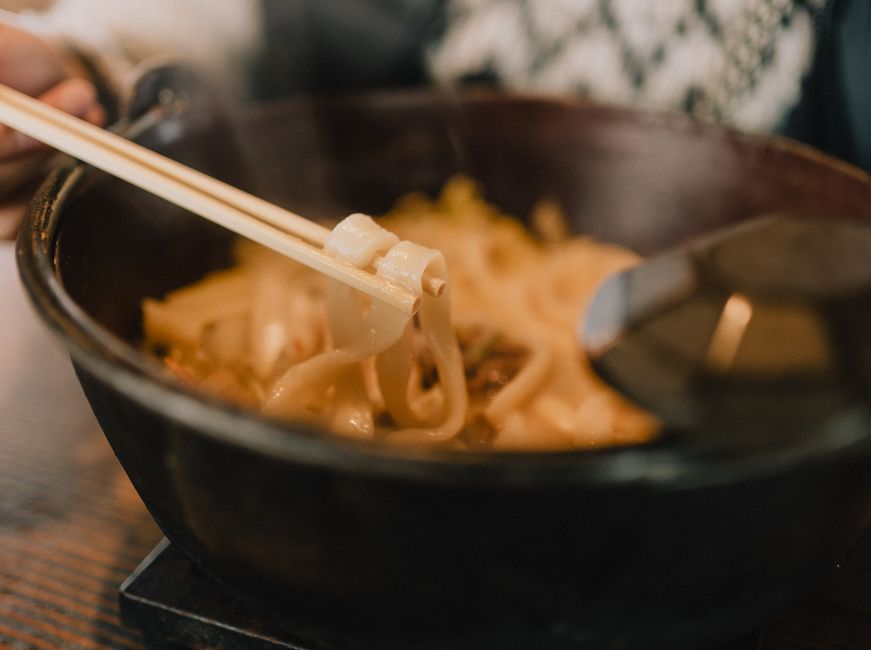
6. Japan's Warrior Fuel: The Houtou Noodles of Yamanashi
Yamanashi Prefecture, Japan
These flat, wide noodles are said to have been a favorite of a legendary samurai lord, fueling his warriors before battle in feudal Japan.
In Japan's Yamanashi Prefecture, the hearty Houtou noodle dish is steeped in local history. Legend claims that Takeda Shingen, a renowned samurai warlord of the Sengoku period, would eat this substantial dish with his soldiers to boost their morale and strength before battle. The wide, flat wheat noodles are cooked directly in a miso-based soup with plenty of seasonal vegetables, often kabocha squash, creating a thick and warming stew. It's a culinary legacy that connects modern diners to the ancient spirit of the region's warriors.
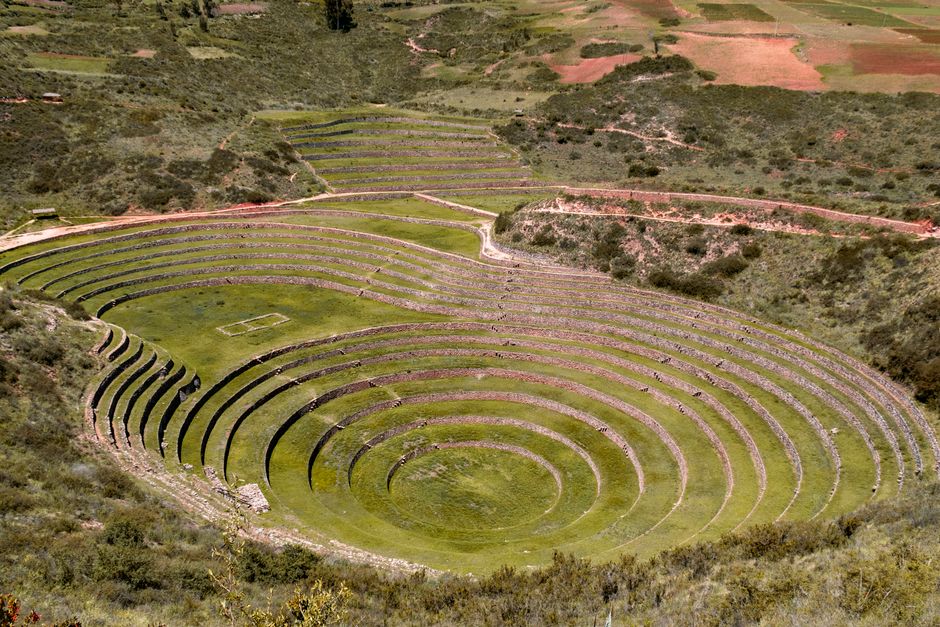
7. Peru's Earthly Feast: The Sacred Pachamanca
Sacred Valley, Cusco Region, Peru
This ancient Inca cooking method, using an oven built from hot stones buried underground, is not just a meal but a sacred offering to Mother Earth.
In the Sacred Valley near Cusco, Pachamanca is more than a dish; it's a ceremonial feast and a profound connection to Andean traditions. This ancient Inca technique involves heating stones over a fire, then burying them with marinated meats (like alpaca, pork, or chicken), potatoes, sweet potatoes, corn, and fava beans, all covered with earth to slow-cook. The process, lasting several hours, is seen as an offering to Pachamama (Mother Earth) and reflects a deep reverence for nature's bounty and communal celebration, passed down through millennia.
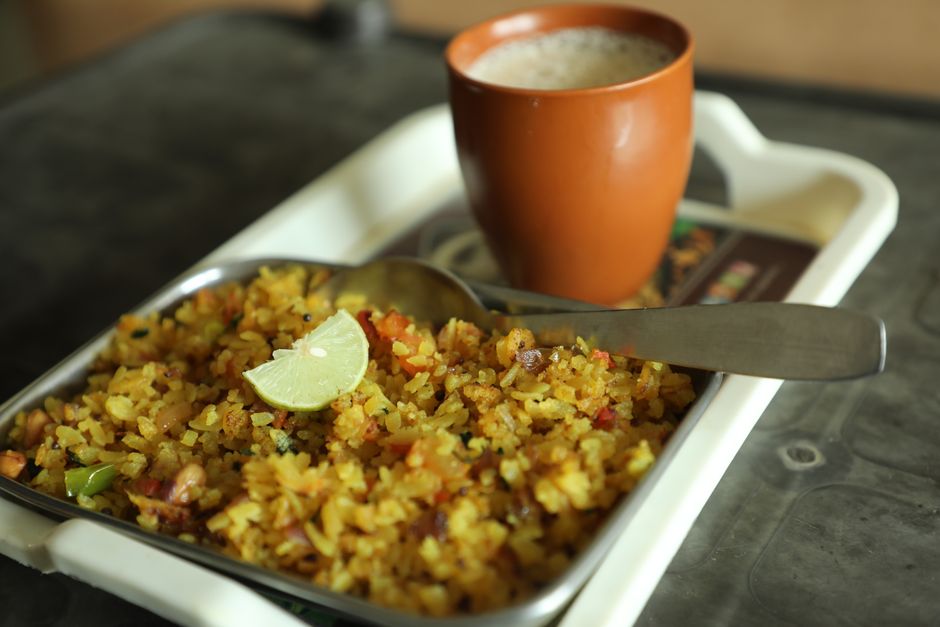
8. India's Breakfast Gem: Indore's Fluffy Poha
Indore, Madhya Pradesh, India
This simple breakfast staple from Central India is a masterclass in transforming humble rice flakes into a vibrant, flavorful dish, uniquely perfected in Indore.
While Poha is enjoyed across India, the version from Indore, Madhya Pradesh, holds a special place. This light and fluffy breakfast dish is made from flattened rice, tempered with mustard seeds, curry leaves, onions, turmeric, and often garnished with sev (crispy chickpea noodles), coriander, and a squeeze of lime. Indore's Poha is renowned for its distinct mild sweetness and tang, often served with jalebi. It’s a quintessential example of how simple, everyday ingredients can be elevated into a beloved regional specialty, reflecting the ingenuity of Central Indian street food culture.
Frequently asked questions
What are some lesser-known food destinations worth exploring?
Beyond major culinary hubs, regions like Portugal's Alentejo, Sweden's High Coast, Ethiopia's Lalibela, and Mexico's Sierra Norte offer unique, deeply authentic food experiences. These places preserve traditions that tell compelling stories through their local dishes.
Why is homemade food so important in different cultures?
Homemade food often embodies a culture's history, values, and resourcefulness. It's frequently tied to specific agricultural practices, ceremonial rituals, or historical events, making it a profound expression of identity and community that transcends simple sustenance.
How can I find authentic local dishes when traveling?
To find authentic local dishes, venture beyond tourist areas. Explore local markets, ask residents for their favorite small eateries, or look for family-run establishments. Engaging with locals and showing genuine curiosity about their culinary traditions can unlock incredible experiences.
How can AllTours.ai help me discover these hidden culinary stories?
AllTours.ai brings these stories to life. Simply point your phone camera at a local market, a traditional cooking site, or even a unique ingredient, and the app will narrate its rich history, cultural significance, and local traditions in your preferred language, turning every meal into a journey.
Related guides
Photography via Pexels. AllTours.ai is an AI audio tour guide — point your camera at any landscape and hear its story.