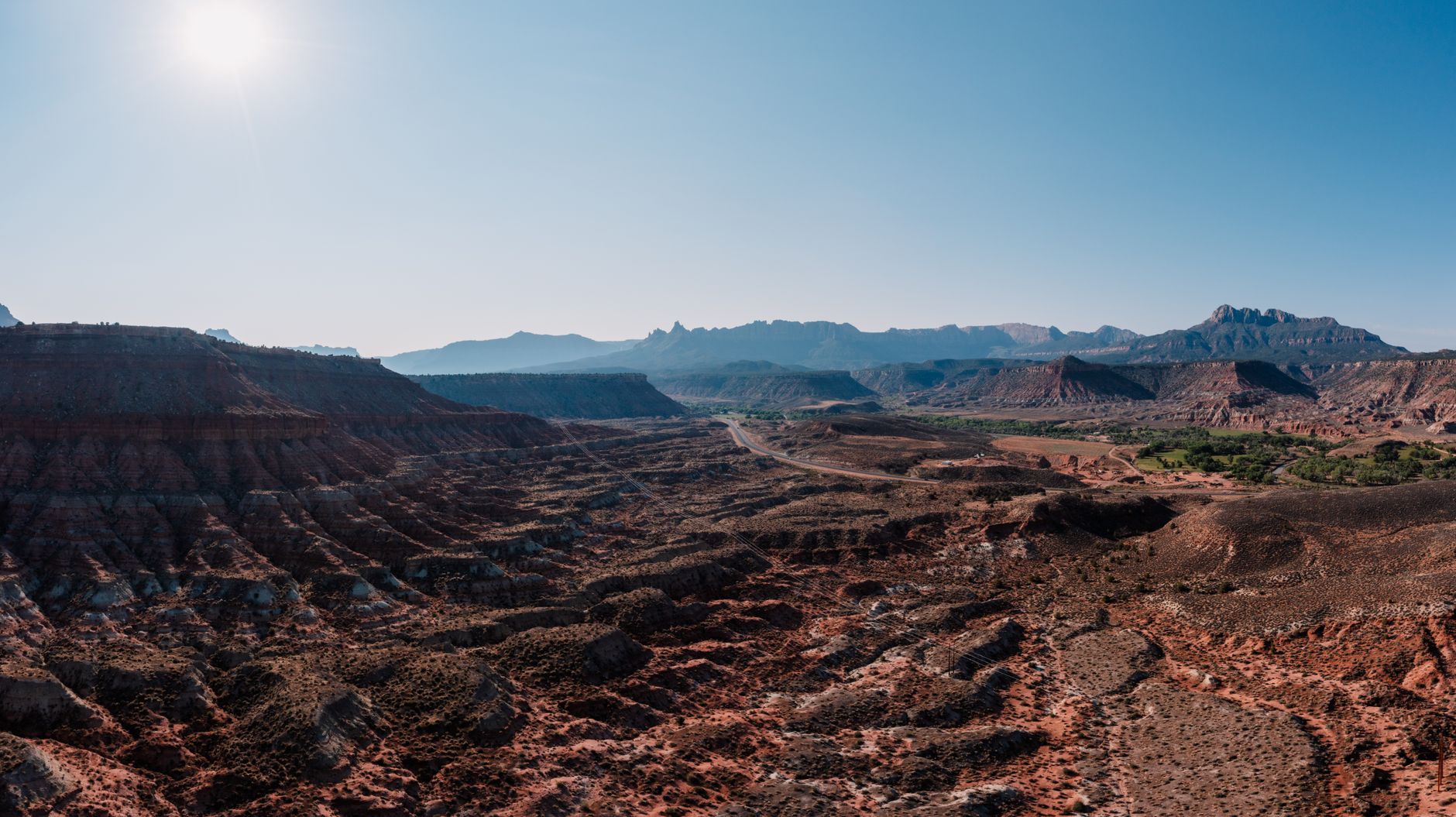
September 10, 2026 · 4 min read
Imagine you're given the keys to the classroom for a single day. What would you teach? Would you stick to the textbook, or would you ignite a different kind of curiosity? For us, the answer is clear: we’d skip the dates and names and dive straight into the wild, surprising, and often overlooked stories of our planet's most unique places.
These aren't the landmarks plastered on every postcard. These are the sites that challenge our assumptions, reveal hidden histories, and showcase the sheer wonder of geology and culture. They are the places that truly make you pause and ask, 'How did that happen?'
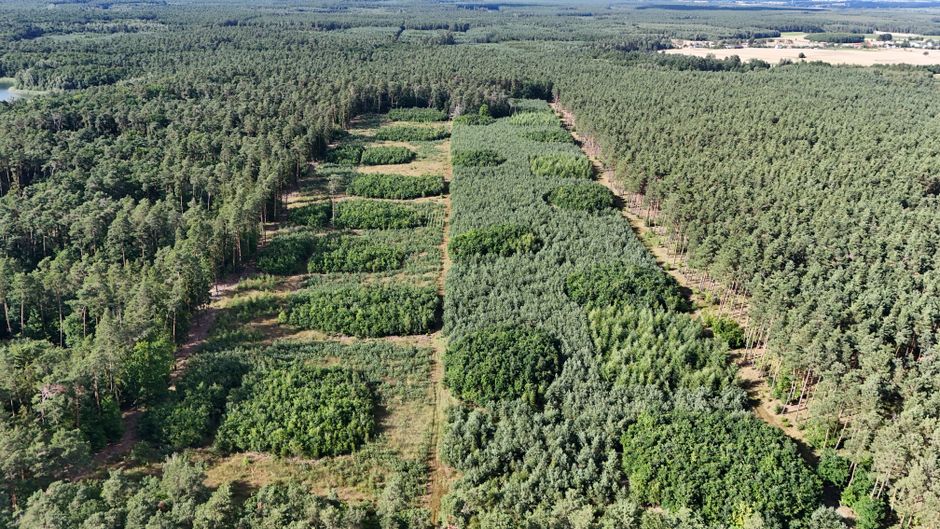
1. The Bent Pines of Gryfino
Crooked Forest, Poland
Hundreds of pine trees grow with a mysterious 90-degree bend at their base, defying explanation.
Near the town of Gryfino, a grove of around 400 pine trees exhibits an astonishing deformity. Every tree bends sharply northwards just above ground level before curving back upright. Planted in the 1930s, theories range from severe snowstorms to intentional human intervention for furniture wood, yet no definitive cause has ever been proven, leaving a bizarre botanical puzzle.
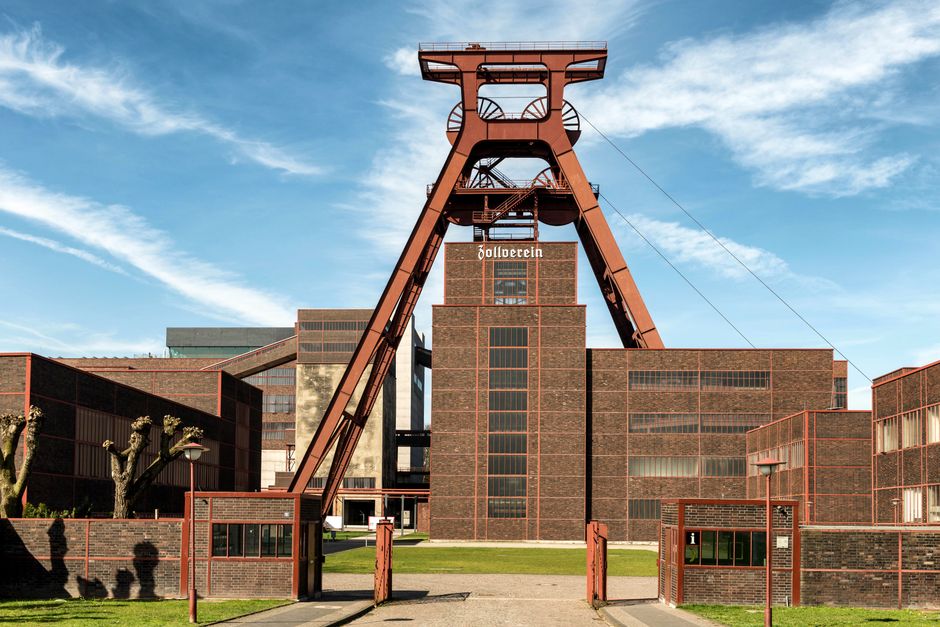
2. Japan's Brutalist Beacon
Shime Coal Mine Tower, Japan
A towering, derelict concrete structure dominates the skyline, a stark monument to Japan's industrial past.
The Shime Coal Mine Tower, or Shime Tanko Yagura, is a colossal concrete headframe built in 1943, designed to hoist coal from one of Japan's largest mines. Resembling something from a sci-fi movie, this Brutalist masterpiece stands 47.6 meters tall and was a symbol of wartime industry. Though the mine closed in 1964, the tower remains, a silent, powerful relic of human endeavor and a bygone era.
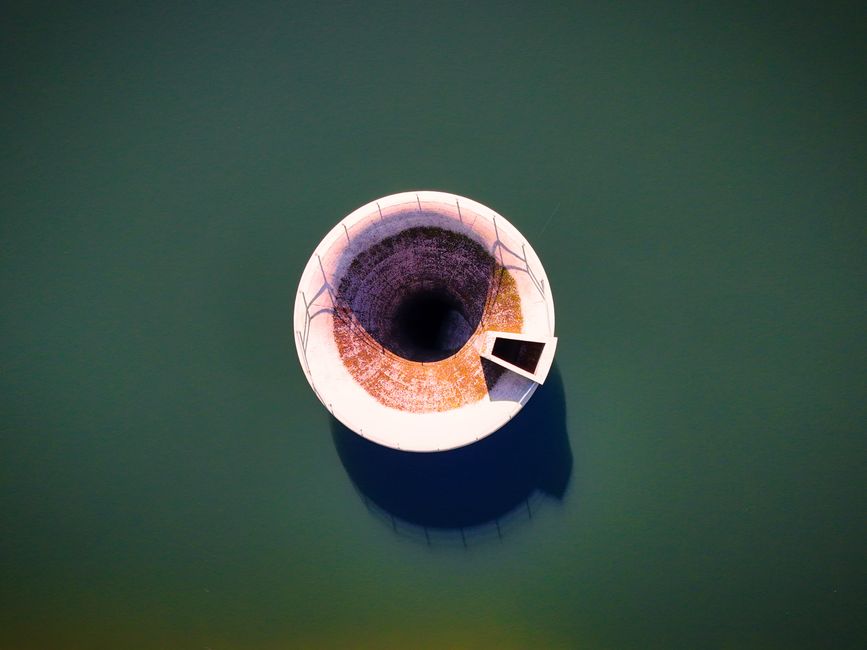
3. The Eye of the Sahara
Richat Structure, Mauritania
A massive, perfectly circular geological formation in the Sahara Desert was once mistaken for an impact crater.
Stretching 40 kilometers wide, the Richat Structure is a stunning natural wonder often called the 'Eye of the Sahara.' Early astronauts used it as a landmark, believing it to be a meteorite impact site. Geologists now understand it as a deeply eroded dome, an exposed cross-section of Earth's crust that gradually formed over millions of years, revealing concentric rings of different rock types.
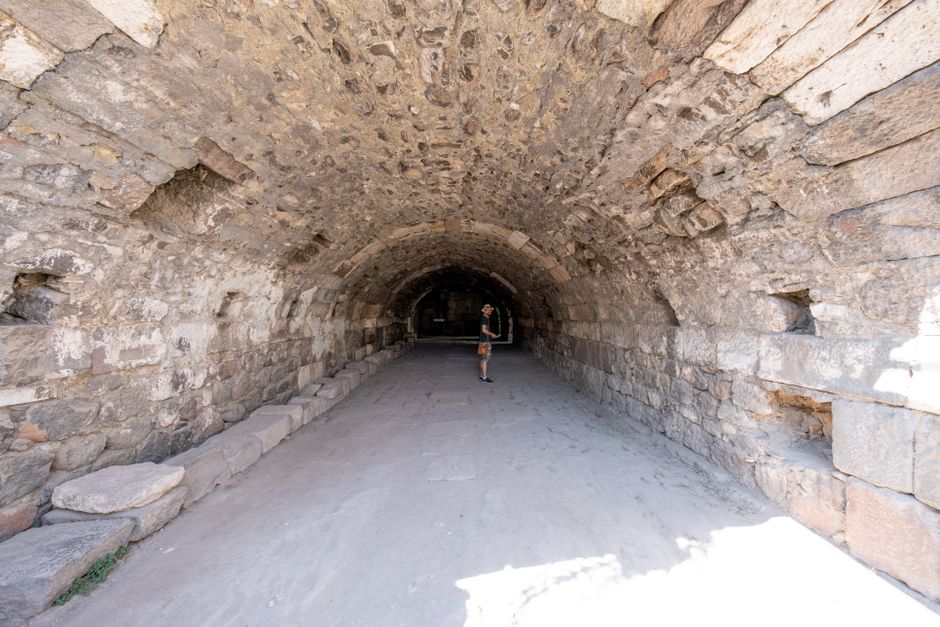
4. An Entire City Underground
Derinkuyu Underground City, Turkey
An ancient city carved deep into the earth, capable of housing thousands of people with livestock and provisions for months.
Derinkuyu is the largest excavated underground city in Turkey, extending down 18 stories into the soft volcanic rock of Cappadocia. Built by early Christians to escape persecution, it featured ventilation shafts, wells, stables, churches, schools, and even wineries. Massive stone doors could be rolled into place from the inside, sealing off levels and protecting its inhabitants from invaders for extended periods.
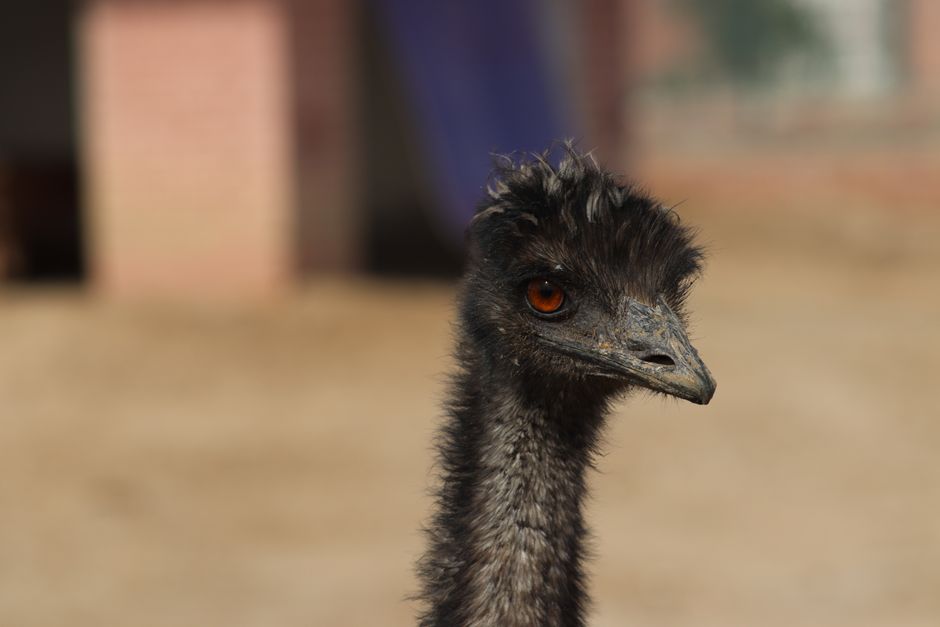
5. Australia's Avian War
Campion, Western Australia, Australia
In 1932, the Australian military was deployed to combat a population of emus destroying crops, a conflict they famously lost.
Following pleas from farmers struggling with a massive emu population in Western Australia, the military was dispatched with machine guns. Despite their firepower, the highly mobile and resilient emus proved to be formidable opponents. The 'Emu War' was largely ineffective, with the birds outsmarting the soldiers and causing minimal casualties on their side. The conflict became a peculiar footnote in military history, highlighting nature's unexpected victories.
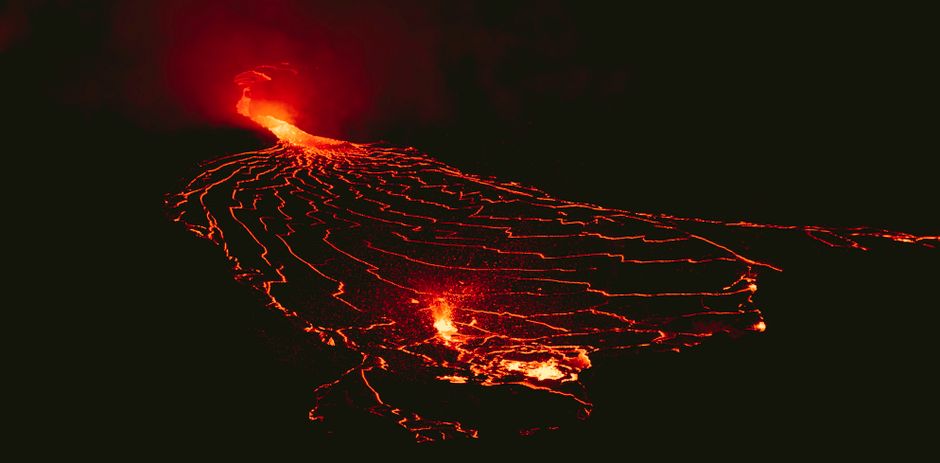
6. The Door to Hell
Darvaza Gas Crater, Turkmenistan
A massive desert crater has been burning continuously for over 50 years after Soviet geologists accidentally ignited a natural gas pocket.
In 1971, Soviet engineers drilling for natural gas caused a cavern to collapse, creating a vast crater. Fearing the spread of poisonous methane gas, they decided to ignite it, expecting it to burn out in a few weeks. Instead, the 'Door to Hell' has been ablaze ever since, a mesmerizing and somewhat terrifying spectacle of perpetual fire in the Karakum Desert, consuming an unknown quantity of natural gas.
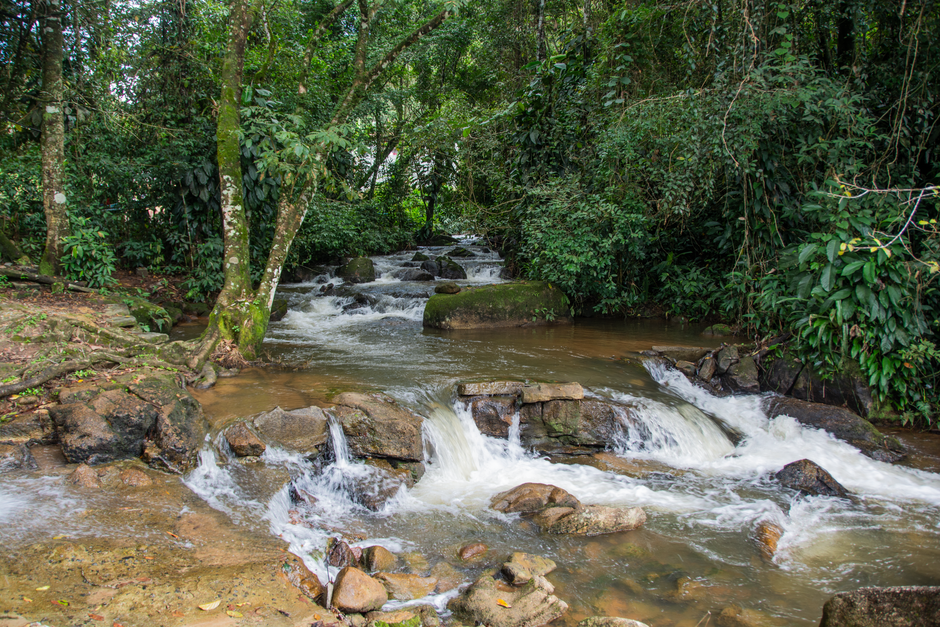
7. Brazil's Blue Grotto Secret
Gruta do Lago Azul, Bonito, Brazil
A stunning grotto holds a deep, crystal-clear blue lake, hiding ancient megafauna fossils at its bottom.
Located in the eco-tourism hub of Bonito, the Gruta do Lago Azul (Blue Lake Grotto) is a natural monument of breathtaking beauty. Sunlight filters through an opening, illuminating the incredibly clear water in vibrant shades of blue. Discovered in 1924, its depths have yielded fossils of prehistoric megafauna, including giant sloths and saber-toothed tigers, painting a picture of a lost world preserved beneath the earth.
Frequently asked questions
What are some truly unique travel destinations?
Beyond the well-trodden path, places like Poland's Crooked Forest, Mauritania's Richat Structure, or the Shime Coal Mine Tower in Japan offer unique historical, geological, or cultural insights that surprise and fascinate.
How can I find out more about hidden historical sites?
Researching local histories, exploring regional guides, and looking for places off the main tourist routes can uncover countless hidden gems. Online forums and specialized travel blogs often share insights into lesser-known historical locations.
Why is it important to learn about lesser-known places?
Learning about lesser-known places broadens our understanding of the world, revealing diverse cultures, unique geological phenomena, and surprising historical events. It fosters a deeper sense of global curiosity and appreciation for the planet's variety.
How does the AllTours.ai app help me explore these places?
AllTours.ai acts as your personal AI audio guide. Simply point your phone camera at any landscape or landmark—whether it's a famous monument or a hidden gem—and the app will instantly narrate its history, geology, and culture in your preferred language, bringing the stories of the world to life.
Related guides
Photography via Pexels. AllTours.ai is an AI audio tour guide — point your camera at any landscape and hear its story.