July 24, 2026 · 4 min read
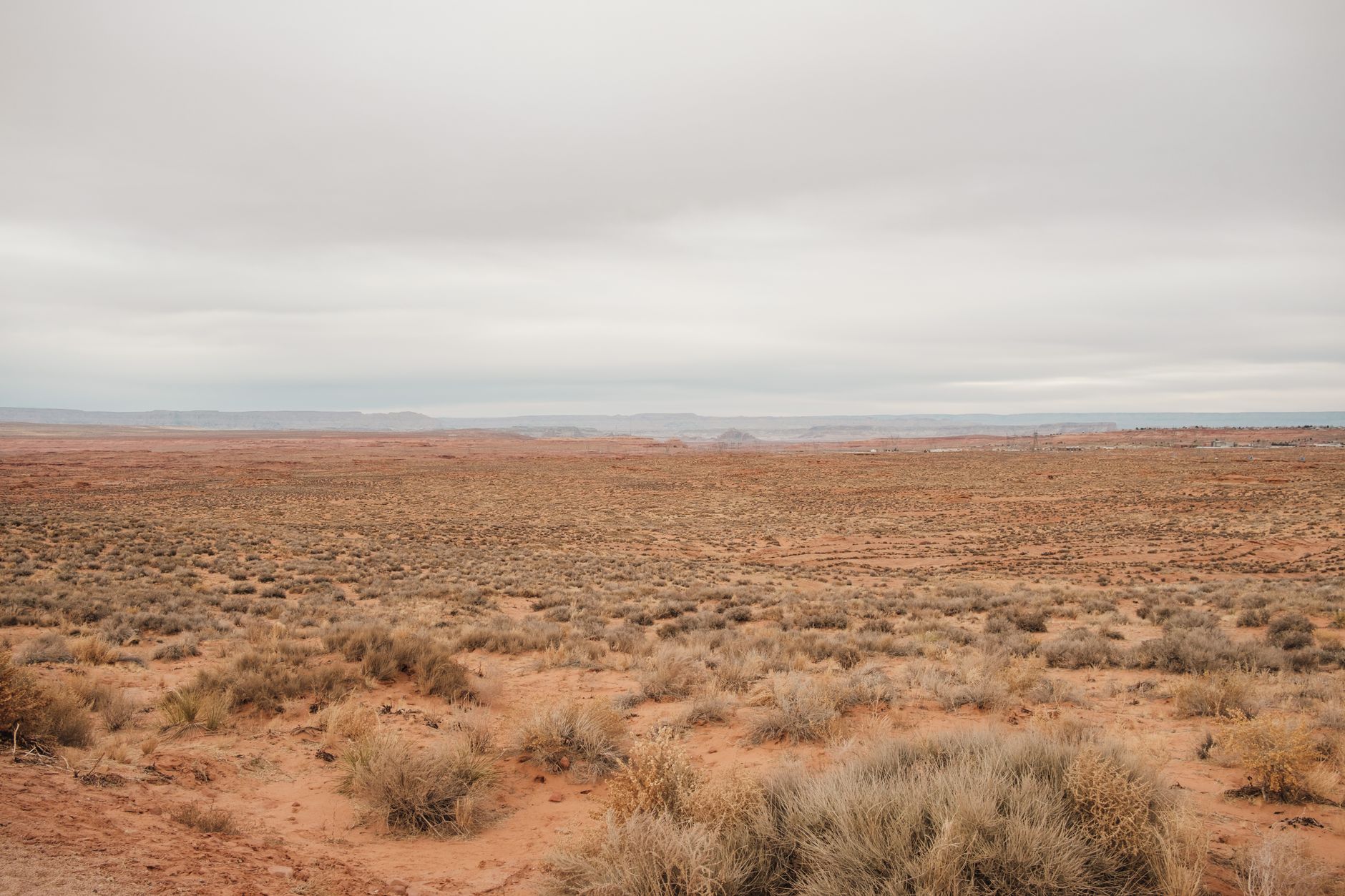
The question, "Is Arizona considered the West Coast?" often sparks a geographical debate. While Arizona doesn't touch the Pacific Ocean like California, Oregon, or Washington, its identity is undeniably woven into the fabric of the American West. It's a land of vast open spaces, pioneering spirit, and stark beauty that defines a certain kind of 'western' experience, distinct from its coastal neighbors.
But to truly understand Arizona's unique place, you need to look beyond the usual tourist postcards. This state holds a treasure trove of lesser-known spots, each with a profound story of history, geology, or culture that challenges preconceptions and deepens appreciation for its unique character. Forget what you think you know about Arizona; let's uncover its most surprising secrets.
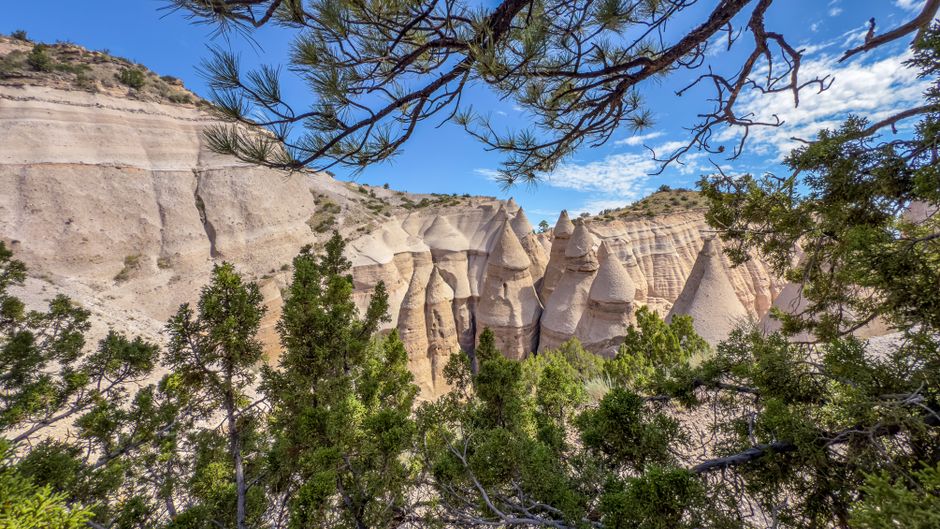
1. The Volcanic Wonderland of Rocks
Willcox, Arizona, USA
These towering rock formations are not just eroded mountains, but the spectacular remnants of a massive volcanic eruption that collapsed 27 million years ago.
Often called a "Wonderland of Rocks," Chiricahua's unique landscape was sculpted from the ignimbrite flow of the Turkey Creek Caldera. The erosion of this ancient volcanic ash created the bizarre hoodoos and balancing rocks seen today. Beyond geology, these natural fortresses once provided refuge for Apache leaders like Cochise and Geronimo, making it a site rich in both natural and human history.
2. An Experimental City in the Sand
Mayer, Arizona, USA
In the remote Arizona desert, a radical utopian city has been under continuous construction for over 50 years, striving to integrate architecture with ecology.
Arcosanti is the visionary project of architect Paolo Soleri, designed as an "arcology" – a fusion of architecture and ecology. This experimental community tests concepts of urban living, resource efficiency, and minimal environmental impact. Residents and workshop participants live and work here, crafting bronze bells and ceramic objects, while continuing to build and evolve Soleri's audacious vision for a sustainable urban future.

3. Earth's Own Sealed Space Colony
Oracle, Arizona, USA
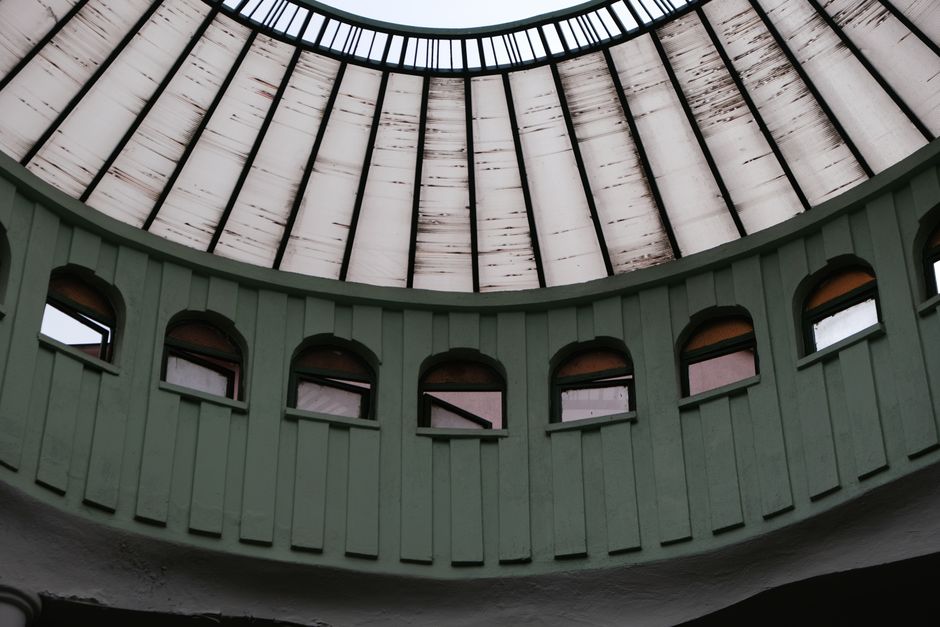
This massive, sealed glass and steel structure in the Arizona desert once housed a self-sustaining miniature Earth where humans lived in isolation for years to study planetary ecology.
Biosphere 2 was built to explore the viability of closed ecological systems, primarily to support human life in space. From 1991 to 1993, eight "biospherians" lived inside, growing their own food and recycling their own air and water, encountering unexpected challenges. Today, managed by the University of Arizona, it serves as a cutting-edge research facility for climate change, water cycles, and the future of Earth systems.
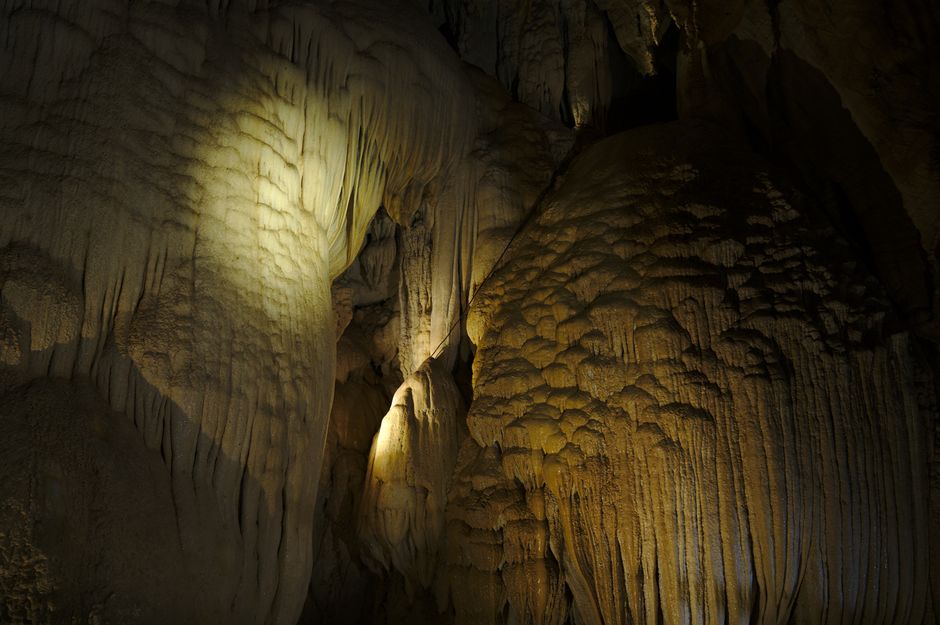
4. Arizona's Secret, Living Cave
Benson, Arizona, USA
Arizona boasts a pristine, "living" cave system so exquisitely preserved that its discoverers kept its existence a secret for over a decade to ensure its protection.
Discovered in 1974 by two cavers, Kartchner Caverns remained unknown to the public until 1988, allowing its delicate formations to be protected from disturbance. This "wet" cave is constantly growing, with stalactites, stalagmites, and rare "brushite" moonmilk formations still active. Its careful management maintains high humidity and temperature, preserving its stunning beauty and unique ecosystems, including a nursery roost for thousands of bats.
5. The Great House of a Vanished People
Coolidge, Arizona, USA
A towering four-story structure in the Arizona desert, built by an ancient civilization that mastered complex irrigation, stands as an unsolved mystery of their sudden disappearance.
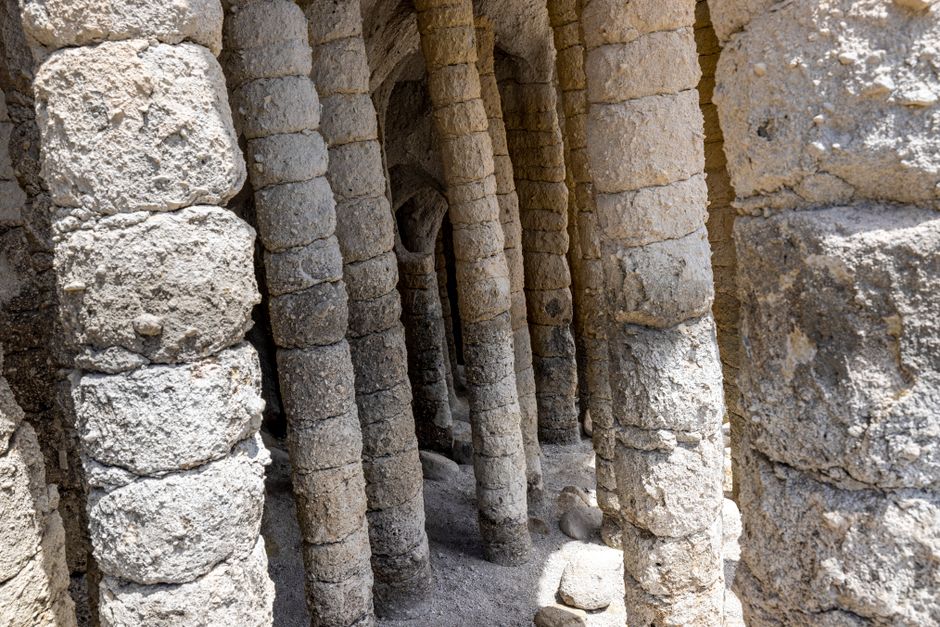
Casa Grande, or "Great House," is the largest and most mysterious structure built by the ancient Sonoran Desert People, also known as the Hohokam, around 1350 CE. This monumental adobe building served as a community gathering place and an astronomical observatory. The Hohokam developed an extensive irrigation system of canals spanning hundreds of miles, enabling agriculture in the harsh desert, before their culture mysteriously declined around 1450 CE.
6. The Desert's Hidden Oasis of Ancient Palms
Yuma, Arizona, USA
Tucked away in a rugged, remote canyon within Arizona's arid landscape are the state's only native palms, a surprising botanical relic from a much wetter prehistoric era.
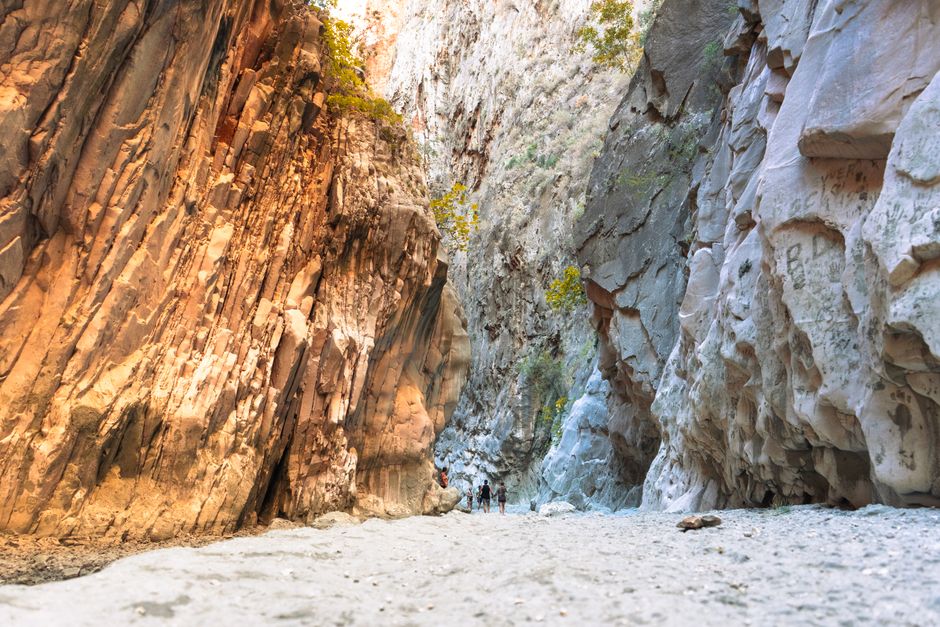
Palm Canyon, nestled deep within the Kofa Mountains, is home to a relict population of California fan palms (Washingtonia filifera). These resilient trees are the last vestiges of a time thousands of years ago when Arizona had a significantly wetter climate. Reaching this secluded grove requires a challenging hike, but the sight of these towering palms thriving in such a stark environment is a testament to nature's enduring power and a glimpse into Arizona's ancient past.
7. Where Ancient Cliff Dwellings Meet Living Culture
Chinle, Arizona, USA
Deep within a dramatic Arizona canyon, ancient cliff dwellings stand remarkably preserved, but unlike most ruins, the canyon floor is still home to Navajo families who continue their traditions today.
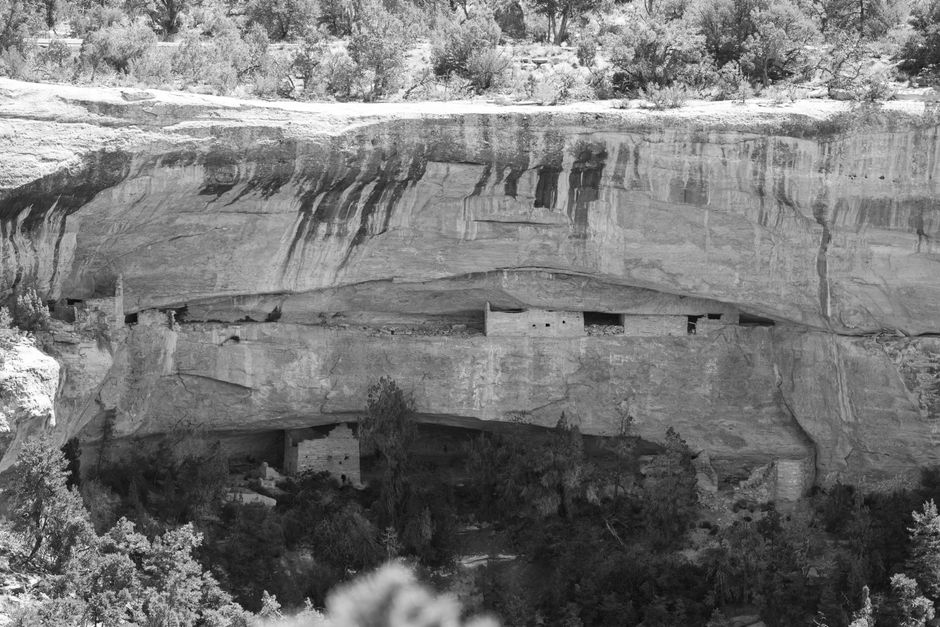
Canyon de Chelly is unique among national monuments, co-managed by the National Park Service and the Navajo Nation. Its sheer red sandstone walls shelter numerous Puebloan cliff dwellings, some dating back over a thousand years, like the famous White House Ruin. Crucially, the canyon floor remains inhabited by Navajo families who farm the land, herd sheep, and maintain a vibrant connection to their ancestors and the sacred landscape. Access to the canyon floor requires a Navajo guide.
8. The Iconic Desert's Only American Home
Ajo, Arizona, USA
This remote corner of Arizona is the only place in the United States where the iconic, multi-armed organ pipe cactus grows naturally, creating a surreal and ecologically unique desert landscape.
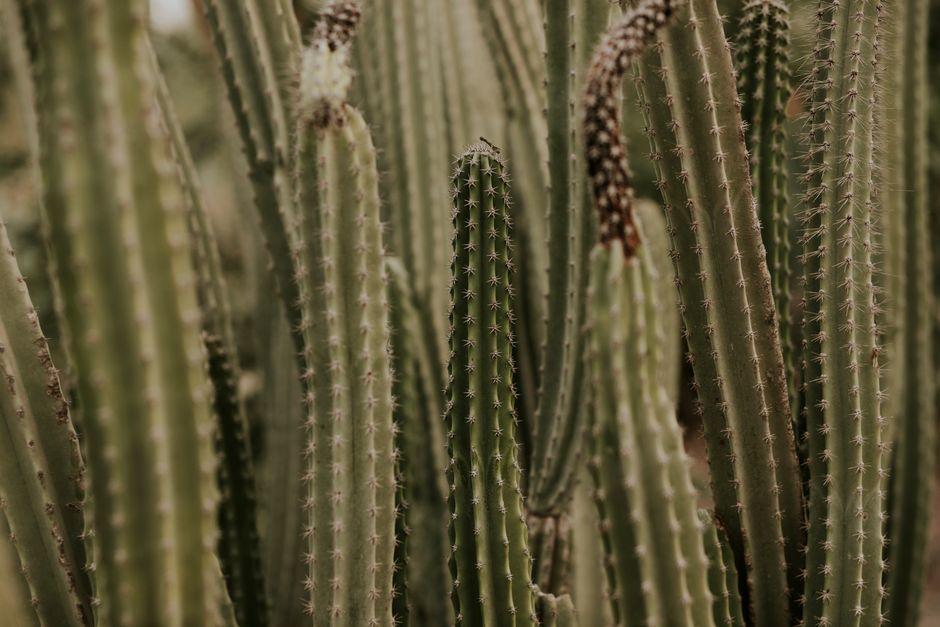
Protecting a vibrant section of the Sonoran Desert, Organ Pipe Cactus National Monument is named for its distinctive namesake cactus, which resembles organ pipes emerging from the ground. This UNESCO Biosphere Reserve offers a glimpse into an ecosystem rich with biodiversity, including saguaros, ocotillo, and diverse wildlife. Its rugged beauty and unique flora underscore the incredible adaptability of life in extreme conditions, while also serving as a critical borderlands region.
Frequently asked questions
Is Arizona considered a desert state?
Yes, Arizona is predominantly a desert state, with the Sonoran Desert covering a significant portion. However, it also boasts diverse climates, including pine forests and mountains in its central and northern regions, making its geography surprisingly varied.
What defines the "West Coast" region of the U.S.?
The "West Coast" typically refers to the states bordering the Pacific Ocean: California, Oregon, and Washington. It's characterized by its coastline, maritime climate, and often distinct cultural and economic ties to the Pacific Rim.
Does Arizona have mountains or forests?
Absolutely. While famous for its deserts, Arizona is home to several mountain ranges, including the Mogollon Rim and the White Mountains. These higher elevations support extensive pine forests, including the largest contiguous ponderosa pine forest in North America, and experience all four seasons.
How does AllTours.ai enhance exploration of places like Arizona?
AllTours.ai transforms your smartphone into a personal AI tour guide. Simply point your camera at any landscape or landmark, and the app instantly narrates its history, geology, and cultural significance in your preferred language, offering a deeper understanding of the world around you.
Related guides
Photography via Pexels. AllTours.ai is an AI audio tour guide — point your camera at any landscape and hear its story.