August 3, 2026 · 4 min read
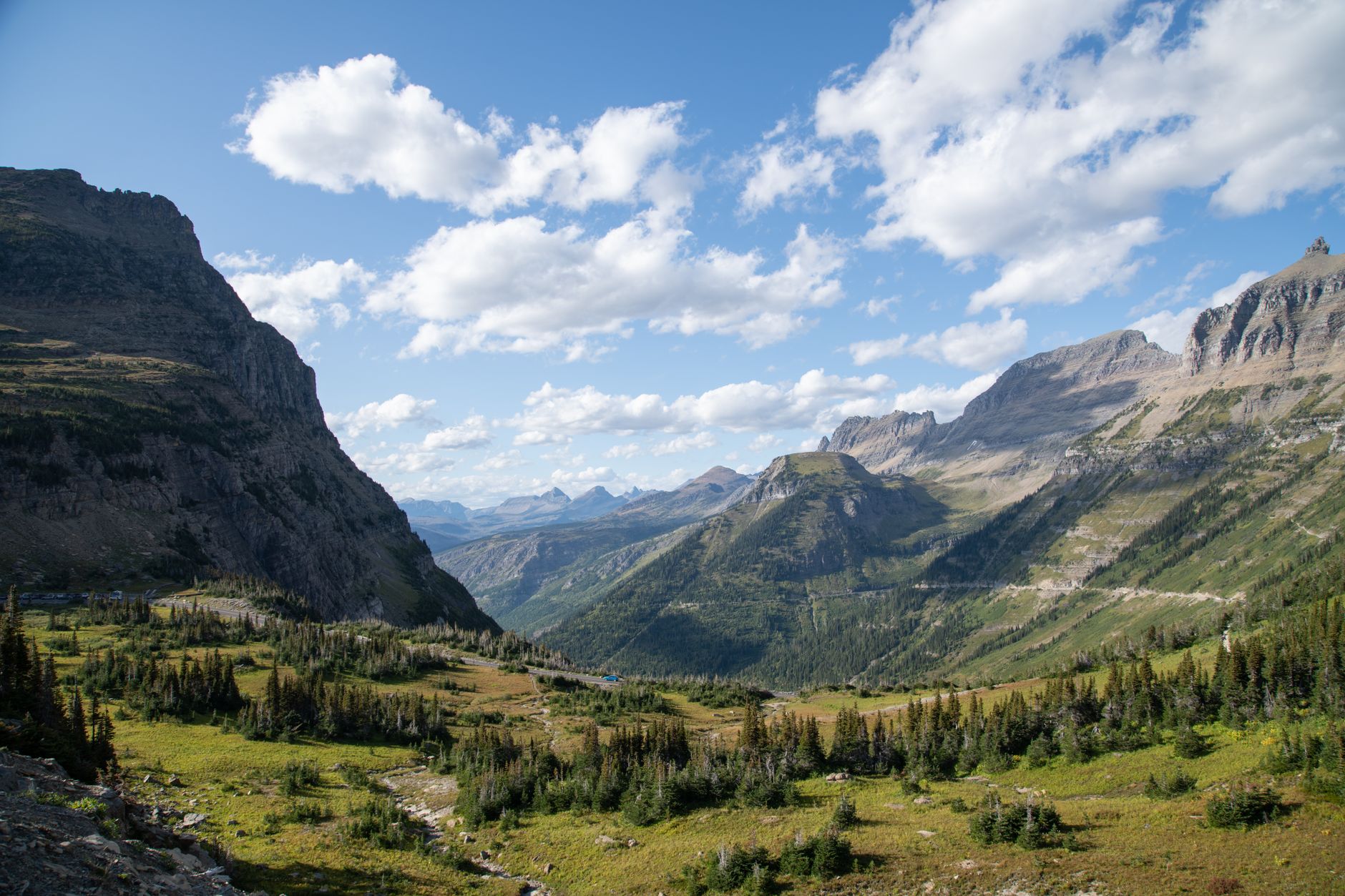
Glacier National Park in Montana, USA, is renowned for its breathtaking alpine scenery and iconic Going-to-the-Sun Road. Millions flock to its famous viewpoints, but the true magic of this 'Crown of the Continent' lies in its deeper, often overlooked narratives. Beyond the well-trodden paths, a landscape sculpted by ice and time holds countless secrets.
For those willing to venture just a little further, Glacier reveals a richer tapestry of history, geology, and culture. These are the places where ancient forces are still at play, where human stories echo from a bygone era, and where the park's wild heart beats strongest. Prepare to look past the postcards and truly connect with the unexpected wonders of Glacier.
1. The Rebounding Shores of Johns Lake
Johns Lake Loop, Glacier National Park, USA
What if a hidden lake held the secret to Glacier's shifting landscape, literally springing back to life after the ice retreated?
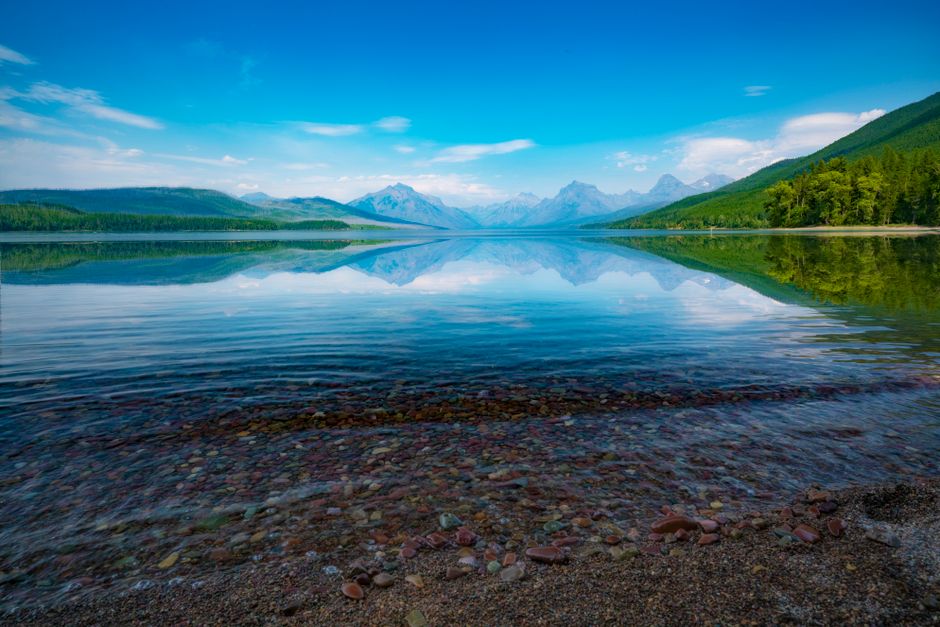
Tucked away near the busier Lake McDonald area, Johns Lake Loop offers more than just a tranquil walk. Its quiet shores reveal clear evidence of 'isostatic rebound' – the phenomenon of land rising after the immense weight of glaciers melted away. You can observe ancient lake terraces now sitting above the current water level, offering a tangible, vivid glimpse into the park's dynamic geological past as the earth slowly, yet powerfully, readjusts.
2. The Scoured Face of the Garden Wall
Highline Trail, Glacier National Park, USA
Imagine a massive limestone cliff, not carved by water, but scraped clean by an ancient, mile-thick river of ice.
While the Highline Trail is famous for its views, the true geological marvel of the Garden Wall itself often serves as just a stunning backdrop. This dramatic, near-vertical cliff face is a textbook example of glacial erosion, meticulously scoured clean by the immense force of glaciers grinding against it. Its unique, almost perfect 'U-shaped' cross-section tells a clear, powerful story of how ice, not water, sculpted this formidable barrier over millennia.
3. Bowman Lake's Whispers of a Failed Railway
Bowman Lake, Glacier National Park, USA
How did this remote, pristine lake become a silent witness to a historic, and ultimately failed, railway logging scheme?
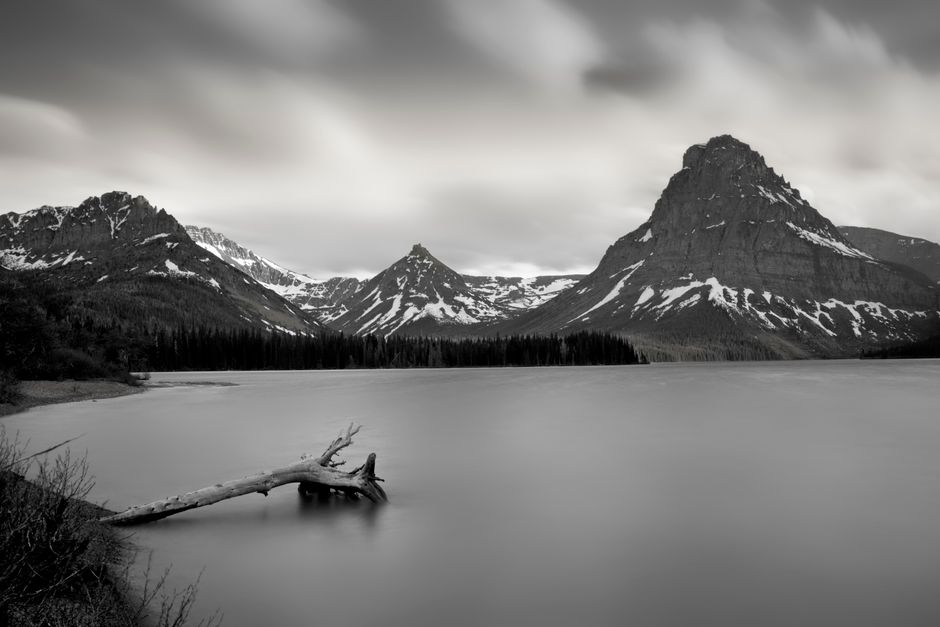
Bowman Lake, nestled in the park's remote North Fork region, offers more than just pristine beauty. In the early 20th century, before the park's full establishment, there were ambitious — and ultimately unsuccessful — plans to build a railway line directly to its shores to extract timber. Remnants of old logging roads and pioneer cabins still whisper tales of a wilder, untamed era and the early struggles between industry and preservation that shaped the landscape we cherish today.
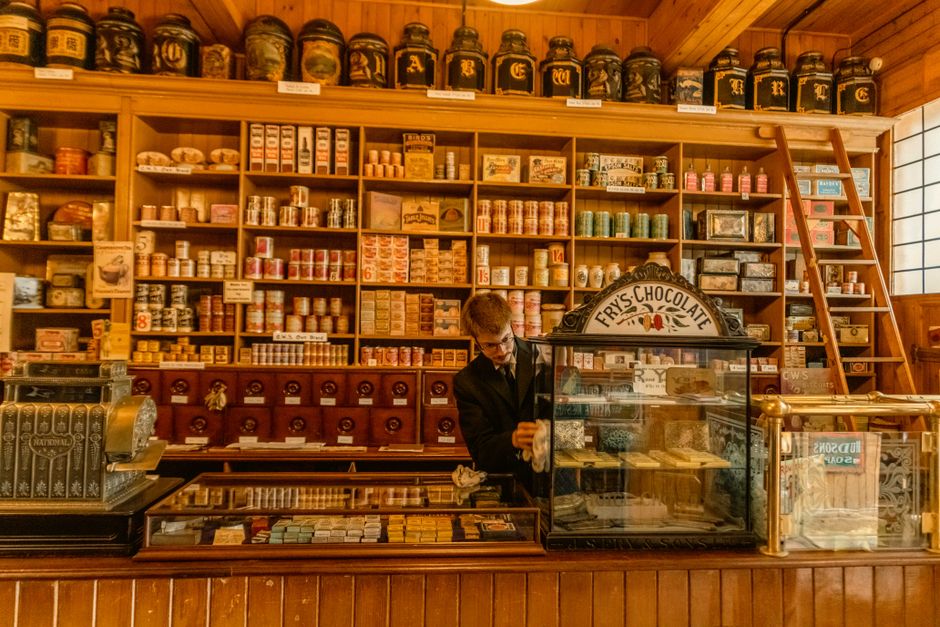
4. The Polebridge Mercantile: A Living Time Capsule
Polebridge Mercantile, Glacier National Park, USA
This rustic mercantile, still operating without modern amenities, once served as the crucial social hub for a community of rugged homesteaders and early park rangers.
Far off the main Going-to-the-Sun Road, the Polebridge Mercantile is a vibrant step back in time. Established in 1914, it was the lifeblood for isolated homesteaders and park service employees in the remote North Fork. Without electricity until quite recently, and still famous for its legendary huckleberry treats, it represents the enduring spirit of self-reliance, community, and ingenuity that defined early life on Glacier's rugged fringes.
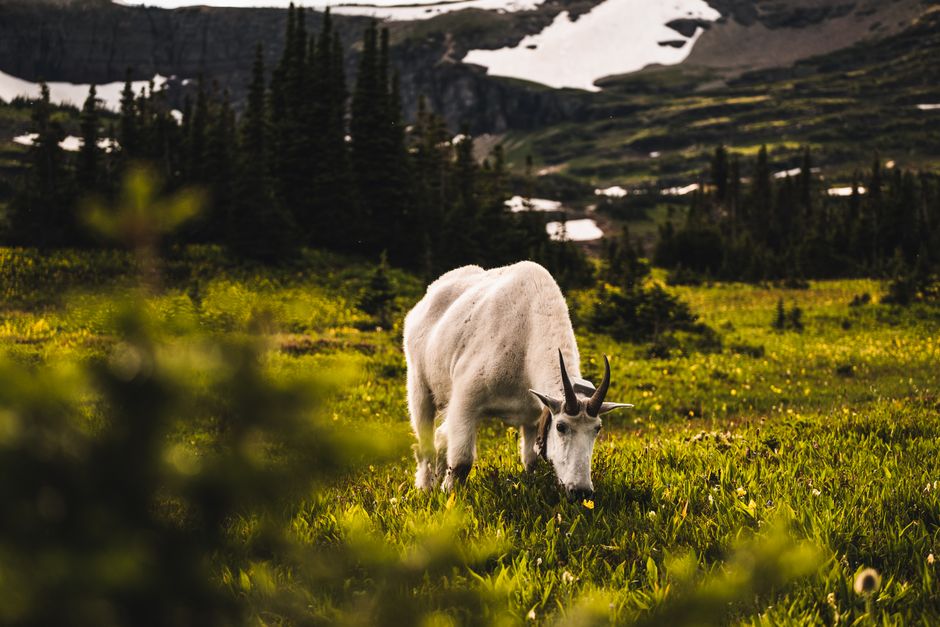
5. Standing on the Continental Divide at Logan Pass
Logan Pass, Glacier National Park, USA
Stand on a single, invisible line where a raindrop's falling point decides its journey to one of two vast oceans.
While Logan Pass is famously beautiful, the true marvel of the Continental Divide here is often overshadowed by the sweeping vistas. This invisible geological line dictates the flow of water across North America. A single raindrop falling inches to one side will journey thousands of miles to the Pacific Ocean, while one falling to the other will eventually reach the Atlantic via the Gulf of Mexico. It's a humbling, profound geological truth right under your feet.
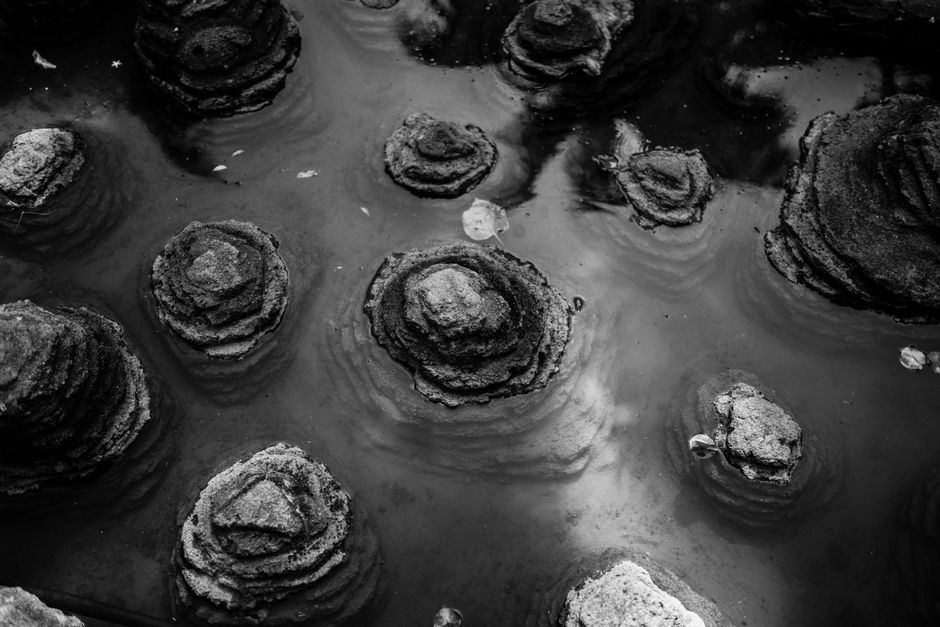
6. Redrock Falls and Ancient Microbial Life
Redrock Falls Trail, Glacier National Park, USA
Beyond its stunning beauty, this vibrant waterfall holds an ancient secret: undeniable proof of prehistoric life trapped within its colorful rock layers.
The trail to Redrock Falls, though popular, leads to a unique geological feature in its namesake rocks. The vibrant red and green argillite layers here are rich with stromatolites – fossilized microbial mats that represent some of the earliest forms of life on Earth, dating back over a billion years. The falls themselves cascade over these ancient, colorful strata, offering a visible, living testament to deep time and the planet's evolutionary story.
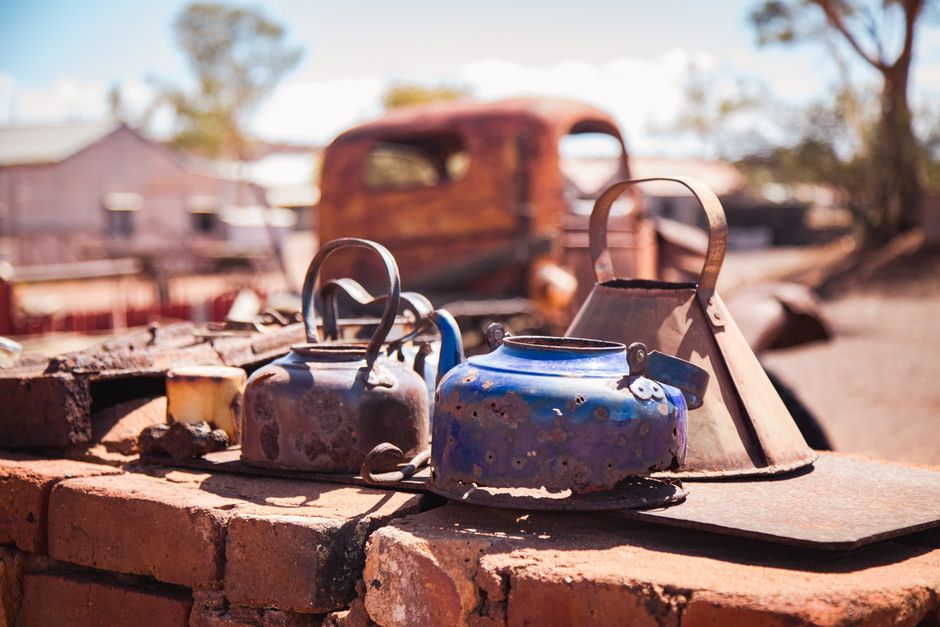
7. Kintla Lake's Forgotten Gold Rush
Kintla Lake, Glacier National Park, USA
This pristine, turquoise lake, the park's most remote, holds a dark, rarely told story of a gold rush, betrayal, and a lost boomtown.
Kintla Lake, the most remote and least visited of Glacier's large lakes, was once the scene of a brief but intense gold rush in the late 19th century. Prospectors flocked to the area, establishing a small boomtown that quickly faded into history. The lake's name itself is derived from a Kutenai word, echoing the Indigenous history that long preceded European settlement, providing a stark historical contrast to its modern tranquility.
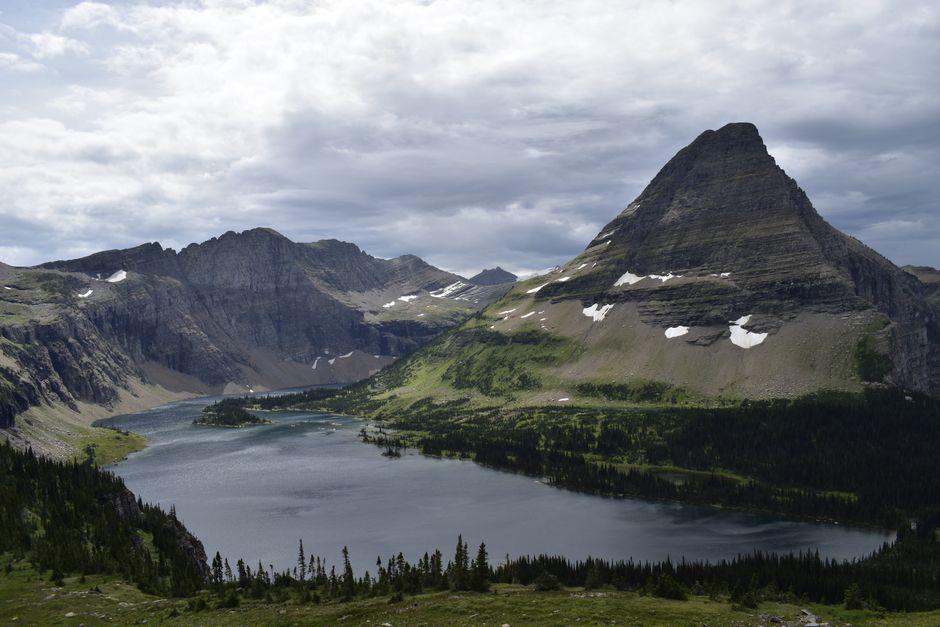
8. The Vanishing Ice of Sperry Glacier Overlook
Sperry Glacier Overlook, Glacier National Park, USA
This distant, retreating glacier holds a stark, visible warning about our planet's future, a living textbook of ongoing climate change.
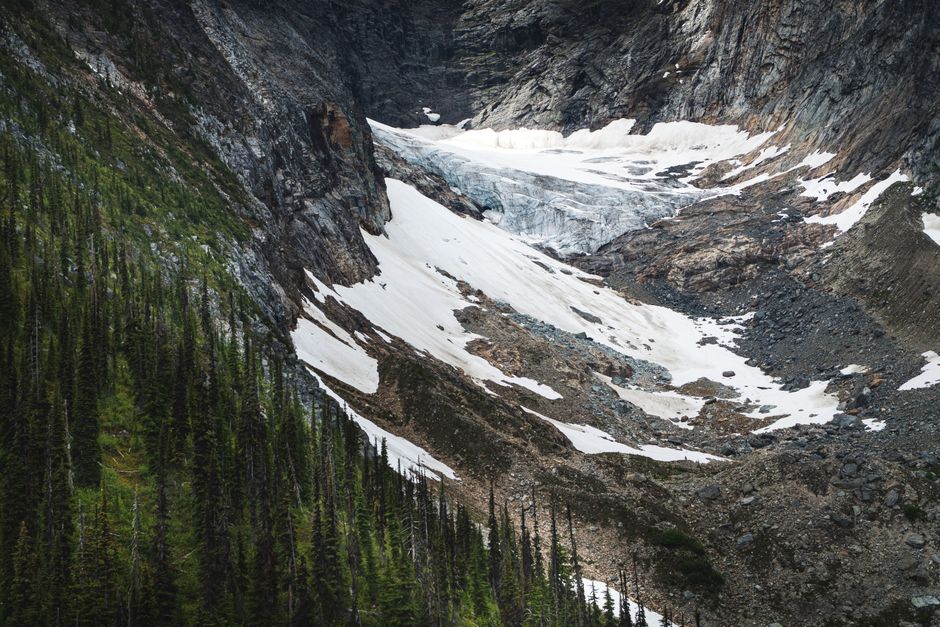
While Sperry Glacier itself requires a challenging hike to reach, its overlook offers a profound experience. Sperry was once one of the largest glaciers in the park, but it has shrunk dramatically over the past century. Looking across the valley, you can clearly see the 'bathtub ring' of rock scoured by its former, much larger extent, a powerful visual demonstration of glacial retreat and the ongoing environmental changes impacting this iconic landscape.
Frequently asked questions
What is the best time of year to visit Glacier National Park?
The best time to visit Glacier National Park is typically from late June to early October, when all park roads and facilities are usually open, including the iconic Going-to-the-Sun Road. July and August offer the warmest weather and full access to trails, while September provides stunning fall foliage and fewer crowds.
Do I need a vehicle reservation to enter Glacier National Park?
Vehicle reservations are often required for certain areas of Glacier National Park, particularly for the Going-to-the-Sun Road and the Many Glacier valley during peak season. It's crucial to check the official National Park Service website for the most current information and to secure reservations well in advance.
What wildlife can I expect to see in Glacier National Park?
Glacier National Park is home to a diverse array of wildlife, including grizzly bears, black bears, mountain goats, bighorn sheep, moose, and various bird species. While sightings are not guaranteed, dawn and dusk are often the best times, and always remember to keep a safe distance and never feed animals.
How can the AllTours.ai app enhance my visit to Glacier National Park?
The AllTours.ai app acts as your personal AI audio tour guide. Simply point your phone camera at any landscape or landmark within Glacier National Park, and the app will instantly narrate its unique history, geology, and culture in your preferred language. It brings the park's hidden stories and scientific wonders to life right before your eyes, offering a deeper and more immersive experience beyond traditional guidebooks.
Related guides
Photography via Pexels. AllTours.ai is an AI audio tour guide — point your camera at any landscape and hear its story.