September 17, 2026 · 4 min read
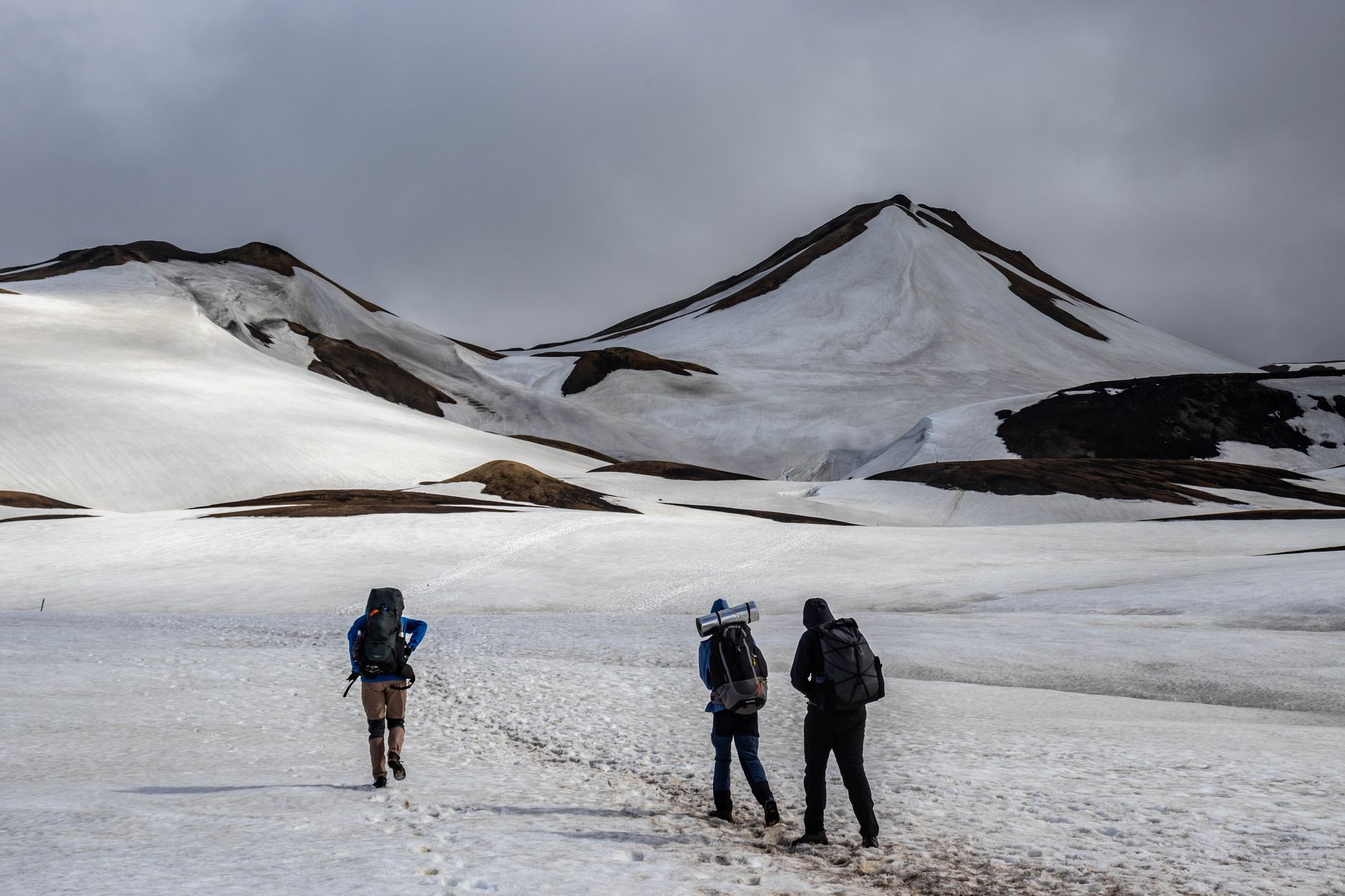
The age-old debate for backpackers embarking on multi-month journeys often boils down to this: should you meticulously plan every stop, or let the wind guide your sails? While both approaches have their merits, the true magic of long-term travel often lies in the unexpected detours and the discovery of places not found in typical guidebooks.
For those who crave authentic, unvarnished experiences, a blend of flexible planning and open-minded spontaneity is key. It allows you to stumble upon the world's truly unique corners – places with stories so bizarre, so ancient, or so profound that they reshape your understanding of history, geology, and human culture. Here are a few such places to spark your curiosity.
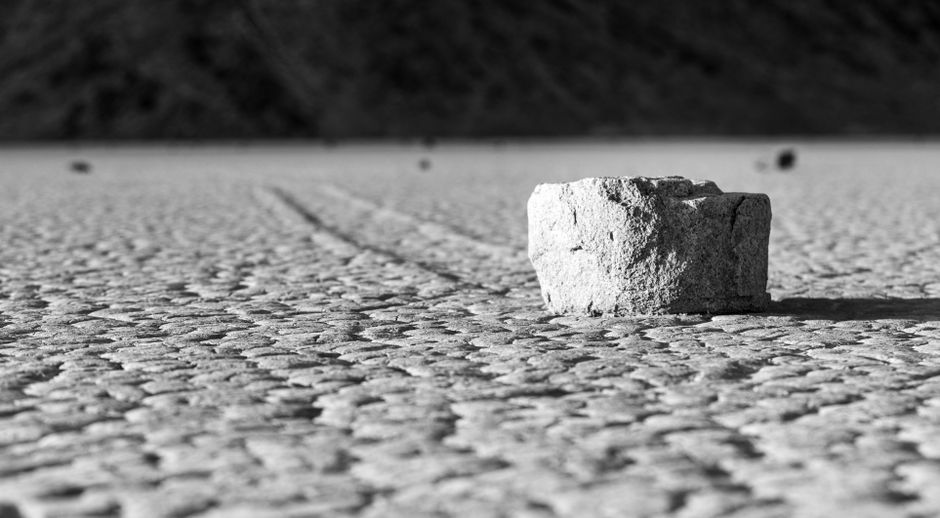
1. Moving Rocks of Death Valley
Racetrack Playa, Death Valley, USA
Heavy rocks on a flat desert playa inexplicably slide across the ground, leaving long trails behind them.
For decades, the 'sailing stones' of Racetrack Playa baffled scientists and visitors alike. These rocks, some weighing hundreds of pounds, appear to move autonomously across the dried lakebed. Research now points to a unique combination of thin ice sheets forming at night, which then melt in the sun, allowing strong winds to push the embedded rocks across the slick, muddy surface.
2. The Eye of the Sahara's Ancient Mystery
Richat Structure, Mauritania
Visible from space, this perfectly circular geological feature was once thought to be an impact crater, but its true origin is far more complex.
The Richat Structure, often called the 'Eye of the Sahara', is a massive, deeply eroded dome, stretching nearly 50 kilometers across. Initially hypothesized as a meteorite impact site, scientists now understand it as a symmetrical uplifted dome that has been stripped bare by erosion, revealing concentric rings of different rock types. Its sheer scale and striking pattern remain a marvel of natural geology.
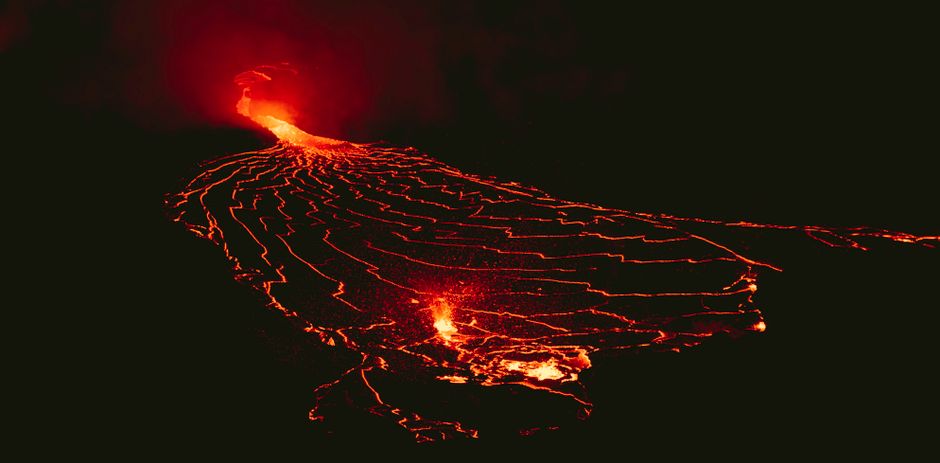
3. Turkmenistan's Flaming Gateway
Darvaza Gas Crater, Turkmenistan
A desert crater has been burning continuously for over five decades, accidentally ignited by Soviet geologists.
In 1971, Soviet engineers drilling for natural gas accidentally punched into a cavern, causing the ground to collapse and creating a large crater. To prevent the spread of poisonous methane gas, they decided to burn it off, expecting it to extinguish within weeks. Instead, the 'Door to Hell' has been ablaze ever since, a surreal and awe-inspiring spectacle in the Karakum Desert.
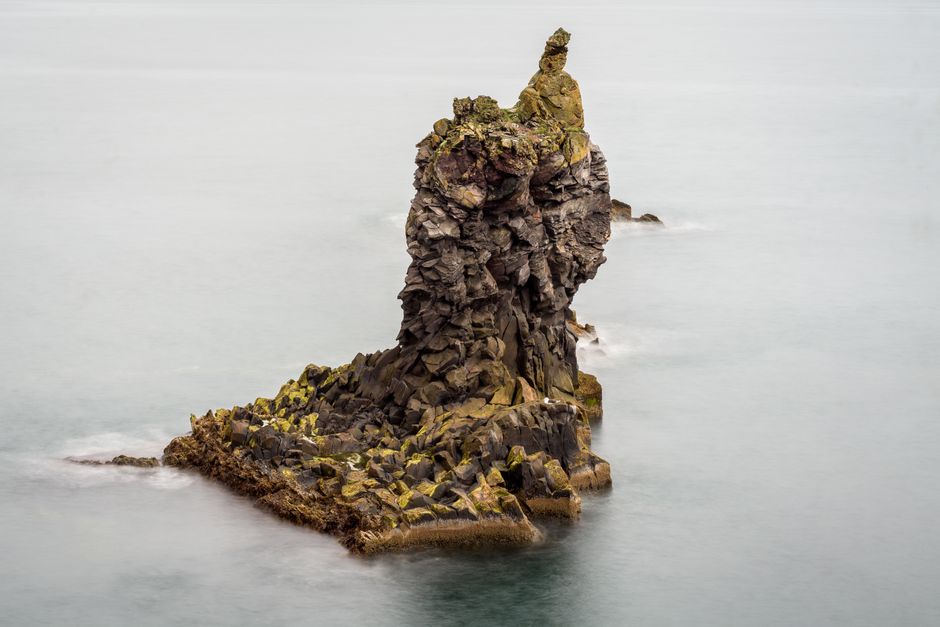
4. Iceland's Petrified Troll
Hvítserkur, Iceland
Rising dramatically from the ocean, this basalt rock formation is said to be a troll caught by the sunrise while drinking water.
Hvítserkur is a 15-meter-high basalt stack on the eastern shore of the Vatnsnes peninsula. Its distinctive shape, with three holes at its base, makes it resemble a dragon or, as local folklore suggests, a petrified troll. Geologically, it's an eroded volcanic dyke, constantly battered by the Atlantic waves, and is also a popular nesting site for seabirds like fulmars and gulls.
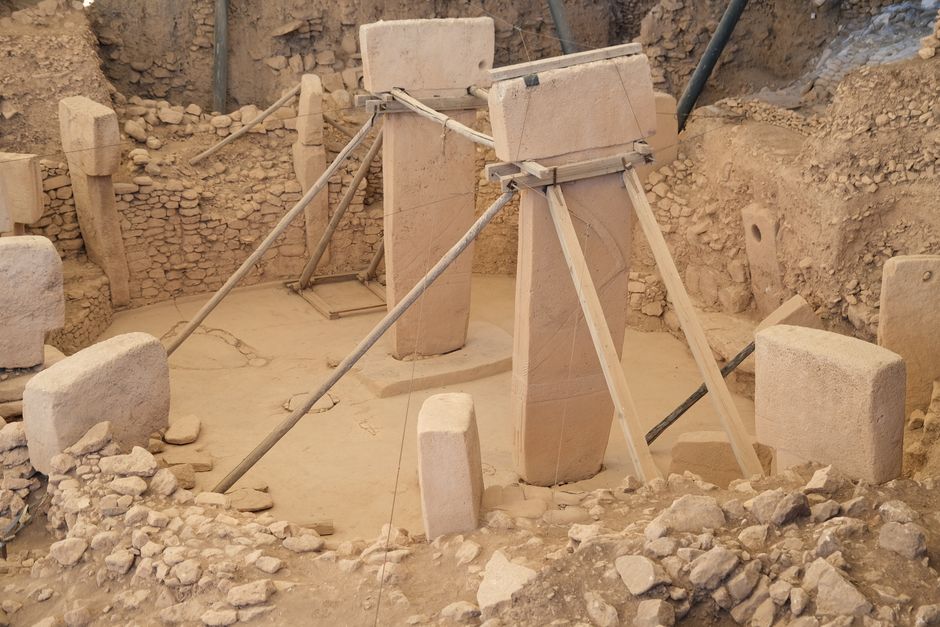
5. The World's Oldest Temple
Göbekli Tepe, Turkey
Predating Stonehenge and the Egyptian pyramids by thousands of years, this site challenges our understanding of early human civilization.
Göbekli Tepe is an archaeological marvel that rewrote the timeline of human history. Discovered in southeastern Turkey, its massive, intricately carved stone pillars date back to around 9,500 BC, built by hunter-gatherers long before the advent of agriculture or settled communities. Its existence suggests that organized religion and monumental architecture may have predated the development of farming, rather than vice-versa.
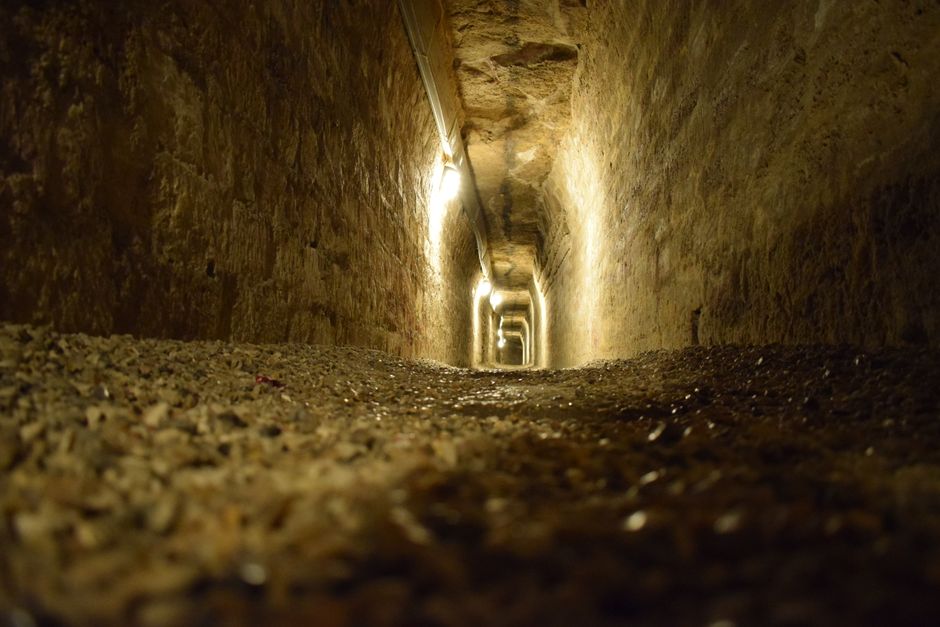
6. Sicily's Mummified Legacy
Catacombs of Palermo, Sicily, Italy
Thousands of mummified bodies, some remarkably preserved, offer a chilling and unique glimpse into 17th-19th century Sicilian life.
Beneath a Capuchin monastery in Palermo lies a vast network of catacombs housing the mummified remains of over 8,000 residents. From priests and aristocrats to ordinary citizens, dressed in their finest clothes, these bodies are displayed in various states of preservation. The most famous is Rosalia Lombardo, a two-year-old girl who died in 1920, whose body remains eerily intact, appearing as if she is merely sleeping.
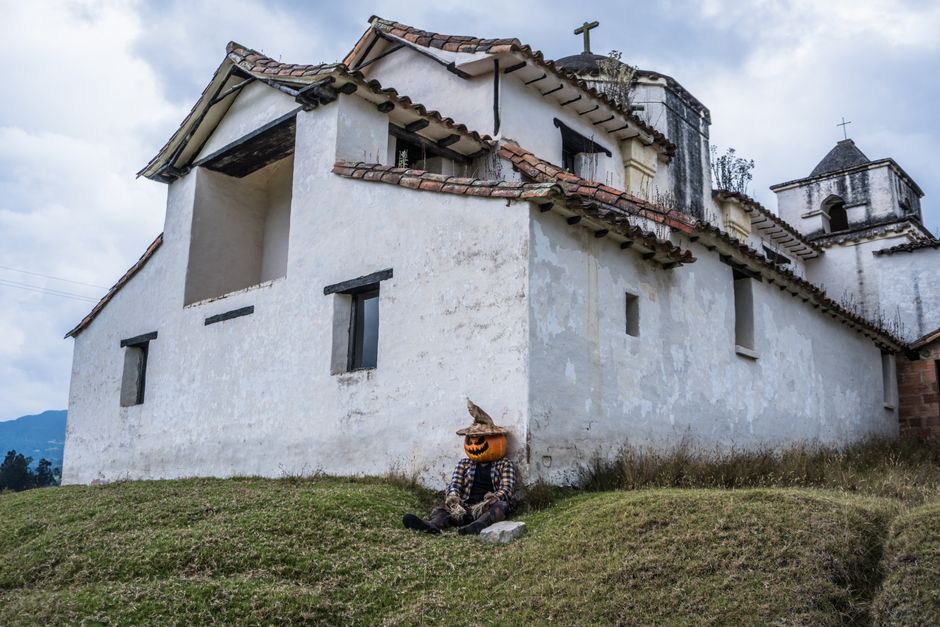
7. Japan's Silent Residents
Nagoro Scarecrow Village, Shikoku, Japan
A remote Japanese village where the scarecrow population vastly outnumbers its human inhabitants.
In the isolated valley of Nagoro, deep in Shikoku, the artist Tsukimi Ayano has populated her dwindling village with life-sized scarecrows. Each doll represents a former resident who has either moved away or passed on, filling empty classrooms, bus stops, and even fields. This poignant art project offers a unique, albeit melancholic, commentary on rural depopulation in Japan.
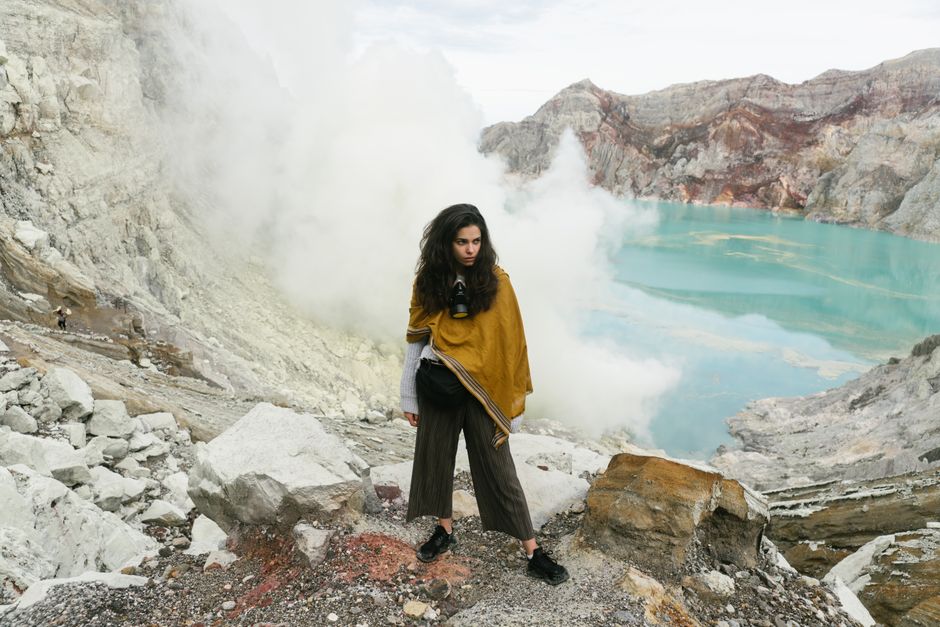
8. Indonesia's Blue Fire Crater
Kawah Ijen, Indonesia
A volcanic crater lake famous for its mesmerizing electric blue flames, visible only at night, caused by burning sulfuric gases.
Kawah Ijen is a stratovolcano in East Java, home to an otherworldly phenomenon: blue fire. This isn't lava, but ignited sulfuric gases emanating from cracks in the volcano, burning at temperatures up to 600°C. These gases condense into liquid sulfur, which then flows down, creating an ethereal spectacle. The crater also hosts a highly acidic turquoise lake and is a site for dangerous sulfur mining.
Frequently asked questions
What's the best balance between spontaneous and planned travel for long trips?
For multi-month backpacking, a 'loose' plan works best. Book your first few nights and major transportation, but leave plenty of gaps for spontaneous decisions. This allows you to follow local recommendations, extend stays in places you love, and chase unexpected opportunities without feeling rushed or locked in.
How can I discover genuinely lesser-known places when traveling?
Beyond guidebooks, talk to locals, backpackers you meet, and hostel staff for hidden gems. Use less common travel forums, specialized blogs, and even satellite maps to spot intriguing geographical features. Don't be afraid to take a bus to the 'end of the line' or follow a promising-looking trail.
What are key safety considerations for exploring remote or unusual locations?
Always inform someone of your itinerary, even if it's just a general direction. Research local customs and potential dangers, carry a reliable map and communication device, and pack sufficient water and supplies. Trust your instincts; if a situation feels unsafe, it likely is.
How can AllTours.ai help me discover more about the places I visit?
AllTours.ai enhances your travel by providing instant, in-depth narratives. Simply point your phone camera at any landscape, landmark, or even a street scene, and the app will narrate its rich history, geological formation, or cultural significance in your preferred language, uncovering stories you might otherwise miss.
Related guides
Photography via Pexels. AllTours.ai is an AI audio tour guide — point your camera at any landscape and hear its story.