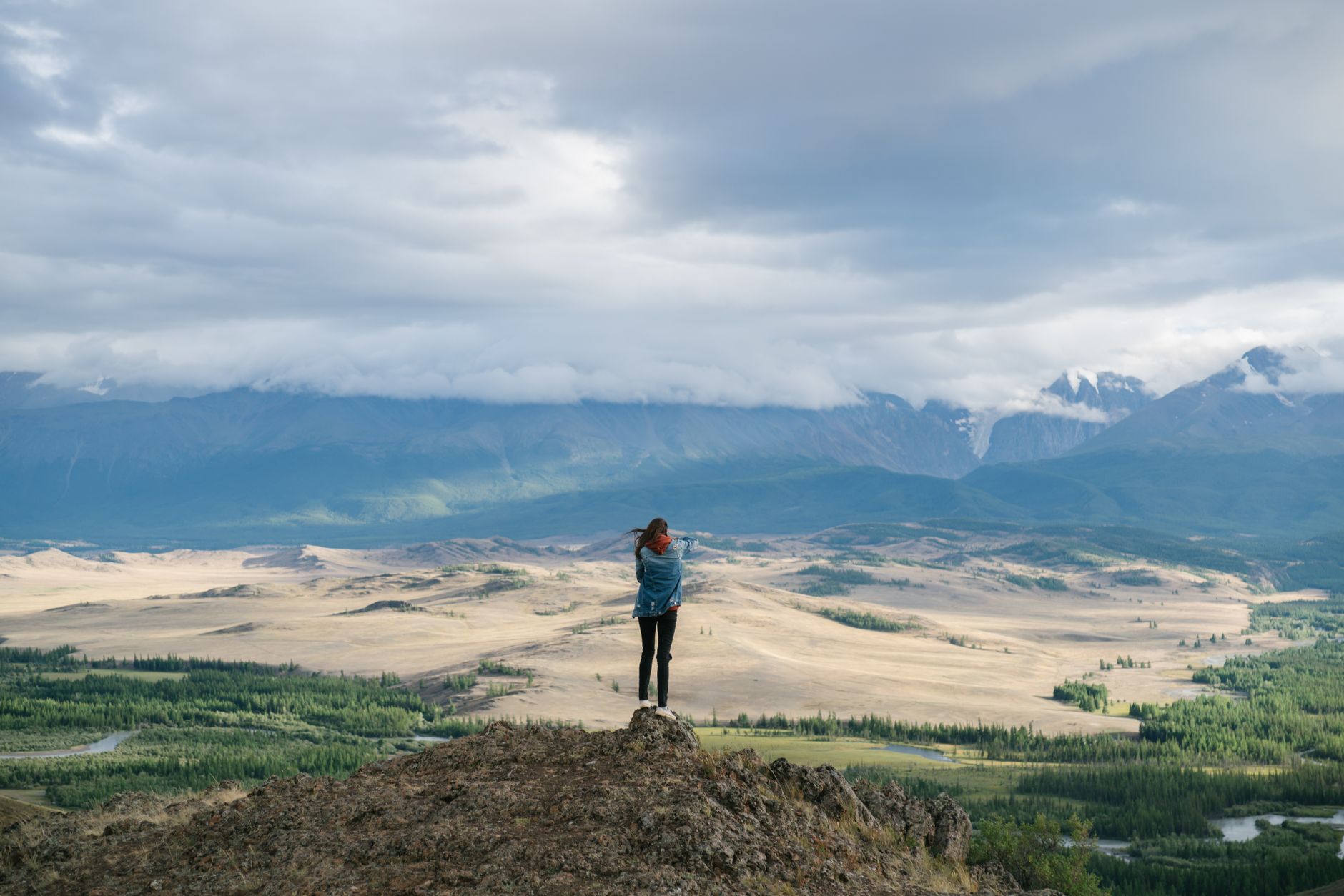
September 17, 2026 · 4 min read
The thought of taking 4-5 months off work to travel or backpack can feel daunting, even irresponsible to some. But what if that extended break isn't just a vacation, but an investment in a richer understanding of the world and yourself? It's a chance to move beyond fleeting tourist snapshots and truly immerse.
Forget the usual well-trodden paths. This isn't about ticking off landmarks; it's about uncovering the unexpected stories, the geological marvels, and the cultural quirks that shape our planet. A longer journey allows you to find those places where history whispers from every stone, and nature performs its most spectacular, often hidden, shows.
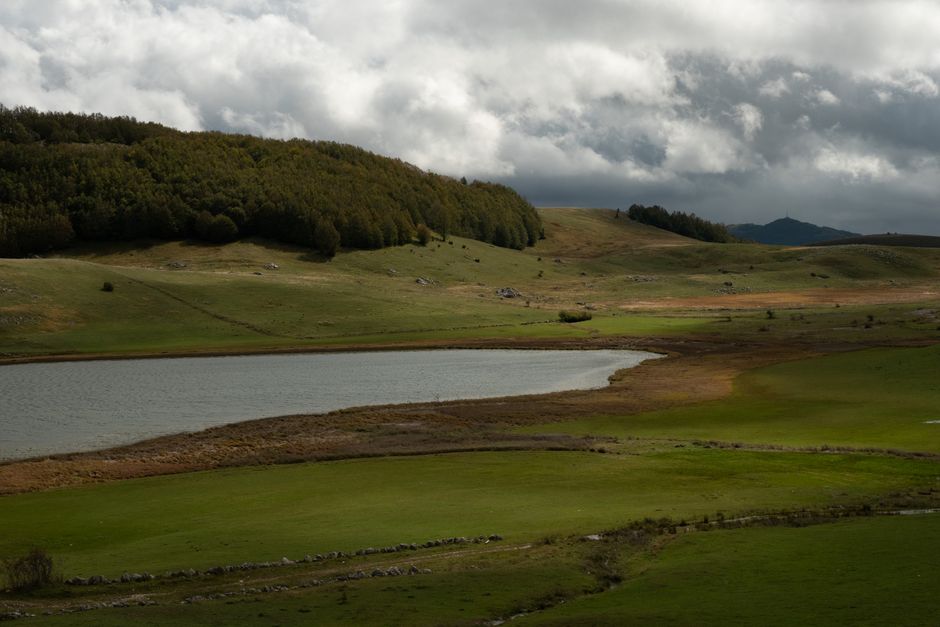
1. The Vanishing Lake of Cerknica
Lake Cerknica, Slovenia
This lake disappears completely for months at a time, revealing a vast grassy plain before reappearing with startling speed.
Lake Cerknica is one of Europe's largest intermittent lakes, a marvel of karst topography. Fed by a complex network of underground rivers and caves, the lake drains through sinkholes in the dry season, transforming into meadows. Locals then harvest hay or graze livestock on what was recently a lakebed, only for the water to surge back, sometimes overnight, creating a wetland vital for migratory birds and unique fish species.

2. Chinguetti's Ancient Desert Libraries
Chinguetti, Mauritania
Deep in the Sahara, this ancient trading post guards thousands of medieval Islamic manuscripts in private family libraries.
Chinguetti, a UNESCO World Heritage site, was once a crucial stop on trans-Saharan trade routes and a center of Islamic scholarship. Today, its sand-swept streets lead to private homes where families have preserved priceless manuscripts for centuries. These fragile texts, some dating back to the 13th century, cover astronomy, mathematics, law, and poetry, offering a rare glimpse into a rich intellectual past often overshadowed by the encroaching desert.
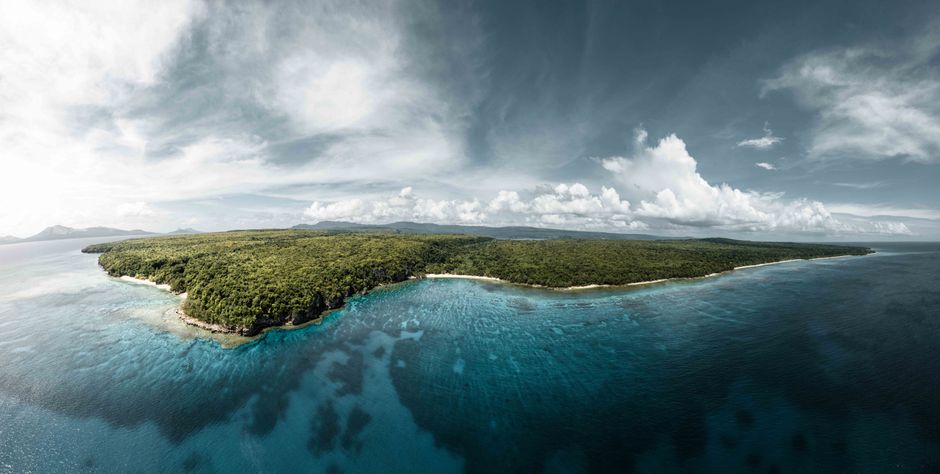
3. Vanuatu's Underwater Post Office
Hideaway Island Marine Sanctuary, Vanuatu
You can send a waterproof postcard from this fully functional post office located three meters beneath the Pacific Ocean.
Off the coast of Hideaway Island, a unique postal experience awaits. Divers and snorkelers descend to a small, submerged booth where they can purchase special waterproof postcards and have them hand-stamped by a postal worker in scuba gear. The mail is then collected and sent to destinations worldwide. It’s a whimsical, fully operational service that highlights Vanuatu's vibrant marine life and its commitment to quirky tourist attractions.
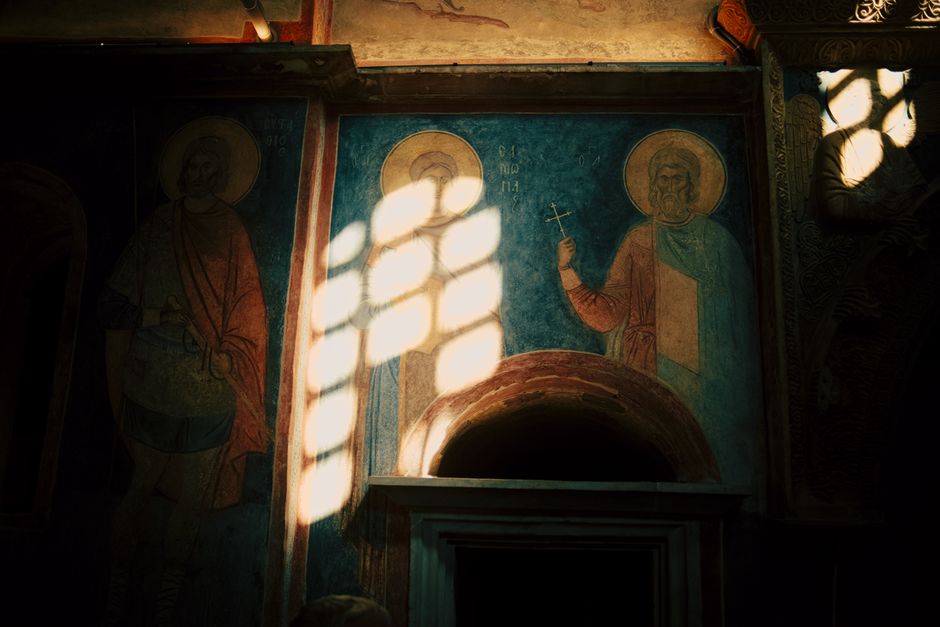
4. The Painted Monasteries of Bucovina
Bucovina Region, Romania
These 15th and 16th-century Orthodox monasteries have entire exterior walls covered in vibrant frescoes that have endured centuries of weather.
The UNESCO-listed Painted Monasteries of Bucovina are unique for their vividly painted external walls, which depict biblical scenes, saints' lives, and historical events with remarkable detail and color preservation. Monasteries like Voroneț, with its famous 'Voroneț Blue,' served as teaching tools for illiterate villagers, allowing them to 'read' the scriptures. The resilience of these frescoes, exposed to the elements for over 500 years, is a testament to sophisticated medieval painting techniques.
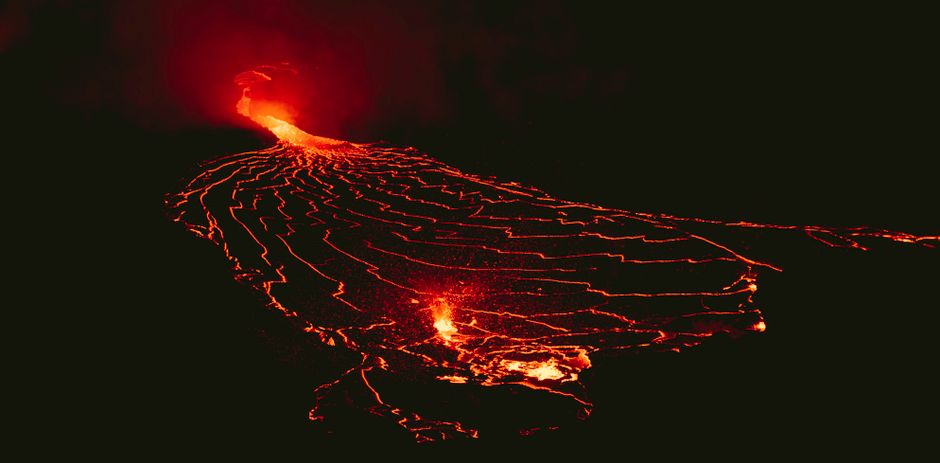
5. The Door to Hell
Darvaza Gas Crater, Turkmenistan
A massive, perpetually burning crater in the Karakum Desert, accidentally set alight by Soviet geologists decades ago.
In 1971, Soviet engineers drilling for natural gas accidentally punctured a cavern, causing the ground to collapse and create a large crater. Fearing the release of poisonous methane gas, they decided to set it on fire, expecting it to burn out in a few weeks. Over fifty years later, the 'Door to Hell' continues to blaze, an eerie, fiery spectacle in the desolate landscape of Turkmenistan. It's a striking example of unintended environmental consequences becoming a strange, enduring landmark.

6. The Island of Dolls
Isla de las Muñecas, Xochimilco, Mexico
Hundreds of decaying, dismembered dolls hang from trees on this eerie island, a tribute to a drowned girl.
Deep within the canals of Xochimilco lies Isla de las Muñecas, an unsettling sight created by its former caretaker, Julián Santana Barrera. He began collecting and hanging dolls from the trees after finding the body of a drowned girl in the canal, believing the dolls would appease her spirit and ward off evil. The dolls, many missing limbs or eyes, create a chilling, almost surreal atmosphere, a deeply personal and peculiar memorial that has become a morbidly fascinating attraction.
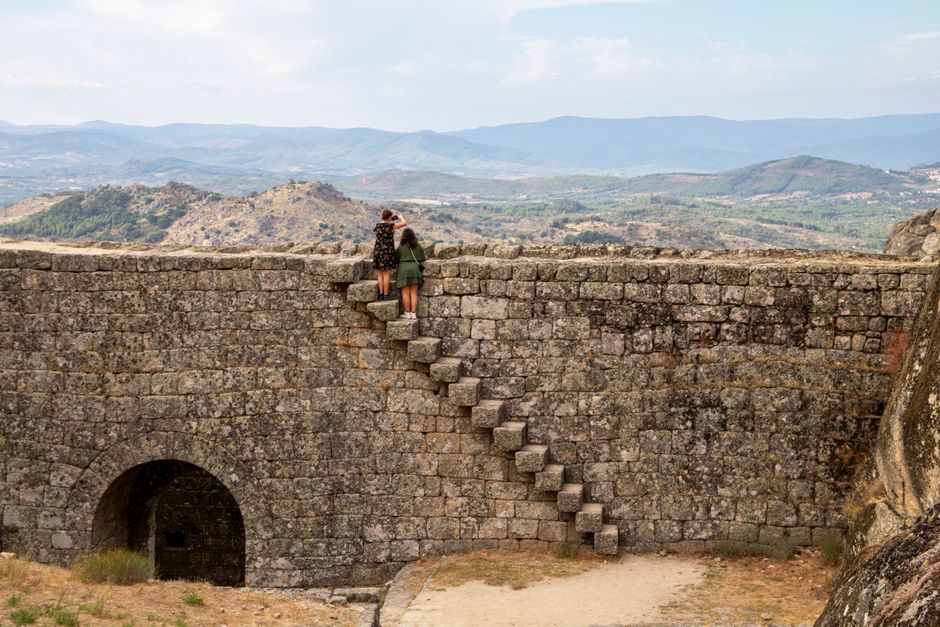
7. Monsanto: The Rock Village
Monsanto, Portugal
This village is built directly into, under, and around colossal granite boulders, some serving as roofs for houses.
Monsanto, often called 'the most Portuguese village in Portugal,' is famous for its unique architecture, where human dwellings are almost indistinguishable from the natural landscape. Giant boulders, some weighing hundreds of tons, are integrated into the buildings. Houses are carved into the rock, with boulders forming walls or ceilings, creating an extraordinary fusion of nature and human ingenuity. The village's narrow, winding streets climb up a steep hill, offering incredible views and a sense of timelessness.
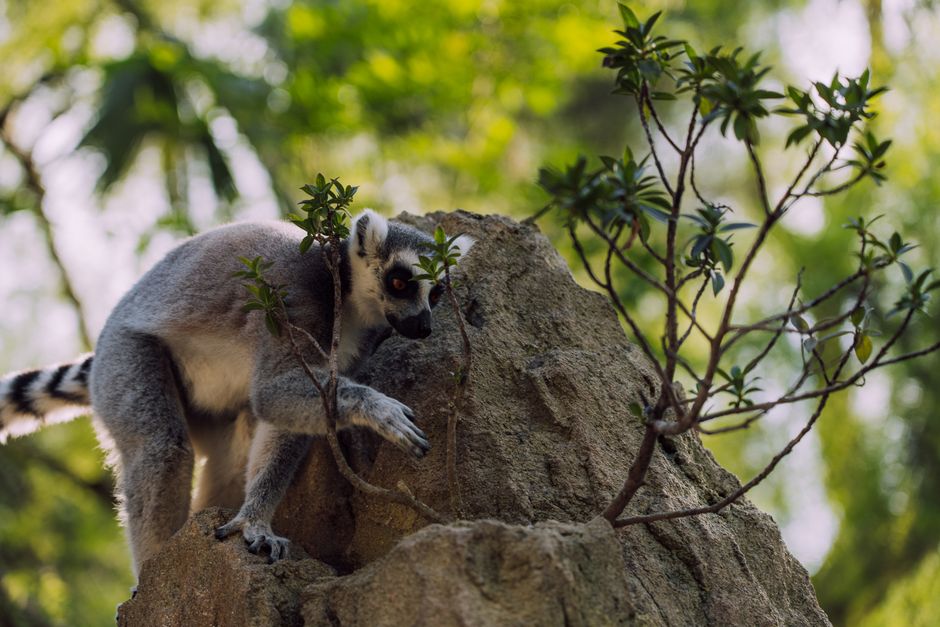
8. Madagascar's Tsingy Stone Forest
Tsingy de Bemaraha National Park, Madagascar
A vast landscape of razor-sharp limestone pinnacles, sculpted by millennia of rain into an otherworldly 'stone forest'.
The Tsingy de Bemaraha is a UNESCO World Heritage site characterized by its unique geological formations: a labyrinth of sharp, needle-like limestone karsts. These 'tsingy' (Malagasy for 'where one cannot walk barefoot') were formed by groundwater eroding the limestone over millions of years. The treacherous terrain harbors an incredibly unique ecosystem, with many species of lemurs, birds, and plants found nowhere else on Earth, having adapted to the isolated, vertical environment.
Frequently asked questions
How do I afford to travel for several months?
Long-term travel doesn't always require a massive budget. Many travelers save diligently, work remotely, or find temporary jobs abroad like teaching English or working in hostels. Prioritize budget accommodation, local transport, and cooking your own meals to stretch your funds further.
What about my career if I take a long break?
A well-planned career break can be an asset. It demonstrates independence, adaptability, and cross-cultural skills. Many employers view extended travel positively, seeing it as a period of personal growth and skill development. You might even discover new career paths or passions during your time away.
What are the biggest challenges of long-term backpacking?
Challenges can include homesickness, unexpected expenses, navigating language barriers, or dealing with travel fatigue. However, overcoming these difficulties builds resilience and problem-solving skills. Embrace the unexpected; it’s often where the most memorable experiences lie.
How can AllTours.ai enhance a long-term trip?
AllTours.ai transforms your smartphone into a personal AI tour guide. Simply point your camera at any landscape, monument, or historical site, and the app instantly narrates its history, geology, and cultural significance in your preferred language, offering deep insights even in the most obscure locations you discover.
Related guides
Photography via Pexels. AllTours.ai is an AI audio tour guide — point your camera at any landscape and hear its story.