July 3, 2026 · 4 min read
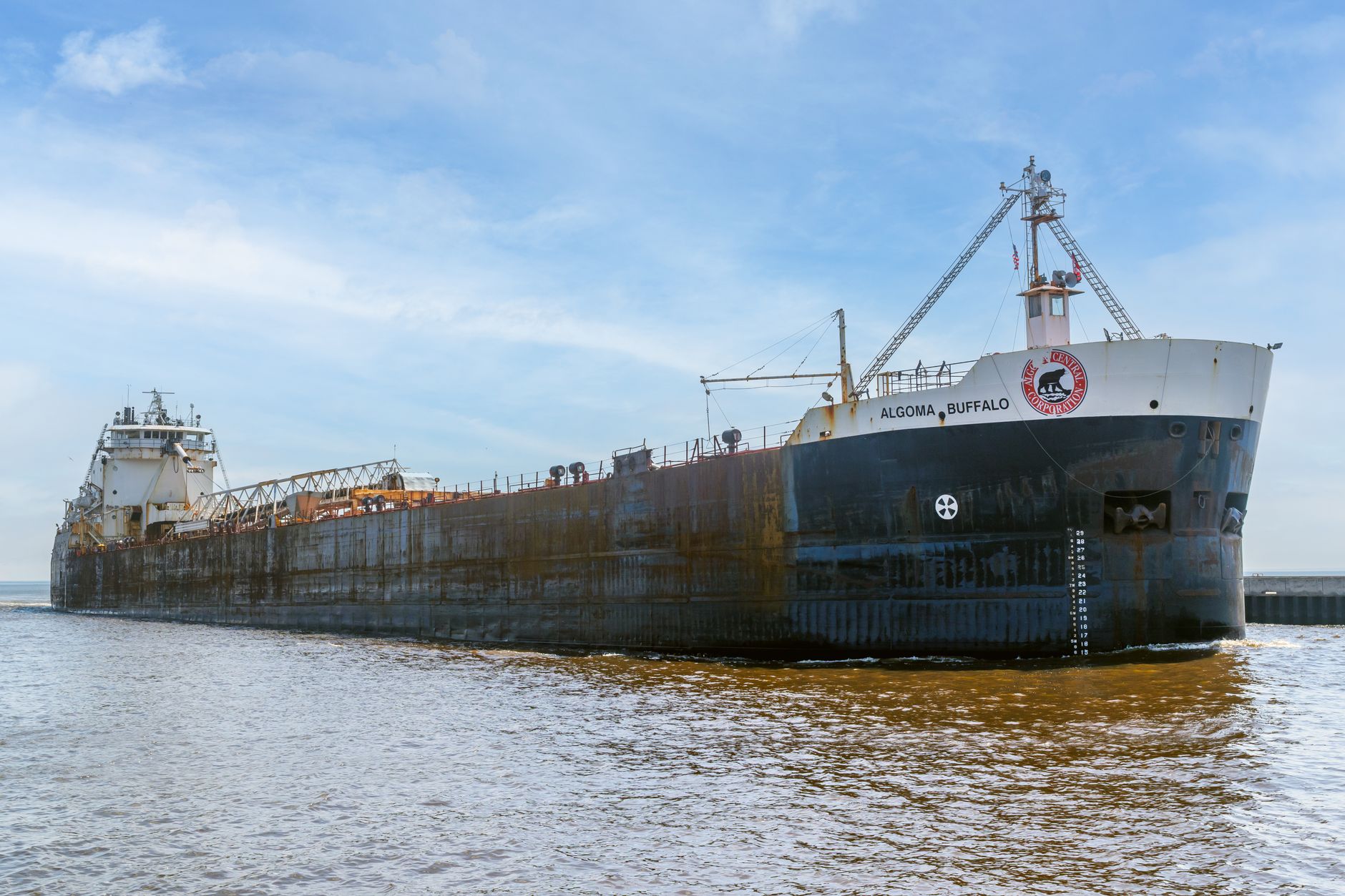
The question often arises: is it truly possible to traverse the vast freshwater expanse from Chicago to Montreal by boat? The answer is a resounding yes, thanks to an intricate network of rivers, canals, and the mighty Great Lakes and St. Lawrence Seaway. This epic journey isn't just about covering distance; it's a passage through diverse landscapes, engineering marvels, and pockets of untold history.
Beyond the well-trodden paths, this route unveils a tapestry of less-known locales, each with a unique story etched into its geology, culture, or past. Forget the standard tourist brochures; prepare to encounter forgotten kingdoms, submerged towns, and natural wonders that reveal the true depth of North America's interior.
1. The River That Flows Backwards
Chicago, Illinois, USA
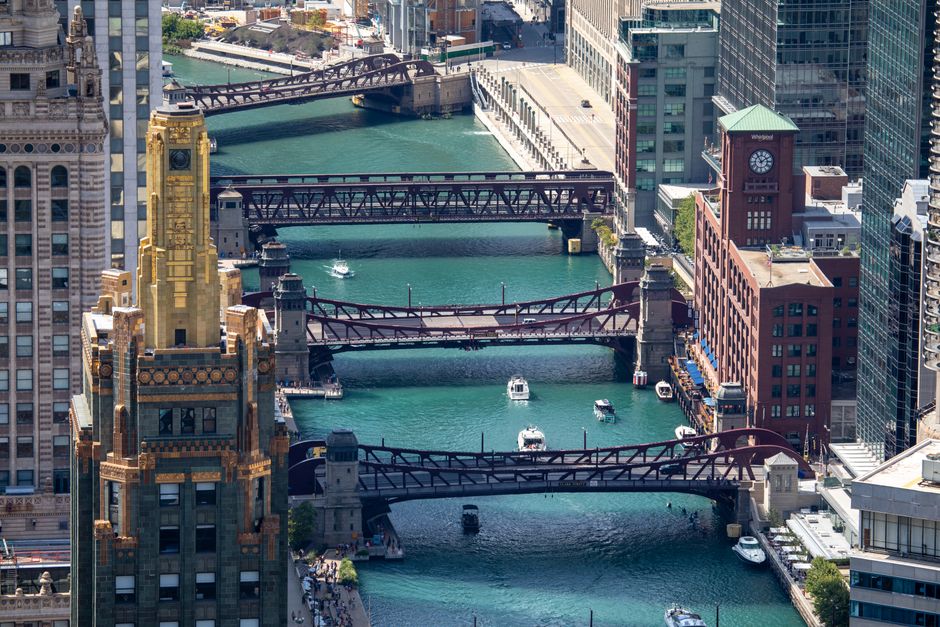
Chicago famously reversed the flow of its river to protect Lake Michigan, a monumental feat of engineering.
The journey begins on the Chicago River, a waterway whose direction was famously altered at the turn of the 20th century. Engineers tackled the problem of sewage flowing into Lake Michigan, the city's drinking water source, by rerouting the river to flow inland towards the Mississippi River system. This audacious project, involving a complex system of canals and locks, fundamentally reshaped the city's relationship with its environment and opened the interior to Great Lakes shipping.
2. A King's Lost Island Kingdom
Beaver Island, Michigan, USA
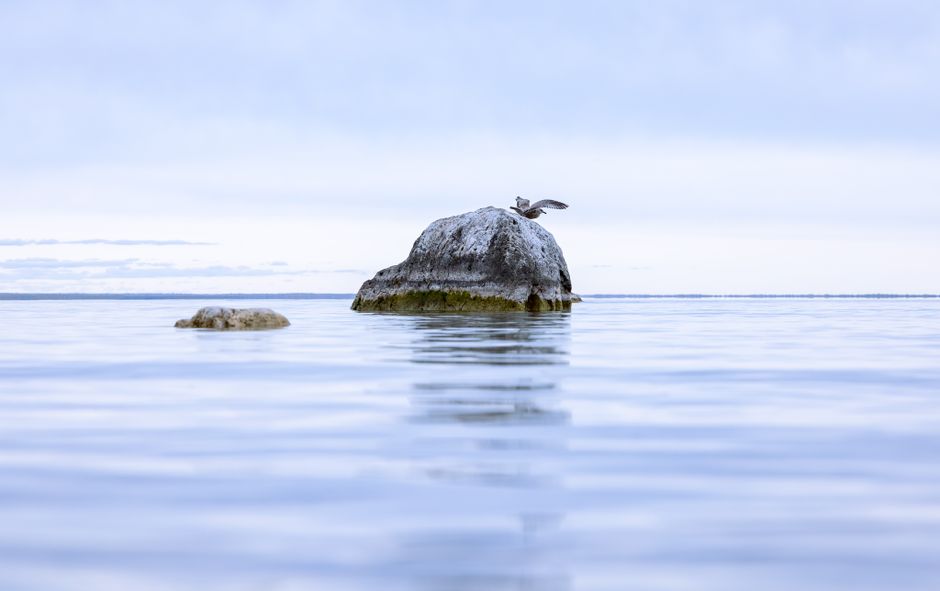
This remote Lake Michigan island was once ruled by a self-proclaimed Mormon king.
Deep in Lake Michigan lies Beaver Island, an isolated outpost with a history stranger than fiction. In the mid-19th century, James Jesse Strang, a dissident Mormon leader, established a polygamous kingdom here, declaring himself monarch. His reign, marked by both utopian ideals and authoritarian decrees, ended violently, leaving behind a fascinating legacy of a society that briefly existed outside conventional law, with unique cultural and religious practices still whispered about today.
3. Shipwreck Graveyard of the Great Lakes
Tobermory, Ontario, Canada
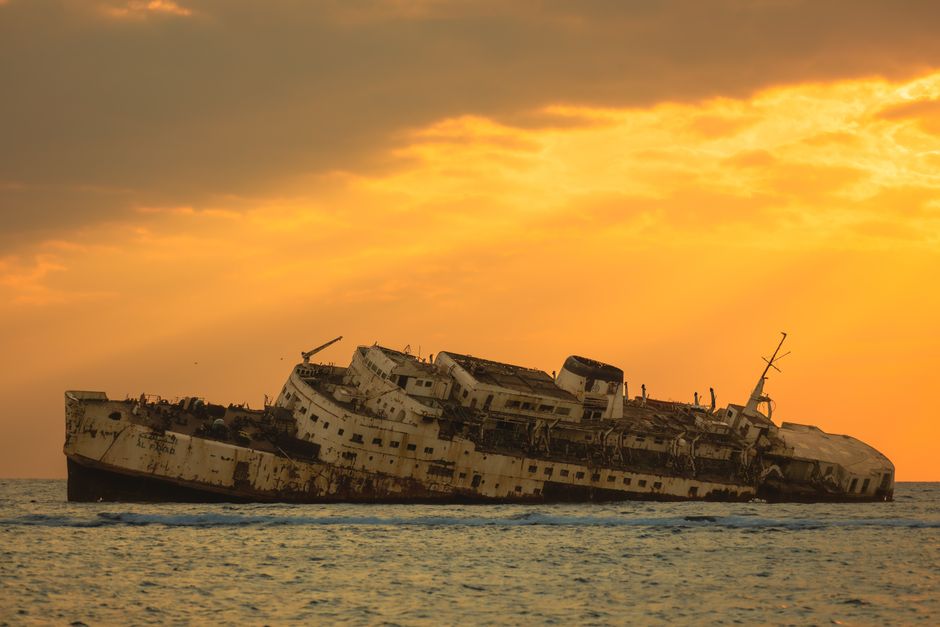
Below the clear waters of Lake Huron lie a collection of 19th-century shipwrecks and ancient rock formations.
As you navigate into Lake Huron, the Fathom Five National Marine Park near Tobermory offers a unique glimpse into the perils of Great Lakes shipping. This underwater park preserves over twenty shipwrecks, some visible from the surface, alongside dramatic geological formations like the famous 'Flowerpot' rock pillars. It’s a testament to both the raw power of the lake and the history of maritime commerce.
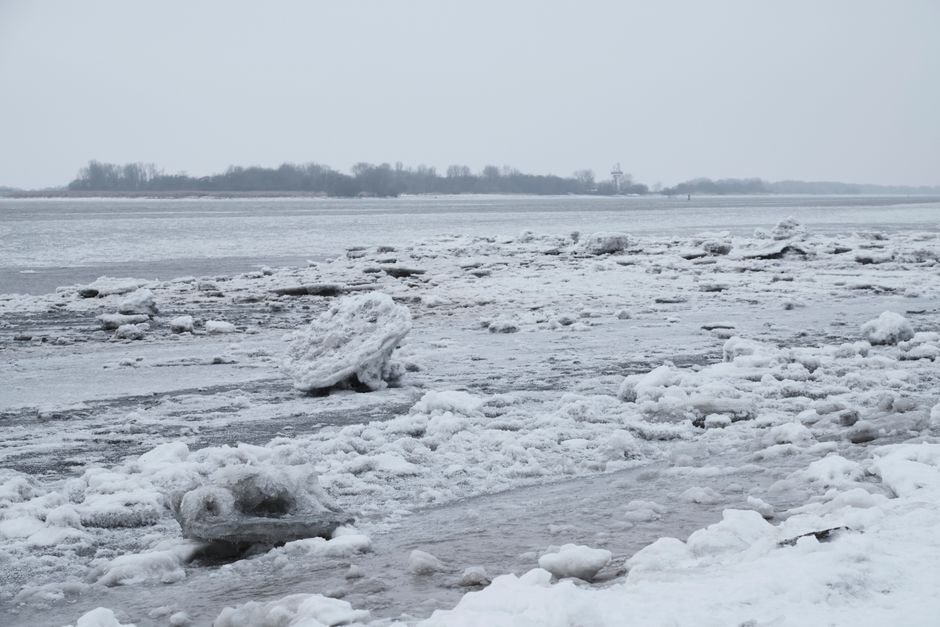
4. Ancient Ice Carved in Stone
Kelleys Island, Ohio, USA
Witness the largest accessible glacial grooves in the world, carved by prehistoric ice sheets.
On Kelleys Island in Lake Erie, you can step back millions of years. Here, the Glacial Grooves State Memorial showcases massive furrows carved into limestone bedrock by the immense force of glaciers during the last ice age. These deep, parallel gashes offer a tangible connection to Earth's geological past, illustrating the incredible power of ice to sculpt landscapes on a colossal scale.
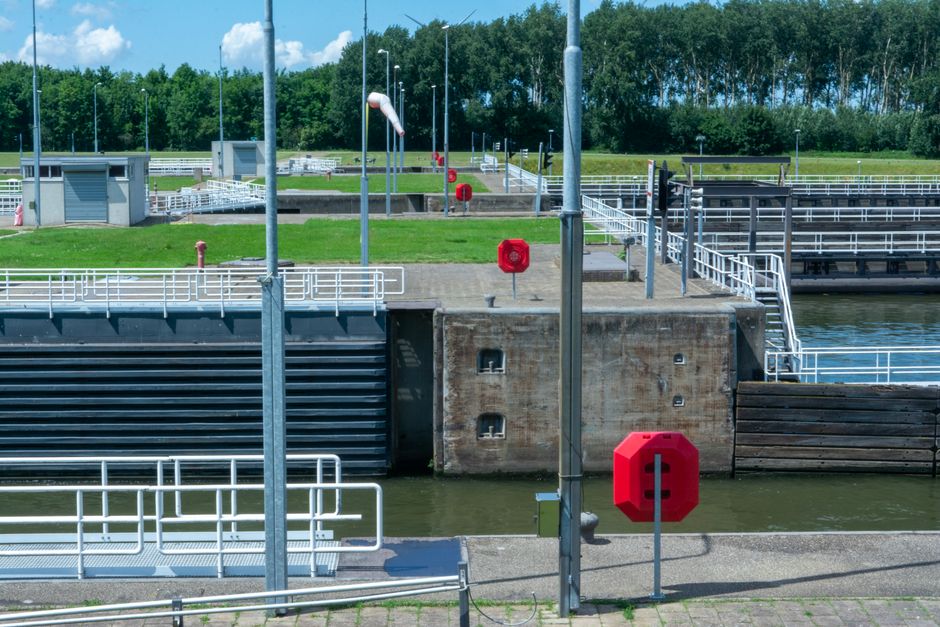
5. The Lake That Never Ends
Port Colborne, Ontario, Canada
Pass through the Welland Canal's final, longest lock, lifting vessels into Lake Erie's vast expanse.
The Welland Canal bypasses Niagara Falls, linking Lake Erie and Lake Ontario. Lock 8 in Port Colborne is unique: it’s the Welland Canal's final lock for upbound ships, raising them into Lake Erie. While not the highest lift, it's the longest at 1,380 feet and often described as 'the lake that never ends' due to its proximity to the vastness of Lake Erie itself, marking a significant transition point in the journey.
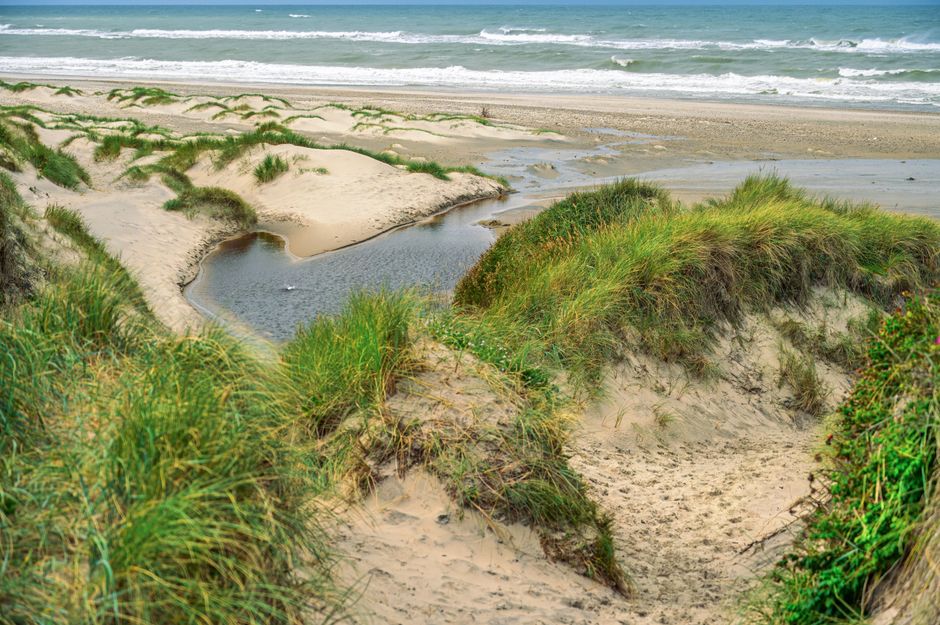
6. Desert Dunes on Lake Ontario
Prince Edward County, Ontario, Canada
Discover massive sand dunes and beaches, a surprising desert-like landscape on Lake Ontario.
Prince Edward County, a charming island community on Lake Ontario, hosts Sandbanks Provincial Park, home to some of the largest freshwater baymouth barrier dune formations in the world. These vast, shifting sands create a landscape more akin to a desert than a Great Lake shore. The dunes are a dynamic ecosystem, constantly reshaped by wind and water, supporting unique flora and fauna and offering stunning, unexpected vistas.
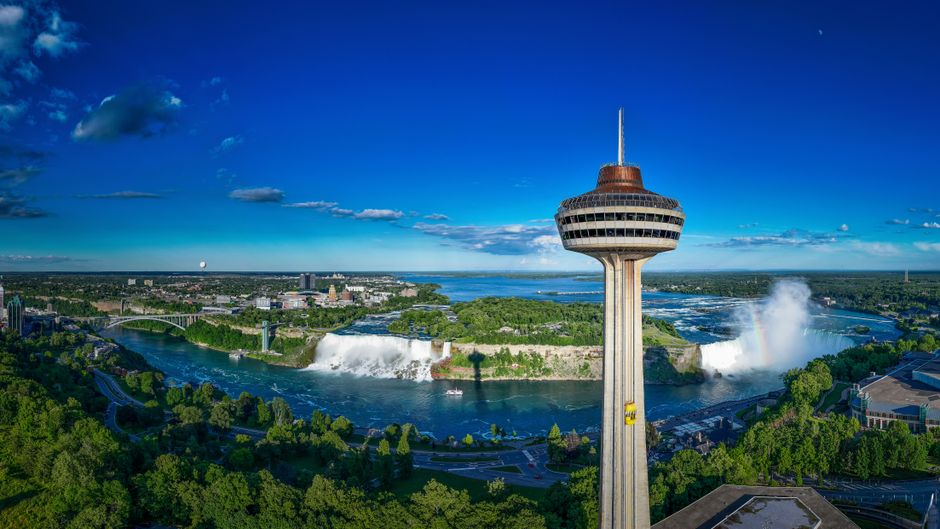
7. Submerged Homes of the Seaway
Cornwall, Ontario, Canada (near)
Beneath the St. Lawrence Seaway lie the remnants of ten villages deliberately flooded in the 1950s.
As you enter the St. Lawrence River, near Cornwall, you sail over a poignant piece of history: the 'Lost Villages.' In the 1950s, the construction of the St. Lawrence Seaway and Power Project required the intentional flooding of ten Ontario villages, displacing over 6,500 people. Today, remnants of streets and foundations can still be found beneath the waters, a silent testament to the human cost of this massive infrastructure project.
8. Cradle of New France
Île d'Orléans, Quebec, Canada
This island near Quebec City is home to some of the oldest continually farmed land and architecture in North America.
Just downstream from Quebec City, Île d'Orléans stands as a living museum of French colonial history. Settled in the 17th century, the island retains much of its original rural character, with ancestral homes, stone churches, and fertile farmlands passed down through generations. It offers a tangible connection to the earliest days of New France, providing a serene and picturesque journey through time before reaching Montreal.
Frequently asked questions
Is it possible to travel by boat from Chicago to Montreal?
Yes, it is entirely possible to travel by boat from Chicago to Montreal. The journey utilizes the Chicago Sanitary and Ship Canal, the Great Lakes (Michigan, Huron, Erie, Ontario), the Welland Canal, and the St. Lawrence Seaway, forming a navigable waterway system for both recreational and commercial vessels.
How long does a boat journey from Chicago to Montreal typically take?
The duration varies significantly depending on the type of vessel, speed, and stops. For recreational boats, a leisurely trip could take anywhere from 2-4 weeks, allowing time to explore various ports and attractions. Commercial freighters complete the transit much faster, often in under a week.
What are the main challenges or considerations for boats on this route?
Key challenges include navigating the numerous locks in the Chicago Sanitary and Ship Canal, Welland Canal, and St. Lawrence Seaway, which require specific procedures. Weather conditions on the Great Lakes can also be unpredictable, necessitating careful planning. Additionally, commercial traffic in the Seaway requires awareness and adherence to navigational rules.
How can AllTours.ai enhance a journey from Chicago to Montreal by boat?
AllTours.ai transforms your boat journey into an immersive, educational experience. As you pass by these fascinating locations, simply point your phone camera at a landmark or even the open water, and the app will narrate its rich history, geological formation, or cultural significance in your preferred language, bringing every hidden gem and grand vista to life.
Related guides
Photography via Pexels. AllTours.ai is an AI audio tour guide — point your camera at any landscape and hear its story.