June 23, 2026 · 4 min read
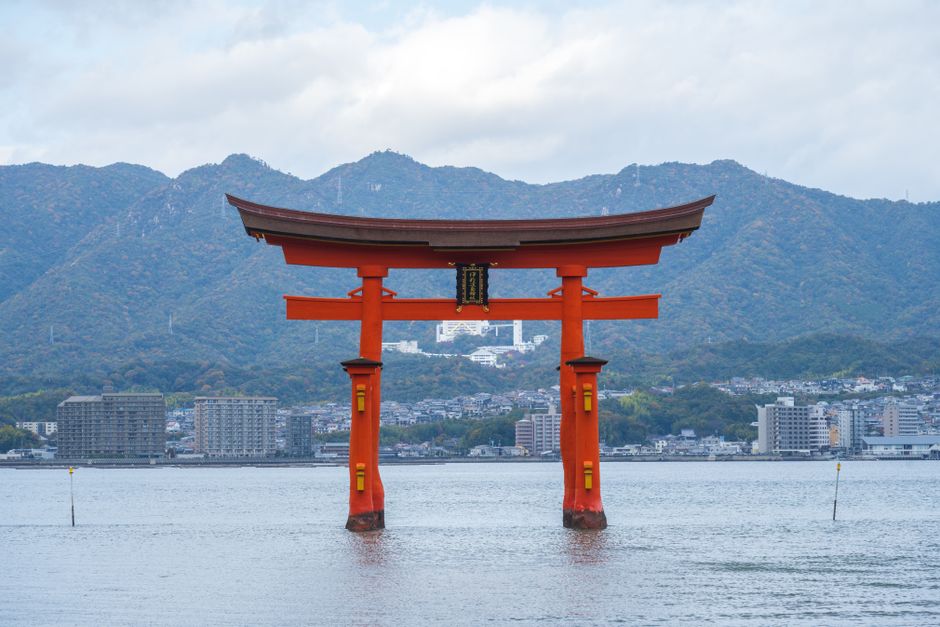
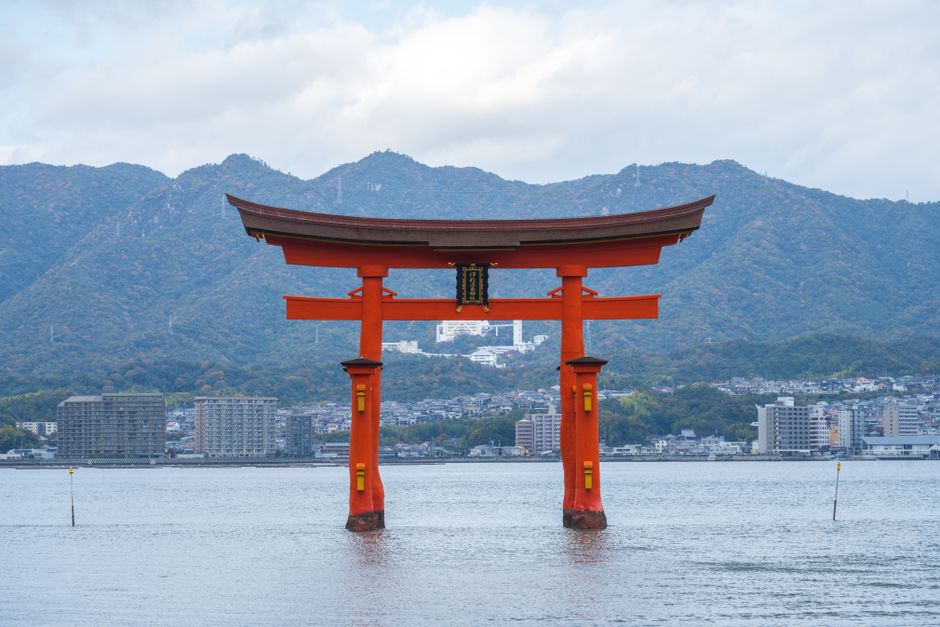
Miyajima, or Itsukushima, is often synonymized with its iconic 'floating' torii gate, drawing visitors for a few hours. But to truly grasp the spirit and profound history of this sacred island, a full day—or even longer—is not just recommended, it's essential. Beyond the immediate buzz of the main shrine, a world of ancient legends, quiet power spots, and unique cultural experiences awaits those willing to explore.
This guide moves past the postcards, revealing Miyajima's genuinely surprising corners. Here, you'll find places steeped in untold tales, from a flame that has burned for over a millennium to a miniature pilgrimage route, each offering a distinct window into the island's soul. So, pack your curiosity; Miyajima is ready to tell you its deeper story.
1. The Eternal Flame of Mt. Misen's Reikado
Miyajima, Japan
High on Mt. Misen burns a flame that has been continuously alight for over 1200 years, a symbol of enduring peace and a source for the Hiroshima Peace Flame.
Tucked away in the serene reaches of Mt. Misen's summit area is the Reikado, or Eternal Flame Hall. Here, a humble flame has reportedly burned since Kobo Daishi, the founder of Shingon Buddhism, first lit it during his ascetic training in the year 806. This remarkable fire, sustained for over a millennium, was used to ignite the Peace Flame in Hiroshima's Peace Memorial Park, symbolizing a hope for everlasting peace.
2. Daisho-in Temple's Henjokutsu Cave of 88 Buddhas
Miyajima, Japan
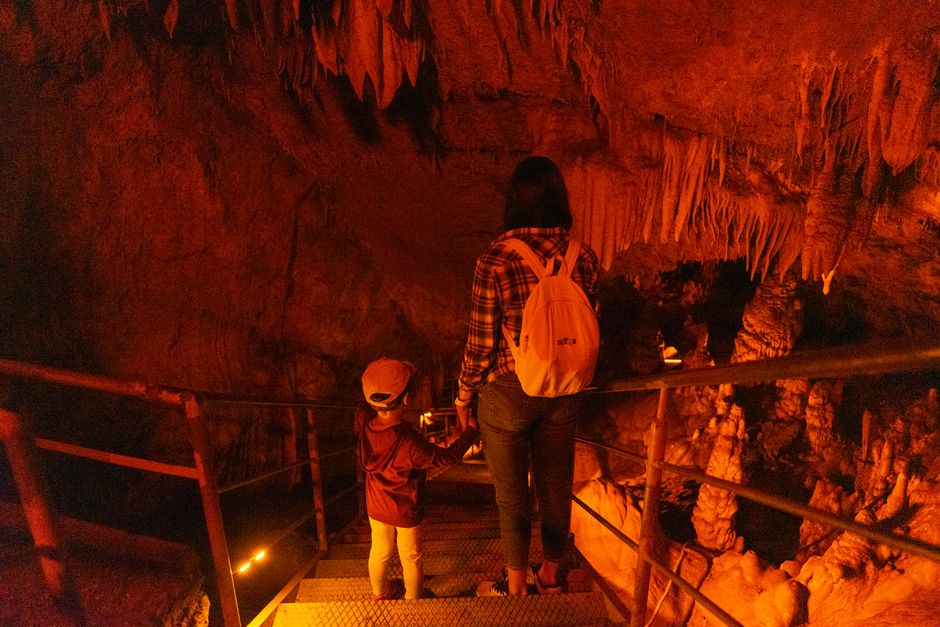
Beneath Daisho-in Temple lies a mystical cave replicating Japan's 88-temple Shikoku pilgrimage, complete with sand from each sacred site.
While Daisho-in Temple itself is a major attraction, many overlook the Henjokutsu Cave. This dimly lit, atmospheric underground passage is a miniature replica of the Shikoku 88-temple pilgrimage. Each of the 88 Buddha statues within the cave sits atop a small pile of sand collected from its corresponding temple on the actual pilgrimage route, allowing visitors to experience the spiritual journey in a fraction of the time and space.
3. Senjokaku (The Pavilion of 1000 Mats): Hideyoshi's Unfinished Dream
Miyajima, Japan
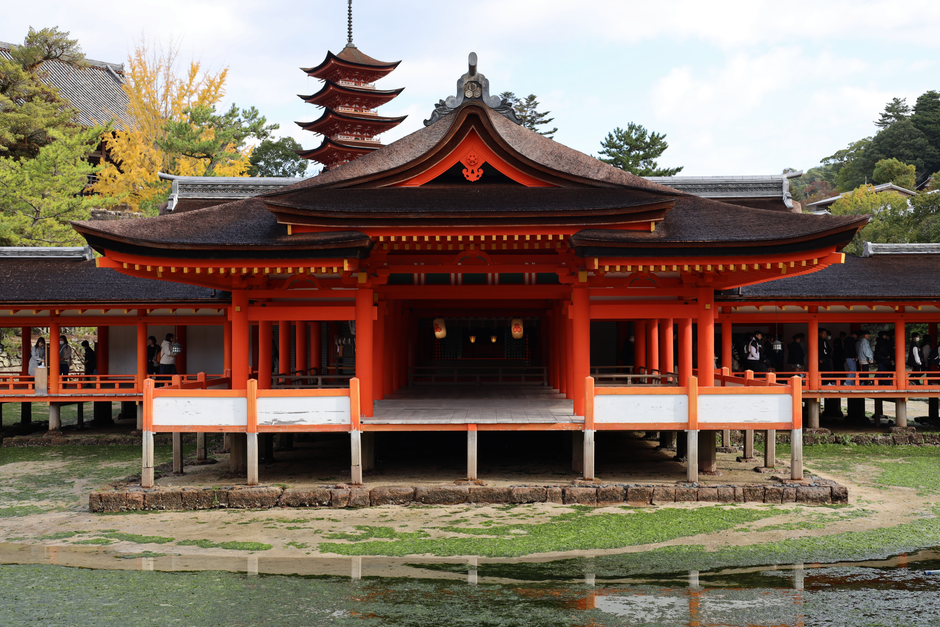
This massive, open-air pavilion, never fully completed, stands as a grand testament to Toyotomi Hideyoshi's ambition and sudden demise.
Perched on a hill overlooking Itsukushima Shrine, Senjokaku, or the Pavilion of 1000 Mats, was commissioned by the powerful warlord Toyotomi Hideyoshi in 1587 to mourn fallen soldiers. Its vast wooden hall, meant for sutra chanting, remains unfinished due to Hideyoshi's death in 1598. The sheer scale and exposed wooden beams offer a haunting glimpse into a moment frozen in history, providing expansive views without the crowds of the main shrine area.
4. Omoto Shrine & Park's Ancient Camellia
Miyajima, Japan
Discover one of Miyajima's oldest and most serene shrines, nestled in a park famous for its ancient trees and a giant camellia said to be centuries old.
Beyond the main tourist path lies Omoto Shrine, a quiet sanctuary that predates Itsukushima Shrine. It’s set within Omoto Park, a less frequented area known for its natural beauty and ancient trees, including a magnificent, gnarled camellia tree believed to be hundreds of years old. This tranquil spot offers a peaceful retreat and a chance to observe Miyajima's wild deer in a more natural, undisturbed setting, connecting visitors to the island's deeper, wilder spirit.
5. Kiyomori Shrine: The Architect's Dedication
Miyajima, Japan
Find the humble shrine dedicated to Taira no Kiyomori, the man behind the iconic Itsukushima Shrine, often overlooked by visitors.
While Itsukushima Shrine draws millions, few realize there's a smaller, quieter shrine on the island dedicated to its visionary patron, Taira no Kiyomori. Kiyomori, a powerful samurai leader, was instrumental in shaping Itsukushima Shrine into the grand complex we see today. This modest shrine, Kiyomori Jinja, offers a moment to reflect on the man whose devotion and influence transformed Miyajima into one of Japan's most revered sacred sites.
6. The Distinctive Taho-to Pagoda
Miyajima, Japan
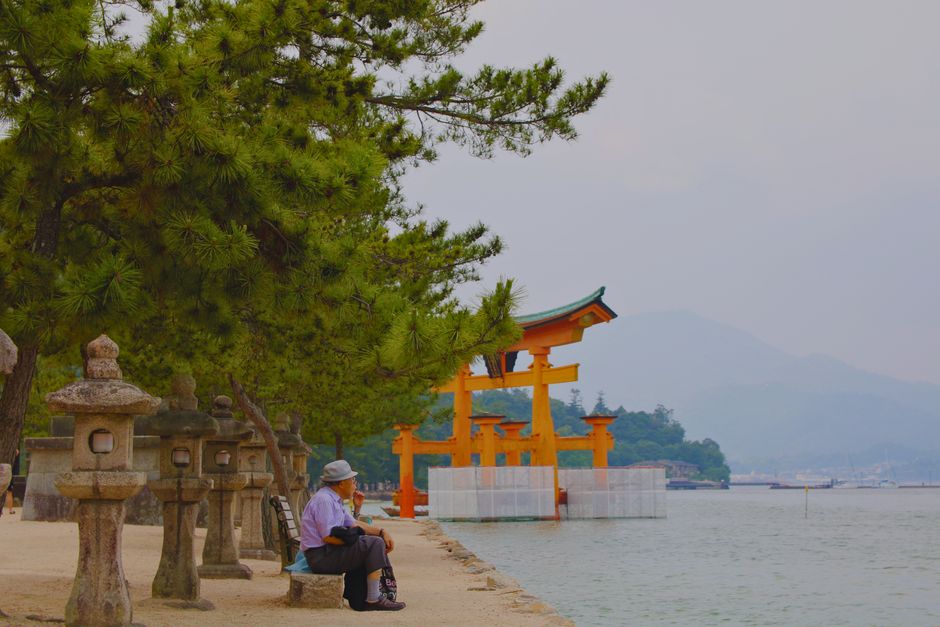
Standing apart from the more famous Goju-no-to, the Taho-to Pagoda showcases a unique architectural style with a fascinating blend of Japanese and Indian influences.
Often overshadowed by the five-story Goju-no-to, the Taho-to Pagoda is a two-story structure with a distinct and beautiful design, combining Japanese and Indian architectural elements. Built in 1533, its lower story is square, while the upper is round, a style rarely seen outside of Shingon Buddhist temples. Ascending the steps to this pagoda offers not only a closer look at its intricate details but also provides a quieter vantage point for views over the island and sea.
7. Machiya Street's Edo-era Echoes
Miyajima, Japan
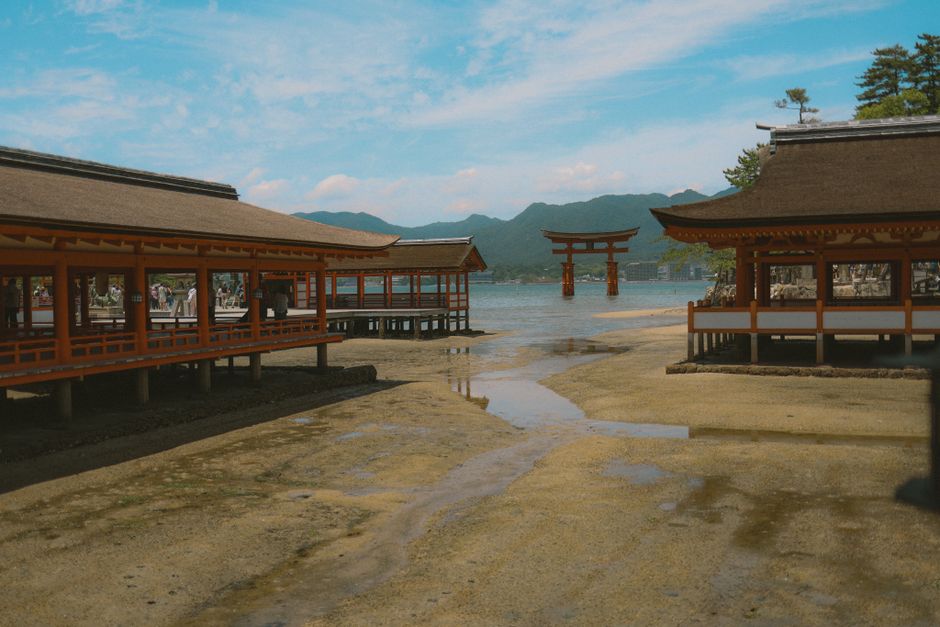
Wander Miyajima's historic Machiya Street, a preserved merchant quarter offering a glimpse into the island's Edo-period daily life.
Step away from the bustling main street and discover Machiya Street, a charming lane lined with traditional wooden townhouses that once belonged to merchants and craftsmen during the Edo period. This street retains a quieter, more authentic atmosphere, offering a window into Miyajima's past as a vibrant port town. Explore small shops selling local crafts, traditional sweets, and sake, experiencing a different rhythm of island life.
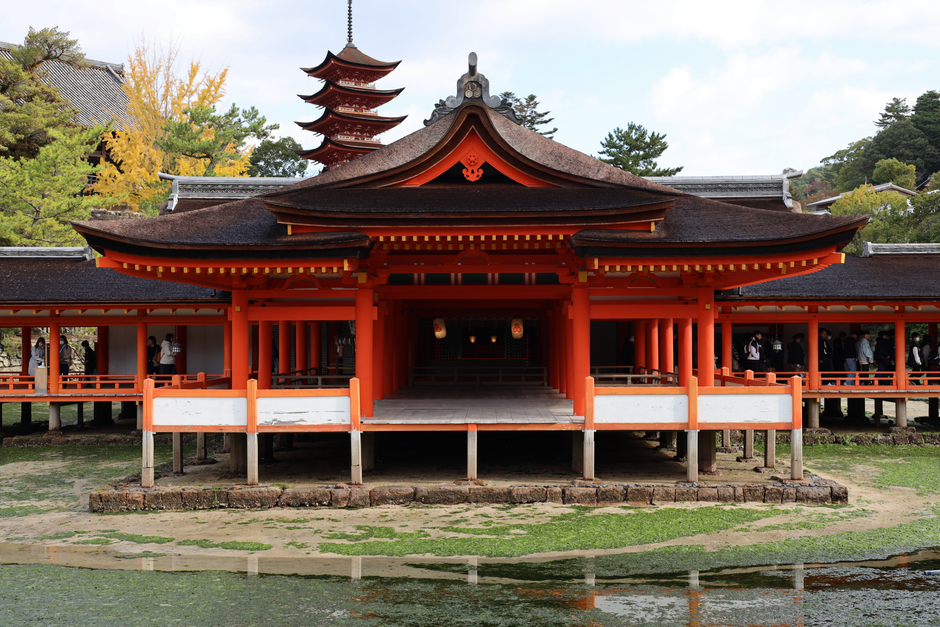
8. Daiganji Temple's Guardians of Itsukushima
Miyajima, Japan
Discover the lesser-known Daiganji Temple, a guardian temple of Itsukushima Shrine and home to three of Japan's most important Benzaiten statues.
Located just beside Itsukushima Shrine, Daiganji Temple is a significant, yet often overlooked, Buddhist temple dedicated to Benzaiten, the goddess of music, arts, and wealth. It is one of the three great Benzaiten temples of Japan and houses three important wooden statues of the goddess, said to protect the entire island. The temple also plays a historical role in the maintenance of Itsukushima Shrine, making it a quiet but crucial spiritual center.
Frequently asked questions
What is the best way to get to Miyajima Island?
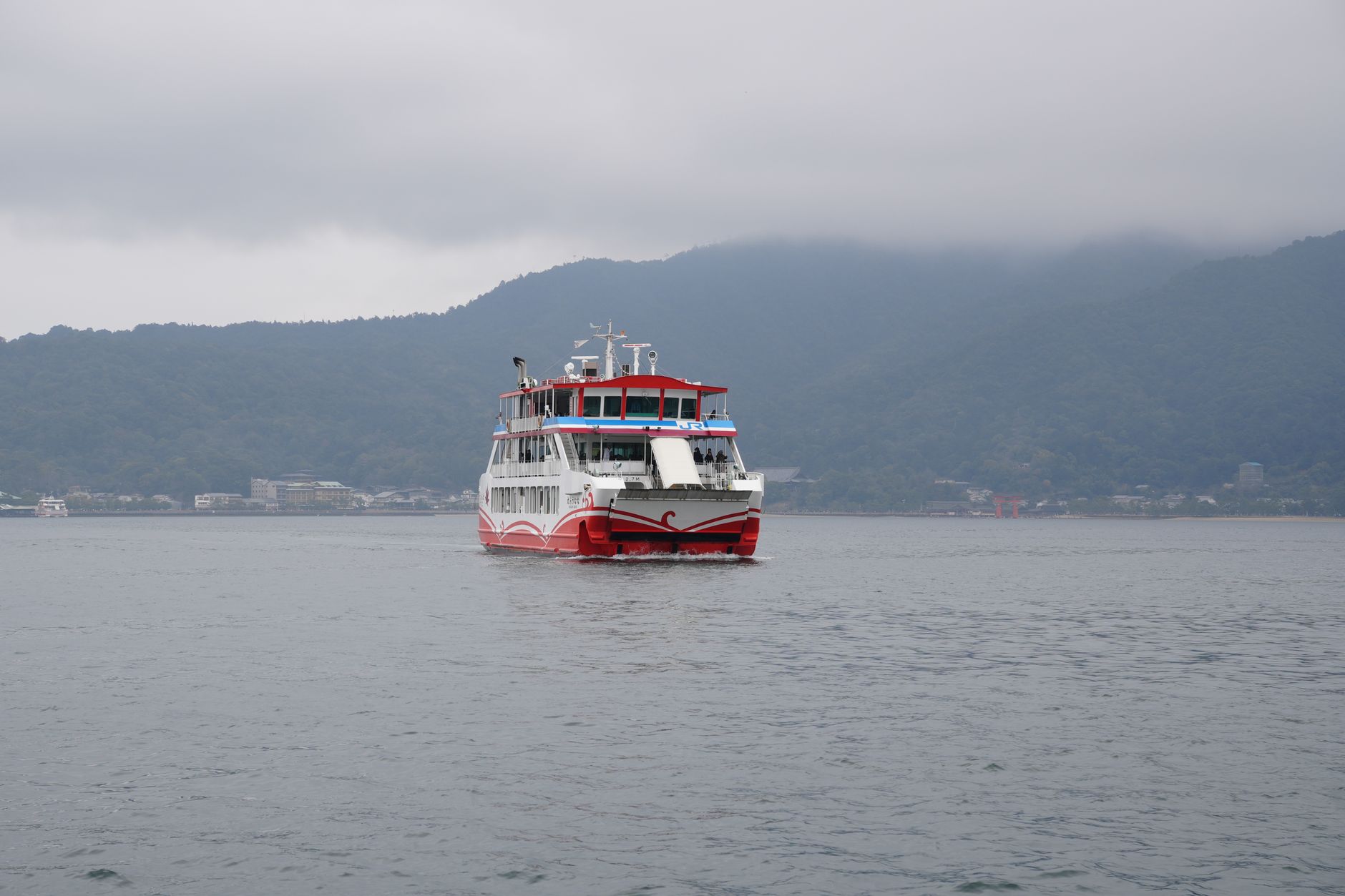
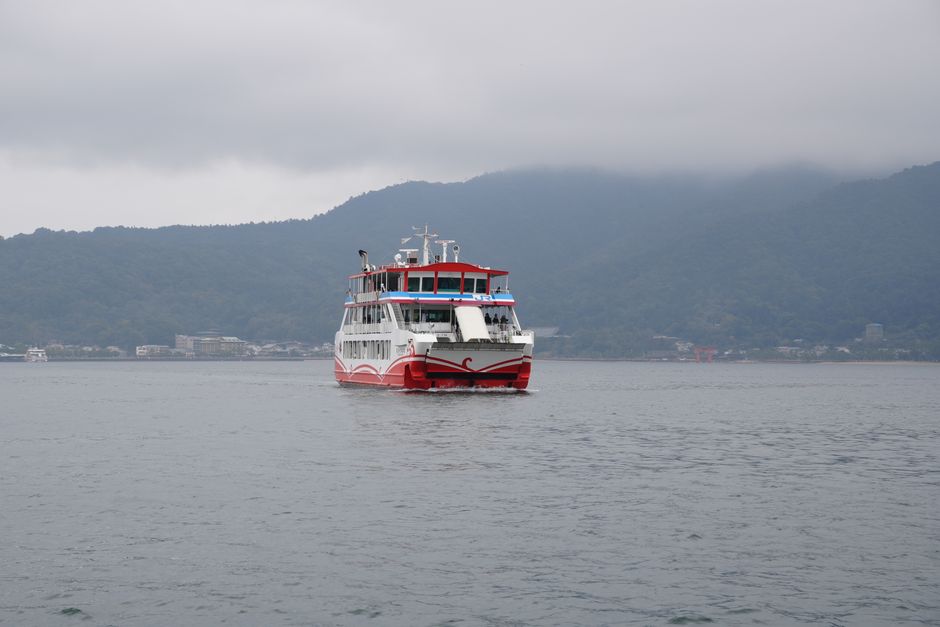
The most common way to reach Miyajima is by ferry from Miyajimaguchi. JR Pass holders can use the JR-operated ferry for free. The ferry ride is short, about 10 minutes, and offers excellent views of the 'floating' torii gate as you approach the island.
How many days should I spend on Miyajima?
While many visitors come for a half-day trip, spending a full day on Miyajima is highly recommended to explore beyond the main attractions. If you wish to hike Mt. Misen or enjoy the island's serene evenings and mornings without crowds, an overnight stay is ideal.
What is the best time of day to visit Itsukushima Shrine and the floating torii?
To see the 'floating' torii gate at high tide, check the tide schedule in advance. For fewer crowds, visit early in the morning or later in the afternoon. The shrine complex and torii are also beautifully lit up at night, offering a magical experience.
How can I learn more about the specific history of these hidden Miyajima spots?
To dive deeper into the unique stories and historical context of Miyajima's lesser-known sites, try the AllTours.ai app. Simply point your phone camera at a landmark or landscape, and the AI will narrate its fascinating history, geology, and culture in your language, bringing every secret detail to life.
Related guides
Photography via Pexels. AllTours.ai is an AI audio tour guide — point your camera at any landscape and hear its story.