July 25, 2026 · 4 min read
Economists are buzzing: Is the Japanese Yen finally going to become a high-interest currency by the start of 2026? While the world speculates on financial shifts, Japan itself remains a realm of profound depth and unexpected discoveries. Beyond the neon glow of Tokyo and the ancient temples of Kyoto, a different Japan awaits—a land where every remote village, rugged coastline, and sacred mountain holds a story far richer than any exchange rate.
This post isn't about currency predictions; it's about igniting your curiosity for the real, tangible wonders of Japan. We'll venture off the well-trodden path to uncover places steeped in unique history, geology, and culture—places where the past feels alive and the landscape tells its own incredible tale. Prepare to look at Japan differently, seeing not just a country, but a mosaic of untold adventures.
1. The Village Inside a Volcano
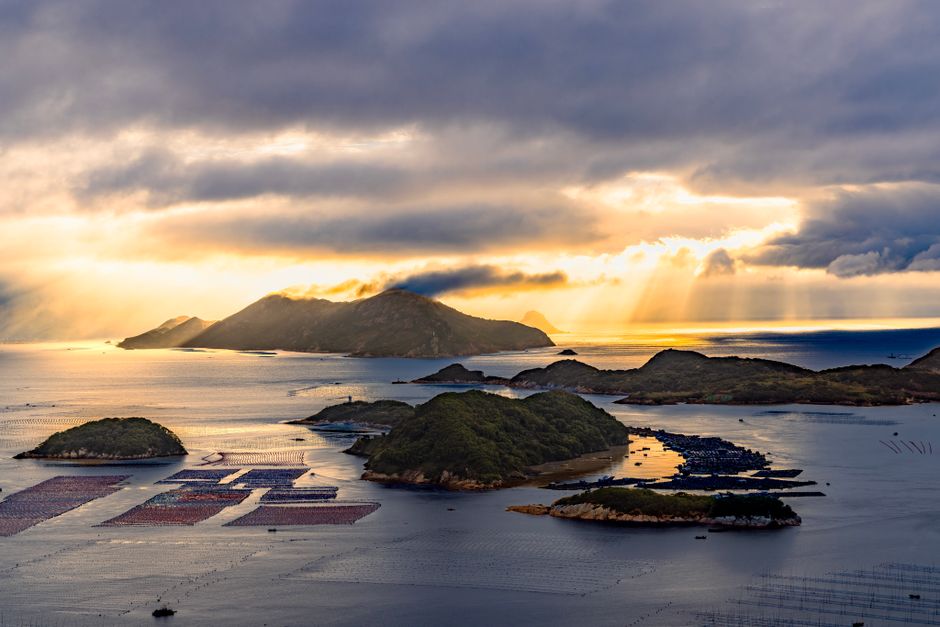
Aogashima Island, Tokyo, Japan
This remote island, administratively part of Tokyo, features a village nestled within the caldera of an active volcano, which itself sits inside a larger, older caldera.
Aogashima is a truly unique geological marvel: a double-layered caldera. The island itself is a volcanic crater, and within that crater, another smaller volcano has formed, creating a lush inner valley where the island's small population resides. Life here is intimately connected with the earth's raw power, offering a glimpse into a self-sufficient community sustained by fishing and the island's fertile, volcanic soil.
2. Japan's Exile Island and Drumming Heartbeat
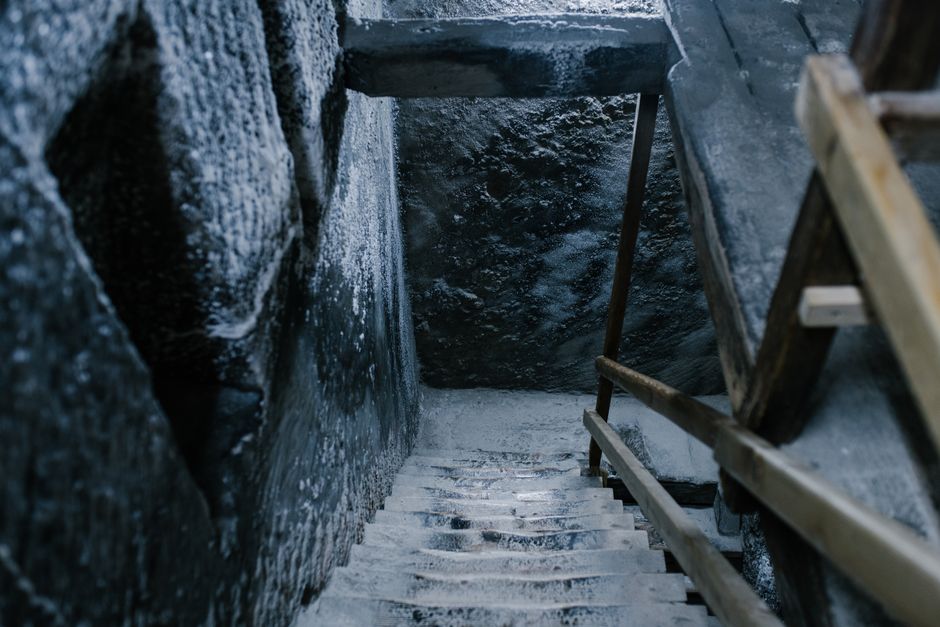
Sado Island, Niigata, Japan
Sado Island was once a place of exile for emperors and intellectuals, and later home to Japan's largest gold mine, now known for its powerful Kodo taiko drumming ensemble.
For centuries, Sado Island served as a remote outpost, a place of banishment for those out of favor with the mainland powers. Its rugged beauty also hid immense riches, specifically gold mines that funded Japan's shogunate for generations. Today, the island's spirit is perhaps best embodied by the Kodo drummers, whose powerful taiko performances echo the island's intense history and natural drama, drawing from its unique cultural blend.
3. The Gateway to Hell and Mediums
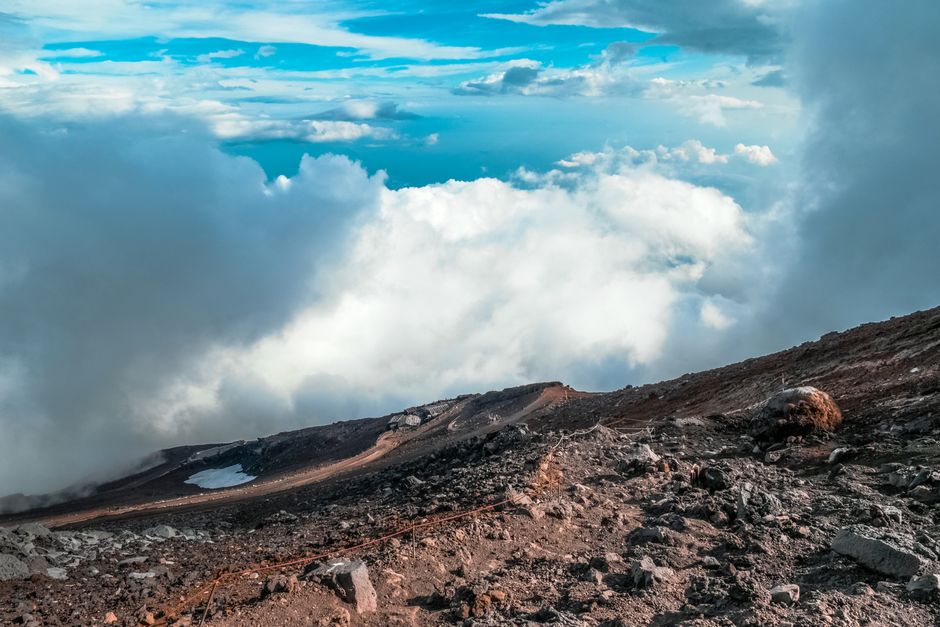
Mount Osore, Aomori, Japan
Known as 'Fear Mountain,' this desolate volcanic landscape is believed to be one of Japan's gateways to hell, where blind spiritual mediums (itako) channel the spirits of the dead.
Mount Osore's stark, sulfurous landscape of bubbling mud pits and barren rocks, surrounding a serene, emerald lake, creates an otherworldly atmosphere. It's a place where the veil between worlds feels thin. During the annual summer festival, 'itako' – often elderly, blind women – gather here, performing ancient rituals to communicate with the deceased, offering solace to those seeking connection with lost loved ones.
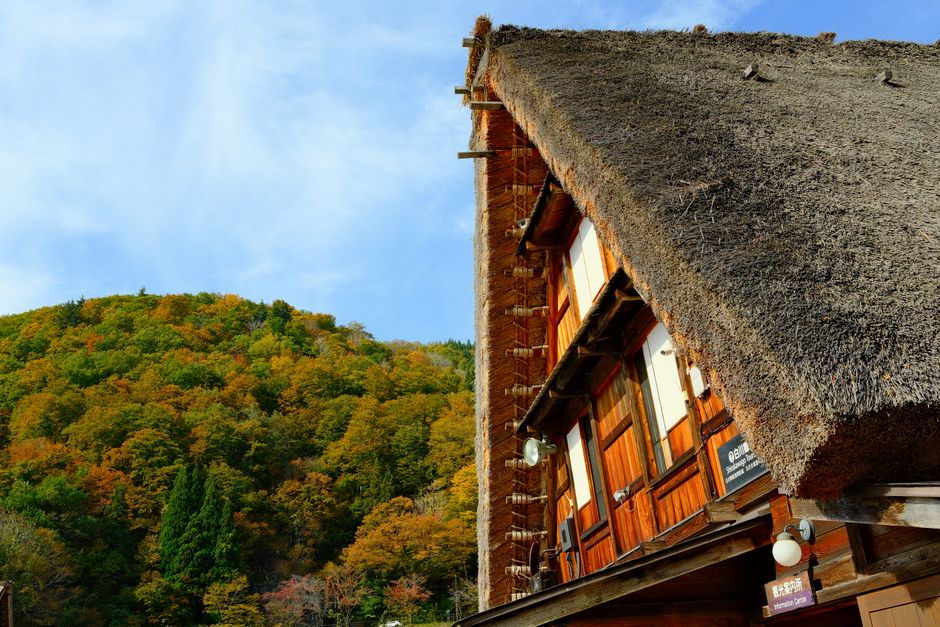
4. Edo-Era Town, Hidden Wires
Ouchi-juku, Fukushima, Japan
This remarkably preserved Edo-era post town maintains its thatched-roof charm by ingeniously burying all modern electricity wires underground.
Ouchi-juku transports visitors back to the Edo period, when it thrived as a vital resting stop for travelers along the Aizu Nishi Kaido route. The village's commitment to historical preservation is extraordinary, with no visible power lines disrupting its ancient aesthetic. Its unique local delicacy, negi soba, is traditionally eaten using a leek as a spoon, adding another layer to its distinct cultural identity.
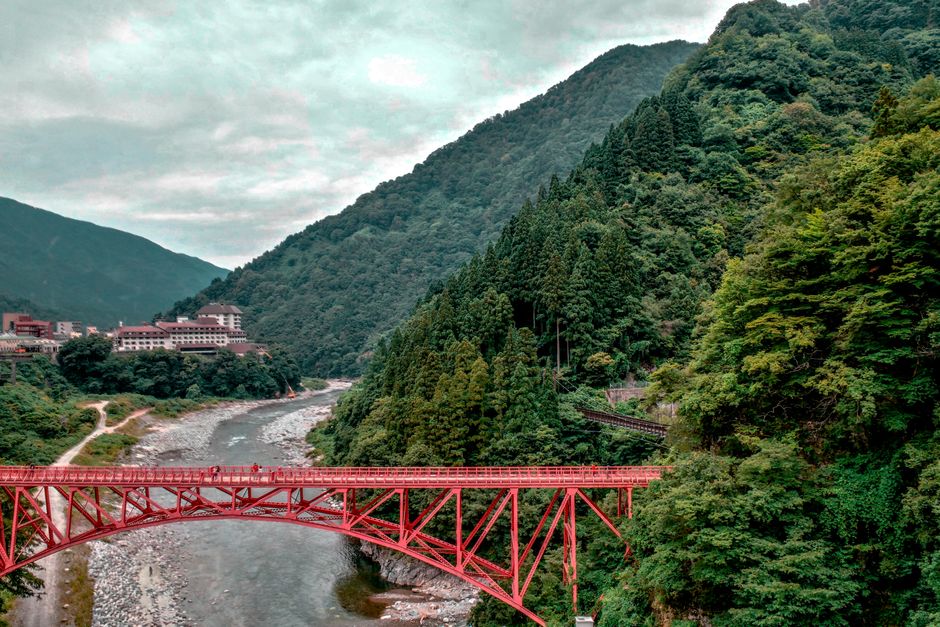
5. The Valley of Vine Bridges
Iya Valley, Tokushima, Japan
Deep in Shikoku's mountains, the remote Iya Valley is famous for its perilous 'vine bridges,' historically constructed to be easily cut to deter invaders.
The Iya Valley is one of Japan's most secluded regions, a dramatic landscape of steep gorges and winding rivers. Its iconic vine bridges, hand-woven from hardy mountain vines, once provided the only access to the valley's hidden hamlets. This ingenious design allowed residents to quickly sever the bridges in times of conflict, making the valley an impenetrable fortress against unwelcome guests. Today, a few sturdy, reinforced bridges remain, offering a thrilling crossing.
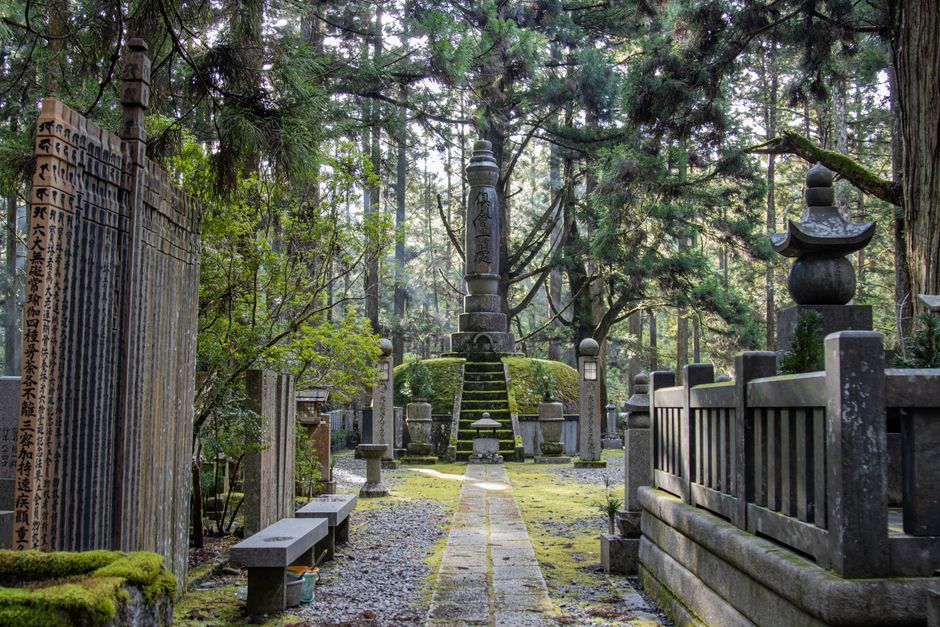
6. The Cemetery of Eternal Meditation
Okunoin Cemetery, Koya-san, Wakayama, Japan
This vast, ancient cemetery in Koya-san is the sacred resting place for hundreds of thousands, believed to be watched over by Kobo Daishi, who is said to be in eternal meditation.
Okunoin is not just a cemetery but a profound spiritual journey. Over 200,000 gravestones and memorials, some centuries old, line a moss-covered path through towering cedar trees, leading to the mausoleum of Kobo Daishi, the founder of Shingon Buddhism. It is believed he is not dead, but in an eternal meditative state, awaiting the Buddha of the Future. The sheer variety of monuments, from corporate memorials to quirky personal tributes, makes for a fascinating, contemplative walk.
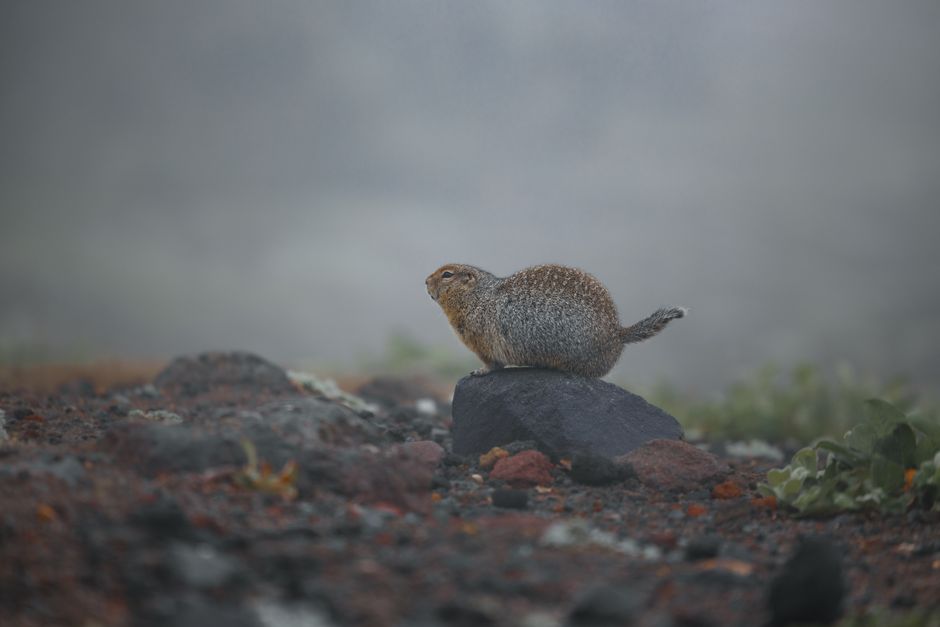
7. Japan's Untamed Wilderness Frontier
Shiretoko Peninsula, Hokkaido, Japan
A UNESCO World Heritage site, Shiretoko is a pristine wilderness on Hokkaido's northeastern tip, home to brown bears, Steller's sea eagles, and the indigenous Ainu people, largely accessible only by boat or on foot.
Shiretoko, meaning 'the end of the earth' in the Ainu language, truly lives up to its name. This rugged peninsula is one of Japan's last true wildernesses, where untouched forests meet dramatic coastlines. It's a vital habitat for diverse wildlife, making it a prime spot for nature observation. The strong presence of indigenous Ainu culture adds another layer of historical and spiritual depth to this untamed frontier.
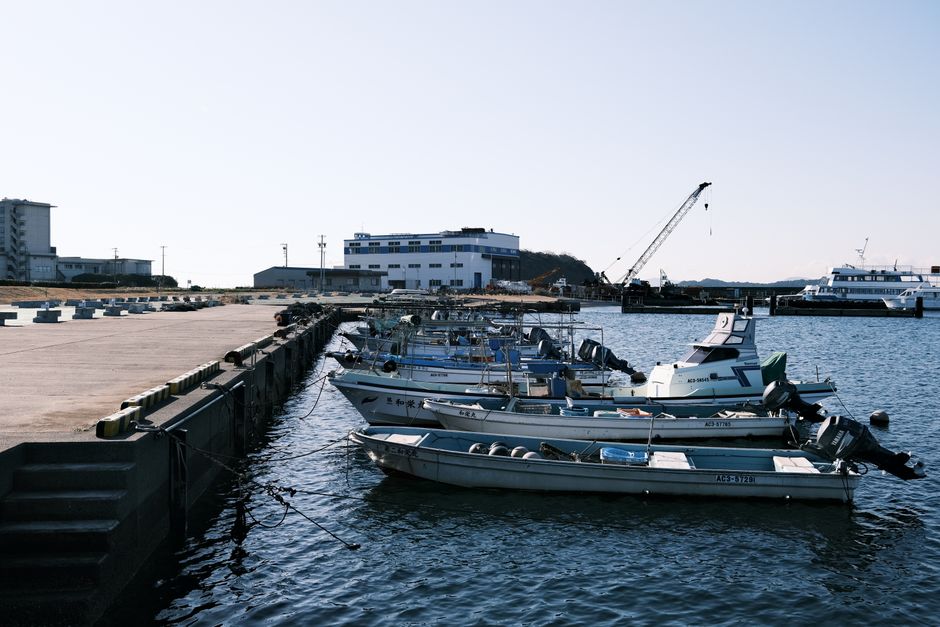
8. Ancient Port and Ghibli Inspiration
Tomo-no-ura, Hiroshima, Japan
This historic port town, with roots stretching back to ancient times and a history tied to pirates, famously inspired scenes in Studio Ghibli films like 'Ponyo.'
Tomo-no-ura is a picturesque harbor town that has retained its Edo-period charm, with narrow alleys, traditional houses, and a prominent stone lighthouse. It has long been a strategic port, mentioned in ancient poems and serving as a base for seafarers and even pirates. Its timeless beauty and tranquil atmosphere captivated Hayao Miyazaki, who drew inspiration from its unique tidal clock and scenic bay for his animated masterpiece, 'Ponyo.'
Frequently asked questions
What are some lesser-known regions to visit in Japan?
Beyond major cities, consider regions like Tohoku for its dramatic landscapes and festivals (Aomori, Fukushima), Shikoku for its spiritual pilgrimage routes and rugged valleys (Tokushima, Kagawa), or the remote islands of Niigata and Tokyo for unique geological and cultural experiences.
How can I find authentic cultural experiences in Japan?
Seek out local festivals in smaller towns, visit traditional craft villages like those for Wajima lacquerware or Arita pottery, or explore areas with strong indigenous cultures like Hokkaido's Ainu communities. Engaging with local guides can also offer deeper insights.
Is it easy to travel to remote areas in Japan?
While major cities are well-connected by bullet train, reaching truly remote areas often requires a combination of local trains, buses, and sometimes ferries or rental cars. Planning ahead and checking local transport schedules is essential, as services can be infrequent.
How does the AllTours.ai app enhance travel in Japan?
The AllTours.ai app transforms your exploration by providing instant audio narratives. Simply point your phone camera at a landmark or landscape in Japan, and the app will narrate its fascinating history, geology, and cultural significance in your preferred language, revealing stories you might otherwise miss.
Related guides
Photography via Pexels. AllTours.ai is an AI audio tour guide — point your camera at any landscape and hear its story.