October 23, 2026 · 4 min read
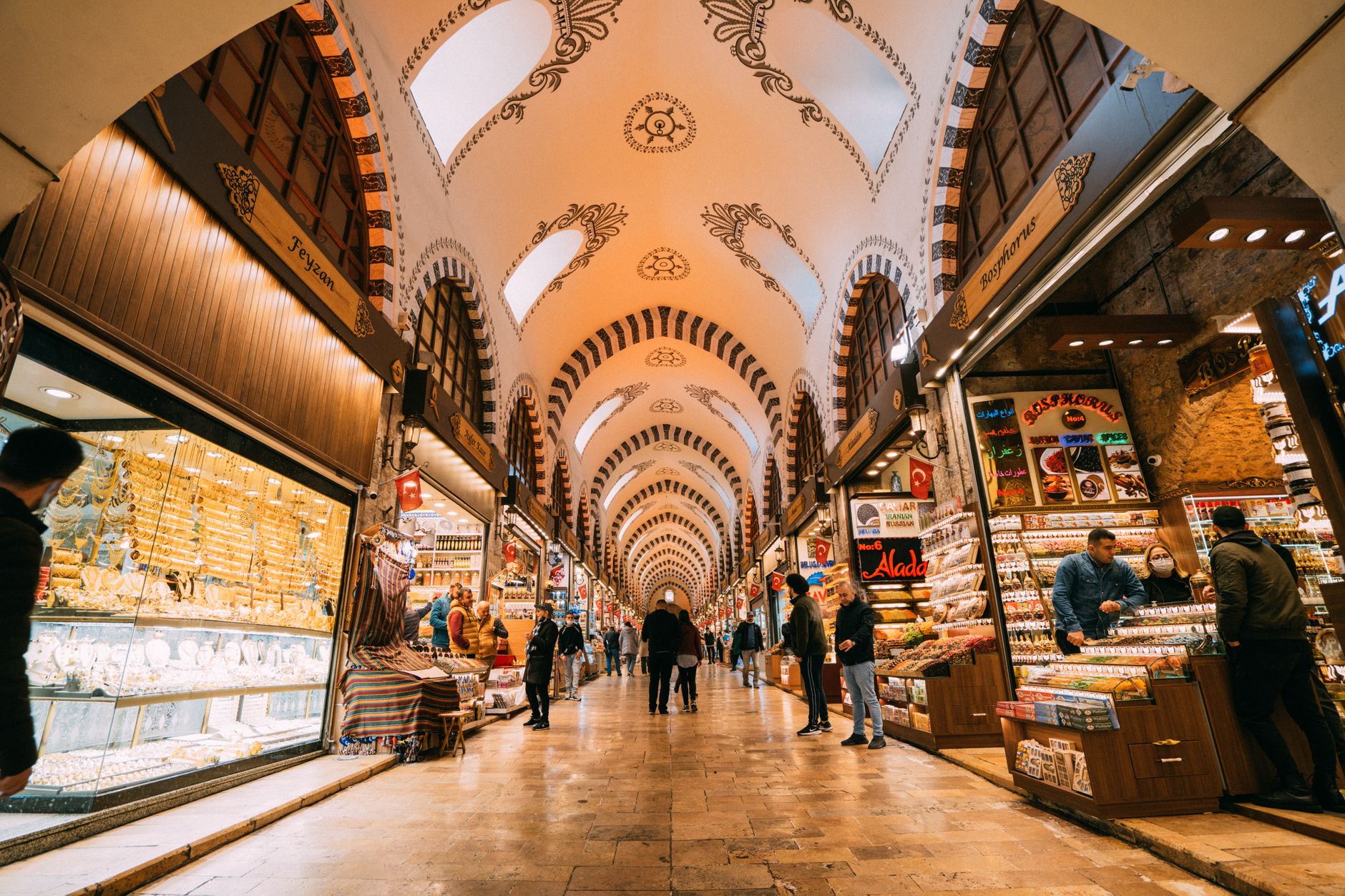
Stepping into Istanbul's Grand Bazaar is like entering a vibrant, living museum, a city within a city that has pulsed with trade for over five centuries. This colossal covered market, one of the oldest and largest in the world, is far more than just a place to shop; it's a testament to Istanbul’s enduring role as a crossroads of civilizations, where every archway and alley whispers tales of merchants, sultans, and artisans.
Beyond the dazzling array of carpets, ceramics, and jewelry, the Grand Bazaar holds countless hidden stories. To truly experience its soul, one must venture beyond the main thoroughfares and seek out its specialized sections, ancient hans (caravanserais), and historic streets. This istanbul grand bazaar shopping guide delves into these lesser-known corners, offering a glimpse into the market's deeper history and helping you unearth truly unique souvenirs.
1. The Ancient Heart: Cevahir Bedesteni
Grand Bazaar, Istanbul, Turkey
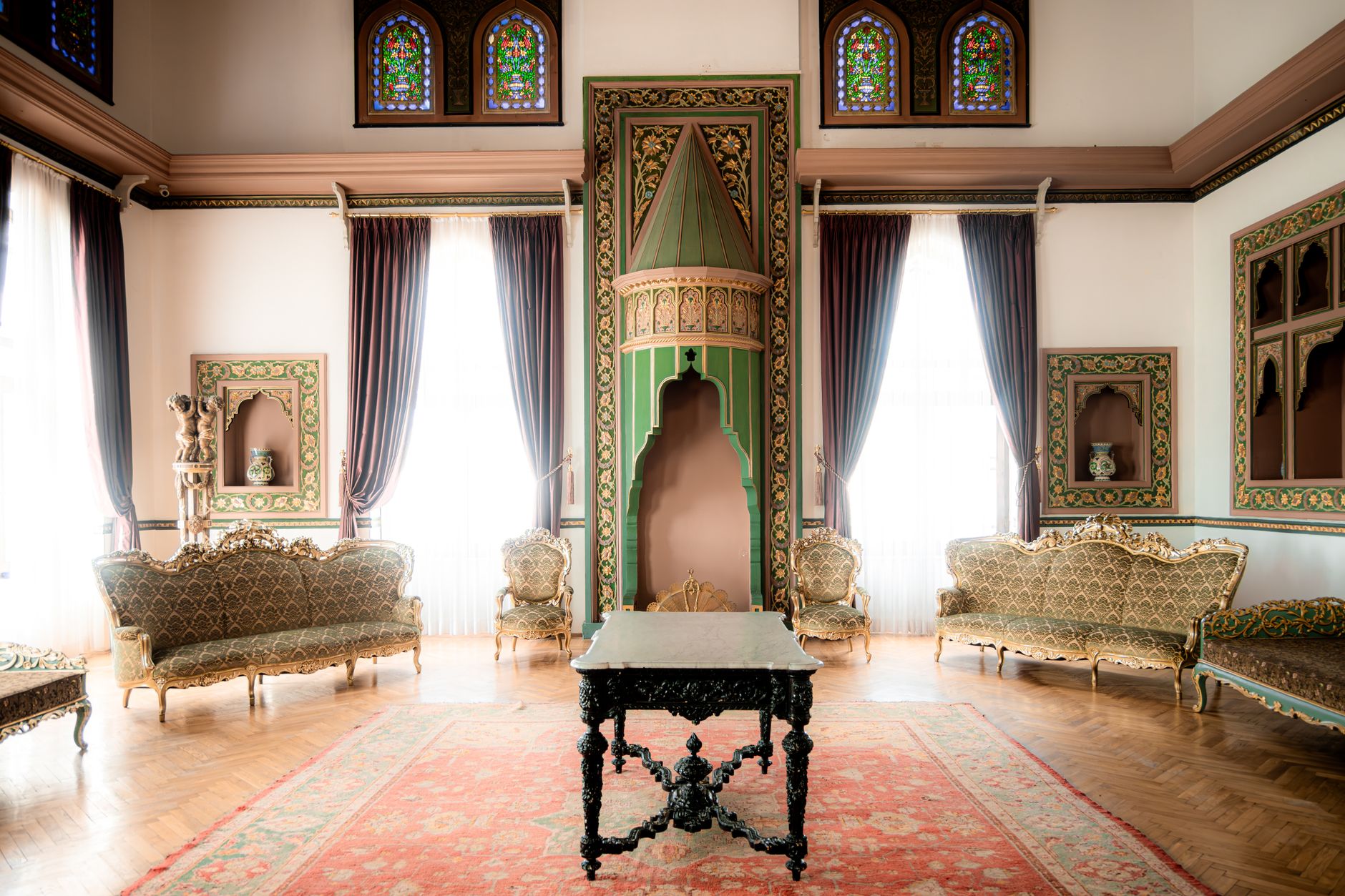
This is the Grand Bazaar's oldest structure, originally built as a secure vault for precious goods.
Dating back to 1461, the Cevahir Bedesteni, or 'Jewelers' Bedesten,' was Mehmet the Conqueror’s original strongbox. Its thick walls and iron gates once guarded the most valuable treasures of the Ottoman Empire – jewels, antique weapons, and rare manuscripts. Today, it remains a hub for serious antique dealers and collectors, offering an unparalleled selection of Ottoman artifacts, historical coins, and vintage jewelry that carries centuries of stories.
2. Silk's Grand Stage: Sandal Bedesteni
Grand Bazaar, Istanbul, Turkey
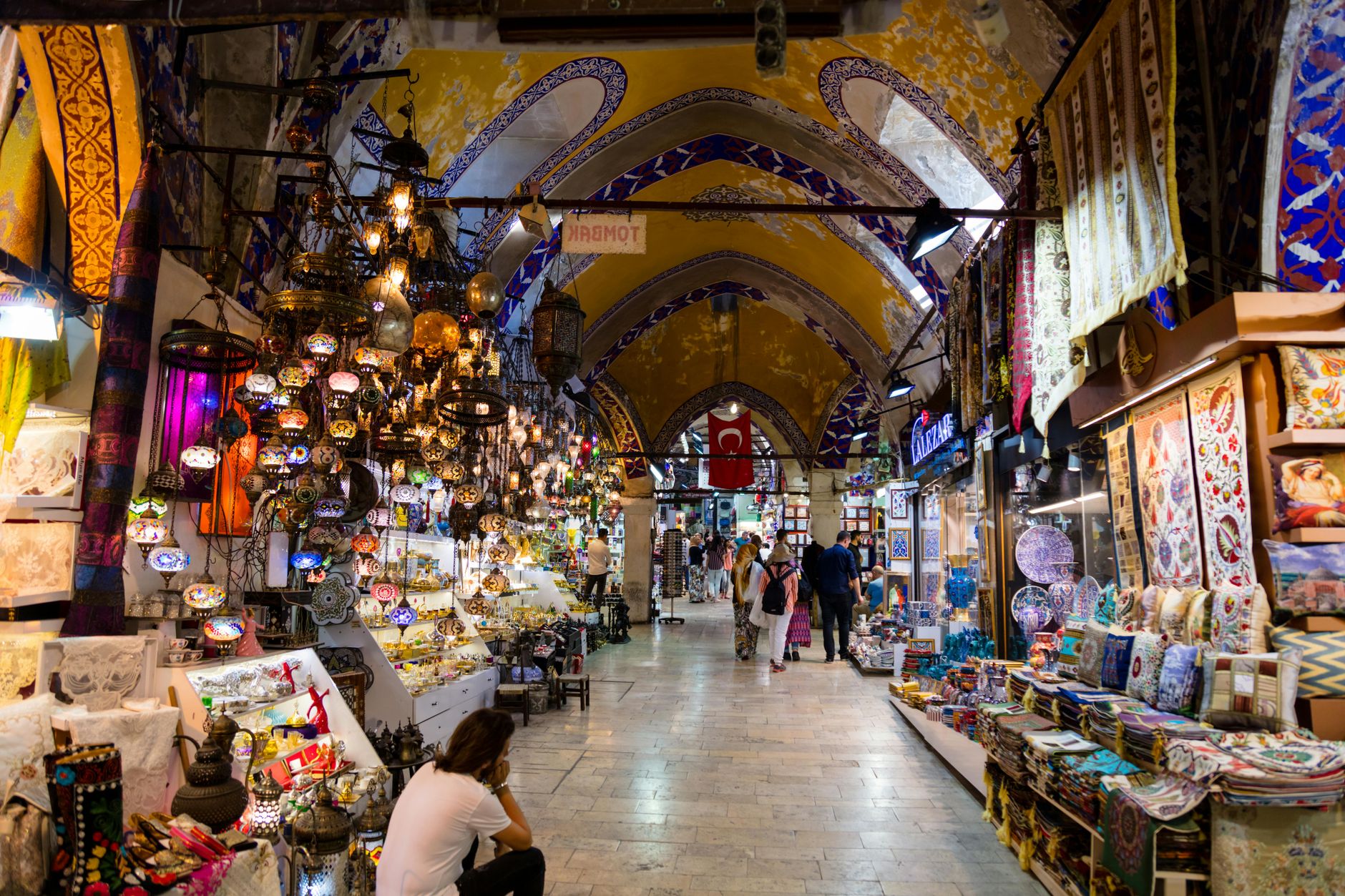
Once, this majestic hall hosted the weekly auctions for all the luxurious silk and fabrics arriving from the Silk Road.
The Sandal Bedesteni, another venerable section of the Grand Bazaar, takes its name from the 'sandalwood' timber believed to have been used in its original construction, or perhaps from the 'sandal' boat, referring to the flow of goods. In its heyday, it was the bustling epicenter of Istanbul’s textile trade, where exotic silks, rich brocades, and fine cottons were bought and sold. While no longer an exclusive silk auction house, its domed ceilings and grand scale still echo with the murmurs of past commerce.
3. The Street of Headwear: Fesçiler Caddesi
Grand Bazaar, Istanbul, Turkey
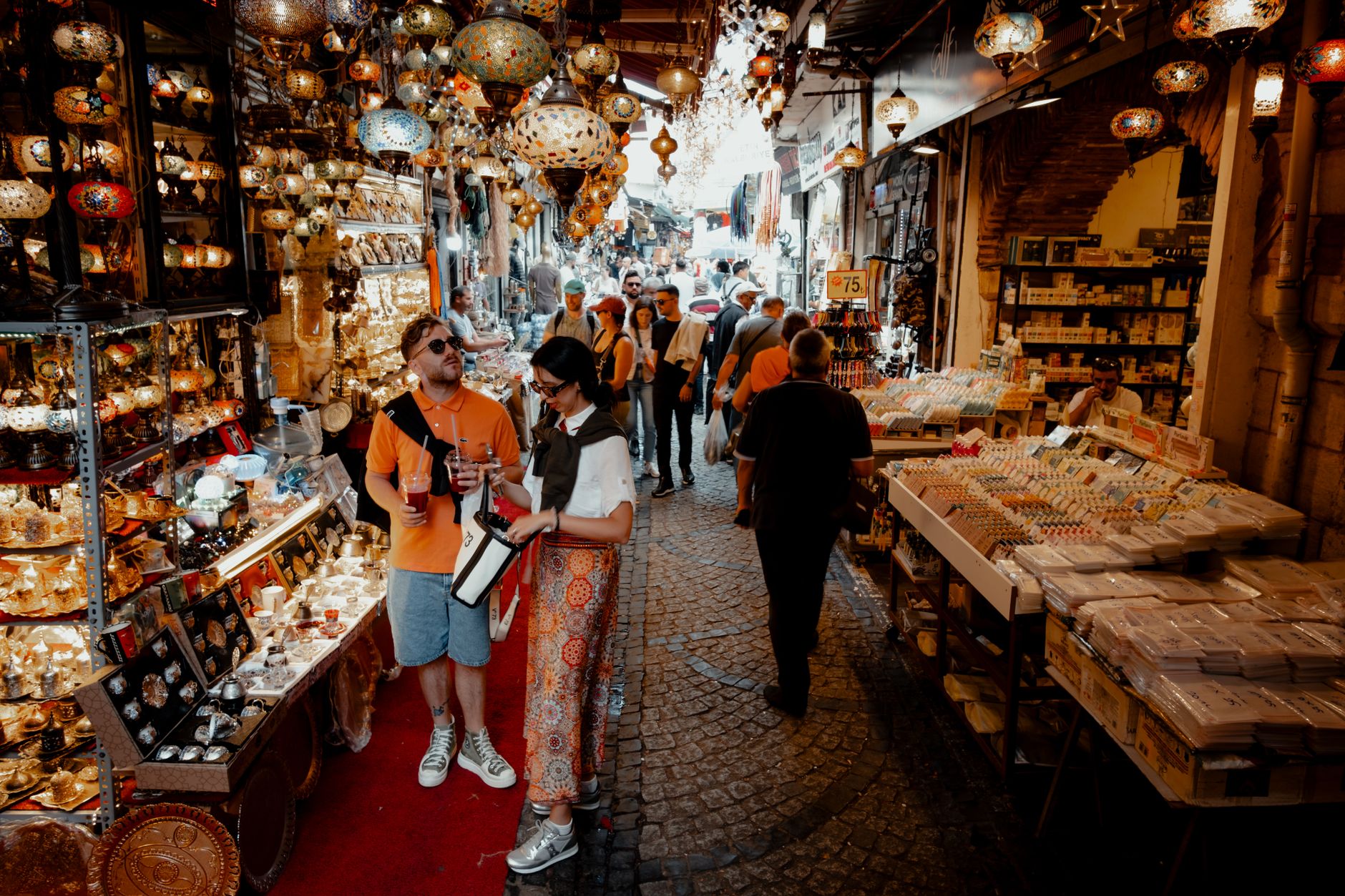
This specific lane once dictated fashion, being the exclusive domain for selling the iconic Ottoman fez.
Fesçiler Caddesi, or 'Fez Sellers Street,' tells a fascinating story of sartorial change. For a period, the fez was a symbol of modernity and reform under the Ottoman Empire, and this street was where every man came to acquire his distinctive red headwear. Though the fez is no longer everyday attire, the street retains its historic name, and you can still find traditional hat makers and shops specializing in other forms of headwear, alongside more contemporary goods.
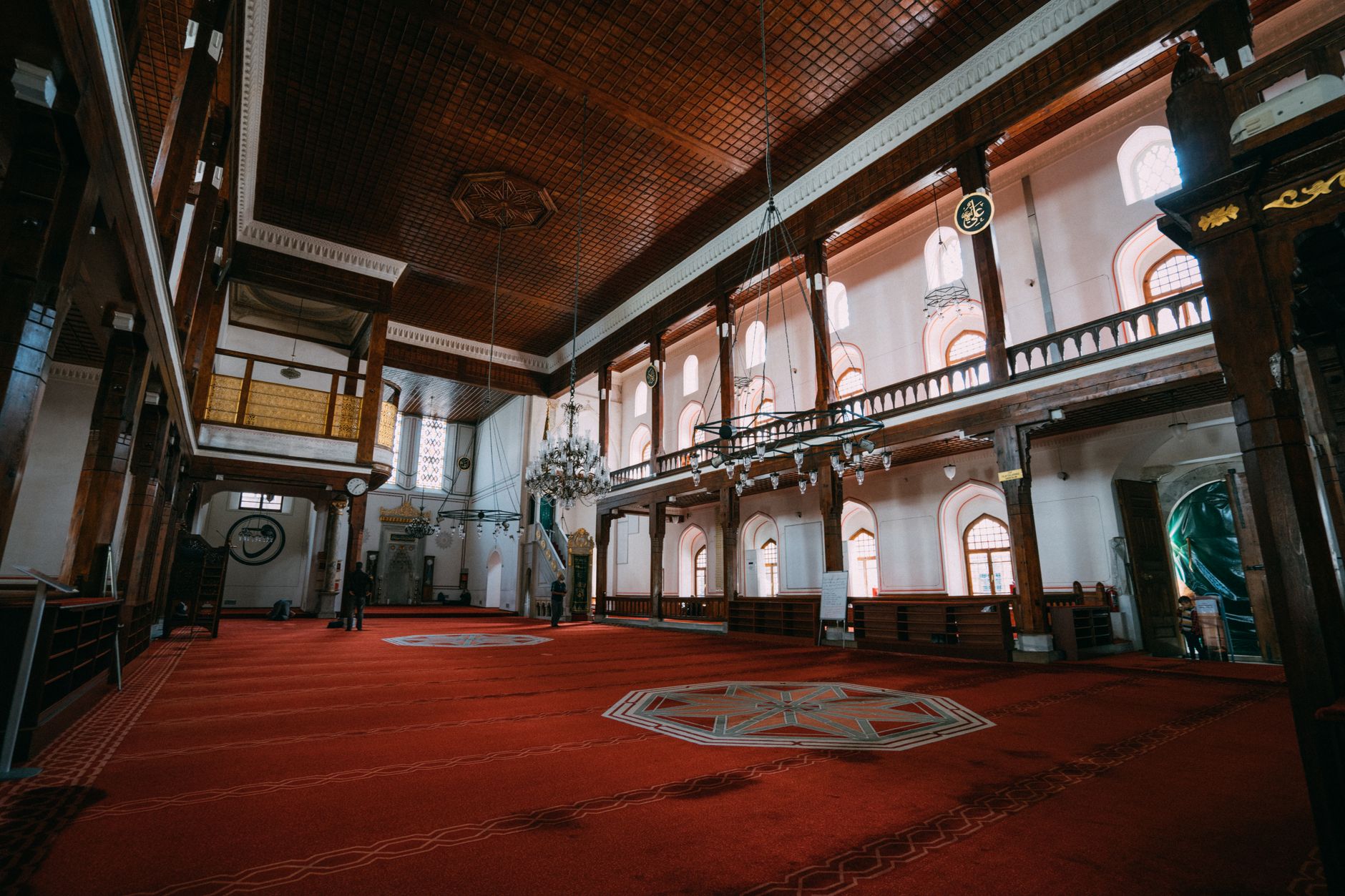
4. Whispers of Trade: Zincirli Han
Grand Bazaar, Istanbul, Turkey
This serene caravanserai, literally 'Chained Inn,' offers a quiet escape and specializes in intricate silver and gold crafts.
Tucked away from the main thoroughfares, Zincirli Han is one of the Grand Bazaar's many historic hans – ancient inns where merchants once lodged and stored their goods. Its name, 'Chained Han,' might refer to a system of securing goods or perhaps its chained entrance. Today, it’s a tranquil oasis known for its high-quality jewelers and artisans, particularly those working with silver and gold, offering custom designs and exquisite craftsmanship in a much calmer setting than the main bazaar.
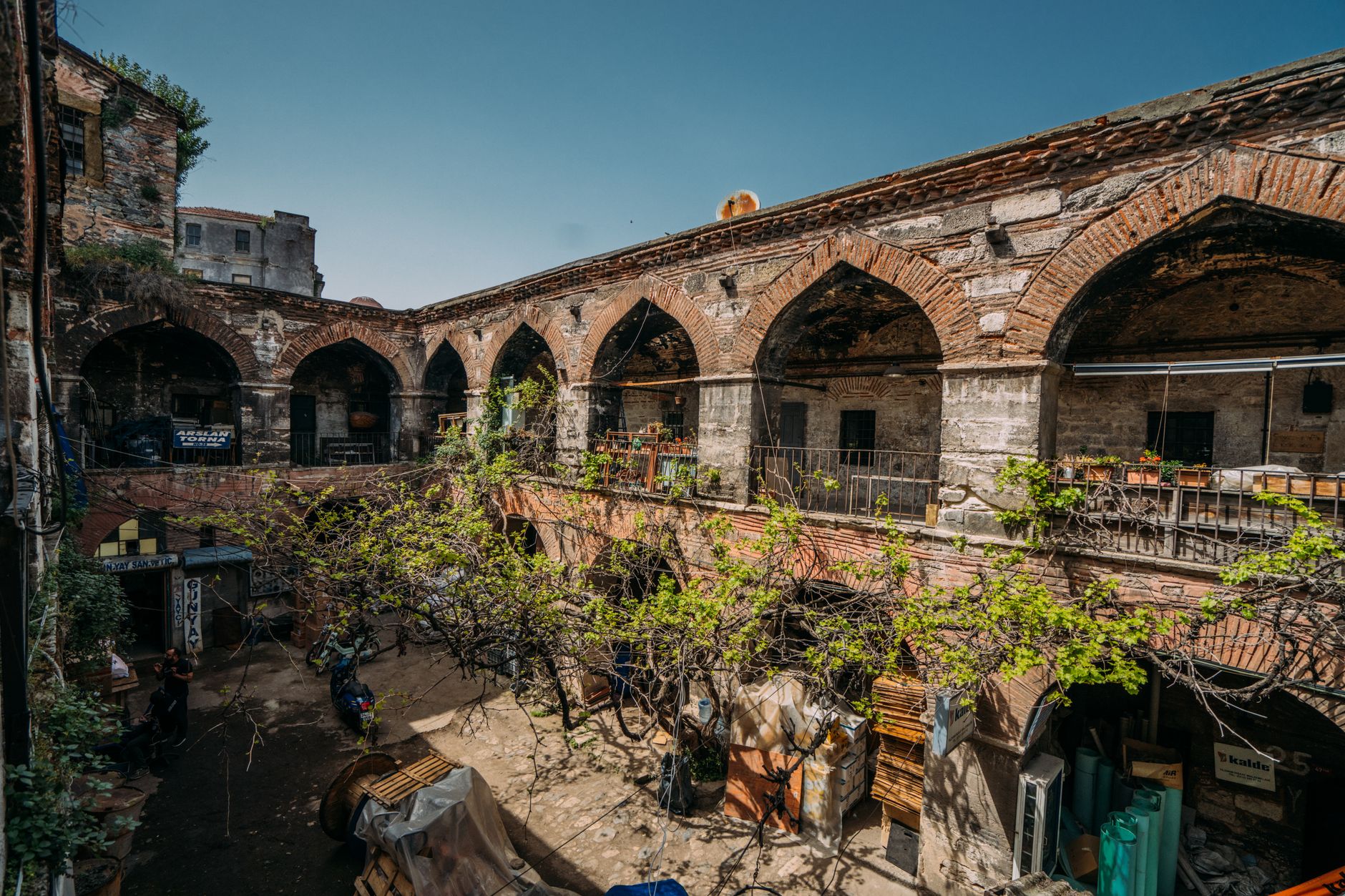
5. The Liners' Lodge: Astarcı Han
Grand Bazaar, Istanbul, Turkey
This large caravanserai was historically dedicated to merchants selling fabric linings, a crucial component of Ottoman attire.
Astarcı Han, meaning 'Liner's Inn,' highlights the specialized nature of trade within the historic bazaar. While the main streets sold finished garments, this han focused on the essential, often unseen, components like fabric linings for clothes and upholstery. Today, it houses a diverse array of workshops and small businesses, from carpet restorers to leatherworkers, offering a glimpse into the continuing tradition of artisanal production within the bazaar’s walls.
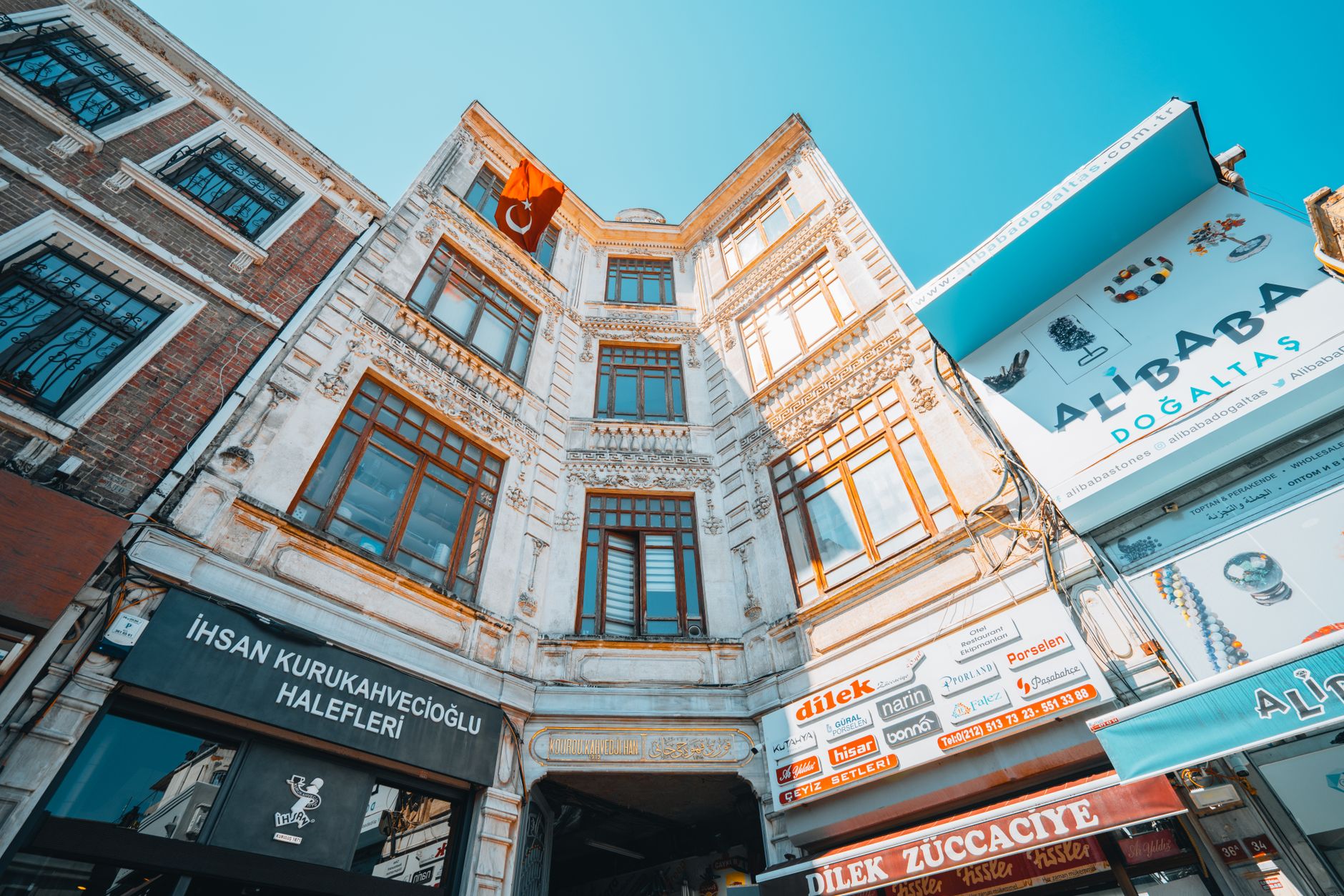
6. Echoes of Opulence: Kürkçüler Çarşısı
Grand Bazaar, Istanbul, Turkey
The 'Furriers' Bazaar' was once the vibrant heart of Istanbul's luxurious fur trade, supplying Ottoman elites.
Kürkçüler Çarşısı, or 'Furriers' Bazaar,' stands as a historical reminder of the immense wealth and fashion tastes of the Ottoman Empire. This section was where exotic furs from distant lands were traded, tailored, and transformed into lavish garments for the elite. While the fur trade has diminished significantly, the area retains its historic name and character, with some shops still specializing in leather goods and winter wear, carrying on a tradition of quality craftsmanship.
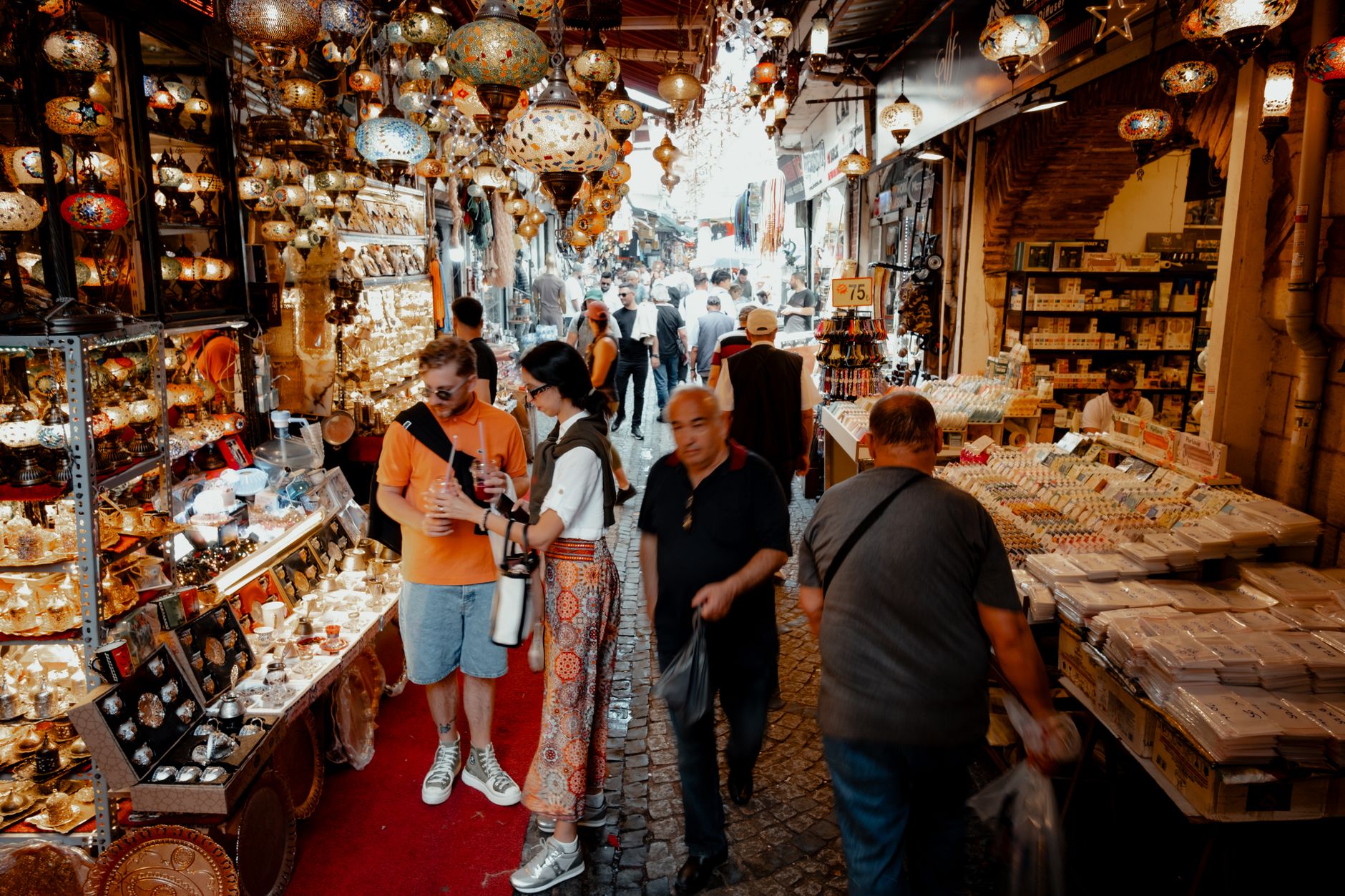
7. The Handkerchief Lane: Yağlıkçılar Sokağı
Grand Bazaar, Istanbul, Turkey
This narrow street once specialized exclusively in the sale of beautifully embroidered handkerchiefs, an essential accessory in Ottoman society.
Yağlıkçılar Sokağı, the 'Handkerchief Sellers Street,' offers a charming insight into the granular specialization of the Grand Bazaar. Embroidered handkerchiefs, known as 'yağlık,' were not just functional items but intricate works of art, used for everything from formal gifts to personal adornment. While the original trade has largely faded, the street's name preserves this unique piece of commercial history. Today, you might find shops selling other small textiles, scarves, and accessories, maintaining a thread of its past.
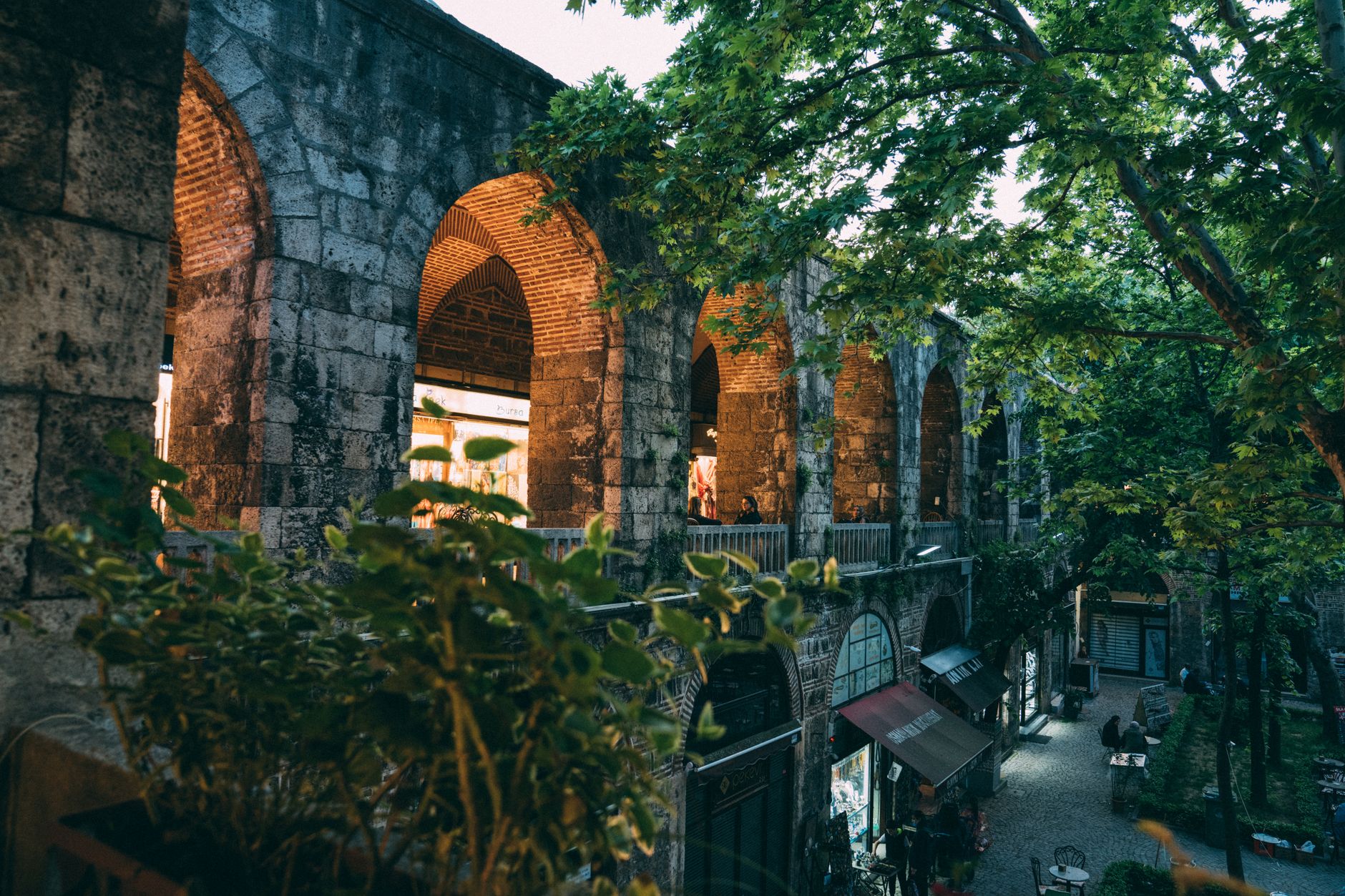
8. Weavers' Gateway: Örücüler Kapısı
Grand Bazaar, Istanbul, Turkey
One of the Grand Bazaar's lesser-known gates, it hints at the complex guild system that once governed trade.
The Grand Bazaar boasts 22 gates, each with its own history and often named after the trades or districts they served. Örücüler Kapısı, or 'Weavers' Gate,' would have been a crucial entry point for artisans bringing their woven goods into the market. While not a specific shopping area itself, passing through this gate connects you to the historical network of guilds and workshops that formed the backbone of the Bazaar's economy, leading you into sections rich with textiles and carpets.
Frequently asked questions
What are the best days and times to visit the Grand Bazaar?
The Grand Bazaar is open Monday to Saturday, typically from 9 AM to 7 PM. It's closed on Sundays and public holidays. To avoid the largest crowds, try visiting on a weekday morning, shortly after opening, or in the late afternoon. Weekends, particularly Saturdays, can be very busy.
Is bargaining expected in the Grand Bazaar?
Yes, bargaining is a deeply ingrained part of the Grand Bazaar shopping experience, especially for items like carpets, jewelry, and antiques. Start by offering about half to two-thirds of the asking price and negotiate politely and with a smile. It's less common for food items or fixed-price souvenirs, but always worth a try for bigger purchases.
What unique souvenirs can I find in the Grand Bazaar?
Beyond the more common items, look for handcrafted ceramics with traditional Ottoman designs, intricate copperware, leather goods from local workshops, high-quality spices and Turkish delight, and unique antique pieces from the Cevahir Bedesteni. Don't forget to explore the smaller hans for specialized artisan work like bespoke jewelry or textiles.
How can AllTours.ai enhance my Grand Bazaar visit?
AllTours.ai transforms your exploration of the Grand Bazaar. Simply point your phone camera at an interesting shop, a historic gate, or a unique architectural detail, and the app will instantly narrate its history, cultural significance, or details about the goods sold there. It's like having a personal historian in your pocket, revealing the hidden stories and context behind every corner of this labyrinthine market in your preferred language.
Related guides
Photography via Pexels. AllTours.ai is an AI audio tour guide — point your camera at any landscape and hear its story.