October 4, 2026 · 4 min read
Kanazawa, often called 'Little Kyoto,' truly shines as autumn paints its ancient landscapes in fiery hues. As the days shorten, a special magic descends upon this former samurai stronghold: its iconic gardens and historical districts come alive with enchanting illuminations, transforming familiar sights into breathtaking nocturnal spectacles.
Beyond the well-trodden paths and postcard-perfect scenes, Kanazawa hides a wealth of untold stories. From ingenious defensive designs to architectural marvels built out of love, these illuminated spaces whisper tales of Japan's feudal past and enduring cultural spirit. Prepare to discover the surprising narratives woven into the very fabric of Kanazawa's autumn glory.
1. The "Ninja Temple" Built for Deception
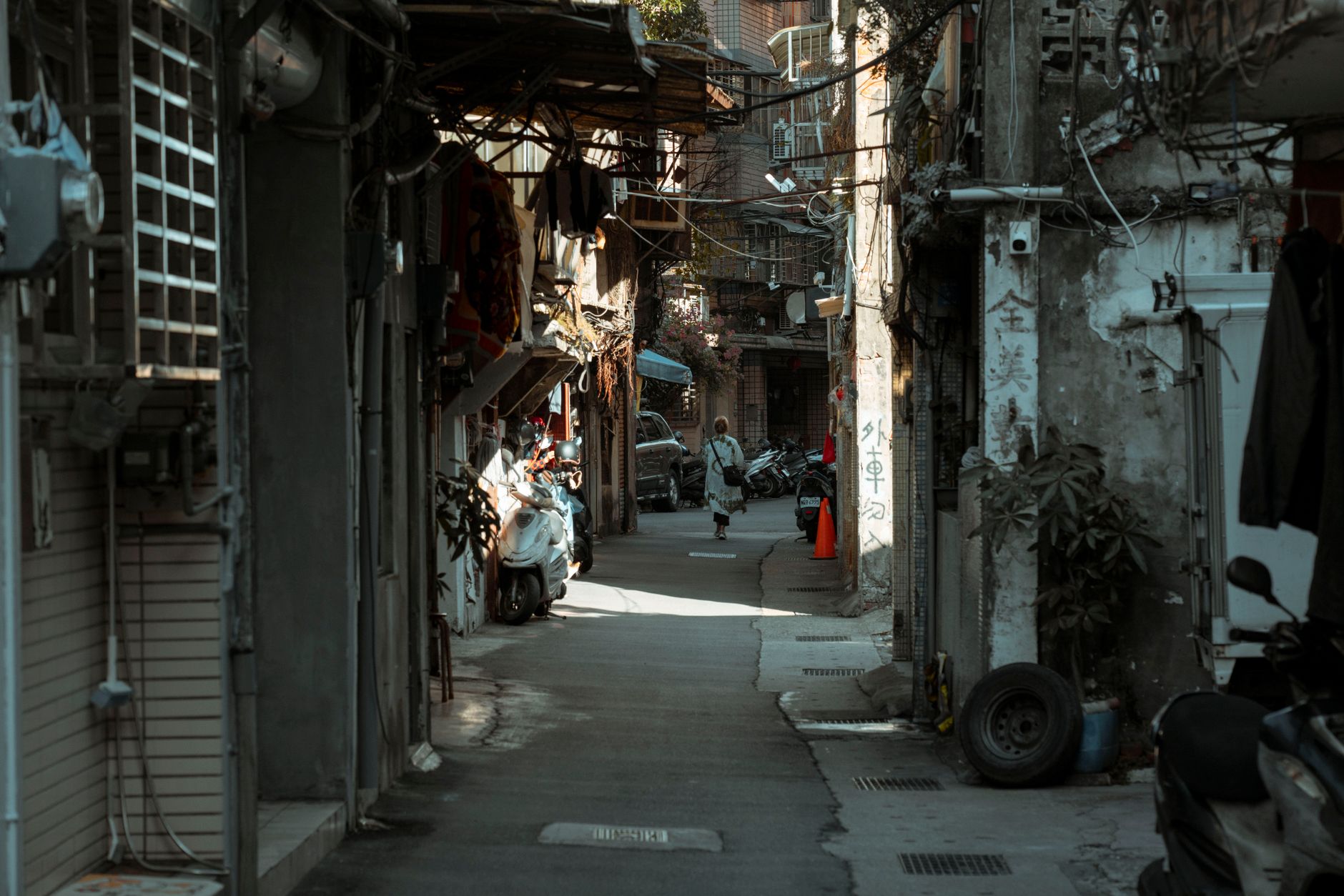
Myoryuji Temple, Kanazawa, Japan
Myoryuji Temple, known as the "Ninja Temple," was not for ninjas but a heavily fortified hideaway for the Maeda lords, packed with traps and secret passages.
Built in the Edo period, Myoryuji Temple was part of a network of defensive structures around Kanazawa Castle. Its moniker comes from its elaborate design: hidden staircases, secret rooms, trapdoors, and a complex escape route system, all disguised within a functional Buddhist temple. These features were designed to protect the Maeda clan in times of war, allowing them to detect intruders and provide safe passage for important figures.
2. A Samurai's Enduring Garden
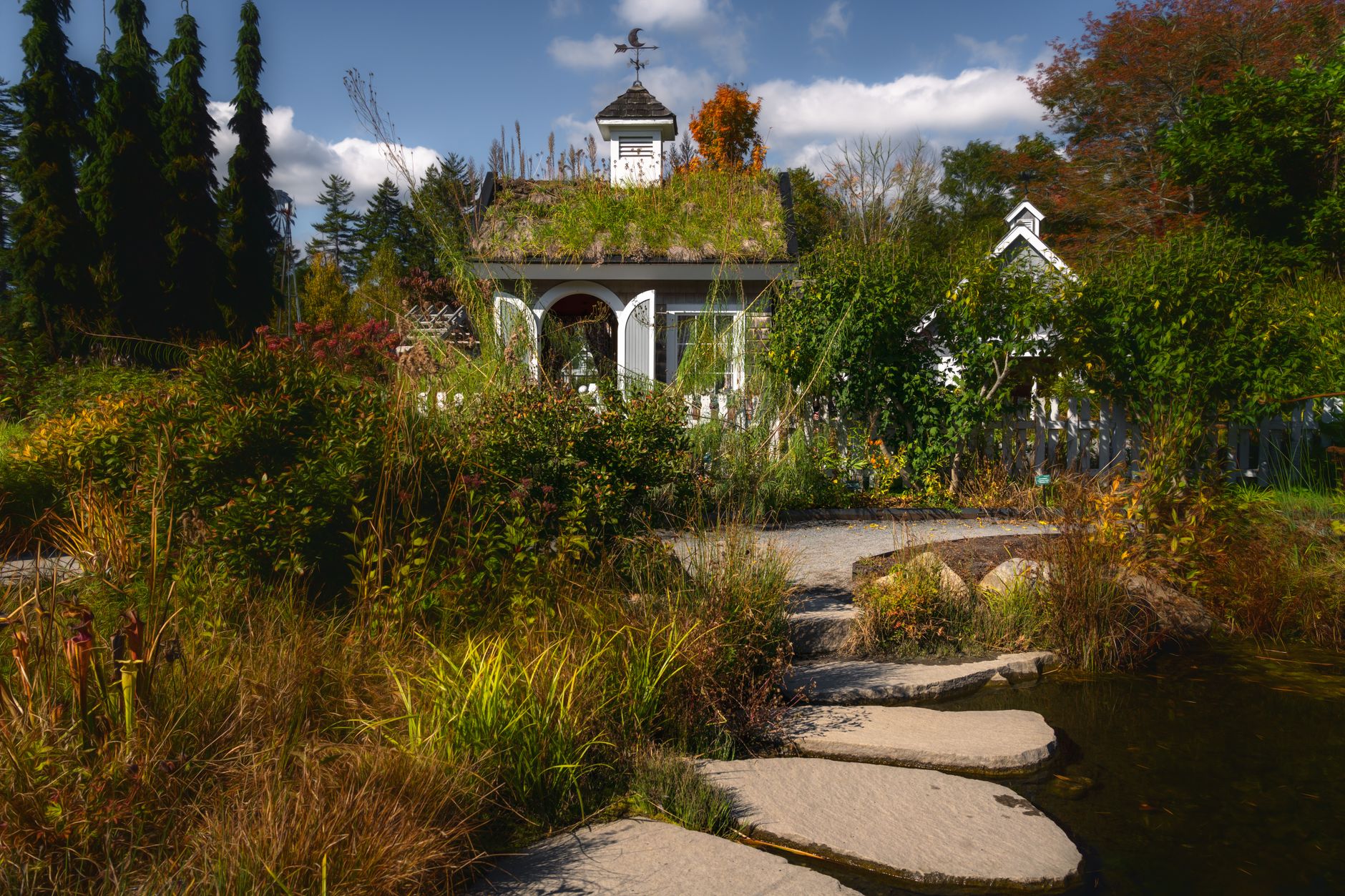
Nomura Samurai House, Kanazawa, Japan
The Nomura Samurai House's meticulously preserved garden was designed to be viewed from multiple angles, a practice reflecting samurai aesthetics.
Nestled in the Nagamachi samurai district, the Nomura family residence offers a rare glimpse into a samurai's life. Its acclaimed garden, frequently illuminated in autumn, features ancient cycad trees, stone lanterns, and a small waterfall. This garden was carefully designed to present different perspectives from various rooms, a sophisticated detail that speaks to the samurai's appreciation for beauty and contemplation, even amidst political turmoil.
3. The Lord's Gift for His Mother
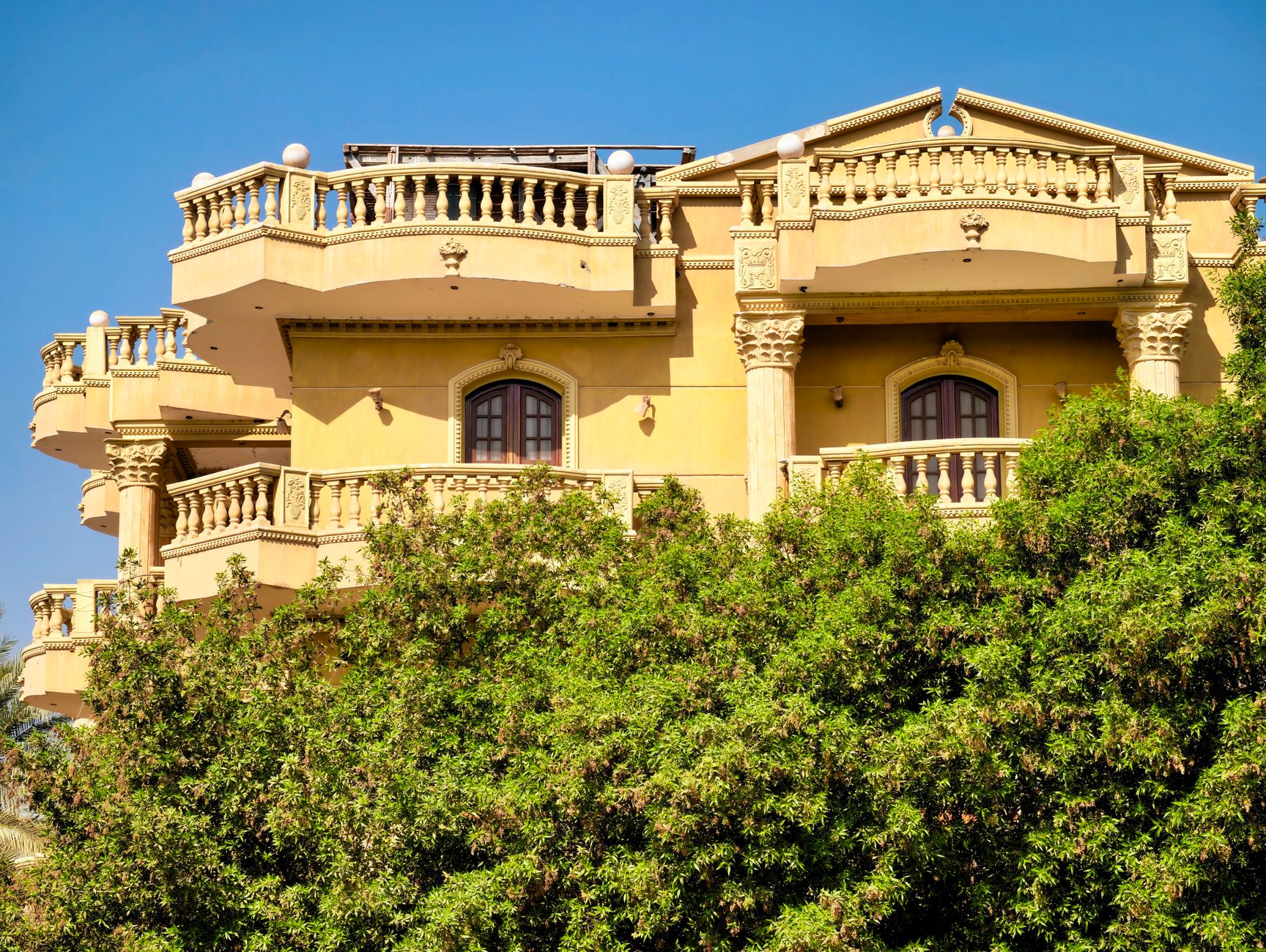
Seisonkaku Villa, Kanazawa, Japan
Seisonkaku Villa, built for a feudal lord's mother, features vibrant blue walls made from a rare pigment and innovative hidden heating systems.
Commissioned by Maeda Nariyasu in 1863 for his mother, Lady Shinryu, Seisonkaku is a masterpiece of late Edo-period architecture. The villa boasts distinctively bright blue walls in certain rooms, achieved with a rare and expensive mineral pigment called Prussian blue. Beyond its opulent aesthetics, the villa also incorporated advanced features for its time, including underfloor heating cleverly disguised within its traditional design, ensuring comfort for the elderly matriarch.
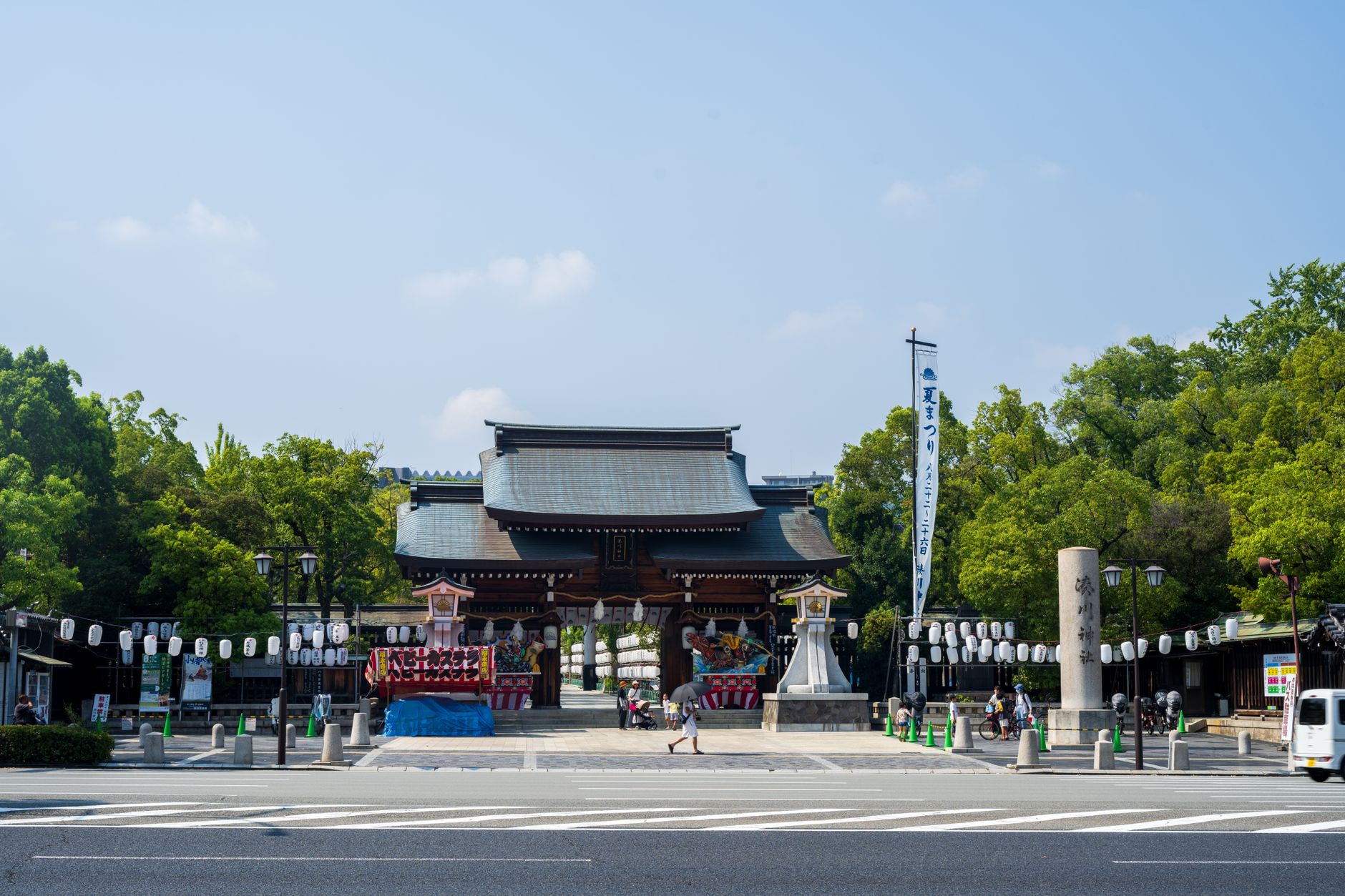
4. A Gate of East-Meets-West
Oyama Shrine, Kanazawa, Japan
Oyama Shrine's main gate uniquely blends traditional Japanese architecture with a Dutch-designed stained-glass window at its apex.
Dedicated to the Maeda clan's founder, Maeda Toshiie, Oyama Shrine is striking for its Shinmon gate. Built in 1875, this three-story gate incorporates an unusual combination of Japanese, Chinese, and European design elements. The most surprising feature is the top floor's stained-glass window, a rare sight in Japanese shrine architecture, commissioned from Dutch engineers and serving as a lighthouse beacon during its early years.
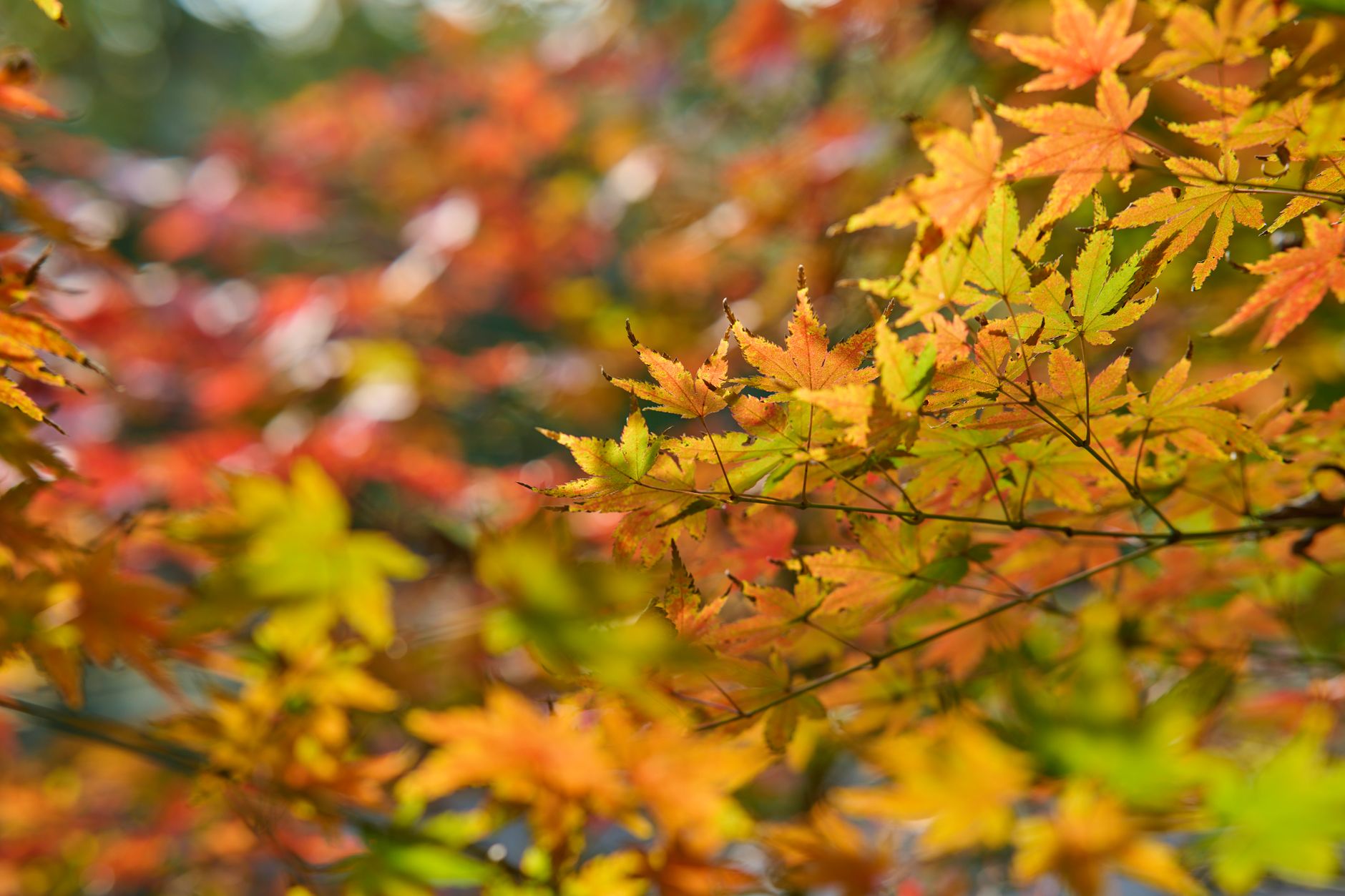
5. The Lost Garden's Revival
Gyokusen-en Garden, Kanazawa, Japan
Gyokusen-en, a private garden predating Kenrokuen, was meticulously restored using ancient maps and records after generations of neglect.
This hidden gem, often overlooked by tourists, is one of Kanazawa's oldest surviving private gardens, originally built by the Honda family, chief retainers of the Maeda clan. Unlike public gardens, Gyokusen-en offers a more intimate and secluded experience. Its restoration involved extensive historical research, bringing back its original Edo-period layout and features, including a unique water system that feeds its ponds, showcasing the painstaking effort to preserve its authentic beauty.
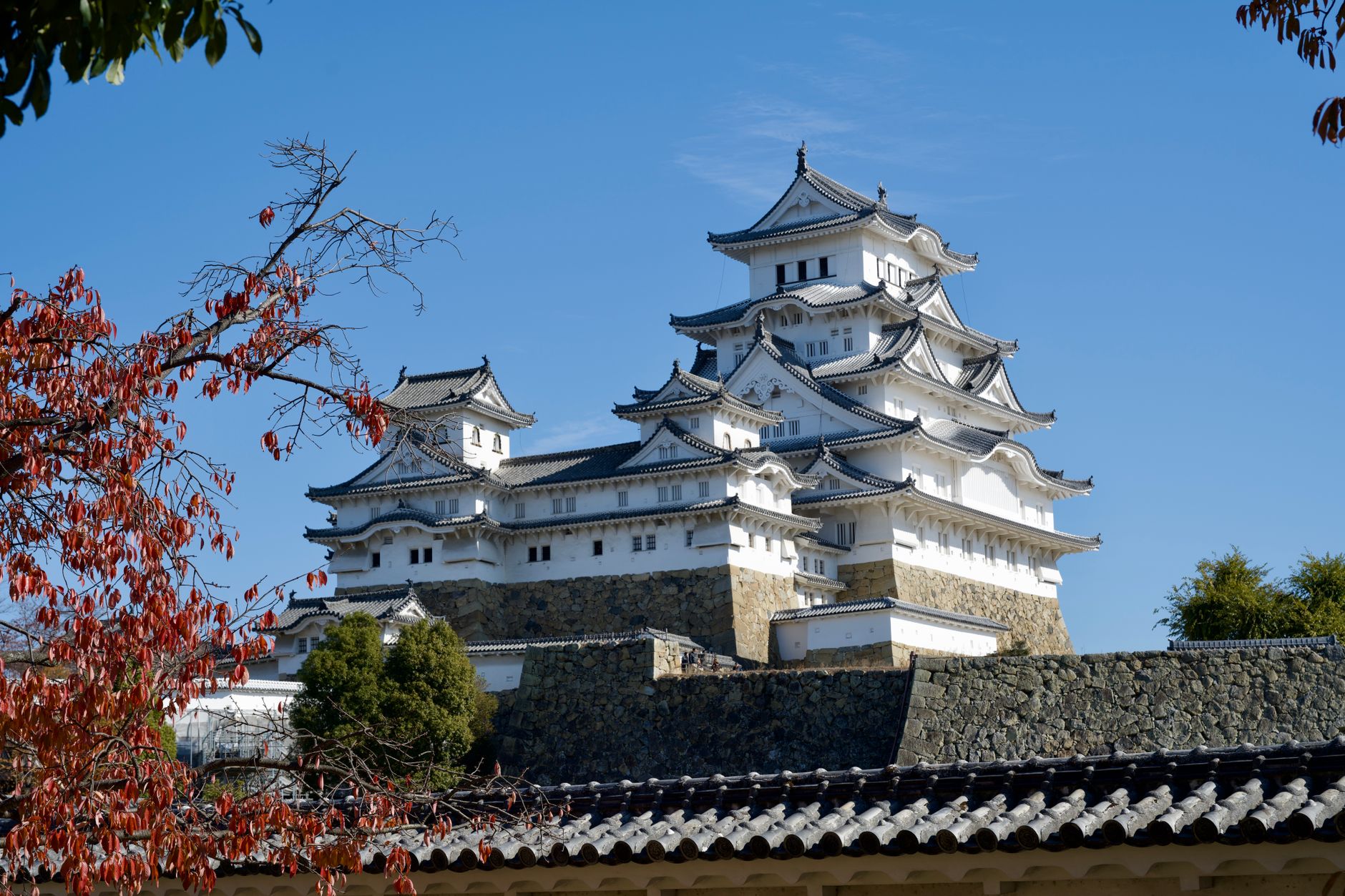
6. The Castle's Defensive Facade
Kanazawa Castle Park (Kahoku-mon Gate), Kanazawa, Japan
The Kahoku-mon Gate of Kanazawa Castle was meticulously reconstructed using traditional methods, including a complex system of interlocking timber joints, without nails.
While Kenrokuen often steals the spotlight, Kanazawa Castle Park holds its own historical weight. The Kahoku-mon Gate, a primary entrance, stands as a testament to the castle's defensive ingenuity. Its reconstruction, completed in 2001, relied entirely on traditional carpentry techniques, fitting massive timber beams together like a giant puzzle. This method, a hallmark of ancient Japanese construction, not only made the gate structurally robust but also allows it to withstand earthquakes.
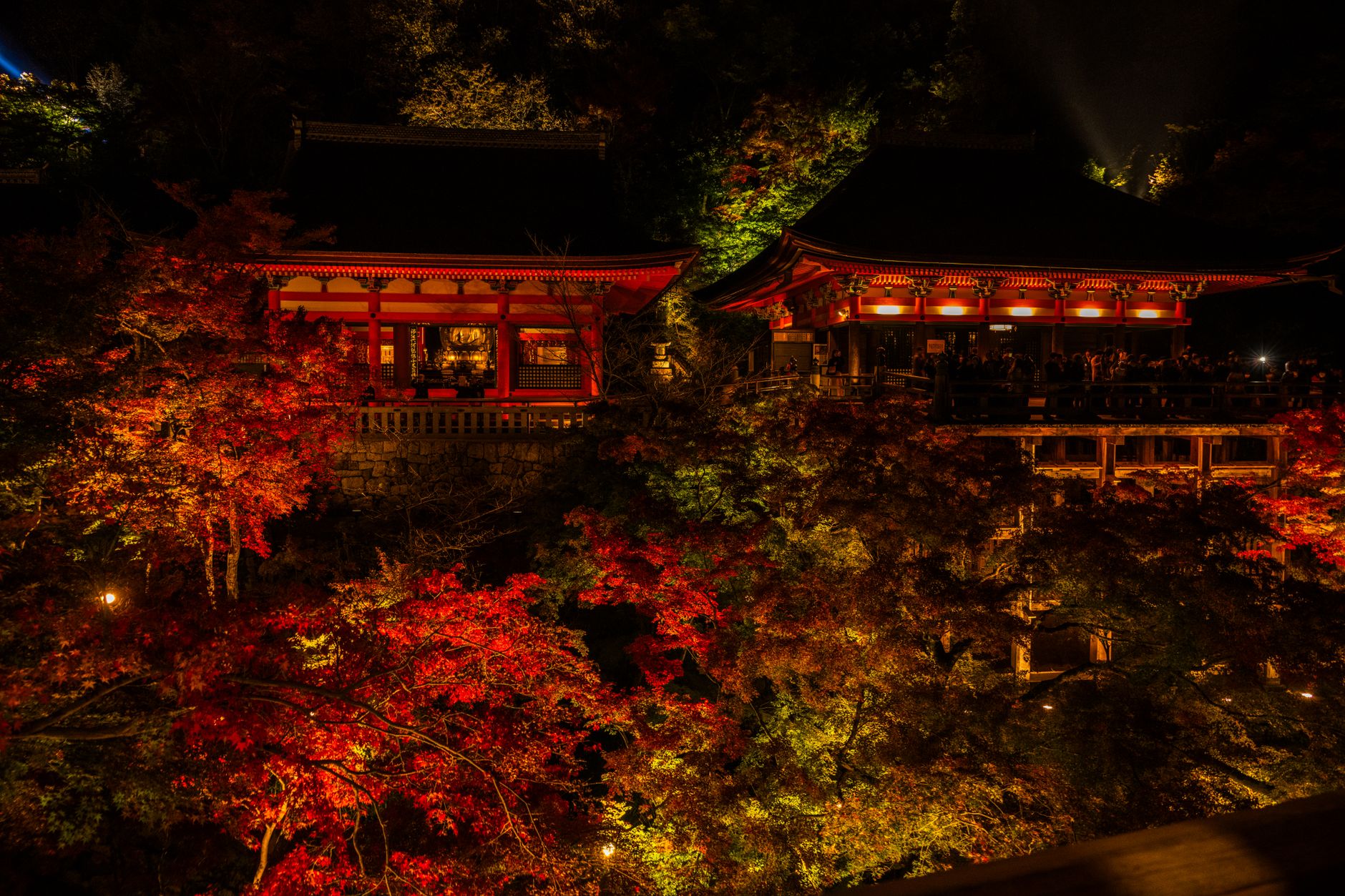
7. Serenity of Zen, Beyond the City
Daijoji Temple, Kanazawa, Japan
Daijoji Temple, an active Soto Zen monastery, maintains strict monastic practices, offering a glimpse into unadulterated Zen life rarely seen by outsiders.
Situated on the city's outskirts, Daijoji Temple offers a tranquil escape and a deeper connection to Kanazawa's spiritual heritage. Founded in 1293, it's one of the few places where you can witness monks maintaining a rigorous monastic schedule, emphasizing meditation and daily chores. The temple grounds, especially beautiful during autumn, reflect the simplicity and profundity of Zen aesthetics, providing a stark contrast to the bustling city center.
8. A Geisha District's Ancient Guardian
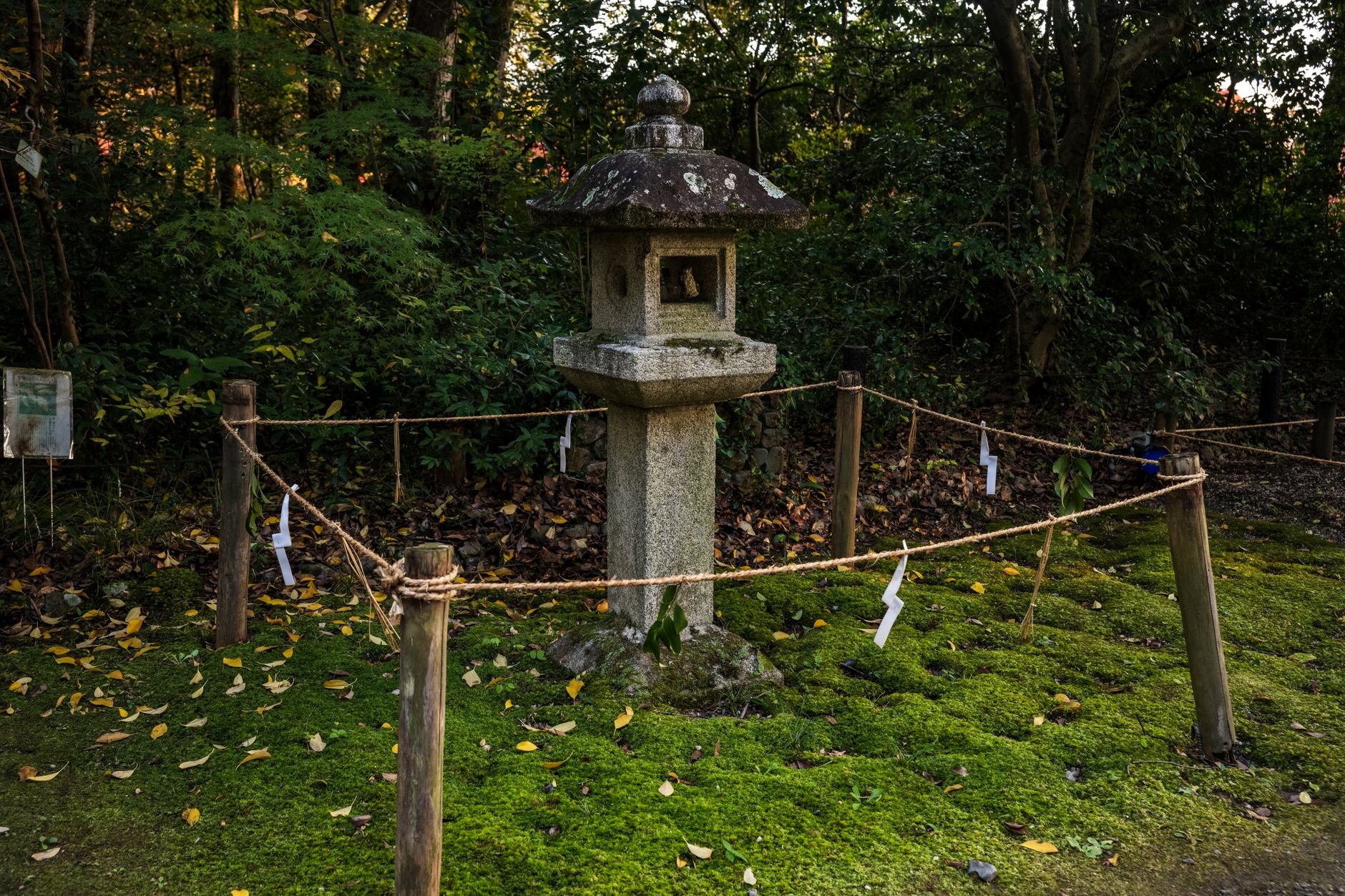
Yuya Shrine, Kanazawa, Japan
Yuya Shrine, nestled discreetly in the Higashi Chaya district, predates the geisha houses and served as a spiritual anchor for the local community for centuries.
While the Higashi Chaya district is famous for its preserved geisha houses, many visitors overlook the small but historically significant Yuya Shrine. Tucked away on a hill overlooking the entertainment quarter, this shrine has watched over the district since its earliest days. It offers a quiet respite and a tangible link to the area's pre-Edo history, providing a different perspective on a well-trodden path.
Frequently asked questions
When is the best time to see autumn illuminations in Kanazawa?
The peak autumn foliage in Kanazawa typically occurs from late October to mid-November. Illuminations usually run throughout this period, often extending into early December. Check local tourism boards for specific event dates each year.
Are the illuminations free to attend?
Some public areas and park illuminations might be free, but many major gardens and specific historical sites with special night openings usually require an admission fee. It's best to check the official websites of individual attractions for details.
How do I get around Kanazawa to see these sites?
Kanazawa has an excellent bus system, including the Kanazawa Loop Bus, which connects most major attractions. Many historical districts are also very walkable, especially the chaya and samurai areas. Taxis are also readily available.
How can AllTours.ai enhance my visit to Kanazawa?
AllTours.ai turns your smartphone into a personal AI tour guide. Simply point your camera at a landmark, garden, or even a specific architectural detail, and the app will narrate its history, geology, and cultural significance in your preferred language, revealing the hidden stories behind every illuminated scene.
Related guides
Photography via Pexels. AllTours.ai is an AI audio tour guide — point your camera at any landscape and hear its story.