September 7, 2026 · 4 min read
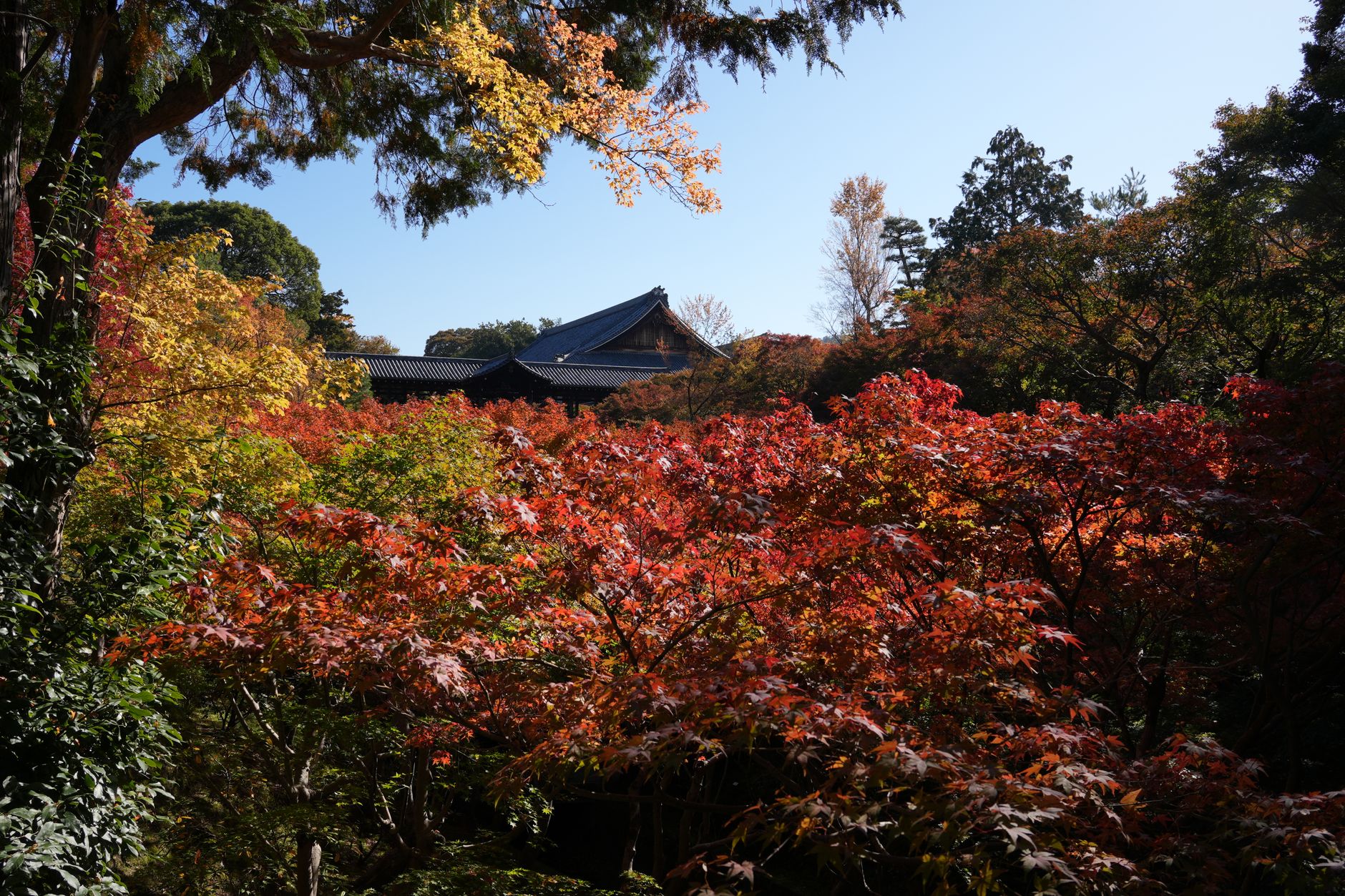
Kyoto in autumn is a spectacle of 'koyo,' the brilliant crimson and gold transformation of its maple trees. While iconic spots often draw crowds, the true magic of this season lies in discovering the quieter corners, where history whispers among the rustling leaves and ancient stories are painted anew in fiery hues.
Beyond the well-trodden paths, Kyoto offers a wealth of hidden gems where the fall foliage feels intensely personal and deeply resonant. These are places steeped in tales of emperors, poets, and warriors, each offering a unique glimpse into Japan's profound connection with nature's cycles.
1. The Poet's Retreat with a Chilling Past
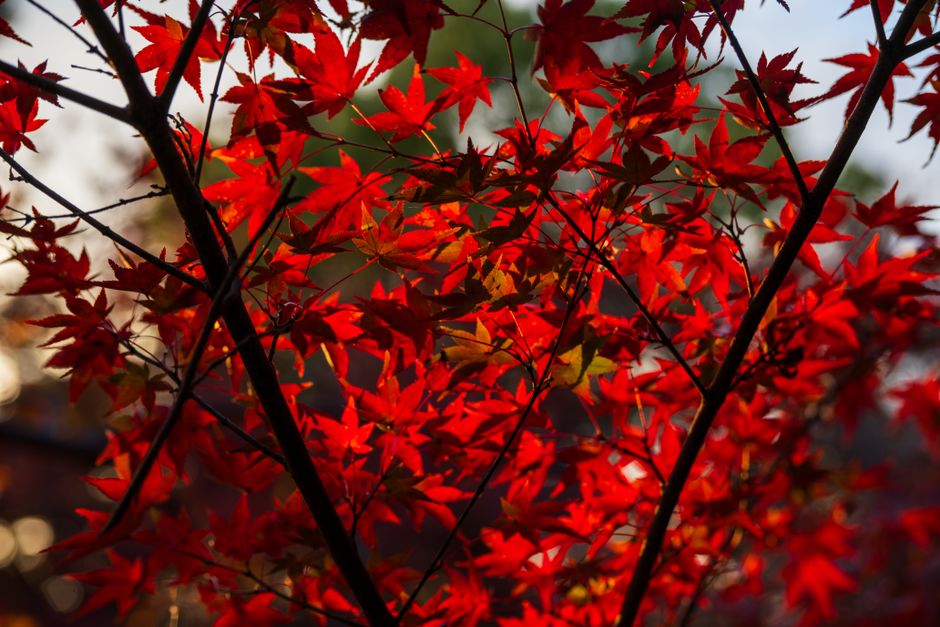
Shisendo Garden, Kyoto, Japan
Within this serene garden, a ceiling beam holds a surprising and somber piece of samurai history: bloodstains from a tragic siege.
Shisendo, an elegant retreat built by scholar-poet Ishikawa Jozan, is famed for its meticulously raked gravel garden and the subtle beauty of its autumn maples. However, a less known fact is its 'blood ceiling,' salvaged from the fallen Fushimi Castle. The dark stains are believed to be the blood of loyal samurai who committed seppuku during the siege of 1600, a chilling reminder of feudal Japan's brutal history amidst peaceful beauty.
2. An Empress's Secluded Sanctuary
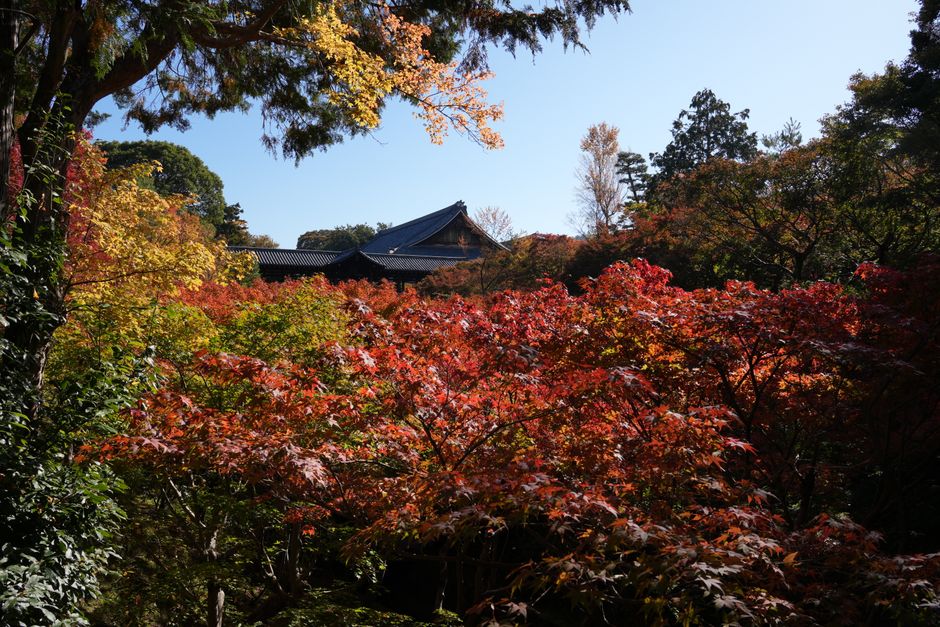
Jakkō-in Temple, Kyoto, Japan
This quiet temple became the solitary refuge for Empress Kenreimon-in, the mother of an infant emperor, after her clan's devastating defeat in the Genpei War.
Tucked away in the northern mountains of Ohara, Jakkō-in offers a profound sense of solitude, especially when surrounded by autumn's fiery embrace. It was here that Empress Kenreimon-in spent her final years as a nun, mourning the loss of her entire family and the Heike clan. The temple's modest beauty and the surrounding forest reflect her journey from imperial grandeur to humble piety, with the crimson leaves mirroring the sorrow and eventual peace she found.
3. The Deer Intimidation Garden
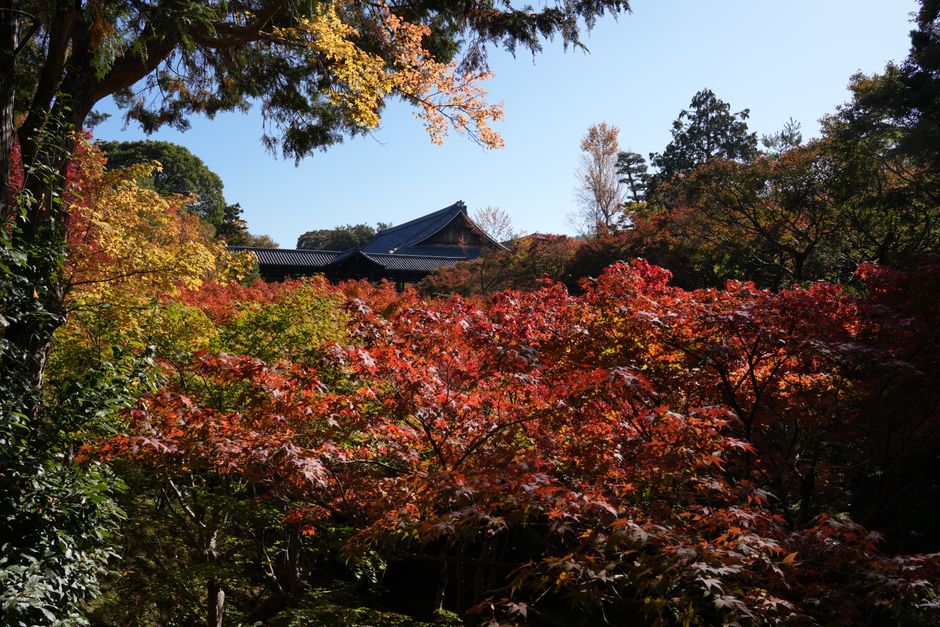
Enkoji Temple, Kyoto, Japan
Beyond its stunning autumn views, this temple houses a unique painting by the famed Kano Tan'yu, said to 'intimidate deer.'
Enkoji Temple, once a school for monks founded by Tokugawa Ieyasu, boasts a beautiful garden that transforms into a tapestry of red and gold. A lesser-known treasure here is the 'Deer Intimidation Garden' (Jikko-en) and its accompanying paintings by Kano Tan'yu, depicting deer. Legend says these painted deer were so lifelike they would deter real deer from entering the garden, a testament to the artist's skill and the deep respect for nature's boundaries in Japanese aesthetics. The vibrant foliage here is particularly striking when viewed from the main hall.
4. A Dancer's Tragic Love Story
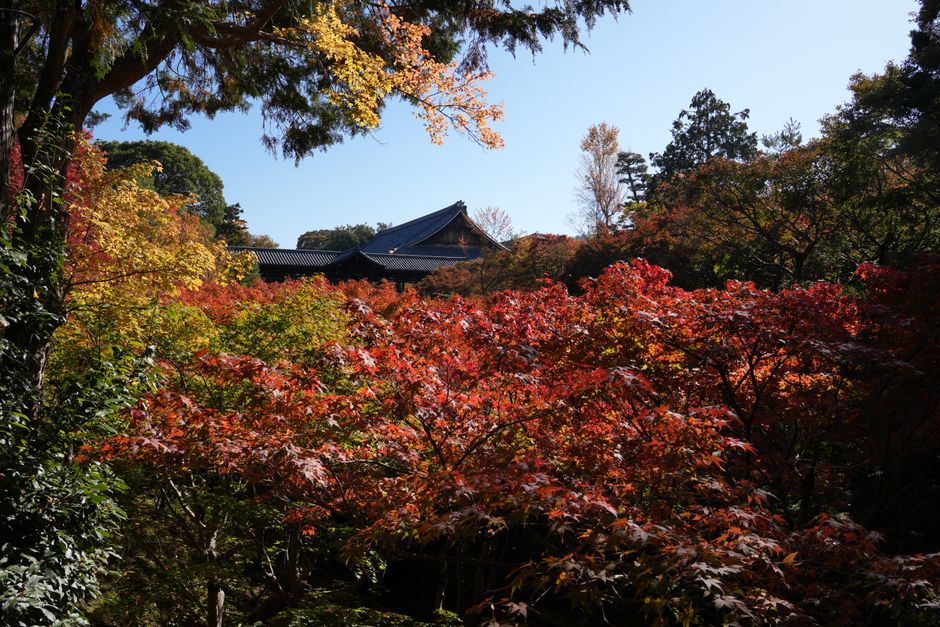
Gio-ji Temple, Kyoto, Japan
This tiny, moss-covered temple garden is the poignant setting for the tragic tale of Gio, a beautiful dancer who was abandoned by a powerful samurai.
Gio-ji Temple, a small and often overlooked gem, tells a powerful story through its quiet beauty. It was here that Gio, a beloved dancer of the powerful Taira no Kiyomori, retreated with her mother and sister after Kiyomori replaced her with a younger dancer. The 'Tale of the Heike' immortalizes her sorrow and eventual path to becoming a nun. In autumn, the vibrant maples contrast with the deep green moss, creating a melancholic yet incredibly beautiful atmosphere that reflects Gio's journey.
5. The Aizu Clan's Last Stand
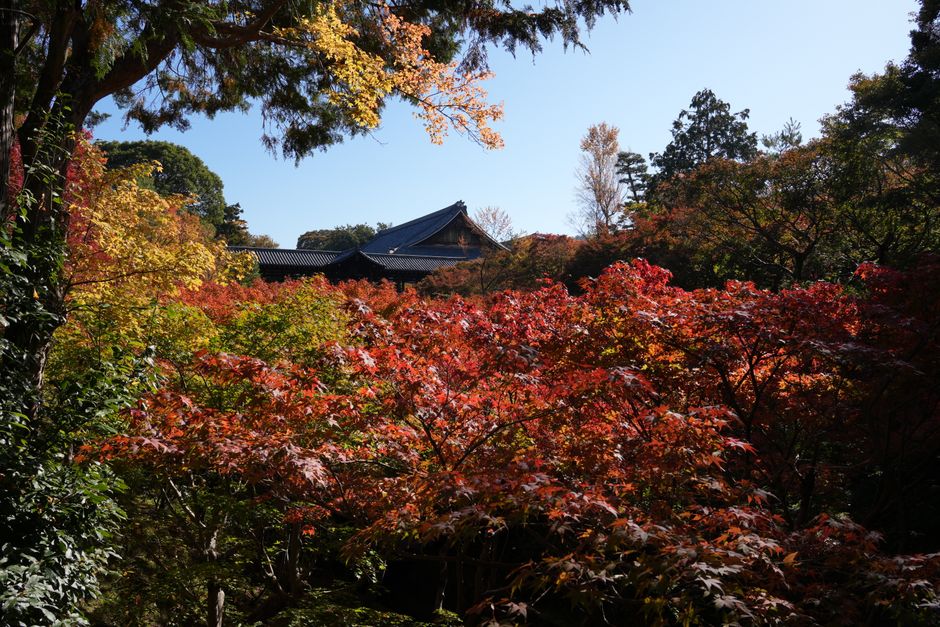
Konkai-Komyoji Temple (Kurotani Temple), Kyoto, Japan
This vast temple, often called 'Kurotani-san,' served as a crucial base for the Aizu clan during a tumultuous period of Japanese history.
While not as widely known for koyo as some, Konkai-Komyoji Temple, or Kurotani, offers magnificent views of Kyoto from its hilltop perch, especially during autumn. More significantly, it was a pivotal location during the Bakumatsu period (late Edo era), serving as the headquarters for the Aizu clan, who were staunch supporters of the Tokugawa shogunate. Its expansive grounds and historical significance add a layer of gravitas to the vibrant autumn scenery, offering a unique blend of natural beauty and profound history.
6. The Hidden Zen Bamboo Path
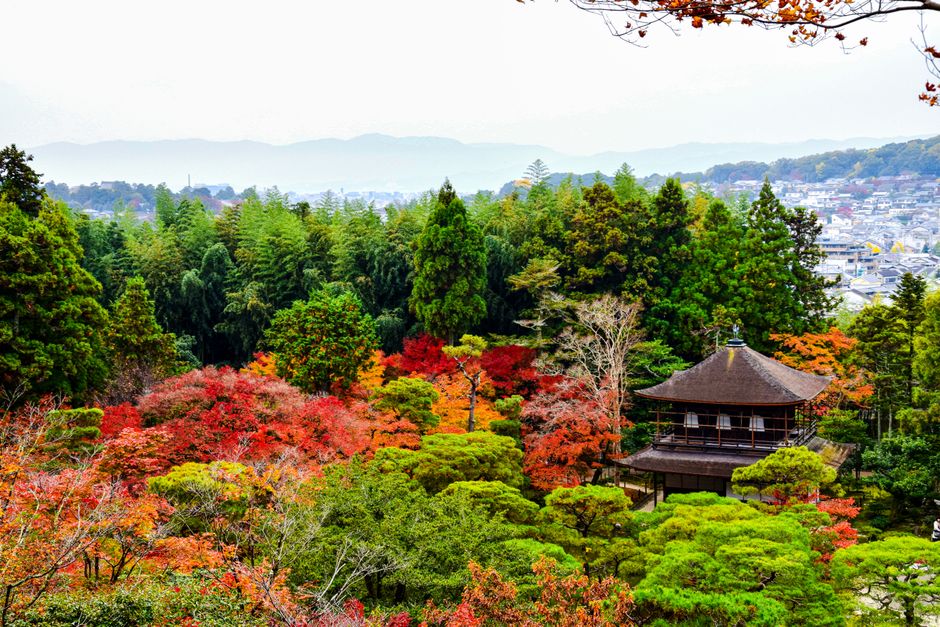
Koto-in Temple, Kyoto, Japan
This serene sub-temple of Daitoku-ji is celebrated for its ethereal bamboo-lined path leading to an intimate garden, embodying the essence of Zen tranquility.
Koto-in, a sub-temple within the larger Daitoku-ji complex, offers a more subdued but deeply moving autumn experience. Its entrance is marked by a long, narrow bamboo grove that filters the light, creating a sense of quiet anticipation. The inner garden, with its sparse design and carefully placed maples, exemplifies 'wabi-sabi' – the beauty of imperfection and transience. The red autumn leaves, viewed against the green bamboo and moss, provide a striking visual harmony that encourages contemplation.
7. The Daruma Doll Temple
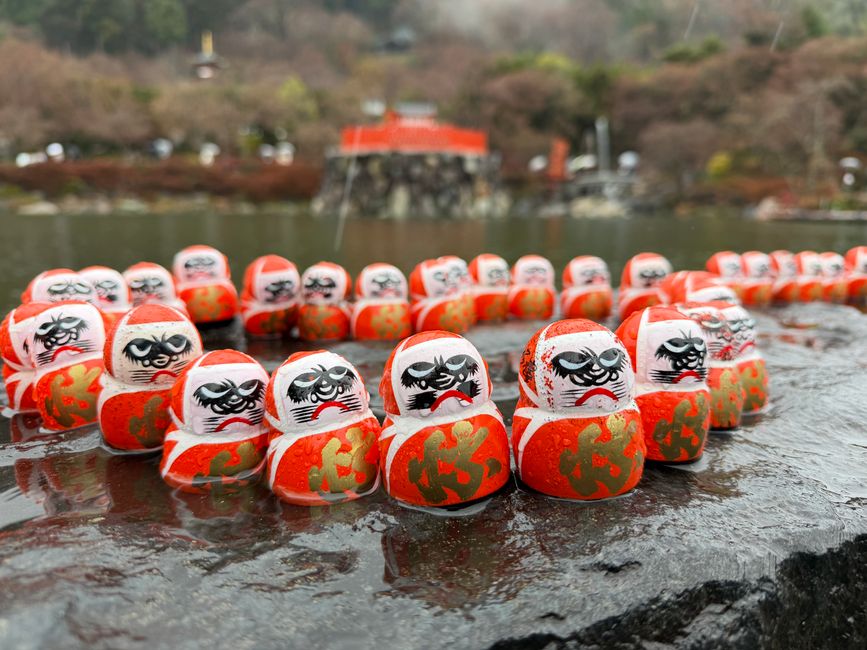
Hōrin-ji Temple, Kyoto, Japan
Thousands of Daruma dolls, symbols of perseverance and good fortune, populate this temple, creating a unique cultural backdrop for autumn viewing.
Hōrin-ji, affectionately known as the 'Daruma Temple,' offers a truly distinct autumn experience. Its grounds are filled with an extraordinary collection of Daruma dolls, varying in size and expression, each representing a wish or a completed goal. These vibrant red figures stand in stark contrast to the fiery red and gold maples that blanket the temple grounds in fall. It's a place where spiritual tradition and natural beauty merge, offering both stunning visual appeal and a unique cultural insight into Japanese perseverance.
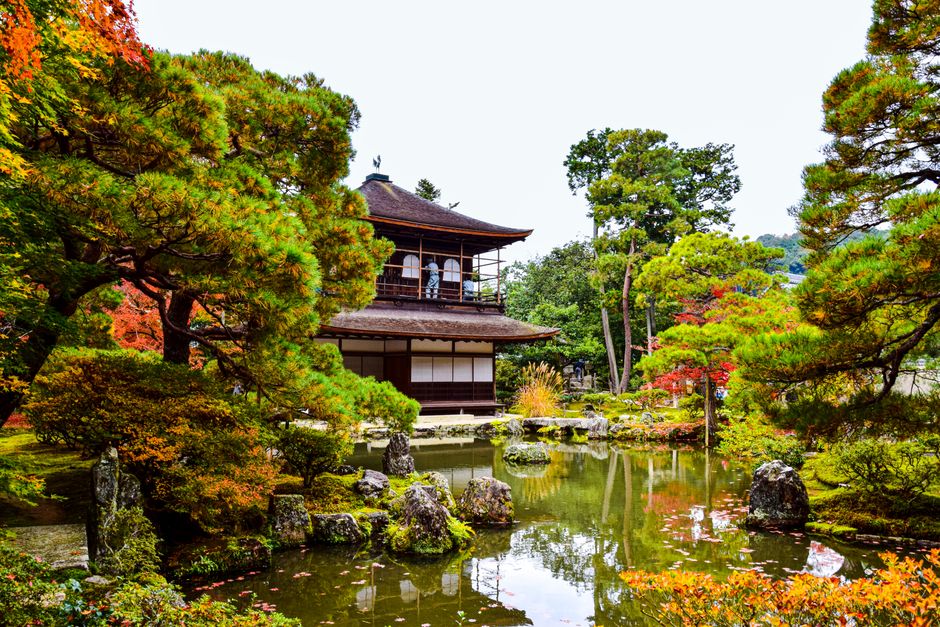
8. The Imperial Villa with Japan's Oldest Artificial Lake
Daikaku-ji Temple, Kyoto, Japan
Once an imperial villa, this temple is home to Osawa Pond, considered the oldest artificial landscape pond in Japan, which reflects autumn's splendor.
Daikaku-ji Temple, originally an imperial villa built in the 9th century, offers a grand scale for autumn appreciation. Its most striking feature is Osawa Pond, an expansive artificial lake modeled after China's Dongting Lake. In autumn, the surrounding maples and cherry trees explode in color, casting brilliant reflections across the water's surface. The temple's historical connection to imperial culture and its serene pond setting make it a majestic, yet often less crowded, destination for experiencing Kyoto's koyo.
Frequently asked questions
When is the best time to see autumn leaves in Kyoto?
The prime viewing period for autumn foliage in Kyoto typically runs from mid-November to early December. However, this can vary slightly each year based on weather conditions, so it's always good to check local forecasts closer to your travel dates.
Are there evening light-ups for koyo in Kyoto?
Yes, many temples and gardens in Kyoto offer special evening light-ups during the autumn season. These illuminations transform the foliage into a magical, ethereal display. Popular spots include Kiyomizu-dera and Eikando Zenrin-ji, though some lesser-known places also participate.
What is the difference between 'momiji' and 'koyo'?
'Momiji' specifically refers to the Japanese maple tree, known for its iconic red leaves. 'Koyo' is the broader term for autumn foliage in general, encompassing all trees that change color. So, while all momiji are koyo, not all koyo are momiji.
How can AllTours.ai enhance my autumn foliage experience in Kyoto?
AllTours.ai transforms your smartphone into a personal AI audio guide. Simply point your camera at any of these stunning Kyoto autumn foliage spots or landmarks, and the app will instantly narrate its history, geology, and cultural significance in your preferred language. Discover the true stories behind the vibrant colors, making your visit deeply immersive and memorable.
Related guides
Photography via Pexels. AllTours.ai is an AI audio tour guide — point your camera at any landscape and hear its story.