October 19, 2026 · 4 min read
Arashiyama, on Kyoto's western outskirts, is famed for its iconic Sagano Bamboo Forest, a towering grove that draws visitors from across the globe. But beyond the well-trodden paths of rustling bamboo, this tranquil district conceals a wealth of lesser-known temples and historical sites, each with its own captivating narrative.
This guide moves beyond the obvious, inviting you to delve deeper into Arashiyama's cultural tapestry. We'll explore serene havens and unique landmarks, revealing surprising stories of devotion, artistry, and even a touch of imperial intrigue that many visitors overlook.
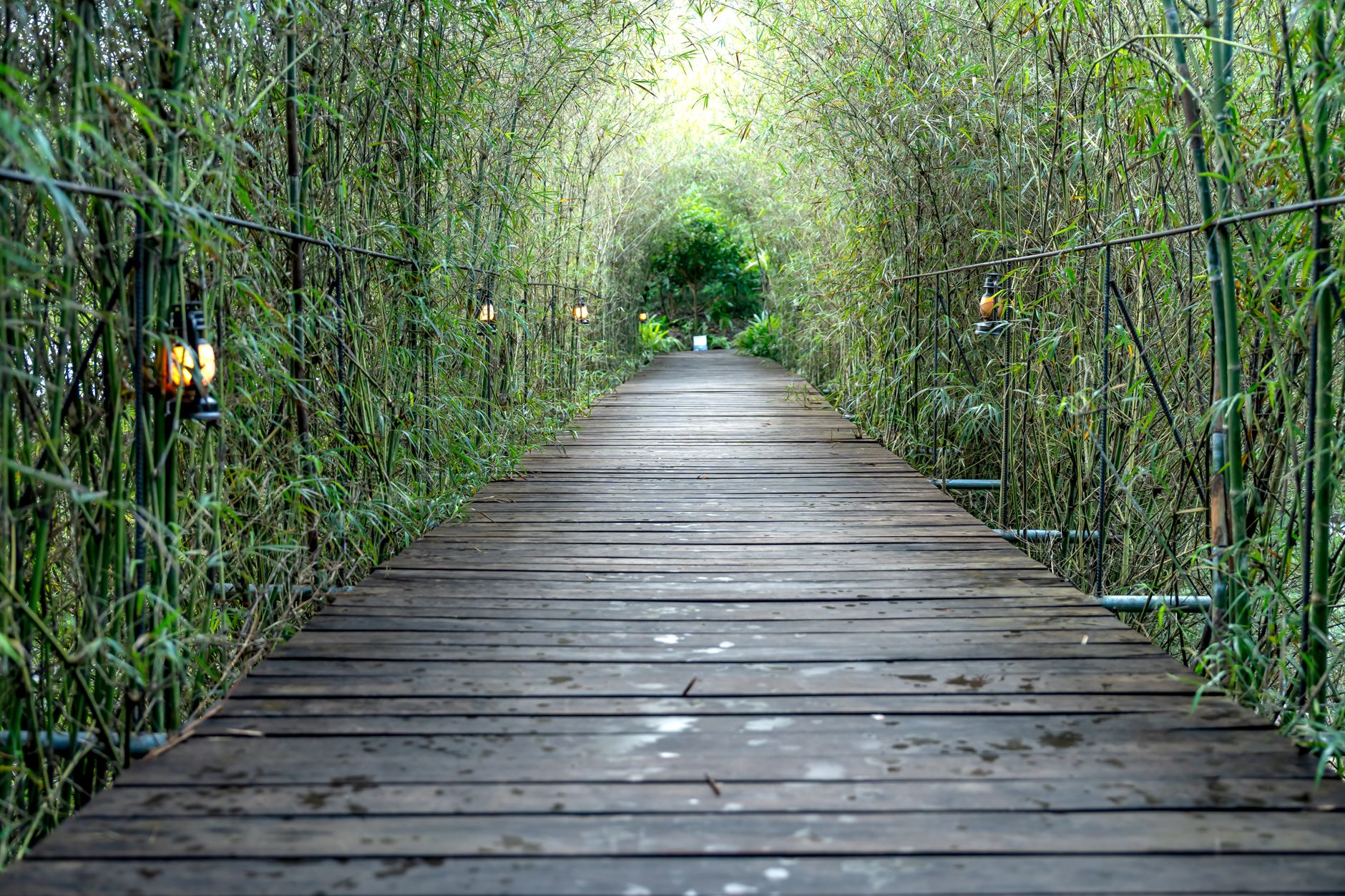
1. Whispers of Sagano's Grove
Arashiyama, Kyoto, Japan
The iconic Sagano Bamboo Forest was once a vital resource, its stalks used for everything from craft tools to musical instruments.
Beyond its breathtaking beauty, the bamboo of Sagano was historically crucial to local life. Craftsmen utilized its strength and flexibility for baskets, fences, and even flutes, embodying a deep connection between nature and livelihood. The rustling leaves, often described as a “singing wind,” were once a constant soundtrack to this industrious past, a soundscape that persists today.
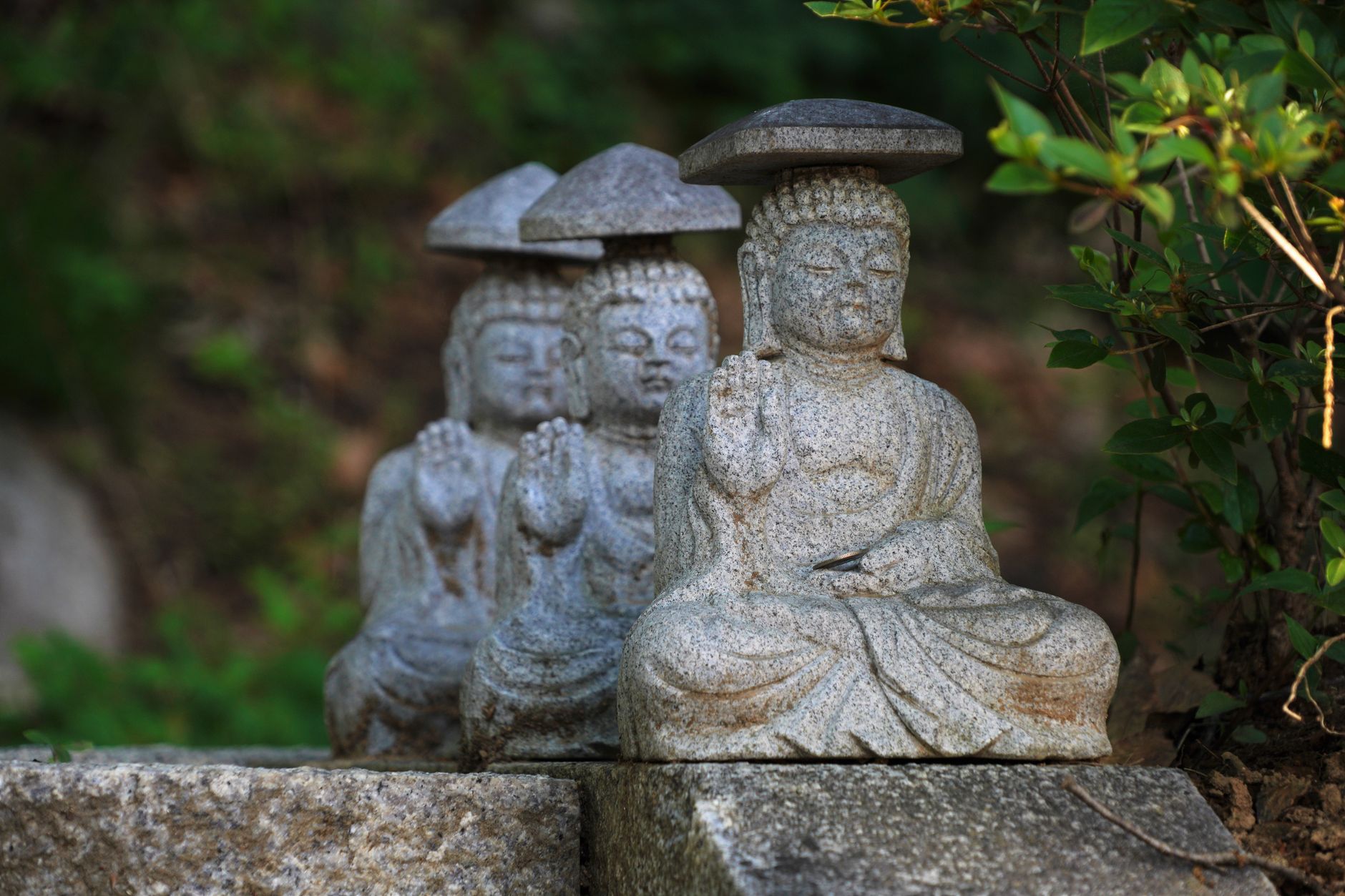
2. The Stone Sentinels of Adashino
Arashiyama, Kyoto, Japan
This temple houses thousands of stone Buddha statues, each representing a forgotten soul from a past tradition of open-air burial.
Adashino Nenbutsu-ji stands as a poignant memorial to the dead of the Heian period. The vast array of stone statues, called sekibutsu, were collected from a former burial ground where bodies were left exposed to nature. Monks later gathered these stones to offer prayers for the departed, creating a solemn, otherworldly landscape unlike any other temple in Kyoto.
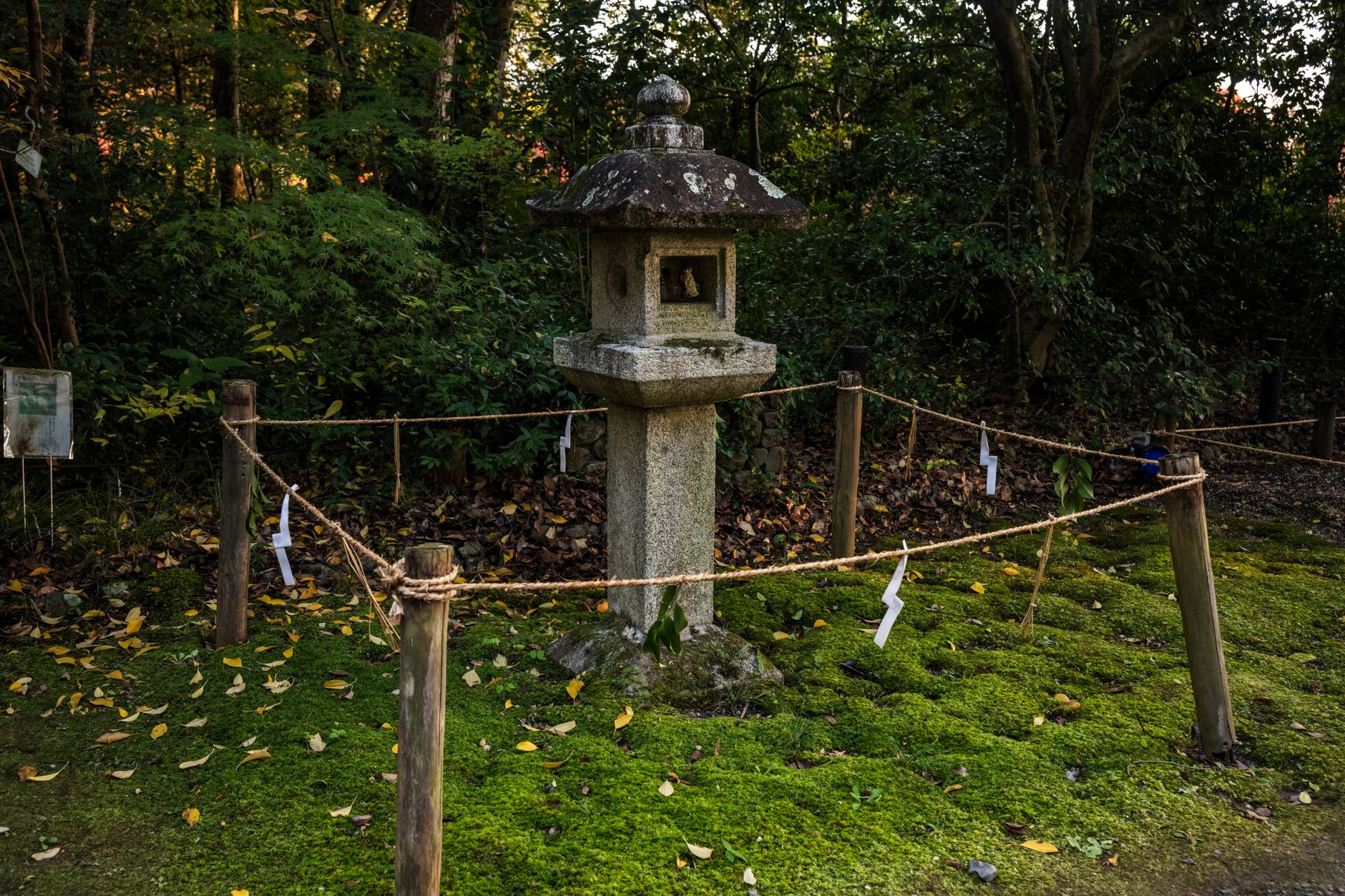
3. Gio-ji's Moss Garden of Solace
Arashiyama, Kyoto, Japan
Gio-ji is tied to a tragic tale of two dancers who found refuge and spiritual peace after a heartbreaking betrayal by a powerful samurai lord.
Tucked away from the main path, Gio-ji is a small, tranquil temple known for its vibrant moss garden. It gained fame through "The Tale of the Heike," narrating the story of the dancer Gio and her sister Gijo, who retreated here after being cast aside by Taira no Kiyomori. Their poignant story of renunciation and finding solace in a simple, spiritual life permeates the serene atmosphere.
4. A Star's Secret Retreat
Arashiyama, Kyoto, Japan
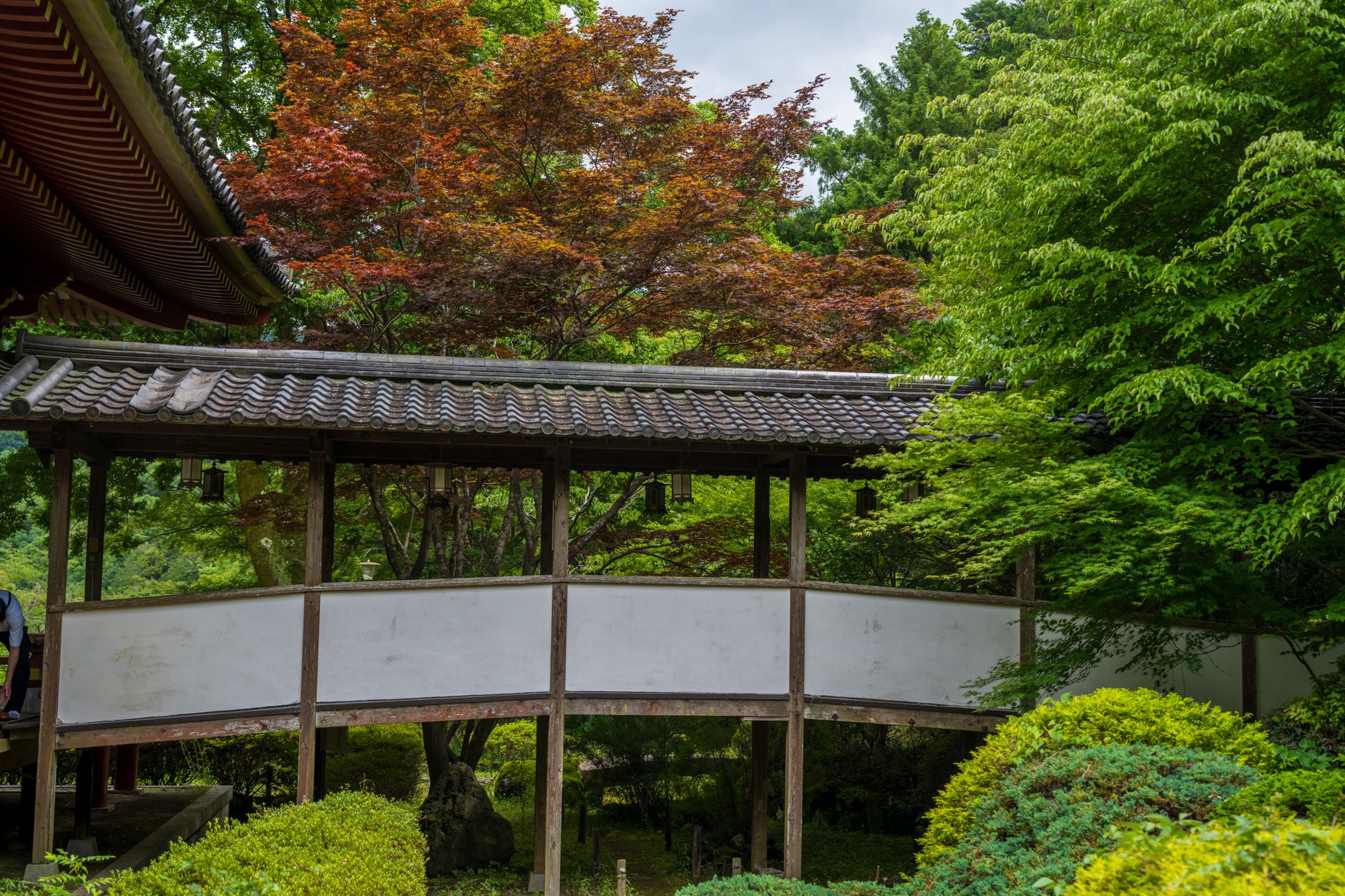
This meticulously crafted villa and garden were built over 30 years by a silent film star as his personal sanctuary.
Okochi Sanso is the former home and garden of Denjiro Okochi, one of Japan's most celebrated actors of the pre-war era. He poured his life's earnings and decades into creating this stunning, multi-layered complex, which features traditional Japanese architecture, tea houses, and exquisite gardens designed to highlight the changing seasons, all with views over Kyoto. His dedication made it a true work of art.
5. Poets' Autumnal Haven
Arashiyama, Kyoto, Japan
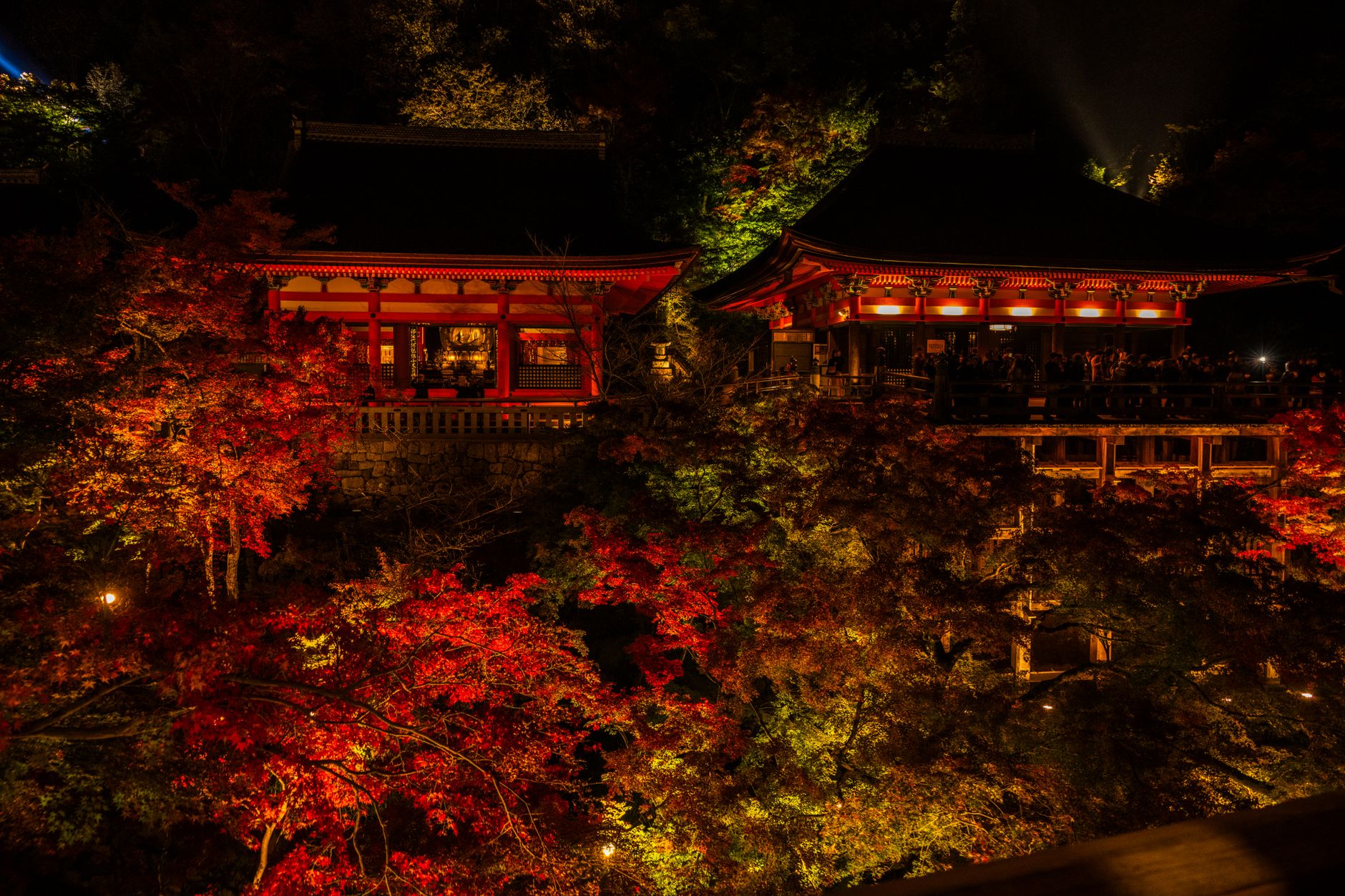
This hillside temple was a favored retreat for ancient poets and scholars, who found inspiration in its quiet beauty and panoramic views.
Jojakko-ji, nestled on a hillside overlooking the Hozugawa River, offers breathtaking views, especially during autumn. Founded in the late 16th century, its name, meaning "Pure Land," reflects its serene atmosphere. Many classical poets, including those who compiled the famous "Ogura Hyakunin Isshu" anthology, frequented this temple, drawn by its peaceful setting ideal for contemplation and literary pursuits.
6. The Fallen Persimmon Hut
Arashiyama, Kyoto, Japan
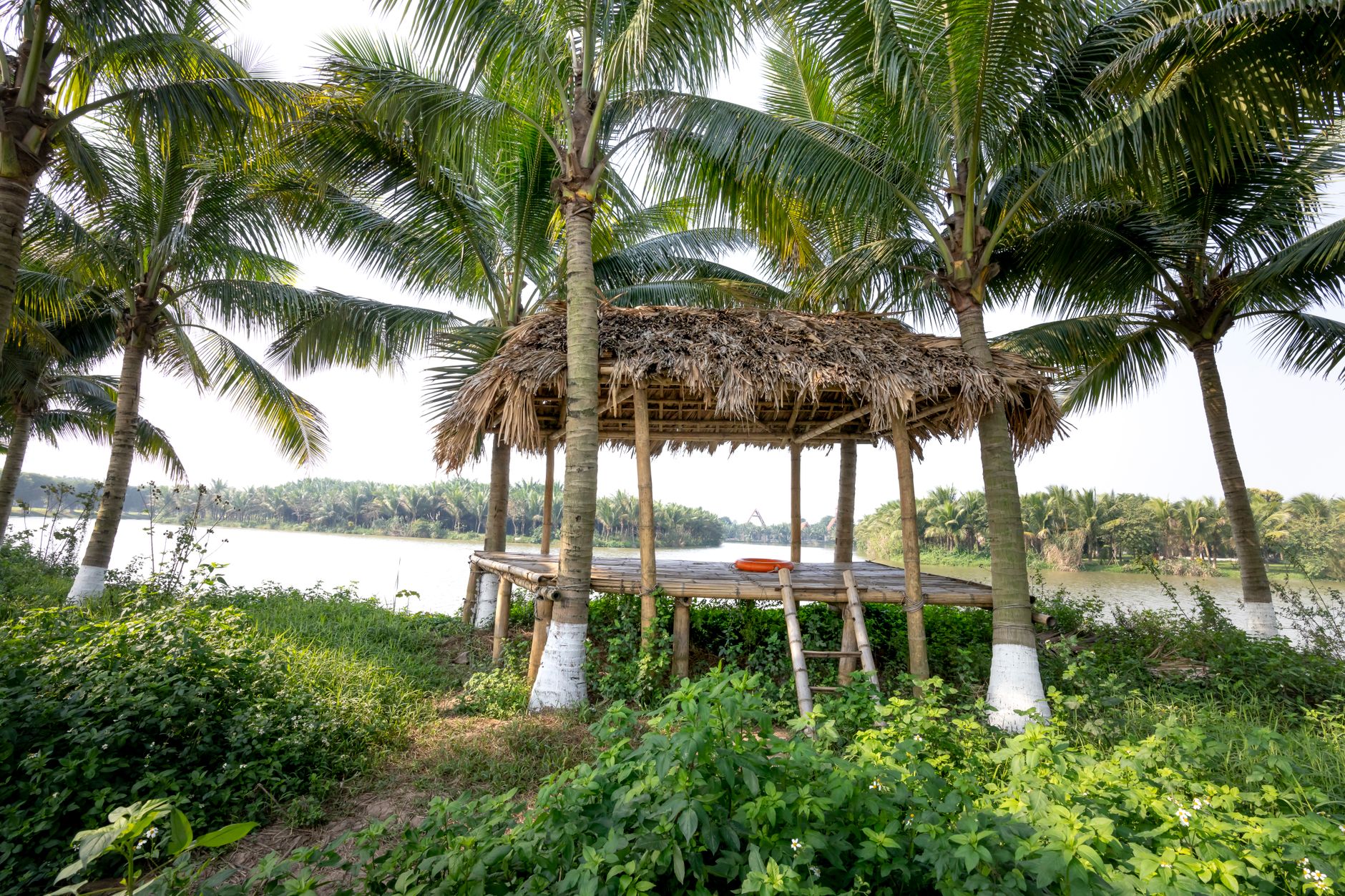
This humble hut earned its poetic name, Rakushisha (literally "Fallen Persimmon Hut"), after a flock of crows devoured the persimmons its owner was preparing to sell.
A tiny, unassuming thatched hut, Rakushisha was once home to Mukai Kyorai, a disciple of the revered haiku master Matsuo Basho. The hut's name comes from a charming anecdote: Kyorai had planned to sell his persimmon harvest, but crows ate them all, prompting him to find a deeper meaning in the impermanence of things. It remains a tranquil spot where one can almost hear the quiet musings of poets past.
7. Imperial Pond and Moon Gazing
Arashiyama, Kyoto, Japan
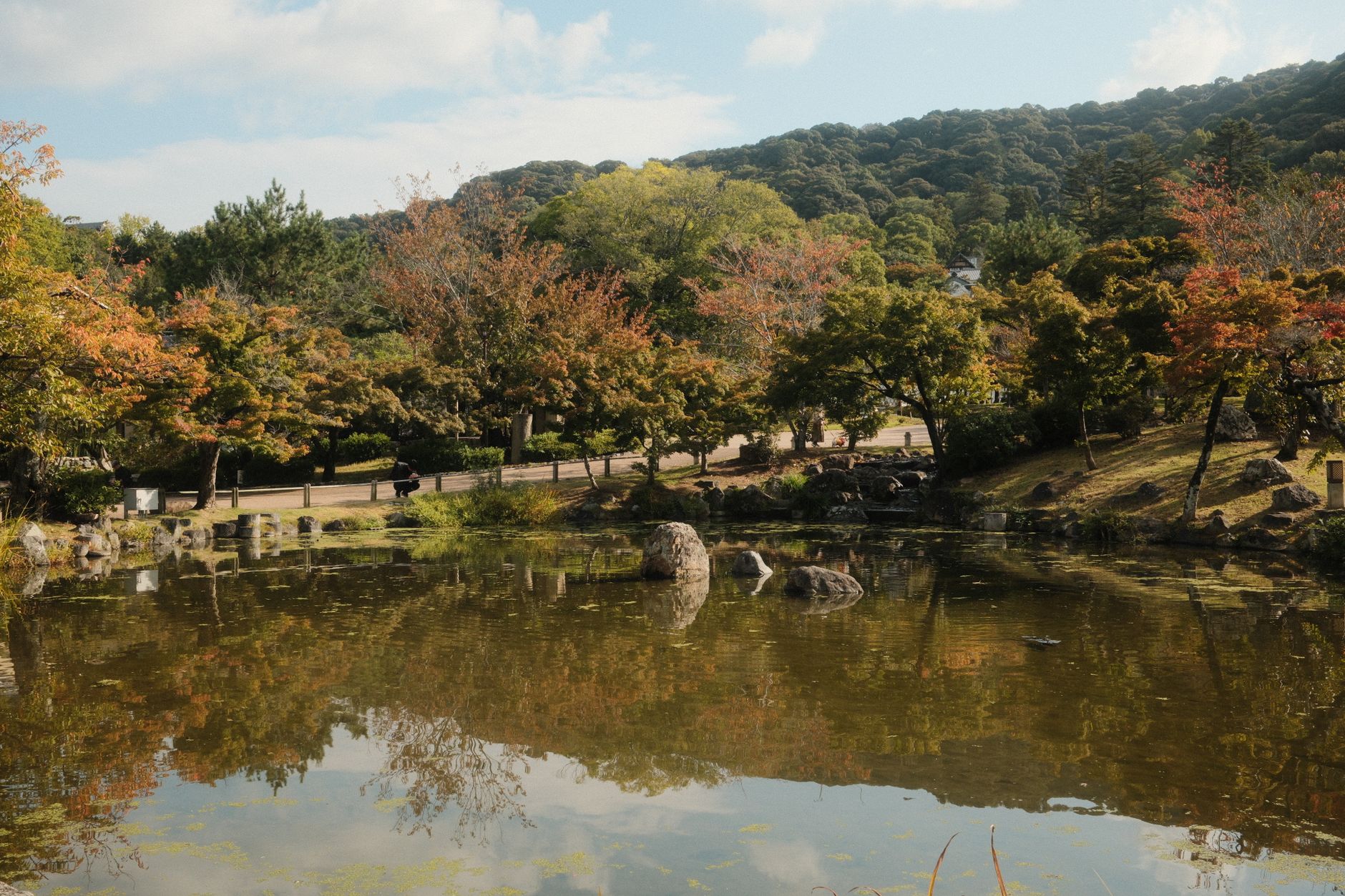
Daikaku-ji was originally an imperial villa before becoming a temple, and its large pond was constructed to reflect the moon, specifically for moon-viewing parties.
Once a detached palace of Emperor Saga, Daikaku-ji offers a glimpse into imperial life. Its grand Osawa-no-ike pond, one of Japan's oldest artificial ponds, was designed to perfectly mirror the moon during viewing festivals, a tradition that continues today. The temple grounds also house a beautiful garden and several historic buildings, showcasing its rich imperial and religious heritage.
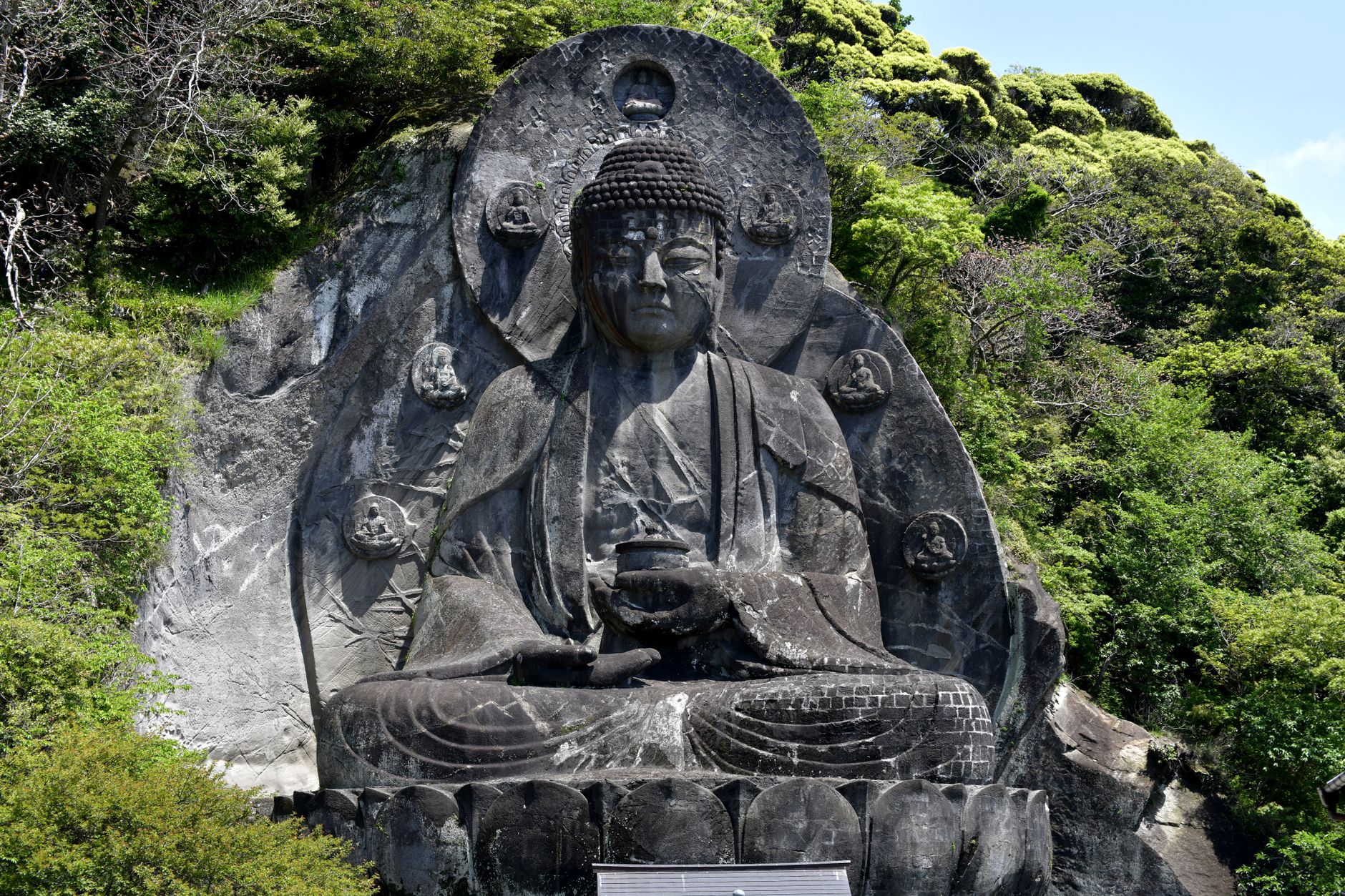
8. The Living Buddha's Replica
Arashiyama, Kyoto, Japan
This temple houses a unique, life-sized wooden statue of Amida Buddha, believed to be a direct replica of an Indian Buddha image thought to contain actual internal organs.
Seiryo-ji is home to the national treasure "Shaka Nyorai," a wooden statue brought from China in the 10th century. What makes it extraordinary is the legend that it was crafted to exactly replicate a living Buddha, and inside, actual silk organs and scriptures were discovered during a restoration. This belief makes it one of the most revered and spiritually significant Buddha statues in Japan, drawing pilgrims seeking a connection to the 'living' Buddha.
Frequently asked questions
How do I get to the Sagano Bamboo Forest?
Getting to the Sagano Bamboo Forest is easiest via the JR Sagano Line to Saga-Arashiyama Station. From there, it's about a 10-15 minute walk. You can also take the Keifuku Arashiyama Line (Randen) to Arashiyama Station, which places you closer to the main tourist area.
What's the best time to visit Arashiyama?
The best time to visit Arashiyama is during spring (March-April) for cherry blossoms or autumn (late October-November) for vibrant fall foliage, though these are also the busiest seasons. Early mornings or late afternoons offer a more peaceful experience regardless of the season, helping you avoid peak crowds.
Are there any entrance fees for these temples?
Most of the temples mentioned, like Adashino Nenbutsu-ji, Gio-ji, Okochi Sanso Villa, Jojakko-ji, Daikaku-ji, and Seiryo-ji, have individual entrance fees, typically ranging from 300 to 700 JPY per person. The Sagano Bamboo Forest itself does not have an entrance fee.
How does AllTours.ai enhance an Arashiyama visit?
AllTours.ai elevates your Arashiyama exploration by acting as your personal AI guide. Simply point your phone camera at a temple, a landscape, or even a specific statue, and the app will narrate its unique history, geology, or cultural significance in your preferred language, revealing stories often missed by the casual visitor.
Related guides
Photography via Pexels. AllTours.ai is an AI audio tour guide — point your camera at any landscape and hear its story.