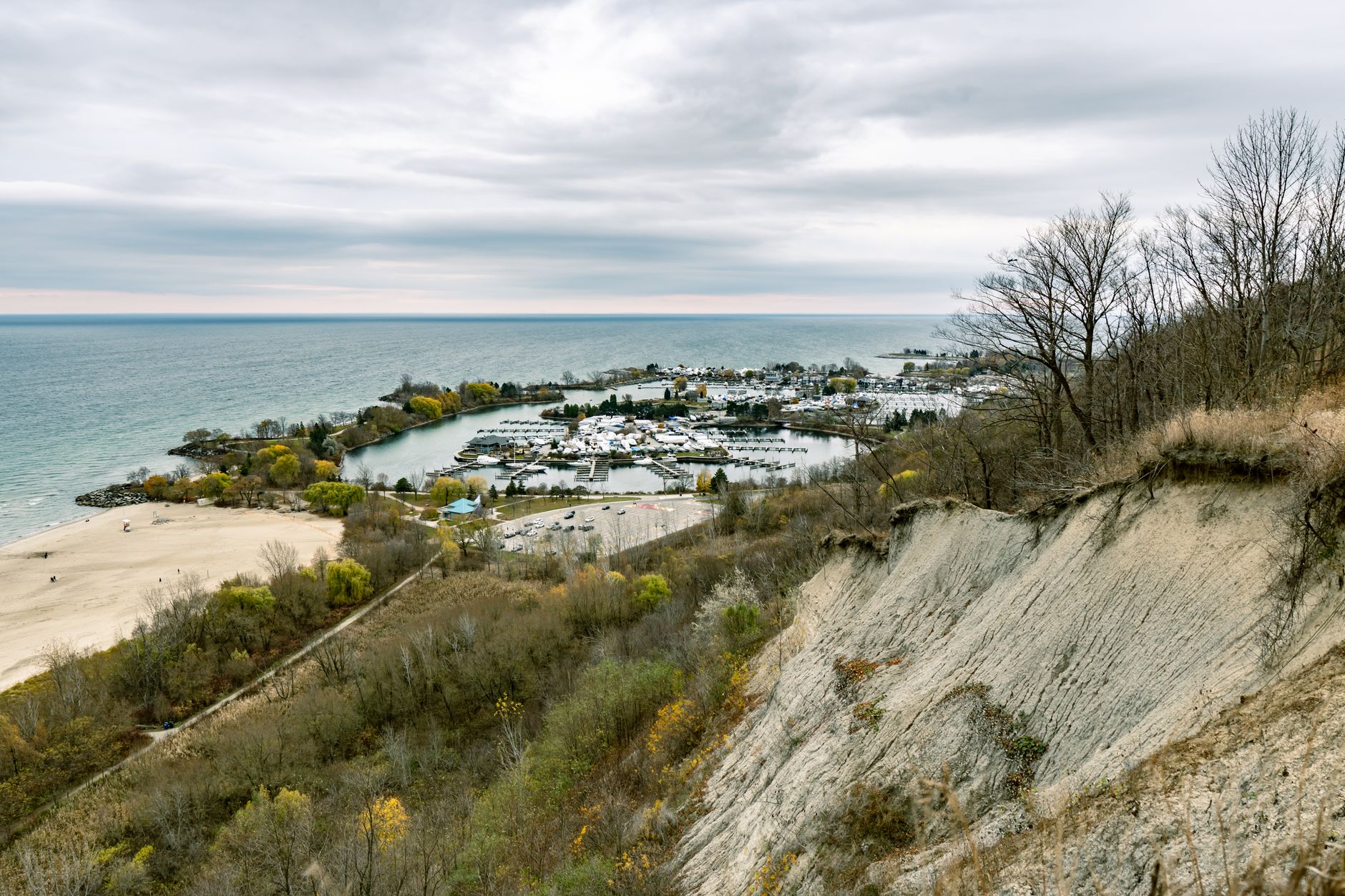
September 8, 2026 · 4 min read
Canadian Premier Doug Ford's statement about Lake Ontario's name enduring "long after President Trump is gone" sparks a curious question: what truly gives a place its lasting identity? Beyond the headlines and political shifts, some locations hold histories so profound, so deeply etched into the landscape and culture, that their names and stories seem destined to echo for centuries.
This isn't just about a body of water; it's about the land, the people, and the events that have shaped its shores. Join us as we explore the hidden gems around Lake Ontario—places often overlooked by guidebooks, each with a surprising tale that proves some legacies truly do stand the test of time, far outlasting any temporary moment in the news cycle.
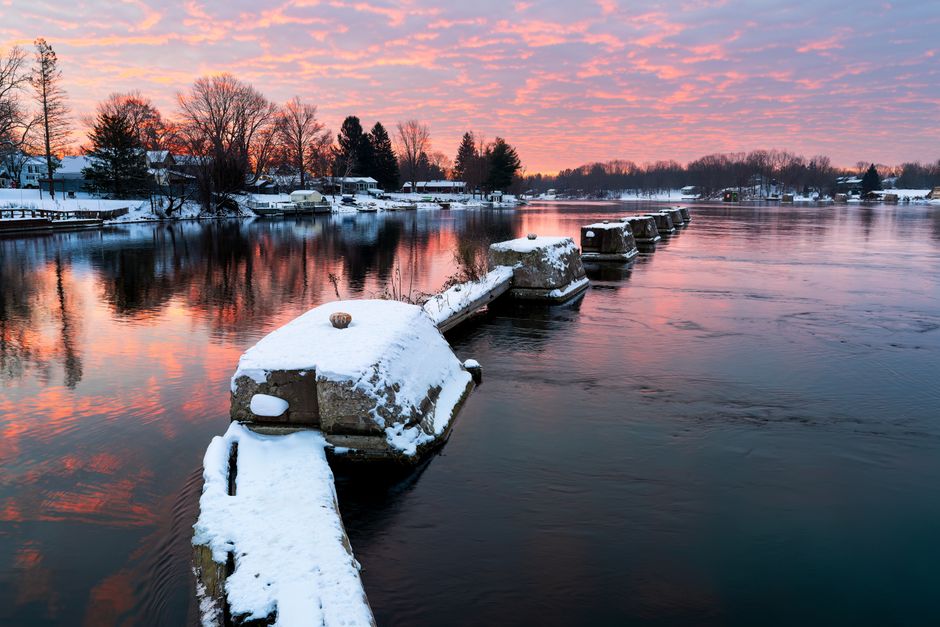
1. The First Lock's Quiet Echo
Port Dalhousie, St. Catharines, Ontario, Canada
The unassuming ruins of Welland Canal Lock 1 mark the true birthplace of a waterway that reshaped North American trade.
Before the modern Welland Canal became a shipping superhighway, its very first lock began here, a modest stone structure now mostly reclaimed by nature. This spot, often missed by visitors, was once a hive of activity, initiating the monumental engineering feat that linked the Great Lakes to the Atlantic. It silently narrates the ingenuity and toil that defined early Canadian industry, long before concrete replaced timber and stone.
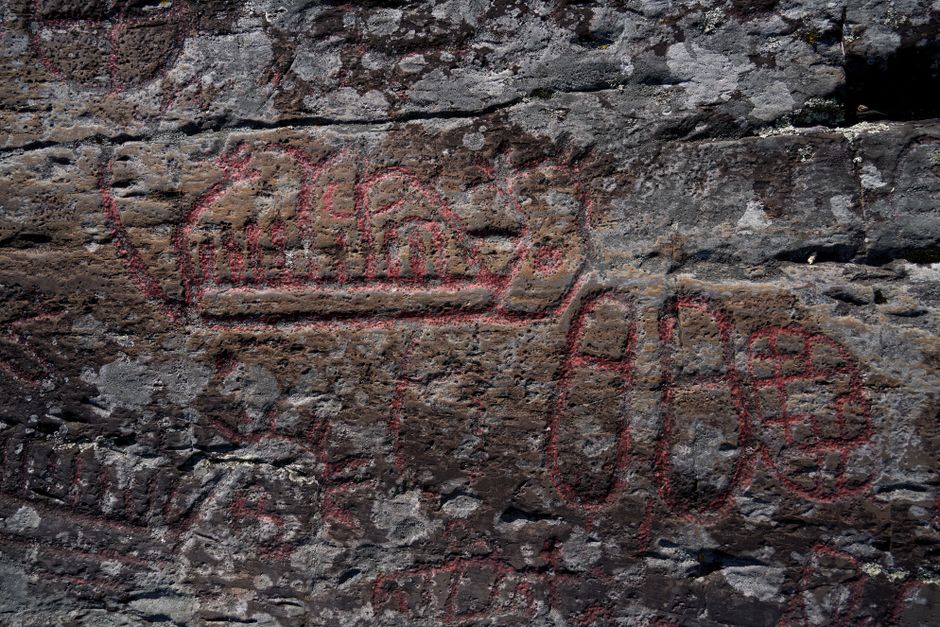
2. Whispers of Ancient Spirits
Petroglyphs Provincial Park, Woodview, Ontario, Canada
Over a thousand years ago, Indigenous artists carved thousands of sacred images into a vast rock outcrop here, a spiritual library predating colonial contact.
Nestled in the Canadian Shield, Petroglyphs Provincial Park protects the largest known concentration of Indigenous rock carvings in Canada. These sacred 'teaching rocks' depict a complex spiritual world of human and animal figures, mythical creatures, and cosmological symbols, etched by the Algonquin-speaking people. Walking among them offers a profound connection to a history that far predates any European settlement, a testament to enduring cultural identity.
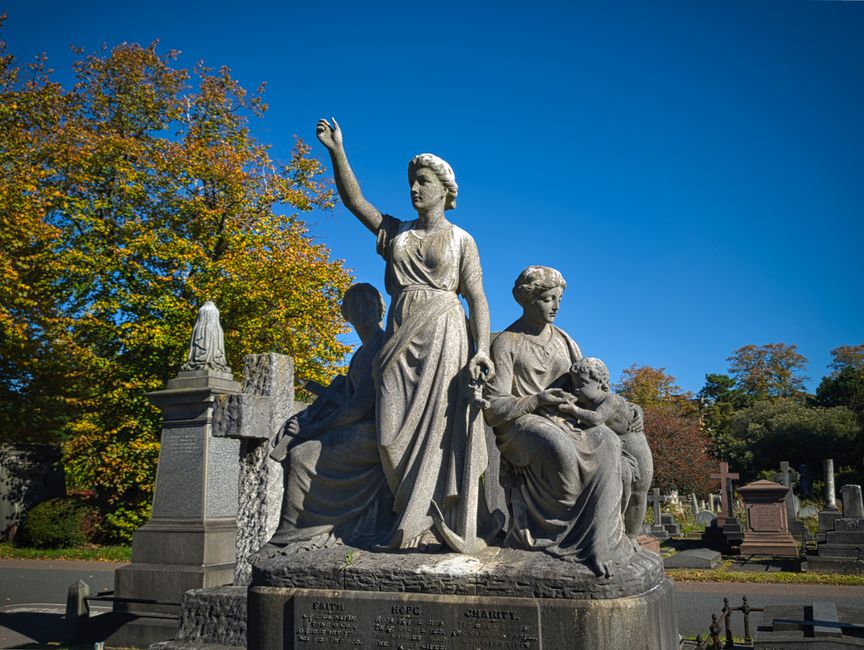
3. A Glacial Knoll's Grand Residents
Mount Hope Cemetery, Rochester, New York, USA
Beyond its famous residents like Frederick Douglass, this Victorian cemetery is itself a geological marvel, built atop a massive glacial formation.
Mount Hope Cemetery is one of the oldest municipal Victorian garden cemeteries in the United States, designed with winding paths and picturesque vistas. What many don't realize is that it's built directly onto a striking glacial drumlin, a hill formed by ice sheets thousands of years ago. The landscape itself, with its rolling hills and ravines, offers a dramatic backdrop to the stories of those interred, showcasing nature's long-term influence on human settlement.
4. The Lake's Shifting Finger
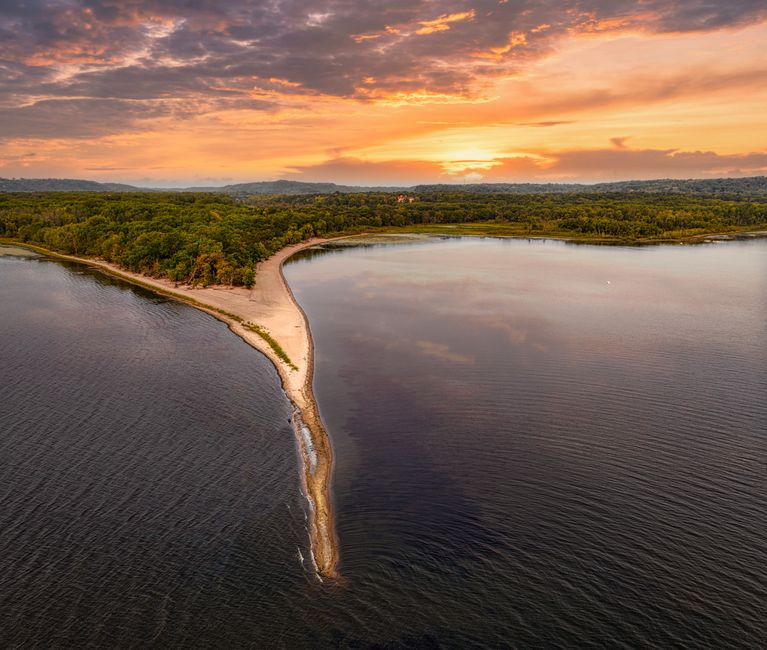
Presqu'ile Provincial Park, Brighton, Ontario, Canada
This unique sandspit peninsula is a dynamic landform, entirely created and continually reshaped by Lake Ontario's powerful currents over millennia.
Presqu'ile Provincial Park is far more than just a beautiful lakeside retreat. It's a testament to the immense power of Lake Ontario, which has meticulously constructed this narrow, curving sandspit over thousands of years through erosion and deposition. It acts as a critical stopover for hundreds of bird species during migration, a living laboratory where geology and ecology intertwine, showcasing the lake's relentless, creative force.
5. Where Empires Clashed for Fur
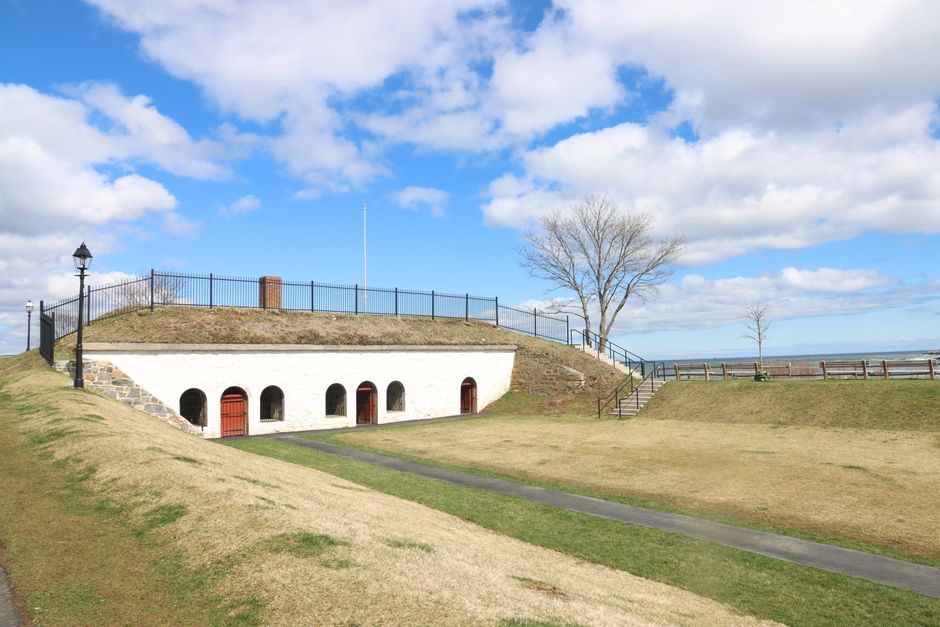
Fort Oswego, Oswego, New York, USA
This strategic fort, now rebuilt, was a linchpin in the French and Indian War, its fate deciding control of the lucrative Great Lakes fur trade.
Perched at the mouth of the Oswego River on Lake Ontario, Fort Oswego saw brutal sieges and intense conflict during the 18th century, particularly between French and British forces. Its control meant dominance over vital trade routes and access to the interior of the continent, long before modern national borders. The rebuilt fort stands as a tangible reminder of the centuries-old struggle for power and resources that defined early North American history.

6. Gingerbread by the Lake
Grimsby Beach, Grimsby, Ontario, Canada
This whimsical lakeside community is famous for its collection of brightly painted, intricately decorated 'gingerbread' cottages, a legacy of 19th-century Methodist camp meetings.
What began as a summer camp meeting ground for Methodists in the 1850s evolved into a unique architectural spectacle. Early canvas tents were gradually replaced by small, ornate cottages, each vying for attention with vibrant colors and elaborate 'gingerbread' trim. Grimsby Beach offers a charming, almost surreal glimpse into a specific moment of Victorian-era cultural and religious life, a surprising pocket of history on Lake Ontario's southern shore.
7. The Unbuilt Giant of 1812
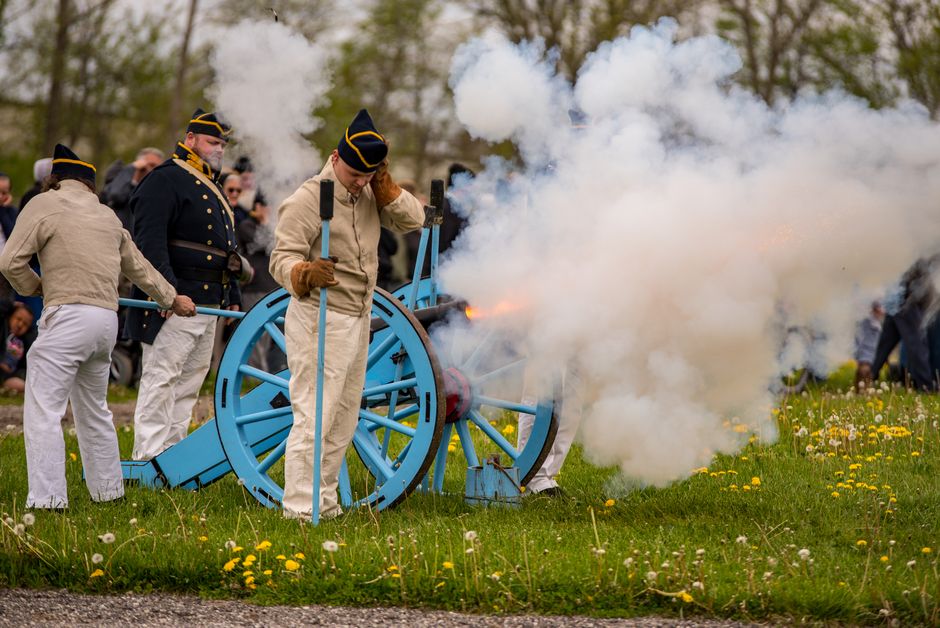
Sackets Harbor Battlefield State Historic Site, New York, USA
This quiet village was once a furious shipyard, home to a massive, unfinished warship that could have dramatically altered the War of 1812.
During the War of 1812, Sackets Harbor became the crucial American naval base on Lake Ontario. Here, shipwrights worked feverishly to build a formidable fleet, including the legendary USS New Orleans, a 130-gun ship of the line that was never launched due to the war's end. The site preserves remnants of this intense period, telling a story of strategic importance and the sheer scale of ambition that defined the struggle for control of the Great Lakes.
8. A Forest Reborn from Dust
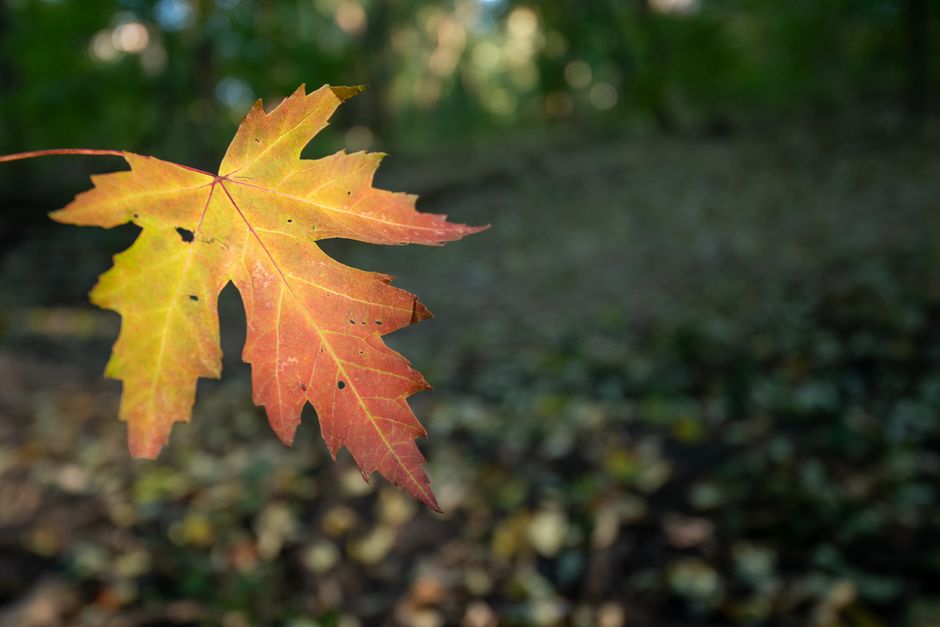
Ganaraska Forest, Peterborough County, Ontario, Canada
Once a barren, deforested wasteland, this vast woodland stands as a century-long testament to ambitious ecological restoration and resilience.
In the late 19th and early 20th centuries, uncontrolled logging turned the Ganaraska watershed into an ecological disaster, leading to severe erosion and arid conditions. The 'Ganaraska Project,' launched in the 1940s, pioneered large-scale reforestation and conservation efforts, transforming the desolate landscape into the thriving forest it is today. It's a powerful narrative of environmental recovery, demonstrating how human intervention can heal the land over generations.
Frequently asked questions
Why do some place names, like Lake Ontario, endure for so long?
Place names often reflect deep historical, geological, or cultural significance that transcends transient political figures or events. They become embedded in local identity, cartography, and everyday language over centuries, sometimes millennia, making them incredibly resistant to change. The name 'Ontario' itself has Indigenous origins, meaning 'great lake' or 'beautiful lake', a testament to its long-standing importance.
What makes a historical site 'enduring' beyond its initial purpose?
An enduring historical site connects people to a tangible past, often revealing fundamental truths about human experience, natural forces, or cultural evolution. Whether it's ancient carvings, a geological wonder, or the remnants of a pivotal event, these sites offer a window into long-term patterns that continue to shape our world, providing context far beyond their original function.
How can I discover more lesser-known historical and natural sites like these?
Beyond major tourist attractions, look for local historical societies, provincial or state park guides, and specialized travel blogs focused on regional history or nature. Often, the most rewarding discoveries are found slightly off the beaten path, marked by subtle signage or known mainly to locals. Engaging with local communities can also unveil hidden gems.
How does AllTours.ai help me explore these enduring places?
AllTours.ai brings the stories of these places to life. Simply point your phone camera at a landmark or landscape, and our AI narrates its history, geology, and culture in your preferred language. It's like having a personal historian and naturalist in your pocket, revealing the deep, enduring narratives of the world around you, even in the most overlooked locations.
Related guides
Photography via Pexels. AllTours.ai is an AI audio tour guide — point your camera at any landscape and hear its story.