August 1, 2026 · 4 min read
The legendary archery accident during a circus performance in New York serves as a powerful reminder: even in moments of spectacle, precision, consequence, and the unexpected can dramatically alter a narrative. It's a lens through which we can appreciate how seemingly small events or overlooked details can reveal profound lessons about human nature, ingenuity, and vulnerability.
Beyond the well-trodden paths and iconic landmarks, countless places around the world hold equally compelling, often surprising, stories. These are the sites where history took an unforeseen turn, where human resilience was tested, or where nature dramatically reshaped human endeavors. Join us as we explore some of these hidden gems, each offering a unique perspective on the intricate tapestry of our past.
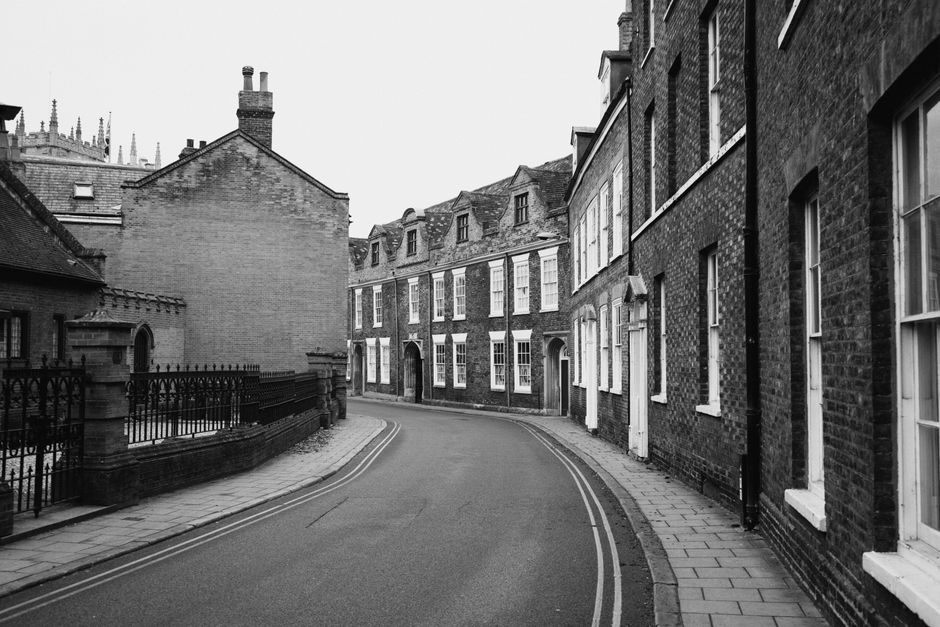
1. The Buried Streets of Edinburgh
Mary King's Close, Scotland
A hidden street where residents were once sealed off during plague outbreaks.
Beneath Edinburgh's Royal Mile lies Mary King's Close, a warren of 17th-century streets literally built over. During the Great Plague of 1645, it was believed that plague victims were sealed into their homes here, left to die. While the reality is more complex, involving self-quarantine and the poor being unable to leave, the close's eerie atmosphere vividly recounts tales of desperate survival and forgotten lives. Today, its preserved dwellings offer a chilling glimpse into the city's dark, stratified past.
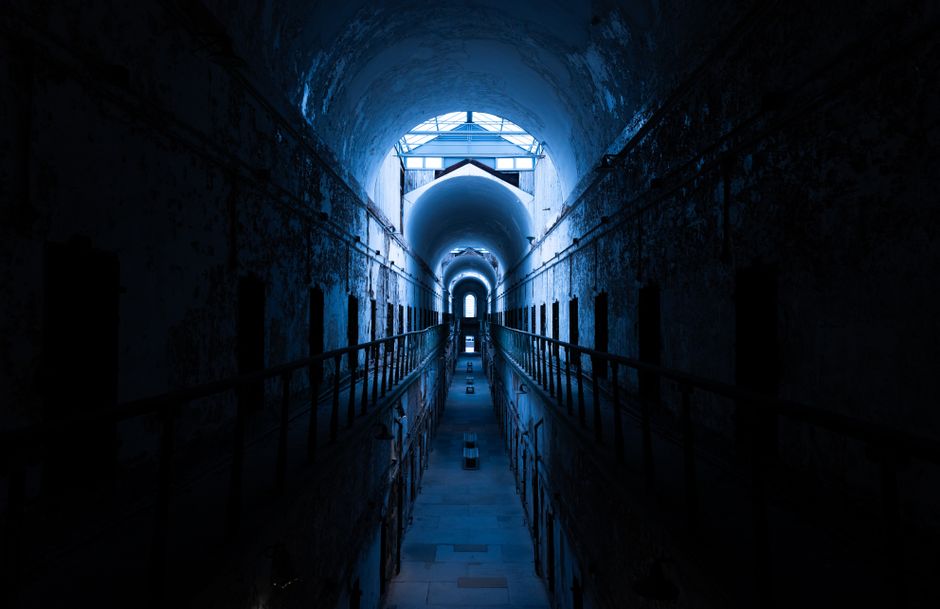
2. America's Solitary Experiment
Eastern State Penitentiary, Philadelphia, USA
A prison designed not just to contain, but to break the human spirit through silence and isolation.
Eastern State Penitentiary, once the most expensive and famous prison in the world, opened in 1829 with a radical new design. Its wagon-wheel layout and strict "separate system" aimed to inspire penitence through absolute solitary confinement, with inmates eating, sleeping, and working alone. This architectural innovation, intended for reform, instead led to widespread mental illness among prisoners, marking a stark lesson in the psychological cost of extreme isolation and the unintended consequences of grand social experiments. Even Al Capone was held here.
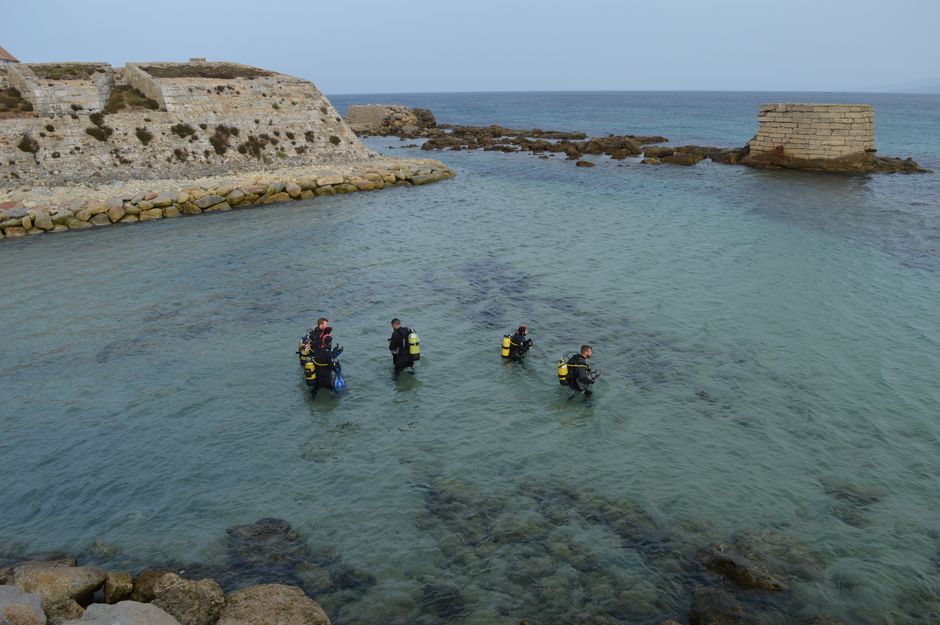
3. The Pirate City Swallowed by the Sea
Port Royal, Jamaica
A bustling pirate city that sank almost instantly beneath the waves, a literal "accident."
Known as the "wickedest city on Earth," Port Royal was a haven for pirates, prostitutes, and rum in the 17th century. On June 7, 1692, a massive earthquake and subsequent tsunami struck, liquefying the ground beneath the city. Two-thirds of Port Royal sank into the harbor within minutes, taking thousands of lives and much of its notorious wealth with it. What remains is an extraordinary underwater archaeological site, a frozen moment in time that offers unparalleled insight into colonial life and catastrophic natural disasters.
4. Where Worlds Merged in Death
Catacombs of Kom el Shoqafa, Alexandria, Egypt
An ancient Roman tomb that blends Egyptian death rituals with Hellenistic and Roman styles.
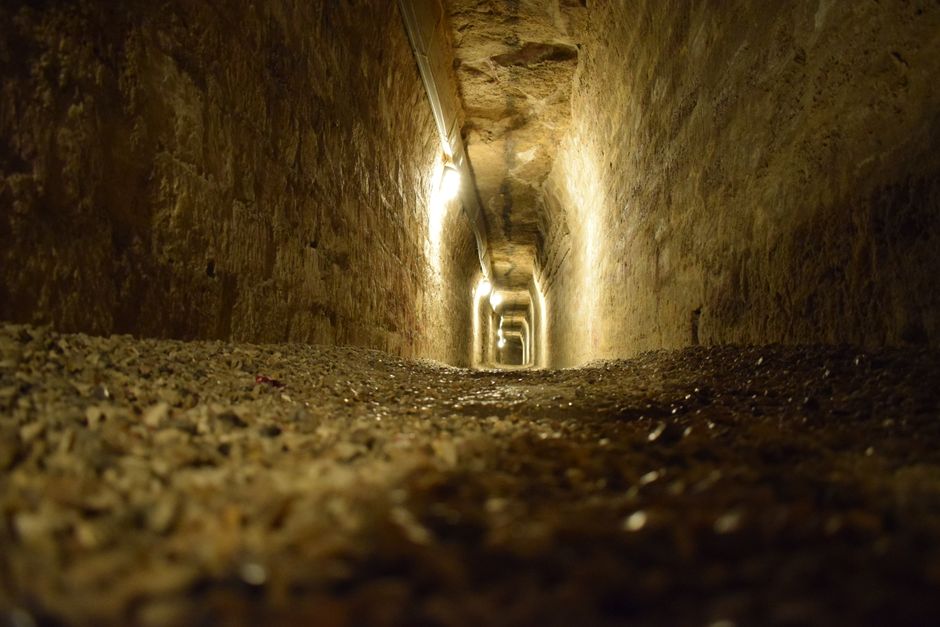
Discovered by accident in 1900, the Catacombs of Kom el Shoqafa represent a unique fusion of cultures. This multi-level necropolis, dating from the 2nd century AD, features funerary art where Egyptian deities are depicted in Roman armor, and pharaonic burial traditions meet classical Roman architecture. The "Hall of Caracalla" and other chambers reveal how beliefs adapted and merged across empires, showcasing a fascinating blend of identities in the afterlife. It's a profound statement on cultural syncretism in ancient Alexandria.
5. The Island of Lost Souls
Grosse Île and the Irish Memorial National Historic Site, Quebec, Canada
A small island in the St. Lawrence River, the mass grave for thousands of Irish famine immigrants.
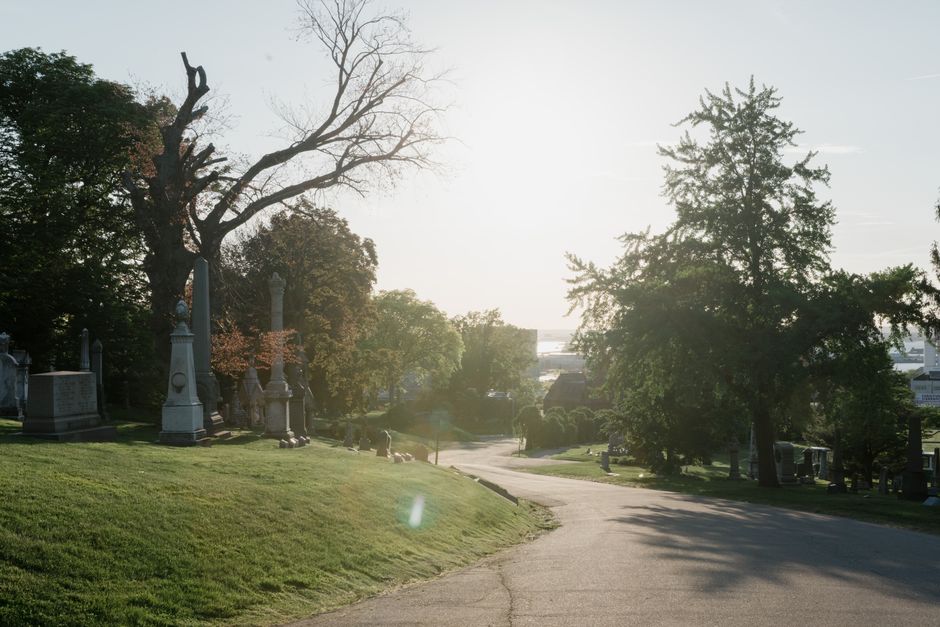
Grosse Île served as Canada's primary quarantine station for immigrants arriving in Quebec from 1832 to 1937. During the Great Irish Famine in 1847, known as "Black '47," thousands of fever-ridden Irish refugees perished on the island or aboard the infamous "coffin ships." The island became a vast cemetery, a silent testament to the devastating human cost of migration, disease, and the challenges faced by those seeking a new life. Its memorial stands as a poignant reminder of resilience and loss.
6. The Bizarre Beer Flood of London
St. Giles, London, England (former Horse Shoe Brewery site)
A massive vat burst, flooding a London neighborhood with over a million liters of beer.
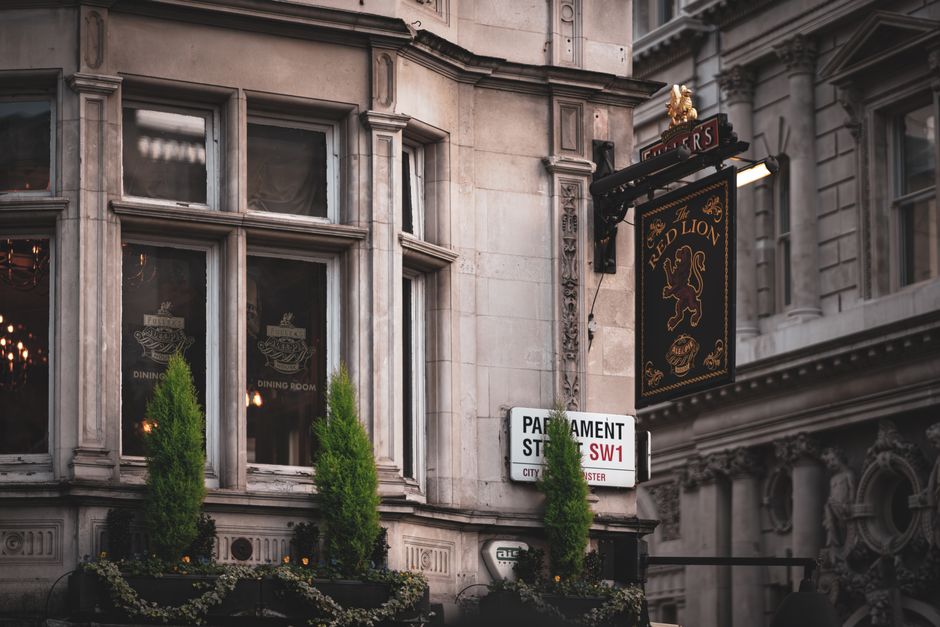
On October 17, 1814, a tragic and bizarre industrial accident occurred at the Horse Shoe Brewery in London. A massive, 22-foot-tall fermenting vat containing over 135,000 gallons of porter burst, triggering a chain reaction that destroyed other vats. The resulting torrent of beer, over a million liters, surged through the streets of St. Giles, demolishing homes and killing eight people. This event serves as a grim and unusual reminder of the unforeseen dangers of early industrialization and urban density.
7. The Door to a Burning Past
Darvaza Gas Crater, Turkmenistan
A perpetually burning crater in the desert, accidentally ignited by Soviet geologists decades ago.
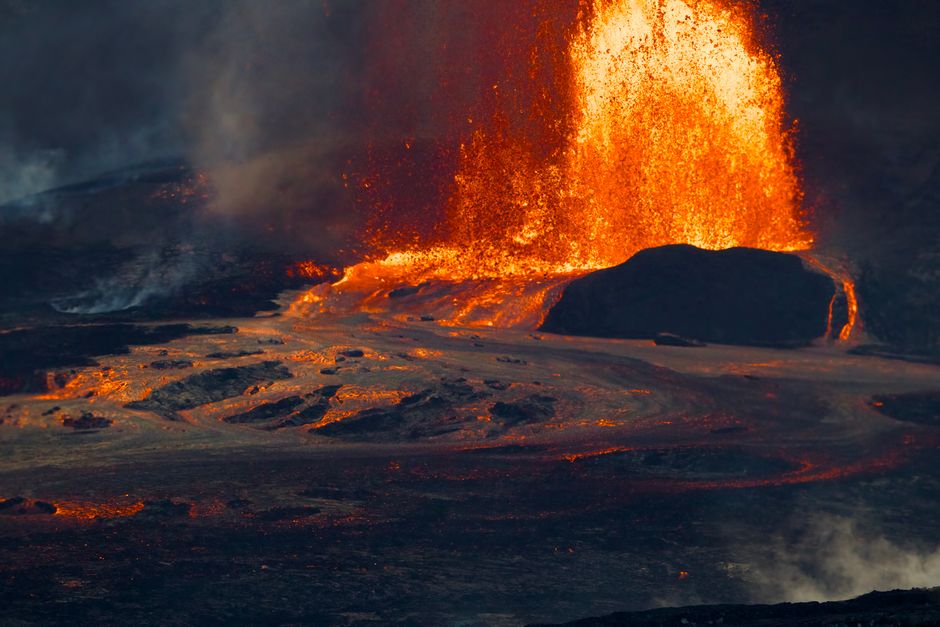
In 1971, Soviet geologists drilling for natural gas near Darvaza collapsed a cavern, creating a crater that began emitting methane. Fearing the gas would spread, they decided to burn it off, expecting it to last only a few weeks. Instead, the "Door to Hell" has been burning continuously for over fifty years. This striking geological anomaly is a powerful, unintended monument to human intervention in nature and the unpredictable, long-term consequences of such actions.
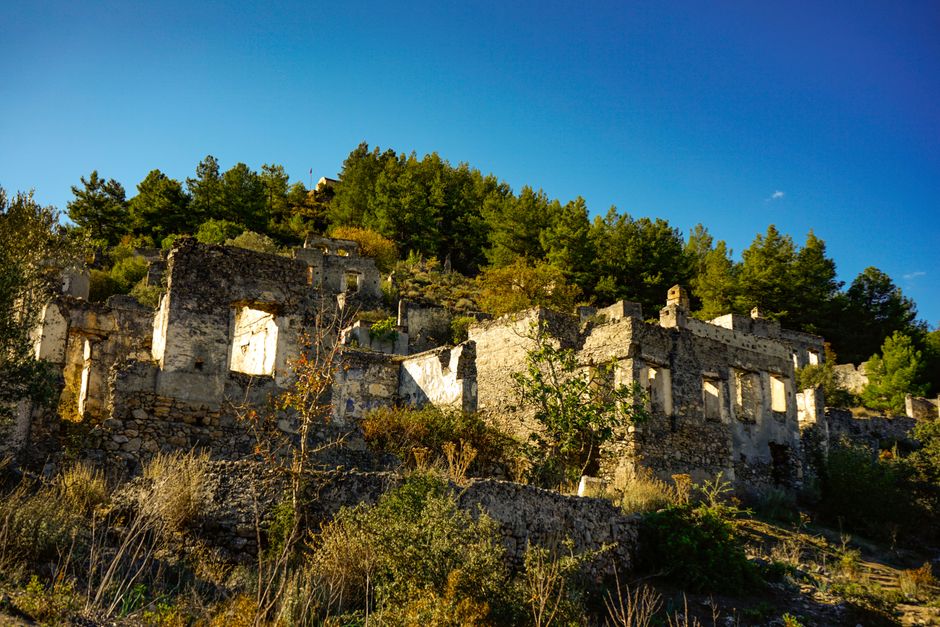
8. The Whispers of a Vanished Village
Tyneham, Dorset, England
A picturesque English village evacuated during WWII and never returned to its residents.
In December 1943, the entire village of Tyneham and its surrounding lands were requisitioned by the Ministry of Defence for tank training in preparation for D-Day. Residents were promised their homes back after the war, but the village was never returned. Today, Tyneham remains a ghost village, its church and schoolhouse preserved, but its cottages crumbling, offering a poignant look at the sacrifices made during wartime and the permanent displacement it caused. It's a stark reminder of promises unkept and lives irrevocably altered by national need.
Frequently asked questions
Are there other lesser-known historical sites with surprising stories?
Absolutely. Beyond famous landmarks, countless places hold incredible, often overlooked stories – from ancient catacombs blending cultures to islands that served as mass graves for immigrants. These sites offer profound insights into local history, geology, and human resilience.
How do hidden historical details impact our understanding of a place?
Hidden historical details provide depth and context, transforming a simple location into a vibrant narrative. They reveal the everyday lives, struggles, and triumphs of past inhabitants, enriching our appreciation for the layers of history that shape a place.
How does AllTours.ai help discover these hidden stories?
AllTours.ai uses AI to turn your phone camera into an expert audio tour guide. Point your camera at any landmark or landscape, and the app instantly narrates its history, geology, and culture in your preferred language, revealing the hidden stories that bring every location to life.
Related guides
Photography via Pexels. AllTours.ai is an AI audio tour guide — point your camera at any landscape and hear its story.