
July 30, 2026 · 5 min read
The image of an archery accident during a circus performance in New York immediately sparks questions about precision, unforeseen dangers, and the fine line between spectacle and mishap. It prompts us to consider the hidden risks in seemingly controlled environments, and the profound lessons that emerge when things go awry.
But what if these lessons extend beyond the immediate event, echoing through history and across landscapes? What if the world is filled with places that, like a circus act gone wrong, reveal unexpected truths about human endeavor, natural forces, and the intricate dance between planning and peril? We’ve uncovered a list of lesser-known spots, each with a vivid story that reminds us of the profound insights hidden in the world's most surprising corners.
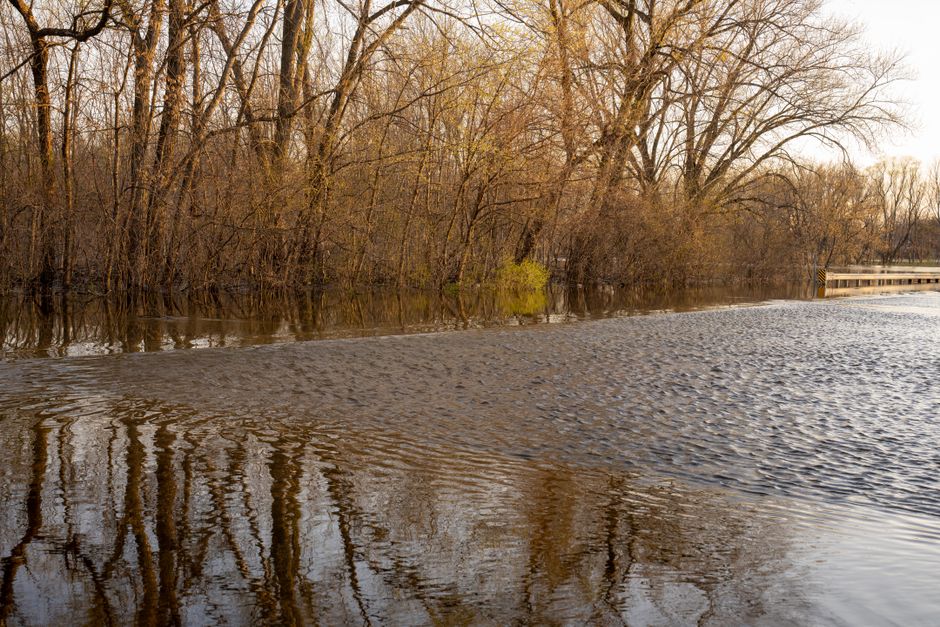
1. The Sweet, Sticky Catastrophe
Boston, USA
A massive wave of molasses once surged through a Boston neighborhood, causing unexpected destruction and loss of life.
On a warm January day in 1919, a colossal storage tank containing 2.3 million gallons of molasses ruptured in Boston's North End. The sticky wave, reportedly up to 25 feet high and traveling at 35 mph, flattened buildings and swept people into its viscous current. The disaster, which killed 21 people and injured 150, was later attributed to structural failure of the tank, inadequate construction, and thermal expansion, revealing critical lessons in industrial safety and engineering oversight.
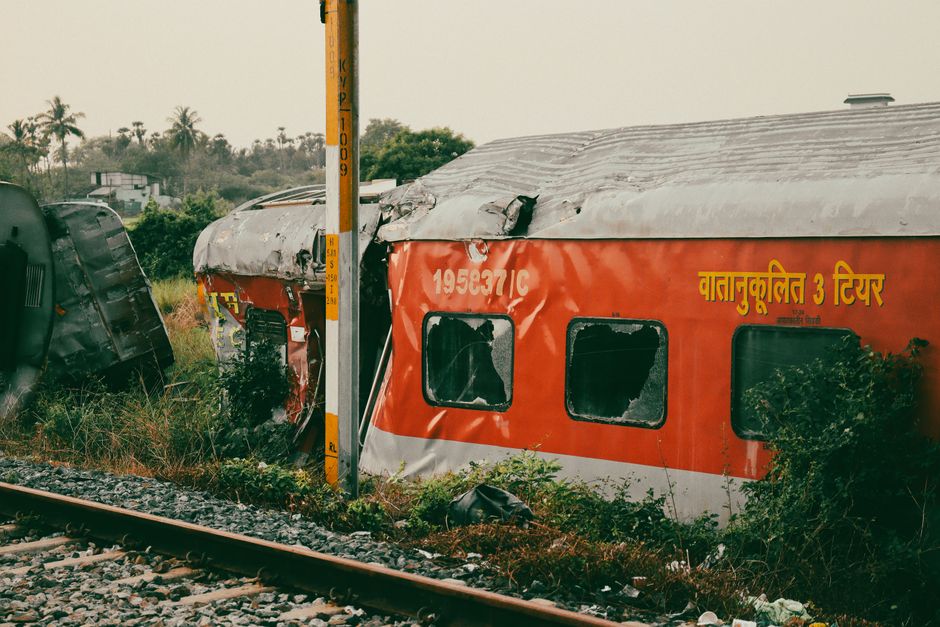
2. The Ballad of Speed and Steel
Danville, Virginia, USA
A legendary train wreck, immortalized in American folk music, offers a stark lesson in the perils of excessive speed and human ambition.
On September 27, 1903, the Southern Railway's Fast Mail train, known as the "Old 97," derailed near Danville, Virginia. Tasked with making up lost time, engineer Joseph A. Broady pushed the train to unprecedented speeds down a steep grade. The train plunged from a trestle, killing Broady and ten others. The subsequent folk song, "The Wreck of the Old 97," became one of America's first million-selling records, forever linking the site to a tragic tale of human error and the unforgiving laws of physics.
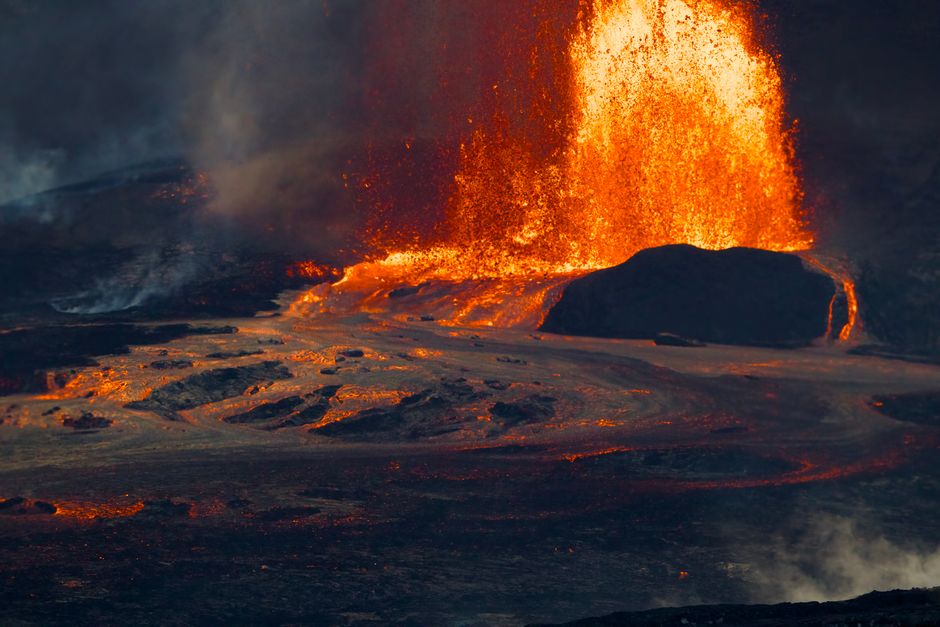
3. The Eternal Flame of the Desert
Darvaza Gas Crater, Turkmenistan
A Soviet drilling accident in the desert created a fiery crater that has been burning continuously for decades, an unintended monument to human intervention.
In 1971, Soviet geologists were drilling for natural gas in the Karakum Desert when their rig collapsed into a cavern, creating a large crater. Fearing the release of toxic methane gas, they decided to ignite it, expecting it to burn off in a few weeks. More than 50 years later, the "Door to Hell" continues to blaze, a dramatic, unintended consequence of an exploratory mishap. This unique geological phenomenon draws visitors to witness the perpetual inferno, a stark reminder of humanity's impact on the natural world.
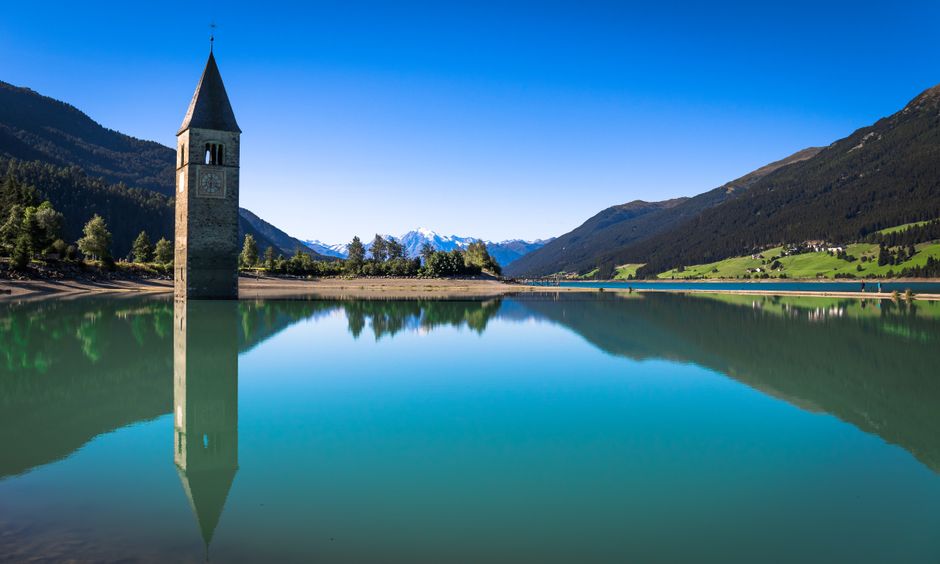
4. The Submerged Bell Tower
Curon Venosta, Italy
A lone church bell tower rises from the waters of a man-made lake, the only visible remnant of a village intentionally submerged for a hydroelectric project.
Lake Resia, or Reschensee, in South Tyrol, Italy, holds a haunting secret beneath its surface. In 1950, the ancient villages of Curon and Resia were intentionally flooded to create a reservoir for a hydroelectric dam. Over 160 homes were destroyed, and their inhabitants displaced. Today, the 14th-century bell tower of Curon's church remains, emerging eerily from the water, especially in winter when the lake freezes. It stands as a silent sentinel, a poignant symbol of community loss and the dramatic cost of progress.
5. The Tragic Excursion
East River, New York, USA
A pleasure steamboat fire on New York's East River became one of the city's worst maritime disasters, exposing shocking negligence and costing over a thousand lives.
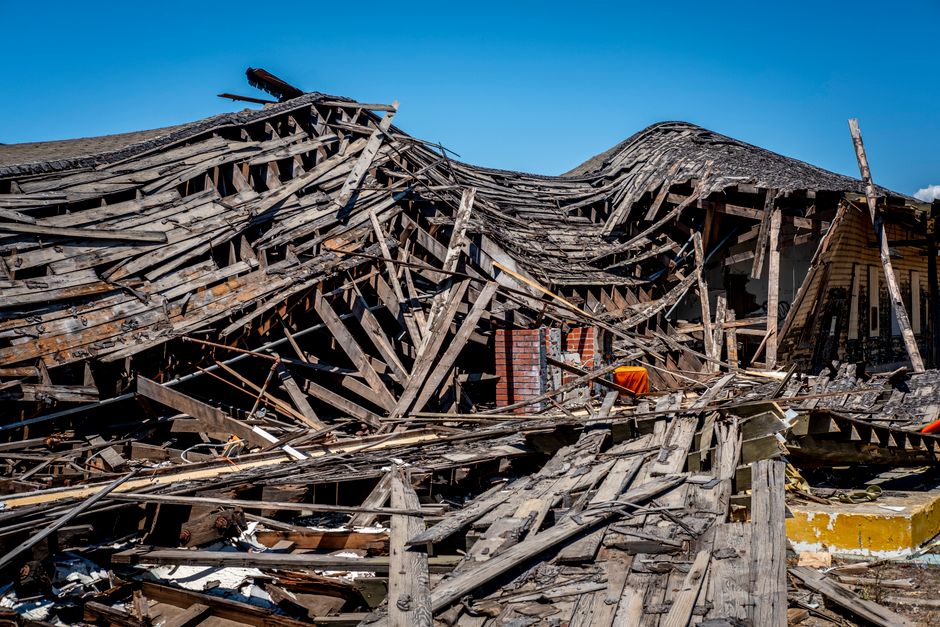
On June 15, 1904, the steamboat General Slocum, carrying over 1,300 German-American churchgoers on an annual picnic excursion, caught fire in the East River near North Brother Island. Decades of neglect meant life jackets were rotted and painted stuck, fire hoses were non-functional, and crew members were untrained. The ensuing panic and rapid spread of flames led to an estimated 1,021 deaths, mostly women and children, making it New York City's deadliest disaster until 9/11. The tragedy highlighted systemic failures in maritime safety and regulation.
6. The Art of the Missed Mark
Somerville, Massachusetts, USA
A unique museum celebrates art so bad it's good, offering a humorous lesson in embracing imperfection and subjective taste.
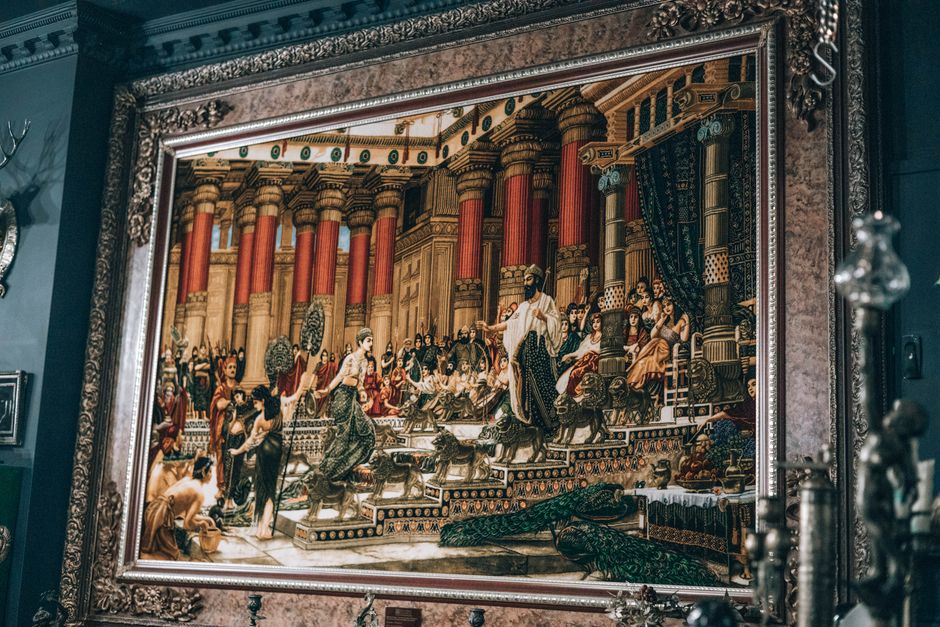
The Museum of Bad Art (MOBA), with current exhibits in the Somerville Theatre and online, began in 1993 with a painting salvaged from a trash can. Its mission is to celebrate the labor of artists whose work, despite sincere effort, has gone spectacularly wrong. MOBA's collection features pieces that are either technically inept, conceptually bizarre, or just plain hideous, but always original and compelling. It playfully reminds us that sometimes, the "accident" or the "failure" can hold its own fascinating, if unintended, beauty.
7. The Mountain That Moves
Bingham Canyon Mine, Utah, USA
One of the world's largest open-pit mines is also a site of colossal, unpredictable landslides, revealing the constant battle between human engineering and geological forces.
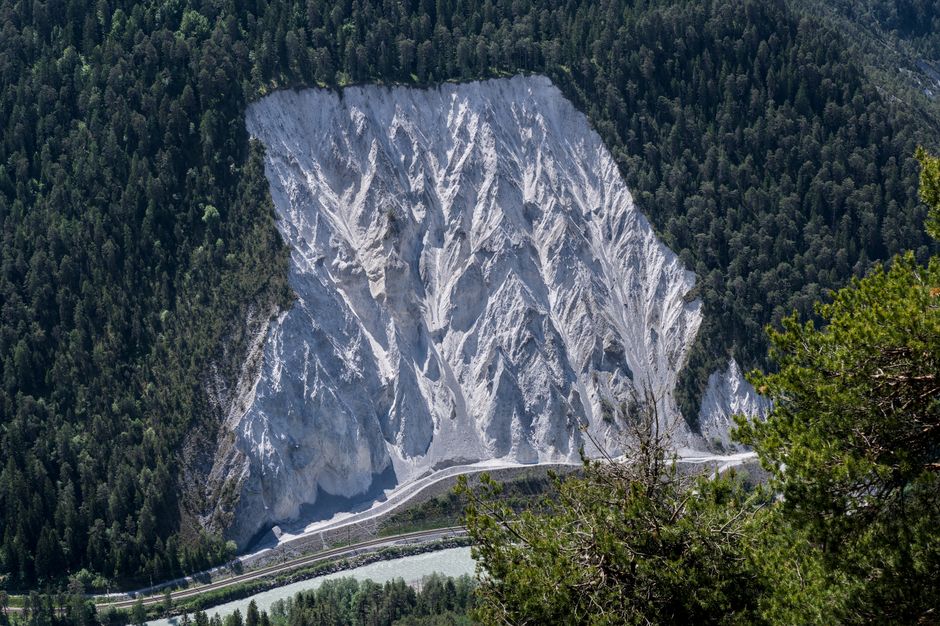
The Bingham Canyon Mine, a massive copper mine near Salt Lake City, Utah, is an awe-inspiring feat of engineering, visible even from space. However, its immense scale also makes it susceptible to massive landslides. In 2013, a slide involving over 165 million cubic yards of rock—one of the largest non-volcanic landslides in North American history—swept down the pit. Advanced monitoring systems allowed for safe evacuation, a testament to learned lessons in geological risk management, yet the event underscored the inherent unpredictability and power of the earth when disturbed on such a scale.
8. The Unstoppable Dance
Strasbourg, France
In 1518, hundreds of people in Strasbourg were gripped by a mysterious urge to dance for days, some to their deaths, in one of history's most bizarre collective phenomena.
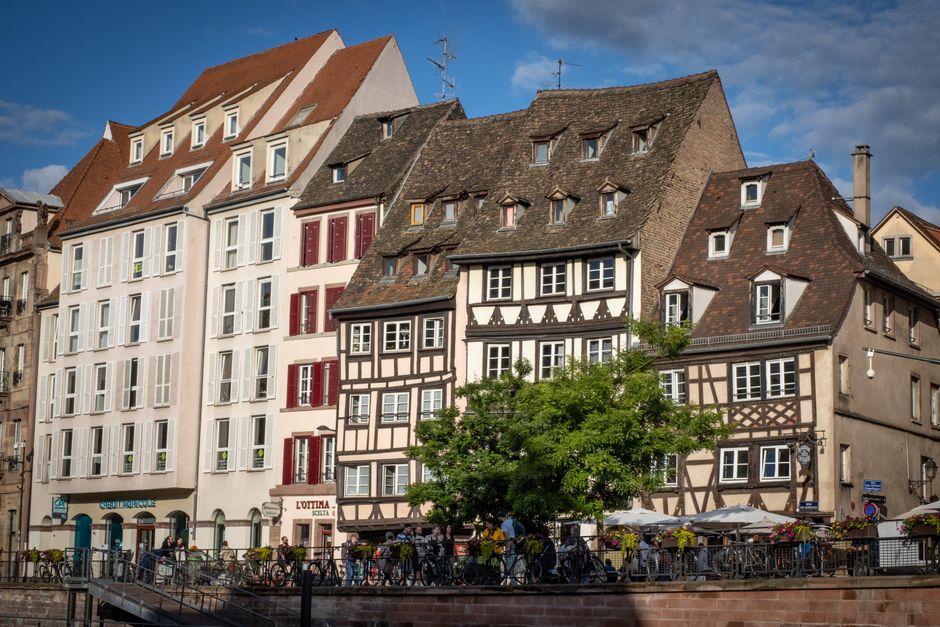
The "Dancing Plague" of 1518 saw a woman named Frau Troffea begin to dance uncontrollably in the streets of Strasbourg. Within a month, hundreds joined her, dancing seemingly without rest or desire to stop, some succumbing to exhaustion, heart attacks, or strokes. While various theories ranging from mass hysteria to ergot poisoning have been proposed, the exact cause remains unknown. This strange historical event serves as a chilling reminder of the fragility of the human mind and body, and how collective phenomena can manifest in truly unexpected and devastating ways.
Frequently asked questions
How do historical accidents offer valuable insights for travelers?
Historical accidents, like the circus mishap, often reveal crucial lessons about human ingenuity, error, and resilience. Visiting sites where such events occurred provides a tangible connection to the past, offering perspectives on how societies learned, adapted, and built safer futures. It's a way to understand the unseen forces that shaped a place.
Are these lesser-known historical sites easy to access?
Many lesser-known sites are surprisingly accessible, though they might require a bit more planning than major tourist attractions. Some are preserved as historical markers, while others are integrated into modern landscapes. Researching local transport and visiting hours beforehand is always recommended to ensure a smooth and enriching experience.
What makes these specific locations stand out for their "lessons"?
Each location featured offers a unique lens through which to view themes of risk, consequence, and human interaction with the environment. From engineering failures and natural phenomena to social mysteries, these places highlight specific moments where plans went awry, leading to unexpected outcomes that continue to resonate through their stories.
How can AllTours.ai help me discover these kinds of unique stories?
AllTours.ai is designed to bring these hidden histories to life. Simply point your phone camera at a landmark, landscape, or even a subtle historical marker, and the app will instantly narrate its history, geology, and cultural significance in your language. It's like having a local expert reveal the untold stories and "lessons learned" from every corner of the world, right in your pocket.
Related guides
Photography via Pexels. AllTours.ai is an AI audio tour guide — point your camera at any landscape and hear its story.