September 1, 2026 · 4 min read
Long Island, New York, is renowned for its charming seaside towns and vibrant communities. But beneath the surface of its familiar shorelines lies a rich, dynamic marine world that plays a far more significant role in the Atlantic ecosystem than many realize. Travelers often wonder: do sharks travel from tropical southern waters to get fueled and fattened up here?
The answer is a resounding yes, and understanding why reveals a tapestry of interconnected habitats, vital food sources, and ancient migratory paths. Long Island's diverse estuaries, barrier islands, and nutrient-rich waters serve as critical stopovers for countless species, creating a bustling marine highway. Let's delve into some lesser-known spots that unveil this hidden ecological importance.
1. Plum Island's Unseen Haven
Plum Island, New York, USA
Its restricted access has inadvertently preserved a unique ecosystem, creating an undisturbed haven crucial for migratory species beyond its famous research facility.
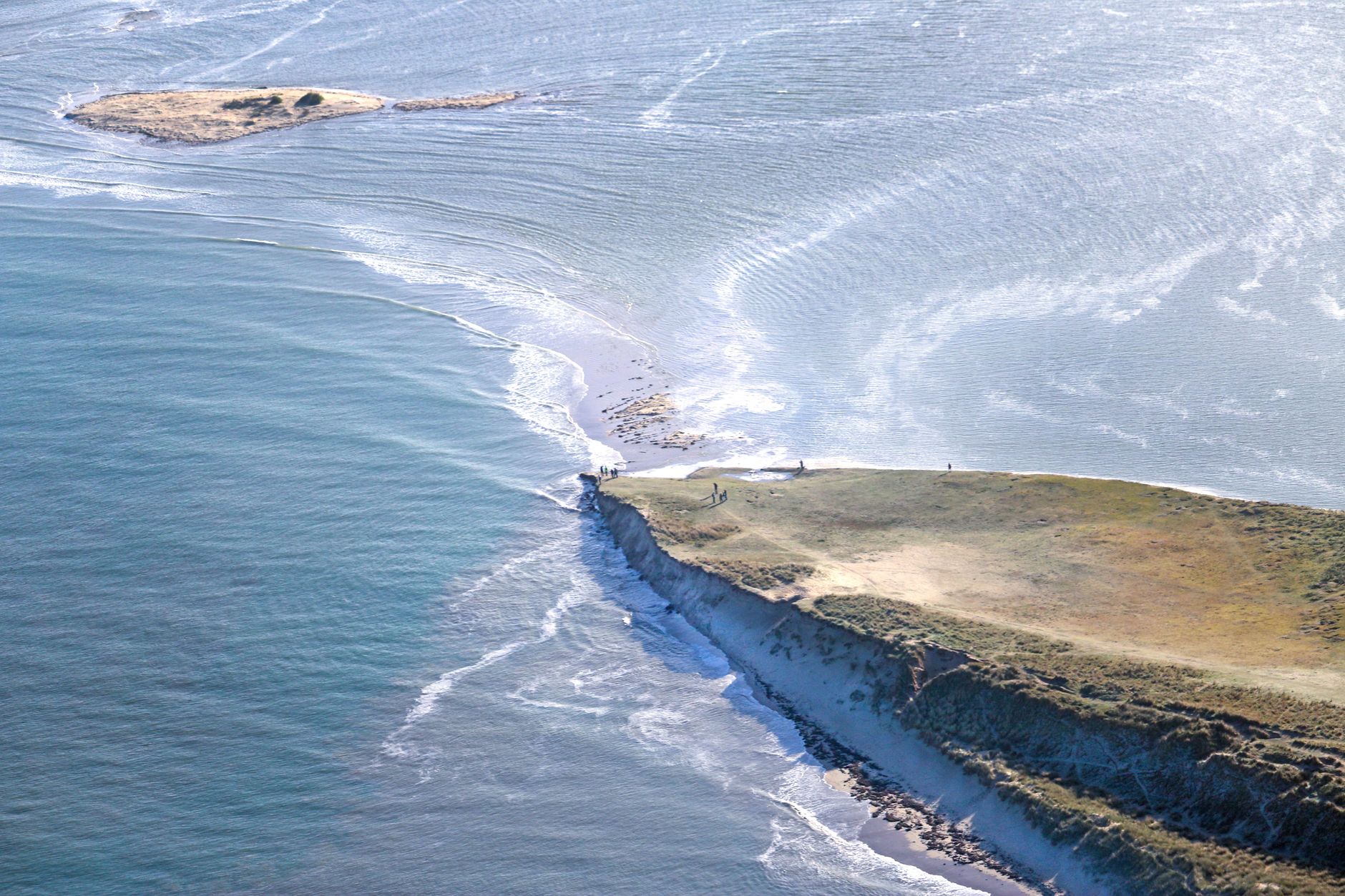
While widely known for its animal disease research center, Plum Island's limited human disturbance has allowed its natural habitats to flourish remarkably. Located at the mouth of Long Island Sound, it serves as a critical stopover for a vast array of migratory birds, and its surrounding waters provide shelter and abundant food for seals and diverse fish populations, making it an ecological hotspot largely unimpacted by development.
2. Shelter Island's Marine Nursery
Shelter Island, New York, USA
Known as the "Jewel of the Peconic," this preserve holds one of the largest and most pristine salt marsh and tidal creek ecosystems on Long Island, vital for marine life.
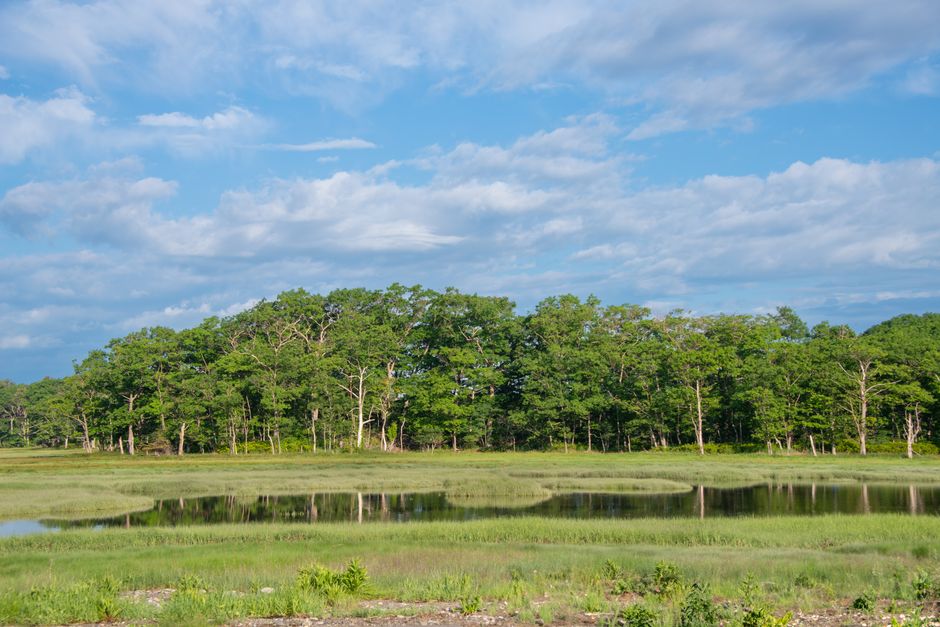
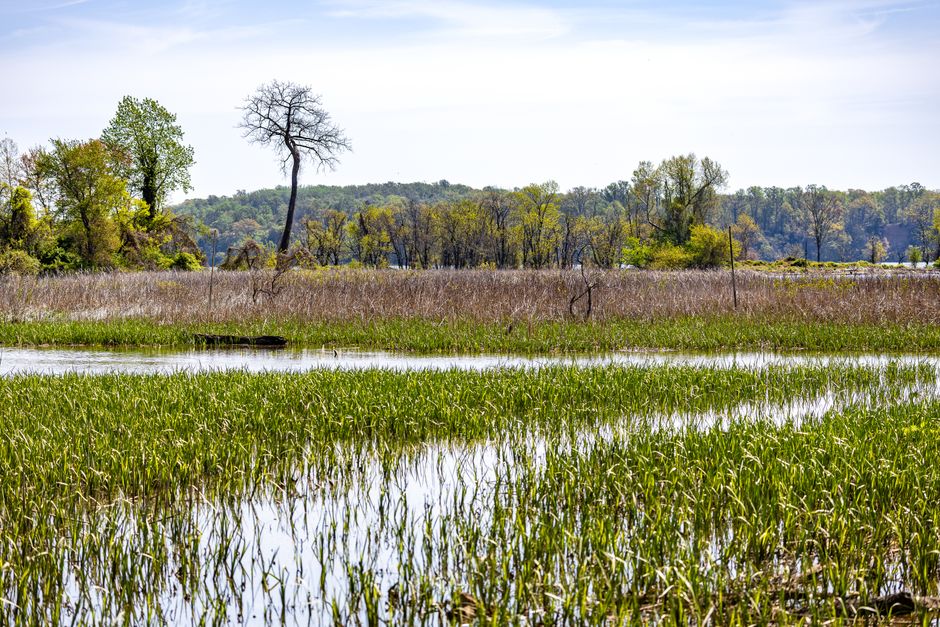
Covering a third of Shelter Island, Mashomack Preserve's 2,039 acres are a labyrinth of tidal creeks, woodlands, and salt marshes. These delicate ecosystems are essential nursery grounds for juvenile fish, crabs, and shellfish, providing a rich food source that supports larger marine predators passing through the Peconic Estuary system. It's a clear example of Long Island's role in the Atlantic food web, fostering growth for countless species.
3. The River's Ancient Run
Oakdale, New York, USA
This preserve protects one of Long Island's last naturally reproducing brook trout streams, indicative of pristine waters that also host vital runs of anadromous fish.
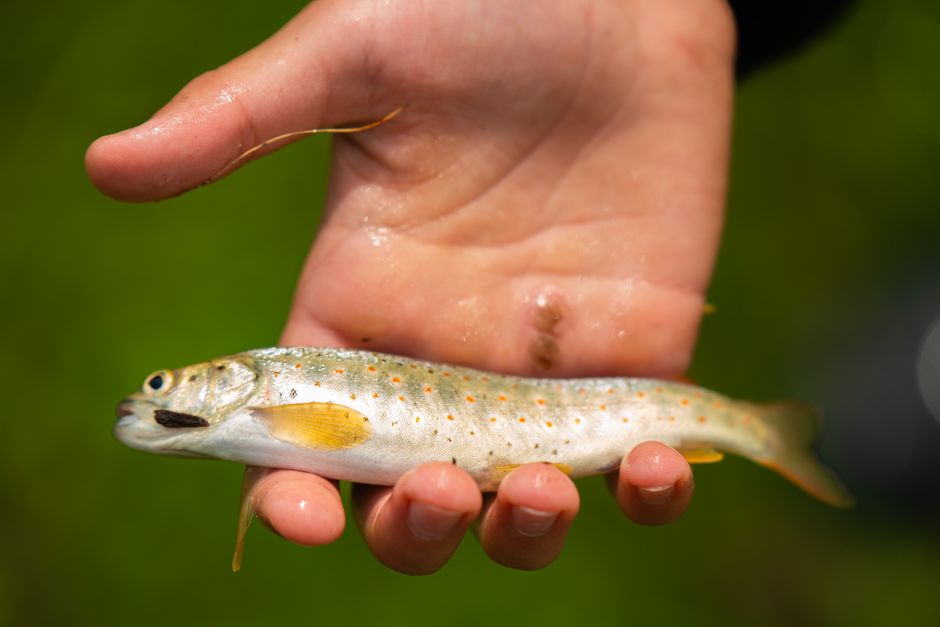
The Connetquot River is a rare gem, offering a glimpse into Long Island's pre-colonial ecology. Its cool, clear waters are not only home to native brook trout but also serve as a crucial pathway for anadromous species like alewives and blueback herring. These migrating fish, moving between freshwater and the ocean, provide a significant food source for larger aquatic and avian predators, highlighting the river's ecological importance as a natural larder.

4. Glacial Giants and Harbor Seals
Lloyd Neck, New York, USA
Named for a massive glacial erratic, this refuge offers diverse habitats where harbor seals frequently haul out, and ospreys keenly fish in the rich waters of Oyster Bay.
Perched on the north shore of Long Island, Target Rock is a small but ecologically mighty refuge. Its varied landscapes, from rocky shores to dense woodlands, provide sanctuary for migratory birds. The strong currents and nutrient-rich waters of Oyster Bay attract abundant fish, making it an ideal hunting ground for ospreys and a favored spot for harbor seals to rest and feed, showcasing a vibrant coastal ecosystem that draws in apex predators.
5. Shinnecock's Underwater Gardens
Southampton, New York, USA
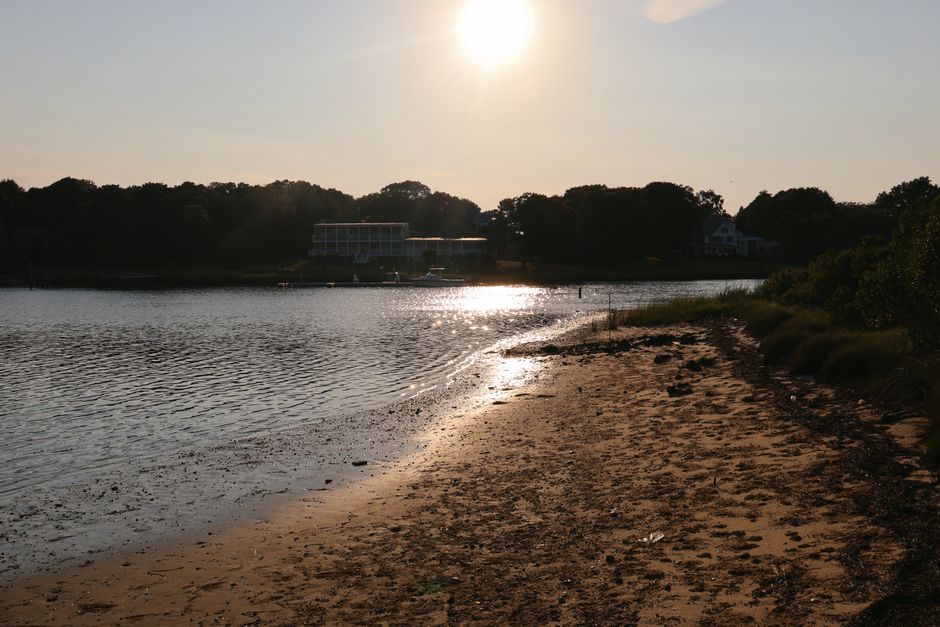
A highly productive estuary, its extensive seagrass beds are vital nursery grounds, acting as an underwater "buffet" for countless marine species, from tiny crabs to large fish.
Shinnecock Bay is more than just a scenic waterway; it's a powerhouse of marine biodiversity. Its vast meadows of eelgrass provide shelter and sustenance for juvenile fish, shellfish, and crustaceans, forming the base of a complex food web. This rich environment draws in a wide array of predators, making the bay a critical feeding and growth area for many species, including those that might eventually become prey for larger ocean travelers seeking a substantial meal.
6. Orient's Shifting Sands and Ancient Forests
Orient, New York, USA
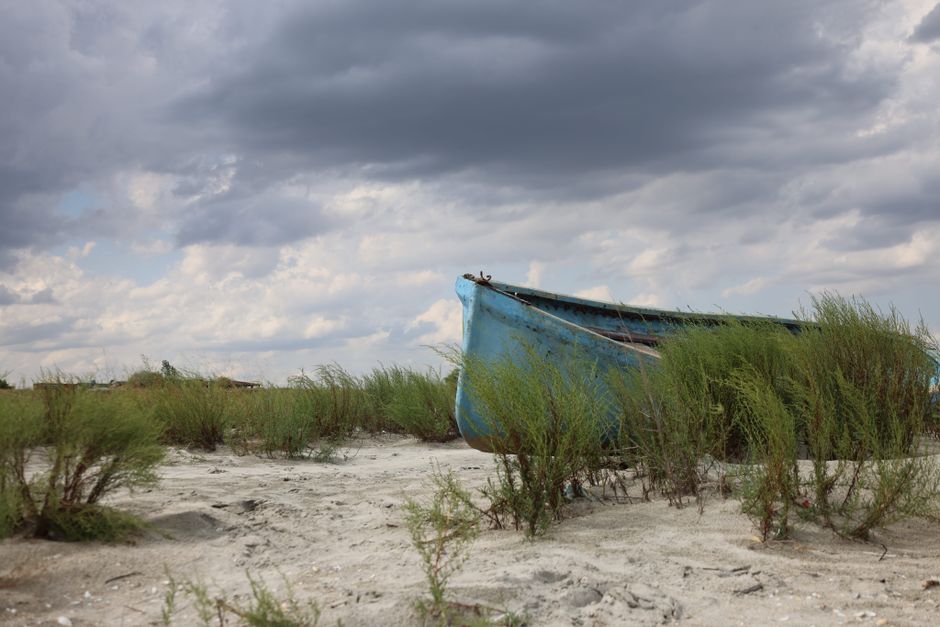
Features a rare maritime forest and unique bay-side beaches formed by glacial outwash, creating crucial microhabitats for migratory shorebirds and spawning horseshoe crabs.
At the eastern tip of Long Island's North Fork, Orient Beach State Park is a testament to glacial forces and coastal evolution. Its unique maritime forest, shaped by salt spray and wind, is a haven for birds. The park's varied shorelines, including extensive tidal flats, become bustling nurseries and feeding grounds, particularly during the spring when horseshoe crabs gather to spawn, attracting a diverse range of shorebirds and fish and enriching the local food chain.
7. Urban Oasis, Global Crossroads
Queens, New York, USA
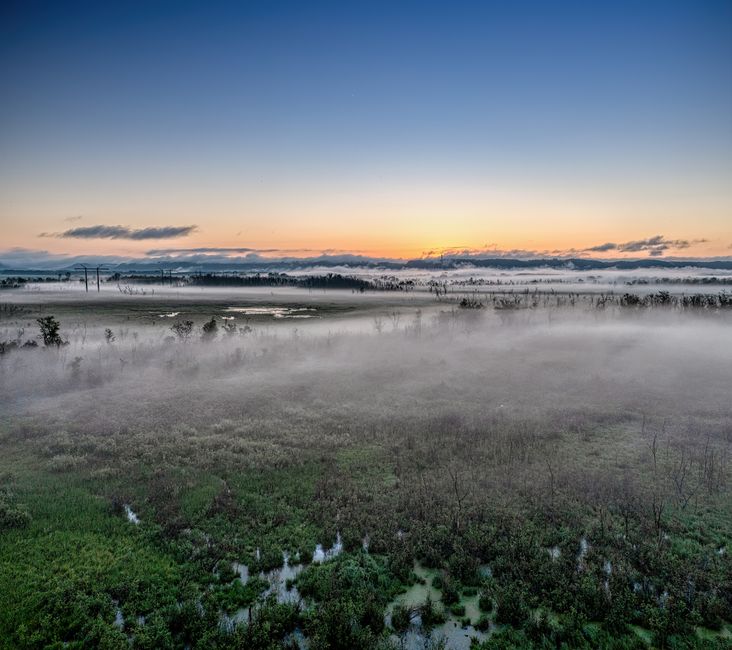
One of the largest bird sanctuaries in the northeastern United States, its brackish ponds and salt marshes are a vital refueling station for hundreds of migratory bird species and abundant fish.
Surprisingly located within New York City limits, Jamaica Bay Wildlife Refuge is a critical ecological nexus. Its expansive wetlands, islands, and open water provide shelter and sustenance for over 330 bird species throughout the year, many on epic migratory journeys. The bay's rich fish populations and invertebrates, thriving in its diverse habitats, make it an indispensable feeding ground, supporting the entire coastal food web and attracting larger marine visitors on their own migration routes.
Frequently asked questions
Do great white sharks frequently visit Long Island waters?
Yes, great white sharks, particularly juveniles, have been increasingly sighted in Long Island's coastal waters in recent years. Researchers believe these waters serve as important nursery grounds and feeding areas, offering abundant prey like bunker (menhaden) and other schooling fish.
What attracts sharks to Long Island's marine environment?
Long Island's diverse marine environment, characterized by productive estuaries, barrier islands, and proximity to the open Atlantic, creates a rich food web. Abundant schooling fish, seals, and other prey species, along with warmer summer temperatures, make these waters an attractive seasonal destination for various shark species.
Are there specific times of year when sharks are more common around Long Island?
Shark activity around Long Island typically increases during the warmer summer months, from late spring through early autumn. This coincides with the migration of their primary food sources and the availability of suitable nursery habitats for young sharks.
How can AllTours.ai help me explore Long Island's natural history?
AllTours.ai transforms your phone into a personal AI audio tour guide. Simply point your camera at any landscape, landmark, or even a unique geological feature on Long Island, and the app will narrate its history, geology, and cultural significance in your preferred language, offering a deeper understanding of the places you visit.
Related guides
Photography via Pexels. AllTours.ai is an AI audio tour guide — point your camera at any landscape and hear its story.