August 6, 2026 · 5 min read
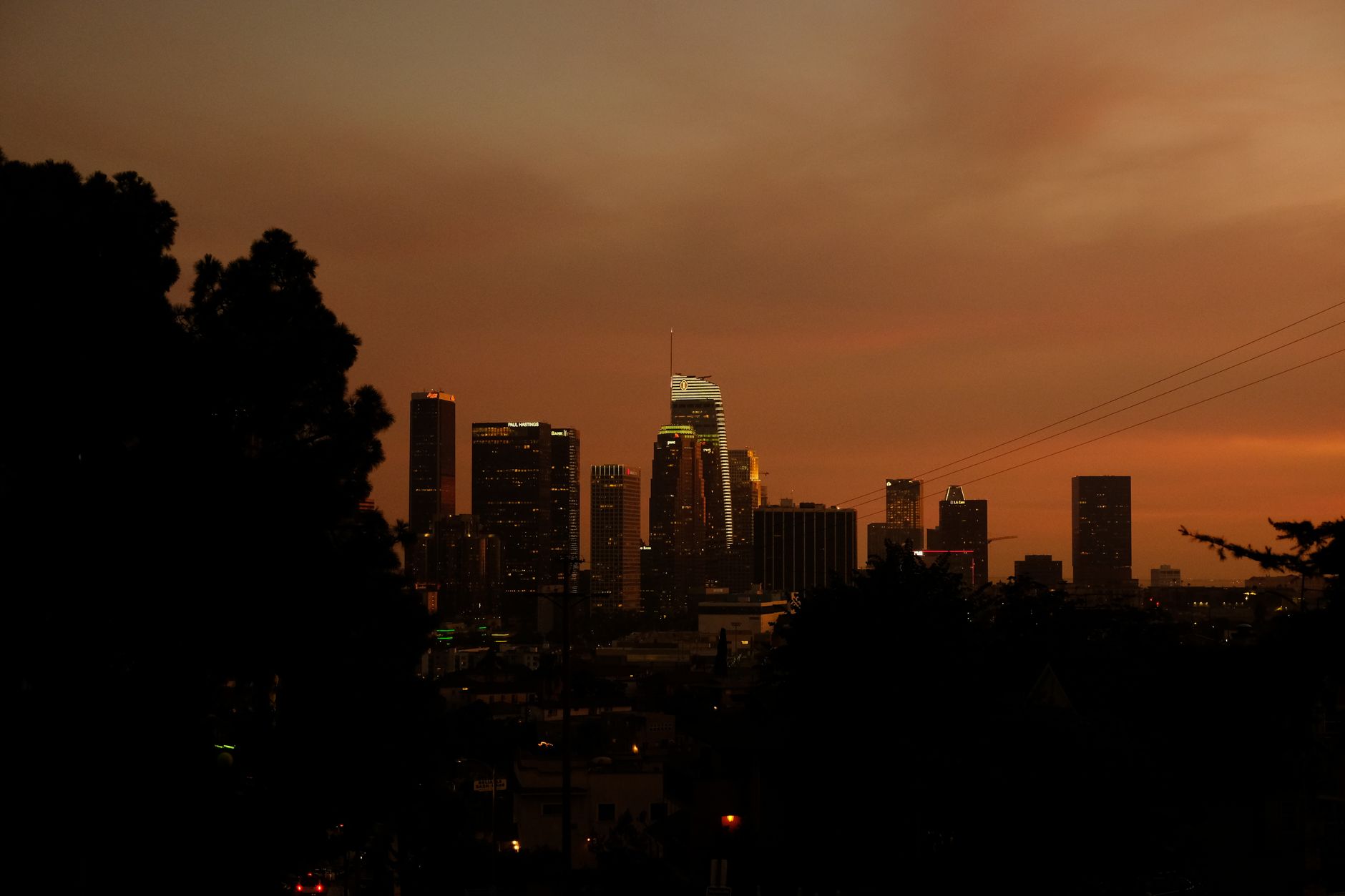
Los Angeles is famed for its sun-drenched beaches, Hollywood glamour, and vibrant nightlife. Millions flock to its iconic landmarks, enjoying the city's ceaseless energy. But beyond the glittering facade and well-trodden paths, LA holds a darker, more enigmatic side — places where history lingers heavily, geology whispers secrets, and cultural tales take a more unsettling turn. These are spots that, while fascinating by day, transform into potentially hazardous or deeply eerie landscapes after the sun dips below the horizon.
If you're asking, "Are there any specific places or landmarks in Los Angeles that visitors should avoid after dark?", you're tapping into a genuine curiosity about the city's hidden depths. This guide ventures beyond the usual tourist recommendations to uncover lesser-known locations across the sprawling metropolis. Each holds a unique, often surprising story, but also presents heightened risks once night falls, turning their intrigue into a genuine reason for caution.
1. The Haunting Remnants of Murphy Ranch
Pacific Palisades, USA
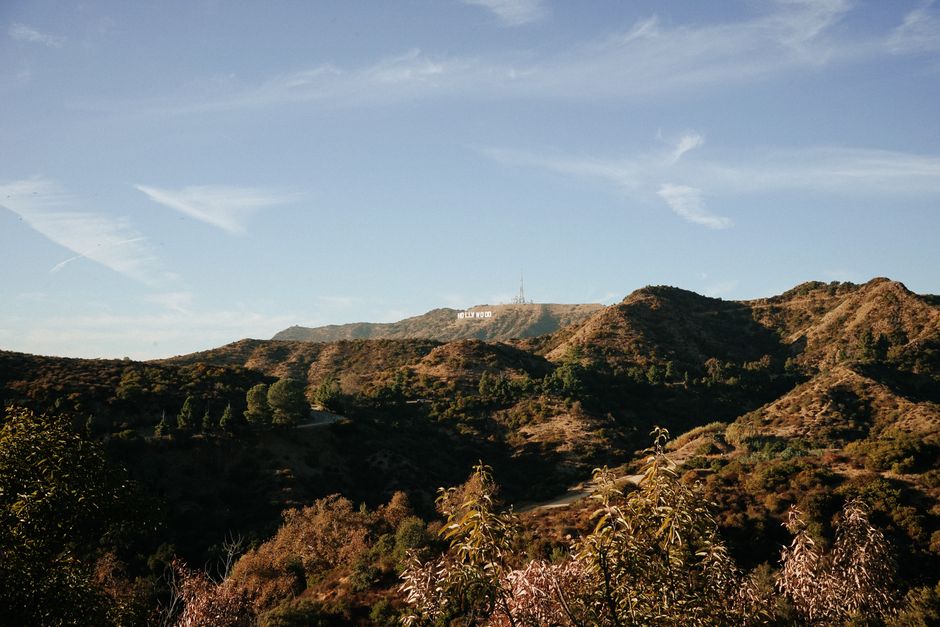
Deep in Rustic Canyon lie the overgrown ruins of a compound built by Nazi sympathizers preparing for a post-WWII American collapse.
Hidden away in Rustic Canyon, Murphy Ranch was once a secretive 50-acre complex, fortified with a power station, water tanks, and bomb shelters. Its dark history dates back to the 1930s, when it was reportedly built by American Nazi sympathizers who believed a fascist takeover was imminent. The site was raided by authorities on December 8, 1941, the day after Pearl Harbor. Today, its decaying structures and graffiti-covered walls evoke a chilling, forgotten chapter of Los Angeles history, making it unsettling to explore in daylight, let alone after dusk.
2. San Pedro's Collapsed Coastline
San Pedro, USA
A massive landslide in the 1920s sent a small neighborhood tumbling into the sea, leaving behind a surreal landscape of broken streets and foundations.
In 1929, a slow-moving landslide caused several blocks of the Point Fermin neighborhood in San Pedro to break off and slide into the Pacific Ocean. What remains is known as Sunken City: a desolate, crumbling expanse of concrete slabs, staircases to nowhere, and twisted metal, all consumed by graffiti and the relentless ocean spray. The precarious cliffs, unstable ground, and lack of lighting make traversing this unauthorized site particularly hazardous after dark, where the echoes of its sudden demise seem to linger in the salt-laden air.
3. The Devil's Gate Dam and Its Dark Folklore
Pasadena, USA
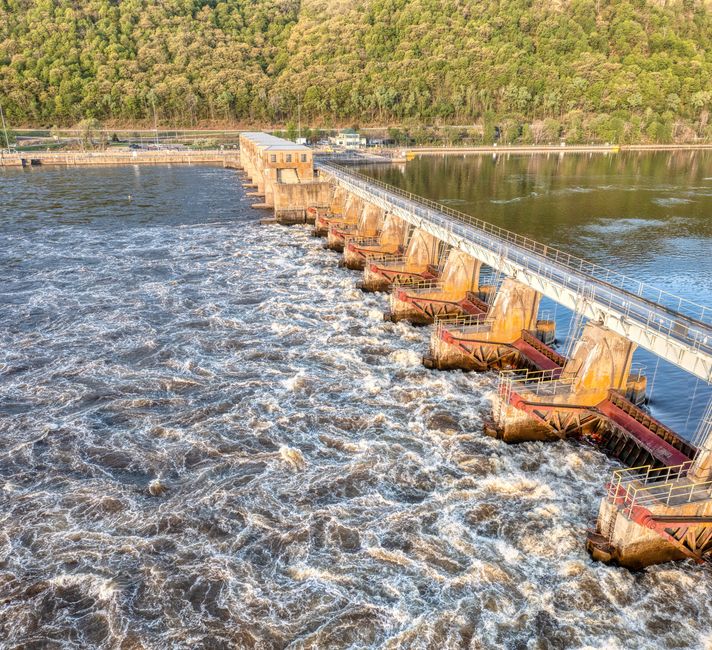
This seemingly innocuous dam is the subject of chilling local legends, including tales of a portal to the underworld and several mysterious disappearances.
Built in 1920, Devil's Gate Dam in Pasadena holds more than just water; it holds a dark reputation. Named for a rock formation resembling Satan's profile, the area is steeped in occult lore and whispers of a "portal to hell." Over the decades, several children have vanished without a trace in the surrounding Arroyo Seco, fueling theories of a sinister force at play. Exploring the isolated, shadowed crevices and overgrown paths near the dam after sunset is not merely a safety concern due to uneven terrain, but an invitation to confront the unsettling tales that permeate its history.
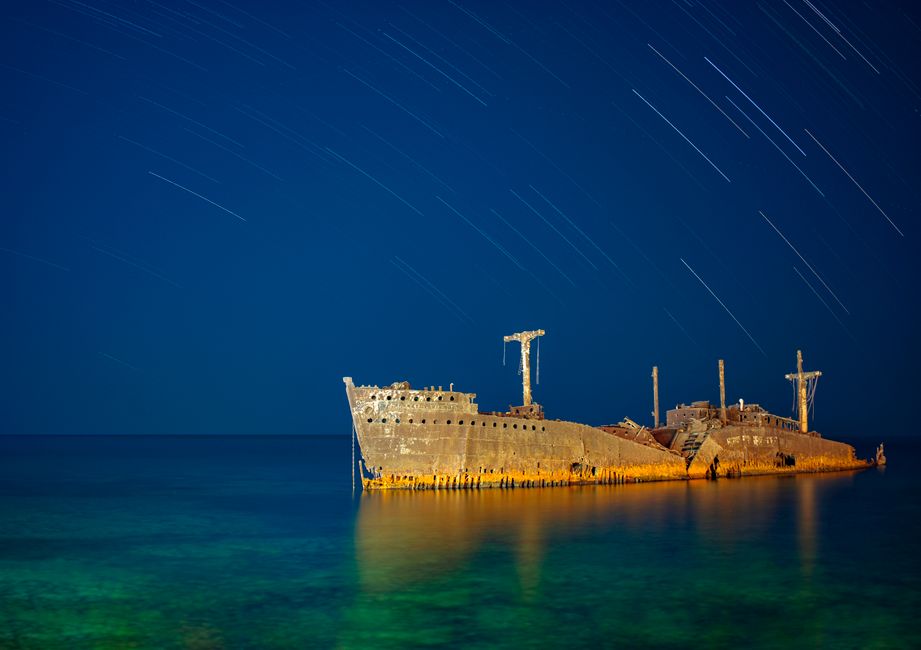
4. The Ghost Ship of Palos Verdes
Palos Verdes Estates, USA
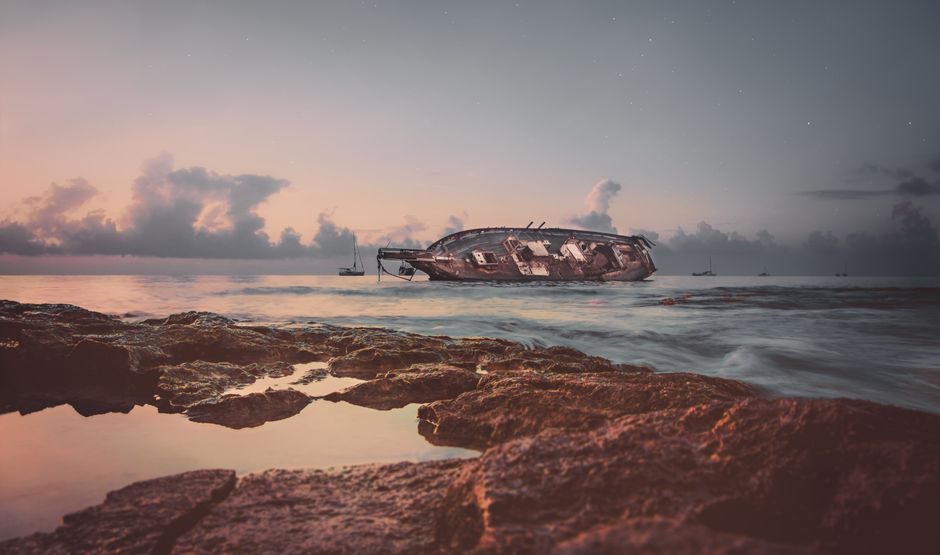
The rusted hull of a freighter that ran aground in 1961 still clings to a treacherous, isolated stretch of coastline, a stark reminder of the ocean's power.
In March 1961, the Greek freighter SS Dominator ran aground in a heavy fog off Palos Verdes, attempting to deliver a cargo of beef. Despite salvage efforts, the ship broke apart and was ultimately abandoned, its rusted skeletal remains slowly succumbing to the relentless Pacific waves. Reaching the wreck involves a steep, unstable descent down treacherous cliffs and navigating slippery, uneven tide pools. After dark, with no lights and the unpredictable ocean, this already dangerous trek becomes an extreme hazard, the ship's spectral silhouette an eerie presence against the moonlit water.
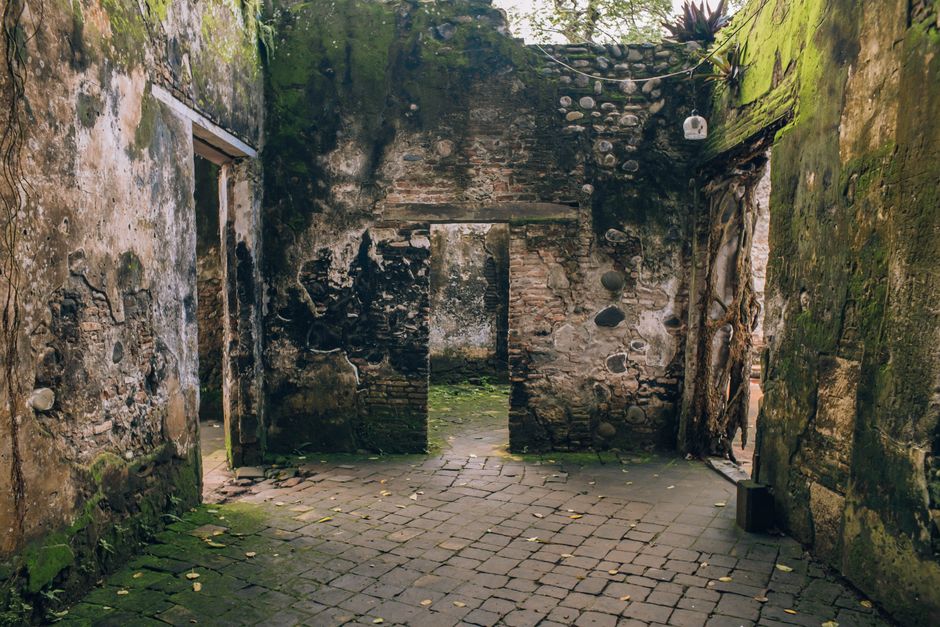
5. The Eerie Echoes of the Old LA Zoo
Griffith Park, USA
Abandoned animal enclosures and crumbling bear grottoes from the original 1912 zoo sit eerily silent, overgrown by nature in a forgotten corner of Griffith Park.
Before the modern Los Angeles Zoo opened in 1966, an older, smaller zoo occupied a different part of Griffith Park, operating from 1912. Today, its dilapidated structures – concrete cages, grottoes, and administrative buildings – stand as eerie relics, slowly being reclaimed by the wilderness. While a popular hiking spot during the day, the lack of lighting, uneven ground, and isolated nature of these crumbling ruins make them particularly unsettling and hazardous after sunset. The enclosures, designed to hold wild animals, now seem to hold only shadows and the quiet whispers of a bygone era.
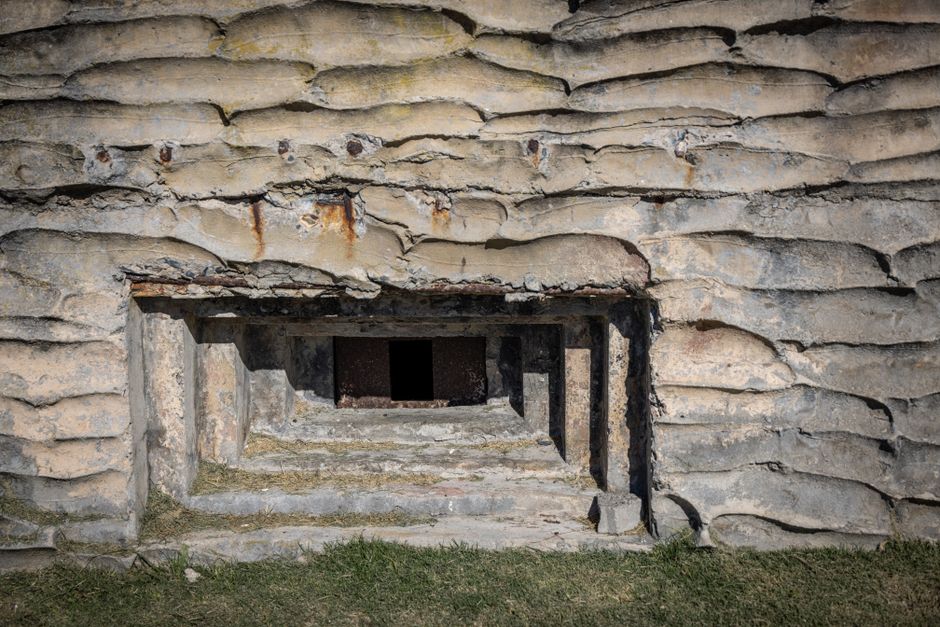
6. Whispers in the WWII Coastal Bunkers
San Pedro, USA
Overlooking the Pacific stand the decaying, graffiti-covered remains of massive concrete bunkers and gun emplacements built to defend Los Angeles during World War II.
Fort MacArthur, established in 1914, played a critical role in coastal defense during World War II, protecting the Los Angeles harbor from potential attacks. Today, many of its massive concrete bunkers, command posts, and gun emplacements are abandoned, their dark interiors and labyrinthine passages open to the elements and intrepid explorers. While historically significant, these sites are often poorly lit, filled with debris, and prone to unstable surfaces. Exploring these isolated, echoing concrete shells after dark is not only dangerous due to the physical hazards but also adds a layer of unsettling solemnity to a place built for wartime vigilance.
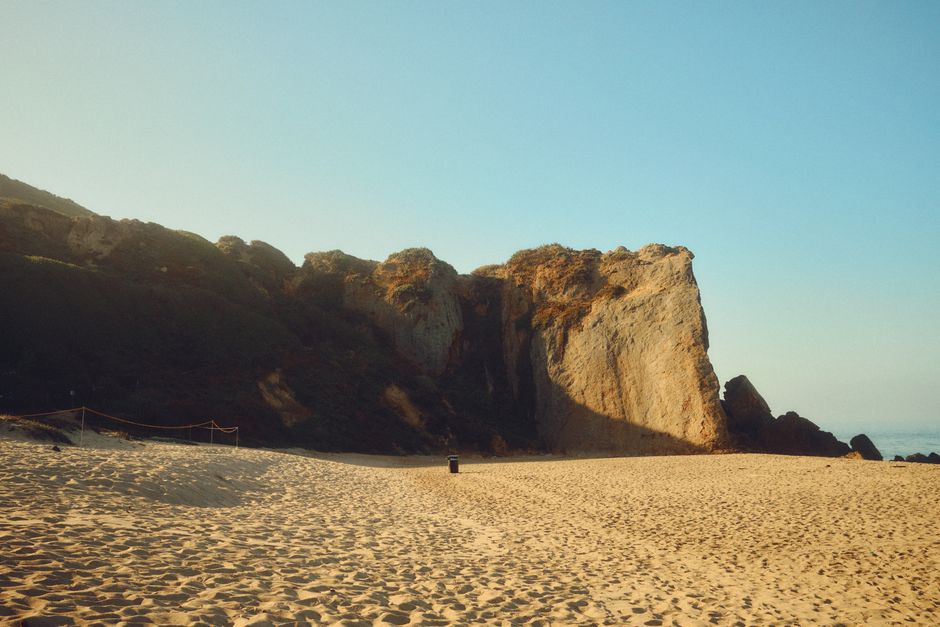
7. The Treacherous Edges of Point Dume
Malibu, USA
Beyond the popular beach, the raw, undeveloped cliffs and isolated trails of Point Dume present a beautiful but perilous landscape, especially after the sun dips below the horizon.
Point Dume, a dramatic promontory jutting into the Pacific, is famous for its stunning views and rock climbing. However, the undeveloped sections, particularly the narrow, eroding trails along the sheer cliff faces and the secluded coves below, become extremely dangerous after dark. With no artificial lighting and the risk of unexpected rockfalls or losing one's footing on unstable terrain, navigating these natural pathways becomes a serious hazard. The powerful ocean swells and isolated nature of the area also make it unwise to explore once twilight descends, transforming its stark beauty into a potential peril.
Frequently asked questions
Is it safe to walk around downtown Los Angeles at night?
Downtown LA, like many major city centers, has areas that are safer and more vibrant than others after dark. Popular entertainment districts like LA Live and parts of the Historic Core are generally well-lit and have more foot traffic. However, some adjacent areas can become quiet and less secure, so it's always wise to stay aware of your surroundings, stick to well-trafficked streets, and consider ride-sharing services for longer distances.
What are some safe neighborhoods to visit in LA after dark?
For evening outings, neighborhoods like West Hollywood (especially along Santa Monica Blvd and Sunset Blvd), Beverly Hills, Santa Monica (around the Pier and 3rd Street Promenade), and parts of Silver Lake and Los Feliz offer lively, well-lit environments with plenty of dining, shopping, and entertainment options. These areas typically have a consistent flow of people and are generally considered safe for evening strolls.
Are there any specific beaches in Los Angeles that are dangerous at night?
While most Los Angeles beaches are beautiful during the day, they generally become less safe after dark due to poor lighting, reduced visibility, and decreased foot traffic. Isolated stretches of beach or areas near unpatrolled parking lots can pose risks. It's generally advisable to avoid beaches after sunset, especially if you're unfamiliar with the area, and to never swim in the ocean at night.
How can AllTours.ai help me explore Los Angeles safely and informatively?
AllTours.ai enhances your exploration by providing rich, contextual audio narratives for any landmark or landscape you point your camera at. While this list highlights places best avoided after dark, our app is perfect for discovering the fascinating history, geology, and culture of countless other LA spots safely during the day. It turns your phone into an intelligent guide, revealing the stories behind what you see, allowing you to appreciate even the most intriguing locations without needing to venture into unsafe conditions.
Related guides
Photography via Pexels. AllTours.ai is an AI audio tour guide — point your camera at any landscape and hear its story.