September 22, 2026 · 4 min read
Marbella, with its golden beaches, vibrant nightlife, and luxurious amenities, is synonymous with vacation. But for athletes and those seeking a deeper connection, does living in a famous vacation city like Marbella provide a unique kind of motivation? Beyond the glitz, the region holds a wealth of fascinating, lesser-known places that offer a different kind of inspiration—a quiet, profound drive rooted in history, geology, and culture.
These are not the usual tourist hotspots, but rather the quiet corners where ancient stories whisper, geological wonders defy expectation, and human ingenuity leaves an indelible mark. Such discoveries can spark a renewed appreciation for the world around us, translating into a sharper focus and a deeper commitment to personal goals, whether on the track, in the water, or simply in daily life.
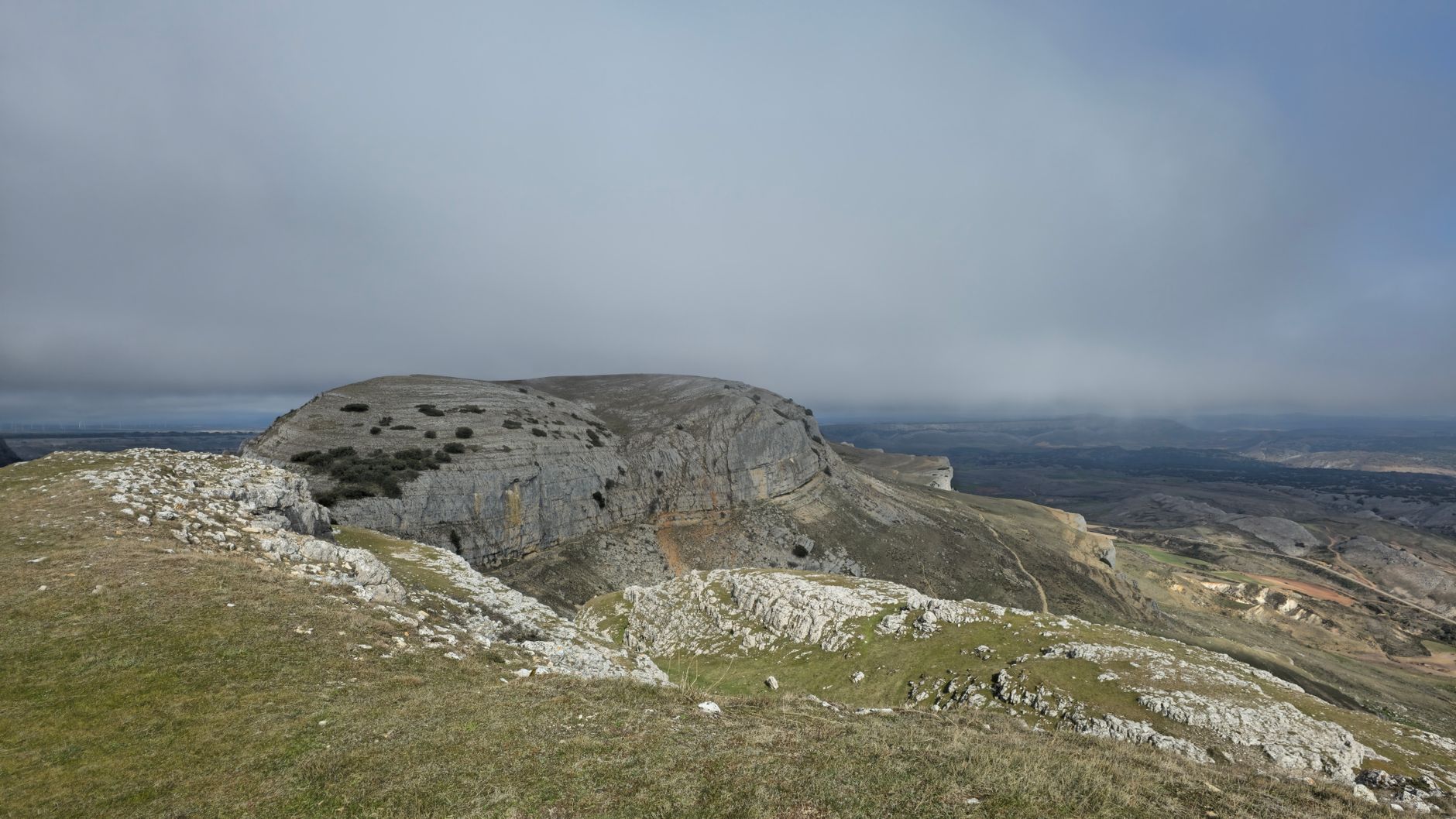
1. The Petrified Sea of El Torcal
El Torcal de Antequera, Spain
This surreal landscape was once an ancient seabed, pushed skyward and then intricately sculpted by millennia of erosion.
High above the Andalusian plains, El Torcal de Antequera presents a breathtaking karst landscape. What you see today are colossal limestone formations, remnants of a Jurassic sea floor over 150 million years ago, uplifted and then weathered into bizarre, stacked shapes. Walking among these natural sculptures feels like stepping onto another planet, a stark reminder of Earth's immense geological power and time.
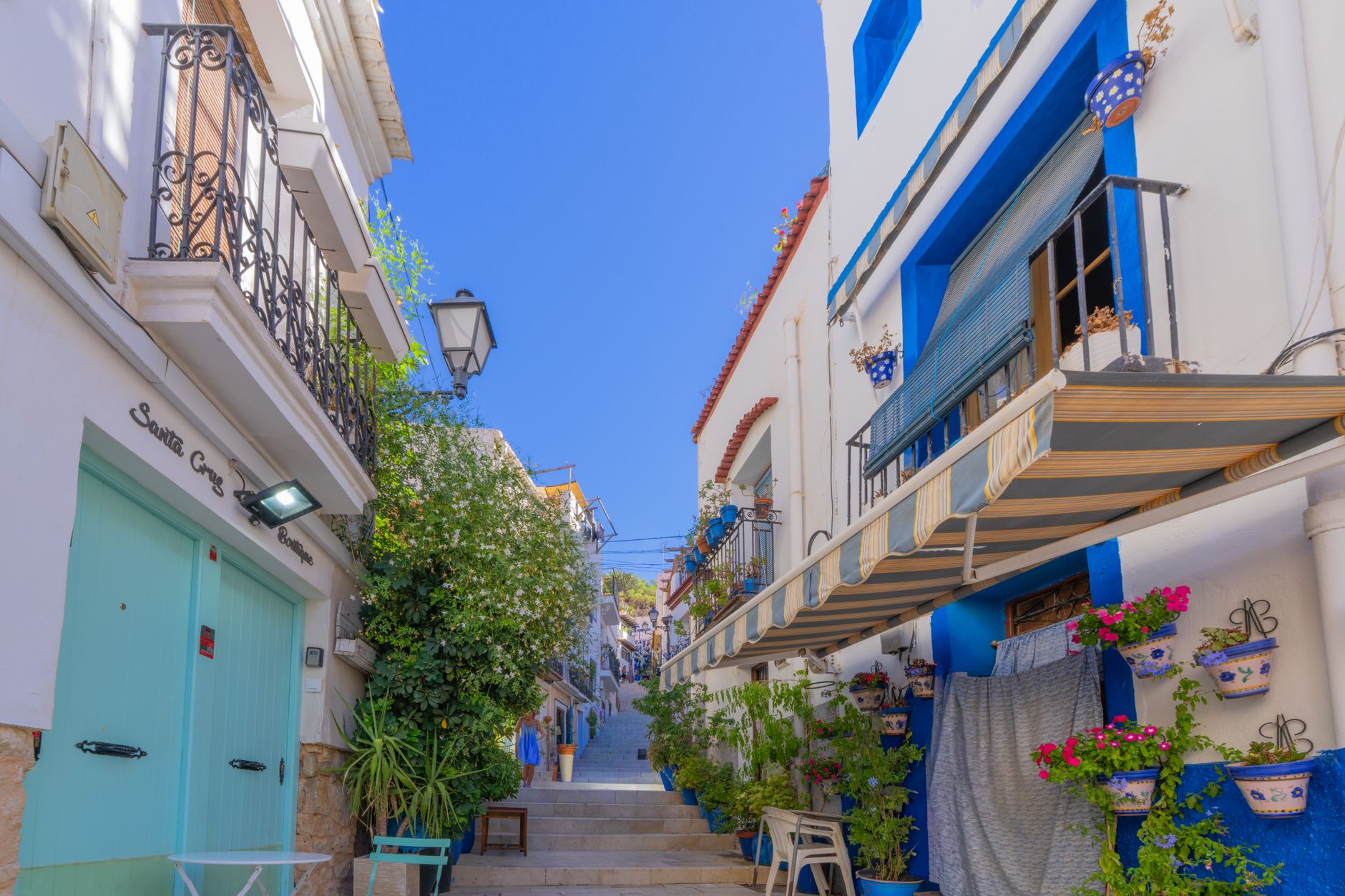
2. Júzcar, the Blue Village
Júzcar, Spain
This traditional 'white village' famously painted itself entirely blue, and chose to remain that way, after a movie promotion.
Nestled in the Genal Valley, Júzcar was once a typical 'pueblo blanco' until 2011, when Sony Pictures painted every building azure blue to promote the Smurfs movie. The village, initially agreeing to revert to white, saw such an unexpected boom in tourism that its residents voted to keep the vibrant hue. It's a whimsical tale of a community embracing a quirky modern identity while retaining its ancient roots.
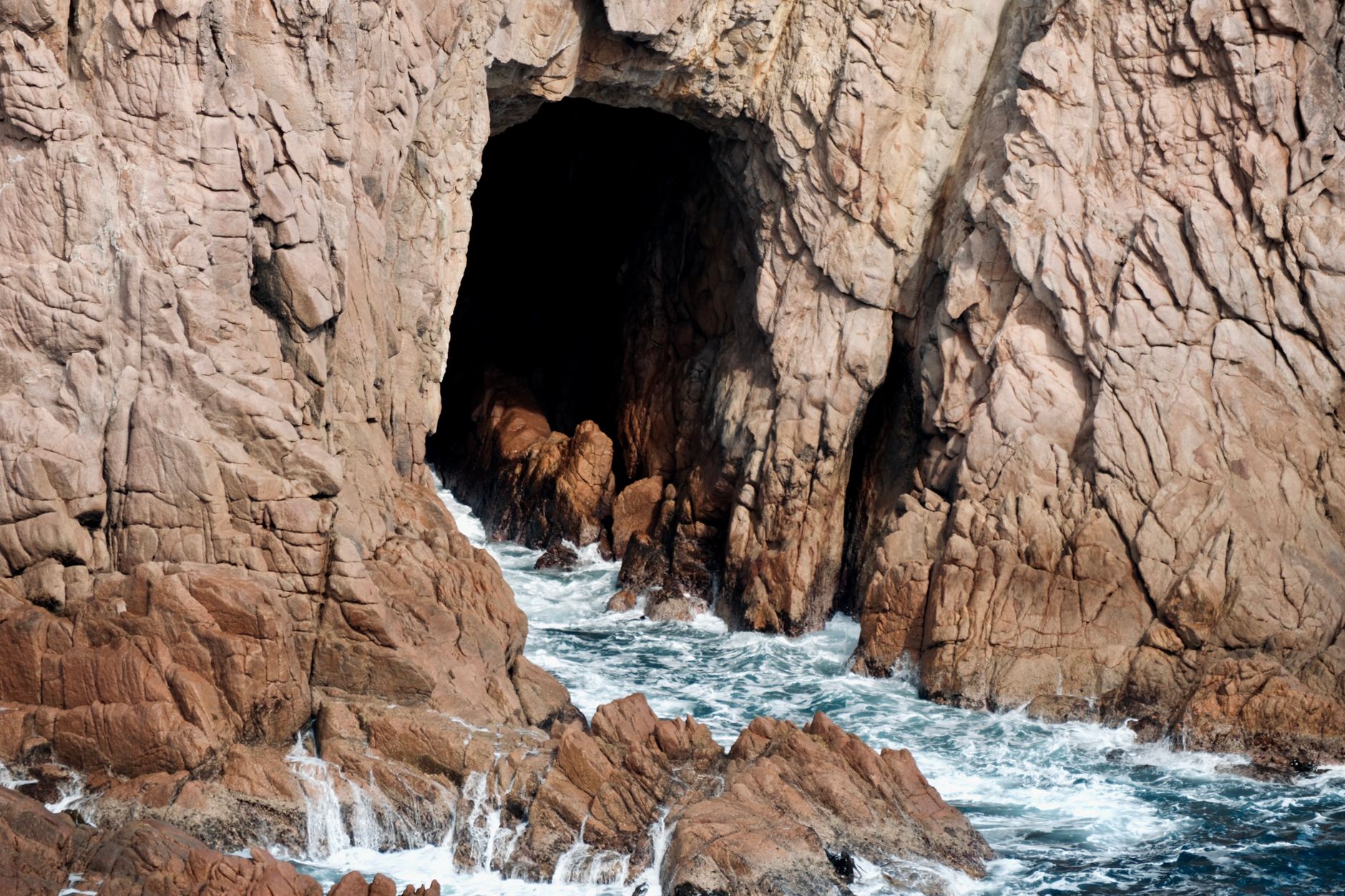
3. The World's Only Marine Cave in Europe
Cueva del Tesoro, Rincón de la Victoria, Spain
This isn't just any cave; it's one of only three known marine caves in the world, formed by the erosive power of sea currents.
The Cueva del Tesoro, or 'Cave of the Treasure', is a unique geological marvel located just east of Malaga. Unlike most caves formed by freshwater, this one was sculpted entirely by the waves and currents of the Mediterranean Sea millennia ago, when sea levels were much higher. Legend also claims it holds hidden Moorish treasure, adding a layer of mystery to its rare natural formation.
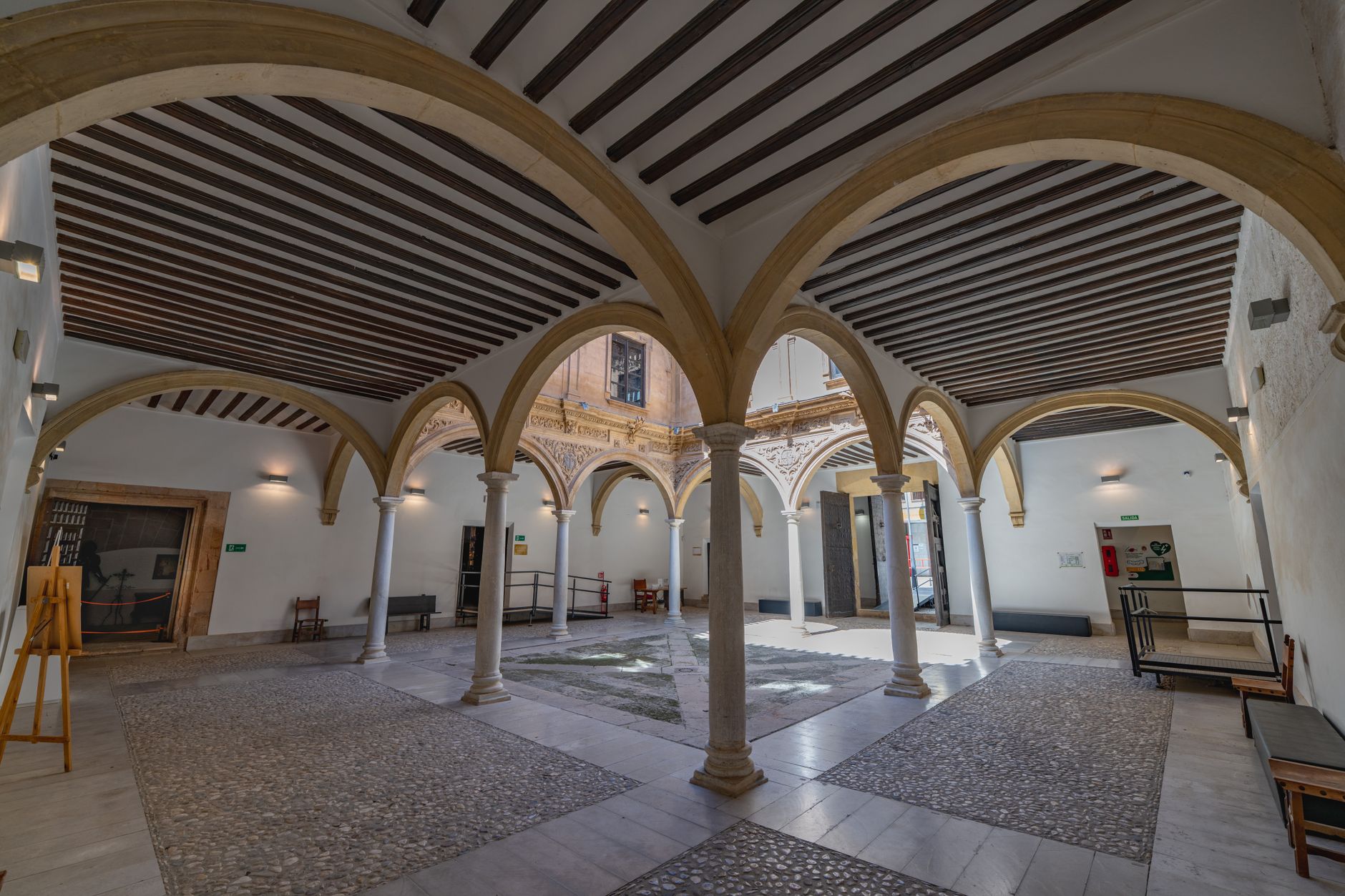
4. Ancient Sky-Aligned Tombs
Dolmens of Antequera, Spain
These colossal megalithic burial mounds were not just tombs, but ancient observatories aligned with the winter solstice sunrise and a towering natural peak.
The Dolmens of Antequera are a UNESCO World Heritage site featuring three awe-inspiring Neolithic and Bronze Age burial mounds: Menga, Viera, and El Romeral. What makes them truly special is their precise astronomical and geographical alignment. The Menga dolmen, in particular, is oriented towards the Peña de los Enamorados, a distinct mountain peak, aligning perfectly with the winter solstice sunrise, revealing sophisticated ancient knowledge.
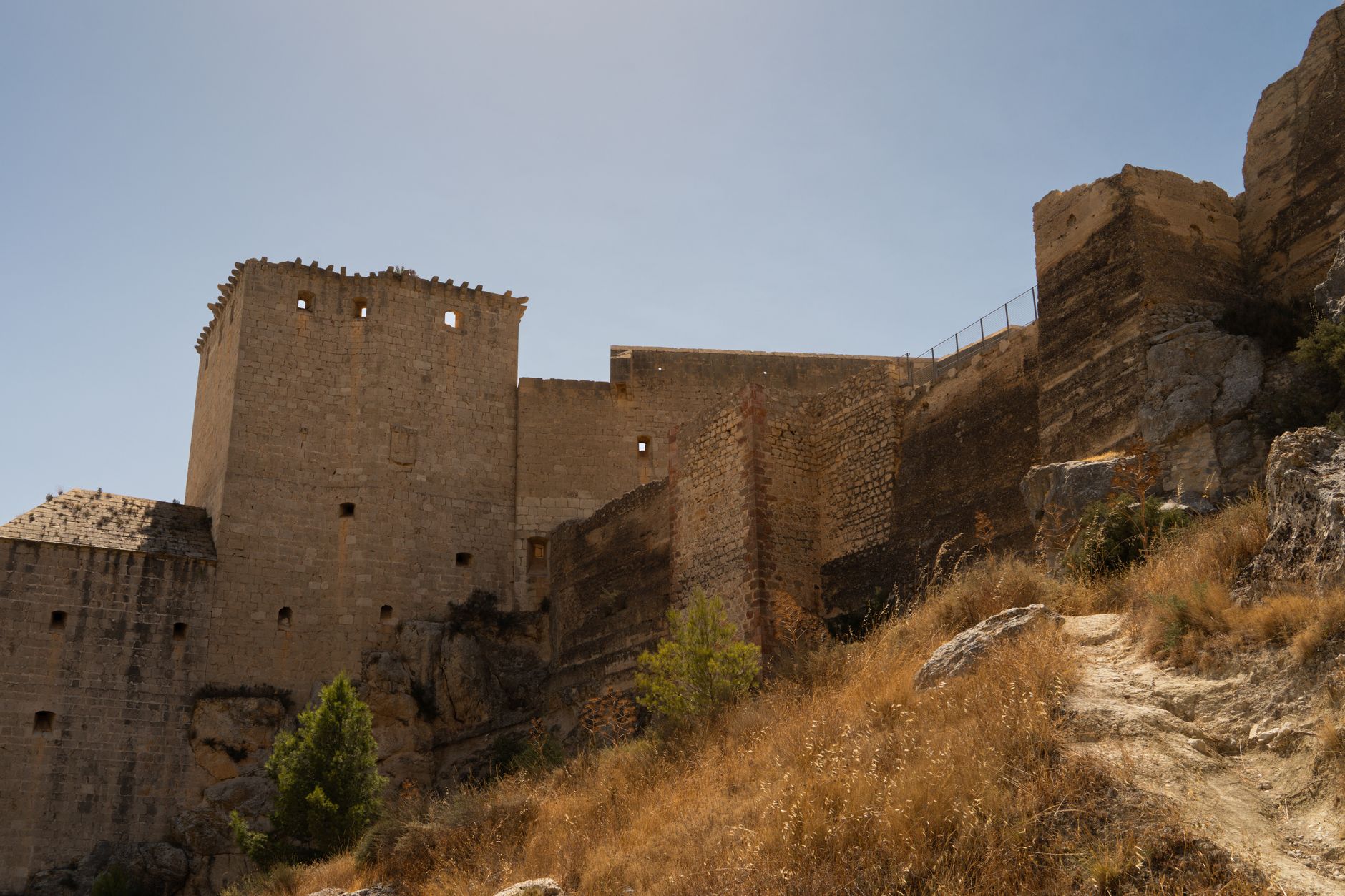
5. A Doctor's Fairytale Castle
Castillo de Colomares, Benalmádena, Spain
This fantastical castle isn't ancient, but a meticulously hand-built tribute to Christopher Columbus by a single doctor and two bricklayers.
The Castillo de Colomares is a remarkable, whimsical monument dedicated to the life and voyages of Christopher Columbus. Constructed between 1987 and 1994 by Dr. Esteban Martín and two bricklayers, it incorporates elements of Byzantine, Romanesque, Gothic, and Mudejar architecture. Every detail, from its tiny chapel (the smallest in the world) to its intricate carvings, tells a story of discovery and passion, built without heavy machinery.
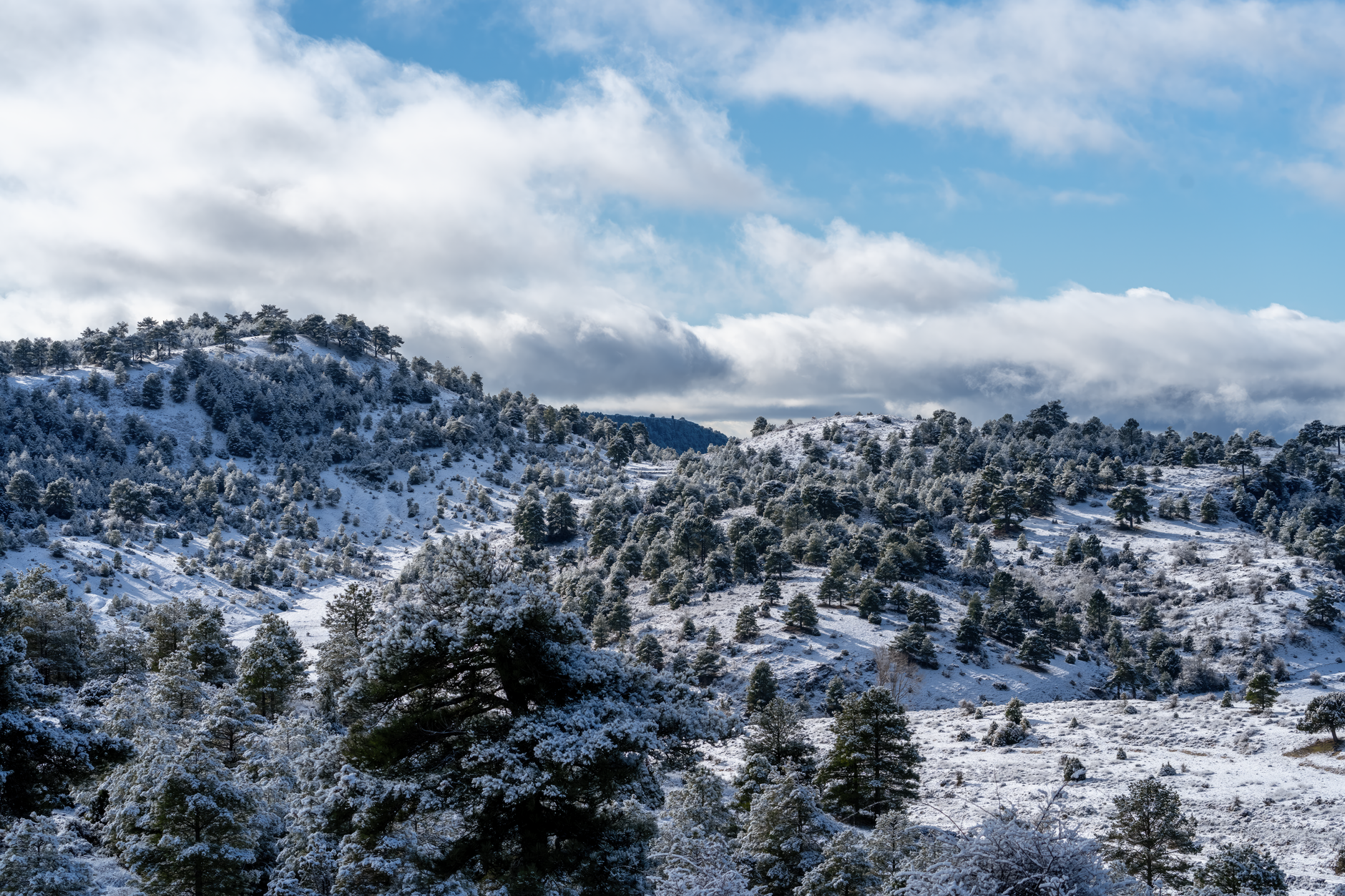
6. The Ice Age's Living Relic Forest
Sierra de las Nieves National Park, Spain
This rugged mountain range is home to the Pinsapo fir, a unique species of fir tree that is a living relic from the Ice Age, found almost exclusively here.
The Sierra de las Nieves, a UNESCO Biosphere Reserve and now a National Park, is a dramatic, limestone massif just inland from Marbella. Its most precious natural treasure is the Pinsapo fir (Abies pinsapo), a relict species that survived the last Ice Age and thrives in this specific microclimate. Hiking through these ancient, fragrant forests feels like stepping back in time, a testament to enduring natural resilience.
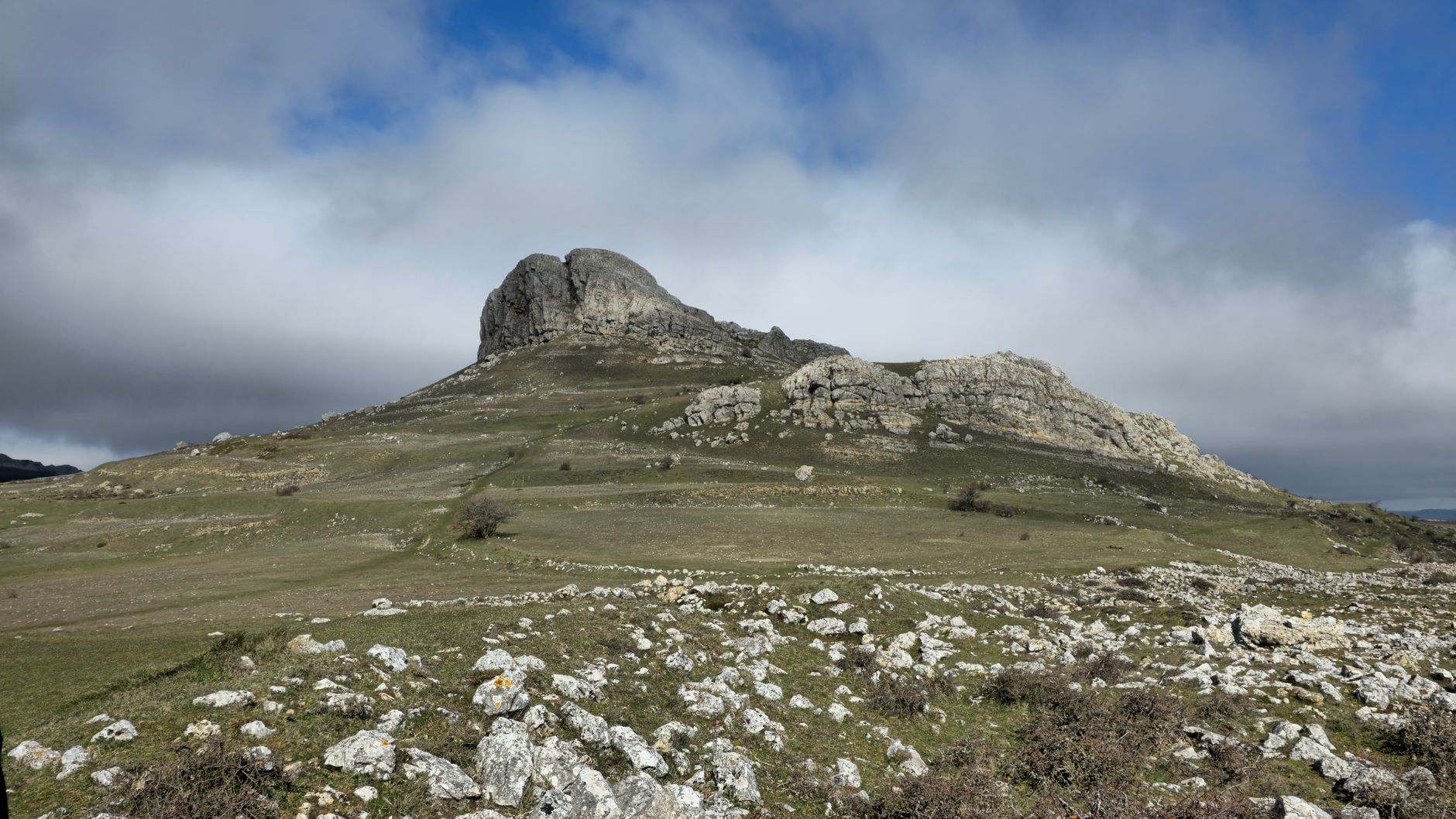
7. The King's Inauguration Throne
Embalse del Conde de Guadalhorce, Ardales, Spain
Overlooking a stunning reservoir, a grand stone chair, known as 'The King's Chair', was carved into the rock for a royal inauguration.
Near the famous Caminito del Rey, the Embalse del Conde de Guadalhorce is a vast and beautiful reservoir. On its eastern bank, overlooking the impressive dam, sits a unique monument: 'La Silla del Rey' (The King's Chair). This ceremonial seat, along with a table and two armchairs, was carved directly into the rock for King Alfonso XIII to preside over the dam's inauguration in 1921. It offers a majestic view and a tangible link to Spain's engineering history.
Frequently asked questions
Is Marbella a good place for sports and fitness?
Yes, Marbella offers an excellent environment for sports and fitness. Its mild climate allows for year-round outdoor activities like golf, tennis, cycling, and water sports. The scenic coastline and nearby mountains provide diverse training grounds for athletes of all levels.
What kind of unique natural sites can you find near Marbella?
Beyond its beaches, Marbella is close to several unique natural wonders. These include the geological formations of El Torcal de Antequera, the ancient Pinsapo fir forests of the Sierra de las Nieves National Park, and the rare marine cave system of Cueva del Tesoro.
Are there historical sites near Marbella that are less commonly visited?
Absolutely. While many visit Ronda's bridge, less-known historical sites include the prehistoric Dolmens of Antequera, offering insight into Neolithic cultures, and the whimsical, modern Castillo de Colomares, a unique tribute to Christopher Columbus.
How does the AllTours.ai app enhance travel to these locations?
The AllTours.ai app transforms your exploration by providing instant audio narratives. Simply point your phone camera at a landmark or landscape, and the app narrates its history, geology, and culture in your language, bringing even the most obscure spots to life with vivid, accurate stories.
Related guides
Photography via Pexels. AllTours.ai is an AI audio tour guide — point your camera at any landscape and hear its story.