September 8, 2026 · 4 min read
Americans and Canadians often see each other through a lens of friendly rivalry, punctuated by stereotypes. From hockey to politeness, assumptions about our northern and southern neighbors are plentiful. But beneath the surface of these familiar caricatures lies a rich tapestry of shared history, surprising geographical quirks, and cultural blends that defy easy categorization.
This post delves into some lesser-known places and stories that challenge what both Americans and Canadians think they know about each other's cultures. Prepare to discover unexpected connections, unique regional identities, and parts of North America that might just make you rethink the lines on the map.
1. The French-Speaking US Town That Isn't New Orleans
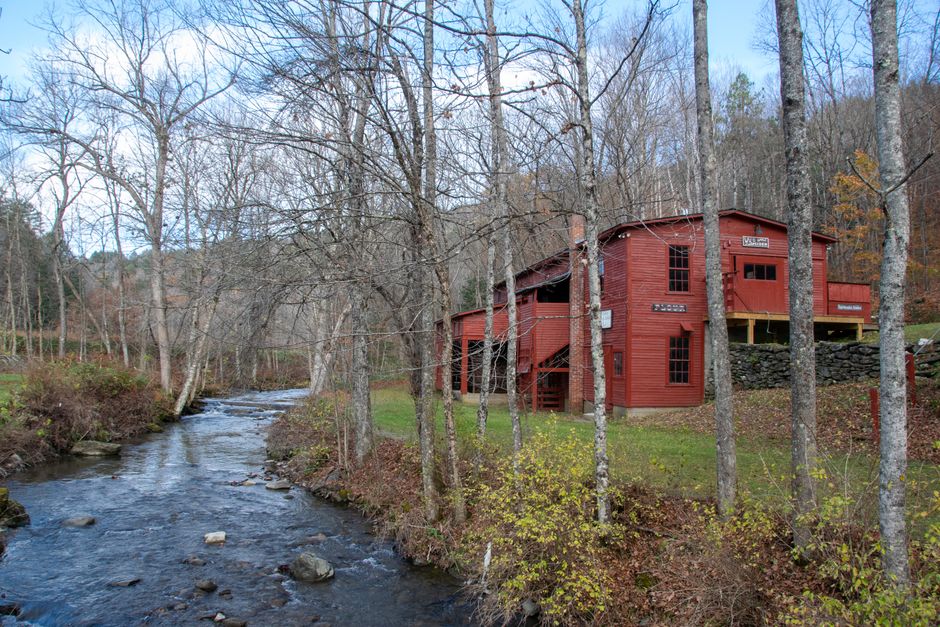
Winooski, Vermont, USA
Many assume French North American culture stops at Quebec's border, but this Vermont city once had a vibrant French-Canadian identity, still echoed in its architecture and family names.
During the 19th and early 20th centuries, waves of French-Canadian immigrants came south to work in New England's mills. Winooski, a small city near Burlington, became a significant hub, with French often heard on its streets and in its churches. This history reveals a deeper cultural migration that blurred the US-Canada line, challenging assumptions about where 'French America' truly ends and showcasing a shared past often overlooked.
2. Canada's Unexpected Desert Oasis
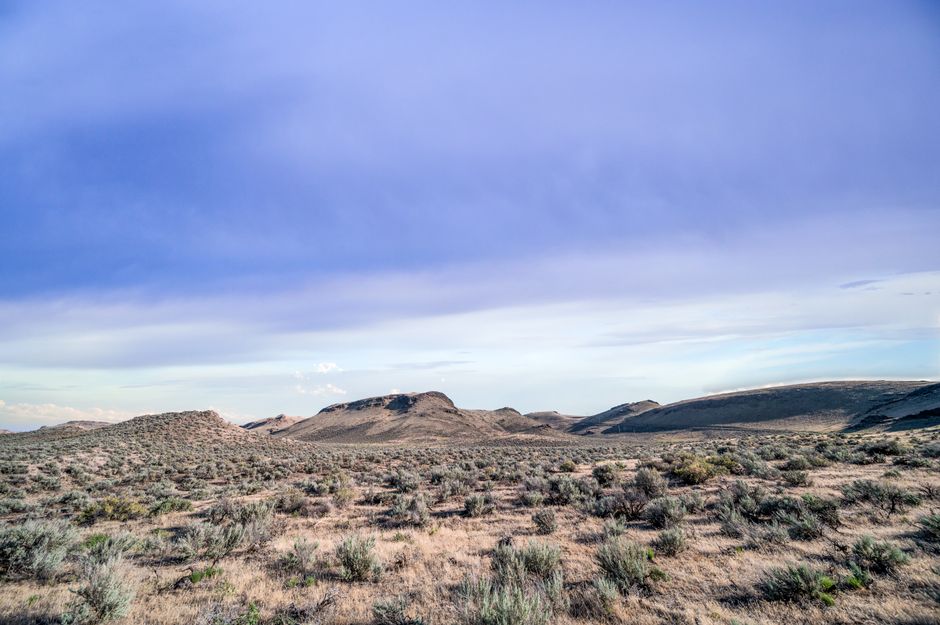
Osoyoos, British Columbia, Canada
Most picture Canada as vast forests and tundra, but the Okanagan Valley harbors a unique desert ecosystem, complete with cacti and rattlesnakes, a stark contrast to common perceptions.
Osoyoos sits in Canada's only true desert, part of the northernmost reach of the Great Basin Desert. The climate is arid, with scorching summers and sparse rainfall, creating an environment that feels more like the American Southwest than typical Canadian landscapes. This region, home to the Osoyoos Indian Band, cultivates grapes and fruits in surprising abundance, defying the northern stereotype of a uniformly cold and forested nation.
3. The Library That Straddles a Nation
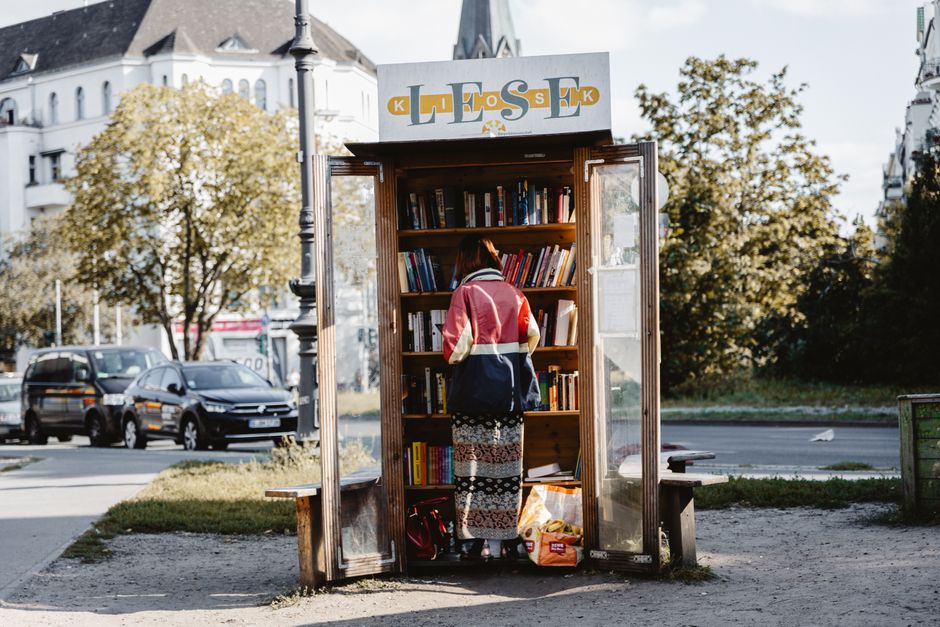
Stanstead, Quebec, Canada / Derby Line, Vermont, USA
Imagine a library where the books are in one country and the stage in another, a living testament to the seamless, often quirky, relationship between two nations.
The Haskell Free Library and Opera House literally straddles the Canada-US border, with its entrance and most of the books in Derby Line, Vermont, and the opera stage entirely within Stanstead, Quebec. Built in 1904, it was intentionally placed to serve both communities. Patrons can freely cross the international line inside the building, a unique architectural and cultural oddity that symbolizes the deep, often informal, connections between border towns.
4. America's War of 1812 Naval Base
Sackets Harbor, New York, USA
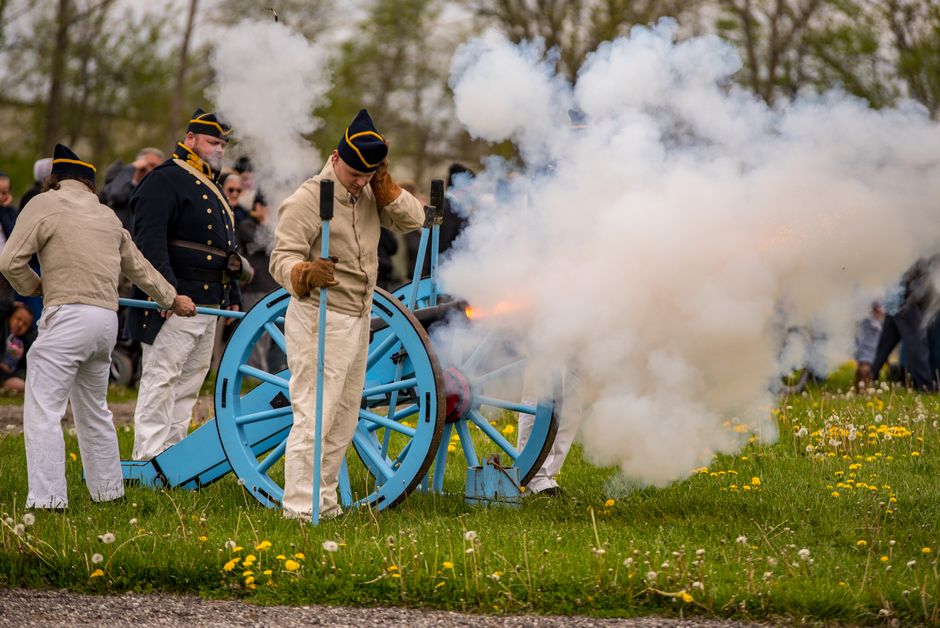
While Canadians often learn about the War of 1812 as a defense against American invasion, Sackets Harbor, New York, was a crucial American naval base that shaped the conflict on the Great Lakes, a perspective less known south of the border.
Sackets Harbor, on Lake Ontario, served as the primary American naval shipyard and base during the War of 1812. Here, American forces built and launched warships that challenged British control of the Great Lakes, directly impacting land battles in Upper Canada. This site offers a vivid glimpse into the American strategic efforts and sacrifices during a war Canadians often view primarily through their own defensive narrative, highlighting differing national histories of shared events.
5. Canada's 'Wild West' that Precedes America's
Fort Walsh National Historic Site, Saskatchewan, Canada
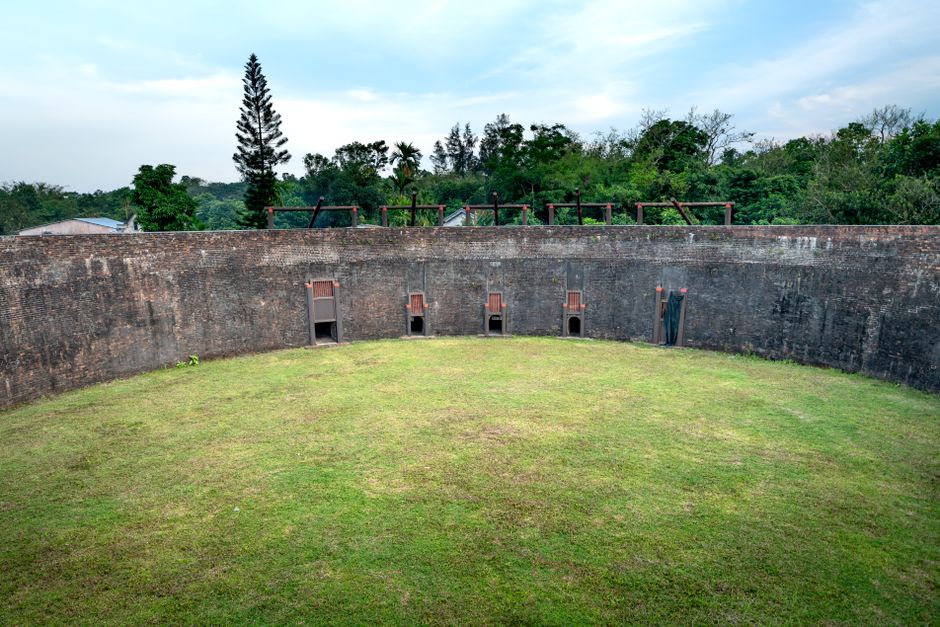
Before the American Wild West fully formed, Canada had its own frontier — one shaped not by gunslingers and vigilantes, but by the Mounties establishing law and order with surprising speed.
Fort Walsh, established in 1875, was a critical outpost for the newly formed North-West Mounted Police (predecessor to the RCMP) in Canada's Cypress Hills. Their mission was to assert Canadian sovereignty, control the whiskey trade, and prepare for the influx of settlers, all often without the bloody conflicts seen south of the border. This site tells a distinct story of frontier settlement, emphasizing negotiation and the early establishment of rule of law, rather than chaotic gunfights.
6. America's 'Canadian' Hockey Mecca
Eveleth, Minnesota, USA
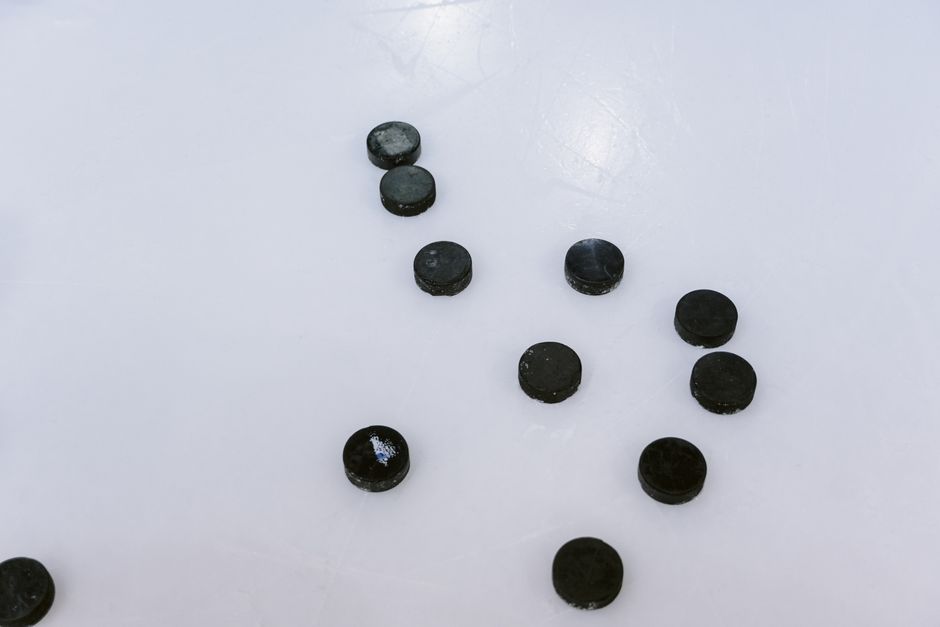
Many assume hockey is solely Canada's game, but Eveleth, Minnesota, houses the US Hockey Hall of Fame, celebrating America's deep and often overlooked roots in the sport, particularly in border states.
Eveleth, a small mining town on Minnesota's Iron Range, is often called the 'Hockey Capital of the US.' Its deep connection to the sport predates many professional leagues, rooted in working-class communities and frozen ponds. The US Hockey Hall of Fame, located here, tells the story of American players, coaches, and teams who have shaped the game, challenging the perception that hockey talent and passion are exclusively Canadian.
7. The Town That Blends American and Canadian English
Windsor, Ontario, Canada
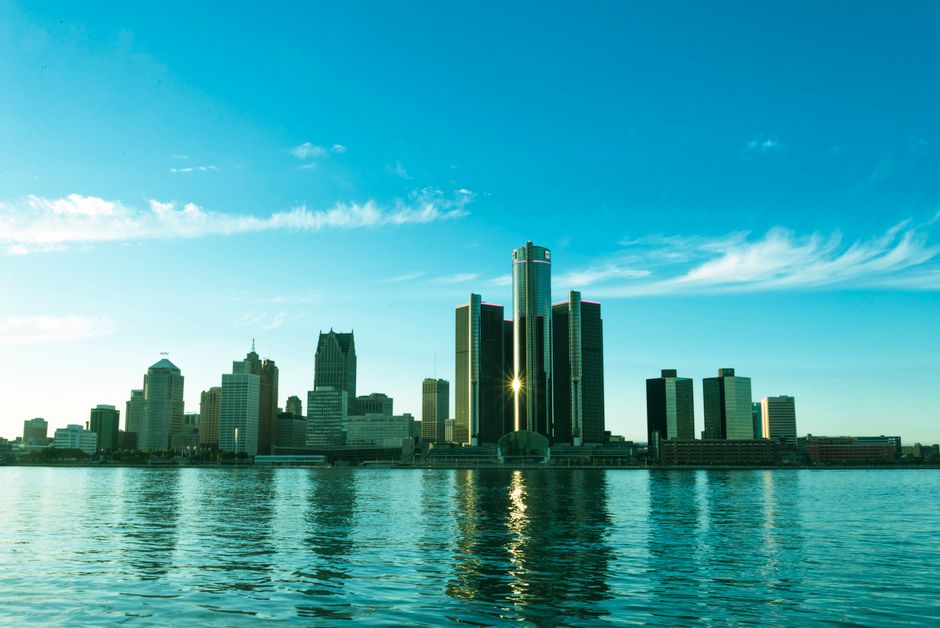
While Canadians and Americans often distinguish their accents, Windsor, Ontario, directly across from Detroit, has a unique linguistic blend that blurs the lines of national speech.
Windsor, situated just across the Detroit River, is so geographically intertwined with its American neighbor that its local dialect has absorbed noticeable influences from both sides of the border. Unlike many Canadian cities, which retain more distinct Canadian vowel shifts, Windsorites often exhibit a mix of American and Canadian speech patterns. This linguistic convergence highlights how proximity, trade, and media exposure can subtly reshape cultural identity, making it a fascinating blend rather than a clear distinction.
8. The Lake with a Shared Monster
Lake Champlain, Vermont/New York, USA and Quebec, Canada
Forget Loch Ness, North America has its own legendary lake monster, 'Champy,' whose home spans an international border, a shared mystery for both Americans and Canadians.
Lake Champlain, a vast freshwater lake, stretches from New York and Vermont into Quebec. For centuries, tales have persisted of 'Champy,' a large, serpent-like creature inhabiting its depths. Sightings date back to Indigenous legends and have continued into modern times, captivating both American and Canadian imaginations. This shared folklore creature represents a common cultural thread and a mysterious natural wonder that transcends national lines, connecting people through shared curiosity.
Frequently asked questions
Is there really a desert in Canada?
Yes, Canada has one true desert region located in the Okanagan Valley of British Columbia, specifically around Osoyoos. This unique ecosystem features arid conditions, cacti, and rattlesnakes, challenging the common perception of Canada's climate.
What is the Haskell Free Library and Opera House?
The Haskell Free Library and Opera House is a historic building that intentionally straddles the US-Canada border between Derby Line, Vermont, and Stanstead, Quebec. It serves both communities, with its entrance in the US and its opera stage in Canada, allowing patrons to cross the international line freely inside.
Did Canada have a 'Wild West' like the United States?
Canada had its own unique frontier experience, often called its 'Wild West,' centered around places like Fort Walsh in Saskatchewan. Unlike the American narrative of gun-slinging lawlessness, the Canadian frontier was largely characterized by the early establishment of law and order by the North-West Mounted Police.
How does AllTours.ai help me explore these places?
AllTours.ai is an AI audio tour guide app that narrates the history, geology, and culture of any landscape or landmark. Simply point your phone camera at a site, and the app will provide detailed, engaging audio stories in your language, bringing these fascinating misconceptions and hidden gems to life.
Related guides
Photography via Pexels. AllTours.ai is an AI audio tour guide — point your camera at any landscape and hear its story.