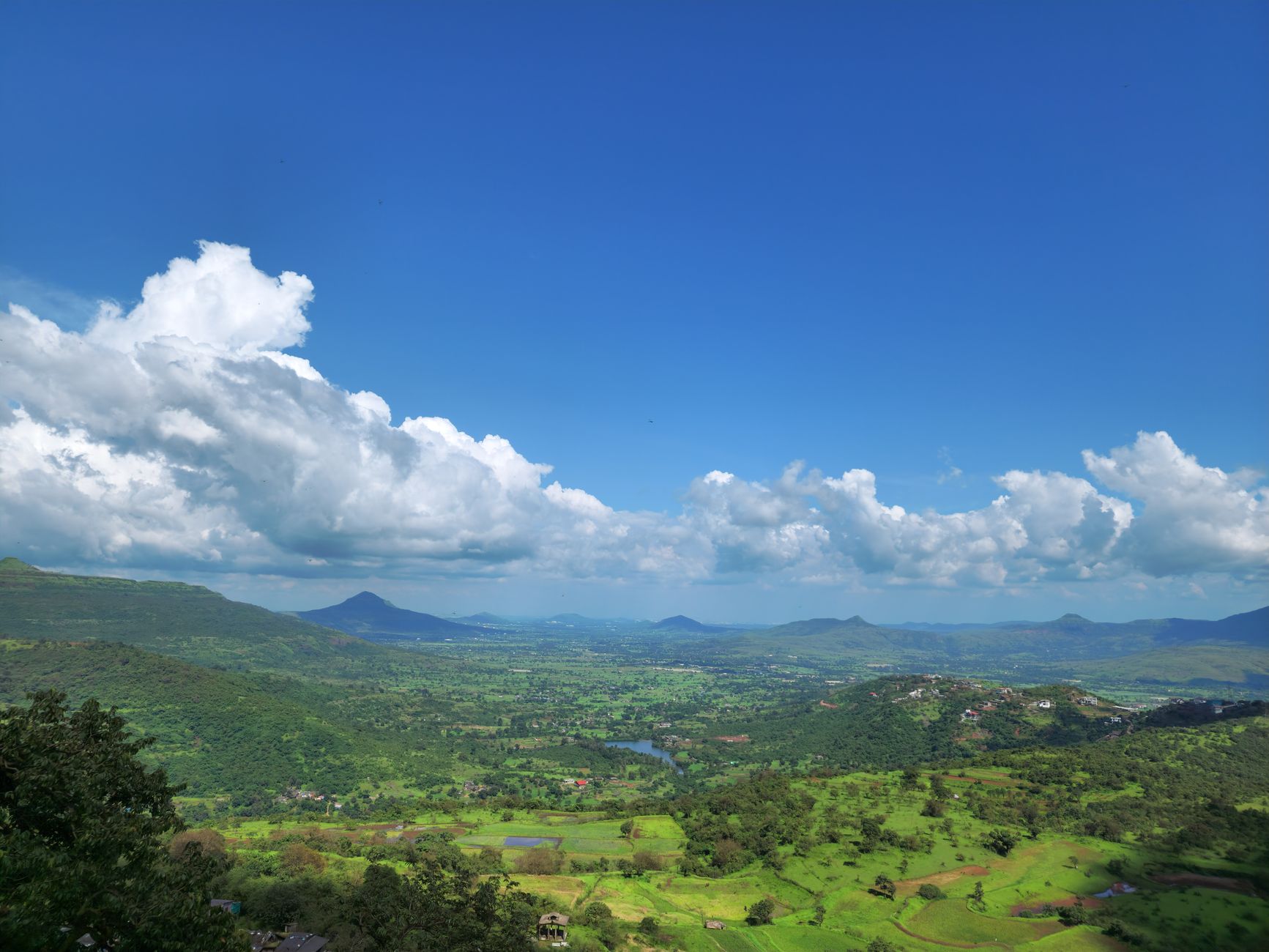
September 21, 2026 · 4 min read
The quest for the 'perfect climate' is a deeply personal one, yet universally understood. We all seek those sweet spots where the air is just right, the sun is generous without being overwhelming, and the conditions invite endless exploration. While some destinations are famous for their perpetual sunshine or mild temperatures, many of the world's truly pleasant climates lie in less-traveled corners, waiting to be discovered.
Beyond the well-worn tourist paths, you'll find cities where the weather isn't just agreeable, but actively shapes a unique culture, history, or geological marvel. These are the places where comfortable temperatures meet captivating stories, offering more than just a comfortable stay – they offer a genuine sense of wonder and a deeper connection to the world around you. Join us as we uncover some of these underrated gems.

1. The White City's Volcanic Embrace
Arequipa, Peru
Arequipa is almost entirely built from pearly white volcanic stone, giving it a luminous glow under constant blue skies.
Nestled in the Andes at 7,600 feet, Arequipa boasts an astonishing 300 days of sunshine a year, with mild temperatures that rarely dip below 50°F or climb above 75°F. This "City of Eternal Spring" is flanked by three majestic volcanoes, whose white sillar stone was quarried to construct its stunning colonial architecture. The high altitude ensures crisp, dry air and a refreshing coolness after sunset, a welcome contrast to the often humid tropics.
2. Island Trails and Ancient Waterways
Funchal, Madeira, Portugal
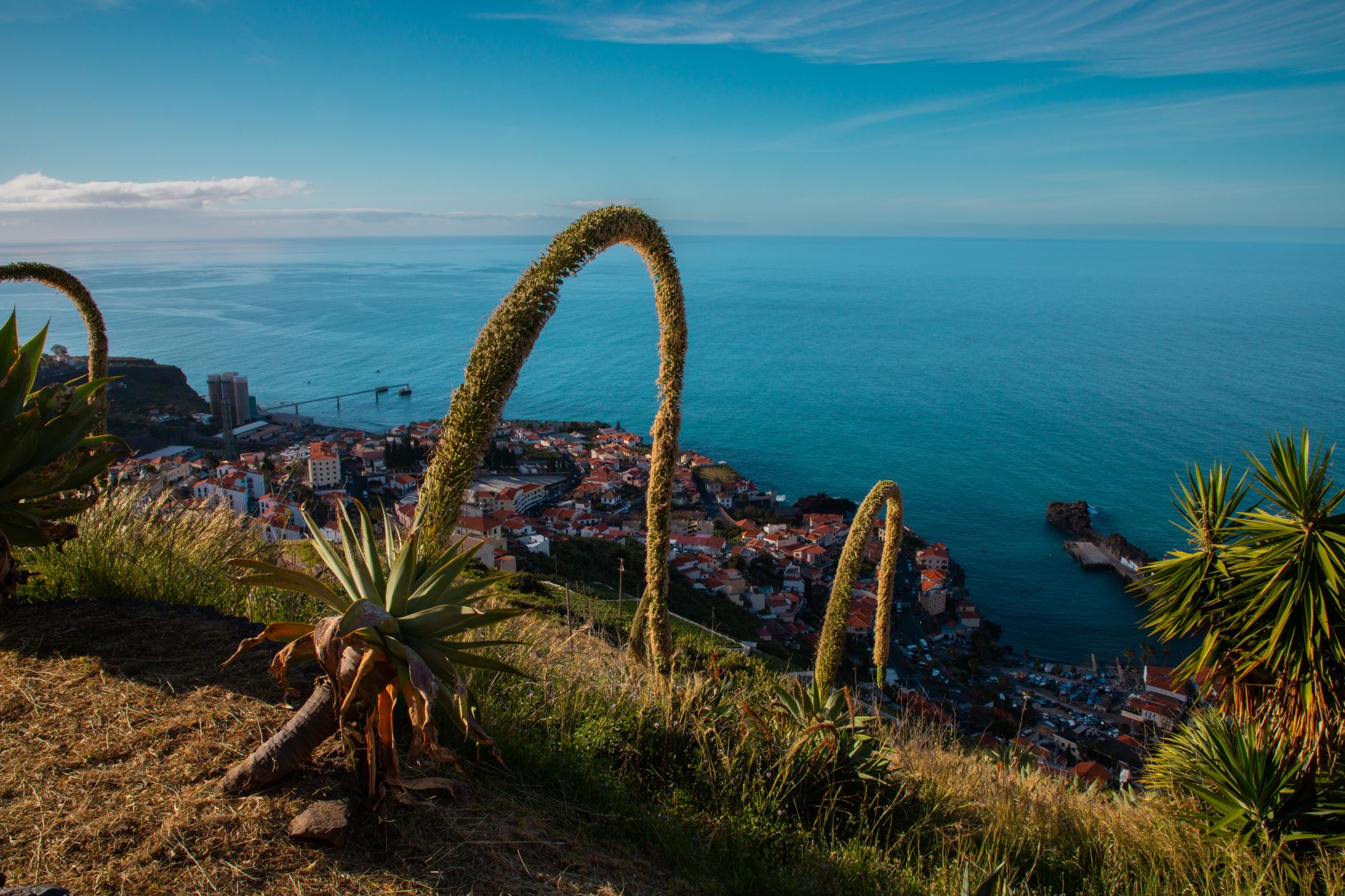
Madeira's unique "levadas" are ancient, intricate irrigation channels that now double as stunning hiking trails through lush landscapes.
Funchal, the capital of Madeira, enjoys a subtropical climate with comfortable temperatures year-round, typically hovering between 60°F and 75°F. This Portuguese island is famous for its "levadas," a network of over 1,350 miles of narrow water canals built from the 15th century to distribute water from the wetter north to the sunnier south. Walking these paths, often carved into cliffsides, offers breathtaking views and a consistent, pleasant breeze, making outdoor exploration a daily delight.
3. Highland Spring in Chiapas
San Cristóbal de las Casas, Mexico
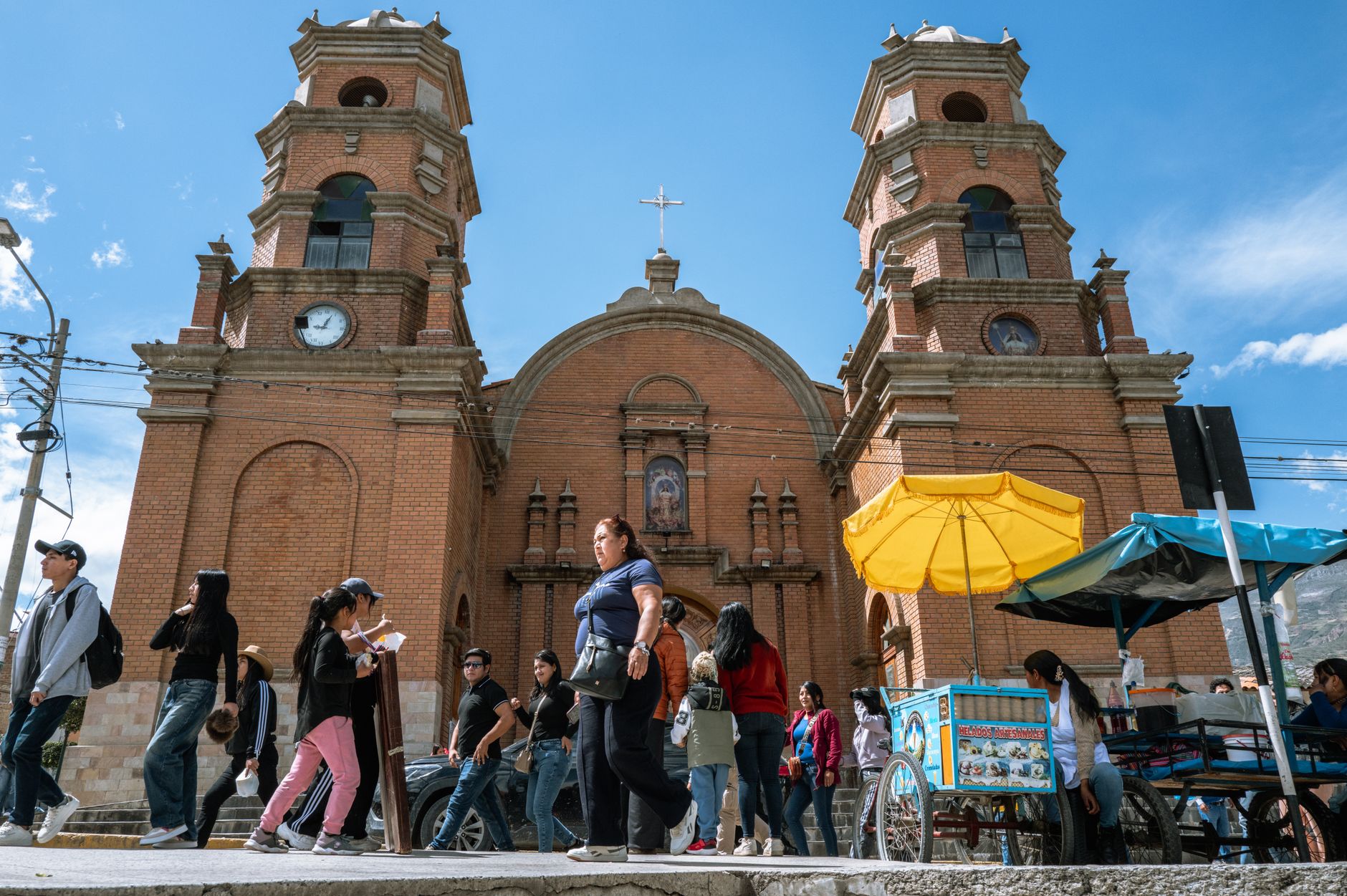
This vibrant Chiapas city maintains a perpetually cool, spring-like climate thanks to its high-altitude setting amidst mist-shrouded mountains.
Perched at over 7,000 feet in the highlands of Chiapas, San Cristóbal de las Casas offers a refreshing escape from Mexico's typical heat. Its climate is often described as "eternal spring," with average temperatures staying comfortably in the 60s°F and cool evenings. This consistent mildness fosters a rich blend of indigenous cultures, historic churches, and bustling markets, all thriving under clear mountain air. The occasional afternoon mist adds a mystical charm to its colonial streets.
4. Vietnam's Alpine Retreat
Dalat, Vietnam
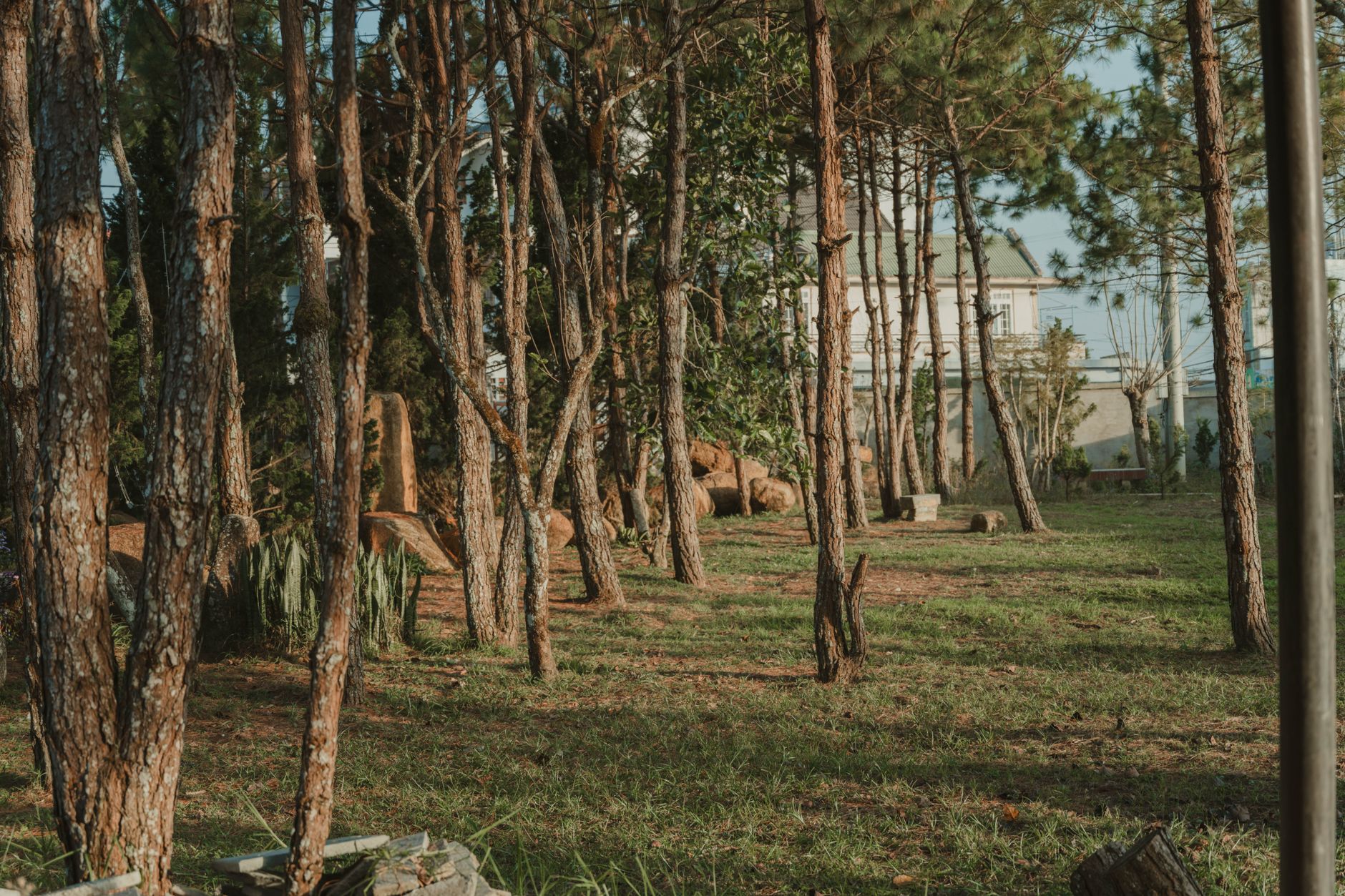
Dalat was established as a French colonial hill station to escape Vietnam's tropical heat, earning it the nickname "City of Eternal Spring."
Tucked away in the Central Highlands at an elevation of 4,900 feet, Dalat offers a strikingly different climate from the rest of tropical Vietnam. Its cool, temperate weather, with averages in the low 70s°F, made it a favored retreat for the French. This unique microclimate supports pine forests, flower gardens, and strawberry farms, creating a landscape reminiscent of the European Alps. The crisp mountain air and often misty mornings provide a refreshing contrast to the humid lowlands.
5. Limestone Peaks and White Coffee Brews
Ipoh, Malaysia
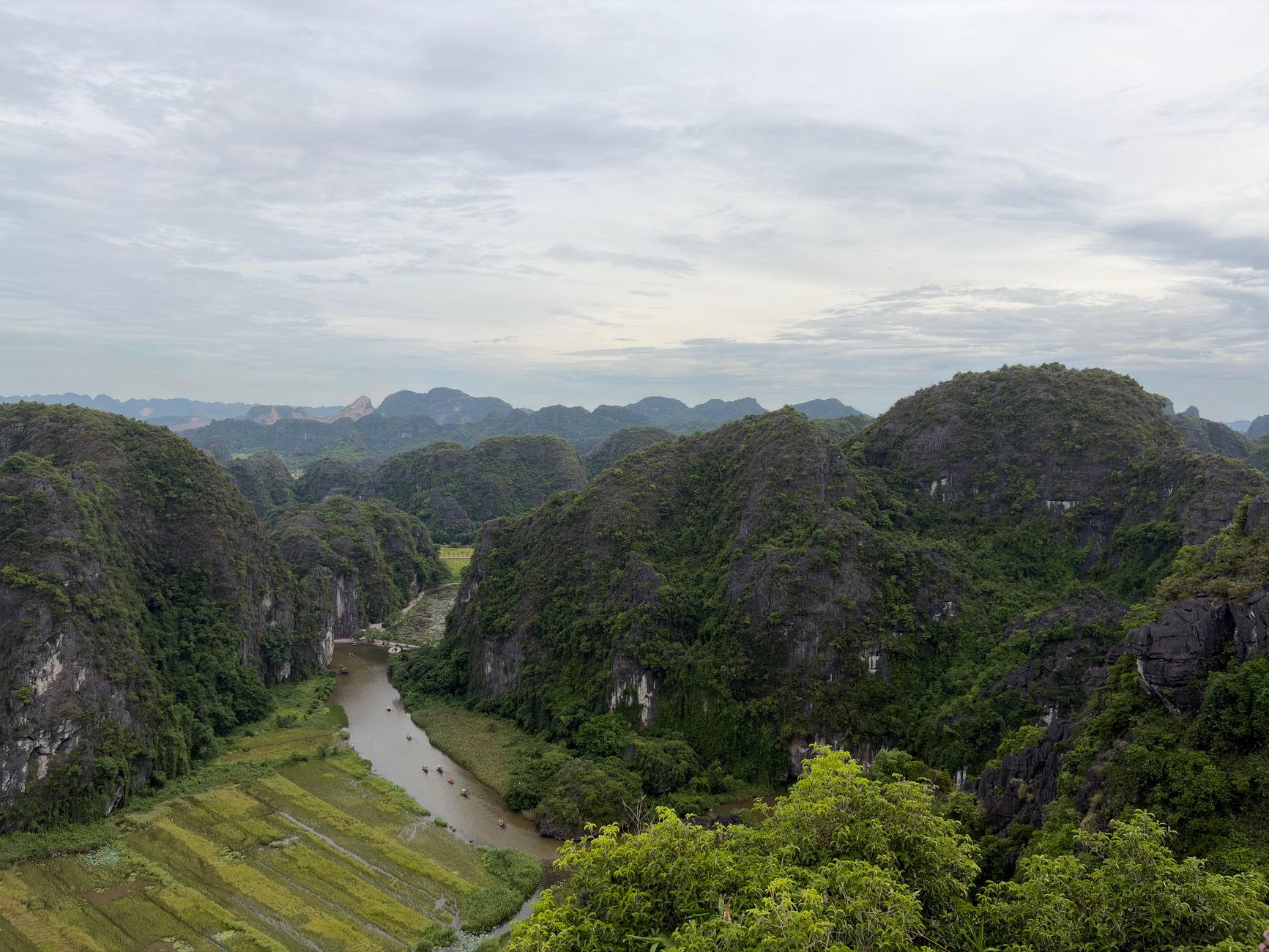
Ipoh's unique microclimate, tempered by surrounding limestone hills and morning mists, offers a surprisingly pleasant respite from Malaysia's tropical humidity.
While Malaysia is known for its tropical heat, Ipoh often surprises visitors with its relatively cooler and less humid conditions, especially in the mornings. This phenomenon is attributed to the towering limestone karst formations that encircle the city, creating natural airflows and trapping morning mists that gently cool the atmosphere. Famous for its "white coffee" and vibrant street art, Ipoh invites leisurely exploration in a climate that feels less oppressive than typical equatorial cities.
6. Aegean Breezes and Ancient Fortresses
Nafplio, Greece
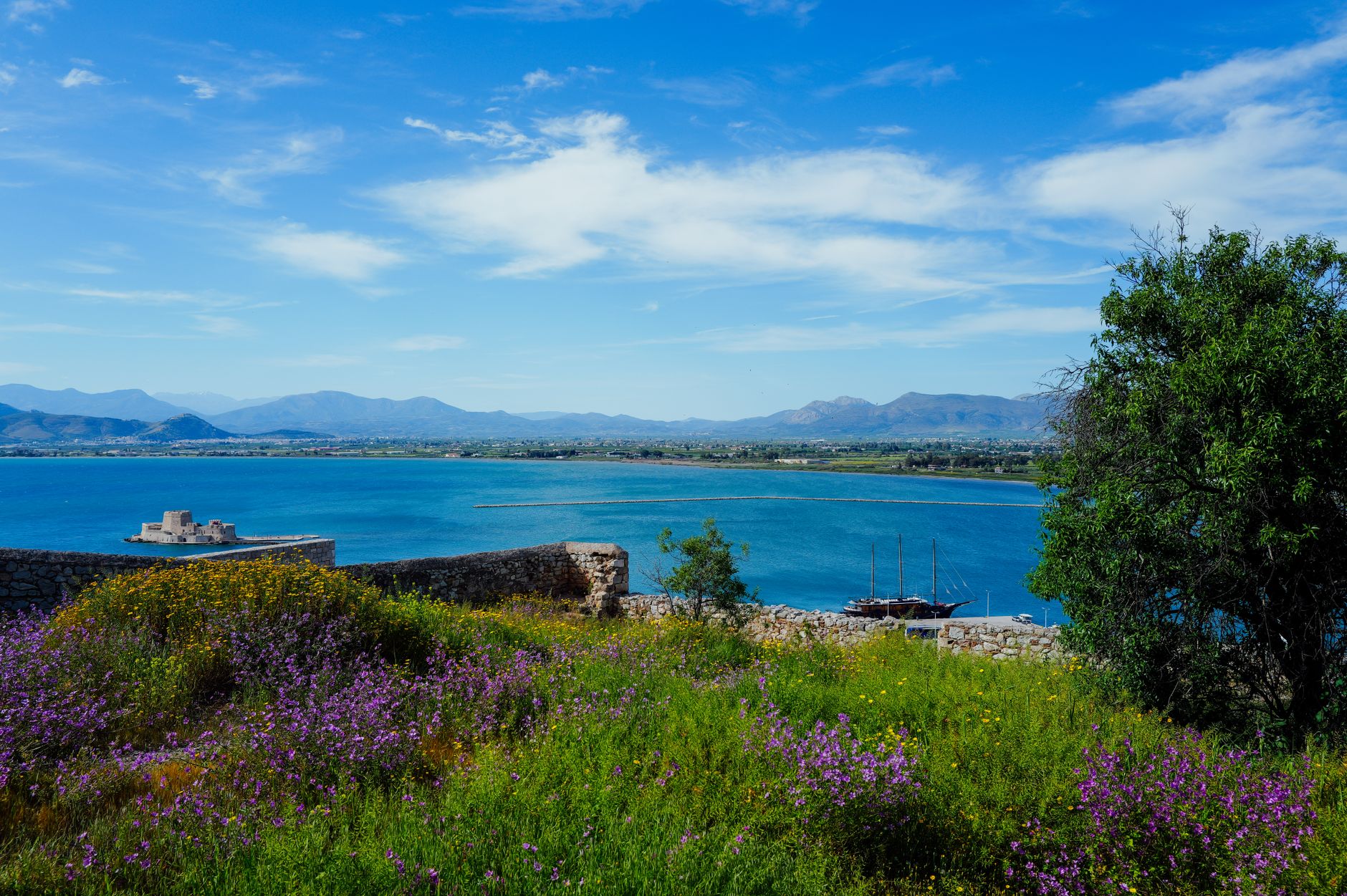
Nafplio, the first capital of modern Greece, boasts a stunning harbor and enjoys refreshing breezes from the Argolic Gulf, tempering its Mediterranean warmth.
This picturesque Peloponnesian city sits on a small peninsula, crowned by the Venetian Palamidi Fortress and overlooking the sparkling Aegean Sea. Its Mediterranean climate is consistently pleasant, with average summer temperatures kept comfortable by the gentle sea breezes. Unlike more inland Greek cities, Nafplio offers relief from intense heat, making its charming old town, neoclassical architecture, and three distinct castles (Palamidi, Akronafplia, Bourtzi) a joy to explore any time of year.
7. Tidal Streets and Colonial Charms
Paraty, Brazil
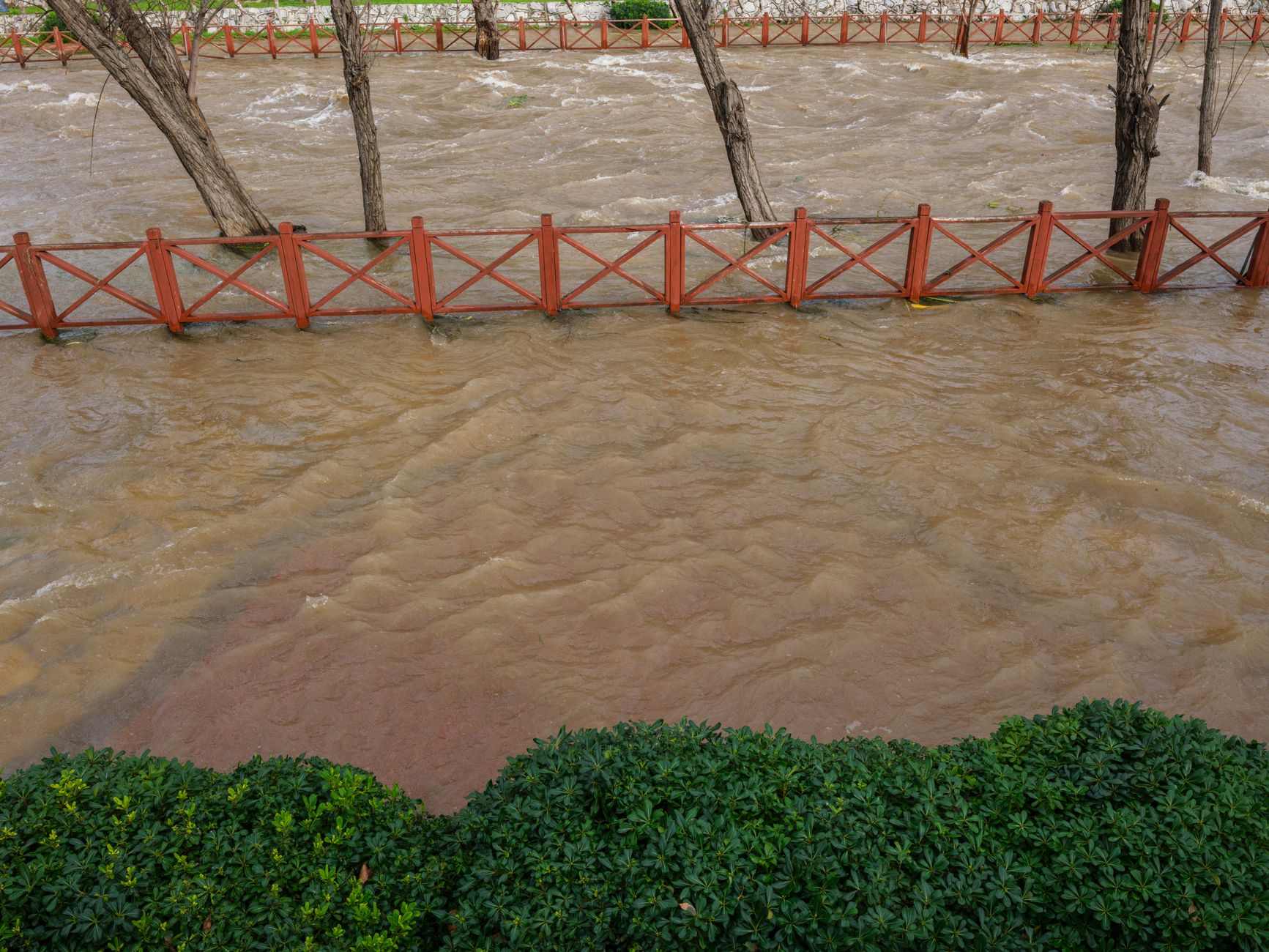
In Paraty's historic center, the cobblestone streets famously flood at high tide, creating a mesmerizing reflective surface and a unique urban experience.
Located on Brazil's "Green Coast," Paraty enjoys a tropical climate that is beautifully moderated by coastal breezes and lush surrounding mountains. The air is warm but typically less stifling than major urban centers, making it ideal for exploring its preserved colonial architecture. The most captivating aspect is how the sea reclaims parts of the city twice a day, turning streets into temporary canals and reflecting the colorful buildings – a living testament to its unique relationship with the tides.
8. Volcano Views and Enduring Ruins
Antigua, Guatemala
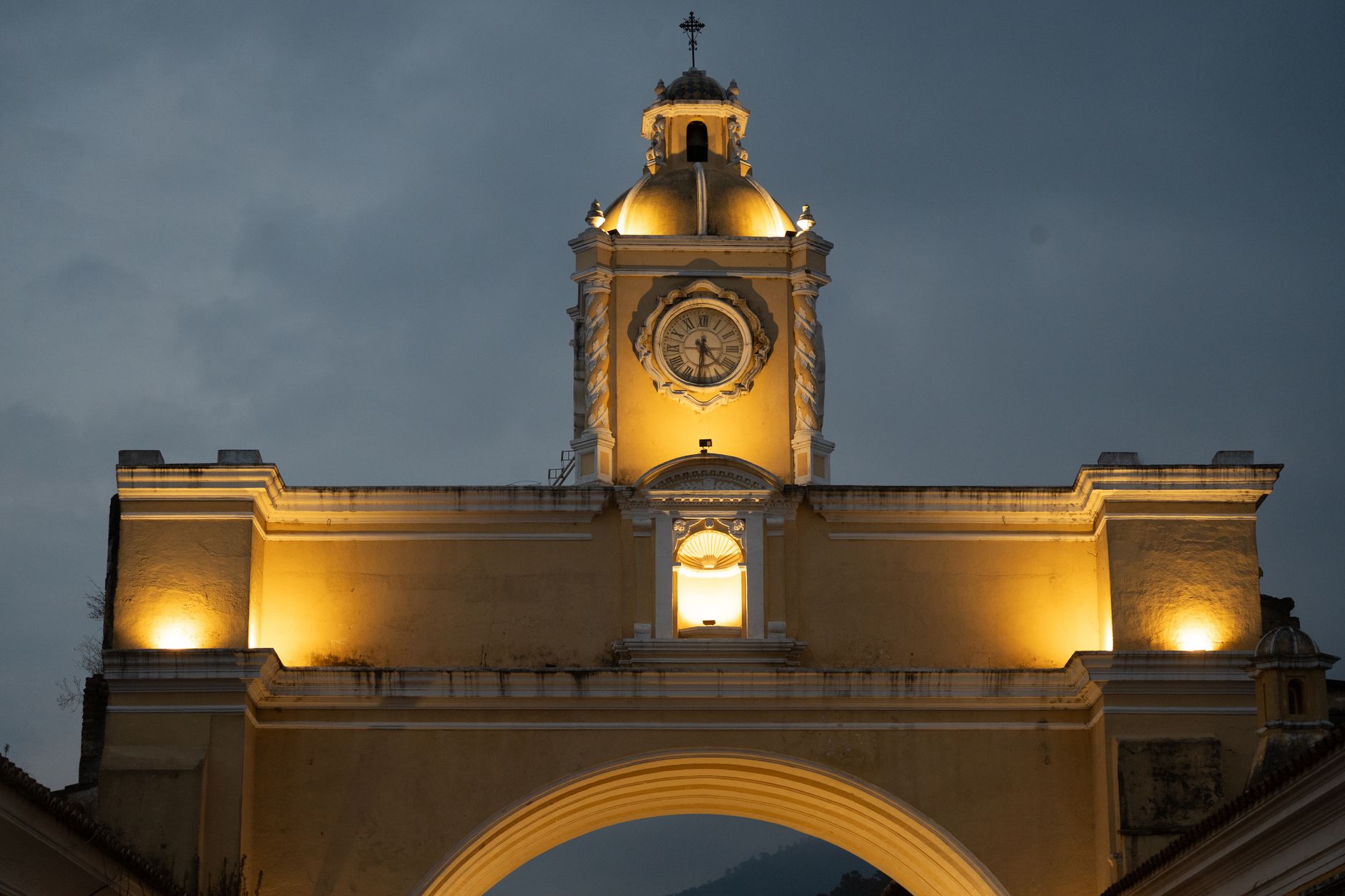
Surrounded by three majestic volcanoes, Antigua enjoys a perpetually spring-like climate, even as its colonial past is marked by repeated seismic destruction and rebirth.
Designated a UNESCO World Heritage site, Antigua sits in a high-altitude valley at 5,000 feet, providing a consistently mild and comfortable climate often referred to as "eternal spring." Temperatures rarely stray far from the low 70s°F during the day, with cool, refreshing nights. Despite numerous earthquakes that brought down its grand churches and monasteries, the city persevered, rebuilding and leaving behind stunning ruins that stand as poignant reminders of its resilience under clear, vibrant skies.
Frequently asked questions
What makes a climate "pleasant" for travel?
"Pleasant" climate often means moderate temperatures, low humidity, and plenty of sunshine, avoiding extremes of heat or cold. It allows for comfortable outdoor activities and exploration without feeling overwhelmed by the weather.
Are there specific regions known for consistently pleasant climates?
Yes, regions with Mediterranean climates (like parts of Greece or Portugal), high-altitude tropical areas (like parts of Mexico or Guatemala), and certain coastal zones often offer consistently mild weather. These areas benefit from geographical features that temper temperature extremes.
How do factors like altitude and proximity to water affect a city's climate?
Altitude generally leads to cooler temperatures and drier air, as seen in places like Arequipa or San Cristóbal de las Casas. Proximity to large bodies of water, like oceans or large lakes, can moderate temperatures, making winters milder and summers cooler, often accompanied by refreshing breezes.
How can AllTours.ai help me explore these places with unique climates and stories?
AllTours.ai enhances your exploration by providing instant audio narratives about any landmark or landscape you point your camera at. As you wander through Arequipa's sillar streets or Funchal's levadas, the app will narrate their history, geology, and culture in your language, making every pleasant stroll an enriching discovery.
Related guides
Photography via Pexels. AllTours.ai is an AI audio tour guide — point your camera at any landscape and hear its story.