August 2, 2026 · 5 min read
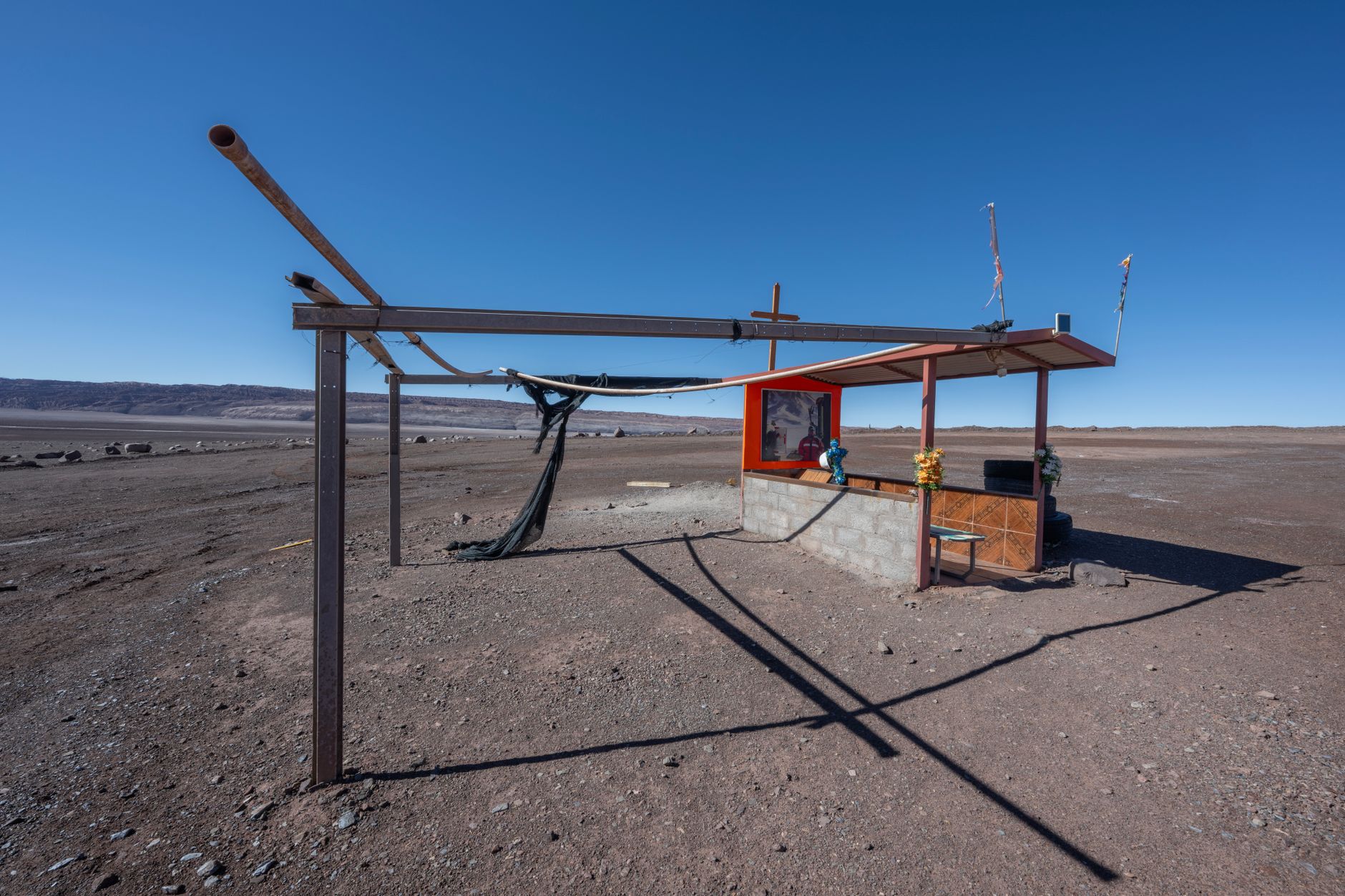
For many, the image of backpacking conjures a traditional tent: a cozy, self-contained shelter. Yet, the reality of hauling a bulky tent across rugged terrain, especially when every ounce counts, often leads to a reevaluation of what 'shelter' truly means on the trail. Traditional tents can be heavy, consume valuable pack space, and their setup limitations can restrict where you can camp, sometimes keeping you from the most breathtaking, unobstructed views.
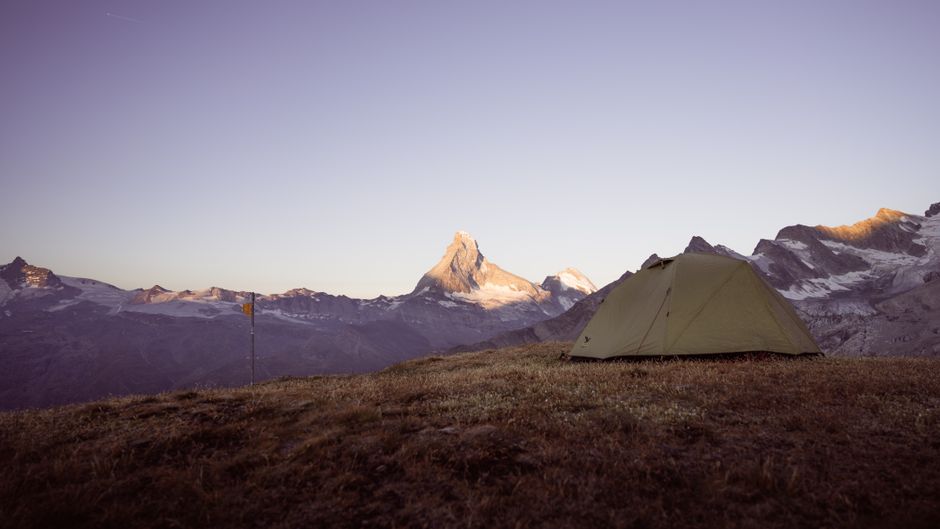
This shift in perspective has led a growing number of adventurers to embrace minimalist alternatives. From ultra-light tarps to compact bivouac sacks and versatile hammocks, these shelters offer a lighter pack and a more immersive connection with the landscape. They allow for greater flexibility in choosing a sleeping spot, opening up possibilities in places where a conventional tent would be impractical or even impossible. Here are some incredible, often overlooked destinations where ditching the traditional tent can profoundly enhance your experience.
1. The Earth's Ancient Sculptures
Valley of the Gods, Utah, USA
Imagine waking up surrounded by colossal sandstone monoliths, each a silent witness to millions of years of erosion.
The Valley of the Gods in southeastern Utah offers unparalleled dispersed camping among towering red rock formations, similar to Monument Valley but without the crowds. These majestic buttes and mesas are erosional remnants of ancient sea beds, sculpted by wind and water over eons. A minimalist shelter here means unobstructed views of the Milky Way and the opportunity to camp right at the base of these geological giants, providing an intimate connection to the raw landscape that a bulky tent might obscure.
2. Wonderland of Balancing Rocks
Chiricahua National Monument, Arizona, USA
Explore a 'Wonderland of Rocks' where colossal boulders balance precariously on slender pedestals, defying gravity and time.
Chiricahua National Monument, a designated wilderness area in Arizona, is famed for its unique hoodoos and balanced rock formations, often referred to as a 'stone forest.' These geological marvels are rhyolite rock formations, sculpted by volcanic activity and subsequent erosion over 27 million years. Backpacking through the monument's 17 miles of trails, a lightweight bivy or tarp allows you to minimize your footprint and find sheltered nooks among these towering spires, offering a more agile way to navigate the dense, intricate landscape than a traditional tent.
3. The Trembling Giant's Embrace
Pando Forest, Utah, USA
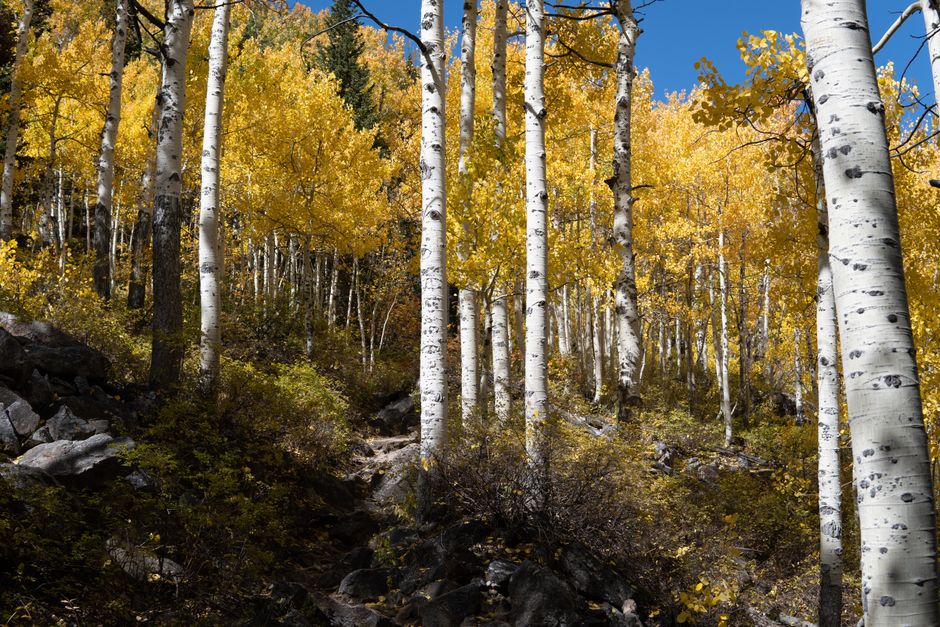
Camp within a single, massive organism: a quaking aspen grove that is genetically one individual.
Pando, Latin for 'I spread,' is a clonal colony of a single male quaking aspen in Utah, believed to be one of the largest and oldest living organisms on Earth. This 'Trembling Giant' consists of over 40,000 genetically identical trees connected by an enormous underground root system, covering over 100 acres. While traditional tents might feel out of place among its delicate ecosystem, a hammock or tarp allows for a suspended, low-impact sleep, letting you subtly integrate into this unique forest and feel the subtle vibrations of its collective life.
4. The Eye of the Sahara's Gaze
Richat Structure, Mauritania
Sleep beneath the stars within a colossal geological formation, visible even from space, known as the 'Eye of the Sahara.'
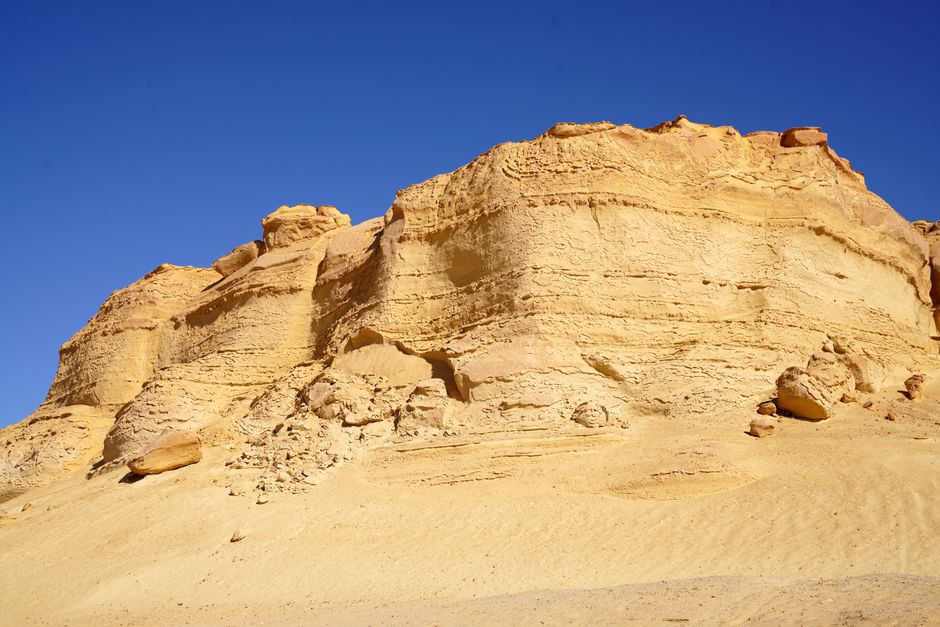
The Richat Structure, an enigmatic geological dome in the Mauritanian desert, appears as a colossal bullseye from orbit, measuring nearly 50 kilometers in diameter. Once theorized to be an impact crater, it is now understood as a deeply eroded domal uplift, revealing concentric rings of different rock types. The vast, treeless expanse of the Eye of the Sahara is an ideal location for minimalist bivy camping, offering an unparalleled sense of solitude and a direct, unhindered view of the desert sky, far removed from any light pollution.
5. Malta's Ancient Bones
Għar Dalam, Malta
Discover the prehistoric past of an island where dwarf elephants and hippos once roamed, captured within a single cave.
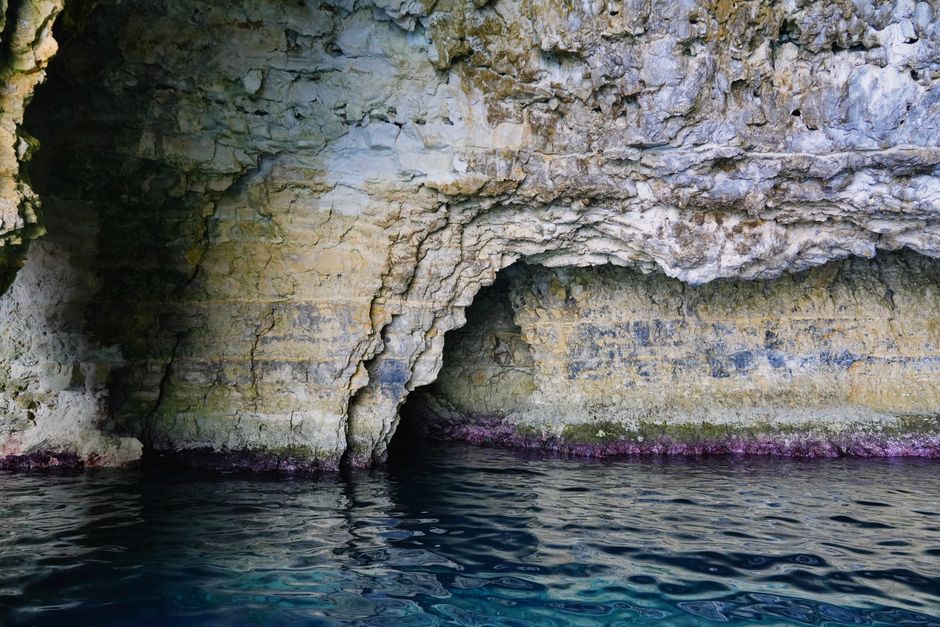
Għar Dalam, meaning 'Cave of Darkness,' is a crucial archaeological site in Malta, containing evidence of Ice Age animals like dwarf elephants, hippos, and deer, which became isolated and miniaturized on the island. The cave's lower layers reveal a fossil record stretching back over half a million years, while the upper layers hold human artifacts. While camping within the cave is not permitted, the rugged, rocky Maltese coastline nearby offers many sheltered coves and natural rock overhangs where a bivy sack or tarp provides protection from the elements, allowing you to experience the island's raw, ancient landscape akin to its early inhabitants.
6. Sculpted Cones of New Mexico
Kasha-Katuwe Tent Rocks National Monument, New Mexico, USA
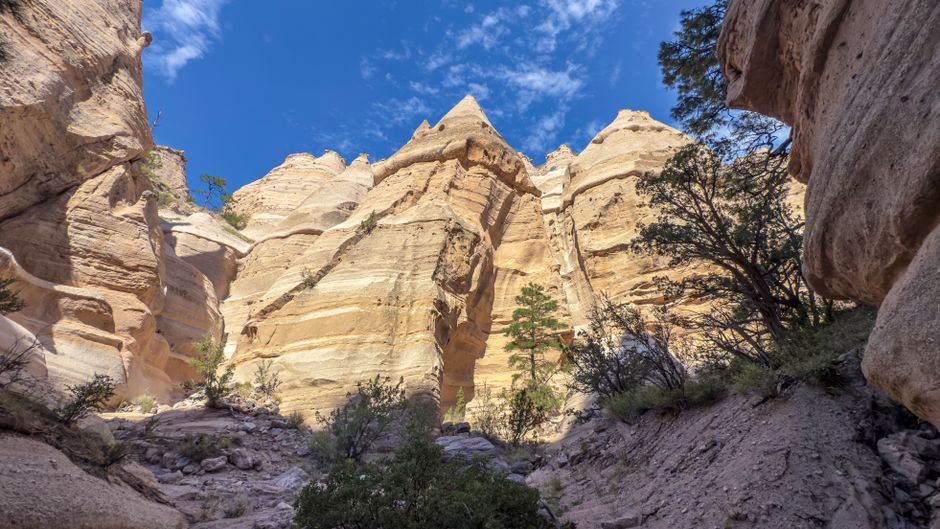
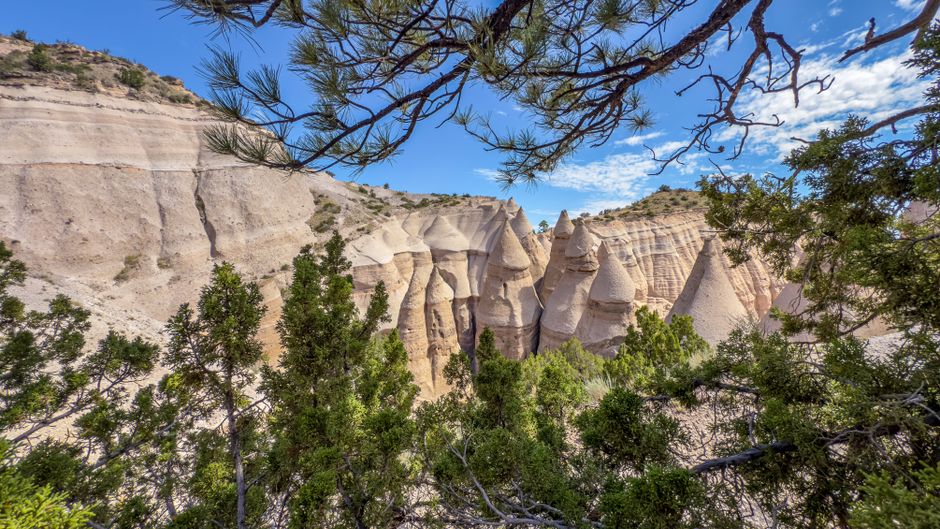
Wander through a unique landscape of cone-shaped rock formations, each topped with a protective boulder 'hat.'
Kasha-Katuwe Tent Rocks National Monument features an extraordinary landscape of tent-shaped hoodoos and cone-like formations, sculpted from volcanic ash deposits over millions of years. These distinctive rocks were formed by pumice, ash, and tuff deposits from volcanic eruptions, subsequently eroded by wind and water, leaving the harder caprocks to protect the softer material beneath. Backpacking through the monument's trails and designated backcountry areas, a lightweight tarp or bivy allows for agile movement and a low profile among these geological wonders, offering an unobstructed view of the unique rock architecture as you sleep.
7. A Forest Turned to Stone
The Petrified Forest of Lesvos, Greece
Witness an ancient subtropical forest, frozen in time and turned to stone by a catastrophic volcanic eruption millions of years ago.
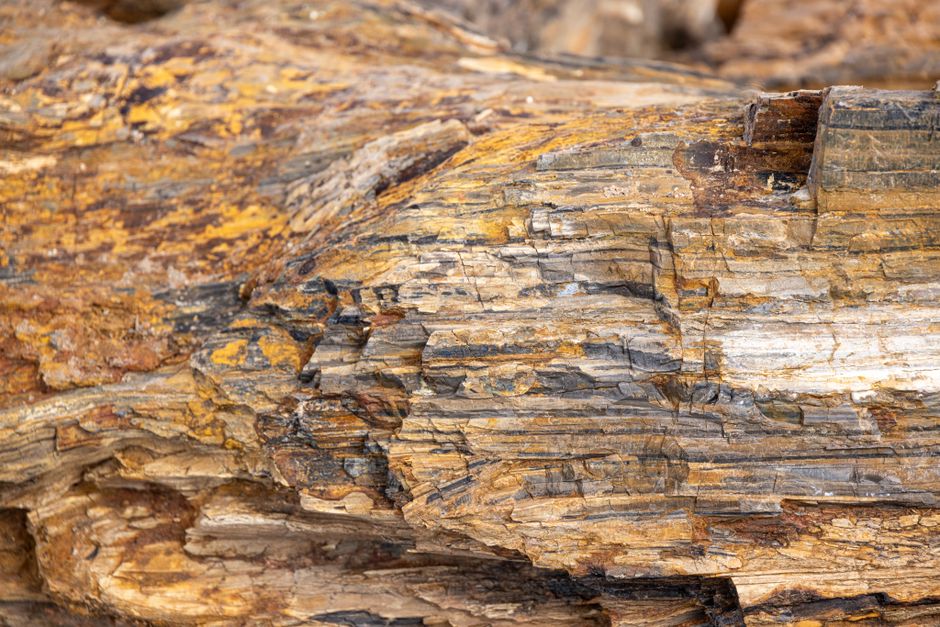
The Petrified Forest of Lesvos, a UNESCO Global Geopark in Greece, preserves an extraordinary ecosystem from 18.5 million years ago. A massive volcanic eruption buried a subtropical forest under ash and lava, leading to the silicification of entire tree trunks, branches, and leaves, turning them into stone. This geological marvel offers a glimpse into a primordial past. While direct camping among the fossilized trees is restricted, the surrounding arid, volcanic landscape provides many secluded spots where a bivy or tarp allows you to sleep under the Aegean stars, contemplating the immense geological forces that shaped this unique corner of the world.
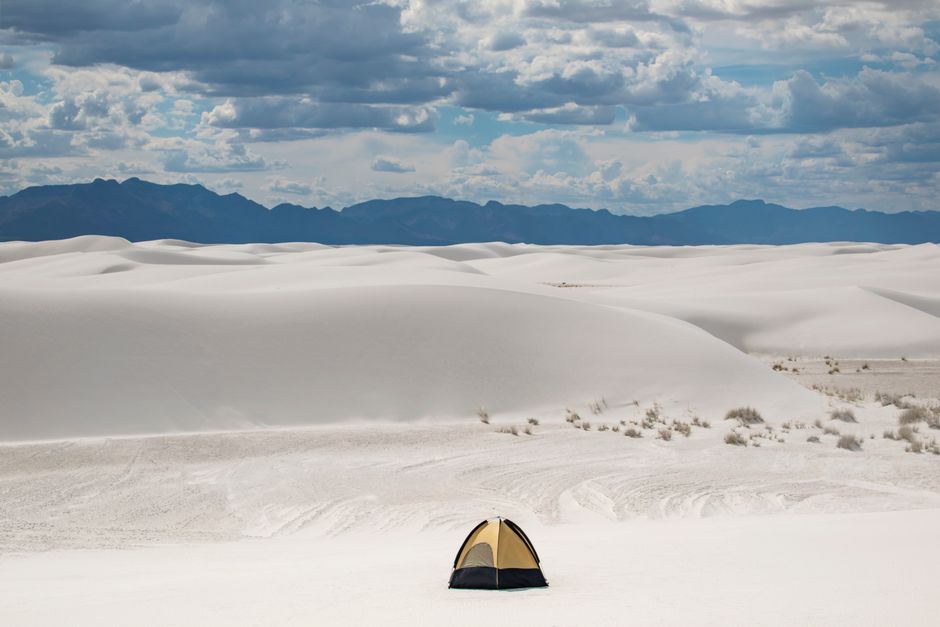
8. Drifting Dunes of Gypsum
White Sands National Park, New Mexico, USA
Backpack and camp amidst vast, shifting dunes made of pure white gypsum crystals, unlike any other desert on Earth.
White Sands National Park in New Mexico is home to the world's largest gypsum dune field, covering 275 square miles. Unlike typical sand dunes made of quartz, these brilliant white dunes are formed from gypsum, which rarely occurs as sand. The unique environment supports a surprising array of specialized wildlife, including species that have evolved to be white. Backcountry camping here requires a permit and a minimalist approach; a bivy or tarp is ideal for sleeping directly on the soft, cool gypsum, providing an immersive experience under the expansive desert sky without the bulk of a traditional tent.
Frequently asked questions
What are the main downsides of traditional tents for backpacking?
Traditional tents can be bulky and heavy, adding significant weight to your pack. Their setup often requires a flat, clear space, which can be challenging in rugged or unique terrain. They can also limit your sensory experience of nature, creating a barrier between you and the environment.
What are some common alternatives to a traditional backpacking tent?
Popular alternatives include bivouac sacks (bivies), which are lightweight, waterproof covers for your sleeping bag; tarps, offering versatile overhead protection; and hammocks, ideal for forested areas. Each offers unique advantages in terms of weight, packability, and connection to the outdoors.
When is a minimalist shelter like a bivy or tarp a better choice?
Minimalist shelters excel in environments where weight and pack volume are critical, like alpine climbs or long-distance thru-hikes. They are also superior in challenging terrains where finding a flat tent site is difficult, or when you desire an unobstructed view of the stars and a more immersive experience with nature.
How can AllTours.ai help me explore these unique places?
AllTours.ai enhances your exploration by providing rich context for every landscape. Simply point your phone camera at a geographical feature or historical site, and the app narrates its history, geology, and cultural significance in your preferred language, turning every view into a deeper understanding of the world around you.
Related guides
Photography via Pexels. AllTours.ai is an AI audio tour guide — point your camera at any landscape and hear its story.