June 25, 2026 · 4 min read
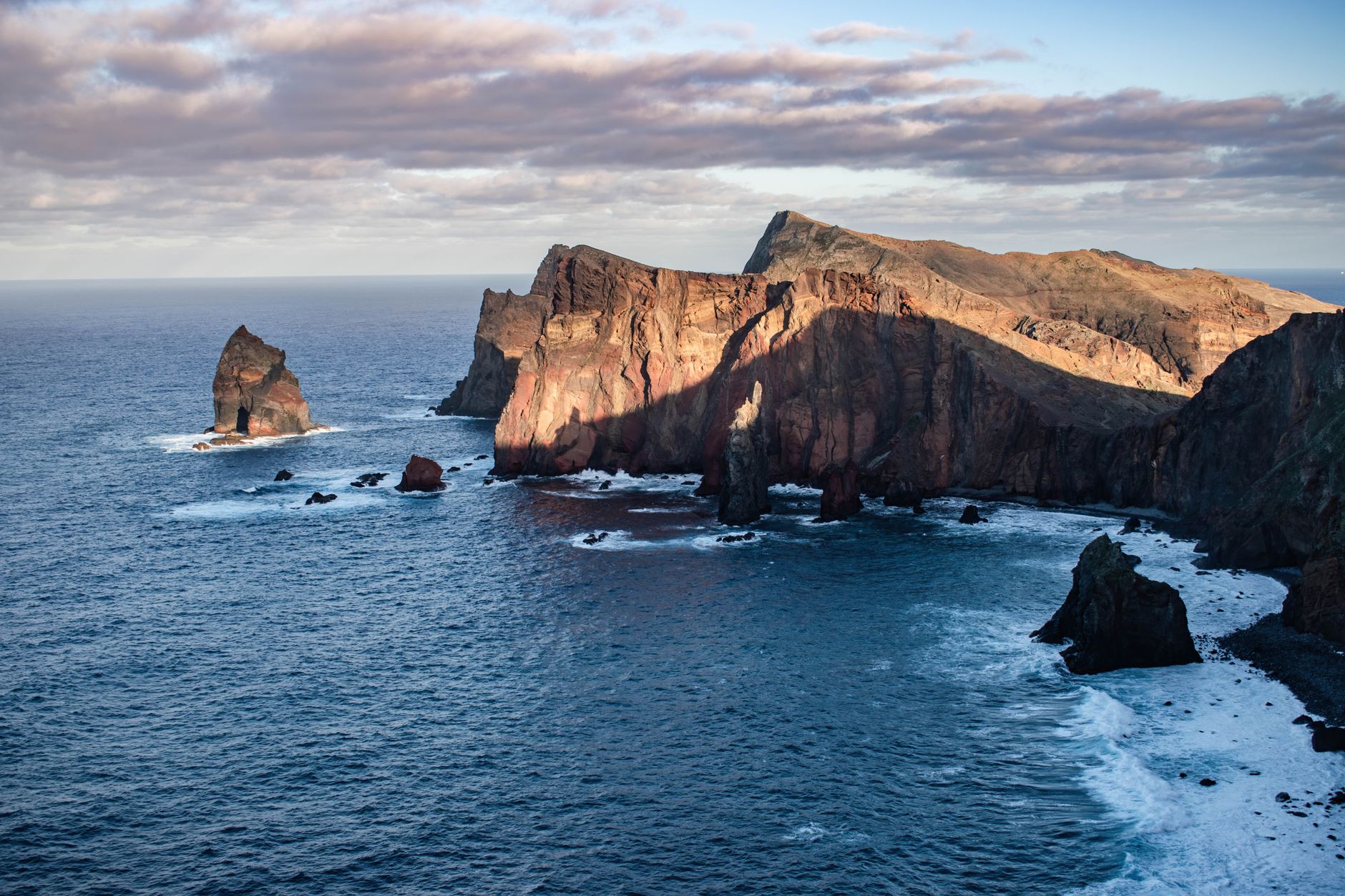
Portugal’s coastline is legendary, but beyond the well-trodden paths of the Algarve lie countless stretches of sand that whisper tales of ancient geology, dramatic history, and vibrant local culture. These aren't the beaches you see on every postcard; they are the wilder, quieter, and often more awe-inspiring corners where the Atlantic truly shows its might and beauty.
If you crave discovery over crowds, and genuine stories over sunloungers, then prepare to explore Portugal’s truly underrated beaches. From towering sea stacks shaped by millennia of erosion to hidden coves accessible only by tunnel, each spot offers a unique glimpse into the soul of this maritime nation, far from the familiar tourist hubs.
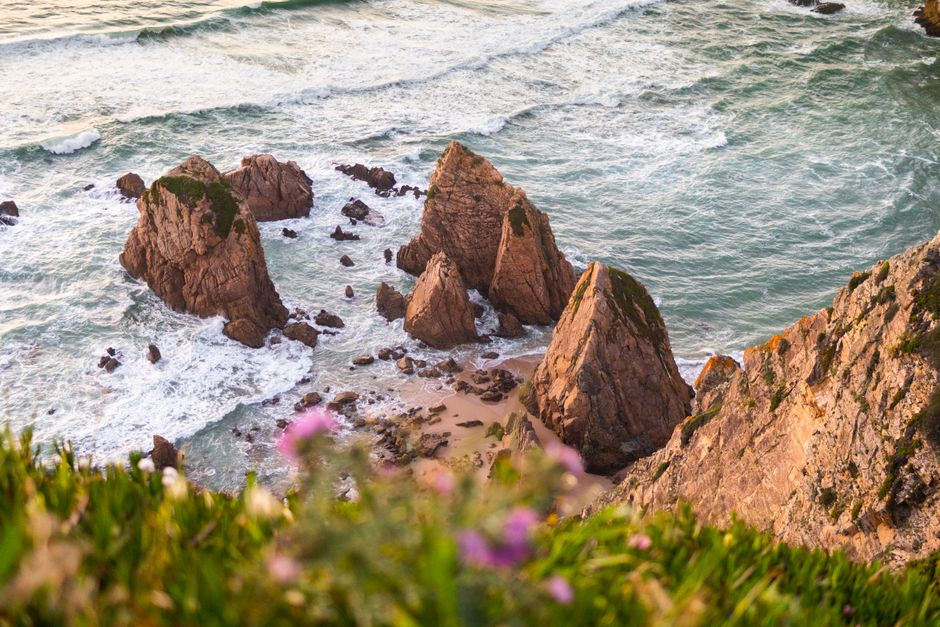
1. Ursa's Dramatic Sea-Stack Amphitheatre
Sintra, Portugal
Named for its iconic bear-shaped rock, this beach hides a geological history tied to the supercontinent Pangea.
Praia da Ursa, often called one of Europe's most beautiful wild beaches, lies at the foot of towering cliffs near Cabo da Roca. Its dramatic sea stacks, including the "Ursa" (bear) and "Gigante" (giant), are remnants of ancient rock formations that once connected to the American continent when Pangea began to break apart. The challenging descent reveals a secluded amphitheatre of sand and stone, sculpted by relentless Atlantic forces.
2. The Tunnel Beach of Lagoa
Lagoa, Algarve, Portugal
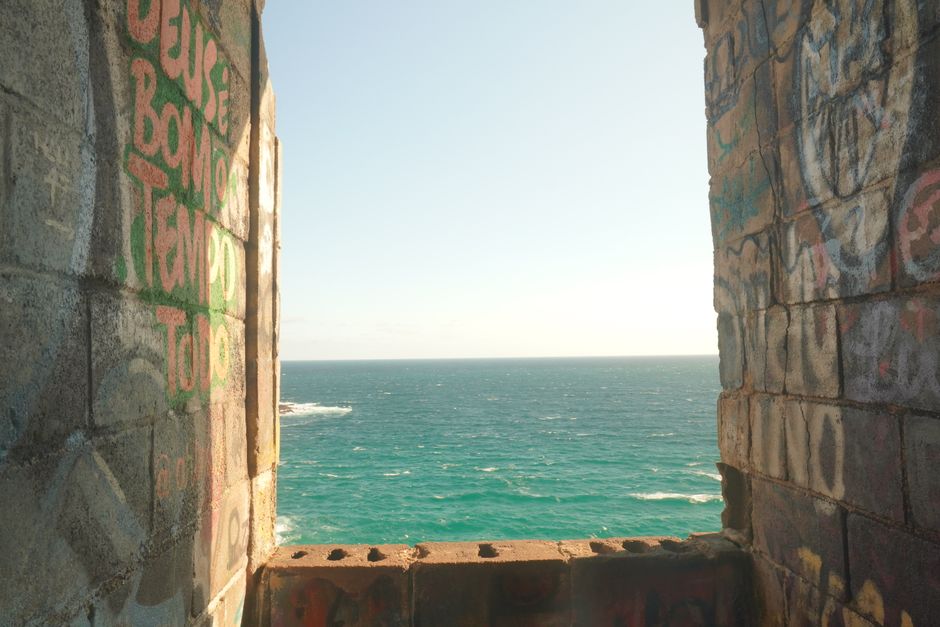
Access this beach by walking through a hand-carved tunnel directly through a cliff face.
Praia do Carvalho offers a unique adventure before you even touch the sand. To reach this charming cove, visitors must descend a short staircase and then pass through a tunnel carved directly into the golden sandstone cliff. This human-made passage, originally created by local fishermen, opens onto a sheltered beach known for its clear, calm waters and excellent snorkeling, tucked away from the more crowded Algarve shores.
3. São Miguel's Black Sand Surf Haven
Ribeira Grande, São Miguel, Azores, Portugal
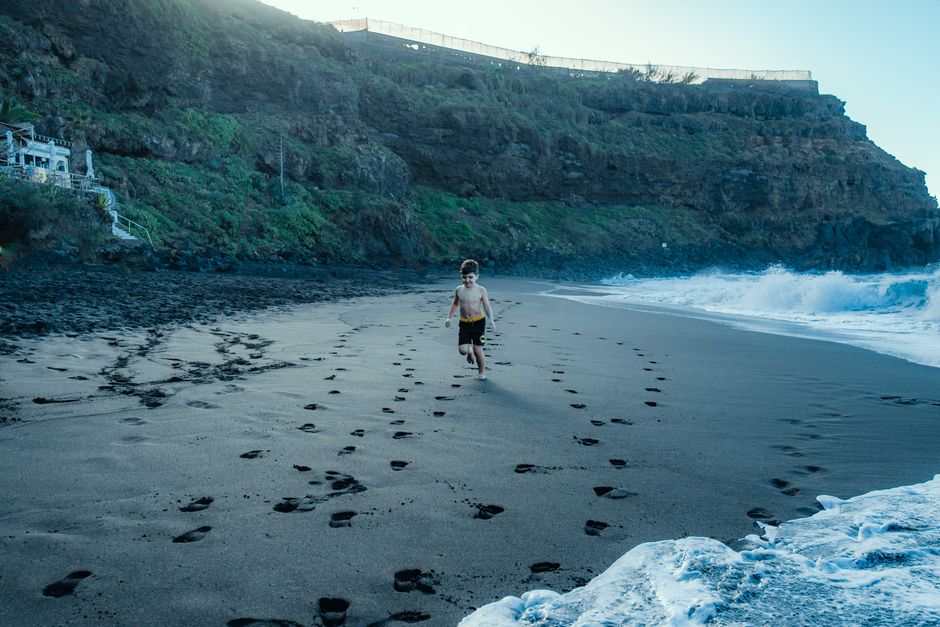
This is the Azores' longest black sand beach, a geological testament to the volcanic origins of the island.
On the volcanic island of São Miguel, Praia de Santa Bárbara stands out with its striking black sand, a direct result of the basaltic rocks that form the archipelago. As the longest beach in the Azores, it's a popular spot for surfers, hosting international competitions thanks to its consistent Atlantic swells. The stark contrast of the dark sand against the vibrant green cliffs and blue ocean creates a dramatic, unforgettable landscape, far removed from continental Portugal's typical golden shores.
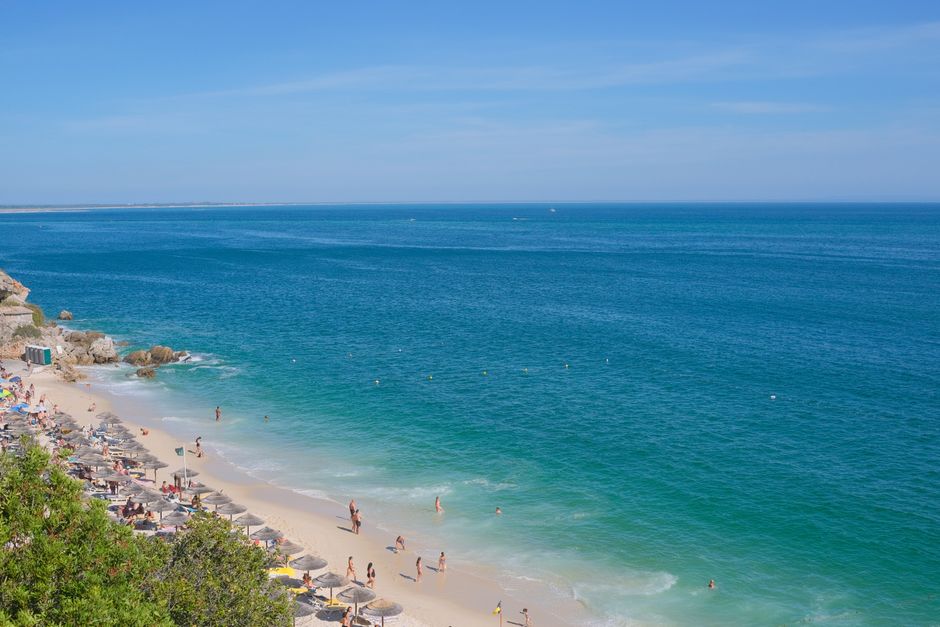
4. Arrábida's Sheltered Chalk-White Gem
Setúbal, Portugal
Nestled within a protected natural park, this beach boasts an almost Caribbean-like clarity thanks to its unique white seabed.
Part of the stunning Arrábida Natural Park, Portinho da Arrábida is famed for its incredibly calm, turquoise waters and brilliant white sand, a result of the chalky limestone geology of the Serra da Arrábida mountains. Unlike many Atlantic beaches, its sheltered position creates a tranquil lagoon-like environment, perfect for swimming and paddleboarding. The vibrant underwater life, protected as part of a marine reserve, makes it a prime spot for snorkeling, revealing a different side of Portugal's coastal beauty.
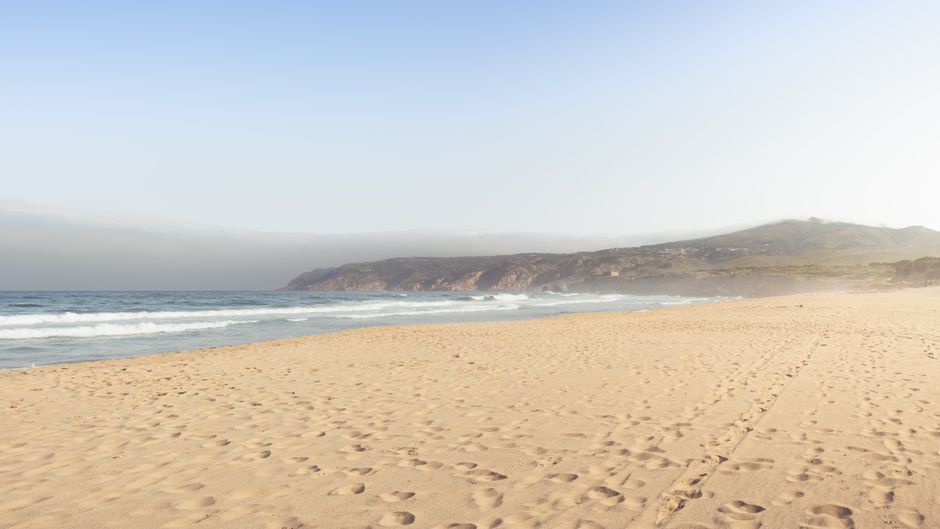
5. Adraga's Ancient Archway & Fossils
Colares, Sintra, Portugal
This wild beach features a towering natural arch and cliffs known for ancient fossilized footprints.
Just a short distance from Praia da Ursa, Praia da Adraga shares some of Sintra's raw, untamed beauty but with its own distinct features. Dominated by a dramatic sea stack known as "Pedra da Adraga" and a striking natural arch, the beach is framed by impressive cliffs. These cliffs are not just scenic; they are geologically significant, known to contain fossilized dinosaur footprints, a rare glimpse into the ancient past of this rugged coastline.
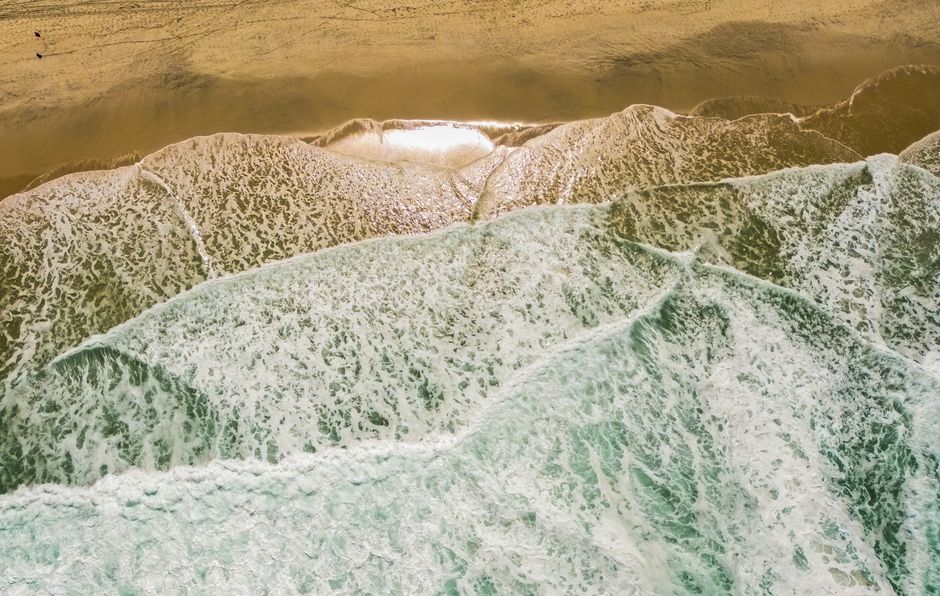
6. Where River Meets Ocean on the Vicentina Coast
Aljezur, Algarve, Portugal
This unique beach features a river that snakes through the sand to meet the ocean, creating a natural playground.
Marking the border between the Algarve and Alentejo regions, Praia de Odeceixe is a distinctive highlight of the wild Costa Vicentina. Here, the Seixe River gracefully meanders across the sand, forming a tranquil lagoon perfect for families, before emptying into the powerful Atlantic. This natural confluence offers a rare dual beach experience: calm river waters on one side, and exhilarating ocean waves on the other, all framed by dramatic black schist cliffs characteristic of the region.
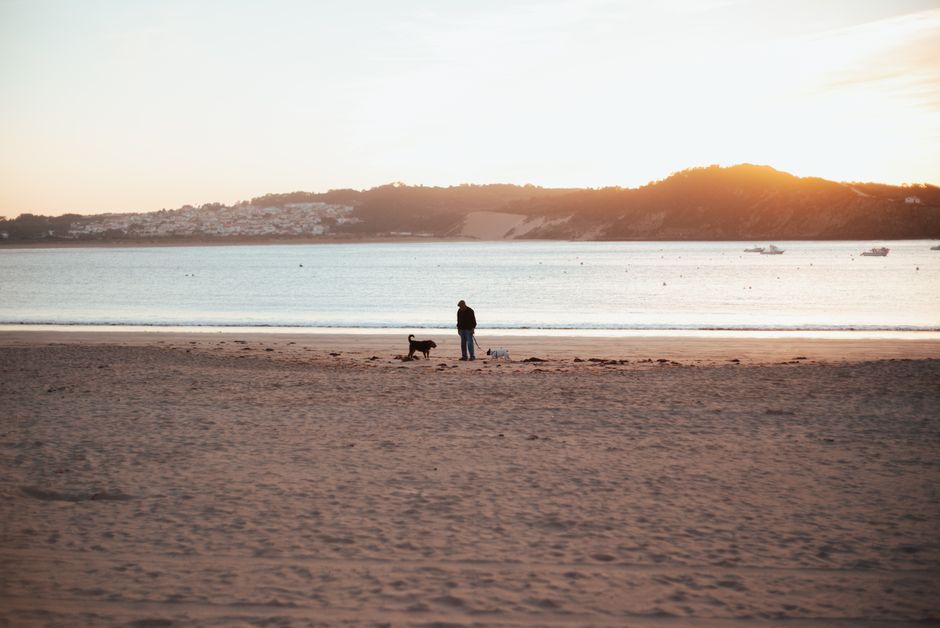
7. The Óbidos Lagoon's Dynamic Estuary
Caldas da Rainha, Portugal
This beach is where the vast Óbidos Lagoon meets the Atlantic, creating a dynamic landscape influenced by tides.
Praia da Foz do Arelho offers a unique coastal experience where the sprawling Lagoa de Óbidos, Portugal's largest saltwater lagoon, connects with the open ocean. This estuary environment means the beach constantly shifts with the tides, revealing expansive mudflats rich in biodiversity and offering both calm lagoon waters for paddle sports and ocean waves for surfing. The meeting point of fresh and saltwater creates a distinct ecosystem and a beautifully varied landscape, often overlooked by those heading further south.
Frequently asked questions
What makes Portugal's western coast so rugged?
Portugal's western coastline faces the full force of the Atlantic Ocean, leading to extensive erosion that carves dramatic cliffs, sea stacks, and caves. The underlying geology, often ancient sedimentary and volcanic rocks, also contributes to these striking, untamed landscapes.
Are the black sand beaches in Portugal safe to visit?
Yes, black sand beaches in Portugal, primarily found in the volcanic Azores, are perfectly safe to visit. The dark color comes from finely eroded basaltic rock and doesn't pose any health risks. Just like any beach, be mindful of ocean conditions and local advisories.
When is the best time to visit these quieter Portuguese beaches?
For fewer crowds and pleasant weather, late spring (May-June) and early autumn (September-October) are ideal. The summer months (July-August) offer warmer waters but also attract more visitors, even to these less-known spots.
How can AllTours.ai enhance my visit to these unique beaches?
AllTours.ai brings the stories of these places to life. Simply point your phone camera at a landmark, cliff, or even the unique sand, and the app will narrate its history, geological formation, and cultural significance in your language, enriching your exploration far beyond what a guidebook can offer.
Related guides
Photography via Pexels. AllTours.ai is an AI audio tour guide — point your camera at any landscape and hear its story.