July 27, 2026 · 4 min read
The echo of a misfired arrow in a New York circus performance might seem like a singular moment of peril, but its implications ripple far beyond the immediate stage. It's a vivid reminder of how precision, human error, and unforeseen variables can converge, creating consequences that reshape narratives and reveal hidden truths. What lessons can be learned from the archery accident during such a dramatic event, and how do these lessons manifest in the world around us?
Beyond the headlines, the principles of risk, unexpected outcomes, and the profound impact of human design—both intentional and accidental—are etched into landscapes and landmarks across the globe. From engineering marvels with surprising secrets to natural phenomena shaped by delicate balances, these sites offer a unique lens through which to explore the enduring themes of precision, resilience, and the captivating stories often overlooked by history.
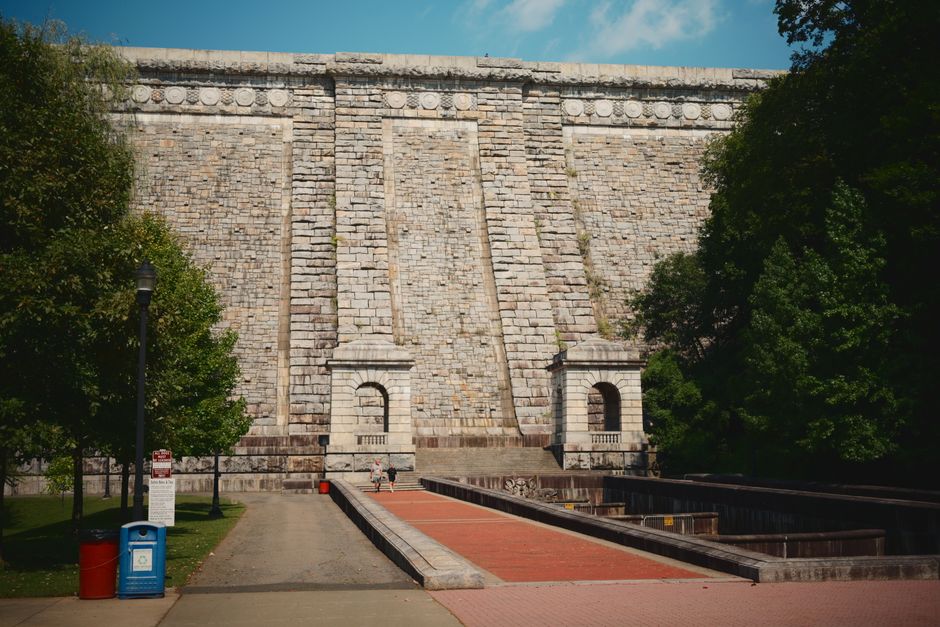
1. The 'Bridge of Sighs' at an American Engineering Marvel
New Croton Dam, New York, USA
Beneath this massive dam lies a hidden passage, revealing the sheer scale and human cost of its construction.
Built between 1892 and 1906, the New Croton Dam was an unprecedented feat of Gilded Age engineering, creating a vast reservoir that still supplies New York City. Its most intriguing secret is a dimly lit, arched passage known as the "Bridge of Sighs" deep within the structure. This tunnel allowed workers to cross the Croton River valley during construction, a testament to the thousands of laborers, many immigrants, whose lives were intertwined with the dam's precise, perilous creation, where any miscalculation could lead to disaster.
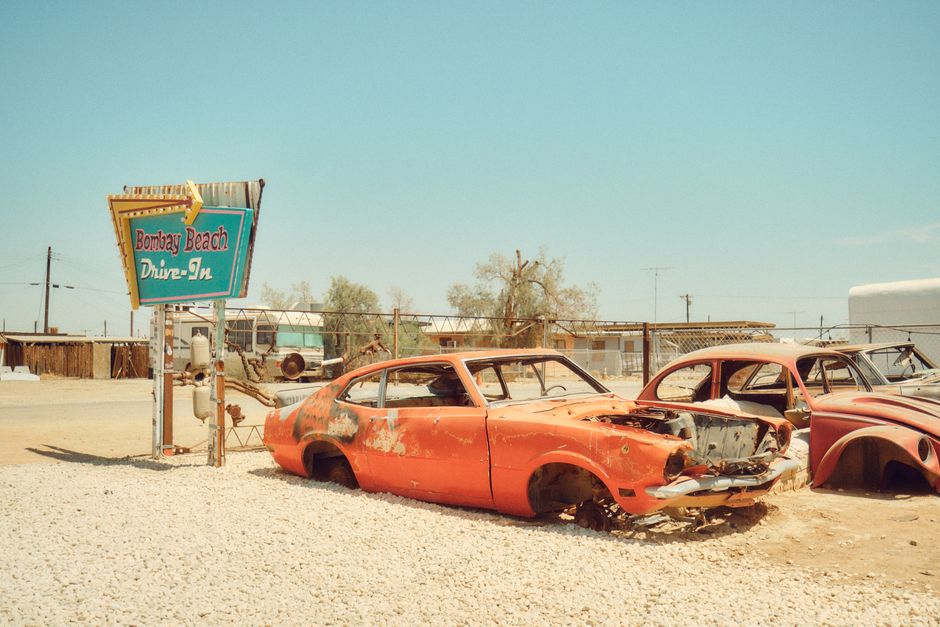
2. California's Accidental Lake and Its Ghostly Shores
Salton Sea, California, USA
California's largest lake was created by accident, a powerful reminder of how human intervention can lead to unforeseen ecological consequences.
In 1905, an engineering error during a Colorado River irrigation project caused the river to breach its levees, flowing unchecked into the Salton Sink for 18 months. This created the Salton Sea, a vast, inland lake that initially boomed as a resort destination. However, without an outlet, its waters became increasingly saline and polluted, leading to ecological collapse and abandoned towns, a stark illustration of how even well-intentioned projects can create precise, yet devastating, environmental accidents.
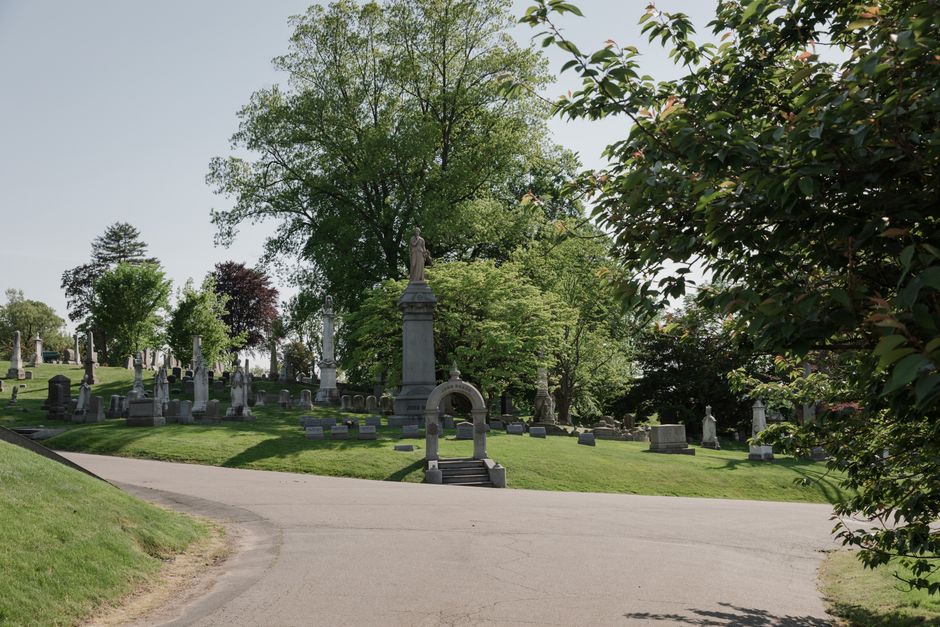
3. A Forgotten Playground of the Past
Green-Wood Cemetery, Brooklyn, New York, USA
This serene landscape was once New York's second-most popular tourist attraction, drawing more visitors than Niagara Falls.
Established in 1838, Green-Wood Cemetery was designed as one of America's first rural cemeteries, a sprawling 478-acre parkland with rolling hills, ponds, and Gothic Revival architecture. Before the creation of Central Park, it served as a vital green space for New Yorkers, attracting hundreds of thousands annually for picnics and carriage rides. Its unexpected popularity reveals a different historical understanding of public spaces and leisure, much like discovering the hidden story behind a well-known event. Its precise landscape design allowed for both remembrance and recreation.
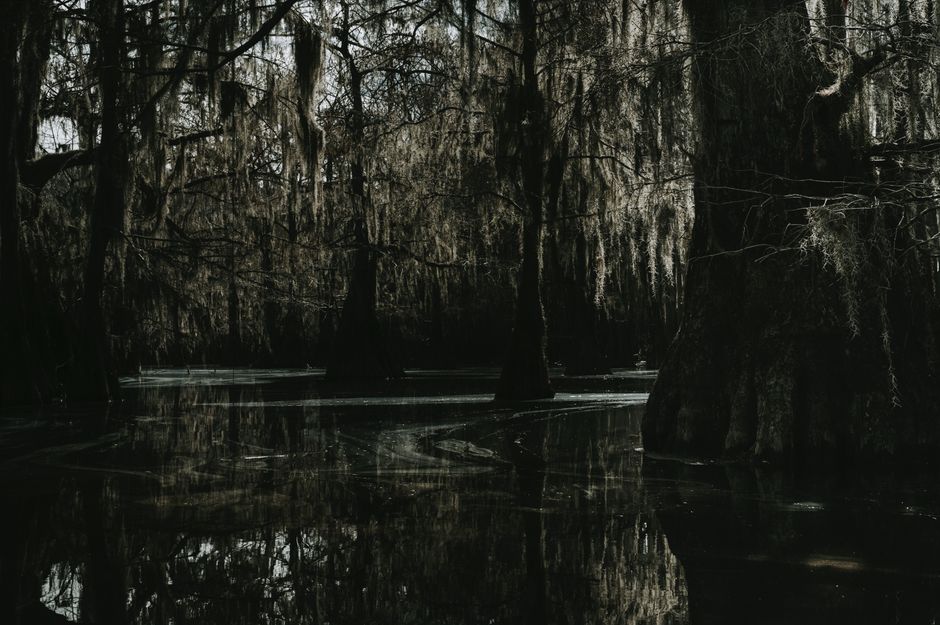
4. The Swamp That Guarded Freedom
Great Dismal Swamp, Virginia/North Carolina, USA
This vast, foreboding wetland was once a secret stronghold for escaped slaves and indigenous communities.
Far from being merely a desolate bog, the Great Dismal Swamp harbored a complex history as a refuge. For centuries, its impenetrable cypress forests and winding waterways offered sanctuary to "maroons"—people who escaped slavery—and indigenous communities seeking to evade colonial encroachment. These hidden settlements, known as "maroon communities," developed sophisticated survival strategies within the swamp, creating a parallel society that defied the oppressive systems beyond its edges. It teaches us about the precise, desperate measures taken to secure freedom, and the unexpected places where resilience can flourish.
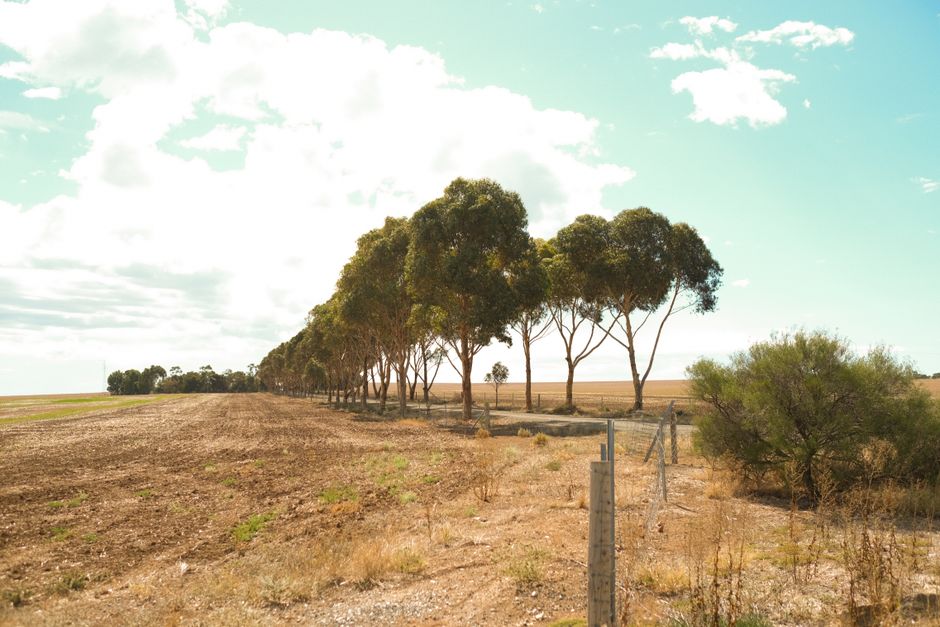
5. The Acoustic Secret of the Barossa Reservoir
Barossa Reservoir, South Australia, Australia
A precisely curved dam wall allows whispers to travel over 140 meters from one end to the other, creating an acoustic marvel.
Completed in 1903, the Barossa Reservoir dam features a unique, almost perfectly parabolic curve. This architectural precision wasn't initially intended for its acoustic properties, but it results in a remarkable phenomenon: a whisper spoken softly at one end of the 140-meter wall can be heard clearly at the opposite end. This "Whispering Wall" demonstrates how seemingly simple design choices can lead to unexpected and delightful outcomes, a kind of accidental precision that captivates visitors.
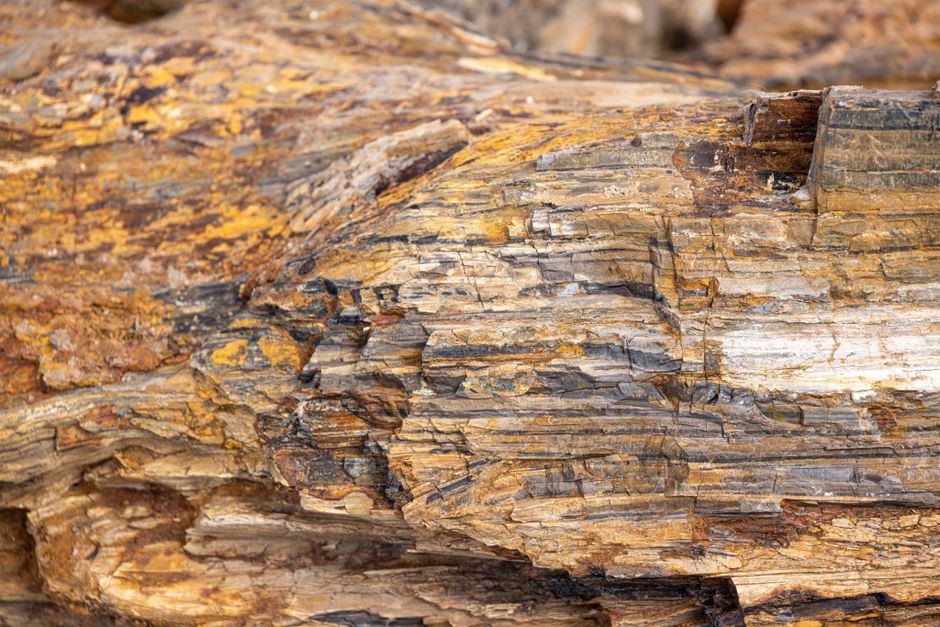
6. The 'Curse' of the Rainbow Forest
Petrified Forest National Park, Arizona, USA
Visitors who take pieces of petrified wood from this ancient landscape often report experiencing strange misfortunes.
Petrified Forest National Park is famous for its vibrant, fossilized logs, remnants of an ancient forest millions of years old. However, for decades, park rangers have received "conscience letters" from visitors returning stolen wood, often citing a string of bad luck—financial woes, illnesses, relationship troubles—that they attribute to a "curse" for disrespecting the park. While scientifically unproven, this phenomenon highlights the deep human connection to place and the unexpected consequences, both perceived and real, when natural treasures are disturbed. It's a lesson in the delicate balance of nature and the human desire for precision in how we treat it.
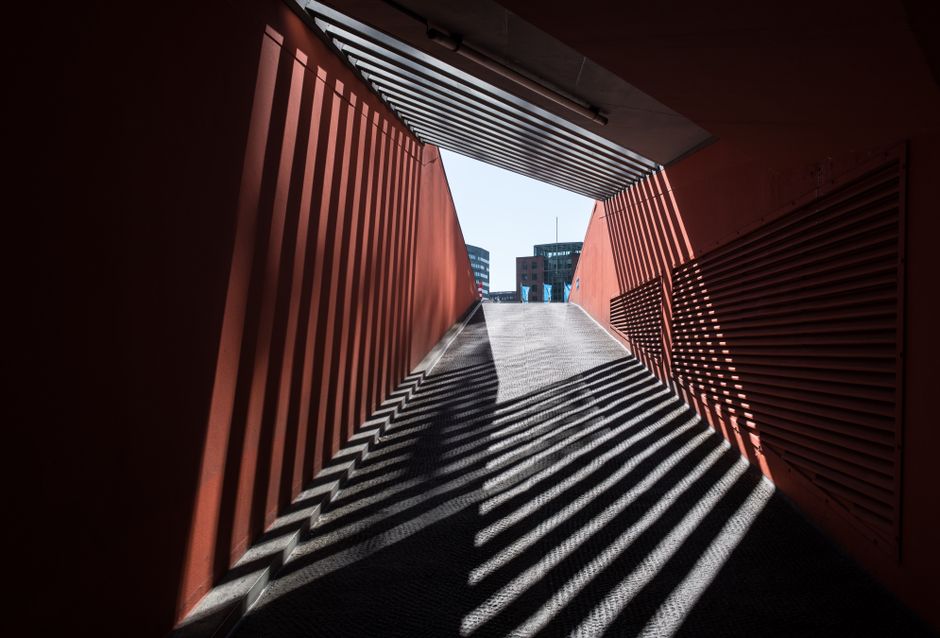
7. Celestial Alignment in the Desert
Great Basin Desert, Utah, USA
Four massive concrete tunnels precisely frame the sunrise and sunset on the summer and winter solstices.
Created by artist Nancy Holt in 1976, Sun Tunnels is a land art installation located in a remote part of Utah's Great Basin Desert. The four concrete tunnels, each 18 feet long and 9 feet in diameter, are meticulously aligned. Two tunnels frame the rising and setting sun on the summer solstice, and the other two do the same for the winter solstice. Additionally, smaller holes drilled into the tunnel tops align with specific constellations. It's an artwork of incredible precision, connecting human architecture directly to the vast, predictable movements of the cosmos, a powerful counterpoint to accidental events.
Frequently asked questions
What makes the New Croton Dam significant in New York's history?
The New Croton Dam was a monumental engineering achievement of its time, completed in 1906, vital for supplying New York City with drinking water. Its construction involved incredible human labor and innovative techniques, transforming the landscape to secure the city's future.
Is the Salton Sea safe to visit?
While the Salton Sea offers unique photographic opportunities with its stark, abandoned landscapes, its ecological challenges mean the water itself is not safe for swimming or prolonged contact due to high salinity and pollutants. Visitors should stick to designated viewing areas.
What's the main attraction of Green-Wood Cemetery for tourists today?
Today, Green-Wood Cemetery is celebrated for its stunning Victorian landscape architecture, historical significance as the final resting place for many notable figures, and its role as an accredited arboretum. It offers a peaceful retreat for history buffs, birdwatchers, and those seeking unique urban green spaces.
How does AllTours.ai enhance travel experiences at places like these?
AllTours.ai transforms your exploration by providing an AI audio tour guide. Simply point your phone camera at any landmark or landscape, and the app instantly narrates its history, geology, and cultural significance in your preferred language, revealing the hidden stories of even the most overlooked spots.
Related guides
Photography via Pexels. AllTours.ai is an AI audio tour guide — point your camera at any landscape and hear its story.