July 13, 2026 · 4 min read
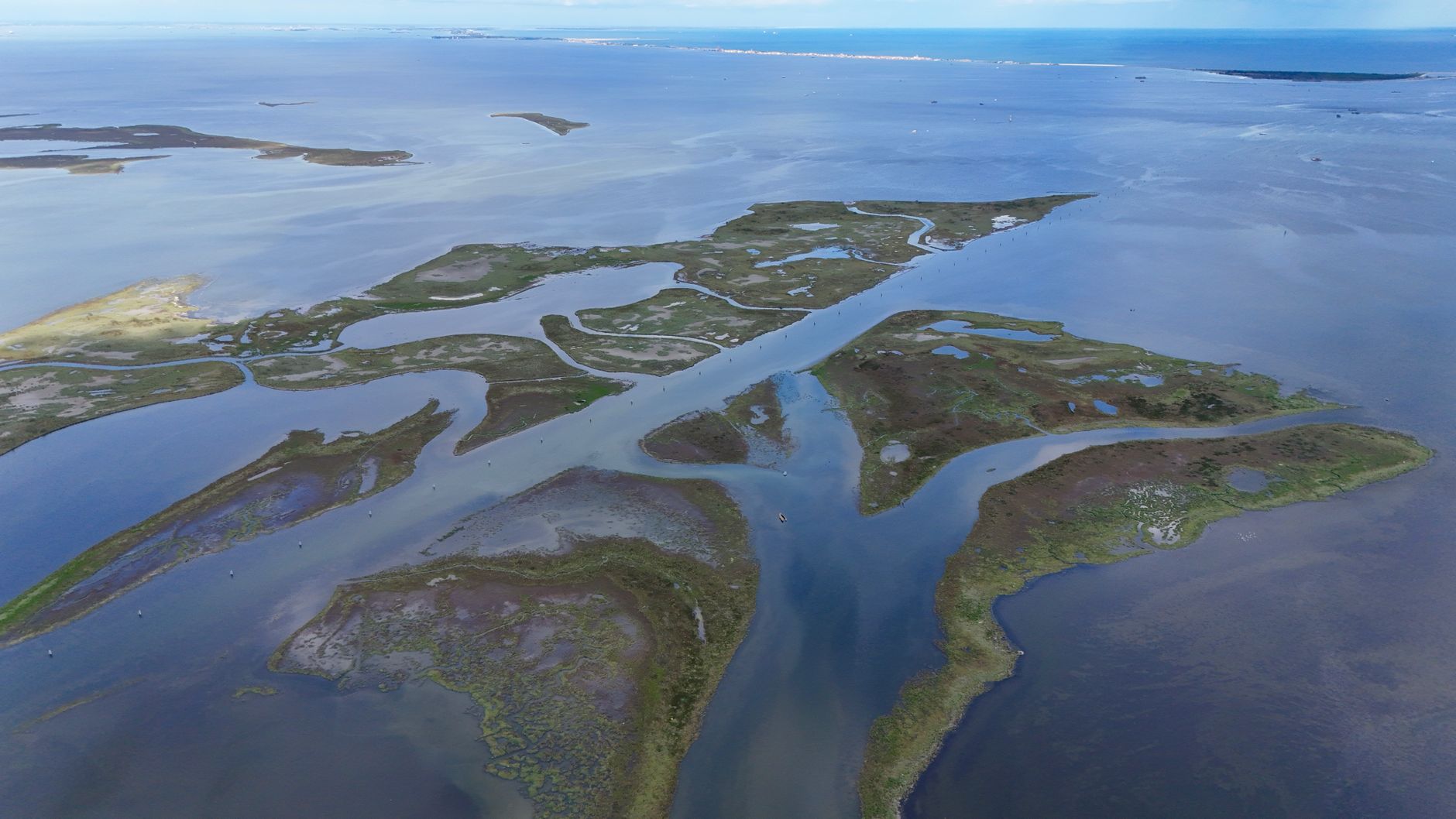
When you envision Georgia, the mind often goes to vibrant cities or rolling foothills. But the Peach State also boasts a stunning, often-overlooked coastline, rich with history and ecological wonders. For travelers seeking serene, safe, and genuinely unique experiences away from the usual crowds, Georgia's barrier islands and coastal towns offer a refreshing alternative.
Forget the bustling boardwalks; this guide delves into the lesser-known havens where nature's artistry and deep historical narratives converge. From wild horses roaming ancient ruins to communities preserving centuries-old cultures, these spots promise more than just a beach—they offer a journey into the heart of Georgia's untold coastal stories.
1. Wild Horses of Cumberland Island
Cumberland Island National Seashore, Georgia, USA
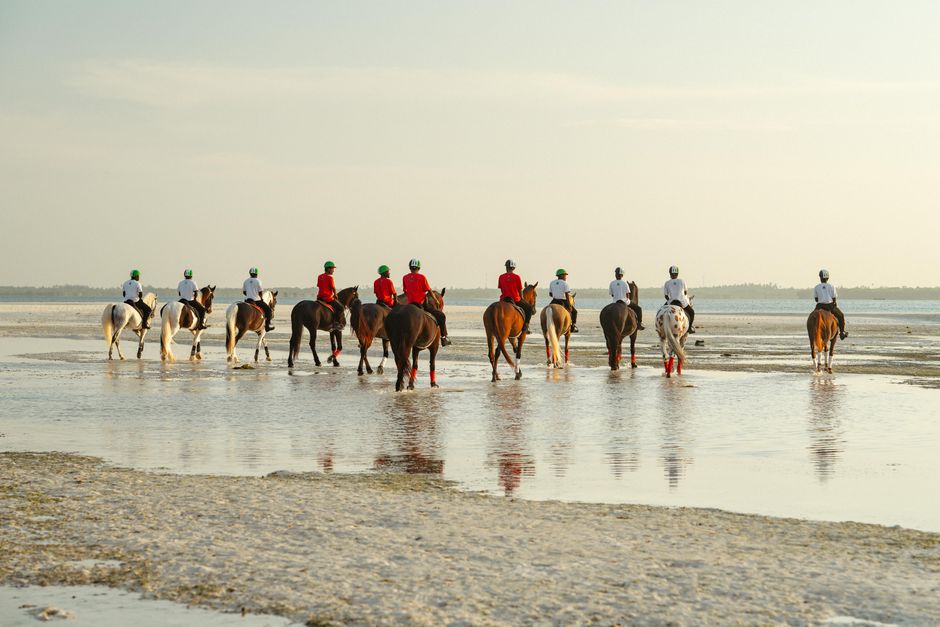
Wild horses freely roam among the ruins of a Gilded Age mansion and ancient live oaks.
Georgia's largest and southernmost barrier island, accessible only by ferry, offers miles of pristine, undeveloped beaches and maritime forests. Here, you can explore the Dungeness ruins, a grand Carnegie family mansion reclaimed by nature, and witness feral horses that have roamed the island for centuries. Primitive camping is available, or for a luxurious stay, the historic Greyfield Inn offers a unique experience.
2. Sapelo Island: A Living Heritage
Sapelo Island, Georgia, USA
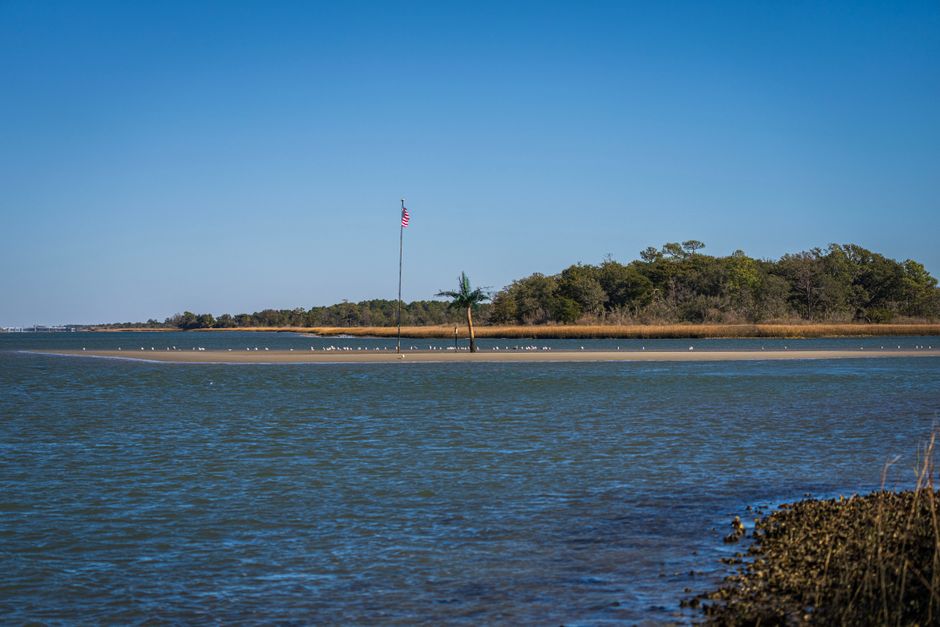
Home to Georgia's last intact Gullah-Geechee community, preserving a unique cultural heritage.
This remote barrier island is a testament to resilience and history. Accessible by ferry from Meridian, Sapelo is largely a state-managed research reserve, but it also hosts the Hog Hammock community, descendants of formerly enslaved people. Visitors can learn about Gullah-Geechee culture, explore pristine Nannygoat Beach, and see the historic Sapelo Island Lighthouse. Accommodations are limited to a lodge or private rentals within Hog Hammock.
3. St. Marys: Historic Port to Wilderness
St. Marys, Georgia, USA
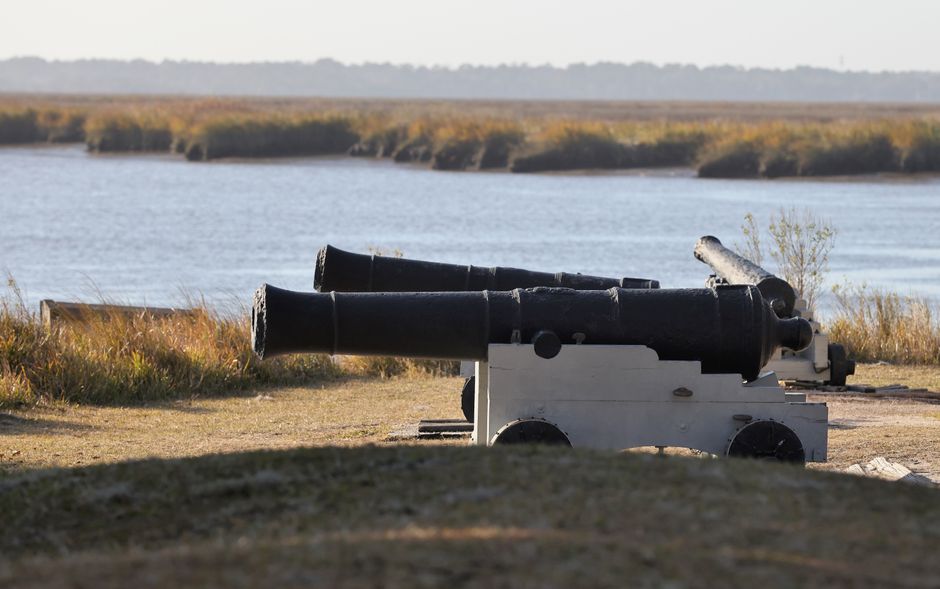
This quiet coastal town was once considered a potential capital for the United States.
As Georgia's second-oldest continuously inhabited city, St. Marys is rich in history and charm. Its historic district boasts elegant homes and a welcoming waterfront. It serves as the primary gateway to Cumberland Island National Seashore, with daily ferry departures. Beyond its historical appeal, St. Marys offers a peaceful base with various lodging options, from cozy B&Bs to hotels, and safe access to the St. Marys River and nearby coastal explorations.
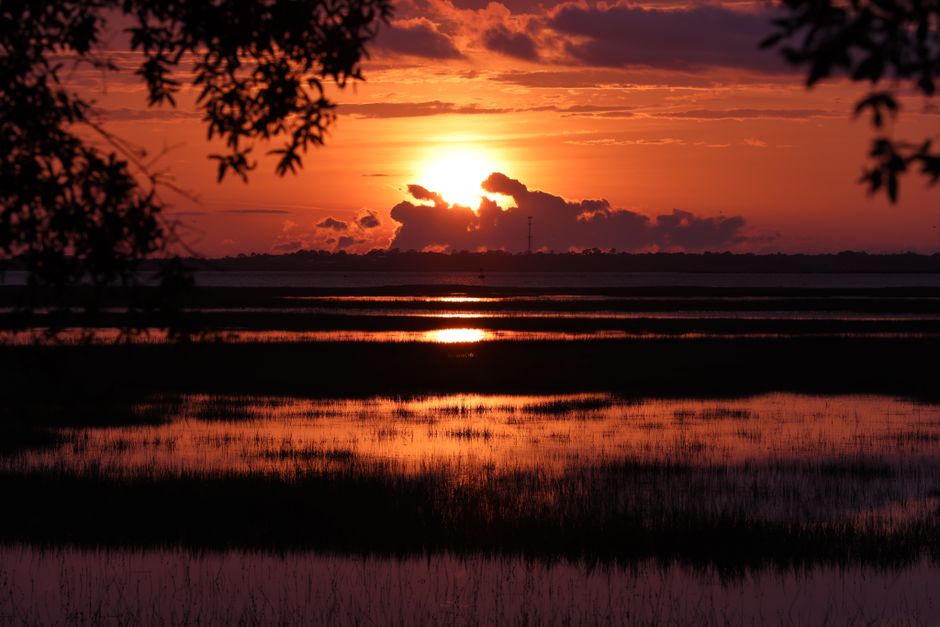
4. Jekyll Island's Sculpted Driftwood Beach
Jekyll Island, Georgia, USA
A hauntingly beautiful 'graveyard' of ancient live oaks, sculpted into abstract art by erosion and saltwater.
Located on the northern tip of Jekyll Island, Driftwood Beach is a globally recognized natural wonder. The skeletal remains of oak and cedar trees, bleached by sun and salt, create an otherworldly landscape where the forest meets the sea. This unique geological phenomenon is perfect for photographers, nature enthusiasts, and those seeking a quiet, reflective beach experience. Jekyll Island offers a range of accommodations, from resorts to quaint inns, making it a safe and comfortable base.
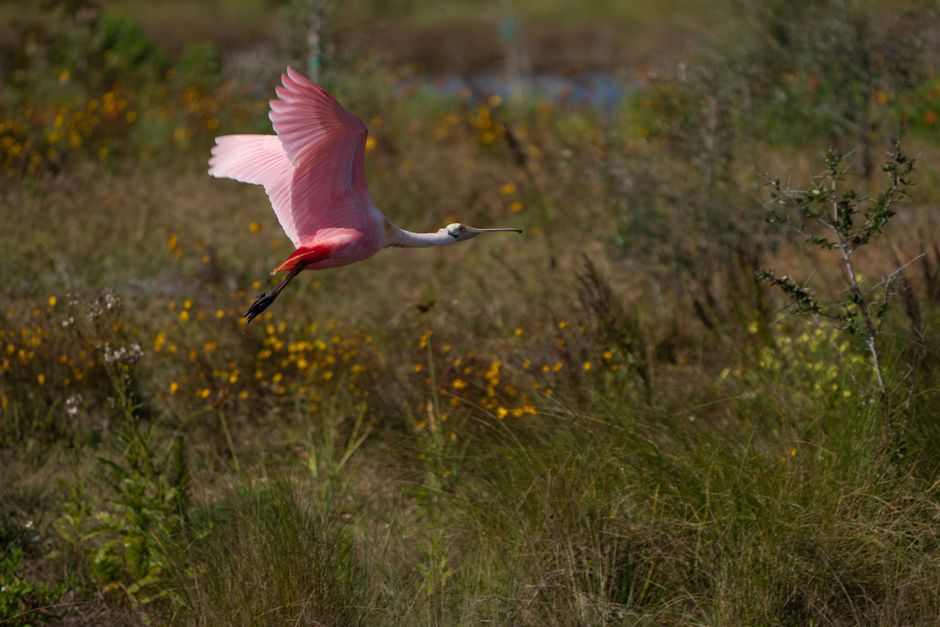
5. Harris Neck: From Airfield to Avian Haven
Harris Neck National Wildlife Refuge, Georgia, USA
Once a bustling WWII air base for P-51 Mustangs, it's now a serene sanctuary for migratory birds.
Just a short drive from the historic fishing town of Darien, Harris Neck National Wildlife Refuge offers a unique blend of history and nature. Explore former runways now overgrown with marsh grasses, providing critical habitat for roseate spoonbills, wood storks, and alligators. While not directly a beach stay, Darien provides charming lodging and easy access to coastal excursions and barrier islands like Sapelo, offering a safe and authentic Lowcountry experience.
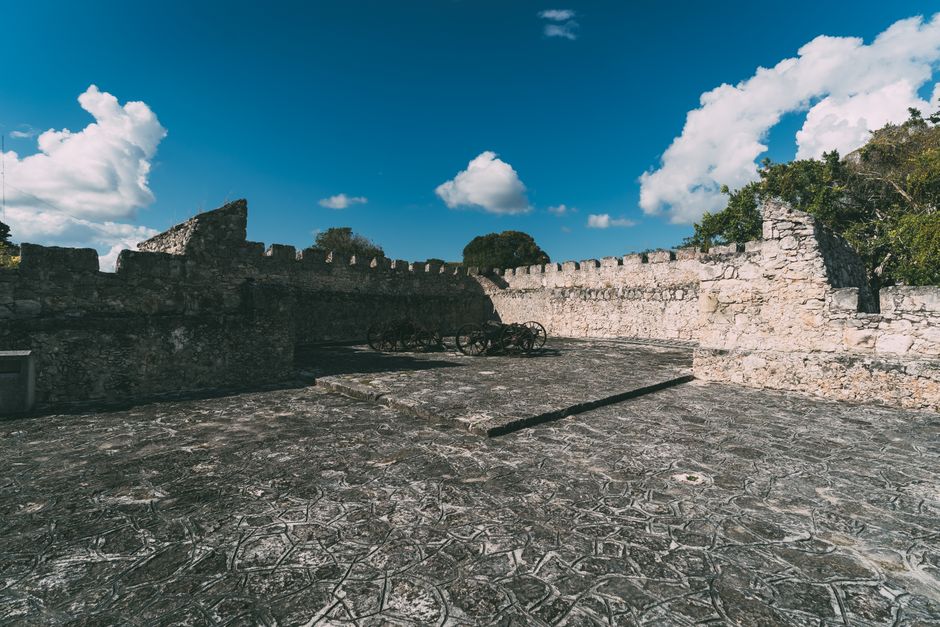
6. Cannon's Point Preserve: Ancient Echoes
St. Simons Island, Georgia, USA
This protected preserve holds tabby ruins from an 18th-century plantation and ancient shell middens.
Located on the northern end of St. Simons Island, Cannon's Point Preserve is a pristine 600-acre tract dedicated to conservation and history. It offers miles of walking trails through maritime forest and salt marsh, leading to significant archaeological sites. Explore the tabby ruins of a former plantation and ancient Gullah-Geechee shell middens, offering a tangible link to centuries of human history. While St. Simons is a popular destination, Cannon's Point offers a secluded and safe natural escape.
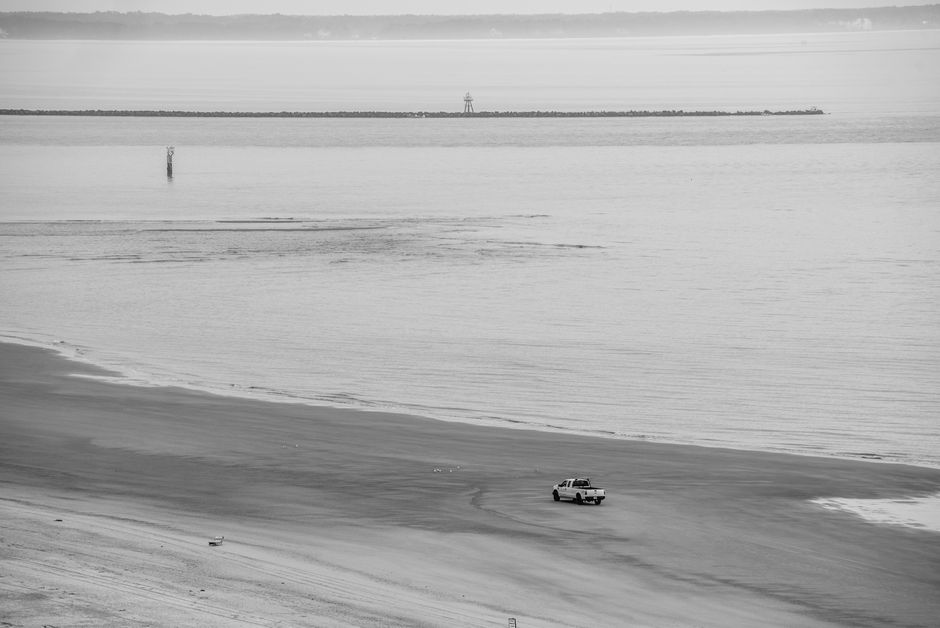
7. Little Tybee Island: Untouched Sands
Little Tybee Island, Georgia, USA
An untouched barrier island accessible only by boat, offering primitive camping and abundant wildlife.
South of more developed Tybee Island lies its wild counterpart, Little Tybee. This uninhabited island is a nature lover's paradise, boasting miles of unspoiled beaches, salt marshes, and maritime forests. Accessible by kayak or boat, it's a prime spot for birdwatching, shelling, and primitive camping. Experience true solitude and connect with nature in a safe, secluded environment away from the crowds, yet just a short paddle from Tybee's amenities.
Frequently asked questions
Are Georgia's coastal beaches safe for swimming?
Yes, Georgia's coastal beaches are generally safe for swimming. Always check local advisories for water quality or rip current warnings. Many beaches have lifeguards during peak season, but lesser-known spots might not. Be mindful of currents and marine life.
What makes Georgia's barrier islands unique compared to other states?
Georgia's barrier islands are unique for their largely undeveloped nature, extensive salt marshes, and rich history. Many are preserved as national seashores or state parks, offering pristine ecosystems, ancient live oaks, and significant cultural sites, unlike the more commercialized beaches in some neighboring states.
How can AllTours.ai enhance my visit to these hidden Georgia gems?
AllTours.ai brings the stories of these unique places to life. Simply point your phone camera at a historic ruin, a distinctive geological formation, or a significant natural landmark, and the app will instantly narrate its history, geology, and cultural significance in your preferred language, turning every view into a deep dive into discovery.
Related guides
Photography via Pexels. AllTours.ai is an AI audio tour guide — point your camera at any landscape and hear its story.