September 12, 2026 · 4 min read
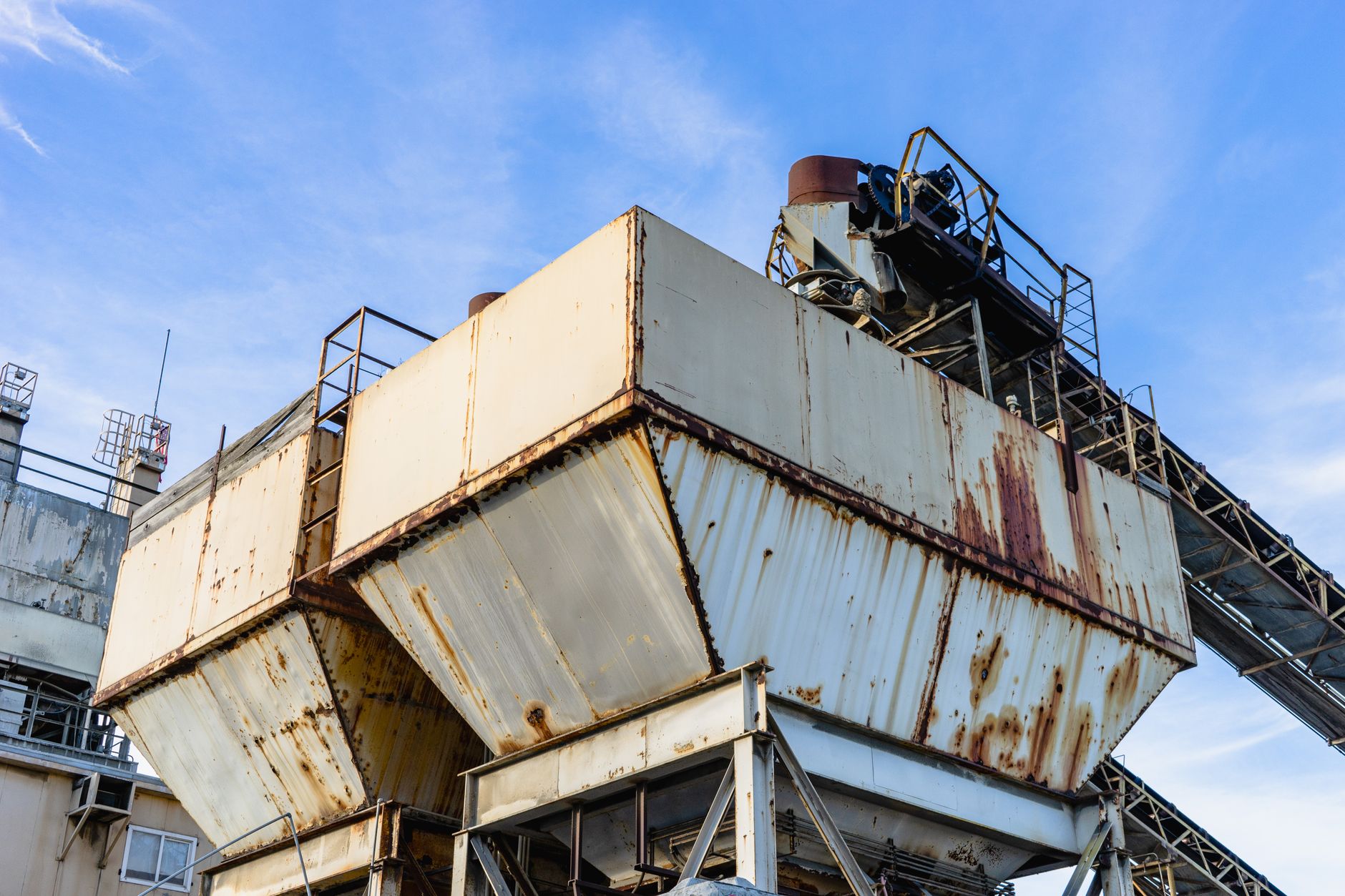
The mid-20th century was a boom time for the United States, a period of unprecedented expansion and prosperity. Yet, something shifted. Since the 1960s, the pace of economic growth has notably decelerated, sparking widespread debate about its causes and consequences. What happened to slow the engine of the American economy?
While economists pore over data, the real story of this transformation is etched into the American landscape itself. Beyond the headlines and statistics, the reasons why economic growth slowed since the 1960s in the United States are visible in former industrial powerhouses, ghost towns of vanished industries, and sites of profound environmental change. Join us on a journey to discover these lesser-known places, each telling a piece of the puzzle.
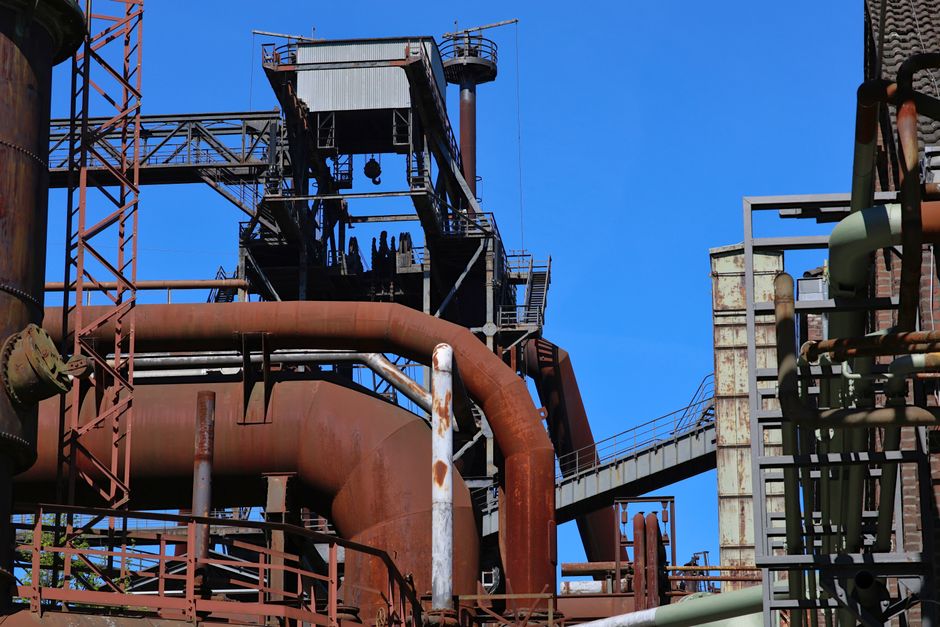
1. Youngstown, Ohio: The Steel City's 'Black Monday' Echoes
Youngstown, Ohio, United States
On September 19, 1977, known locally as "Black Monday," Youngstown Sheet and Tube announced its closure, triggering a wave of industrial shutdowns that devastated the city.
Youngstown's mighty steel industry, once the backbone of its prosperity, crumbled rapidly in the face of global competition and outdated infrastructure. The closure of mills like Youngstown Sheet and Tube plunged the city into an economic crisis, wiping out over 50,000 jobs and leading to massive population decline. Today, efforts to revitalize the Mahoning Valley tell a story of post-industrial reinvention, but the scars of deindustrialization remain visible in its architecture and community spirit.
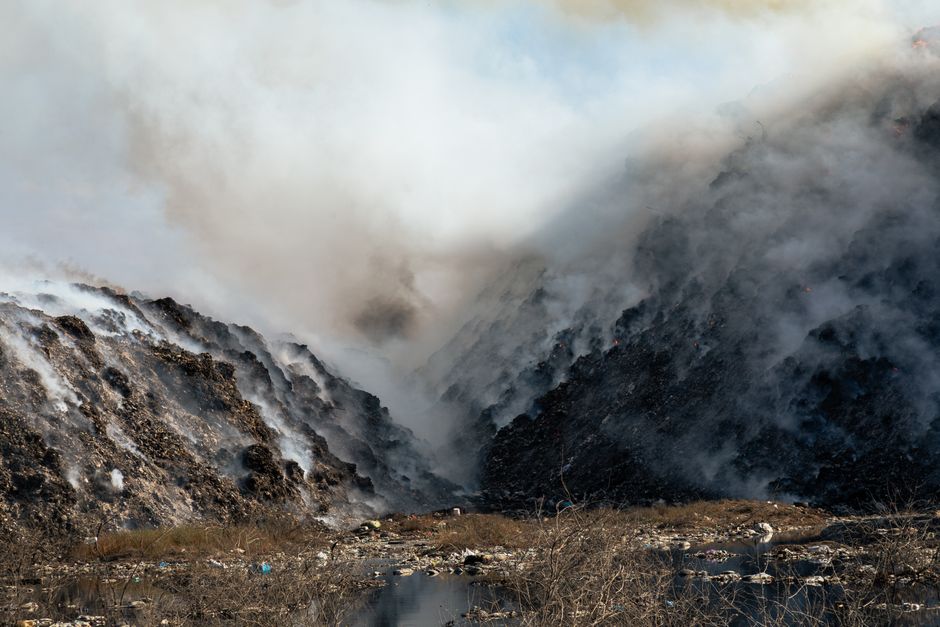
2. Centralia, Pennsylvania: A Town on Fire, a Resource Exhausted
Centralia, Pennsylvania, United States
Since 1962, an underground coal seam fire has burned beneath Centralia, forcing its abandonment and leaving a modern ghost town that symbolizes coal's fiery end.
The Centralia mine fire, accidentally ignited decades ago, turned a thriving coal town into a hazardous wasteland. The ongoing inferno, which may burn for centuries, led to the federal condemnation of homes and the relocation of nearly all residents. This eerie landscape, with steam rising from cracks in the ground, serves as a stark reminder of the environmental costs and ultimate unsustainability of unchecked resource extraction that contributed to regional economic shifts.
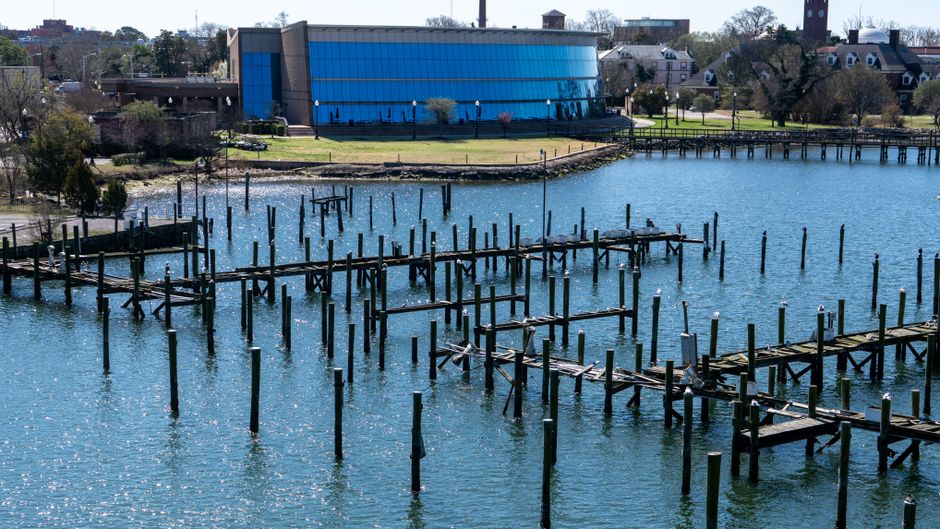
3. Kannapolis, North Carolina: From Textile Thread to Biotech Strand
Kannapolis, North Carolina, United States
This former textile town, once home to the world's largest towel factory, dramatically reinvented itself after its industrial heart closed, illustrating a national shift.
Kannapolis was built around Cannon Mills, a massive textile enterprise that employed generations and shaped the town's identity. As the American textile industry declined due to globalization and cheaper overseas labor, Cannon Mills eventually closed in 2003, leaving thousands jobless. In a bold pivot, the former mill site transformed into the North Carolina Research Campus, a hub for health, nutrition, and agricultural biotech, demonstrating the painful but necessary transition from manufacturing to knowledge-based economies.

4. Rocky Flats National Wildlife Refuge, Colorado: The Cold War's Costly Legacy
Arvada, Colorado, United States
This serene wildlife refuge, once a secret nuclear weapons plant, now represents the enormous environmental cleanup costs inherited from Cold War-era industrial growth.
From 1952 to 1992, the Rocky Flats Plant secretly produced plutonium triggers for nuclear weapons, a cornerstone of Cold War defense spending. Its closure revealed widespread radioactive contamination, leading to one of the most expensive and complex environmental cleanups in US history, costing billions. The transition from active weapons production to a protected natural area highlights the long-term financial burdens and environmental reckoning that followed decades of intense, government-driven industrial activity.
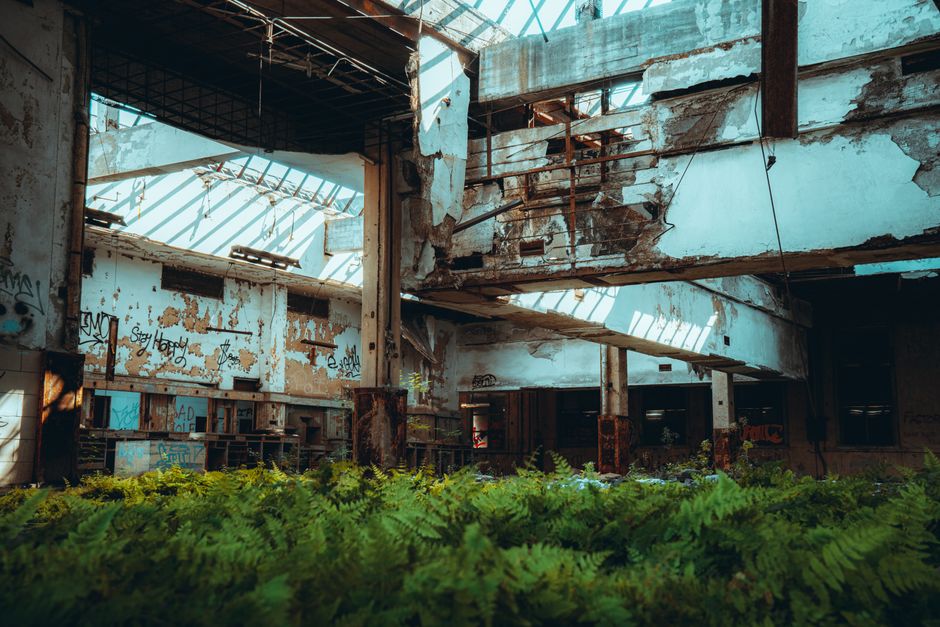
5. Gary, Indiana: The Zenith and Nadir of Steel
Gary, Indiana, United States
Gary's once-grand municipal buildings and neighborhoods now stand as haunting monuments to the rapid collapse of the American steel industry and urban decay.
Founded by U.S. Steel in 1906, Gary was a planned city, a symbol of industrial might and a beacon of opportunity. Its population peaked in the 1960s, but as steel production declined and automation increased, the city suffered massive job losses. Today, iconic structures like the abandoned Gary City Methodist Church reflect a profound economic and social contraction, showcasing the severe impact when a city's entire livelihood is tied to a single, faltering industry.

6. Love Canal, Niagara Falls, New York: The Birth of Environmental Regulation
Niagara Falls, New York, United States
This residential neighborhood became a national symbol of environmental disaster in the late 1970s, forever altering how industrial waste and public health are managed.
Love Canal was a partially dug canal purchased by Hooker Chemical in the 1940s and filled with 21,000 tons of toxic chemical waste. Decades later, a school and homes were built atop the site. In the late 1970s, widespread illness and birth defects led to its evacuation and the creation of the Superfund program, fundamentally changing environmental policy. This incident underlined the hidden costs of industrial shortcuts and spurred regulations that, while essential, also added new layers of expense and complexity to industrial operations.

7. Spring Hill, Tennessee: Saturn's Failed Promise
Spring Hill, Tennessee, United States
Once home to the highly anticipated Saturn Corporation plant, this site became a symbol of American automakers' struggles against foreign competition and internal challenges.
General Motors launched Saturn in the 1980s as a revolutionary "different kind of car company," aiming to compete directly with Japanese imports. The Spring Hill plant was a state-of-the-art facility, embodying hopes for American manufacturing innovation and labor-management cooperation. However, Saturn ultimately failed to capture significant market share and was discontinued in 2010. Its closure, despite initial promise, illustrated the broader difficulties faced by US auto manufacturers in adapting to global competition and changing consumer demands, impacting jobs and local economies.
Frequently asked questions
What is deindustrialization and how did it affect US growth?
Deindustrialization refers to the decline of industrial activity, particularly manufacturing, in a region or country. In the US, it led to massive job losses in traditional sectors like steel and textiles, shifting the economy towards services. This often resulted in lower-wage jobs and eroded communities, contributing to slower overall economic growth.
Were environmental regulations a major factor in slowing economic growth?
The implementation of environmental regulations, spurred by events like Love Canal, did add costs to industrial operations, impacting some businesses. However, these regulations were also crucial for public health and long-term sustainability. The economic impact is complex, balancing direct costs with the benefits of a healthier environment and new green industries.
How did globalization impact US manufacturing jobs after the 1960s?
Globalization led to increased international competition and the outsourcing of manufacturing jobs to countries with lower labor costs. This meant many American factories couldn't compete, leading to closures and significant job losses in regions like the Rust Belt and the Textile Crescent, fundamentally changing the US employment landscape.
How can AllTours.ai help me explore these historical economic changes?
AllTours.ai brings the stories of these places to life right on your phone. Simply point your camera at a historic factory, a revitalized urban center, or even a natural landscape, and the app will narrate its history, economic significance, and cultural impact in your preferred language, making the invisible visible.
Related guides
Photography via Pexels. AllTours.ai is an AI audio tour guide — point your camera at any landscape and hear its story.