July 29, 2026 · 4 min read
The charming Danish village of Solvang, California, is known for its windmills and pastries. But beneath its picturesque streets lies a persistent whisper of mystery: a network of tunnels whose true purpose remains largely unconfirmed. This question of hidden histories resonates deeply; human curiosity is often most piqued by what we can’t fully explain, by the stories that lie just beyond our reach.
Solvang's subterranean enigma isn't unique. Around the world, forgotten passages, unexplained geological formations, and controversial archaeological sites challenge our understanding of the past and the natural world. These are places that invite contemplation, places where history isn't neatly written, but rather unfolds in tantalizing, unresolved questions.
1. The Subterranean Whispers of Solvang
Solvang, California, USA
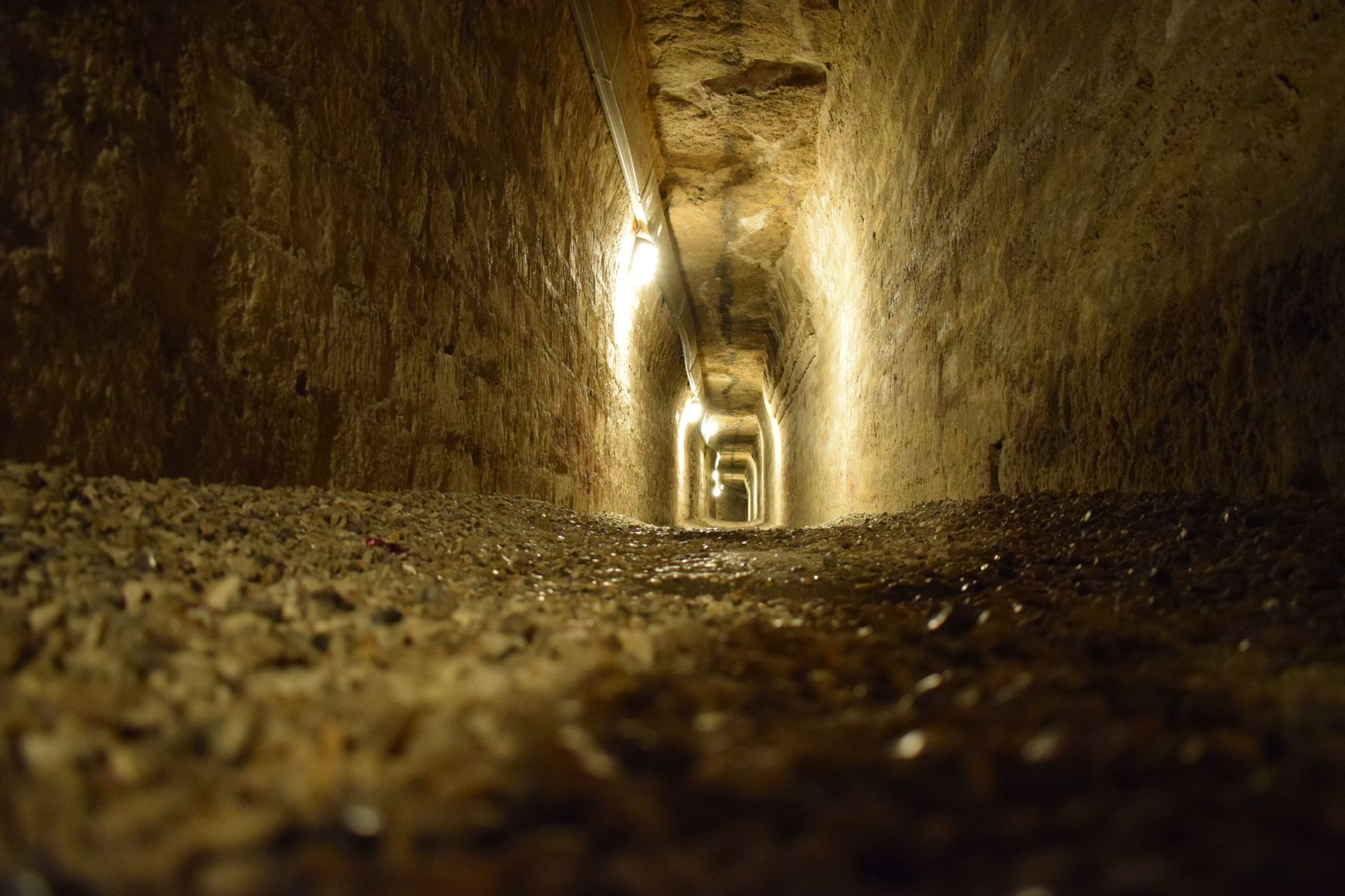
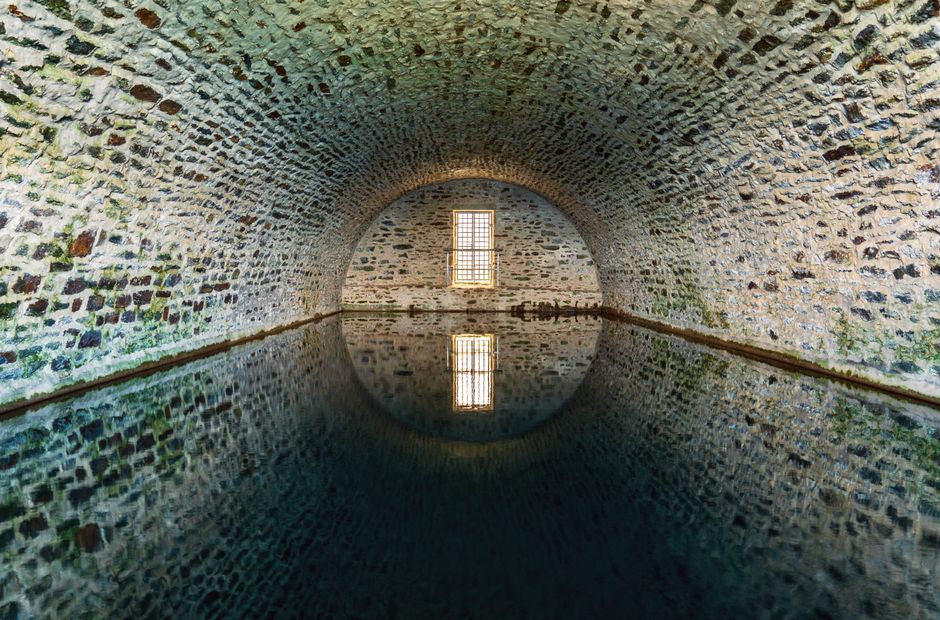
Beneath Solvang's charming Danish-themed streets lies an unexpected network of tunnels, their original purpose shrouded in local legend and historical debate.
For decades, locals have speculated about the tunnels beneath Solvang. While some stories suggest they were part of a Prohibition-era smuggling operation or even escape routes for early settlers, historical records are scarce. Most evidence points to them being mundane utility conduits or interconnected basements between businesses. However, the lack of definitive answers and the mostly sealed-off nature of these passages keep the mystery alive, inviting visitors to ponder what secrets the earth beneath Solvang truly holds.
2. America's Enigmatic Stonehenge
North Salem, New Hampshire, USA
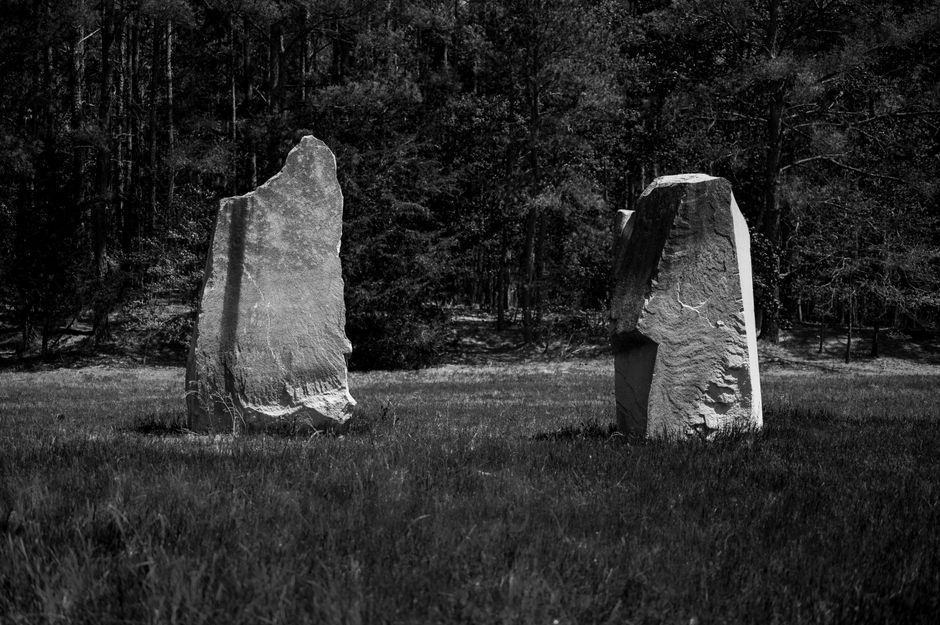
A collection of stone structures in New Hampshire, often called 'America's Stonehenge,' has archaeologists debating if it's an ancient indigenous site, pre-Columbian European visitors, or a colonial-era farm.
Mystery Hill features carefully arranged standing stones, stone chambers, and carved rock formations. Its origin is fiercely debated: some believe it's evidence of a pre-Columbian trans-Atlantic contact, while others attribute it to indigenous peoples or even colonial farmers. The true purpose and age remain unconfirmed, leaving its stacked stones to silently guard their secrets in the New England woods. The site's astronomical alignments only add to its perplexing nature.
3. The Unexplained Mima Mounds
Olympia, Washington, USA
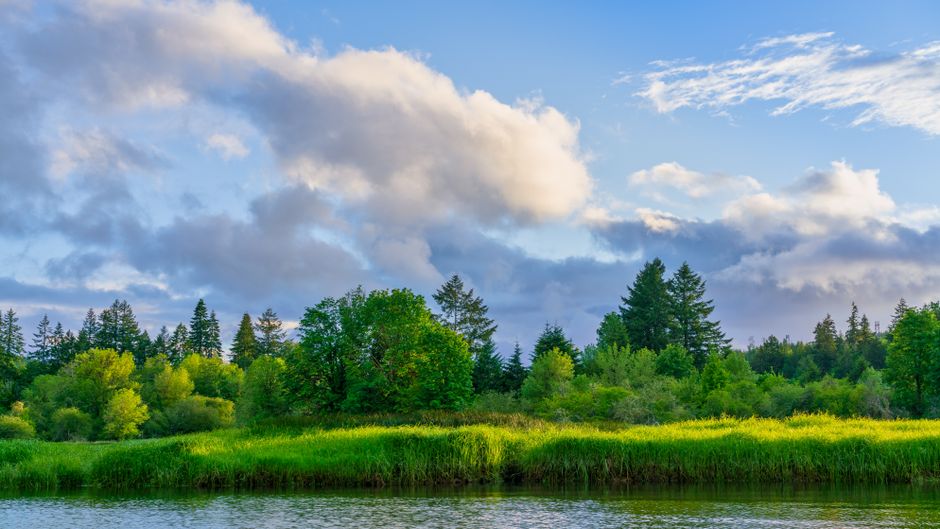
Thousands of perfectly uniform, dome-shaped mounds dot the landscape of Washington state, their formation still debated by geologists and ecologists.
The Mima Mounds are low, symmetrical, grass-covered hillocks, ranging from a few feet to several meters in diameter. Theories for their creation include seismic activity, glacial meltwater action, gophers pushing up soil, or even ancient cultural practices. Despite extensive study, no single theory fully explains their widespread, uniform distribution, making them a persistent geological puzzle visible from above. The mystery deepens when considering their presence in other parts of the world with similar, yet distinct, characteristics.
4. Nazca's Lesser-Known Figures
Nazca Desert, Peru
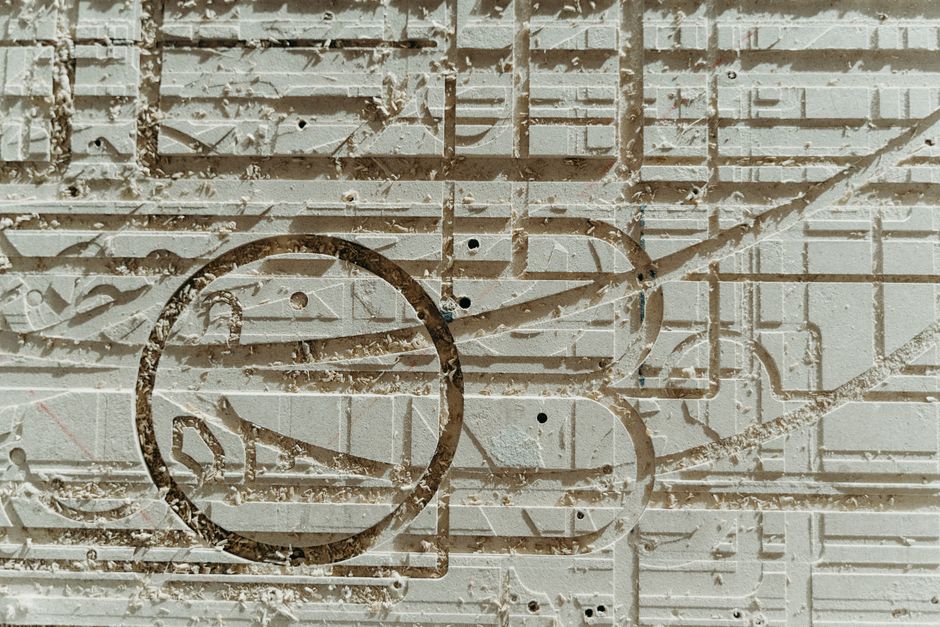
While famous for its giant animal geoglyphs, the Nazca Desert also contains hundreds of lesser-known, intricate human-like figures and abstract designs whose meaning remains elusive.
Beyond the widely recognized hummingbird and monkey, the Nazca Lines encompass a vast array of lesser-explored designs, including anthropomorphic figures, complex geometric patterns, and spirals. These less-visited figures are just as precisely etched into the desert floor, yet their symbolic significance, the purpose of their creation, and the methods used by the Nazca people for these massive artworks continue to defy complete understanding. Their subtle details suggest a complex cosmology yet to be fully deciphered.
5. The Devil's Sinkhole's Hidden Depths
Rocksprings, Texas, USA
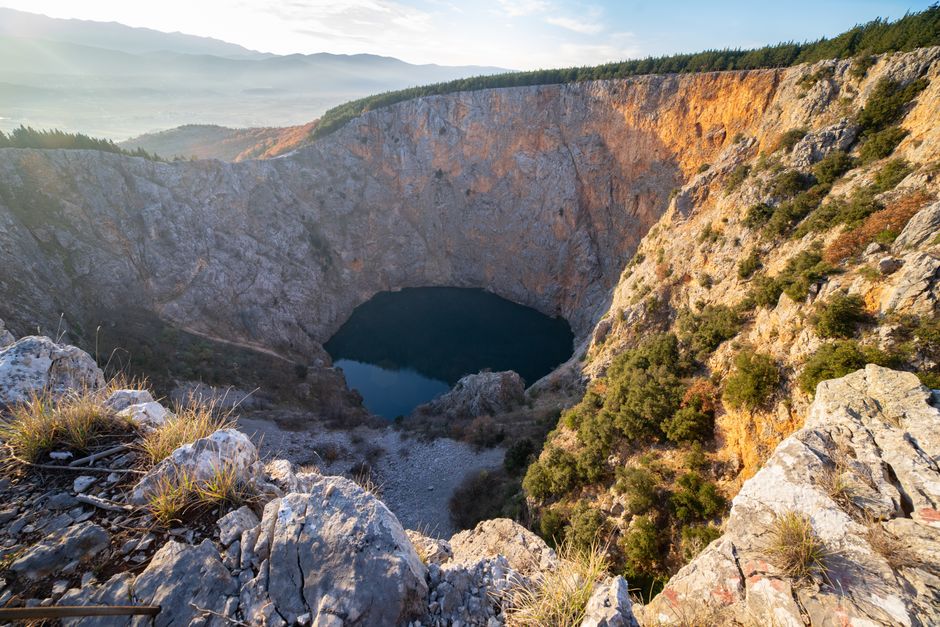
This massive vertical cave in Texas is a natural wonder, but its history includes a secret past for guano mining and even unexplained human remains.
The Devil's Sinkhole is a vast underground cavern, home to millions of bats. While mostly known for its natural beauty, early settlers discovered large deposits of bat guano, mined for fertilizer. Disturbingly, archaeological digs have also uncovered human remains, suggesting it served as a burial site or a place of ritual for ancient peoples, adding layers of unexplained history to its depths. The sheer inaccessibility of its deepest sections makes thorough investigation challenging, leaving many questions unanswered.
6. Bingham Canyon's Buried Labyrinth
Bingham Canyon, Utah, USA
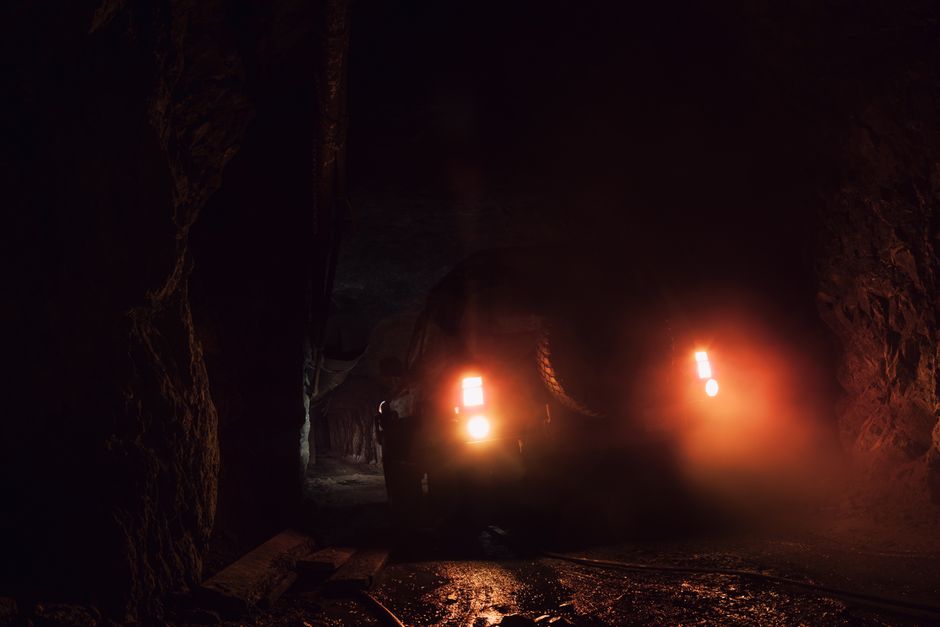
Beneath the massive open pit of Bingham Canyon Mine, an older, vast network of tunnels exists, dating back to early hard-rock mining, with many passages now lost or sealed.
Before it became the enormous open-pit copper mine visible today, Bingham Canyon was a sprawling network of underground hard-rock mines. Early prospectors and miners carved out miles of shafts and tunnels, seeking gold, silver, and lead. Many of these older workings are now inaccessible, either collapsed, flooded, or absorbed into the ever-expanding pit. The sheer scale and lost pathways of this subterranean labyrinth hold countless untold stories of early industrial endeavor, hidden dangers, and the rapid transformation of the landscape.
7. Palouse Falls' Columnar Secrets
Palouse Falls State Park, Washington, USA
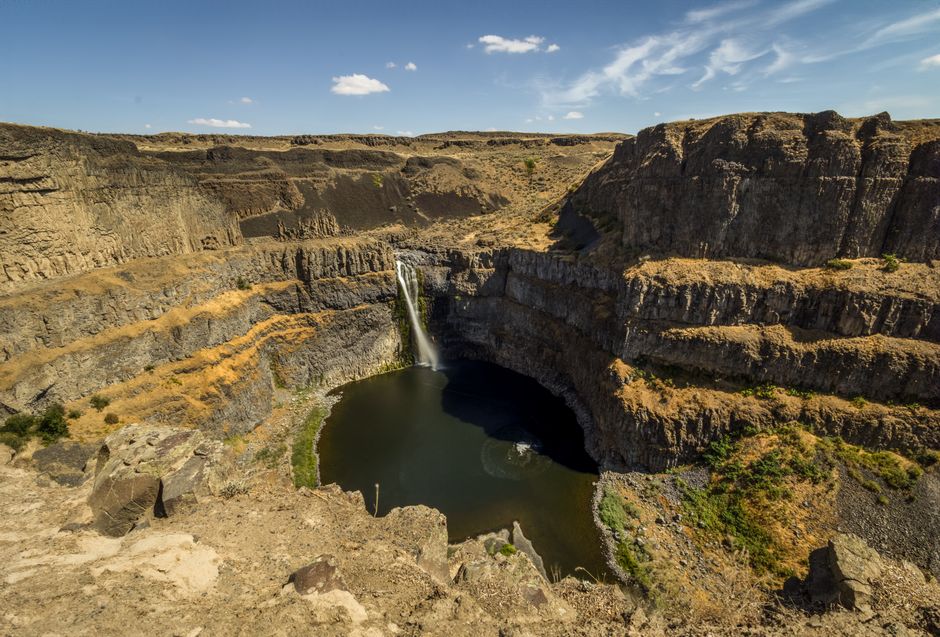
The striking hexagonal basalt columns at Palouse Falls are remnants of ancient, catastrophic floods that reshaped the landscape, but the exact mechanism of their formation and exposure remains a subject of ongoing geological debate.
Palouse Falls carves through layers of columnar basalt, a dramatic landscape feature created by immense prehistoric floods, known as the Missoula Floods. These floods scoured the region, exposing the unique hexagonal rock formations. While the general theory of massive water erosion is accepted, the precise conditions under which these perfect columns formed, cooled, and then were exposed so dramatically by water, still spark scientific discussion, offering a glimpse into Earth's violent past. The scale of the geological forces involved is truly staggering.
8. The Whispering Galleries of Mammoth Cave
Mammoth Cave National Park, Kentucky, USA
Deep within Mammoth Cave, certain passages possess unique acoustic properties that remain a puzzle, allowing whispers to travel vast distances or producing unsettling echoes.
Mammoth Cave is the longest known cave system in the world, and within its immense network are specific sections, sometimes called 'whispering galleries,' where sound behaves in peculiar ways. A soft whisper can travel hundreds of feet, while a normal voice might dissipate quickly. These unusual acoustic phenomena are attributed to the cave's complex geology, including ceiling height, passage shape, and rock composition, but the precise interplay of these factors that creates such distinct soundscapes is still a topic of fascination and study for acousticians and geologists alike. The experience of these acoustics is truly disorienting.
Frequently asked questions
Are the Solvang tunnels open to the public?
No, the tunnels beneath Solvang are generally not accessible to the public. Most are either collapsed, sealed off, or exist as private basements and utility conduits. Any remaining sections are typically unstable or unsafe for exploration, contributing to their enduring mystery.
How do historians uncover the purpose of old structures when records are lost?
Historians and archaeologists piece together evidence through various methods: analyzing architectural styles, studying local folklore and oral histories, conducting archaeological digs for artifacts, and comparing findings to similar structures in other regions. Ground-penetrating radar can also reveal hidden features without excavation, offering clues to what lies beneath.
What makes a historical site "underrated" or "lesser-known"?
An underrated or lesser-known historical site typically doesn't appear on mainstream tourist itineraries. It might be geographically remote, lack extensive marketing, or its significance is only understood by local experts or niche enthusiasts. These sites often offer unique, intimate insights into history, geology, or culture away from crowds, providing a richer, more personal discovery.
How can AllTours.ai help me discover these kinds of hidden stories?
AllTours.ai brings these lesser-known stories to life. Simply point your phone camera at a landmark or landscape, and the app uses AI to identify it, then narrates its unique history, geology, and cultural significance directly to you, in your language, turning any trip into a deep dive into the unexpected.
Related guides
Photography via Pexels. AllTours.ai is an AI audio tour guide — point your camera at any landscape and hear its story.